
Viral Animal “Rescue” Videos Have a Dark Secret: Some Creators Put the Animals in Danger
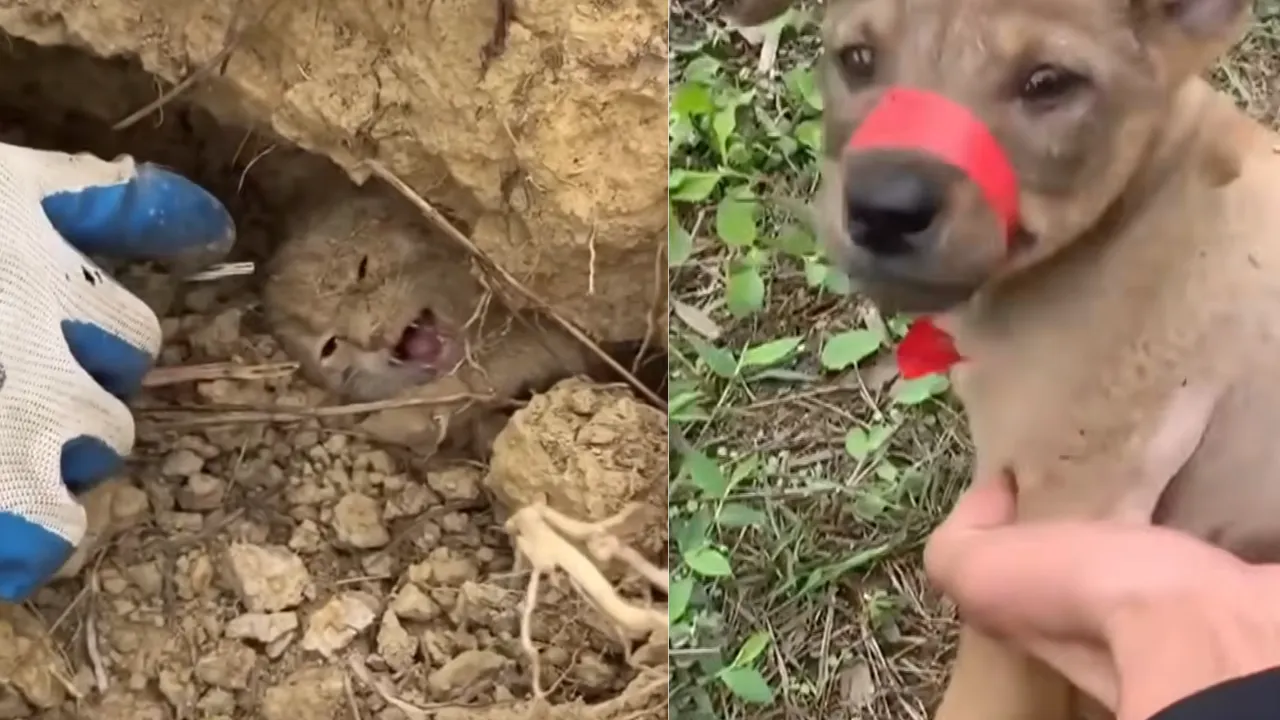
A puppy is tied to railroad tracks as a train approaches. A kitten is buried beneath rubble. Dogs appear on a highway with their paws and jaws taped shut. Then, conveniently, somebody arrives with a camera and saves them.
Some of those feel-good rescues have a much uglier explanation. Animal-welfare researchers say creators are deliberately putting animals in dangerous or distressing situations, then filming themselves apparently discovering and rescuing them.
The practice is getting fresh attention through “Cruelty for Clicks,” a new documentary from Lady Freethinker and director Kirk Murray examining animal abuse made and distributed for social media. The film follows Lady Freethinker founder Nina Jackel and others investigating content that can look cute, heroic or compassionate while concealing what happened before the camera started rolling.
The problem reaches well beyond a few suspicious videos. Researchers with the Social Media Animal Cruelty Coalition, or SMACC, documented more than 1,000 pieces of apparent fake-rescue content during just six weeks of monitoring. Together, those videos had accumulated more than 572 million views.
The Rescue Trap
Embedded media follows; please allow a moment to load.
The documentary was featured in a recent television segment showing examples of the kind of footage researchers have flagged: animals apparently abandoned, trapped or otherwise moments away from disaster before an unidentified rescuer happens upon them.
The trick is that the emergency may itself be part of the production.
SMACC’s “Spot the Scam” research describes fake rescue content as videos in which animals are intentionally harmed or placed in dangerous situations so the creator can appear to save them. The coalition says creators can benefit from the resulting views and engagement, while some also solicit money from viewers.
Its researchers collected 1,022 links to apparent fake-rescue content across Facebook, Instagram, YouTube, TikTok, and X during the six-week study.
Cats accounted for 42% of the animals documented. Primates, dogs, snakes, and turtles also appeared.
The scenarios followed patterns. About 31% involved animals were presented as abandoned, while 28% showed animals supposedly rescued after becoming trapped or stuck. Another 16% involved animals apparently being saved from attacks by other animals.
And the audience was enormous: 572,013,959 views across the links researchers collected.
Clicks Can Pay
Attention is not necessarily the only payoff.
SMACC found that 21% of the fake-rescue creators it studied asked viewers for donations, often via PayPal links, while presenting the funds as assistance for animals.
That creates an especially effective deception. The viewer isn’t simply watching someone appear to perform a good deed. The person who may have caused the animal’s suffering can also present themselves as the one deserving financial support for ending it.
Lady Freethinker says “Cruelty for Clicks” examines that broader economy of online animal abuse, including staged dog rescues, exotic animals used as props and more explicit cruelty distributed for entertainment or profit.
The scale of suspect animal content has remained substantial outside the fake-rescue study. World Animal Protection reported that members of the public submitted 80,972 suspected animal-cruelty links to SMACC for assessment during 2024. Facebook accounted for 87.5% of them.
Spotting The Setup
There isn’t one giveaway that proves a rescue is staged.
Instead, SMACC recommends looking at the entire production. Repeated rescues at similar locations or under similar circumstances can be a warning sign. So can an animal being left in distress while somebody concentrates on filming, conspicuous editing, multiple camera angles during what is supposedly an unexpected emergency, or a rescuer who repeatedly arrives at exactly the right moment.
Viewers can also look for information about what happens afterward. A legitimate rescue organization will often identify itself and provide some indication of where an animal went, what treatment it received or what happened next. Fake-rescue clips may end once the dramatic footage has been captured.
SMACC also advises people not to reward suspicious content simply because they are angry. Views, comments and shares can increase engagement with the material and potentially help it reach more people.
The coalition’s next Report It! Week runs Sept. 21-27, with the group encouraging users who encounter suspected animal-cruelty content to report it through the platform rather than helping spread it.
For the animals in a staged rescue, after all, the person appearing to save the day may be the reason a rescue was needed in the first place.


