
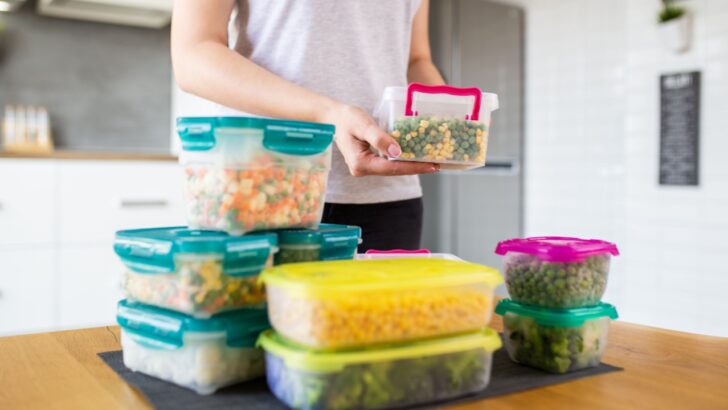
As the cold weather rolls in, your dreams of a summer garden might feel far away. But don’t despair, your freezer is about to become your new best friend! While nothing quite compares to picking a sun-warmed tomato straight from the vine, frozen veggies are a fantastic, budget-friendly, and healthy way to get you through the winter.
The beauty of frozen vegetables lies in their convenience and longevity. They’re picked when they’re perfectly ripe and nutrient-packed, then flash-frozen to lock in all that goodness. This means you get top-quality produce all year long without worrying about it going bad or running to the store every other day.
Plus, as fresh produce prices spike in winter, stocking up on frozen veggies can save you money and help cut down on food waste. Ready to fill your freezer? Here are 12 frozen vegetables that will be your go-to staples for hearty winter soups, speedy weeknight meals, and cozy casseroles.
Where We Got This Data
This article draws on expert-backed insights from registered dietitians, university agricultural extensions, food science publications, and culinary professionals. Nutritional information and cooking techniques are based on current best practices for frozen produce handling, preservation, and preparation. All recommendations reflect widely accepted guidance from health and food safety authorities, ensuring both accuracy and practicality for everyday home cooks.
1. Green Peas
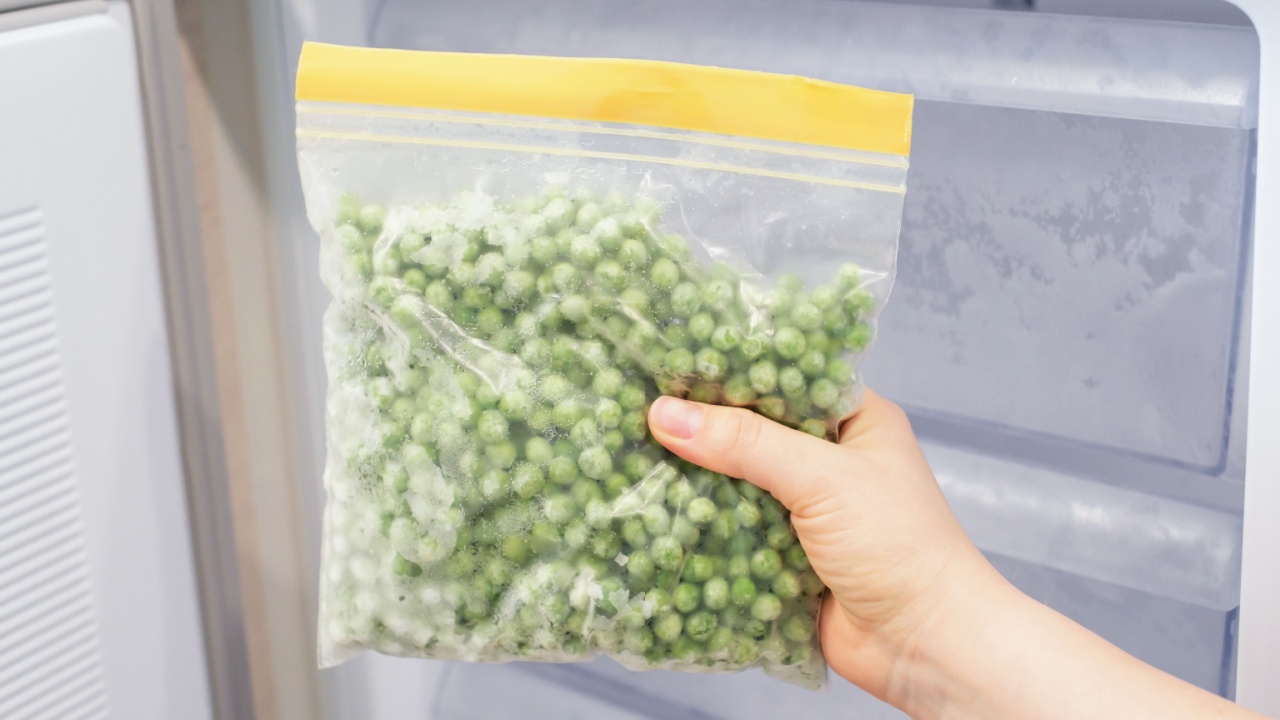
Image Credit: Shutterstock.
Fresh green peas have a fleeting season, and unless you’re willing to spend considerable time shelling them, frozen peas are your most practical option. These little green gems are flash-frozen quickly after harvest, keeping their bright color, sweet flavor, and nutrition intact.
Unlike canned peas, frozen ones hold their texture and taste beautifully. They’re super versatile: toss them into pasta, fried rice, pot pies, or casseroles. For a simple side, boil them briefly with butter and herbs. Just don’t overcook them!
Pro Tip: Keep frozen peas in an airtight container or resealable bag to prevent freezer burn. They’ll maintain quality for up to 12 months when properly stored.
2. Broccoli
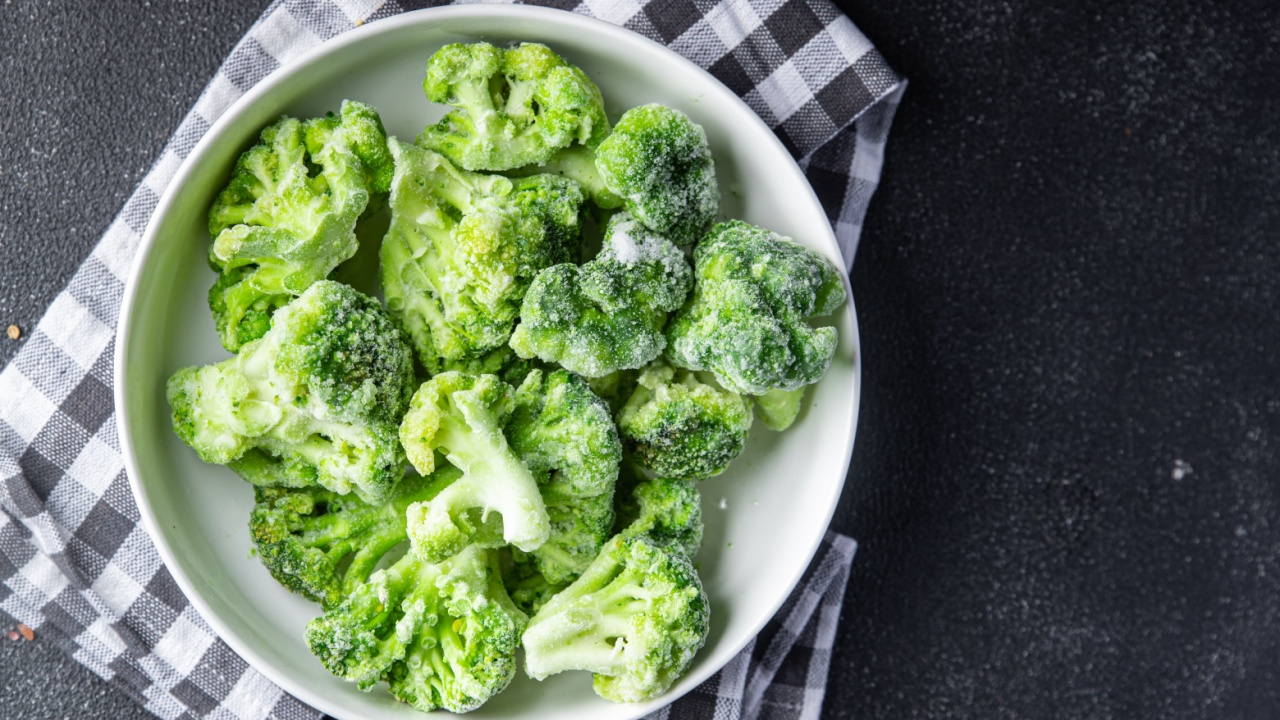
Image Credit: Shutterstock.
Fresh broccoli begins its decline almost immediately after harvest, wilting and yellowing within days of sitting in your refrigerator. Frozen broccoli solves the problem entirely. Pre-cut and ready from the bag, it saves prep time and reduces waste.
Manage moisture when cooking frozen broccoli. Steam briefly and drain well to avoid sogginess, or roast directly from frozen on a sheet pan. Roasting caramelizes sugars, creating crispy, golden edges that impress even skeptics. Season with olive oil, garlic, and lemon for a side dish rivaling fresh.
Pro Tip: Don’t thaw before roasting. Ice crystals create steam for better texture, and high oven heat evaporates moisture while browning the florets.
3. Cauliflower
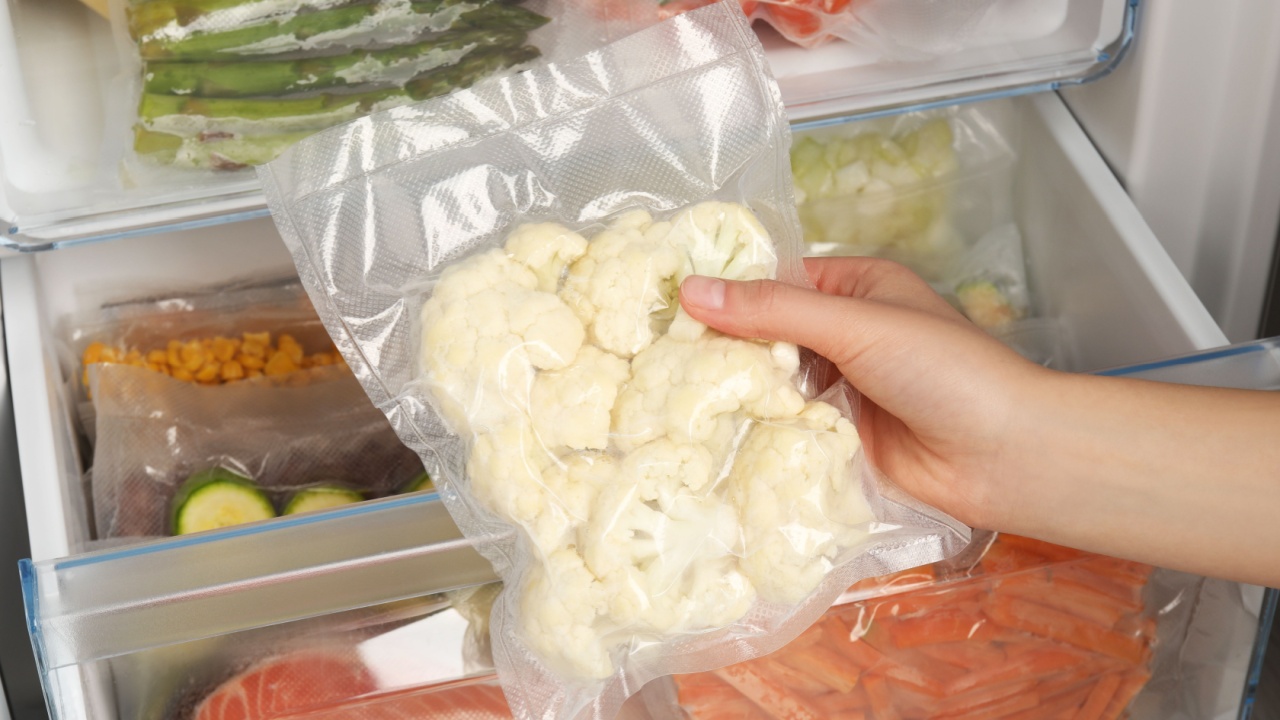
Image Credit: Shutterstock.
Cauliflower has become a kitchen superstar, and frozen varieties make it easier than ever to incorporate this nutritious cruciferous vegetable into your meals. From whole florets to pre-riced cauliflower, the frozen section offers multiple options to suit different recipes. The snap-freeze process preserves cauliflower’s vitamin C content while making it more affordable and accessible year-round.
Frozen cauliflower works beautifully in countless applications. Roast the florets with curry spices for an Indian-inspired side, blend them into creamy soups, or use riced cauliflower as a low-carb substitute in everything from pizza crusts to grain bowls. The mild flavor profile makes it incredibly adaptable, taking on whatever seasonings you choose.
Pro Tip: Like broccoli, frozen cauliflower benefits from high-heat cooking methods. Roasting at 425°F brings out natural sweetness and creates desirable crispy edges. If boiling or steaming, keep cooking time brief to maintain texture.
4. Okra
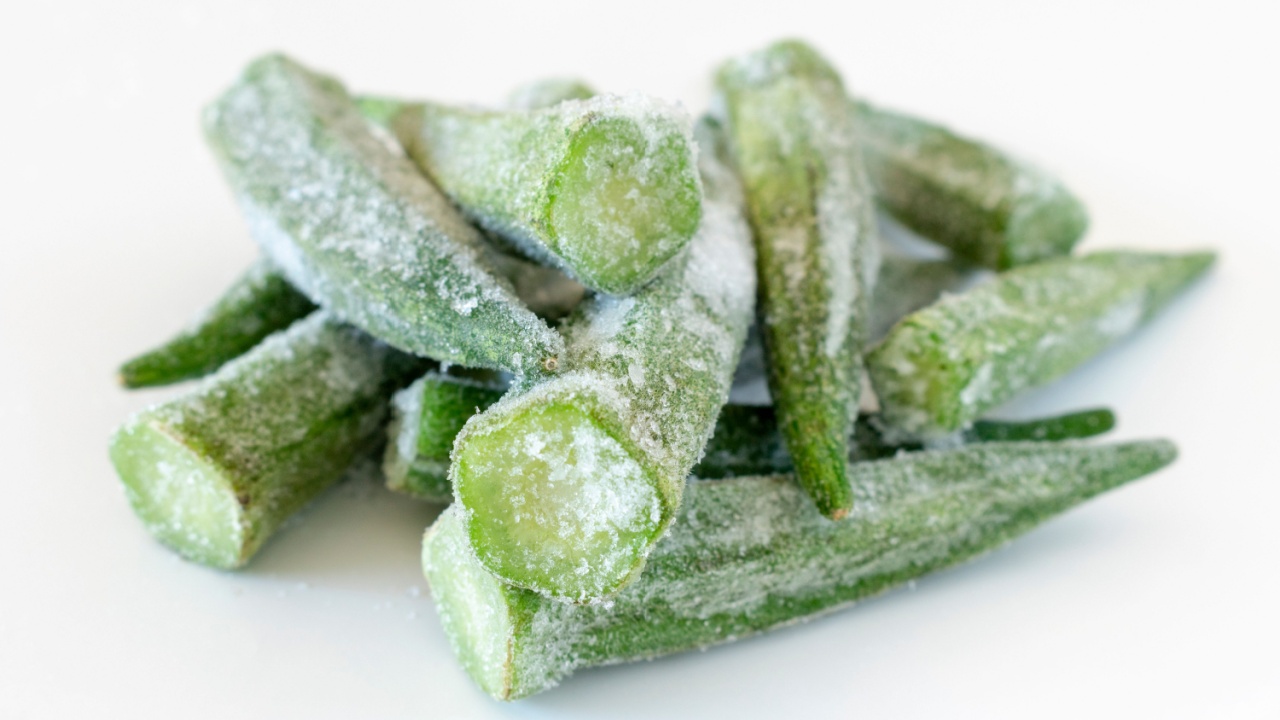
Image Credit: Shutterstock.
Fresh okra has a notoriously short shelf life and can become slimy when improperly cooked, but frozen okra is harvested at peak freshness and maintains excellent quality in your freezer. Whether you prefer whole pods or pre-sliced, frozen okra opens up year-round possibilities for gumbo, stews, and classic Southern sides.
The texture of frozen okra works particularly well in cooked preparations where moisture isn’t a concern. Add it to simmering soups and stews, roast it in the oven for a crispy snack, or fry it for a classic Southern appetizer. The freezing process actually helps break down some of the compounds that cause sliminess, making frozen okra more forgiving for novice cooks.
Pro Tip: If you grow okra in your own garden during summer, freezing is the best preservation method. Simply wash, dry, and freeze whole pods or sliced rounds in a single layer before transferring to freezer bags.
5. Carrots
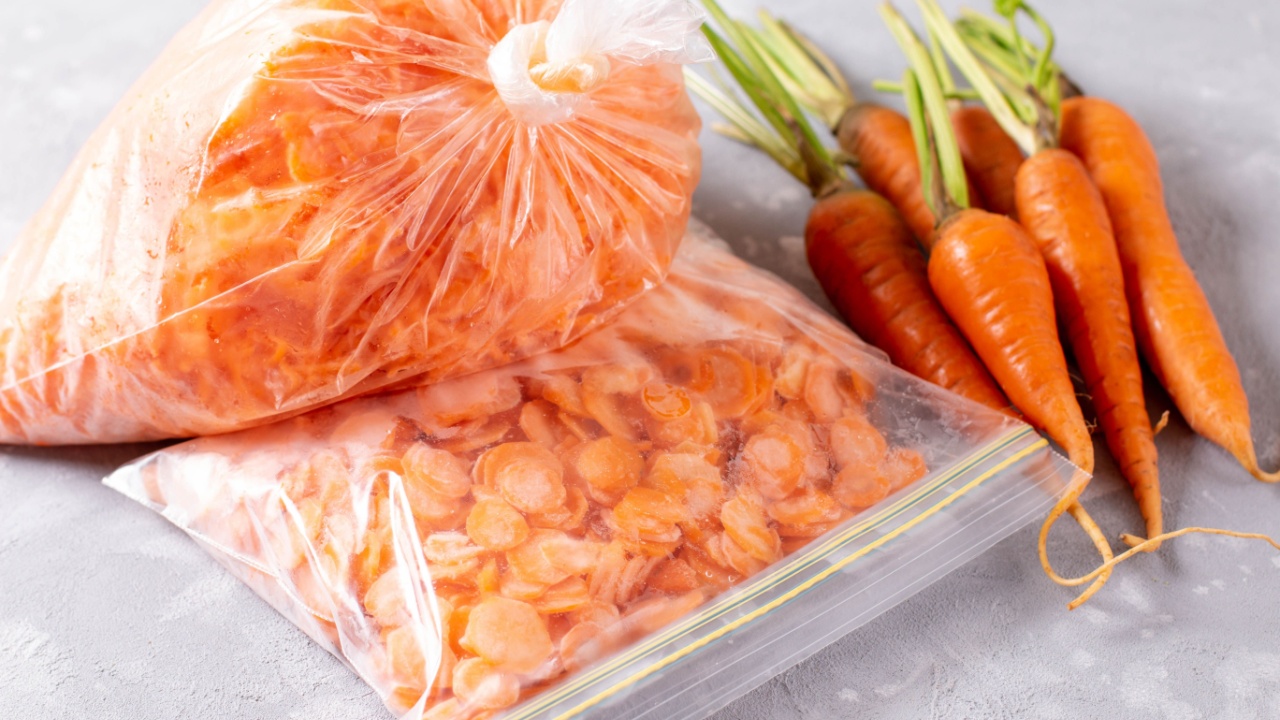
Image Credit: Shutterstock.
While fresh carrots are available throughout the year, frozen carrots offer unmatched convenience. They’re already peeled, trimmed, and often diced or sliced, eliminating prep work. The flash-freezing process preserves their fiber content, vitamin A, and beta-carotene, nutrients that make carrots such a valuable addition to your diet.
Frozen carrots integrate seamlessly into soups, stews, and pot roasts, where they’ll cook alongside other ingredients without any special treatment. They’re also excellent in stir-fries, adding color and sweetness to vegetable medleys. For a simple side dish, glaze them with honey or maple syrup, or roast them with other root vegetables for a colorful sheet pan meal.
Pro Tip: Cooking increases the bioavailability of beta-carotene in carrots, making frozen, pre-blanched carrots a great nutritional choice.
6. Lima Beans
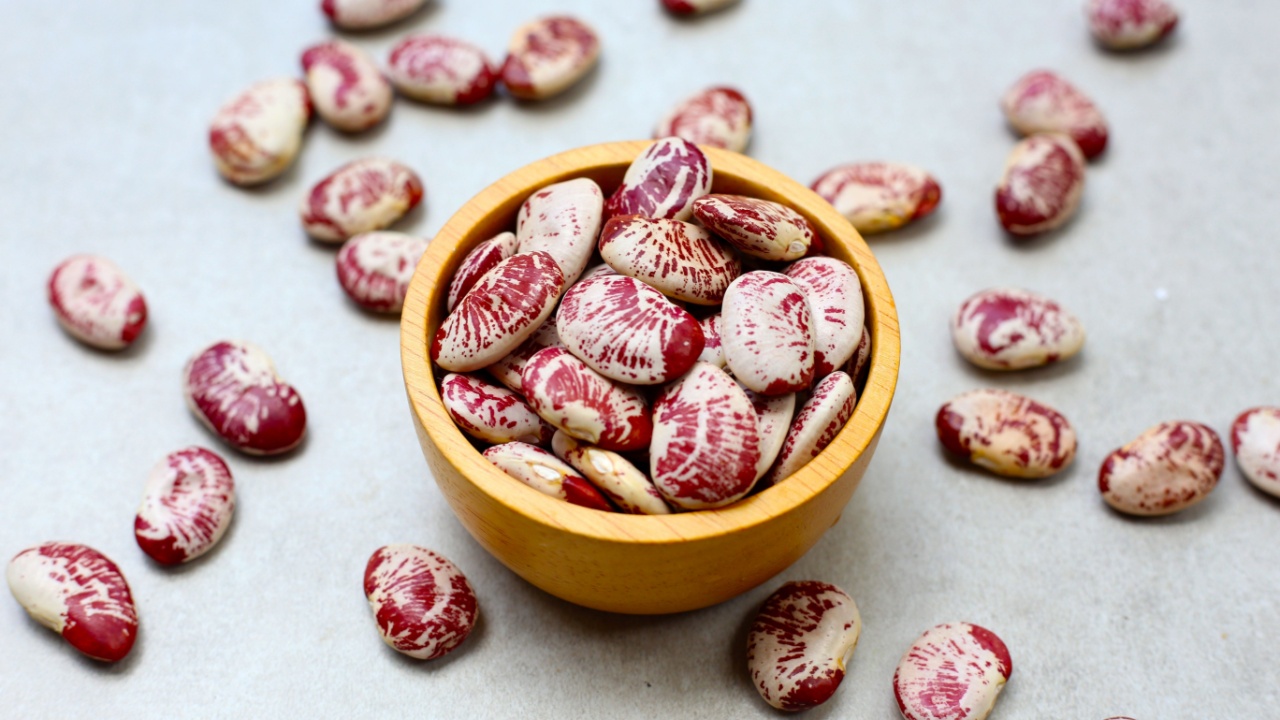
Image Credit: Shutterstock.
These buttery, tender legumes (often called butterbeans in the South) are far more common in frozen form than fresh. That’s actually good news for home cooks, as fresh lima beans require labor-intensive shelling and have a very limited season. Frozen lima beans maintain their creamy texture and mild, slightly sweet flavor while offering impressive nutritional benefits, including protein, fiber, and folate.
Lima beans are traditionally slow-cooked with bacon, onion, and brown sugar for a classic Southern side dish, but they’re equally delicious in vegetable medleys, succotash, or pureed into dips.
Pro Tip: Unlike some frozen vegetables, lima beans benefit from longer cooking times. Simmer them gently to achieve that signature creamy, tender texture that makes them so appealing.
7. Spinach
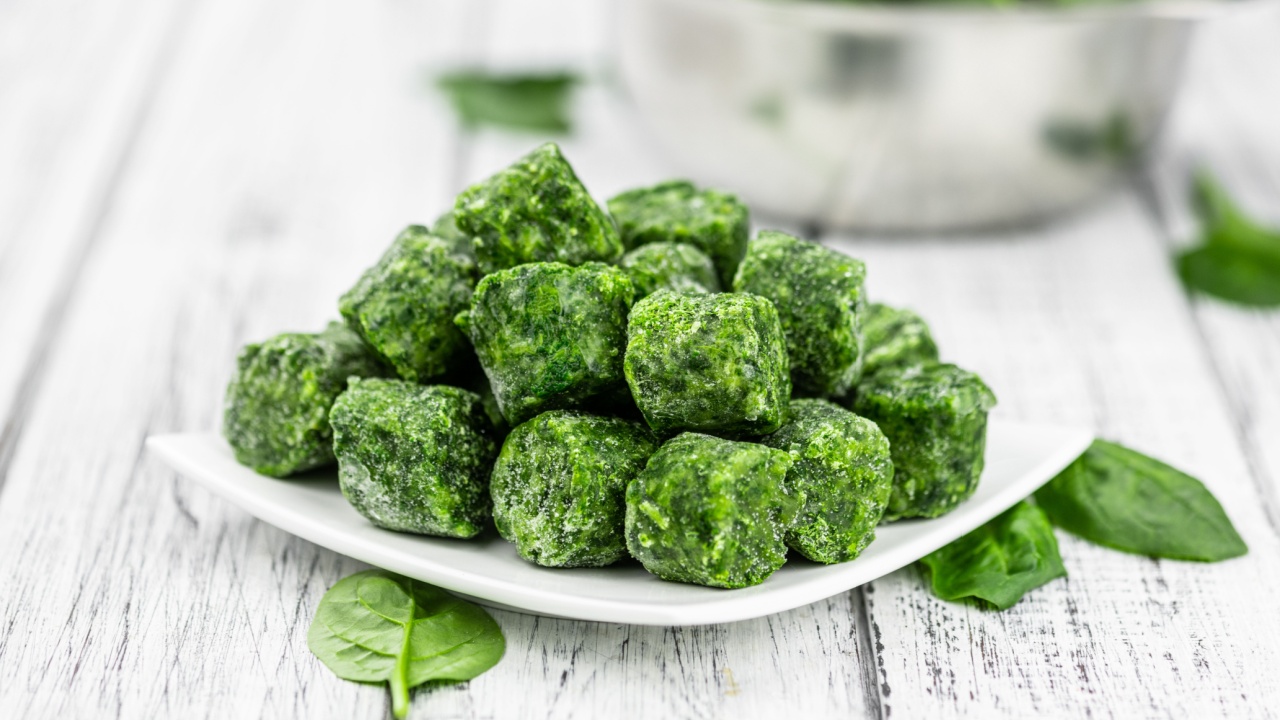
Image Credit: Shutterstock.
Fresh spinach wilts dramatically when cooked, meaning you’d need enormous quantities to equal what’s packed into one compact box of frozen spinach. The frozen version is chopped and blanched before freezing, making it perfect for cooked dishes where texture isn’t critical.
Use frozen spinach in dips, casseroles, pasta sauces, and egg dishes. It’s already condensed, so you don’t need to worry about cooking down large volumes of fresh leaves. The blanching process before freezing also removes some of the bitterness that can plague fresh spinach. Simply thaw, squeeze out excess water, and incorporate it into your favorite recipes.
Health benefit: Frozen spinach retains high levels of iron, calcium, vitamins A and K, and folate. Because it’s blanched before freezing, some nutrients are actually more concentrated than in raw fresh spinach.
8. Brussels Sprouts
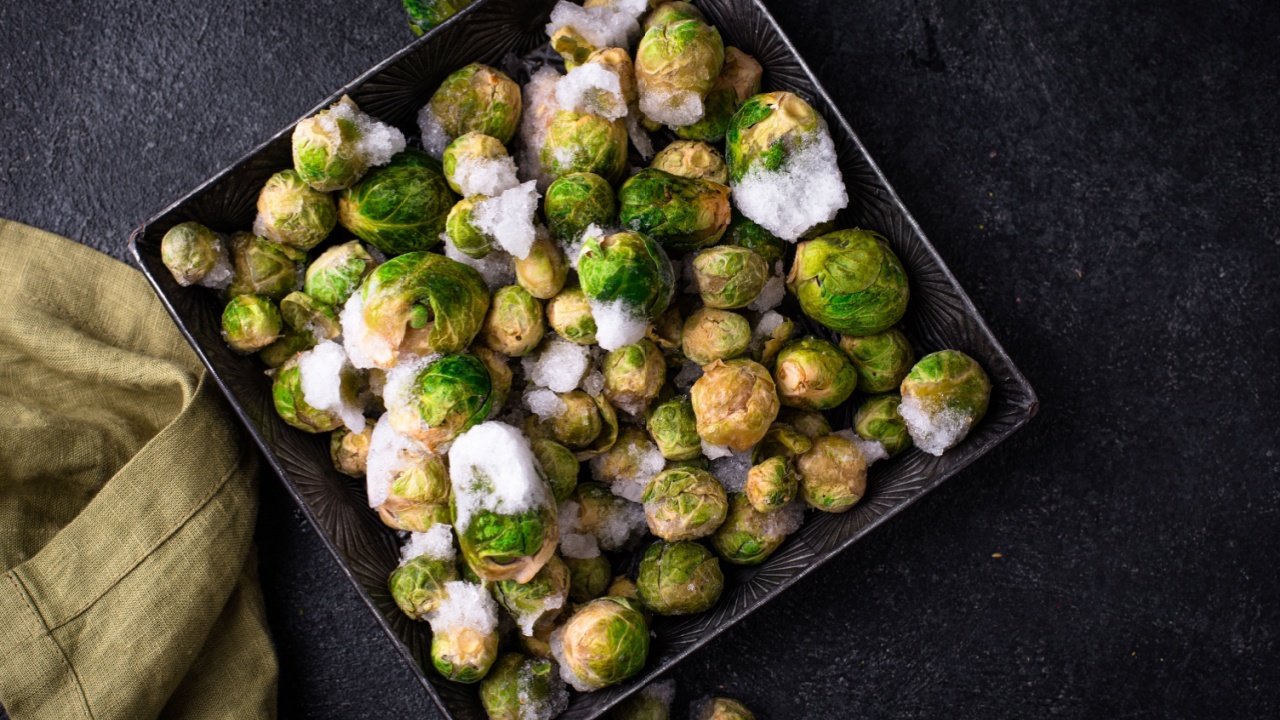
Image Credit: Shutterstock.
Fresh Brussels sprouts can be expensive, especially during off-season months, making frozen varieties an economical alternative. When properly cooked, frozen Brussels sprouts develop the same caramelized, nutty flavor that makes fresh ones so appealing. The key is understanding how to handle them straight from the freezer.
Skip the thawing step to avoid mushy, waterlogged sprouts. Instead, coat frozen Brussels sprouts with olive oil, season generously, and roast at high heat (around 425°F) for 30-40 minutes, stirring occasionally. The exterior will crisp up beautifully while the interior becomes tender. Try tossing the roasted sprouts with balsamic vinegar, bacon bits, or toasted pecans for added flavor.
Pro Tip: Cut any larger frozen Brussels sprouts in half before roasting to ensure even cooking and maximum caramelization on the cut surfaces.
9. Butternut Squash
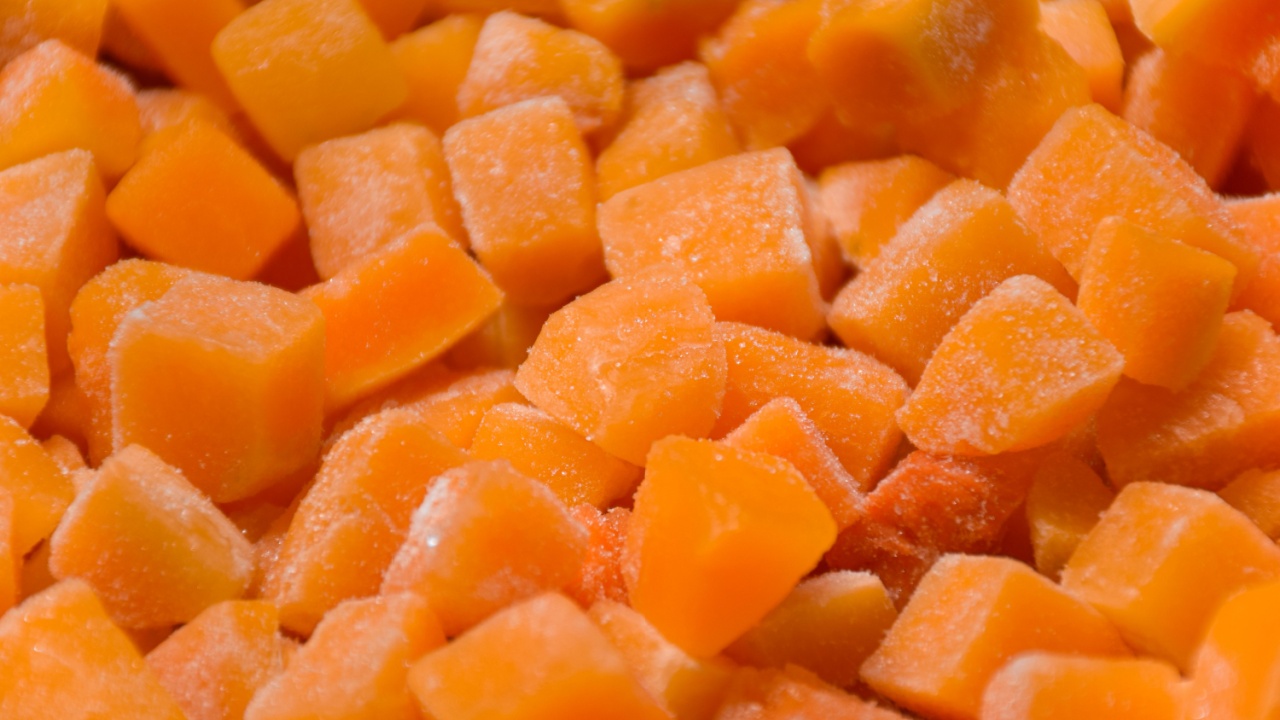
Image Credit: Shutterstock.
Anyone who’s wrestled with a fresh butternut squash knows the challenge of peeling and cubing this rock-hard vegetable. Frozen butternut squash eliminates all that work while delivering the same nutritional benefits, including high levels of vitamins A and C, potassium, and fiber. You’ll find it cubed, pureed, or even spiralized in the freezer section.
Frozen butternut squash cubes are perfect for roasting, adding to soups, or incorporating into pasta dishes. The pureed version creates velvety sauces and soups with minimal effort. Because squash has a naturally sweet flavor profile, it pairs beautifully with both savory seasonings (sage, thyme, garlic) and sweet additions (maple syrup, cinnamon, brown sugar).
Pro Tip: While fresh butternut squash is primarily a fall vegetable, frozen varieties let you enjoy squash-based dishes throughout winter and into spring without compromising quality.
10. Corn
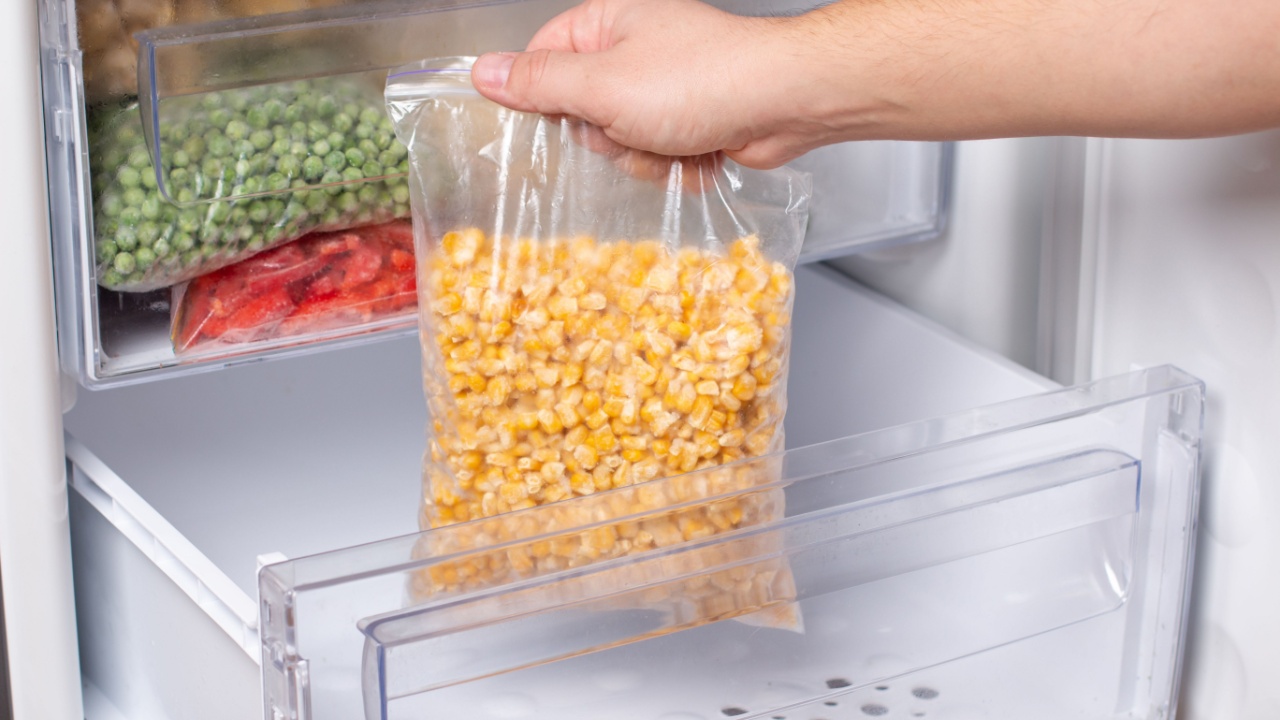
Image Credit: Shutterstock.
When sweet corn season ends, frozen corn kernels are your best bet for capturing that summer-fresh taste. Frozen corn is far superior to canned versions, which can taste tinny and lack the sweetness of fresh corn. The kernels are removed from the cob and flash-frozen, preserving their flavor and texture.
Frozen corn is excellent in cooked dishes like chowders, casseroles, salsas, and vegetable medleys. Sauté it with butter and herbs for a quick side, or stir it into cornbread batter for extra texture. To maintain its sweet flavor and slight crunch, cook frozen corn just until heated through.
Pro Tip: While frozen corn excels in cooked dishes, it’s less ideal for raw applications like salads, where fresh corn’s crisp texture is preferred.
11. Field Peas
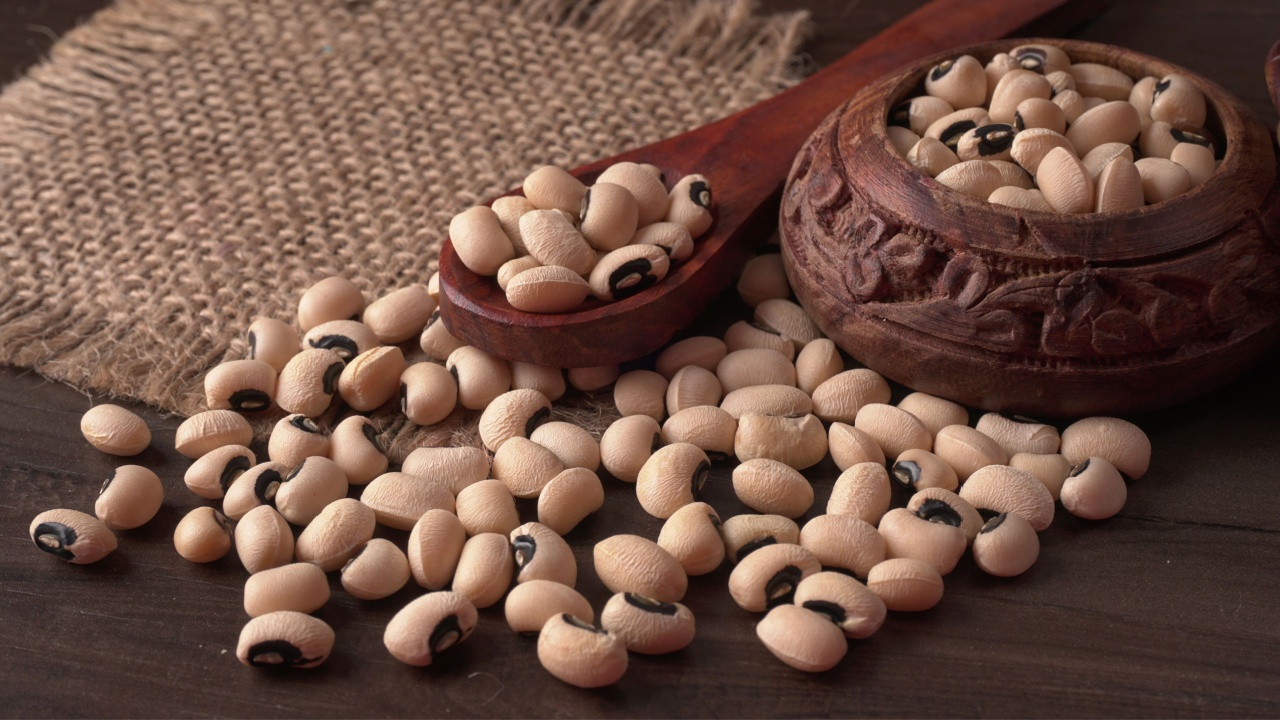
Image Credit: Shutterstock.
These Southern staples, including black-eyed peas, crowder peas, and purple hull peas, are summer treasures that freeze exceptionally well. Fresh field peas require intensive shelling, so frozen varieties are a practical choice. They’re essential for dishes like Hoppin’ John and are delicious when simmered with onions and seasonings.
Frozen field peas maintain their earthy flavor and creamy texture and are packed with protein, fiber, and folate. Some bags include “snaps” (small green bean pieces) for added color and variety. Field peas pair well with cornbread, rice, and other Southern comfort foods, making them ideal for hearty winter meals.
Pro Tip: Many Southern cooks save the cooking liquid (called “pot likker”) from field peas to serve over cornbread or use as a flavorful base for soups.
12. Mixed Vegetables
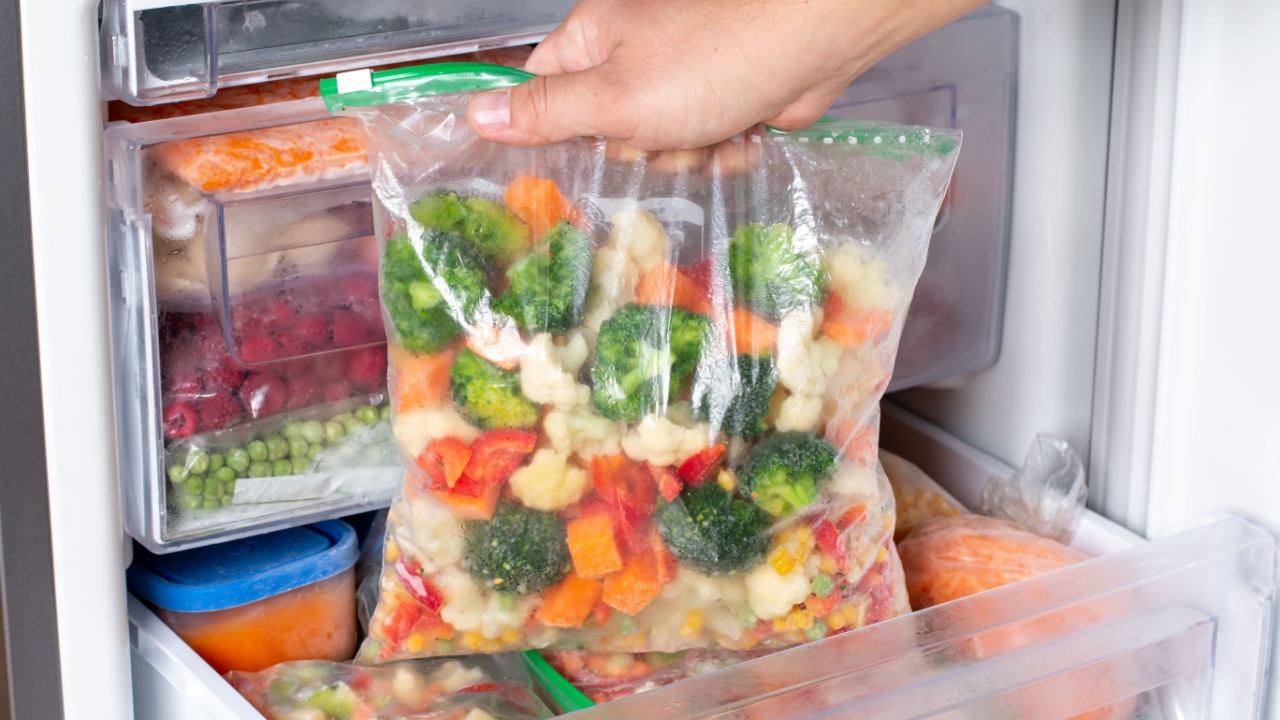
Image Credit: Shutterstock.
While technically a combination rather than a single vegetable, frozen mixed vegetable blends deserve recognition for their convenience and versatility. These typically include carrots, peas, green beans, and corn, though specialty blends offer different combinations. They’re perfect for quick stir-fries, adding to soups, or creating pot pies and casseroles.
Mixed frozen vegetables take the guesswork out of meal planning, providing balanced nutrition and color with zero prep work. They’re especially useful for busy weeknights when you need to get dinner on the table quickly. Keep several bags on hand for emergency meals; they transform simple chicken breasts or ground beef into complete, satisfying dinners.
Pro Tip: Mixed vegetable blends are often more economical than buying individual frozen vegetables, making them ideal for stretching your grocery budget without sacrificing nutrition.
Making the Most of Your Frozen Vegetable Stash
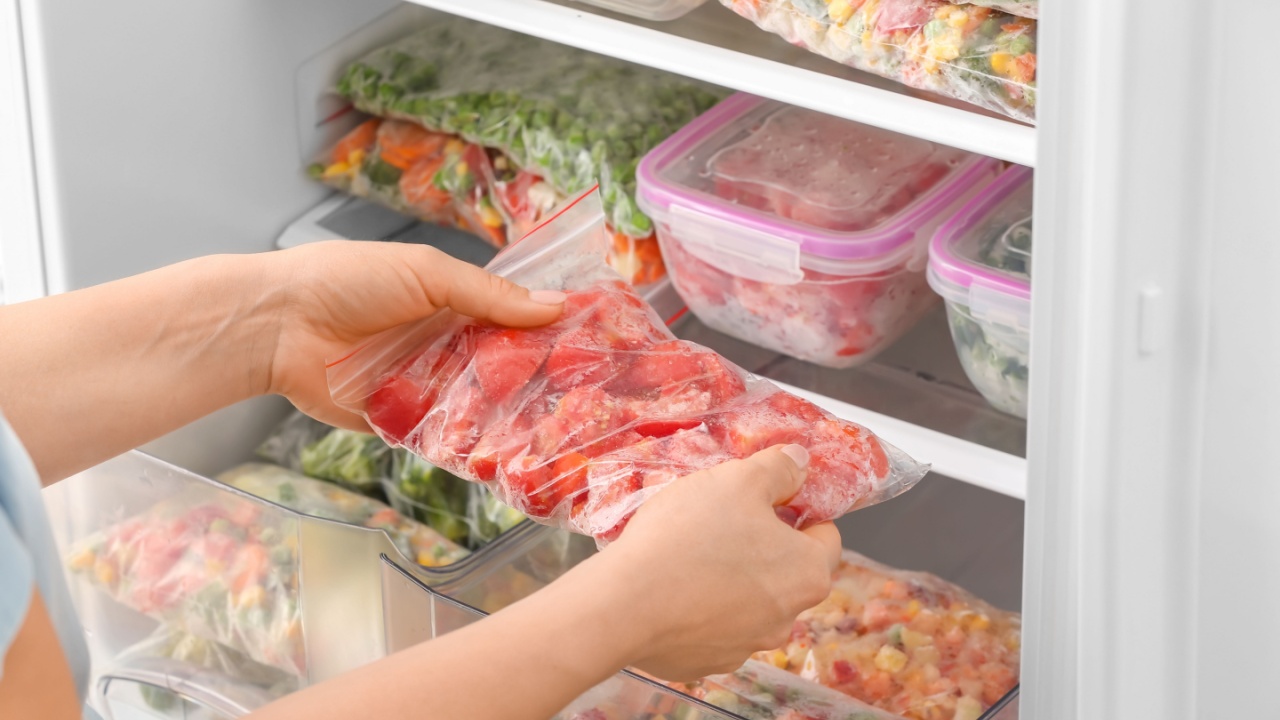
Image Credit: Shutterstock.
Stock your freezer with winter staples for nutritious meals. Organize with labeled bins and rotate stock. Remember, frozen vegetables cook faster than fresh, so adjust times to avoid mushiness. Don’t hesitate to mix frozen and fresh vegetables for more complex dishes. Plan your next winter garden now, as many vegetables grow well and freeze beautifully.