
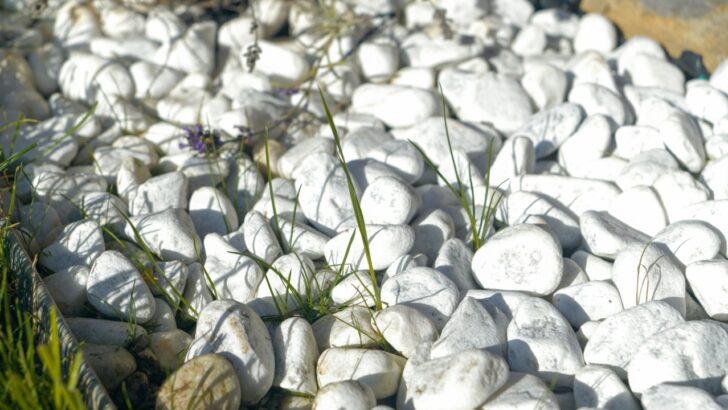
Managing a gravel path can be a constant battle against nature in the form of weeds. While stones provide a clean look, they also act as a collection point for dust and organic matter where unwanted seeds thrive.
Rather than reaching for harsh synthetic chemicals, a common winter supply usually found in the garage or local hardware store offers a powerful alternative. Rock salt, typically used to melt ice, serves as a potent tool for clearing those stubborn weed sprouts.
1. What It Is

Image Credit: Deposit Photos.
Rock salt is a coarse form of sodium chloride. Unlike the fine grains found in a kitchen shaker, these larger crystals are minimally processed and contain minerals that assist in their function. When applied to vegetation, it works as a desiccant. It draws moisture out of plant cells and disrupts the internal water balance.
This dehydration leads to the rapid decline of the weed. It is an accessible, budget-friendly option that many homeowners already have on hand during the colder months. Because it is a natural mineral, it avoids the complex synthetic compounds found in commercial herbicides, making it a preferred choice for those seeking simpler solutions.
2. How To Use It
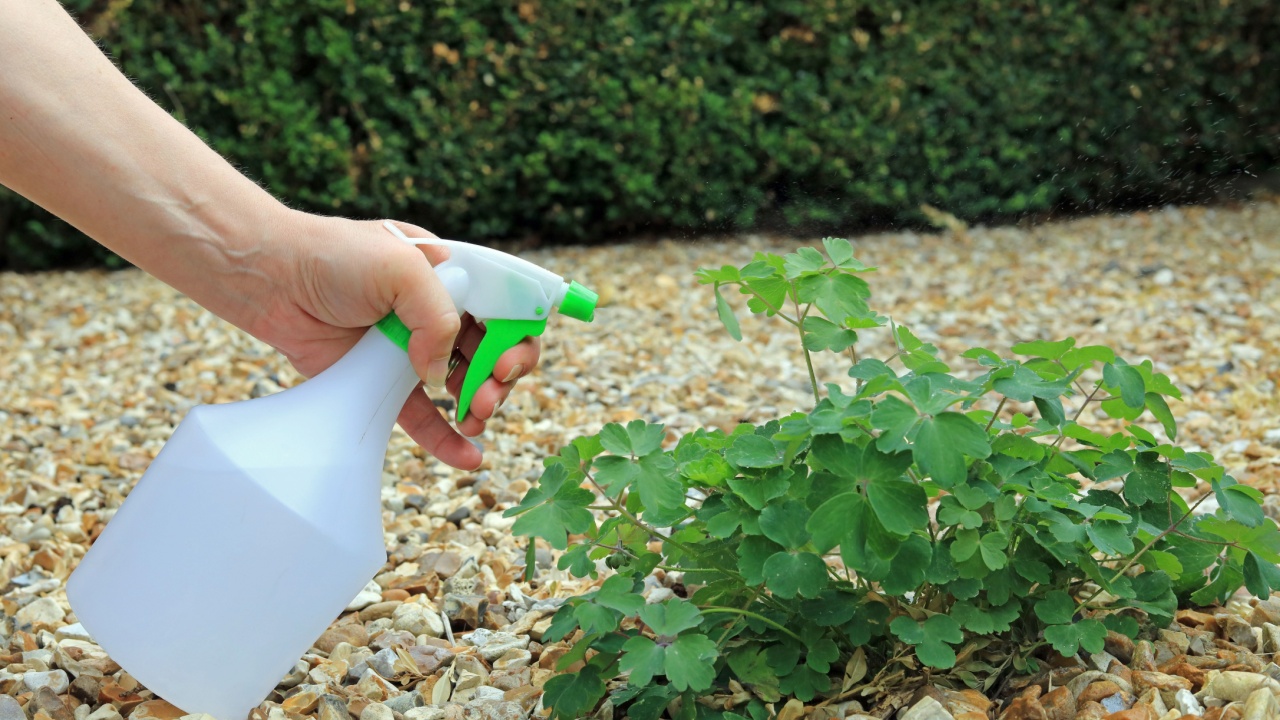
Image Credit: Shutterstock.
There are two primary ways to apply this mineral to a gravel area. The first method involves a direct dry application. Place a few crystals at the base of each individual weed. As moisture from the air or soil hits the salt, it begins to dissolve and seep toward the roots. For a broader approach, a liquid solution is effective.
Dissolve one cup of rock salt into a gallon of hot water. Once the liquid is clear, transfer it to a spray bottle and coat the foliage of the weeds thoroughly. Applying this on a sunny day helps speed up the dehydration process. For established or hardy plants, a second application after five days ensures the roots are fully addressed.
3. The Caveat
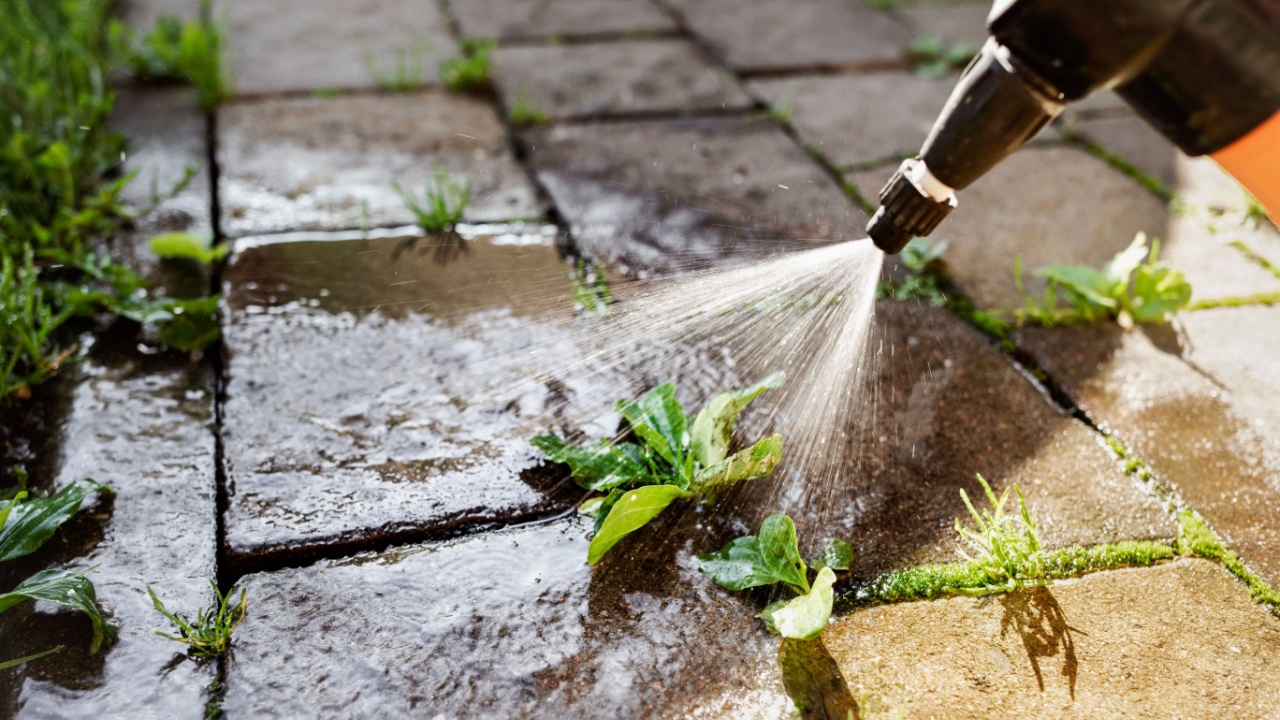
Image Credit: Shutterstock.
The power of rock salt is also its biggest drawback. This mineral is a non-selective killer, meaning it does not distinguish between a dandelion and a prized rosebush. Furthermore, salt creates a condition known as soil sterilization. It lingers in the earth for a long time, potentially years, making it impossible for any vegetation to grow in that specific spot.
Rain can also wash the saline solution into nearby flower beds or lawn edges, causing “salt creep” that kills grass and perennials. Only use this method in areas where you never intend to plant anything in the future, such as permanent gravel driveways or stone walkways far from the garden’s edge.
Unique Advice For a Tidy Path
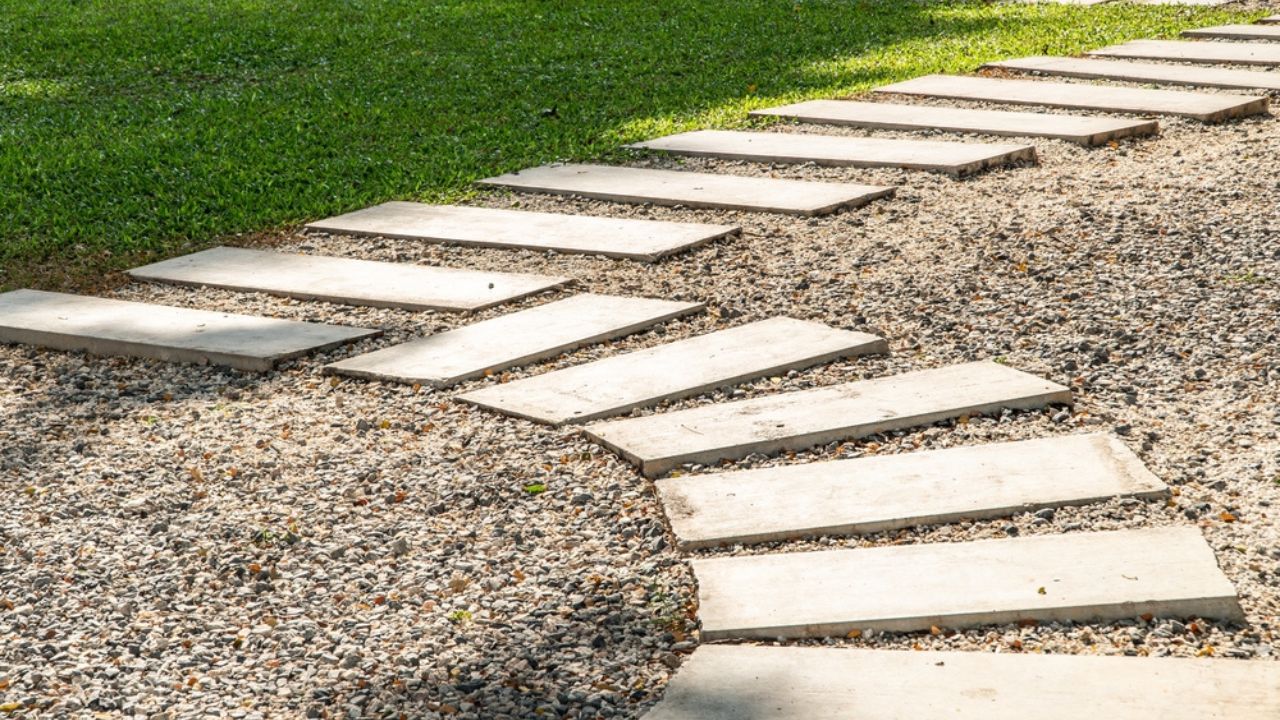
Image Credit: Shutterstock.
A successful garden is a result of observing how nature moves. To keep a gravel area pristine, focus on the environment around the stones. Wind carries seeds, but debris like fallen leaves and grass clippings provides the “soil” those seeds need to sprout on top of your rocks. Regularly clearing organic matter with a leaf blower prevents the buildup that allows weeds to take hold. If you find that salt is too risky for a specific spot, consider boiling water as a secondary, temporary tactic. It provides an immediate heat shock to the plant without the long-term soil changes.