

The garden might look like it’s taking a long nap under a blanket of frost, but nature’s pantry is still open for business. Winter foraging might sound like an activity reserved for the truly dedicated or slightly unhinged, but it’s surprisingly accessible.
The landscape, stripped of its summer foliage, reveals hidden opportunities. Finding edible treasures in the colder months is a rewarding way to connect with the outdoors and add some unique flavors to your meals. It simply requires knowing where to look.
Here are six unexpected places to turn to.
1. On Garden Shrubs

Image Credit: Shutterstock.
When most plants have retreated for the season, certain shrubs are still holding onto their late-season fruits. These holdouts provide a welcome splash of color against a muted winter backdrop and can be a source of valuable nutrients. The cold weather can even enhance their flavor, making them sweeter after a frost or two.
Rose hips are a prime example. These small, reddish-orange fruits appear on rose bushes after the flowers fade. They are packed with vitamin C and can be used to make teas, syrups, jellies, and even wine. Their bright appearance makes them easy to spot on otherwise bare branches.
2. On Deadwood
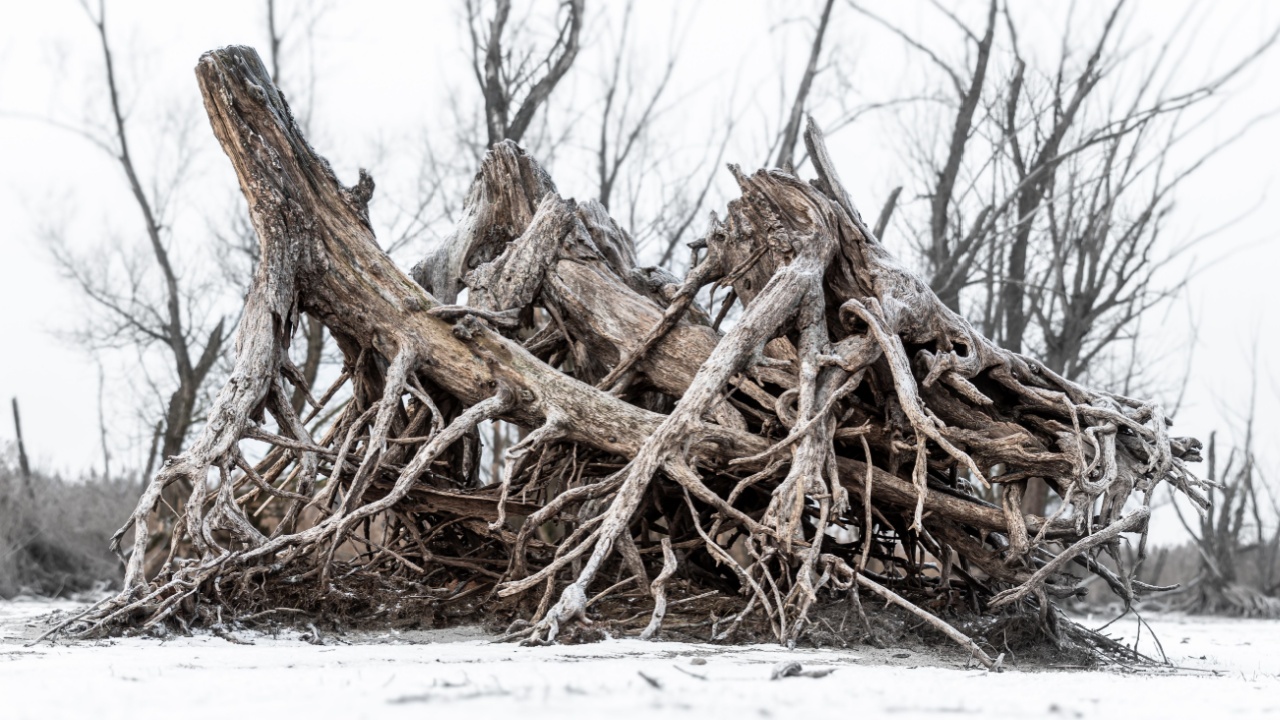
Image Credit: Shutterstock.
Fallen branches and old logs might seem like little more than garden debris, but they host a fascinating and often edible ecosystem. Deadwood is a hub of activity for fungi and lichens, many of which thrive in the cool, damp conditions of winter. These organisms play a vital role in decomposition and can be a surprising source of food.
Winter mushrooms, such as oyster mushrooms, can often be found growing in shelf-like clusters on the sides of logs. Lichens, the composite organisms that grow on bark, have also been used as a food source, although they often require specific preparation to become palatable. Mushroom identification is a serious skill. Never eat a mushroom unless you are 100% certain of its species. A good field guide is your best friend here.
3. Beneath Leaf Litter
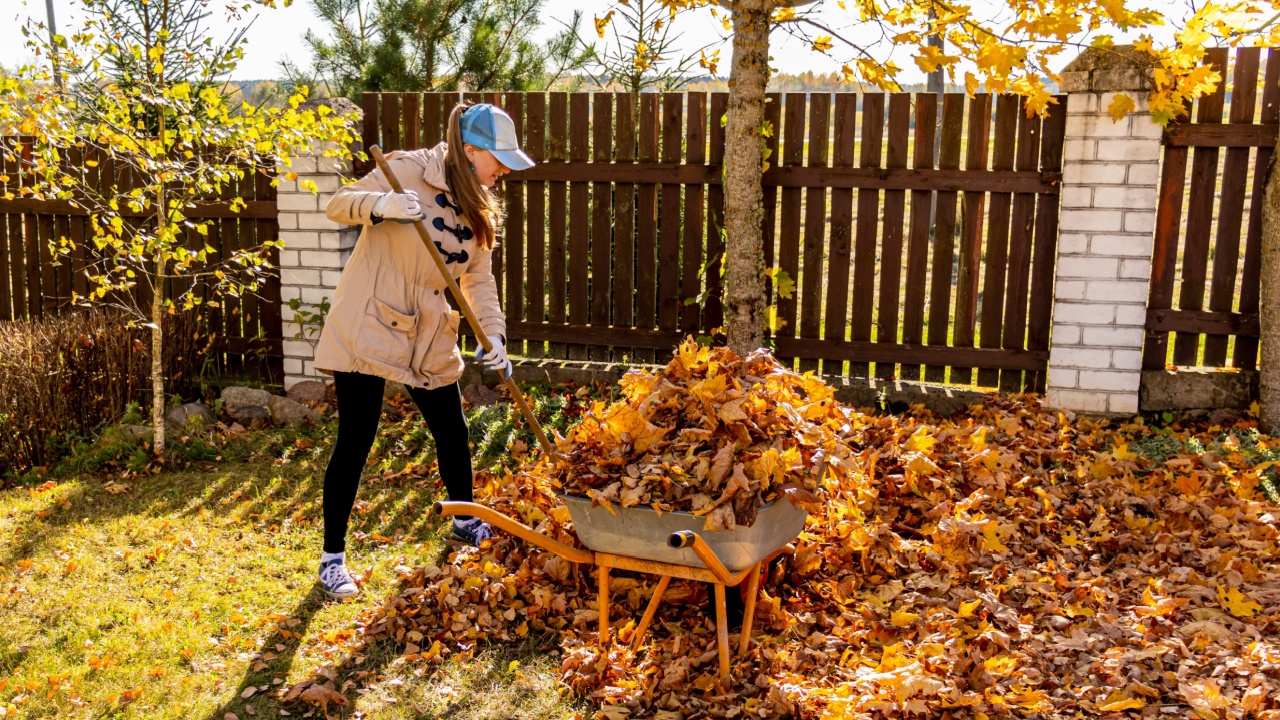
Image Credit: Shutterstock.
The thick carpet of fallen leaves that covers the ground in autumn is more than just future compost. It acts as an insulating layer, protecting the ground from the harshest cold. This protective blanket creates a stable environment where dormant plants and roots can survive the winter, waiting for spring.
By carefully brushing away the top layer of leaves, you can uncover a variety of finds. Look for the buried roots of plants like chicory or dandelion, which can be roasted and used as a coffee substitute. You might also find overwintering greens that have been shielded from the elements. Make sure you wash your finds before eating them; eating unwashed food is a leading cause of foodborne illnesses.
4. Along Fence Lines

Image Credit: Shutterstock.
Fence lines are often overlooked and untended strips of land. This lack of disturbance allows a variety of opportunistic plants to establish themselves. These areas can act as microclimates, offering shelter from wind and trapping sunlight, which helps plants survive when everything else has succumbed to the cold.
Wild nettles are a common sight along fence lines, and while they are known for their sting, they are a delicious and nutritious green when cooked. Their young shoots can appear during mild winter spells. Other hardy weeds and wild greens also find refuge in these protected corridors, making them reliable spots to check for a fresh harvest.
5. Underneath Evergreen Trees

Image Credit: Shutterstock.
The ground beneath dense evergreen trees like pines and firs is often sheltered from the worst of the winter weather. The thick canopy blocks snow and wind, creating a surprisingly mild and protected zone on the forest floor. This area is a great place to begin a winter foraging expedition.
Pine needles are an obvious find here. They can be steeped to make a fragrant tea that is high in vitamins A and C. The ground may also harbor other hardy plants that can tolerate the acidic soil and low light conditions found under conifers. Plus, it’s a good place to take a break from the wind while you search.
6. Next to Streams

Image Credit: Shutterstock.
Moving water has a moderating effect on its immediate environment, keeping the nearby ground slightly warmer than surrounding areas. This creates a unique habitat where certain water-loving plants can continue to grow even when temperatures drop. The constant moisture is a lifeline for these species.
Watercress is a classic winter find in these locations, often growing in abundance in the shallows of clear, slow-moving streams. Its peppery taste is a welcome addition to winter salads and soups. Other aquatic or semi-aquatic plants might also be present. Exploring the edges of streams reveals a green world that persists through the cold.
Final Thoughts
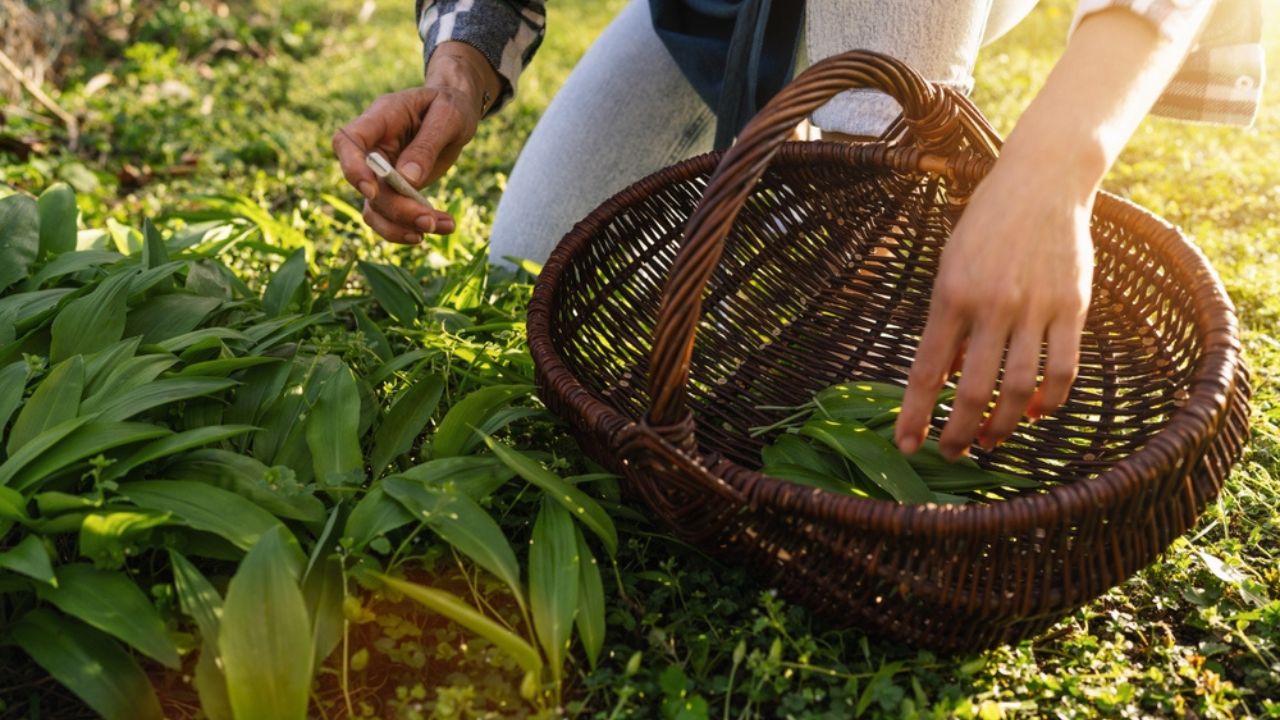
Image Credit: Shutterstock.
Some plants help insects like bees during winter, and some help you. To begin your own winter foraging journey, arm yourself with knowledge first. Invest in a reliable regional field guide for plant identification; this is non-negotiable. Begin by exploring familiar territory, like your own backyard or a local park you know well. Focus on learning a couple of plants with certainty before expanding your repertoire. By learning to see the opportunities the winter landscape offers, you can add a new dimension to your gardening and cooking pursuits.