U.S. Welcomes First New National Park in Years, Home to Remarkable Volcanic Spires
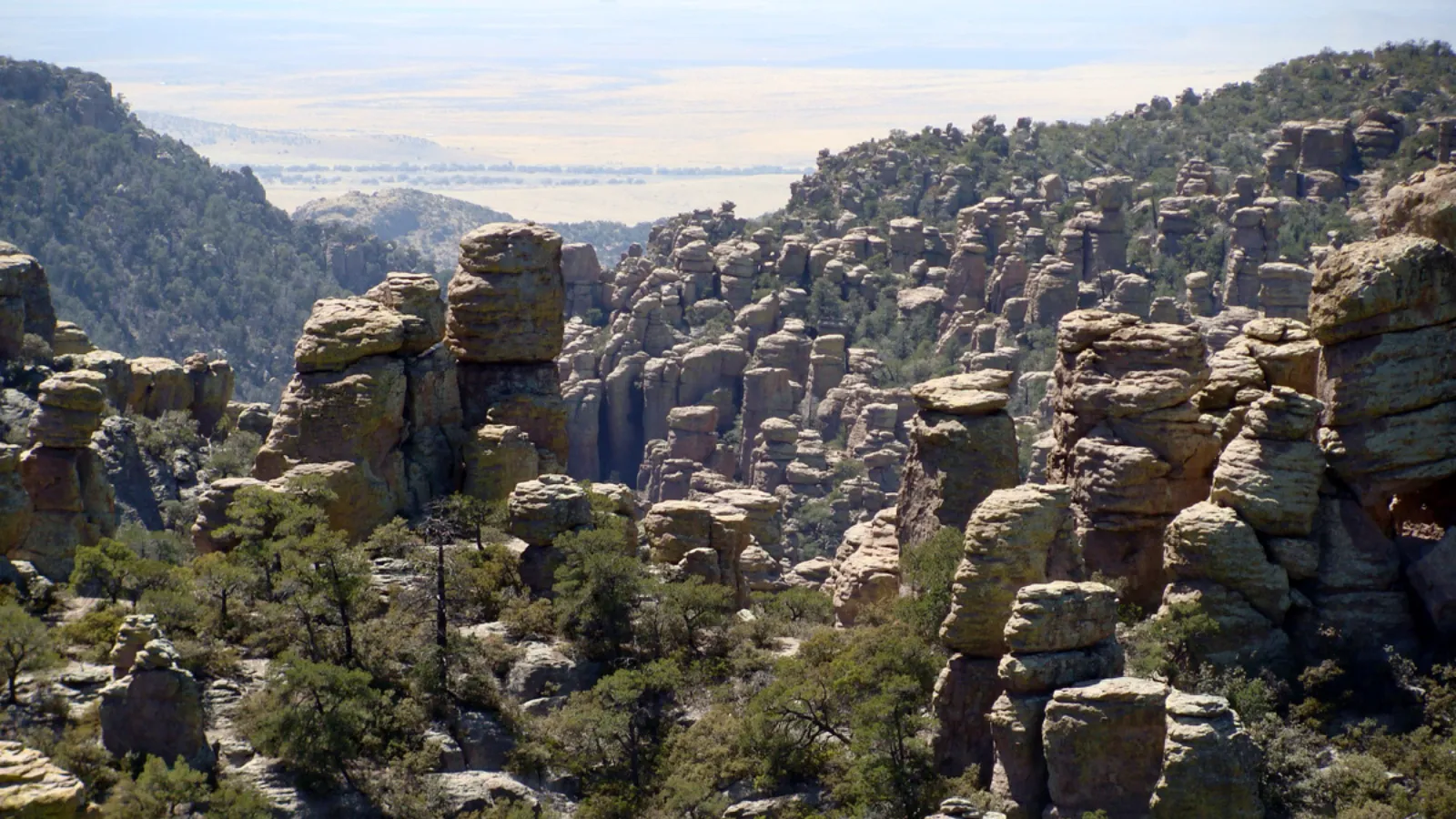
America has a new national park, and its landscape looks like something from another planet. Towering stone columns rise above the forests of southeastern Arizona, with some enormous boulders appearing to balance impossibly atop narrow formations.
Known as the “Wonderland of Rocks,” Chiricahua has been a protected national monument for more than a century. It has now officially become the country’s 64th national park, giving Arizona its fourth.
President Donald Trump signed the Chiricahua National Park Act into law on Oct. 20, adding another destination to the country’s national park system.
In an Oct. 20 announcement, the National Park Service (NPS) confirmed the change and highlighted the unusual landscape that has attracted hikers and nature enthusiasts to Chiricahua for generations.
Arizona’s Newest National Park Is a Wonderland of Rocks
Embedded media follows. Please allow a moment for it to load.
America’s newest national park is rock solid!
Chiricahua is officially our 64th national park. Welcome to the “Wonderland of Rocks.” https://t.co/T1QPvZG0Ri
— U.S. Department of the Interior (@Interior) October 20, 2026
The park’s most recognizable features date back a modest 27 million years, when a massive volcanic eruption deposited layers of rock across the region. Across millions of years, bit by bit, erosion carved the material into the towering pinnacles and balanced formations admirers can see today.
Chiricahua also belongs to southeastern Arizona’s collection of “sky islands,” mountain ranges that rise above the surrounding desert. Changes in elevation create different habitats, supporting a diverse array of plants and animals.
Visitors can explore the landscape along an eight-mile scenic drive that ends at Massai Point, where sweeping views stretch across the unique, jagged rock formations.
Hikers have numerous trails to choose from, including the 3.3-mile Echo Canyon Loop, which winds among tall stone columns and narrow passages. The NPS also offers shorter walks for visitors who prefer a less demanding excursion through this natural wonder.
The landscape is part of the ancestral homeland of the Chiricahua Apache. During a 2024 congressional hearing, Justine Jimmie, then deputy attorney general of the San Carlos Apache Tribe, raised concerns that increased tourism could interfere with ceremonies and access to sacred sites. The Chiricahua National Park Act includes protections for tribal access and allows temporary public closures for traditional practices.
The legislation also allows temporary public closures to accommodate traditional practices, although it requires them to cover “the smallest practicable area for the minimum period necessary.” That means tribal members can seek privacy for ceremonies on their ancestral lands; however, the federal government determines how much of the park can be closed to other visitors and for how long.
What the New National Park Designation Means for Visitors
Chiricahua’s history as a federally protected site began in 1924, when President Calvin Coolidge established it as a national monument. Its elevation to national park status followed years of bipartisan efforts in Congress. Arizona lawmakers supported the change partly because of its potential to introduce more travelers to the region.
In addition to Chiricahua, Arizona is now the home of four national parks. The remaining three are: Grand Canyon, Petrified Forest, and Saguaro.
For prospective visitors, the rock formations are already accessible. The National Park Service lists no entrance fee and provides guidance on the scenic drive, including restrictions for large vehicles navigating its narrow mountain roads.
After 102 years as a national monument, Chiricahua’s new title may draw larger crowds. Its 27-million-year-old formations, however, are the same ones that have made the remote Arizona landscape so uniquely incredible to behold for generations.