
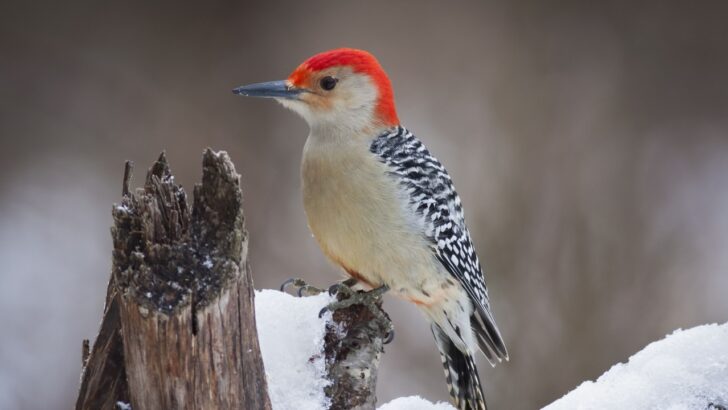
Few sights feel as wild and lively as the rapid tap-tap-tap of a woodpecker at work on a tree trunk. For garden lovers who enjoy bird-watching from a patio or a window, these birds offer color, sound, and movement in equal measure.
In this article, we will explore ten woodpecker species to keep an eye out for around your home or garden, describe what makes each unique, and share how you can help create a welcoming habitat for them. If you’re ready to make your outdoor space a little wilder (and a lot more entertaining), read on.
How We Got This Data
The information in this article was compiled from authoritative ornithology references, university extension guides, and expert birding organizations. We cross-checked species descriptions, ranges, and behaviors against multiple trusted sources to ensure accuracy. Habitat recommendations are based on widely accepted conservation practices and backyard birding guidelines.
1. Downy Woodpecker
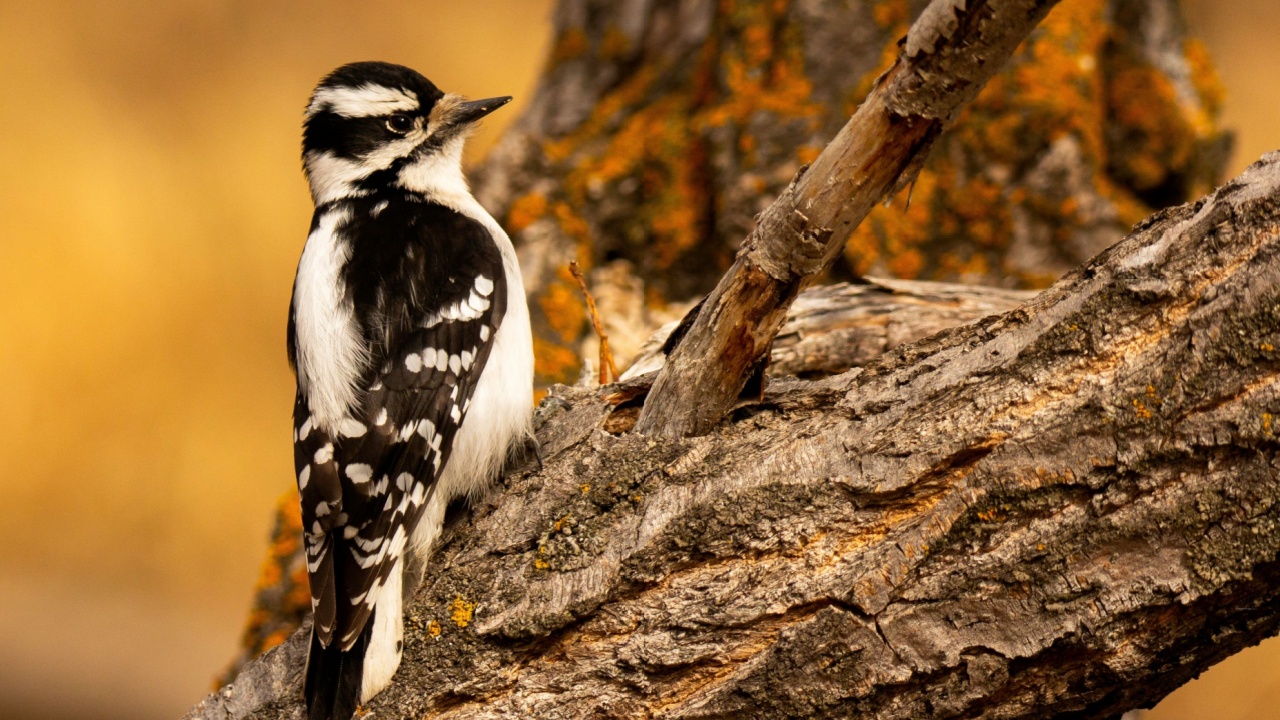
Image Credit: Shutterstock.
The Downy Woodpecker is North America’s smallest woodpecker, frequenting woodlots, city parks, and even suburban yards. Because of its modest size and a willingness to take suet, sunflower seeds, or peanuts from feeders, it’s one of the easiest to attract.
Why we love this bird: It’s almost garden-friendly, less daunting than large, aggressive species, and provides lively action at the feeder.
Try this: Provide a sturdy suet feeder or a tray with chunky peanut butter and sunflower seeds. Leave some dead branches or snags in your garden if possible; they act as natural foraging spots. Also, observe any drumming or pecking on thinner branches: that’s your Downy in action.
2. Hairy Woodpecker
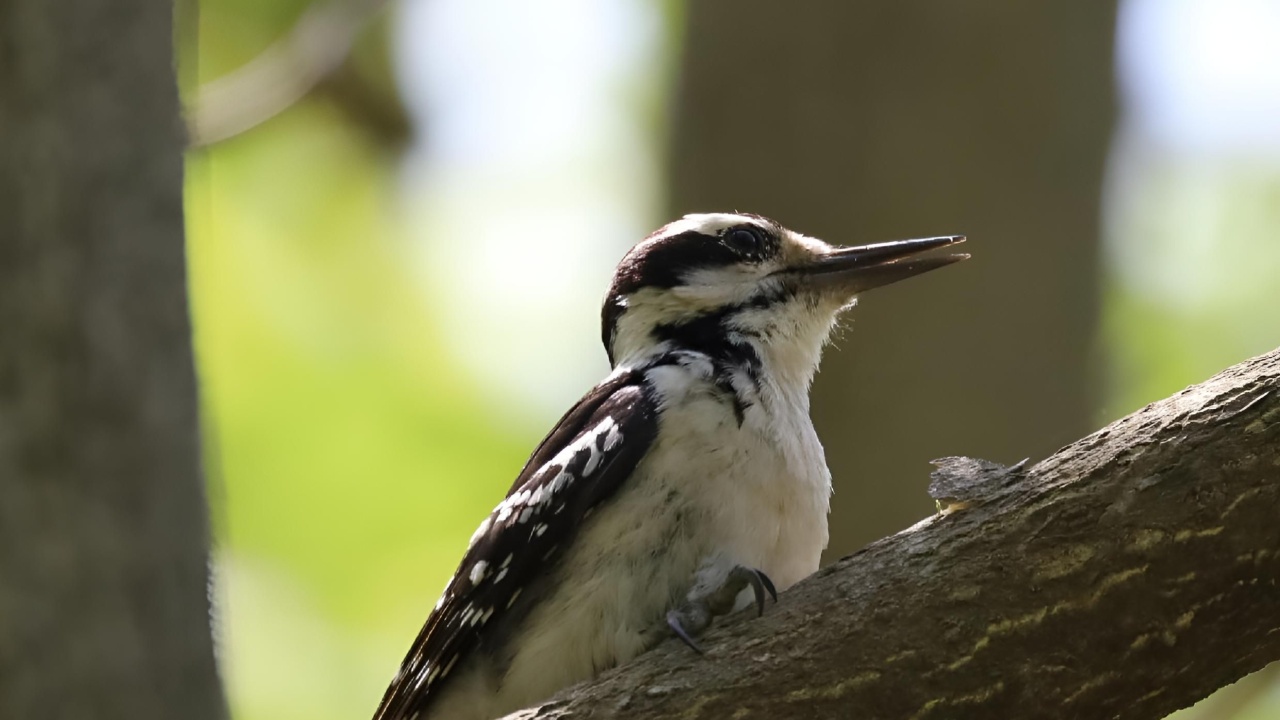
Image Credit: Shutterstock.
The Hairy Woodpecker is often confused with the Downy, but is larger and has a longer bill. It favours more mature woodland but will also visit backyards with big trees or dead wood.
Why we love this bird: Its larger size and classic woodpecker look make it an attractive visitor.
Try this: Keep large trees or older dead limbs intact rather than removing all snags. Provide suet or seed feeders with heavier perches to support their weight. If you hear solid drumming on large trunks, you might have a Hairy in residence.
3. Red-bellied Woodpecker
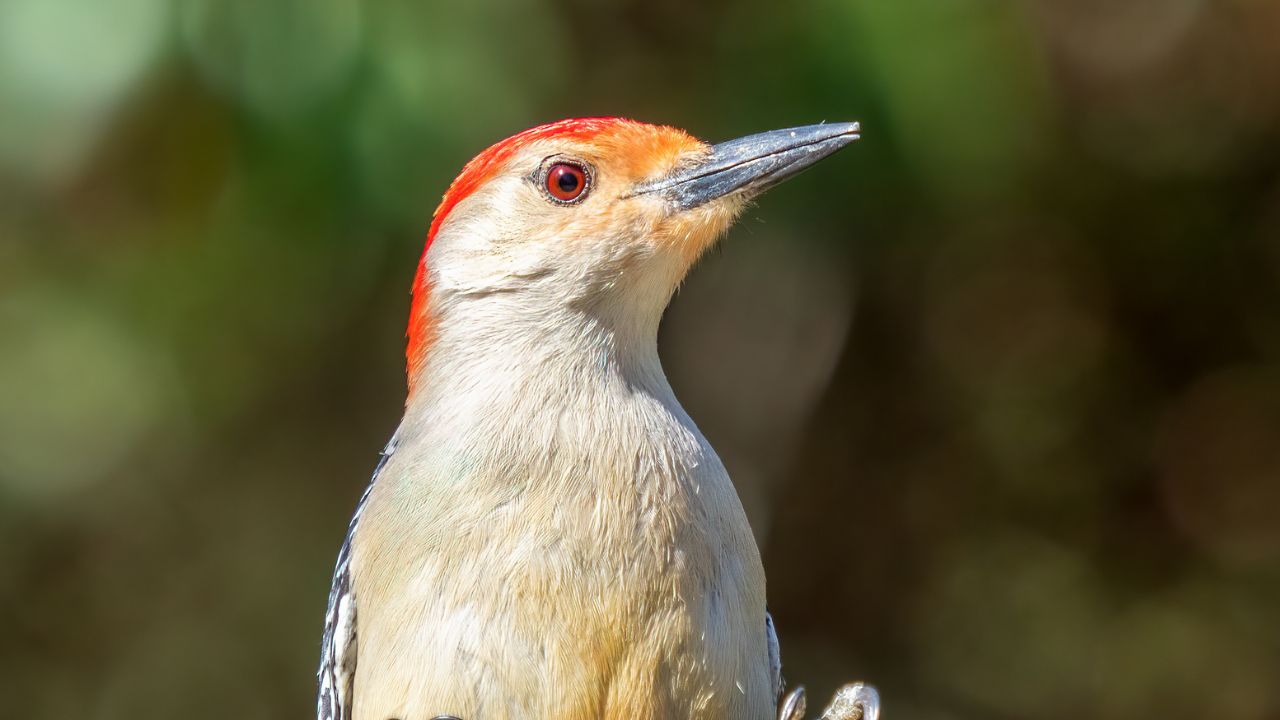
Image Credit: Rhododendrites – Own work, CC BY-SA 4.0/Wiki Commons.
The Red‑bellied Woodpecker is a medium-sized bird with black-and-white barred back feathers and a red cap (male) or red nape (female). Ample in eastern woods and suburban gardens.
Why it’s a compelling garden guest: It mixes insect foraging and fruit/seed feeding, so it is more versatile.
Try this: Plant native berry-bearing shrubs (e.g., serviceberry, elder) and leave oaks or hickories if possible; this species uses them for habitat. Provide feeders with seeds and suet. Be patient, this bird sometimes caches food in bark crevices.
4. Northern Flicker
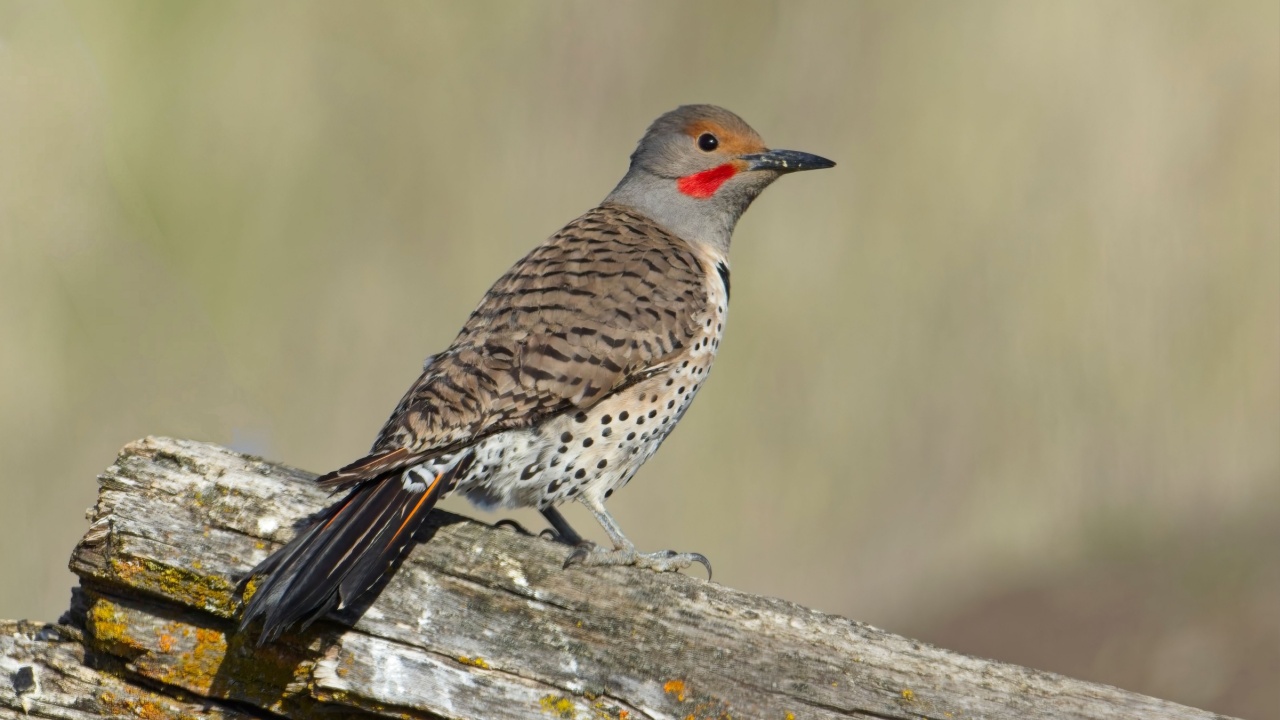
Image Credit: Shutterstock.
The Northern Flicker stands out because it spends as much time on the ground as in trees, digging for ants, and displays golden or rosier underwings during flight (depending on region).
Why it’s a compelling garden guest: It broadens the view of woodpeckers. You will see ground action and aerial flash of colour.
Try this: Leave some leaf litter or soft soil patches where ants roam. Provide an open lawn edge or garden path where the bird might forage. For tree holes, older dead branches again help; you’ll often spot rectangular excavations in trunks.
5. Pileated Woodpecker
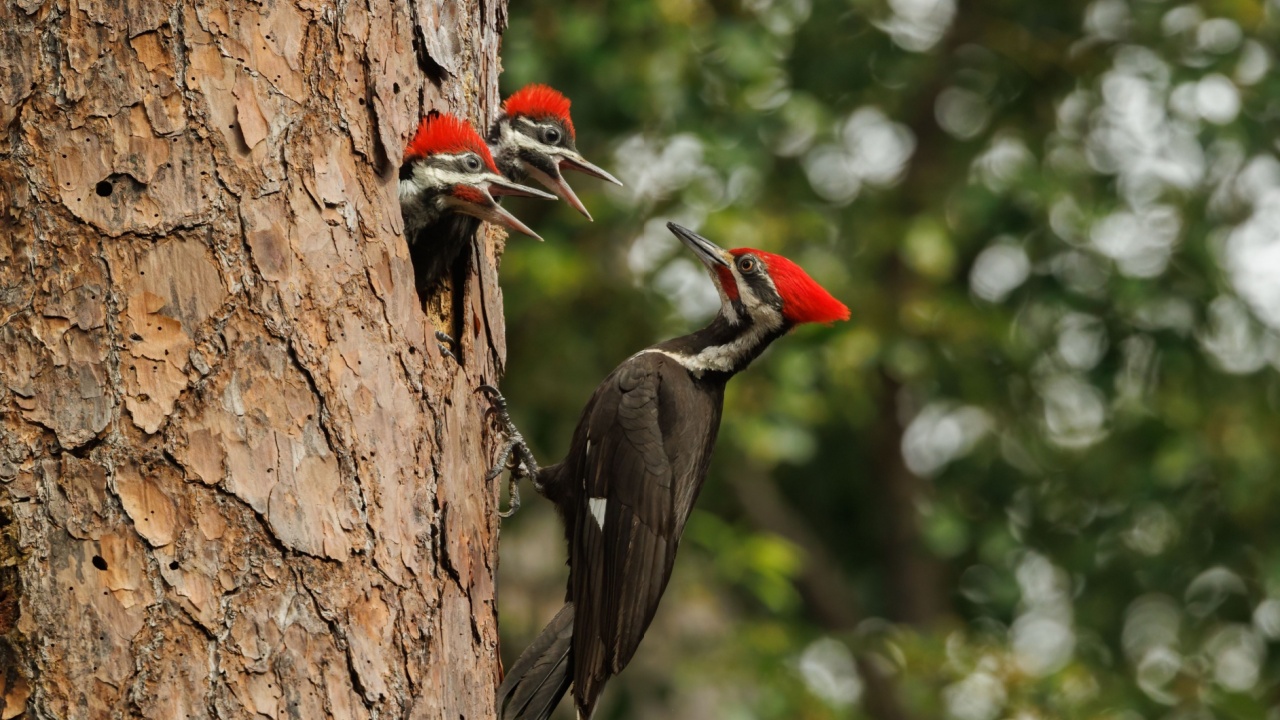
Image Credit: Shutterstock.
The Pileated Woodpecker is one of the largest North American woodpeckers, with a striking red crest and bold presence in wooded areas.
Why it’s a show-stopper: Its size, loud drumming, and large rectangular holes it carves in trees all add drama; it’s hard to overlook.
Try this: If you have large mature trees (especially with soft or decaying parts), the chances increase. Avoid trimming all the old snags. Provide large feeders or suet blocks mounted on big tree trunks or strong posts. Leave space and quiet so the bird feels safe.
6. Yellow-bellied Sapsucker
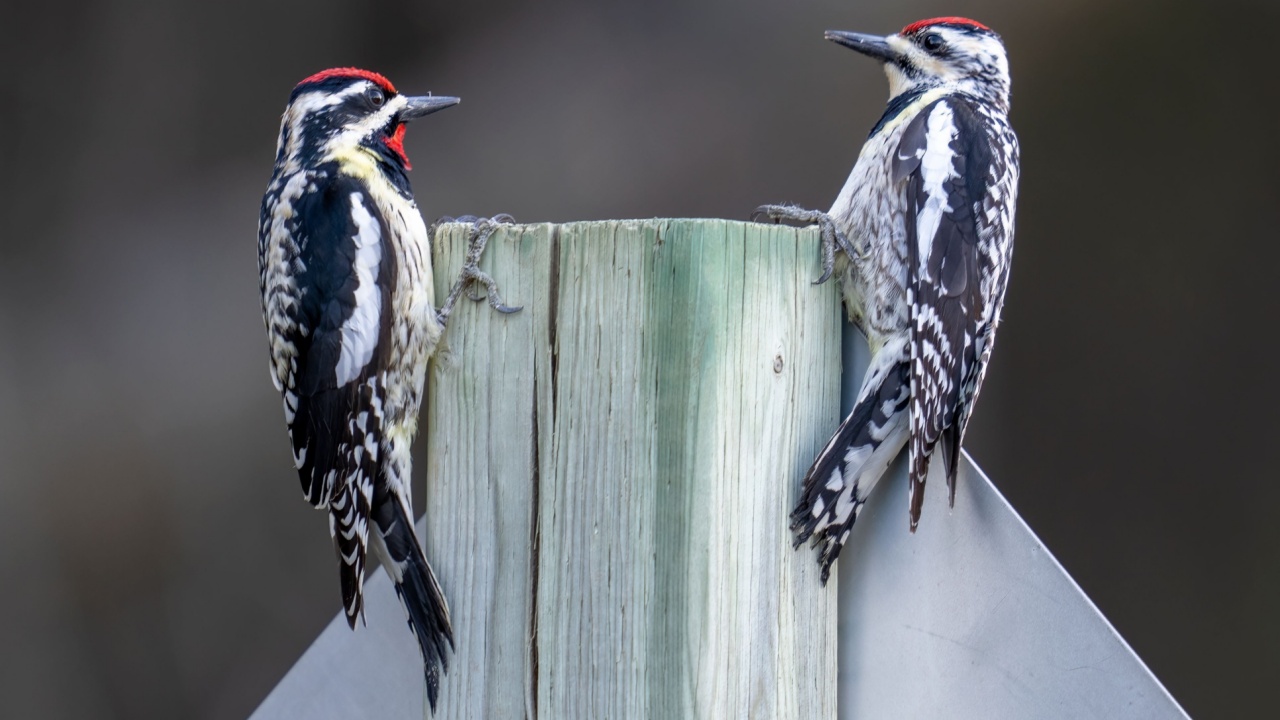
Image Credit: Shutterstock.
The Yellow‑bellied Sapsucker is a fascinating specialist: it drills rows of holes (sap-wells) into tree bark, then returns to lick the sap and capture insects drawn to those flows.
Why this bird adds diversity: It introduces a totally different feeding strategy, sap wells rather than pure insect excavation.
Try this: If you have maples, birches, or other sap-rich trees, you might see the patterns of holes. Do not disturb them. They attract not only the sapsucker but also other wildlife (like hummingbirds) using the sap trails. Also, leave some dead bark for foraging.
7. Red-headed Woodpecker
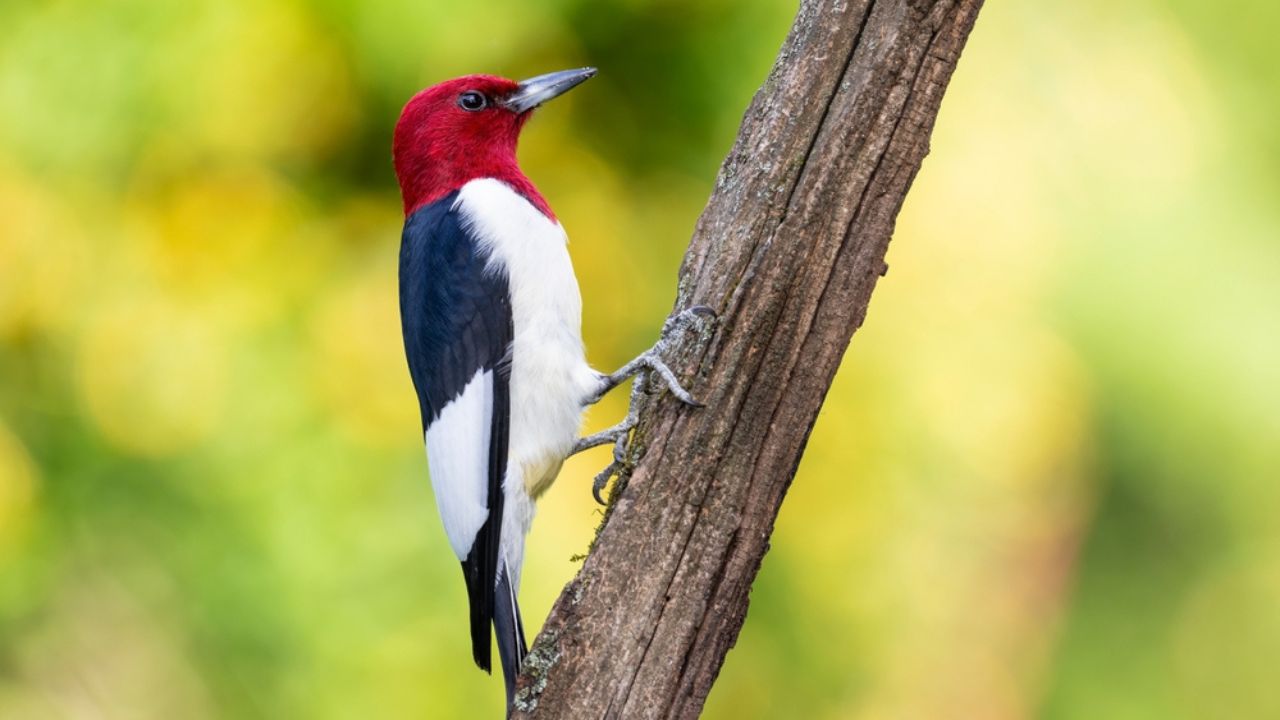
Image Credit: Shutterstock.
The Red‑headed Woodpecker sports a dramatic all-red head, white belly, and black wings. Not as common as some others, but memorable.
Why it’s a standout: The bold colour scheme plus open-woodland preference make it distinct. If you spot one in your garden, you’ll remember it.
Try this: This species favors open tree-filled areas, old dead trees, and places to store acorns and nuts. Encourage it by maintaining some big trees, leaving posts or large fences where they can perch, and offering peanuts or seed mixes.
8. Golden-fronted Woodpecker
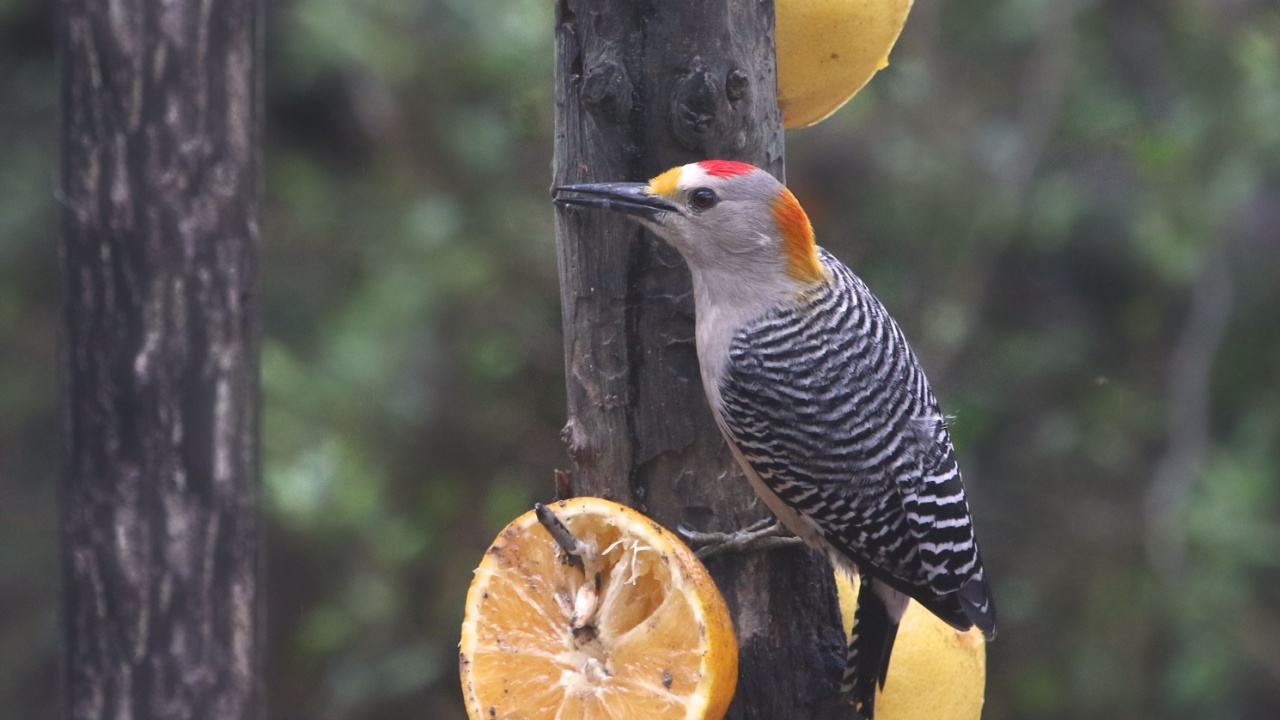
Image Credit: Shutterstock.
The Golden‑fronted Woodpecker is primarily found in Texas and western parts of the eastern U.S., with an orange-yellow nape, and likes fruit and nuts along with insects.
Why this bird adds diversity: It shows the regional diversity of woodpeckers and how diet/behaviour can vary (more nuts/fruit than pure insects).
Try this: In regions where it applies, plant fruiting trees or native shrubs, allow some open brushland edges, and provide peanuts or seed cakes on sturdy feeders. Encourage variety rather than strictly insect-based offerings.
9. Lewis’s Woodpecker
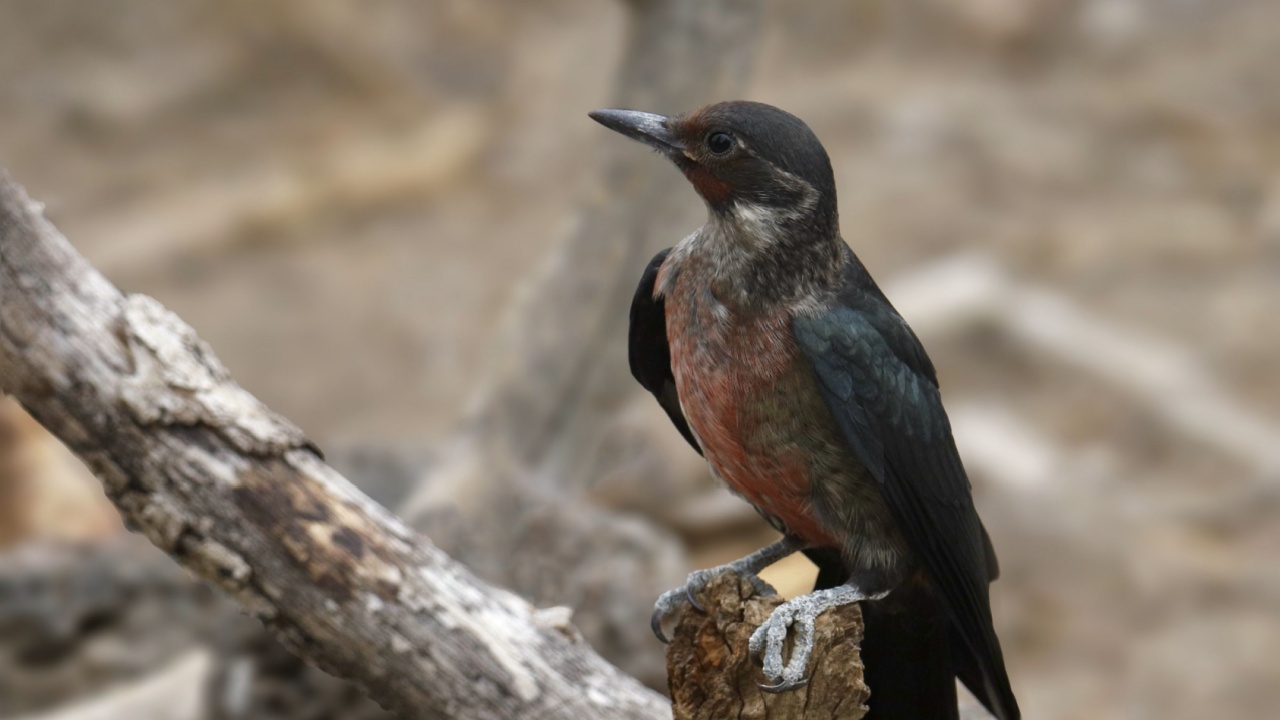
Image Credit: Shutterstock.
The Lewis’s Woodpecker is unusual among woodpeckers. It catches insects in flight like a fly-catcher and favours open pine woodlands in the western U.S.
Why this bird adds diversity: It challenges the “woodpecker only drills bark” stereotype and expands what we expect from backyard birds.
Try this: If you live in the western U.S., provide open perches, leave snags, and allow insect-rich habitat (e.g., less manicured zones). Fewer feeders may be needed; this species goes after flying insects. But having natural habitat edges helps.
10. Acorn Woodpecker
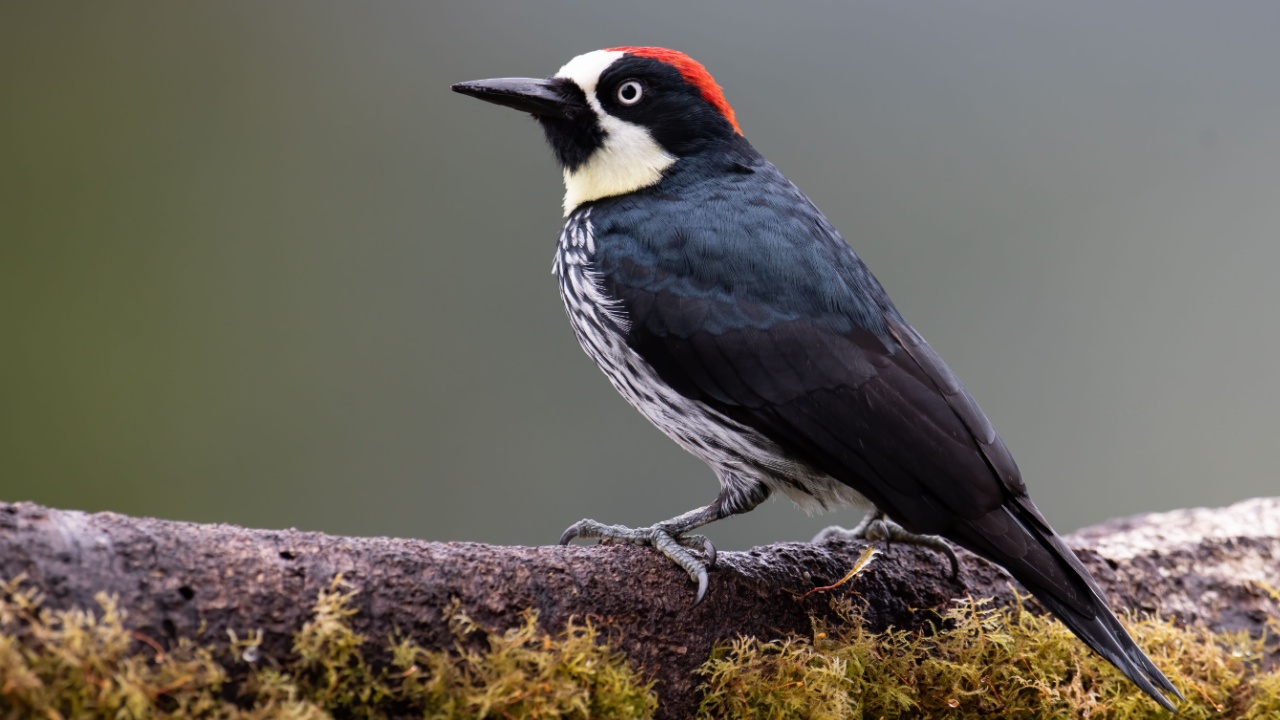
Image Credit: Shutterstock.
The Acorn Woodpecker (though slightly less likely in some backyards) is fascinating: it stores thousands of acorns in holes drilled into trees, known as “granary trees”.
Why this bird adds diversity: It brings a behavioural twist, storage behaviour, teamwork (living in groups), and a strong connection to oak habitats.
Try this: If you have or can plant oaks, and leave one or two dead or mature trees with bark intact, you might create habitat. Provide feeder options as well, but much of their activity is tree-based. Watching Acorn stores is a treat.
Bird Watching and Attraction
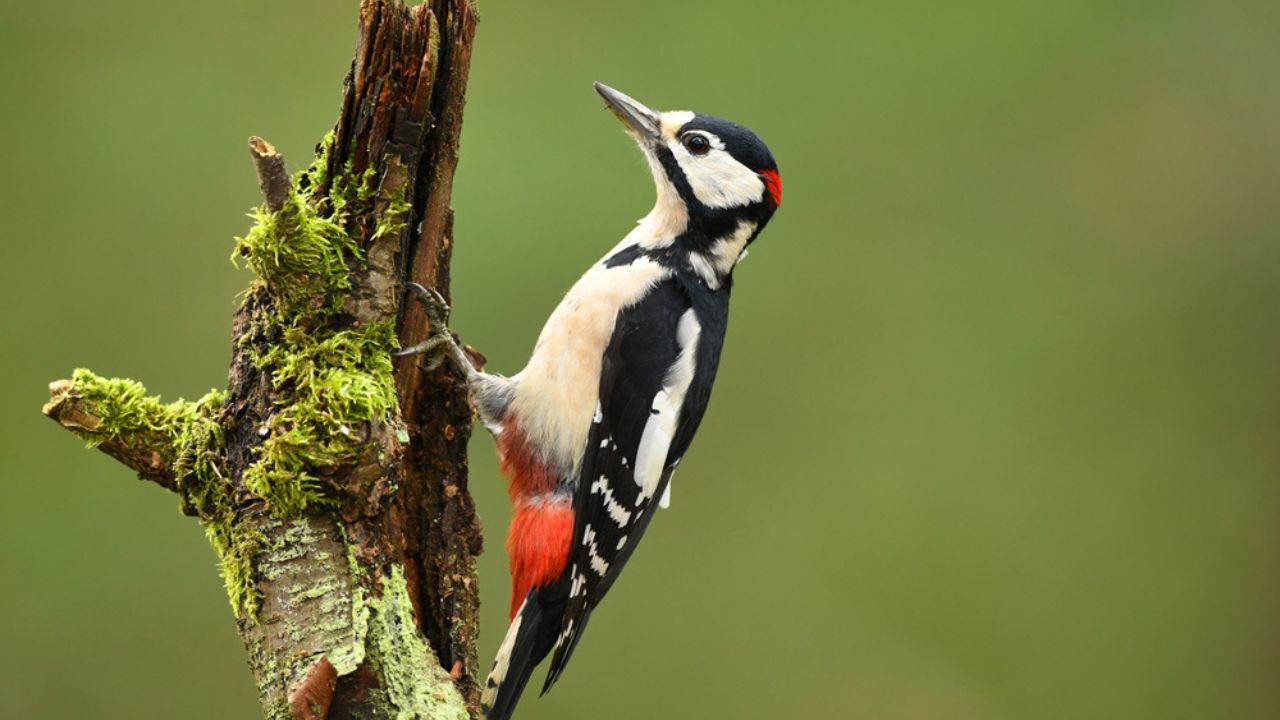
Image Credit: Shutterstock.
Bringing woodpeckers into your backyard adds texture, colour, and natural rhythm to your garden life. Start small: add a sturdy feeder with suet or seeds, leave at least one mature or dead tree standing, plant a couple of native fruiting shrubs or trees, and allow a little wildness rather than trimming everything to perfection.
Monitor your yard: listen for drumming, beech rhythms, tree-tapping sounds, and you’ll know you’re on the right track. Over time, you may find your garden becomes a lively woodpecker site, not just for casual visits but for regular daily appearances.