

A beautifully landscaped yard with mature trees can boost a home’s curb appeal and provide welcome shade. Those same trees can become a serious liability during a storm (snow, wind, and/or rain) or if their roots grow unchecked.
A fallen branch or an invasive root system can cause thousands of dollars in damage to your roof, foundation, and plumbing. Taking preventative measures is the smartest way to protect your home and enjoy the beauty of your trees without worry. This guide offers practical tips to keep your trees healthy and your house safe.
Where We Got This Info

Image Credit: Shutterstock.
The guidance in this article is based on expert recommendations from certified arborists, university extension programs, and professional tree care organizations. These sources provide research-backed practices on safe planting distances, proper pruning techniques, watering strategies, and the use of root barriers.
1. Choose the Right Tree for the Right Spot
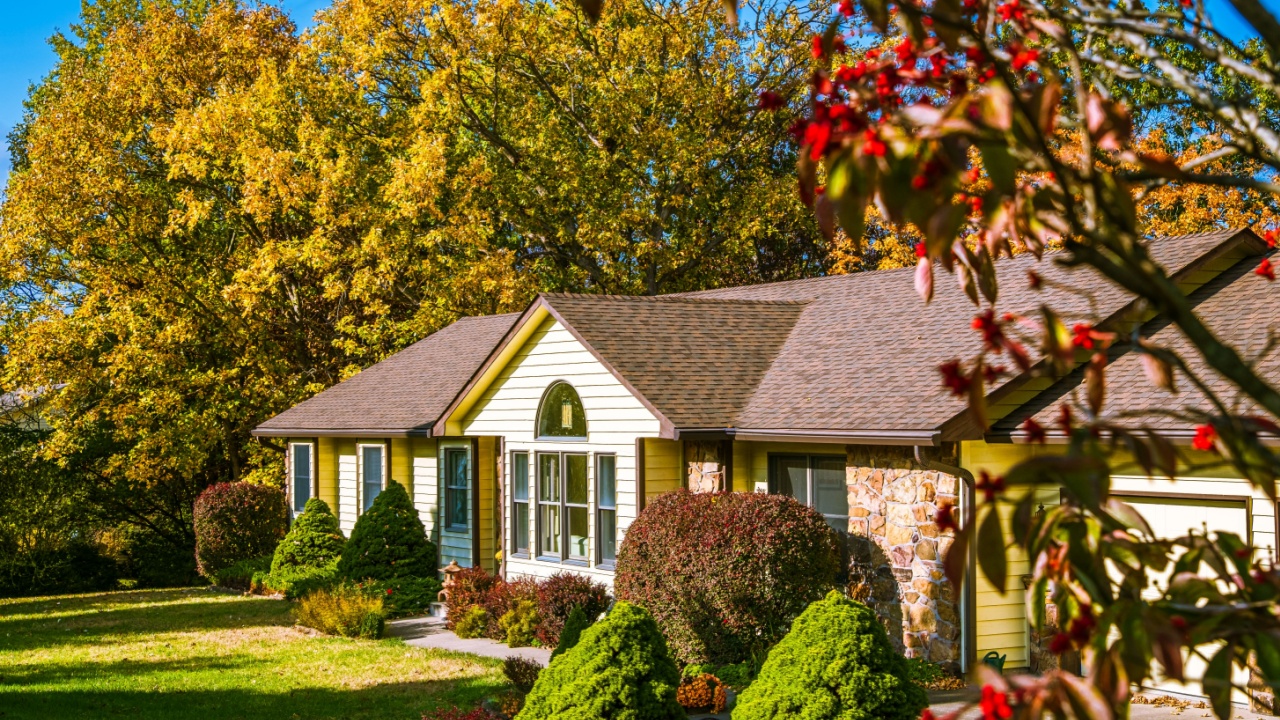
Image Credit: Shutterstock.
When planting a new tree, consider its mature size to avoid future problems. A small sapling can grow into a giant, with branches that damage your roof or roots that crack your foundation.
Planting smaller, ornamental trees like dogwoods closer to your home is generally safe. However, larger trees such as oaks or maples need to be at least 20-40 feet away from any structures. This distance gives their roots room to grow without damaging your foundation and prevents branches from scraping your house during high winds.
Avoid fast-growing trees with invasive root systems, such as silver maples, willows, and poplars, as they are more likely to cause structural damage.
2. Prune and Trim Regularly
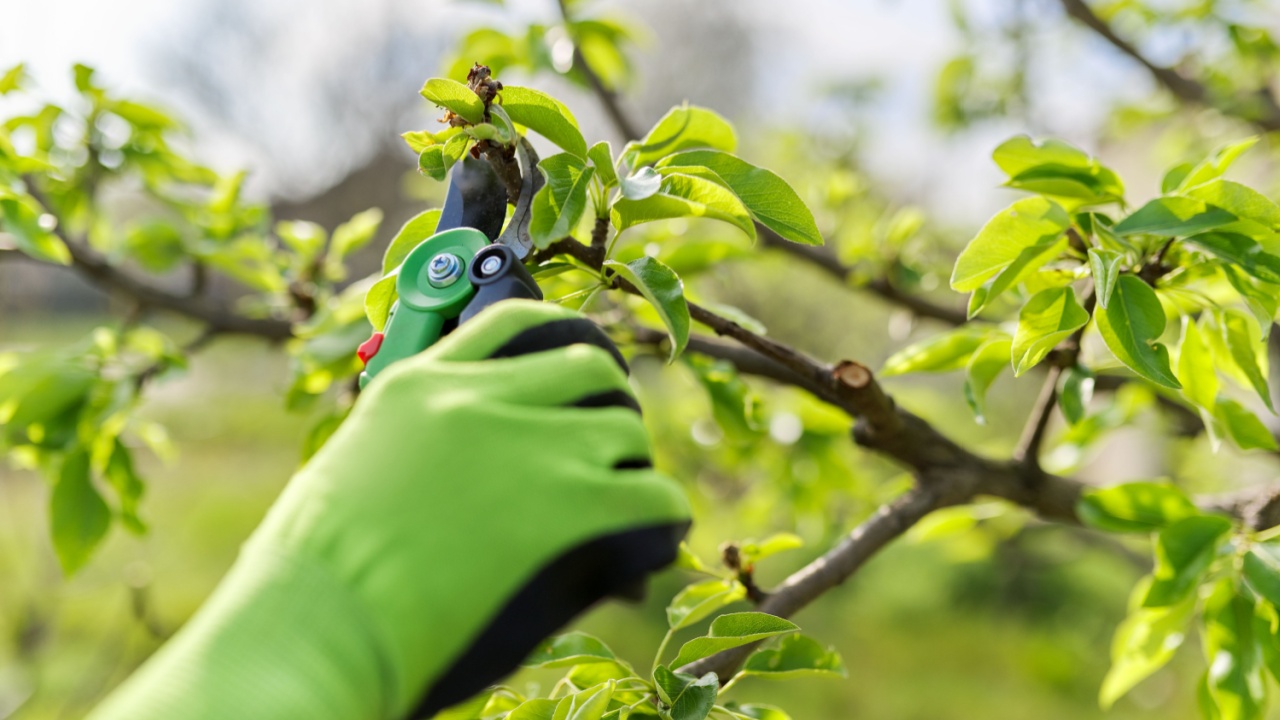
Image Credit: Shutterstock.
Regular pruning is essential for preventing tree-related damage. Removing dead, damaged, or weak branches reduces the risk of them falling on your house or car during a storm. Proper trimming also improves the tree’s structure and promotes healthy growth.
While you can handle small branches yourself, it’s best to hire a certified arborist for major pruning, especially for large trees or those near power lines. The ideal time to prune most trees is during their dormant season in late fall or winter, as this minimizes stress and the risk of disease.
3. Water Deeply but Infrequently
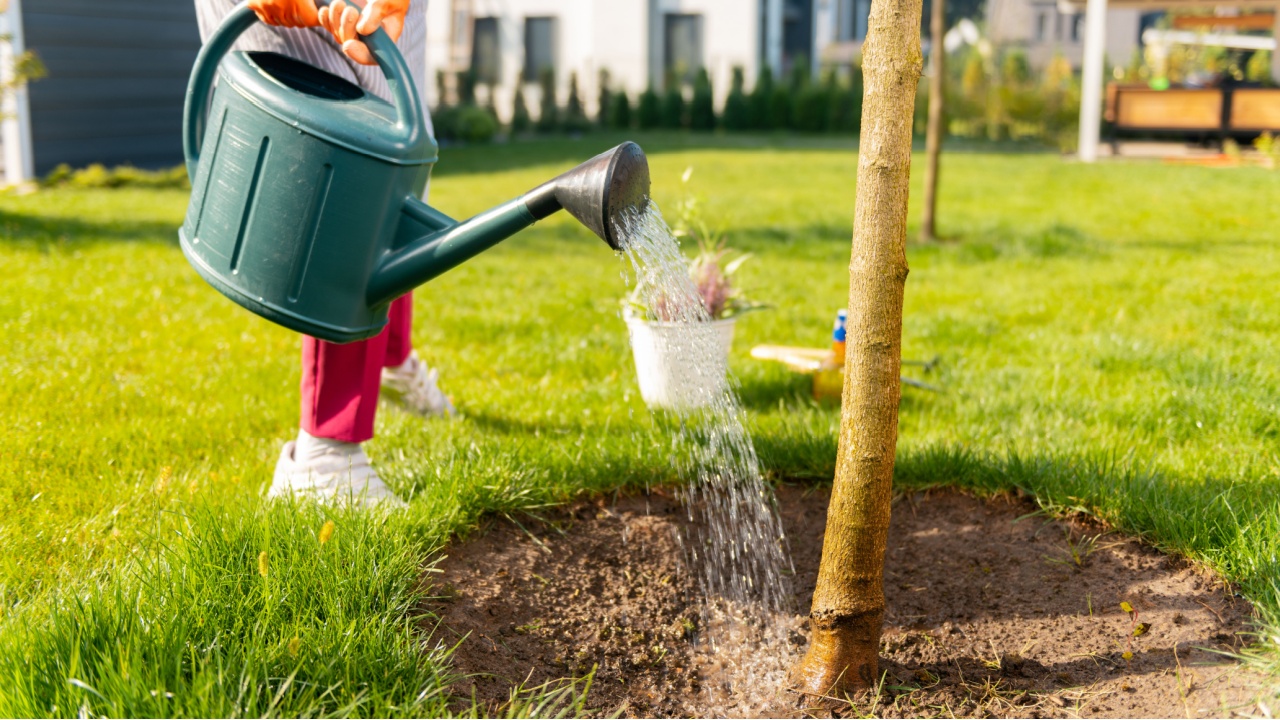
Image Credit: Shutterstock.
To encourage the deep root growth needed to withstand high winds, water your trees deeply but infrequently. Instead of a light daily sprinkle, give them a long, slow soak every week or two during dry spells. Check soil moisture at a 6-inch depth before watering.
This allows roots to grow downward for moisture, rather than spreading near the surface where they can damage sidewalks and foundations. Use a soaker hose or a slow-trickling garden hose to deliver water directly to the root zone. A healthy root system is the best defense against a tree falling in a storm.
4. Install Root Barriers
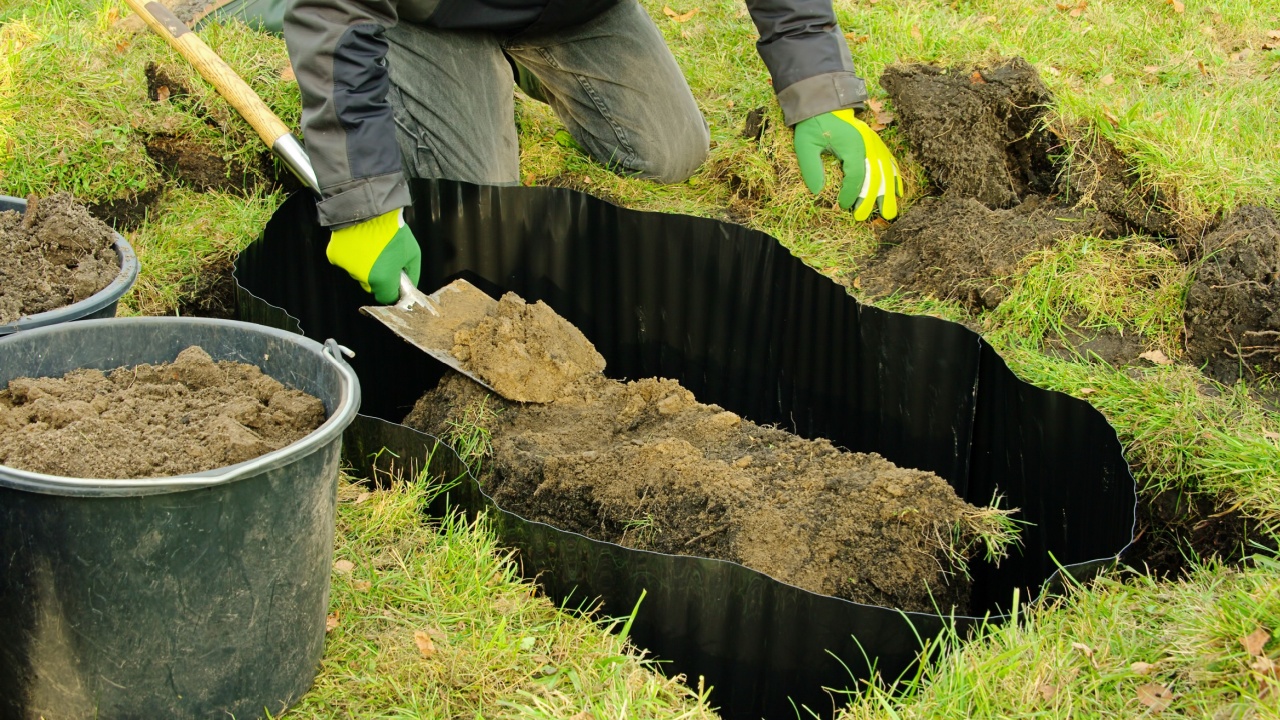
Image Credit: Shutterstock.
If you’re planting a tree in a tight space or have a large one already close to your home, consider installing a root barrier. These underground walls direct root growth downward, protecting your foundation, pipes, and pavement.
While you can install barriers for existing trees, it’s best to hire a professional to avoid damaging major roots. For new trees, it’s much easier to install them at planting time. This upfront cost can prevent expensive repairs later, making it a practical solution for smaller yards.
Protect Your Home and Your Trees
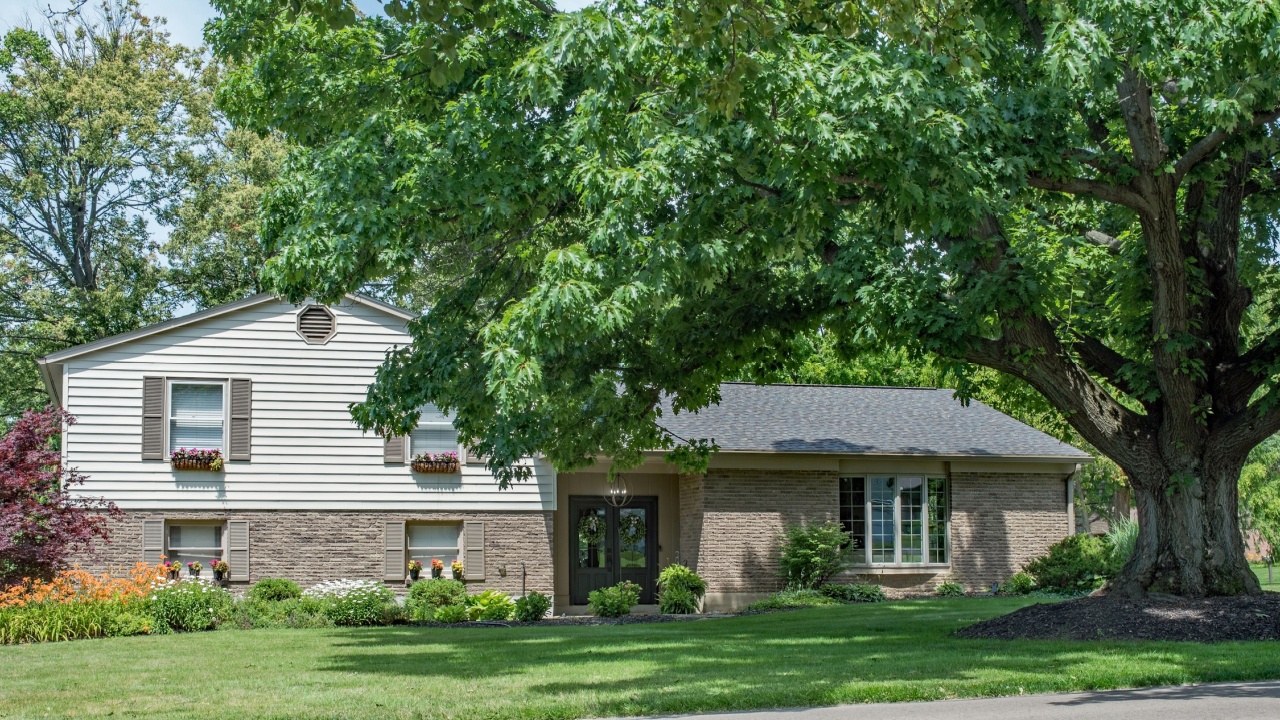
Image Credit: Shutterstock.
Caring for your trees is an investment in your property’s safety and beauty. By following these steps, you can prevent potential damage and cultivate a landscape that is both attractive and secure.
If you have concerns about a specific tree, consulting a certified arborist can provide peace of mind and an expert plan of action.