
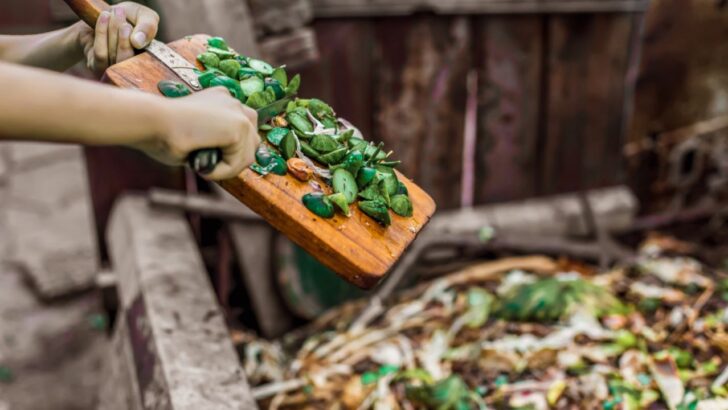
A healthy garden smells like soil, sunlight, hard work, and a hint of mint. However, some scents wafting through your space are like ringing the dinner bell for every pest within sniffing distance.
While you’re admiring your tomato patch, aphids and rodents are tracking smells that lead them straight to the buffet. If you’re wondering what is causing the influx of pests into your garden, the first guy you should consult is your nose. If you can smell what the plants are cooking, the ants can too. It also helps to know what scents pests hate to help keep them away.
Here are the top smells that pull pests in like a backyard beacon.
1. Overripe Fruit
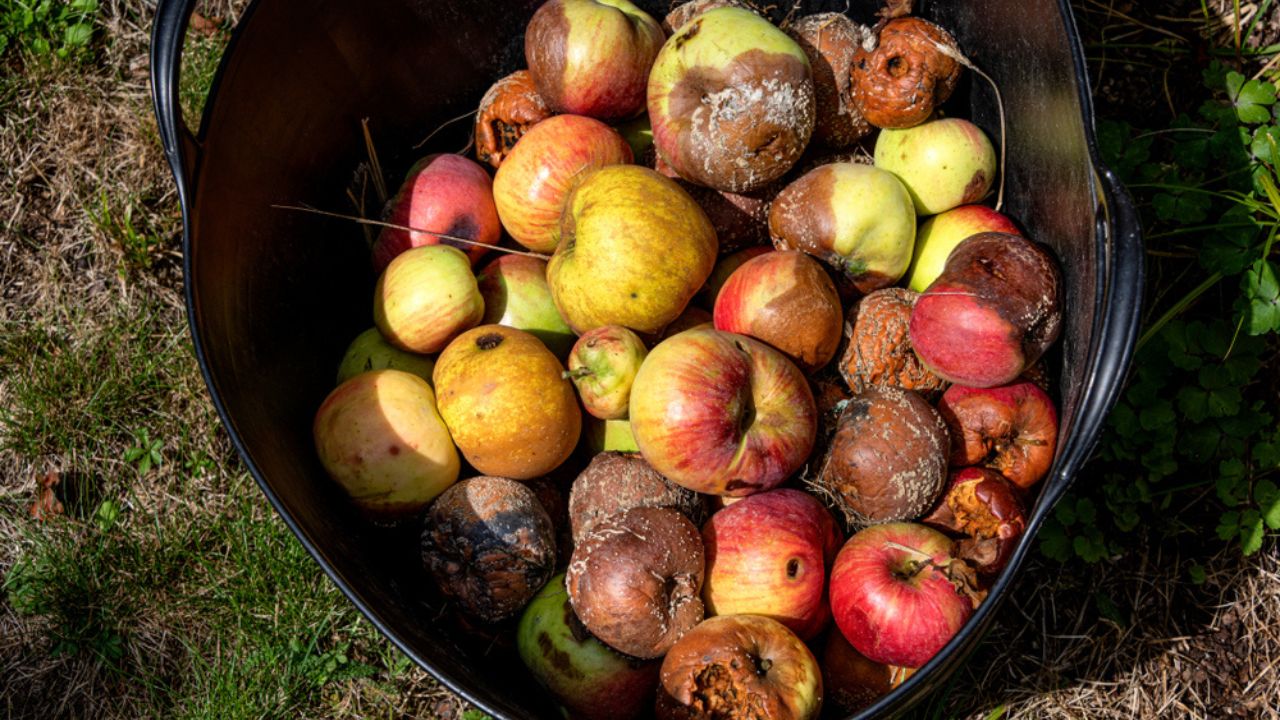
Image Credit: Shutterstock.
A single forgotten strawberry left to go soft can turn your garden into fruit fly headquarters in a matter of hours. Rotted or fermenting fruit emits ethanol, and that scent travels fast. It doesn’t stop at fruit flies either; bees, wasps, ants, and rodents all follow the same sugary signal.
If you’ve got berry bushes or fruit trees, keep a close eye on anything that drops to the ground or lingers on the stem a little too long. Once the fruit turns, the pests start organizing carpool rides to your yard. Just don’t exterminate the bees, please, they may take us with them.
2. Compost That’s Gone Off

Image Credit: Shutterstock.
There’s a difference between earthy, rich compost that’s breaking down nicely and the kind that smells like a blocked sewer line. If your pile reeks of ammonia, rotting meat, or sour milk, it’s not composting, it’s rotting, and flies, raccoons, rats, and stray cats are all taking notes.
A compost pile should smell like warm soil. If it doesn’t, check your green-to-brown ratio, aerate the heap, and absolutely avoid tossing in food scraps like bread, dairy, or meat unless you’re using a sealed, pest-proof system.
3. Molasses-Based Fertilizers
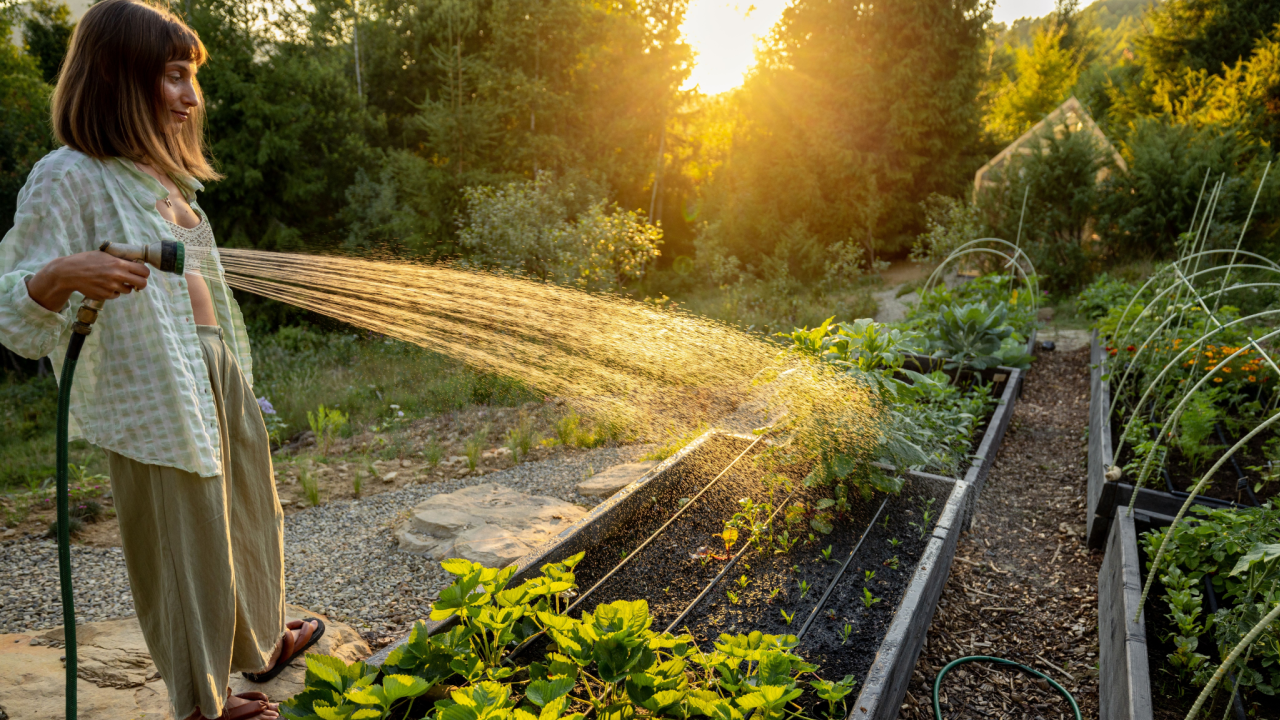
Image Credit: Shutterstock.
Organic fertilizers often use molasses as a microbial booster. Great for your soil biology, not so great if you don’t want ants and beetles hosting family reunions in your raised beds. The sweet smell can attract both crawling and flying insects who’ll stay for the sugar and stick around to nibble your crops.
If you use these products, water them in thoroughly and avoid applying them late in the day when scent signals hang in the air longer. Make sure that you dilute molasses properly before applying to your plants, depending on what you’re growing.
4. Pet Waste

Image Credit: Shutterstock.
Some people let their dogs or outdoor cats “do their business” in hidden corners of the yard. It’s a fast track to attracting flies and parasitic pests like hookworms, which can thrive in soil contaminated with feces.
Beyond the health risks, the smell also draws in scavengers. You’ll soon see unwanted tourists like possums, raccoons, and even feral dogs, especially in dry seasons when water is scarce, and animals are sniffing out anything remotely organic.
5. Beer Traps Gone Stale
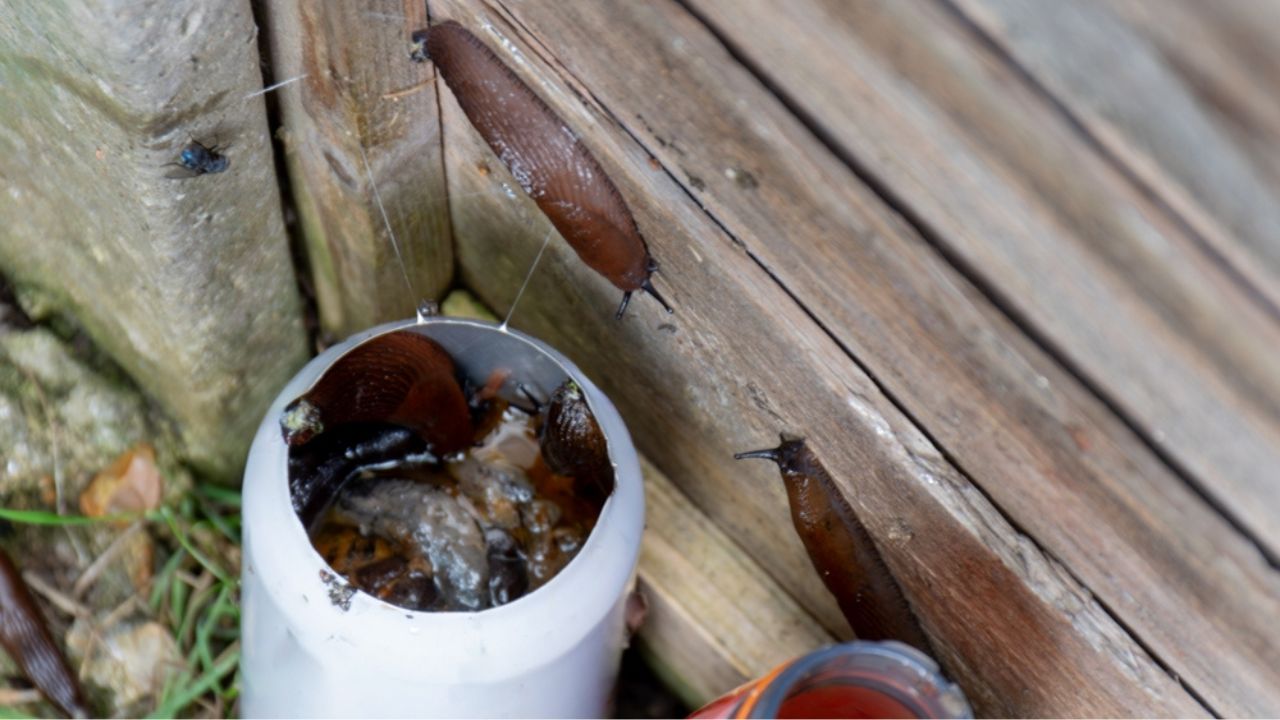
Image Credit: Shutterstock.
Using beer to lure slugs and snails works well at first. The trouble starts when the trap isn’t cleaned out. Stale, decomposing beer turns into a yeast-heavy smell that can attract more than mollusks.
Flies, rodents, and even raccoons have been known to poke around if the trap sits too long. If you’re using this method, empty and refresh regularly, or switch to a covered trap that only slugs can reach.
6. Blooming Flowers with Strong Scents
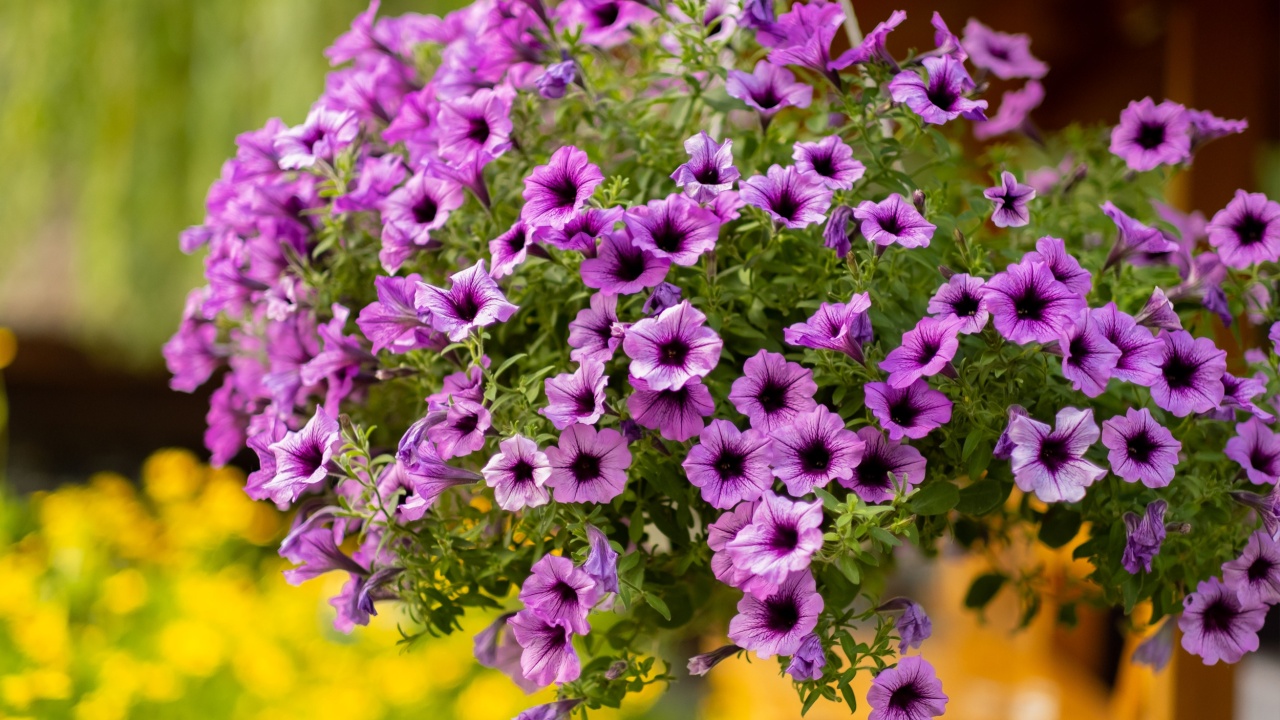
Image Credit: Shutterstock.
Some flowers do more than look good; they broadcast bold floral perfumes that appeal to pollinators. We love them for this, but so do some pests. Heavy-scented blooms like lilies, petunias, and marigolds are known to attract aphids, whiteflies, and spider mites.
While they can also bring in helpful insects, an over-concentration of sweet-smelling flowers near vegetable beds can tip the balance. Space them out, and rotate plantings to avoid building up too much scent in one area.
7. Scented Mulch or Bark
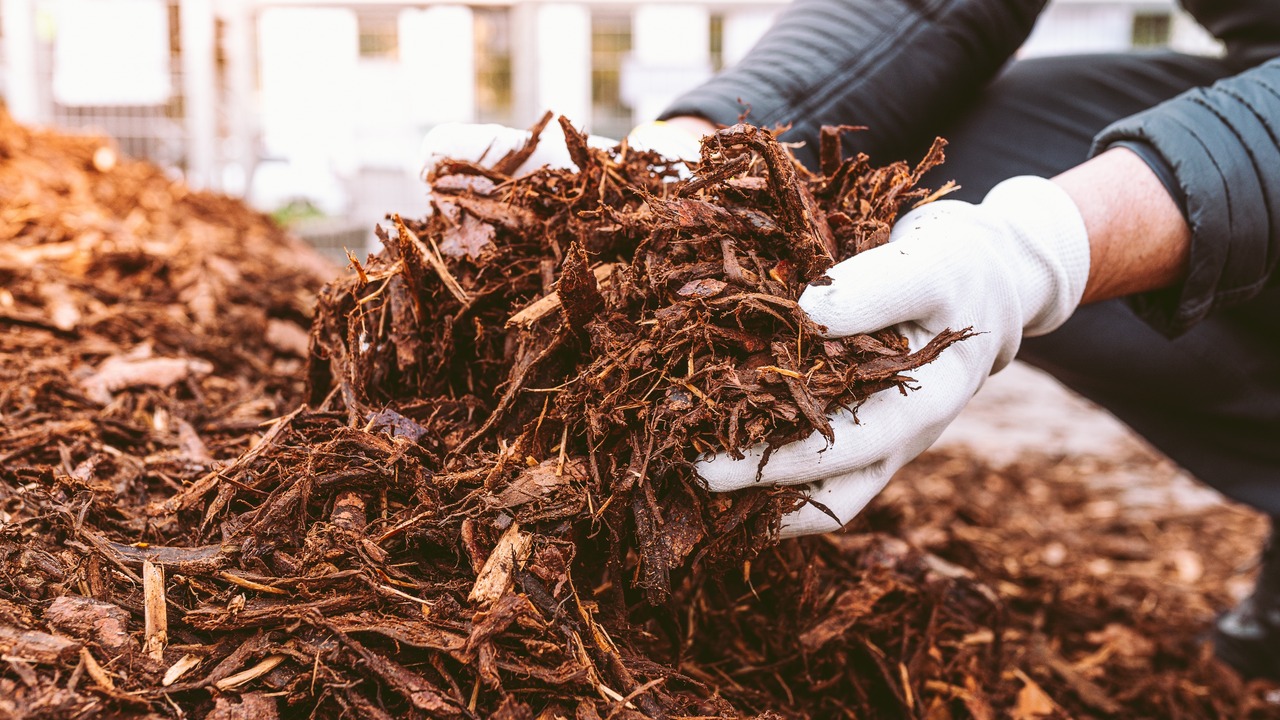
Image Credit: Shutterstock.
Cedar, pine, and eucalyptus mulches are often marketed for their fragrance, but those smells can be misleading. While some pests dislike certain aromatic oils, others—like termites and beetles—aren’t bothered at all.
If the mulch is too fresh or improperly aged, the volatile organic compounds released can draw curious insects looking for shelter or moisture. Always check your mulch source and give it time to age before spreading thick layers across your beds.
8. Sugary Residue from Feeders
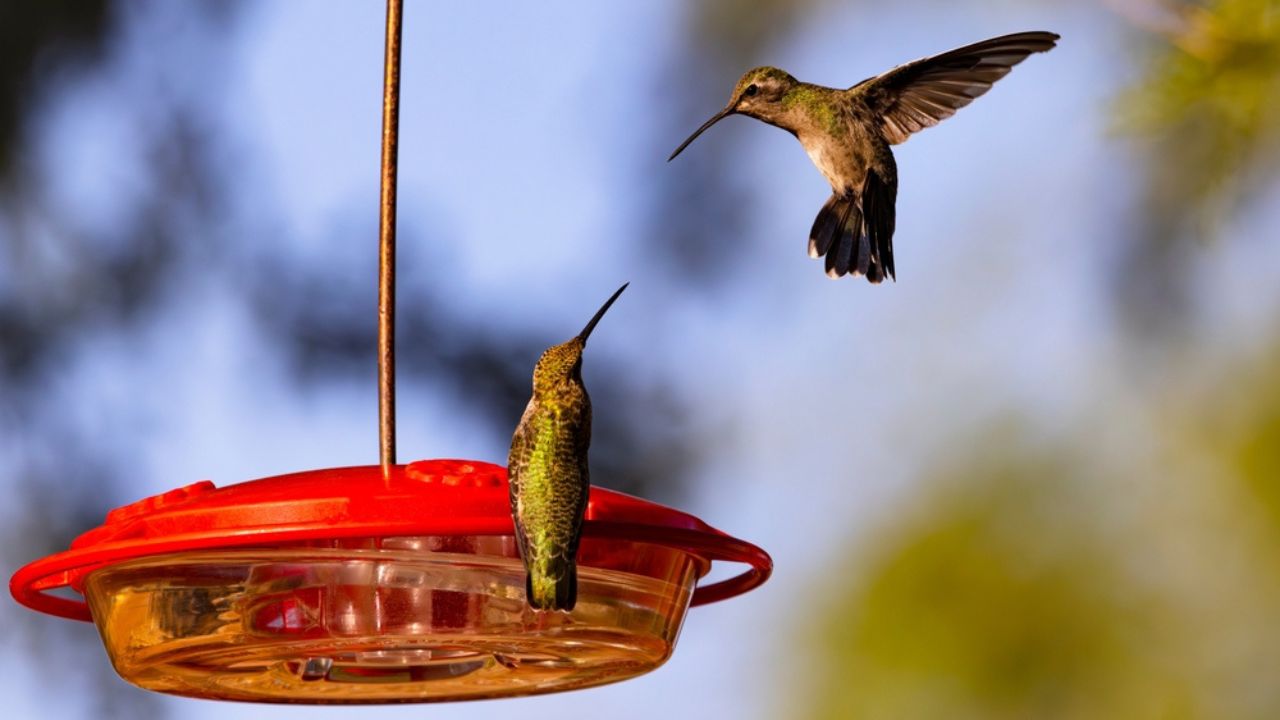
Image Credit: Shutterstock.
Hummingbird feeders, bee waterers, or fruit fly traps often leak or drip sweet liquids, which can dry sticky and still smell strong enough to get noticed. Ants in particular love following sugary trails, and wasps aren’t far behind.
A small leak can become a regular pest route if left uncleaned. Wipe down feeders, keep them raised, and place them at the farthest point from your vegetable crops to reduce crossover traffic.
9. Leftover Fertilizer or Manure Tea
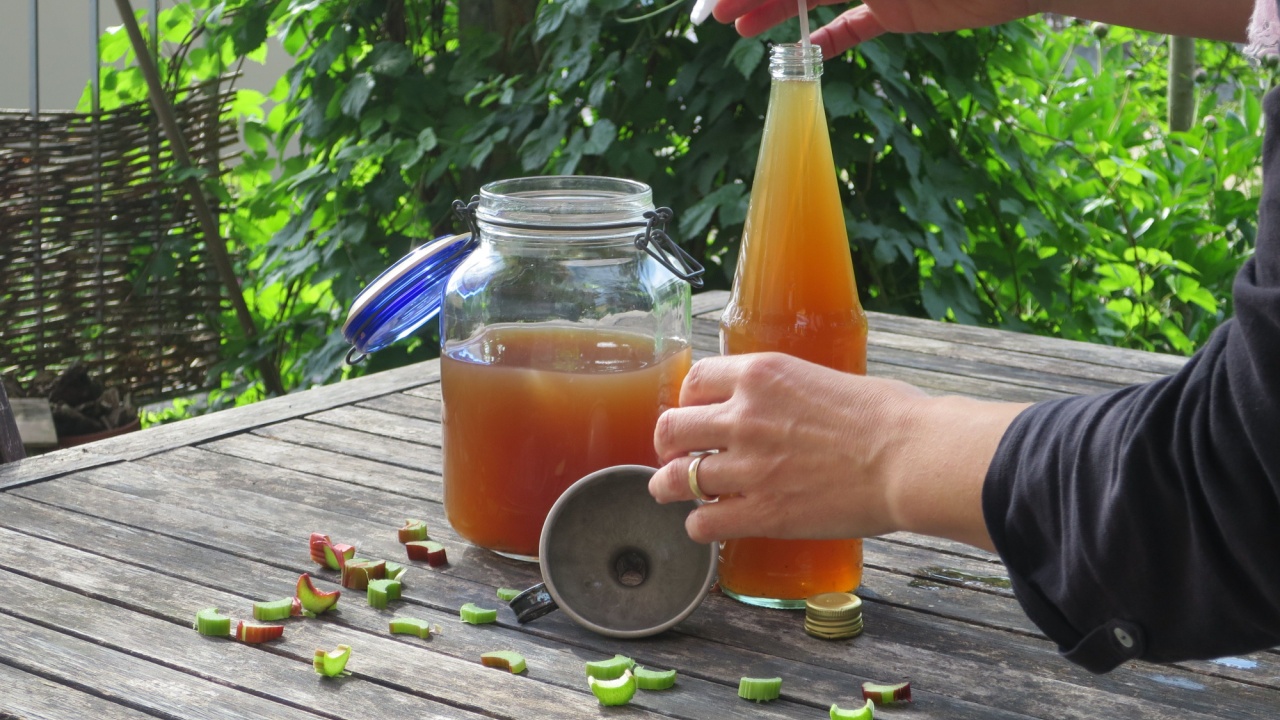
Image Credit: Shutterstock.
Fish emulsion, kelp concentrate, and manure teas pack nutrients, but they also pack odor. Even when mixed well, the smell can linger on leaves or in mulch layers. That scent acts like an open invitation to insects and burrowing pests, particularly in the first 24 hours after application.
If you’re feeding your garden with these, rinse foliage afterward and avoid using them during peak insect hours. Keep storage containers sealed tightly, and clean up spills quickly.
10. Unwashed Garden Tools
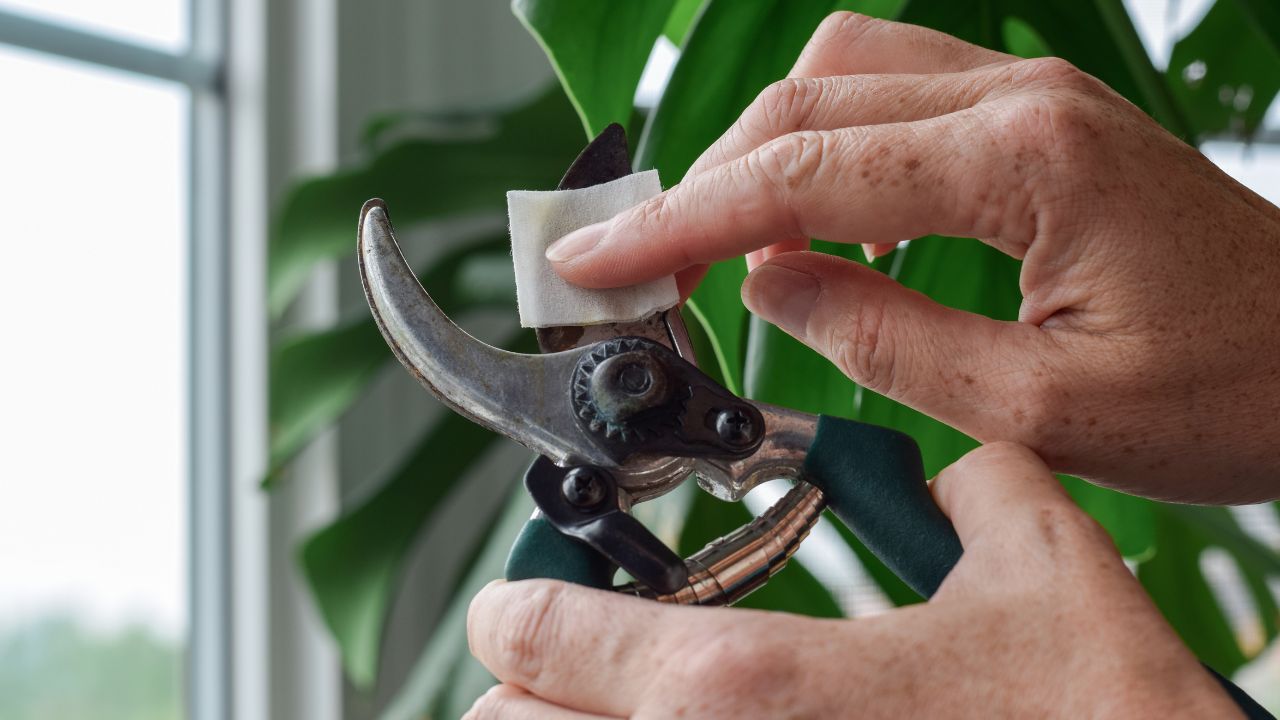
Image Credit: Shutterstock.
Pruners, trowels, or gloves that have been used on fruiting plants can carry traces of sap, juice, or sugary residue. These smells might seem faint, but to pests, they’re loud enough to follow.
If you’ve handled melon vines, berry plants, or tomatoes, your tools could be leaving behind a breadcrumb trail across your beds. Rinse tools regularly, store them in a dry space, and avoid tossing sticky gloves on the garden bench overnight.
11. Fermenting Grass Clippings

Image Credit: Shutterstock.
Freshly cut grass has a sharp, green smell that usually doesn’t cause trouble. However, if you let those clippings sit in a heap, get wet, and start breaking down without airflow, the scent quickly shifts to sour fermentation.
That change draws flies and even fungus gnats, which lay eggs in moist, decomposing organic matter. If you’re collecting clippings for mulch or compost, dry them out or turn the pile often to keep the smell from turning into a neon pest signal.
12. Sweet Sap from Damaged Plants
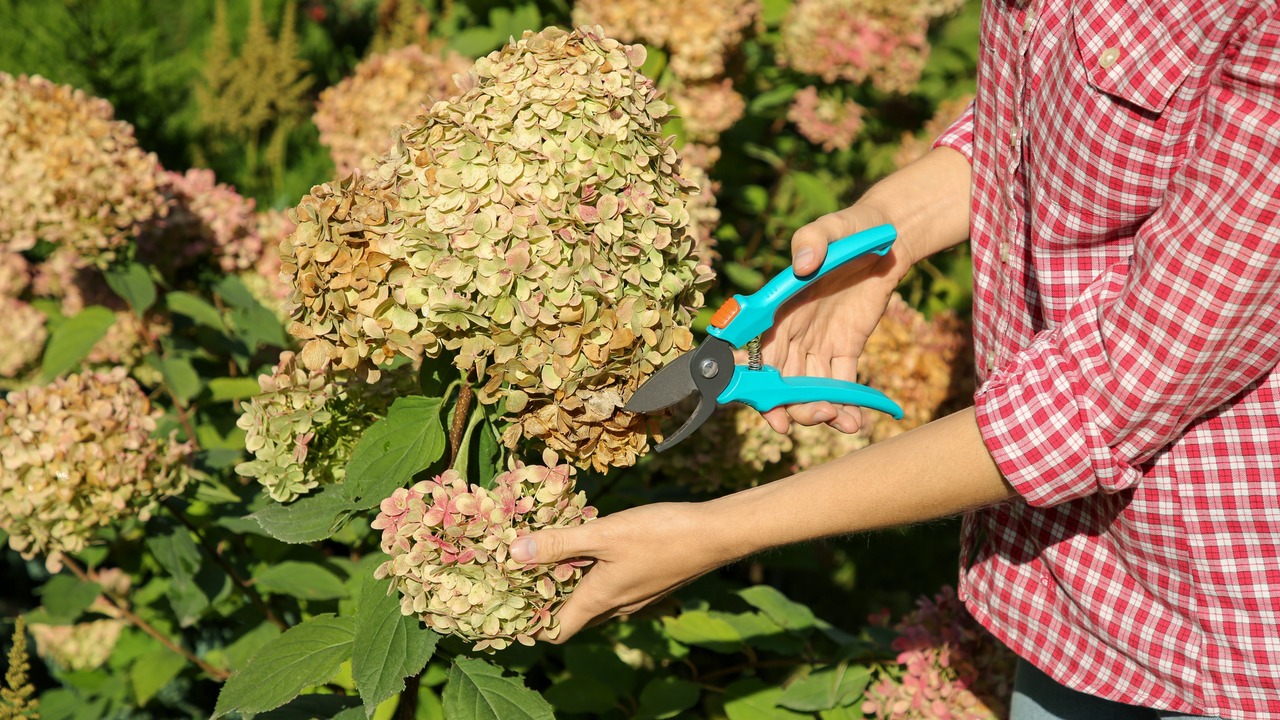
Image Credit: Shutterstock.
Broken stems, pest-chewed vines, or accidentally bruised fruit can leak sap that smells like an open bar to ants, beetles, and wasps. If the damage is fresh, that scent will be even stronger.
Keep an eye out for breaks, split stems, or claw marks, especially after storms or animal visits. Prune cleanly, remove affected parts, and watch for repeated visits in the same area. If pests keep returning to one corner, chances are something’s leaking.
Be Mindful of Smells

Image Credit: Shutterstock.
Pests operate on scent maps. Every whiff tells them where to crawl, fly, or dig. While gardeners focus on what looks healthy above ground, what smells active is often more revealing to the pests. Strong odors, sweet leaks, or decaying materials turn your backyard into something worth investigating. The smartest move is cutting off the invitation before it’s sent. Keep the smells clean, contained, and quiet.