
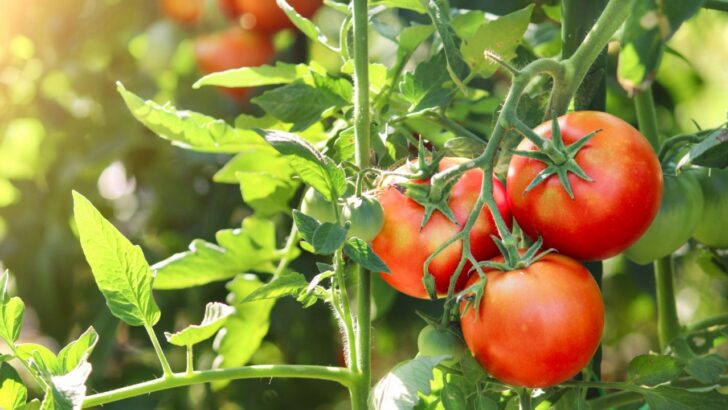
Tomatoes are the crown jewel of any garden, prized for their flavor, versatility, and health benefits. Whether you’re a seasoned gardener or a beginner, unlocking the secrets to a bountiful tomato harvest can transform your gardening experience.
Here are 18 practical tips to help you grow the best tomatoes, improve yield, and fully enjoy the fruits of your labor.
How We Chose These Recommendations
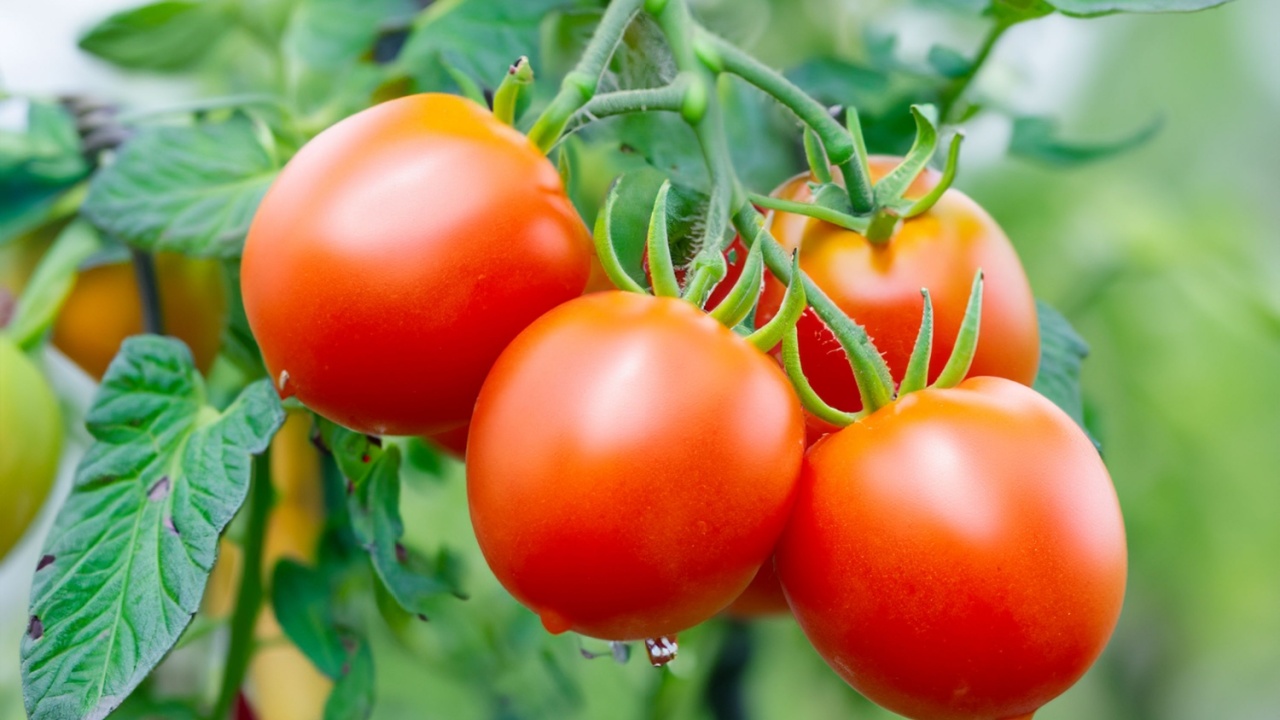
Image Credit: Shutterstock.
These tomato growing tips were selected based on peer-reviewed horticultural research, expert guidance from agricultural extensions, and best practices shared by experienced growers. Our goal was to identify the most commonly overlooked but high-impact mistakes that can dramatically affect tomato yield, plant health, and fruit quality.
These sources offer tried-and-tested insights into soil health, watering practices, pruning techniques, disease prevention, and more.
1. Start with Disease-Resistant Varieties

Image Credit: Shutterstock.
Choose tomato varieties labeled with codes such as VFN, VFNT, or VFNTA, which indicate resistance to Verticillium wilt (V), Fusarium wilt (F), and root-knot nematodes (N), as detailed by Colorado State University. Disease resistance minimizes issues and gives your plants the best chance to thrive.
Pro Tip: Check local nurseries or trusted seed catalogs for varieties suited to your region. Some regional favorites may boast natural adaptability to weather and soil conditions.
2. Harden Off Seedlings Before Planting
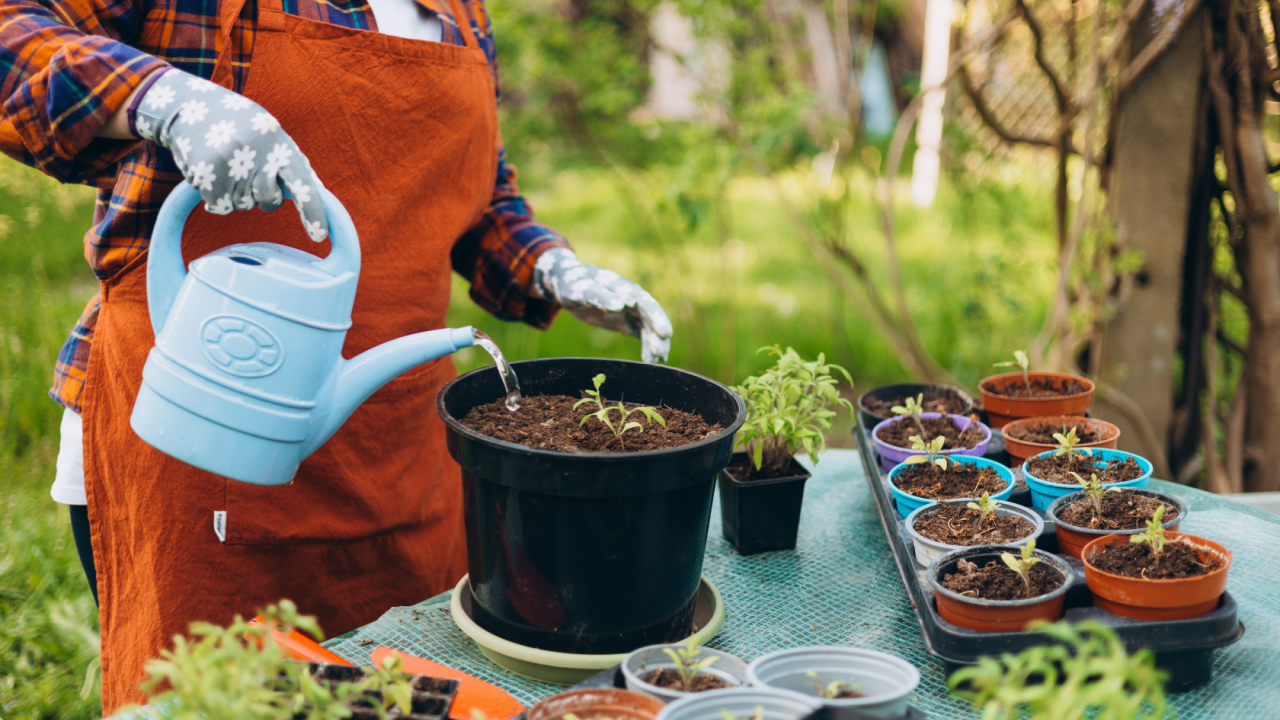
Image Credit: Shutterstock.
Not doing so is considered a common rookie mistake. Moving seedlings directly from indoors to garden beds too quickly. This can shock the plants and stunt growth. Harden them off instead by gradually exposing them to outdoor conditions over 7–10 days.
How to Do It: Place seedlings in a shaded outdoor spot for a few hours per day, gradually increasing their sun exposure. This process toughens stems and readies the plants for transplanting.
3. Plant Tomatoes Deeply
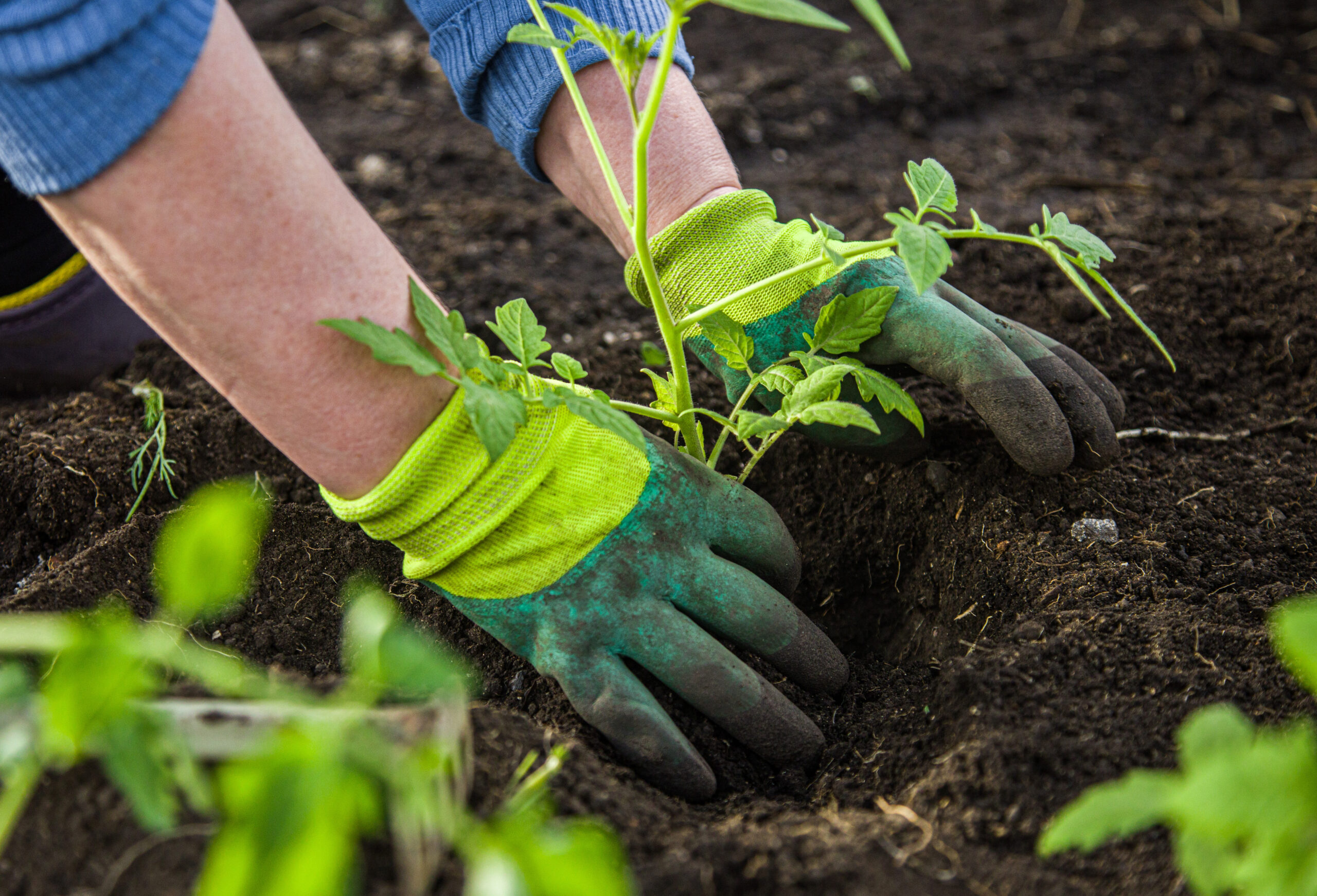
Image Credit: Shutterstock.
Bury tomato stems deeper than with most plants—right up to the second set of leaves. Tomatoes sprout roots along buried stems, leading to stronger root systems and superior plant stability.
Bonus Tip: If the seedling is tall and leggy, plant it at an angle, leaving only the top set of leaves above the soil. This ensures robust development underground.
4. Space Plants Adequately
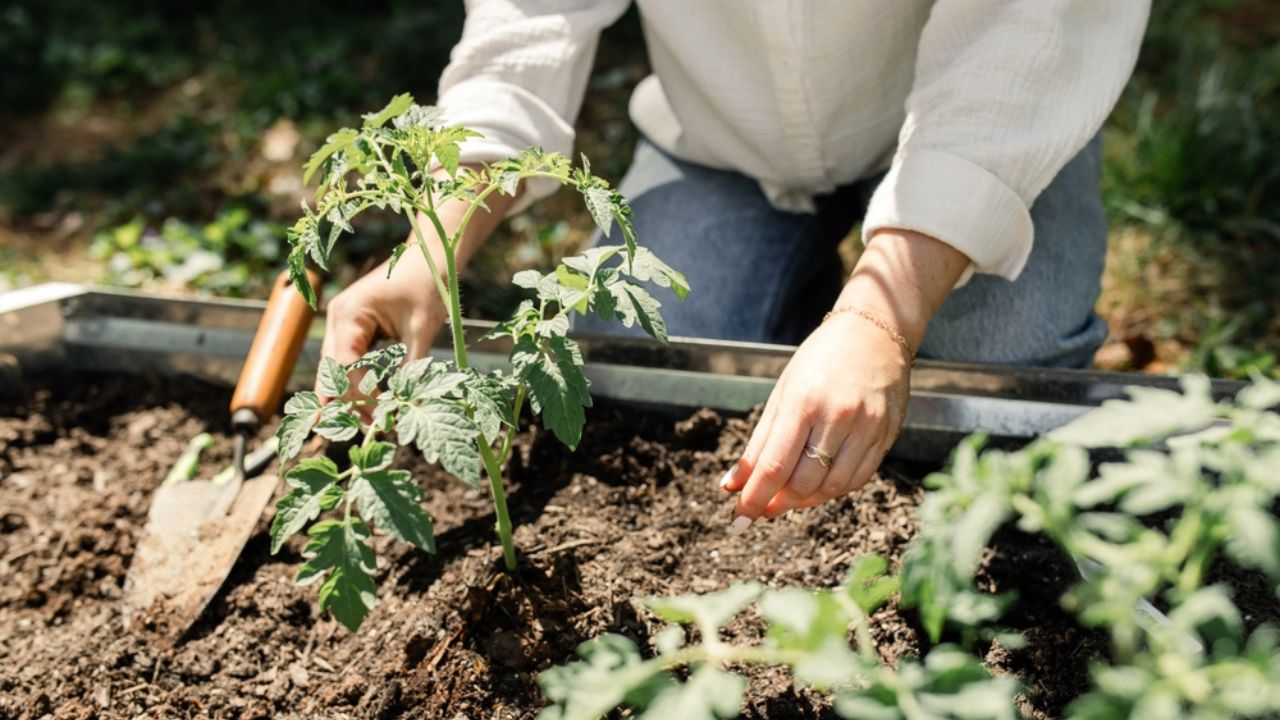
Image Credit: Shutterstock.
Crowded plants compete for light, air, and nutrients, increasing the likelihood of disease. Proper spacing ensures good air circulation and ample sunlight.
Ideal Distance: Leave 2–3 feet between plants in all directions, depending on the variety. Large indeterminate types need more room than compact determinate ones.
5. Provide Early Support with Stakes or Cages

Image Credit: Shutterstock.
Tomato plants grow quickly, and heavy branches can break without support. The University of Georgia recommends setting up sturdy stakes, cages, or trellises soon after planting to guide growth without disrupting roots.
Best Practices: Use soft ties or garden twine to gently secure stems. For indeterminate tomatoes, consider pruning side shoots to prevent the vines from becoming unmanageable.
6. Water at the Base, Not on the Leaves
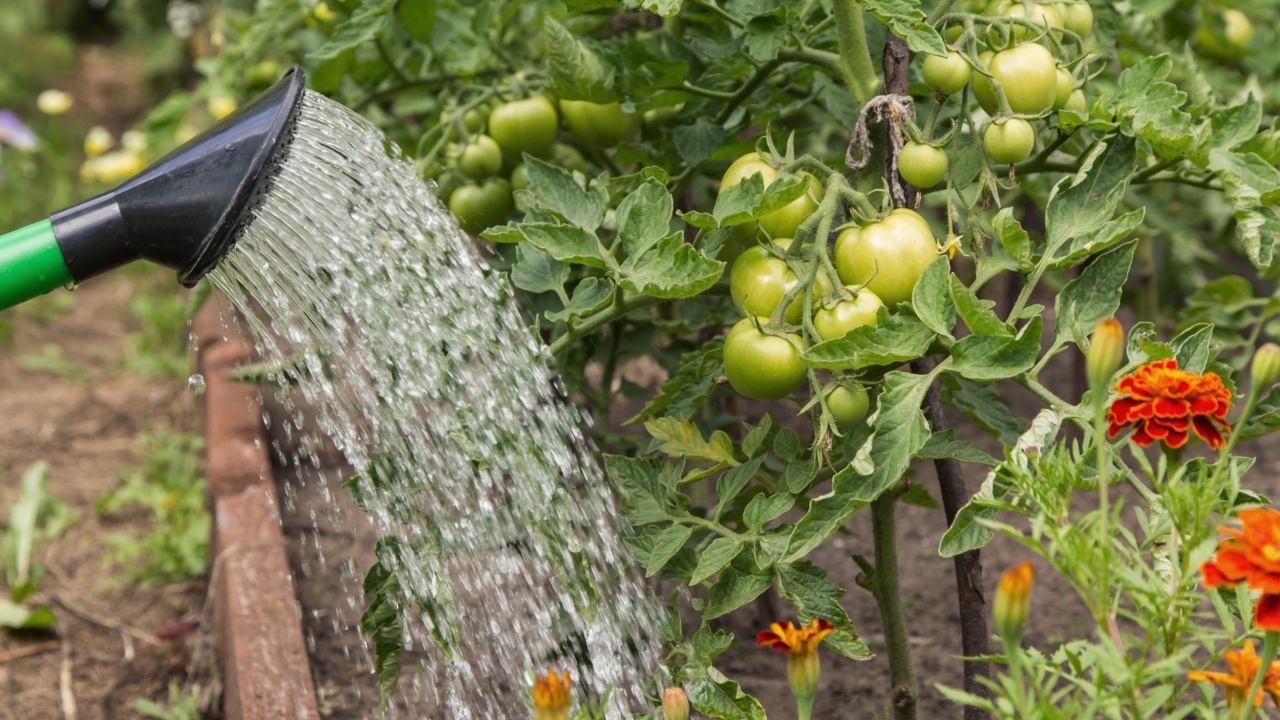
Image Credit: Shutterstock.
Wet foliage invites fungal diseases like blight and septoria (a big tomato-growing mistake). Instead, focus water directly at the base of the plant. This method minimizes splash-back and keeps the leaves dry. Clemson Extension cites this as one of the most effective preventative measures.
Watering Schedule: Stick to deep, infrequent watering—usually 1–2 times per week, depending on weather. This promotes deeper root growth and healthier plants.
7. Mulch to Retain Moisture and Regulate Soil Temperature
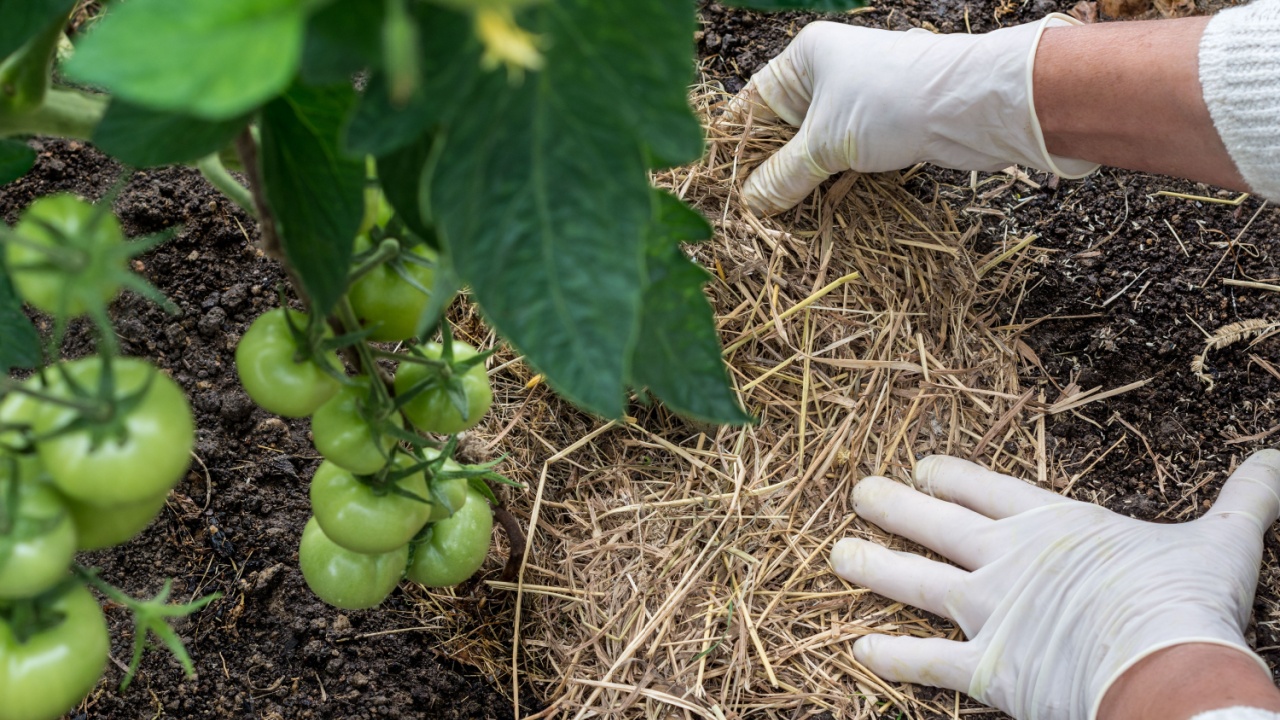
Image Credit: Shutterstock.
A layer of organic mulch (like straw or wood chips) does wonders for tomato plants. It helps retain moisture, suppresses weeds, and prevents soil splash, which can carry diseases.
Application Tip: Apply 2–3 inches of mulch around the base of each plant, but keep it slightly away from the stem to prevent rot.
8. Fertilize Timely and Appropriately
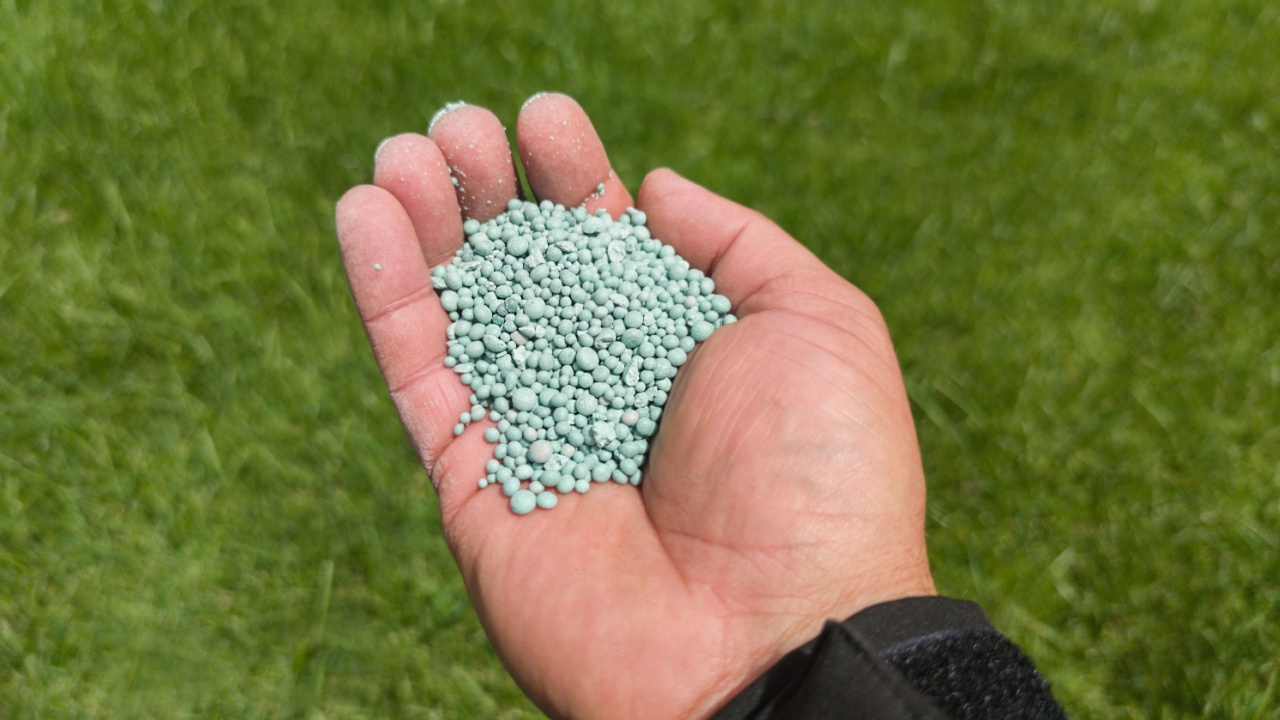
Image Credit: Shutterstock.
Tomatoes thrive on balanced nutrition. Early in the growing season, focus on fertilizers rich in phosphorus to encourage strong roots. Switch to potassium-rich options once fruiting begins to support flower and fruit development.
Watch Out: Avoid over-fertilizing with nitrogen, which promotes leafy growth at the expense of fruit production.
9. Prune Suckers for Better Yield
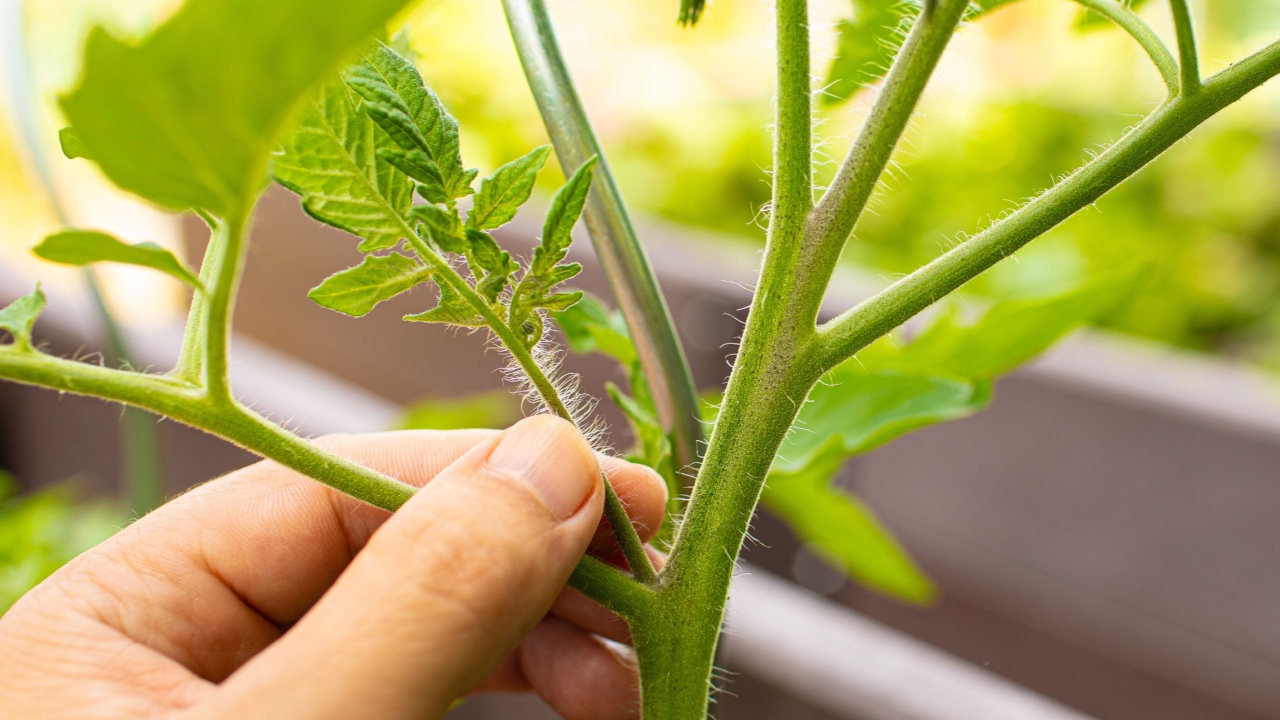
Image Credit: Shutterstock.
Suckers—small shoots growing in the joints between stems and branches—can divert energy from fruit production. Remove them early to focus the plant’s resources on ripening tomatoes.
A note from Colorado Extension: On indeterminate types, removing some suckers improves airflow and directs energy into fruit, but over-pruning can reduce yield; determinate types generally should not be heavily sucker-pruned.
When to Prune: Check weekly and pinch off suckers when they’re small. For bushier growth, leave a few suckers to develop.
10. Rotate Crops Annually

Image Credit: Shutterstock.
Planting tomatoes in the same spot year after year invites soil-borne diseases like wilt. Crop rotation helps avoid this issue.
Rotation Strategy: Wait 3–4 years before planting tomatoes (or other nightshades) in the same location. Rotate with crops like beans, carrots, or lettuce to restore soil nutrients.
11. Use Companion Plants for Natural Pest Control

Image Credit: Shutterstock.
Strategic companion planting benefits tomatoes (although it should be used with other strategies, too). Basil improves flavor and repels harmful insects, while marigolds deter root-knot nematodes.
What to Avoid: Keep tomatoes away from corn, which can attract similar pests, and cabbage (or any brassica) family crops that inhibit tomato growth.
12. Protect Against Blossom End Rot with Calcium
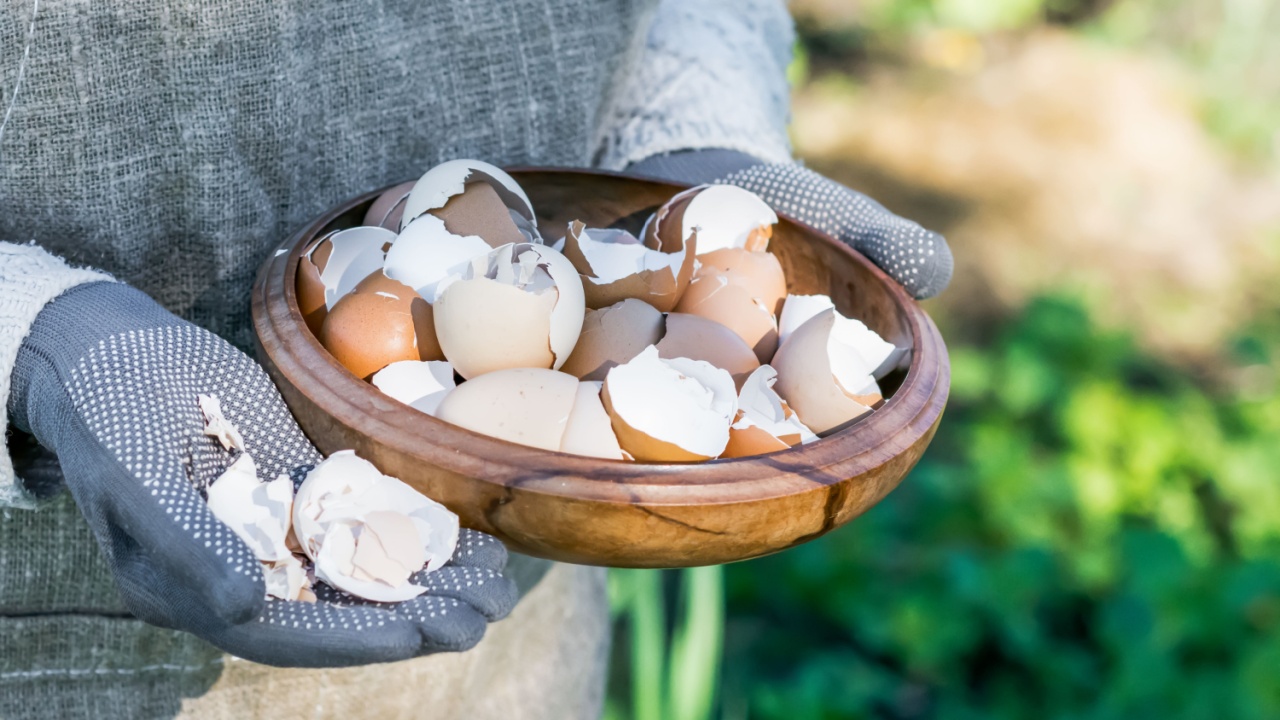
Image Credit: Shutterstock.
Blossom end rot results from inconsistent calcium uptake, often triggered by soil moisture swings—not just calcium deficiency. Maintain consistent watering, proper soil pH (6.2–6.8), and mulch to stabilize conditions. Adding eggshells or lime can help if soil tests indicate a calcium deficiency.
Get Ahead: Maintain consistent watering to ensure calcium uptake and check soil pH—it should be slightly acidic, around 6.2–6.8.
13. Prune Lower Leaves as Plants Grow
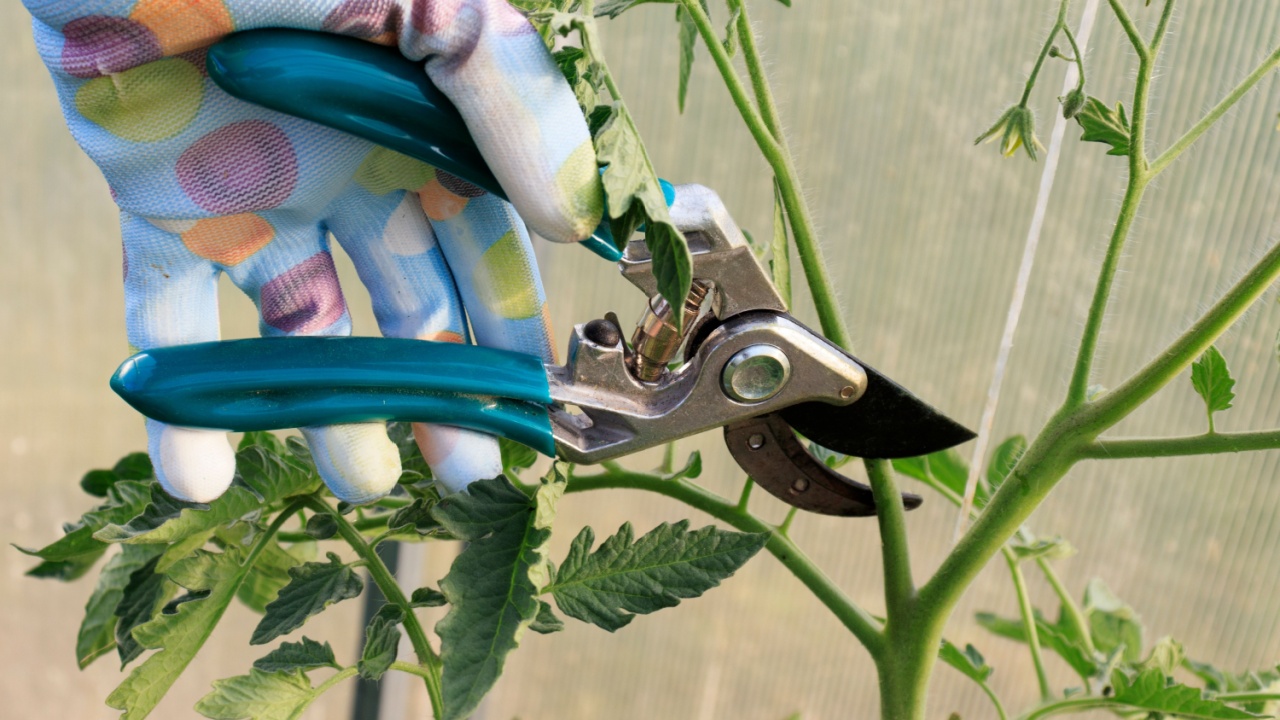
Image Credit: Shutterstock.
In addition to pruning suckers, as your plants grow taller, remove the bottom leaves to improve airflow and reduce the chances of soil-borne diseases reaching the plant.
How: Trim back leaves up to 6 inches above ground level once the plant is established. Keep this habit going throughout the season.
14. Watch for Pests and Diseases Weekly
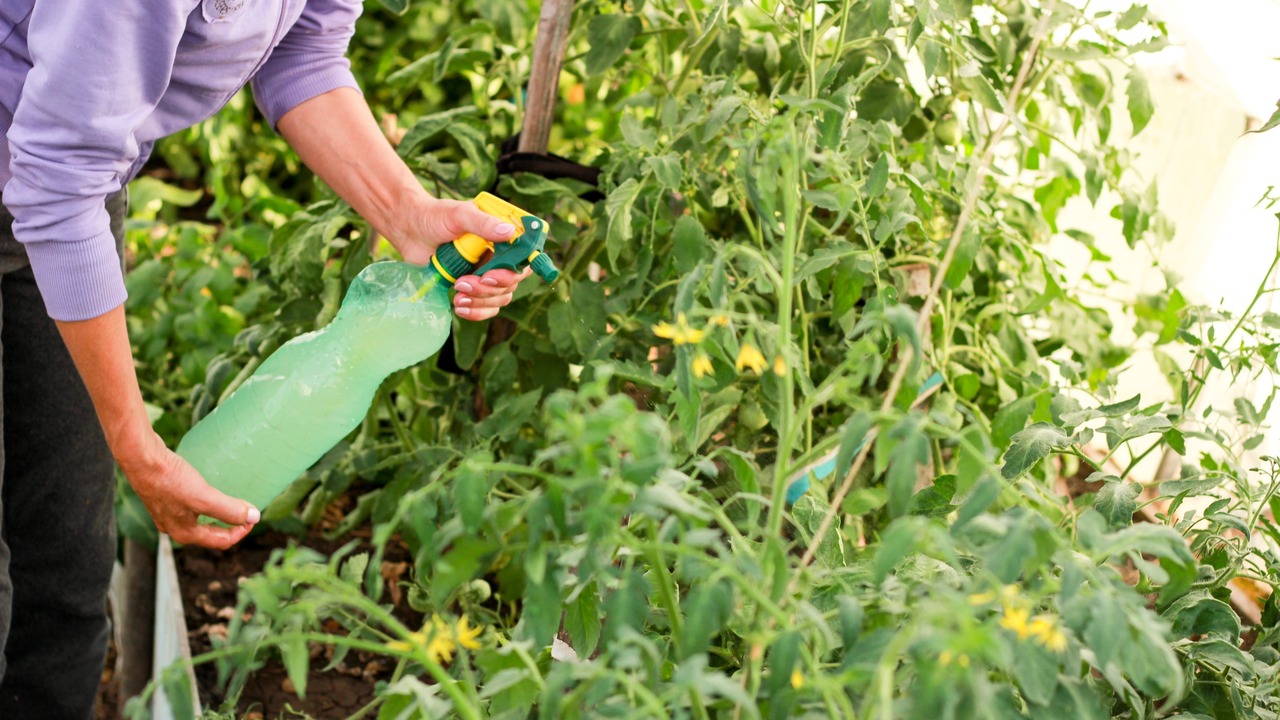
Image Credit: Shutterstock.
Tomato hornworms, aphids, and snails are common culprits that can ruin your plants. Regular inspections help spot problems early.
Solution: Hand-pick hornworms and use neem oil or insecticidal soap for smaller pests. Keep weeds under control to limit shelter for unwanted critters.
15. Feed with Compost Tea During Fruit Development
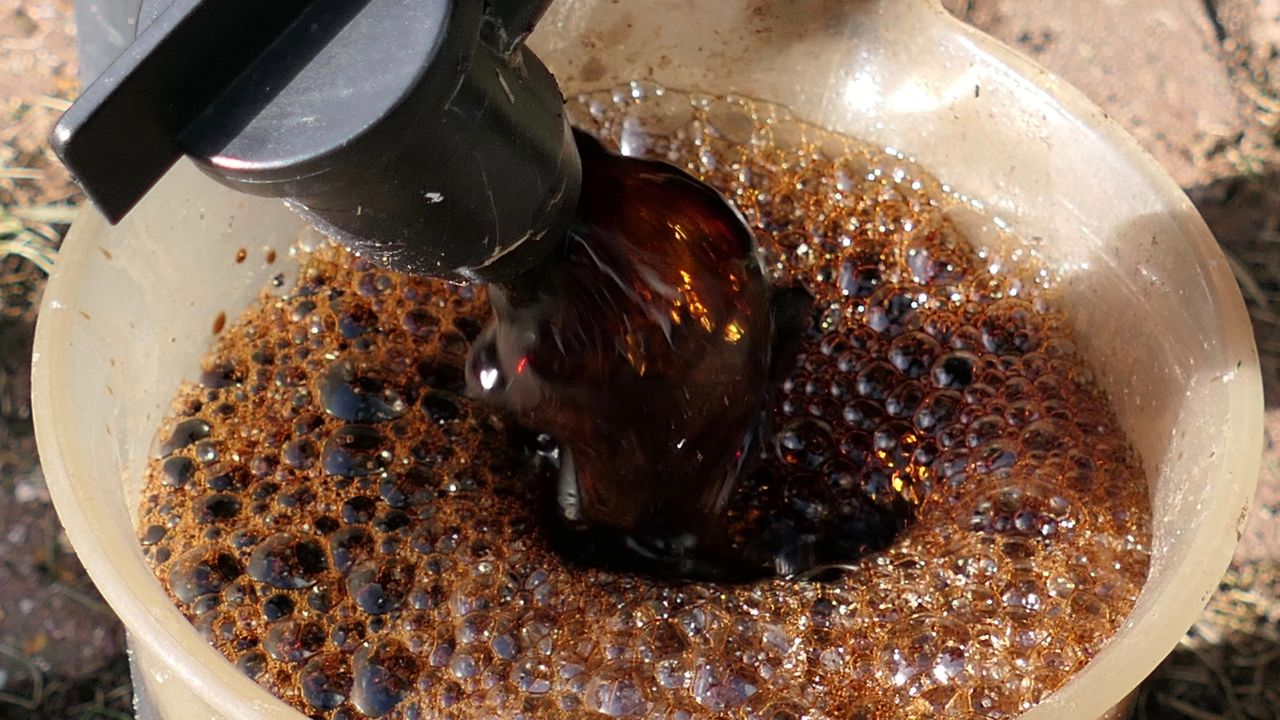
Image Credit: Shutterstock.
Boost your tomato output with nutrient-rich compost tea or fish emulsion during fruiting. These organic supplements enhance fruit growth naturally without overloading the soil.
When to Apply: Feed every 2–3 weeks, focusing on soil application rather than foliage coverage.
A note: Compost tea can introduce beneficial microbes and some nutrients, but its efficacy varies; poorly brewed teas can harbor pathogens. Use well-aerated compost tea and prioritize a strong base soil fertility program.
16. Harvest at the Right Time

Image Credit: Shutterstock.
Ripening tomatoes correctly maximizes flavor and texture. Pick tomatoes when they’re just starting to turn red but still firm. They can finish ripening indoors, safe from pests and damage.
Pro Tip: Harvest green tomatoes before the first frost. Wrap them in newspaper or store them in a cool, dark place to ripen slowly.
17. Keep a Tomato Journal

Image Credit: Shutterstock.
Track your progress by keeping detailed notes on your tomato-growing season. Include variety names, planting dates, watering schedules, fertilization habits, and observations.
Why It Helps: Reviewing your journal lets you refine your methods every year, ensuring better results with each season.
18. Enjoy the Fruits of Your Labor

Image Credit: Shutterstock.
Tomatoes taste their best fresh off the vine, so savor your harvest! Get creative with recipes—try them sliced with basil and mozzarella, roasted with olive oil, or blended into homemade marinara sauce.
Storage Tip: Store ripe tomatoes at room temperature, not in the fridge—chilling can dull their flavor and alter texture. (Although, even from the fridge, they’ll taste amazing compared to store-bought). If you aren’t eating them soon, and want to preserve them longer, you can also consider putting them in the fridge and taking them out shortly before using them to allow them to warm up.
Enjoy the Process and Bounty
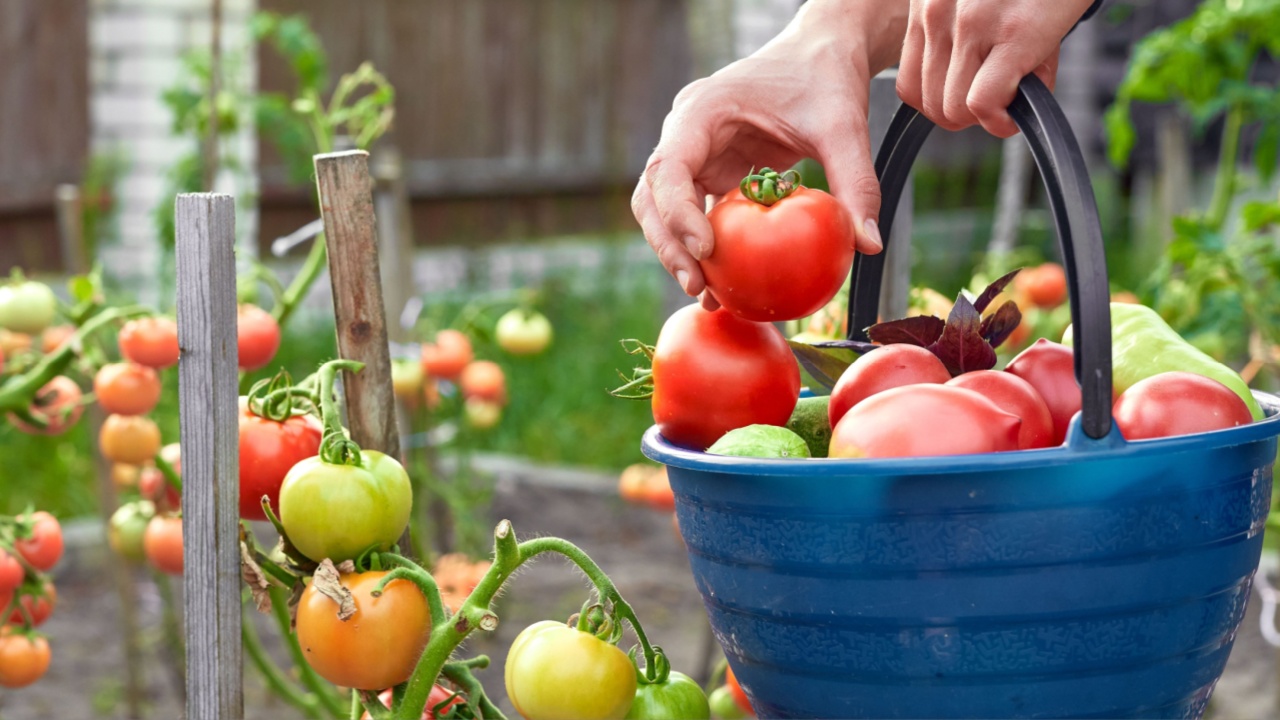
Image Credit: Shutterstock.
Growing tomatoes is a rewarding hobby that requires just the right mix of preparation, care, and attention.
By implementing these 18 tips, you’ll maximize your yield and enjoy the delicious result of your hard work. Whether you’re growing juicy beefsteaks, tiny cherry varieties, or colorful heirlooms, these strategies will elevate your gardening game and make every tomato taste like pure sunshine!