
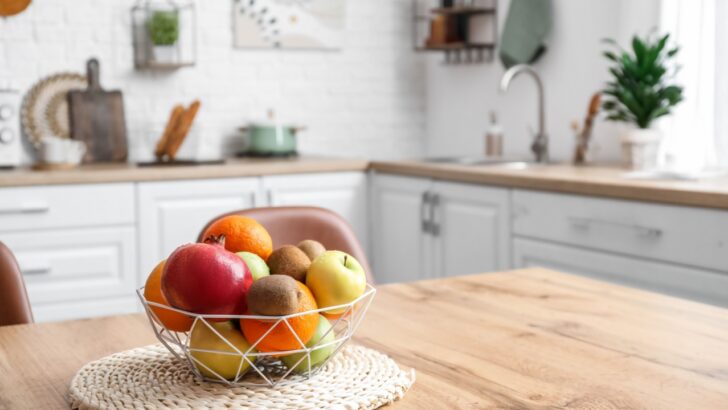
Most people (except for our ever-curious toddlers) don’t like bugs. We particularly dislike them when they’re swirling around your perfectly ripened bananas as if they own the place. Fruit flies are tiny troublemakers that can turn any pleasant evening of snacking into a frustrating battle of wills, and they don’t take the hint even if you swat at them a thousand times per minute.
Fruit flies love the sweet scents of overripe or rotting fruit and fermented foods. They thrive in warm environments and reproduce quickly, making them a pesky challenge. Don’t fret, though! You can reclaim your space with a mix of clever strategies and some good old-fashioned determination.
Make your kitchen and pantry unfavorable for the pesky fruit flies with these strategies, pulled from trusted home sites.
1. Clean Up

Image Credit: Depositphotos.com.
Give your kitchen a thorough scrub down. Those pesky fruit flies are attracted to the crumbs, spills, and residues we often overlook. Wipe down countertops, sweep the floors, and don’t forget to check under appliances where crumbs like to hide.
Don’t forget the fruit itself. Keep an eye on those apples and bananas. The moment they start looking a bit too ripe, toss them into the fridge or, better yet, consume them.
2. Create a Fruit Fly Trap

Image Credit: Depositphotos.com.
If you’re looking for a fun DIY project that doubles as a fruit fly extermination technique, try making a homemade fruit fly trap. All you need is a jar, some apple cider vinegar, and a piece of plastic wrap. Pour a little vinegar into the jar, cover it with plastic wrap, and poke small holes in the top.
The sweet scent will lure the flies in, but they won’t be able to escape. It’s like a tiny, fruity prison, and they’ll be regretting their life choices in no time.
3. Use Essential Oils

Image Credit: Depositphotos.com.
Certain essential oils like peppermint, eucalyptus, and lemongrass are delightful for humans but repulsive to fruit flies. Mix a few drops of your chosen oil with water in a spray bottle and spritz it around your kitchen. Your space will smell heavenly, and you’ll send those flies packing.
For those who prefer a more hands-off approach, consider placing cotton balls soaked in essential oils around the kitchen. Your space will smell fresh while creating an unwelcoming environment for tiny intruders.
4. Remove Bad Produce

Image Credit: Depositphotos.com.
Fresh fruits and veggies are great for a healthy diet but can also attract fruit flies if not monitored closely. Inspect your fruits and vegetables regularly, removing any that show signs of overripeness or damage.
The quicker you act, the less chance you’ll have of a fly colony forming in your fruit bowl. You don’t have to throw them away. You can make smoothies with all sorts of fruit or a banana cake with wilting bananas.
5. Dispose of Garbage Properly

Image Credit: Depositphotos.com.
If not managed correctly, your garbage can become a veritable buffet for these pests. Invest in a tightly sealed garbage bin and empty it regularly, especially if it contains organic waste like fruit peels or leftovers. The last thing you want is for your trash to become a hotspot for fly gatherings.
Use trash bags that are designed to neutralize odors. This way, even if you have to wait a bit longer to take out the trash, you won’t attract any unwanted guests.
6. Freeze Your Fruit

Image Credit: Depositphotos.com.
If you’ve bought a bunch of bananas or strawberries that are on the verge of going bad, consider freezing them instead of letting them sit on the counter. Now you’ll have ingredients for delicious smoothies, desserts, or baking.
Peel the bananas and store them in a zip-top bag before freezing them. This prevents your fruit from becoming a fly’s feast and guarantees you have healthy snacks ready for later.
7. Introduce Carnivorous Plants

Image Credit: Depositphotos.com.
Consider introducing carnivorous plants like Venus flytraps or sundews to your home for a touch of the exotic. These fascinating plants make great decor and can help manage fruit fly populations.
They’re natural predators that will feast on the flies, helping you maintain a fly-free environment and doubling as a conversation starter when friends come over. While these plants can assist in reducing flies, they won’t eliminate them entirely.
8. Seal Entry Points

Image Credit: Depositphotos.com.
Take a look around your kitchen for any spots where fruit flies might be sneaking in. Little cracks around windows, gaps in door frames, and poorly sealed vents can all be gateways for these pesky visitors.
Using weather stripping or caulk to seal these gaps, you can create a strong barrier to keep flies outside where they belong. Taking these simple steps helps keep fruit flies at bay and prevents other pests from making your kitchen their home sweet home.
9. Keep Your Drains Clean

Image Credit: Depositphotos.com.
Fruit flies are sneaky and often breed in your kitchen’s damp, dark corners, including drains. Regularly cleaning your sink and drain areas can help eliminate breeding grounds. Pour a mixture of baking soda and vinegar down your drains to flush away any organic matter that might be attracting flies.
Following up with boiling water can also help to rinse away any leftover residue. A clean drain is a happy drain, and it’s one less thing to worry about in your fruit fly battle.
10. Cover Your Fermenting Foods

Image Credit: Depositphotos.com.
If you’re into making fermented foods, be cautious about how you cover them. Fruit flies are attracted to the smell of fermentation, so using a loose cover can invite them in for a feast. Make sure to use a tight lid or cheesecloth to keep them out while still allowing airflow.
If you’ve started fermenting your Kombucha and find fruit flies circling it, transfer it to a more secure location or wait until the flies have been dealt with. This will also prevent contamination. Who knows what those files carry in their little legs?
11. Vacuum Them Up

Image Credit: Depositphotos.com.
If you find yourself overwhelmed with fruit flies and traps aren’t cutting it, consider using a vacuum cleaner. A quick vacuum session can help you catch the flies in their natural habitat. Make sure to use a nozzle attachment so you can get into those nooks and crannies where they might be hiding.
This method can provide immediate satisfaction as you see the results of your efforts in real-time. Dispose of the vacuum bag or empty the canister promptly to prevent any survivors from escaping.
12. Clear Your Bushes

Image Credit: Depositphotos.com.
Maintaining the outdoor areas surrounding your kitchen is an often-overlooked factor in preventing fruit flies from invading your home. Overgrown bushes, shrubs, and trees can harbor these pests, offering them an ideal environment to thrive.
Regularly trimming and clearing out dead leaves or branches can help mitigate the risk. It’s especially important to ensure that branches do not touch or overhang windows and doors, which may provide easy access for flies to enter your home.
13. Buy a Fruit Fly Trap

Image Credit: Depositphotos.com.
If you don’t have the time, energy, and patience for a DIY trap, buy one. Many commercial traps use natural attractants to lure fruit flies inside, where they become trapped and unable to escape.
For best results, position the trap near the most common sources of fruit fly activity, such as fruit bowls or trash cans. A good trap will reduce the fruit fly population but also serve as a preventive measure to keep future infestations at bay.
14. Call the Exterminator
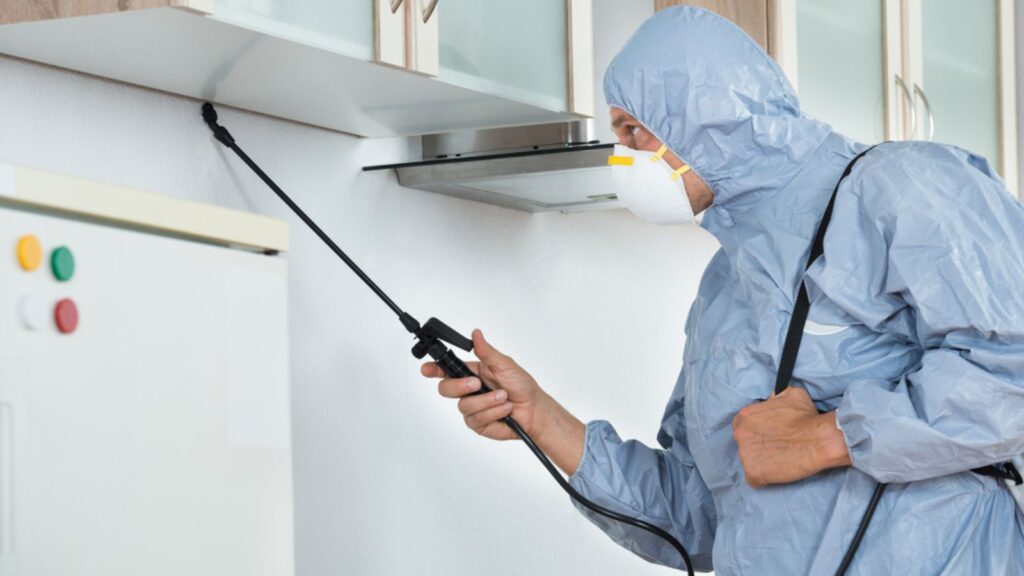
Image Credit: Depositphotos.com.
If you’ve tried every trick in the book and those fruit flies continue to evade capture, it might be time to call in the pros. Pest control experts have a variety of methods at their disposal, from traps to more advanced techniques that can eliminate the infestation for good.
It may cost a little more than your DIY efforts, but sometimes a professional touch is the best route to take. Before hiring someone, do your research. Read reviews and ask for recommendations to find a pest control service that suits your needs.