
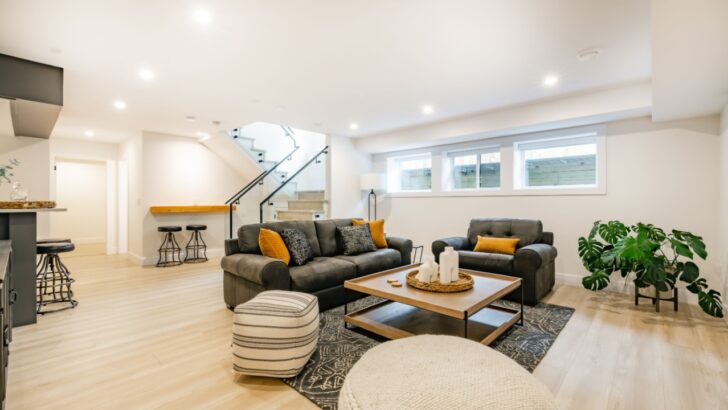
Your basement might be the most underutilized space in your home. While many homeowners see this area as nothing more than storage for holiday decorations and forgotten belongings, smart renovators recognize its potential as valuable living space. Whether you’re a gardening enthusiast looking for a cozy indoor retreat during winter months, a growing family needing extra room, or someone who dreams of creating the perfect workshop-office combo, your basement holds incredible possibilities.
Transforming a basement into a livable space isn’t just about throwing down some carpet and calling it done (although it might be enough, depending on your goals!). In reality, it requires careful planning, attention to building codes, and smart solutions for common basement challenges like moisture, lighting, and ventilation. With the right approach, you can create a beautiful, functional space that adds significant value to your home and enhances your daily life.
These 17 tips will guide you through every aspect of basement transformation, We consulted home contractors for their expert advice to give you practical insight on how to transform your basement into a space you can enjoy.
1. Measure Everything Before You Begin

Image Credit: Shutterstock.
Before you fall in love with grand renovation plans, grab your measuring tape and get to work.
Accurate measurements form the foundation of every successful basement conversion, and height matters more than you might think. Most local building codes require finished basement ceilings to be at least 7 feet tall, though some areas demand 7.5 or even 8 feet.
2. Add Comprehensive Moisture Protection
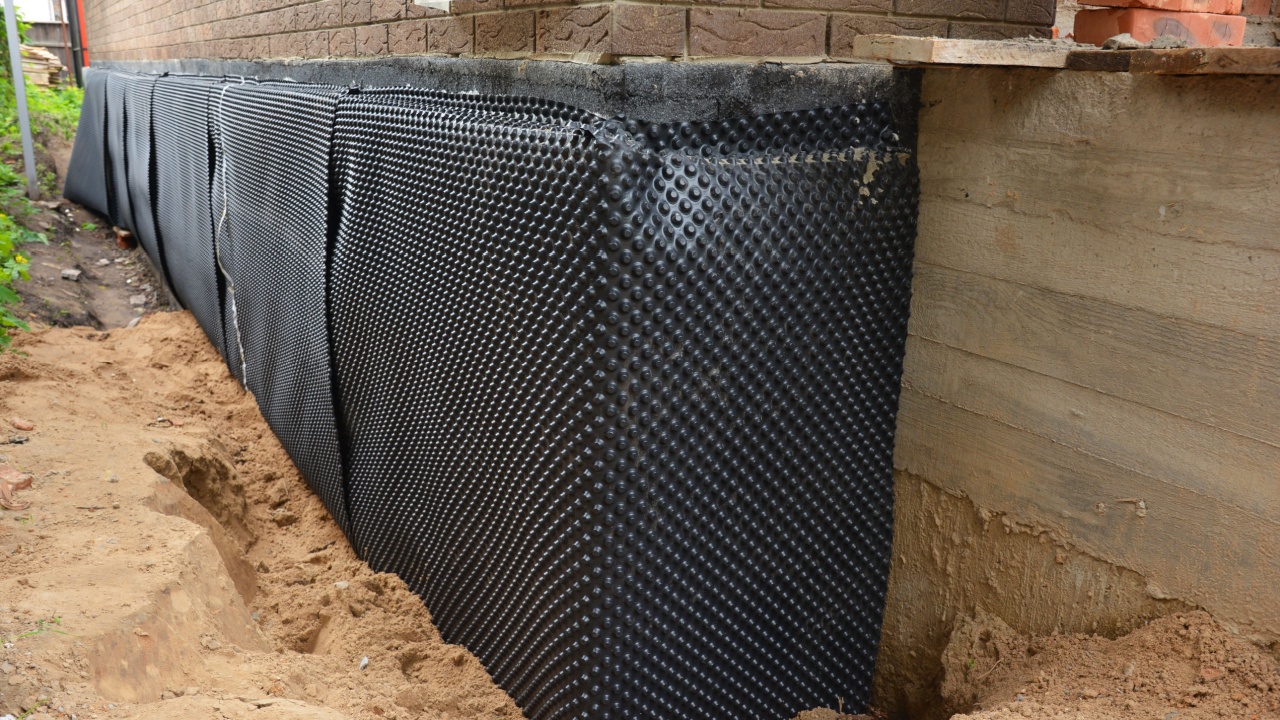
Image Credit: Shutterstock.
Moisture is the enemy of every basement renovation, and winning this battle requires a multi-layered approach. Even if your basement seems dry, underground spaces naturally deal with higher humidity levels and potential water intrusion.
Start with exterior waterproofing if possible. This might involve improving drainage around your foundation, sealing exterior walls, or installing proper gutters and downspouts.
3. Install Proper Egress Windows
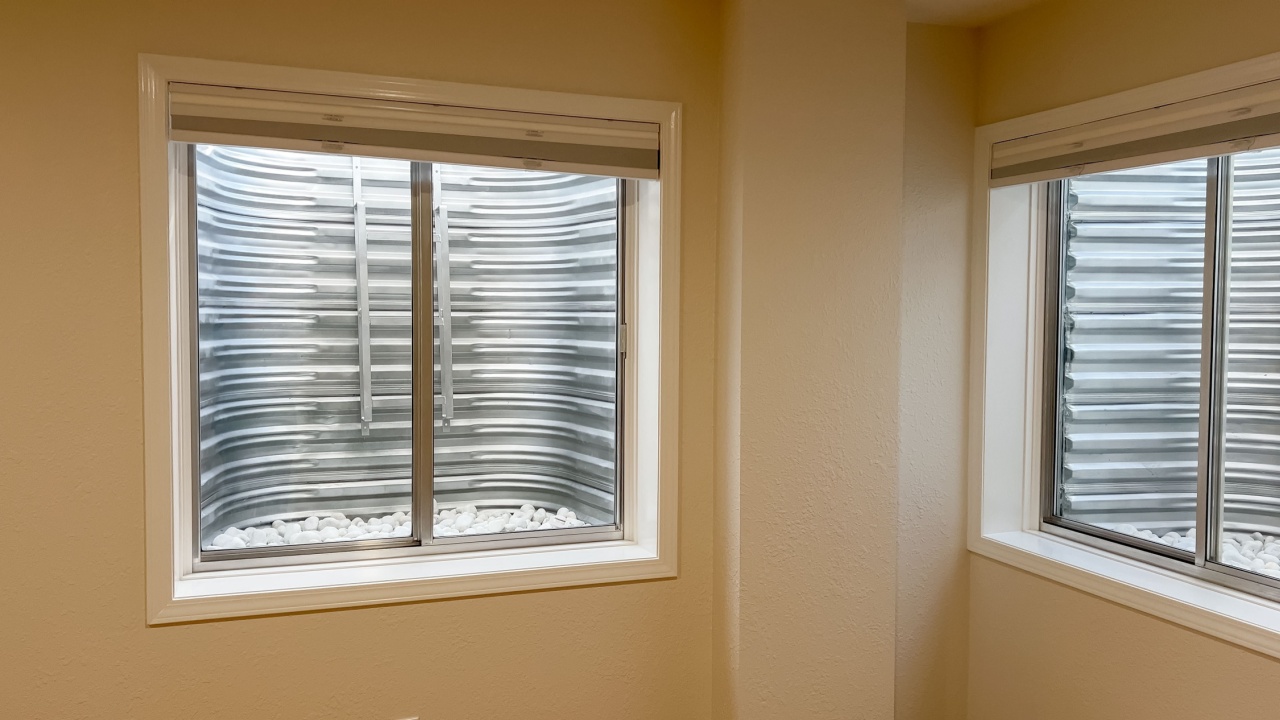
Image Credit: Shutterstock.
Egress windows aren’t just nice to have – they’re legally required for basement bedrooms and often recommended for any finished basement space. These specially sized windows serve dual purposes: they provide natural light and offer a safe escape route during emergencies.
Building codes typically require egress windows to have a minimum opening width of 20 inches, a minimum height of 24 inches, and a maximum sill height of 44 inches from the floor. The window must provide at least 5.7 square feet of opening area (or 5.0 square feet for ground floor windows).
4. Include Proper Ventilation Systems

Image Credit: Shutterstock.
Good air circulation transforms a stuffy basement into a comfortable living space. Basements naturally have poor air circulation due to their below-grade location, making mechanical ventilation systems essential for healthy indoor air quality.
Install exhaust fans in areas where moisture is produced – near laundry facilities, bathrooms, or kitchens. These fans should vent directly outside, not into other areas of the house. For whole-space ventilation, consider a heat recovery ventilator (HRV) or energy recovery ventilator (ERV) that exchanges stale indoor air with fresh outdoor air while conserving energy. Don’t overlook the importance of return air pathways.
5. Check for Radon and Take Action
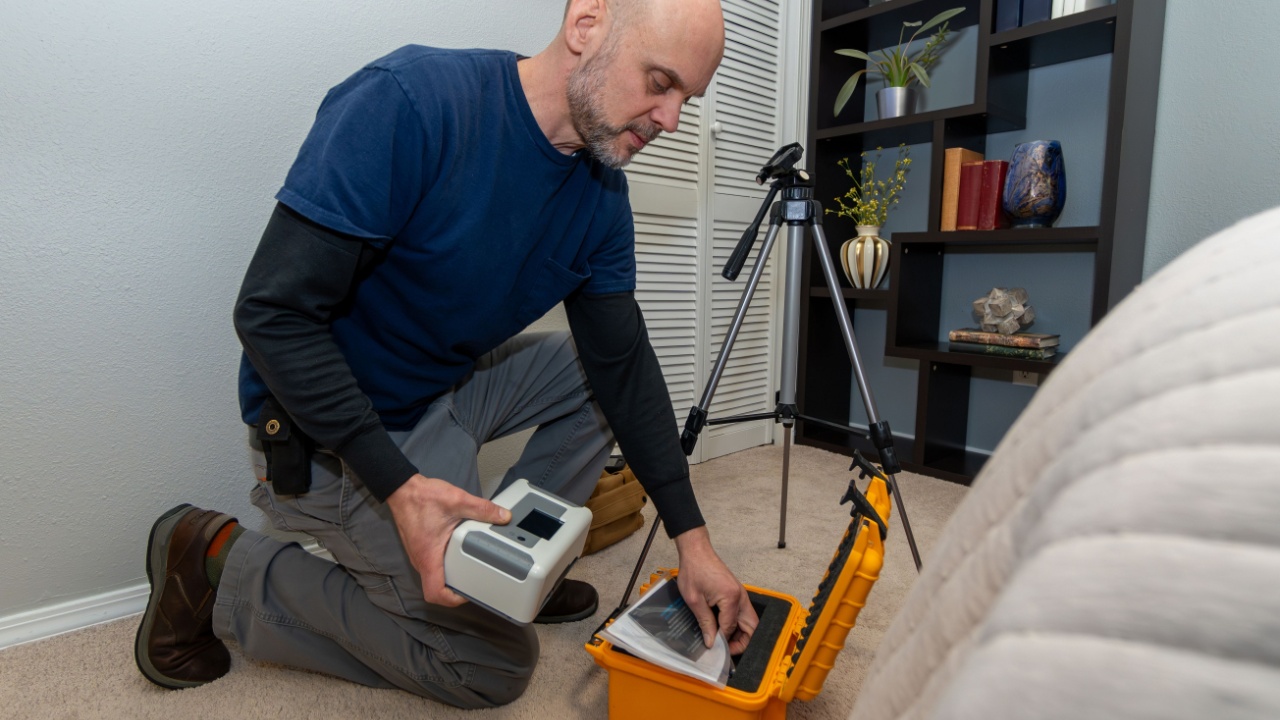
Image Credit: Shutterstock.
Radon is a colorless, odorless gas that naturally occurs in soil and can seep into basements through cracks in foundation walls or floors. Long-term exposure to elevated radon levels increases lung cancer risk, making testing essential before creating a livable basement space.
Purchase a radon test kit from hardware stores or hire a professional testing service. Test for at least 48 hours with all windows and doors closed to get an accurate reading. If levels exceed 4 picocuries per liter (pCi/L), the EPA recommends taking action to reduce radon. Radon mitigation systems typically involve installing a pipe system and a fan that draws radon from beneath the foundation and vents it outside.
6. Check for Pests and Structural Issues

Image Credit: Shutterstock.
Before you start finishing work, conduct a thorough inspection for pests and structural problems. Basements provide cozy hiding spots for mice, rats, insects, and other unwanted visitors, while moisture and time can create wood rot or foundation issues.
Look for signs of pest activity: droppings, gnaw marks, nesting materials, or damage to stored items. Check wooden structural elements like joists and sill plates for rot, which appears as soft, discolored, or crumbling wood.
Foundation walls should be examined for cracks, crumbling mortar, or water damage. Address pest problems before renovation begins. Seal entry points, remove food sources, and consider professional pest control services if infestations are severe.
7. Inspect and Upgrade Flooring Systems
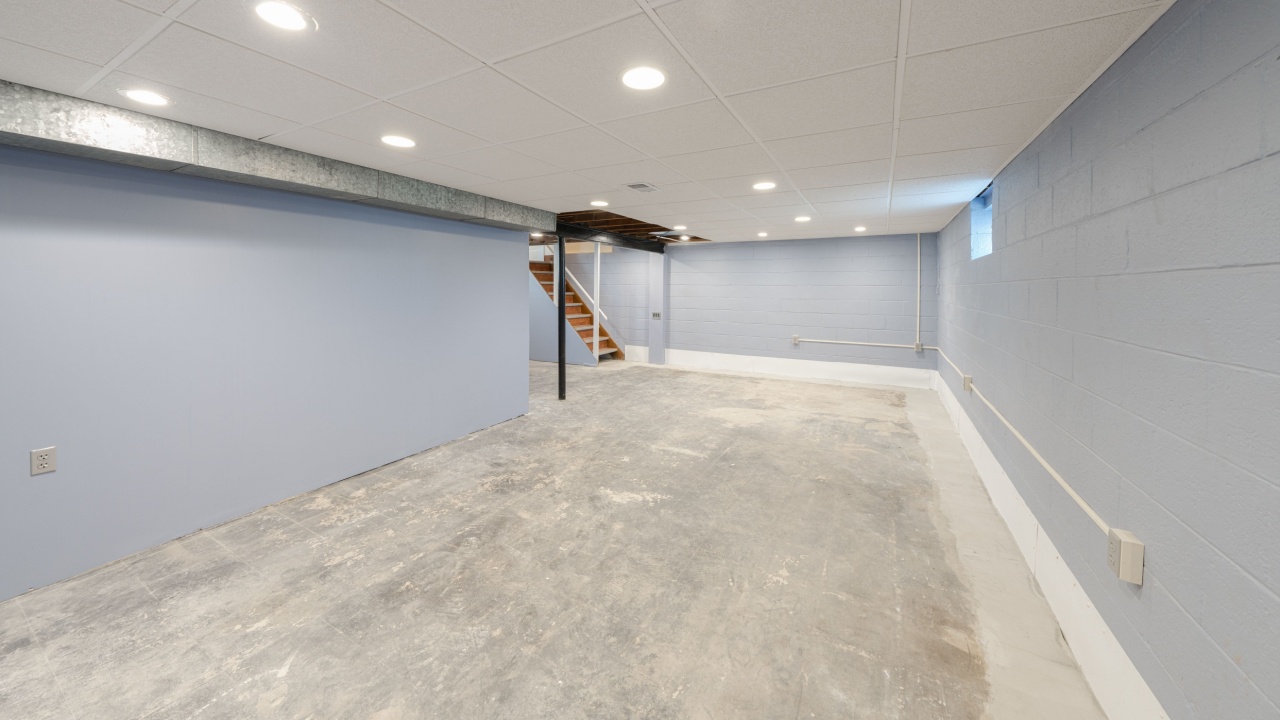
Image Credit: J.A. Dunbar / Shutterstock.com.
Concrete basement floors present unique challenges for comfortable living. They’re cold, hard, and can transmit moisture, making proper flooring systems essential for livable space. Traditional hardwood flooring rarely works in basements due to moisture sensitivity and temperature fluctuations. Instead, consider engineered wood flooring, which handles basement conditions better than solid wood.
Luxury vinyl plank (LVP) flooring offers wood-look appeal with excellent moisture resistance and comfort underfoot. For carpet lovers, install proper subflooring and vapor barriers first. Carpet tiles work better than wall-to-wall carpeting because individual tiles can be replaced if moisture problems occur. Ceramic or porcelain tile with radiant heating provides durability and comfort, though installation costs are higher.
8. Plan Smart Laundry Solutions
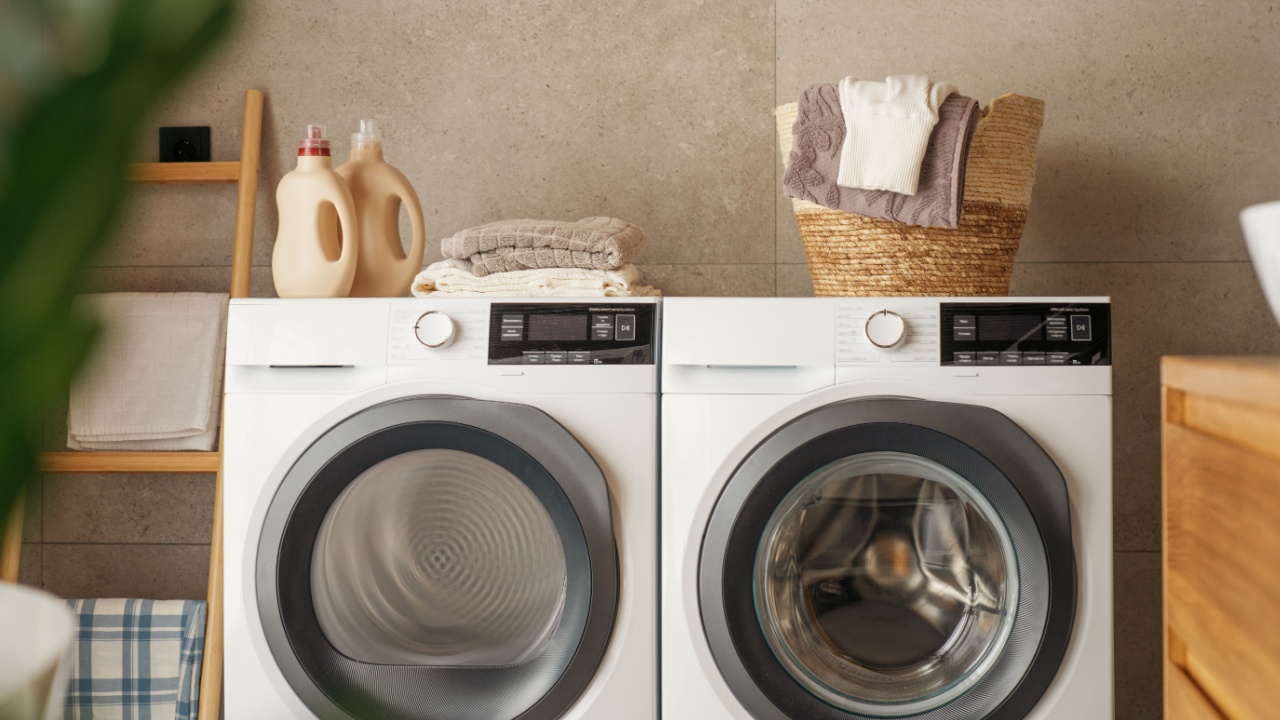
Image Credit: Shutterstock.
Laundry planning makes or breaks basement living functionality, especially if you’re creating a separate apartment or guest suite. Traditional basement laundry setups work fine for occasional use, but full-time residents need convenient, private access to washing facilities.
For apartment-style living, consider stackable washer-dryer units or compact all-in-one machines. These fit into closets or small dedicated spaces without dominating the living area. Ensure proper water supply, drainage, and electrical connections – 240V for electric dryers, proper venting for all dryers.
9. Install a Reliable Sump Pump System
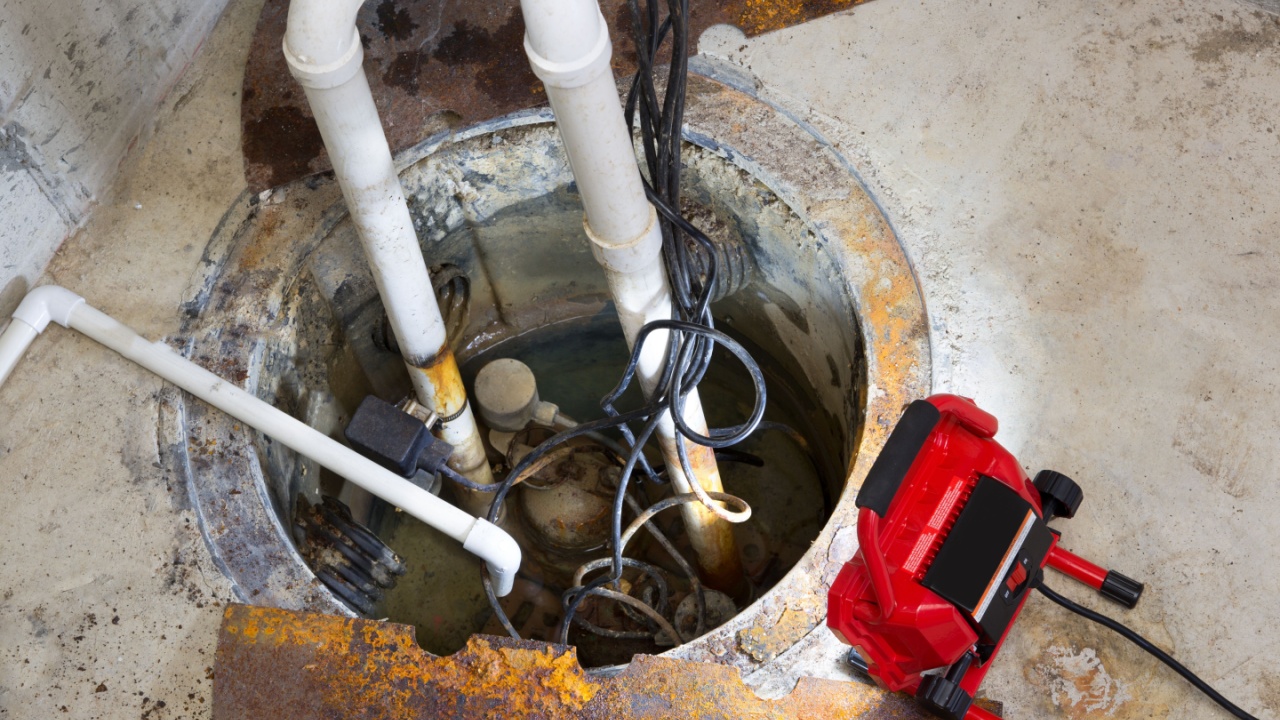
Image Credit: Shutterstock.
In areas prone to groundwater issues, a sump pump isn’t optional – it’s essential insurance for your basement investment. Even if your basement has never flooded, changing weather patterns and aging infrastructure can create new water problems.
A properly installed sump pump system includes a sump pit, pump, discharge pipe, and backup power source. The pit should be located at the lowest point of your basement floor, with a drainage system that channels water to the pump. Primary pumps handle normal water loads, while backup pumps (battery-powered or water-powered) take over during power outages.
10. Expand and Upgrade Stairway Access
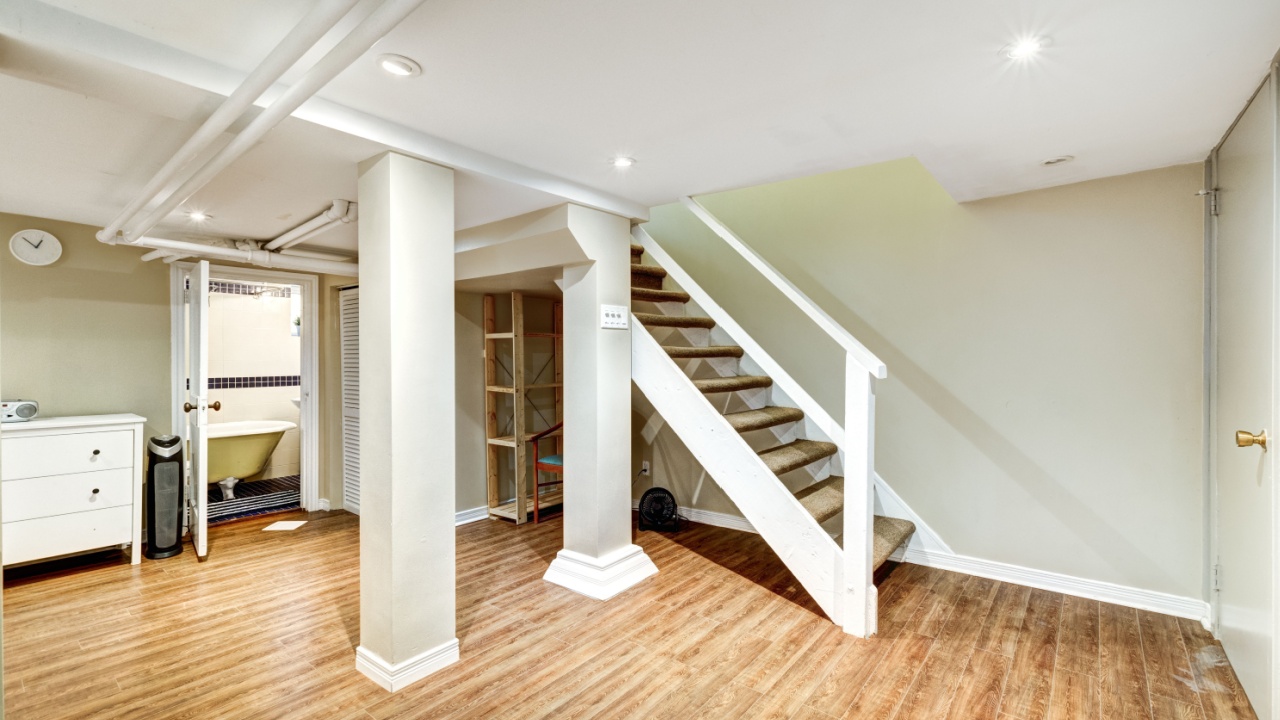
Image Credit: Shutterstock.
Basement stairs often feel like afterthoughts – narrow, steep, and poorly lit. When your basement becomes livable space, these stairs become a critical daily-use feature that deserves proper attention.
Building codes specify minimum stair dimensions: treads must be at least 10 inches deep, risers no more than 7.75 inches high, and the minimum width of 36 inches. If your current stairs don’t meet these standards, renovation provides an opportunity for upgrades. Proper lighting transforms stair safety and usability.
11. Choose Lighting That Creates Atmosphere
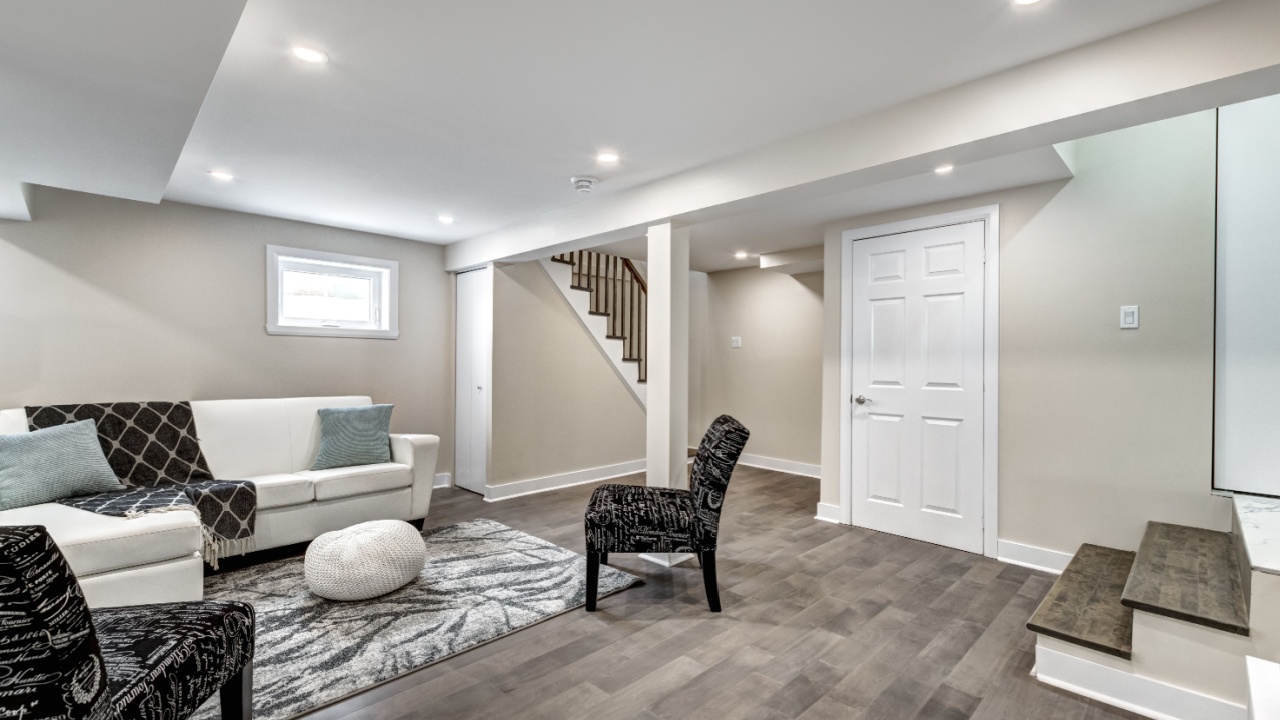
Image Credit: Shutterstock.
Basement lighting requires more thought than simply installing a few ceiling fixtures. Natural light is limited, so artificial lighting must work harder to create a welcoming, comfortable environment. Layer your lighting with ambient, task, and accent options.
Recessed ceiling lights provide general illumination, but add table lamps, floor lamps, and under-cabinet lighting to create warmth and visual interest. Wall sconces can highlight architectural features while providing gentle ambient light. Color temperature matters significantly in basement spaces. Warm white lights (2700K-3000K) create cozy, inviting atmospheres, while cool white lights (4000K-5000K) work better for task areas like workshops or offices.
12. Plan Ceiling Solutions for Low Spaces
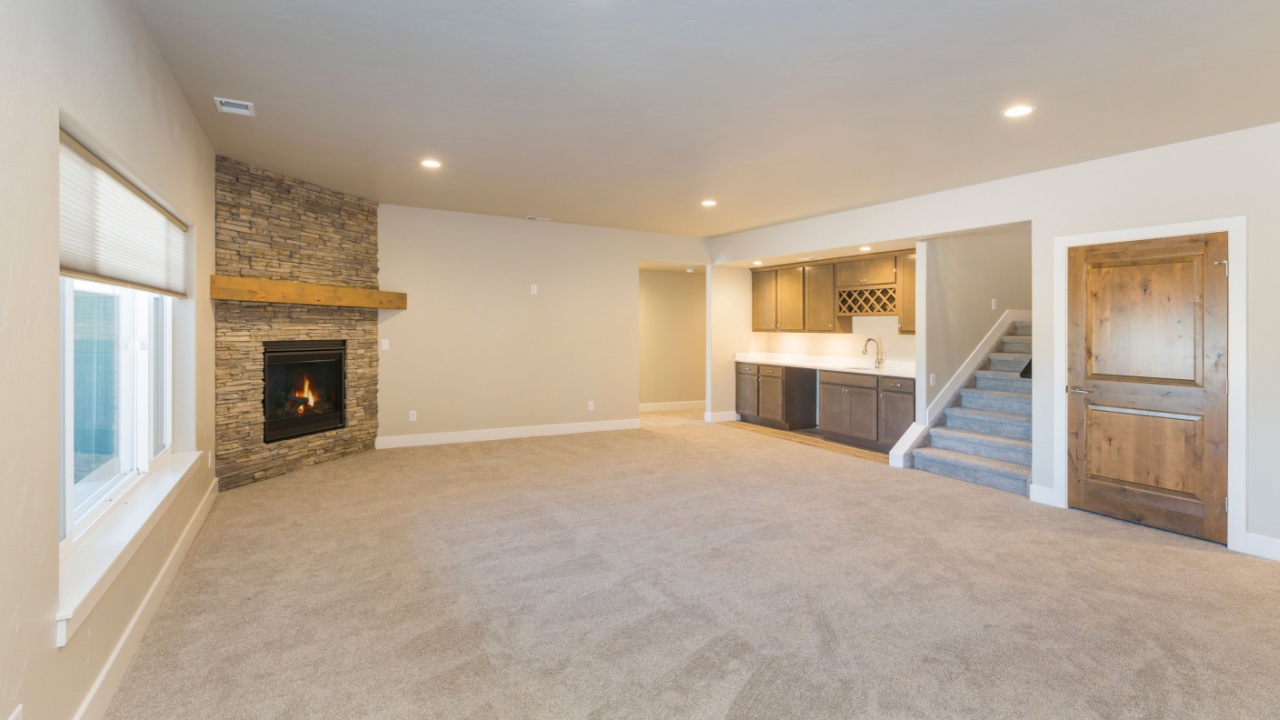
Image Credit: Shutterstock.
Basement ceilings often house a maze of pipes, ducts, wires, and structural elements that need to remain accessible while creating a finished appearance. Drop ceilings offer the perfect solution, providing a finished look while maintaining access to utilities. Modern drop ceiling systems have evolved far beyond institutional-looking acoustic tiles.
Residential options include wood-look planks, decorative metal tiles, and even faux tin designs that add character and style. Choose tiles rated for basement humidity levels and easy cleaning. Install drop ceilings at least 7.5-8 feet high when possible, leaving adequate clearance above for utility access.
13. Install Space-Saving Murphy Bed Systems
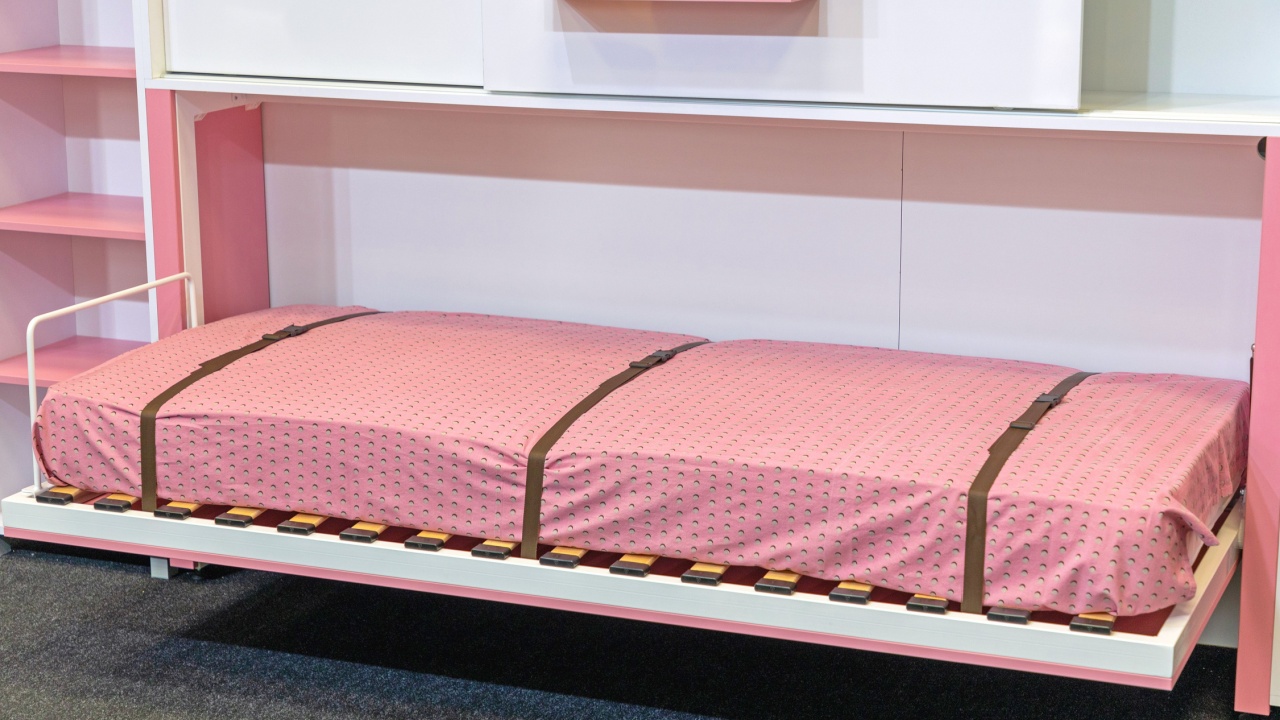
Image Credit: Shutterstock.
Murphy beds solve the dual challenge of basement space constraints and multipurpose room needs. These fold-away beds transform bedrooms into offices, workout spaces, or entertainment areas during daytime hours.
Modern Murphy bed systems are far more sophisticated than simple fold-down designs. Many include integrated storage, desks, or entertainment centers that remain functional whether the bed is up or down. Some systems include comfortable seating that converts to sleeping space. Professional installation ensures proper weight distribution and wall anchoring – especially important in basement installations where wall materials may differ from upper floors.
14. Expand Window Wells for Light and Access
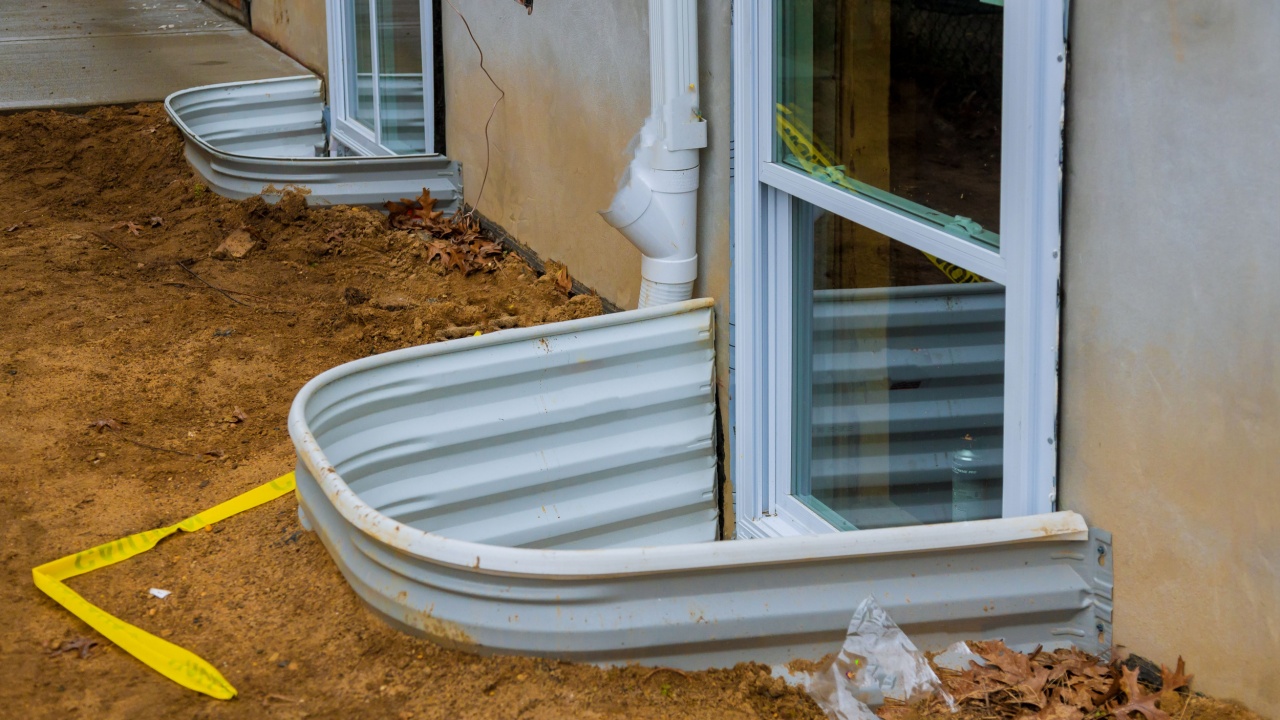
Image Credit: Shutterstock.
Window wells represent missed opportunities in many basement renovations. Instead of treating them as necessary evils, transform them into attractive features that enhance both natural light and emergency egress. Expanded window wells allow for larger egress windows while creating mini outdoor spaces visible from inside. These areas can accommodate small gardens, decorative stones, or even seating areas for emergency exit access.
Proper drainage is critical for expanded window wells. Install drain systems that channel water away from windows and foundations. Waterproofing membranes and proper grading prevent water accumulation that could damage windows or create moisture problems.
15. Design Flexible Multi-Purpose Spaces

Image Credit: Shutterstock.
Basement square footage is precious, so every area should work double or triple duty. Smart design creates flexible spaces that adapt to changing needs throughout the day or seasons.
Modular furniture systems excel in multipurpose environments. Ottoman storage provides seating and organization, nesting tables offer surface space when needed, and rolling carts move supplies between activities. Wall-mounted fold-down desks create workspace without a permanent floor space commitment.
16. Place Electrical Systems Strategically

Image Credit: Shutterstock.
Basement electrical needs differ significantly from upper-floor requirements. Plan outlet placement for both current activities and future flexibility, considering that basements often evolve over time. (Warning: consult an expert to prevent fire risks.)
Install outlets every 12 feet along walls, with additional outlets near areas where electronics concentrate: entertainment centers, office spaces, workshop areas. Include USB outlets for device charging and consider smart outlets that can be controlled remotely. Plan for high-power requirements: 240V outlets for electric car charging, workshop equipment, or large appliances.
17. Create Indoor Growing Spaces for Garden Enthusiasts
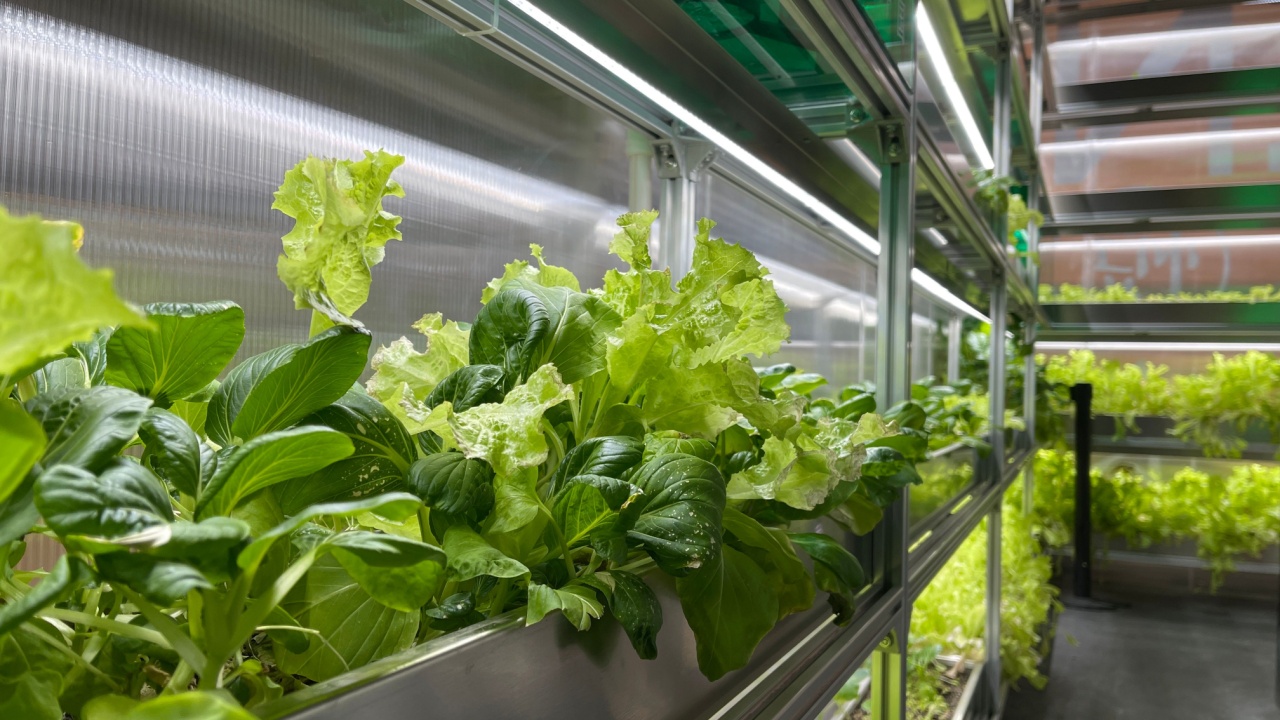
Image Credit: Shutterstock.
Transform part of your basement into a year-round growing space that extends your gardening season and provides fresh herbs, vegetables, or flowers regardless of weather.
Basements offer consistent temperatures and controlled environments perfect for many plants. LED grow lights make basement gardening practical and energy-efficient. Full-spectrum LED arrays provide the light plants need while generating minimal heat. Timer controls automate lighting schedules, ensuring plants receive consistent illumination even when you’re away.
Hydroponic or aeroponic systems maximize growing potential in limited space. These soil-free methods produce faster growth and higher yields while eliminating mess and pest issues associated with traditional soil gardening. Start with simple herbs like basil, cilantro, or parsley before expanding to vegetables. Install proper ventilation for growing areas to manage humidity and provide fresh air circulation.
Ready to Transform Your Basement?
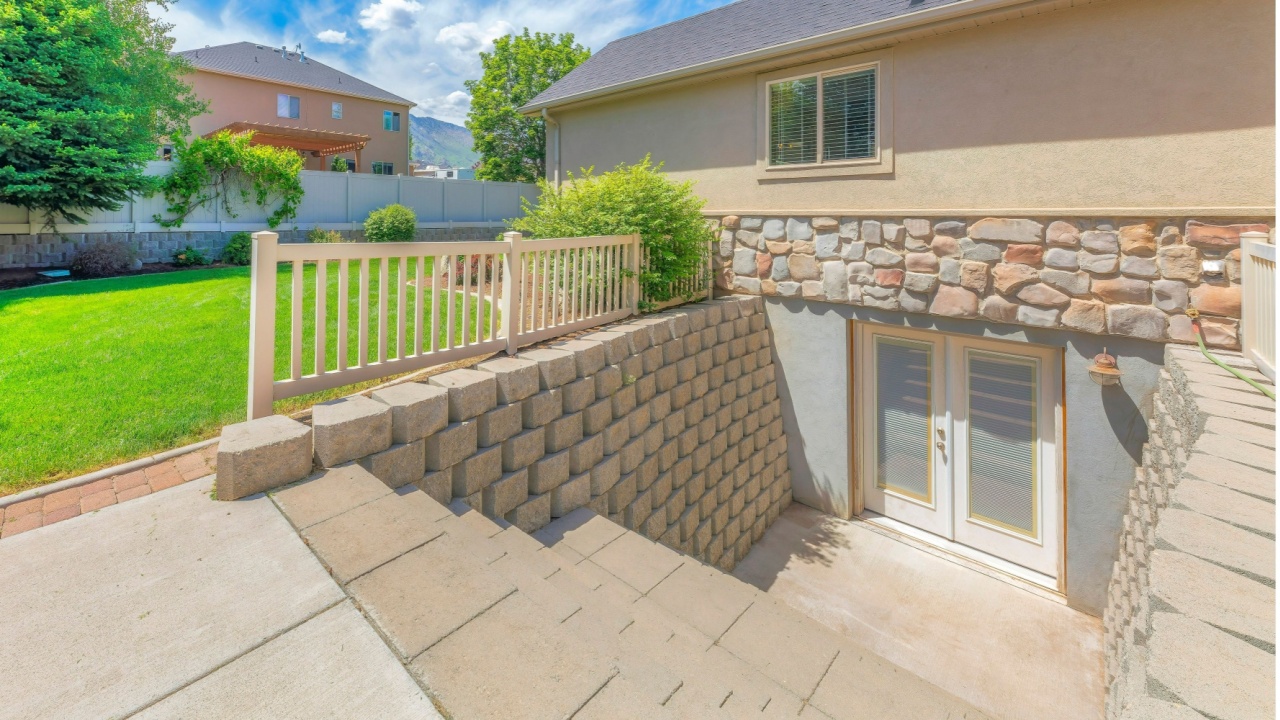
Image Credit: Shutterstock.
Your basement renovation begins with a single step, but success requires careful planning and attention to detail. Start by addressing the fundamentals: measure your space, test for radon, check building codes, and assess moisture conditions. Finally, focus on the fun stuff: lighting design, flooring selection, furniture planning, and those special touches that make the space uniquely yours.
Whether you’re creating a cozy retreat, productive workspace, or year-round garden room, remember that the best basement renovations balance practical needs with personal style. Take time to plan thoroughly, but don’t let perfect become the enemy of good. Start with one area or one improvement, and build from there.