
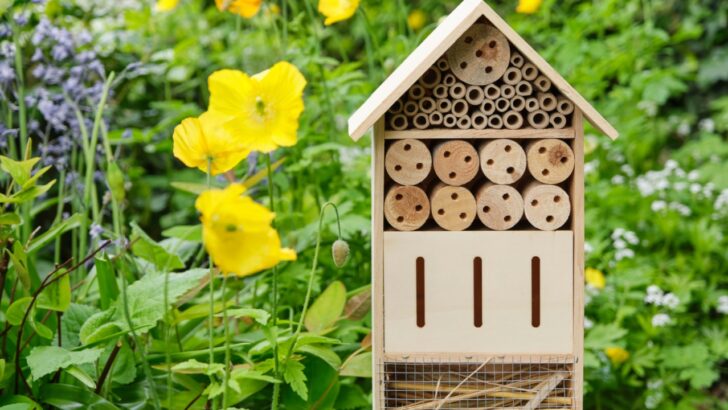
Adding a bee hotel to your garden is a wonderful way to support native pollinators. Unlike honeybees that live in large hives, most of our native bees are solitary. They spend their lives diligently pollinating our flowers and food crops, and all they need is a safe place to lay their eggs. Many store-bought bee hotels, however, are more decorative than functional. They can sometimes do more harm than good if not designed or managed properly.
But when you get it right, the reward is immense. You get to watch fascinating mason and leafcutter bees at work, turning your garden into a buzzing sanctuary. This guide will provide you with 12 essential tips to create a bee hotel that is not just a garden ornament, but a thriving, five-star resort for your local pollinators.
1. Choose the Right Materials
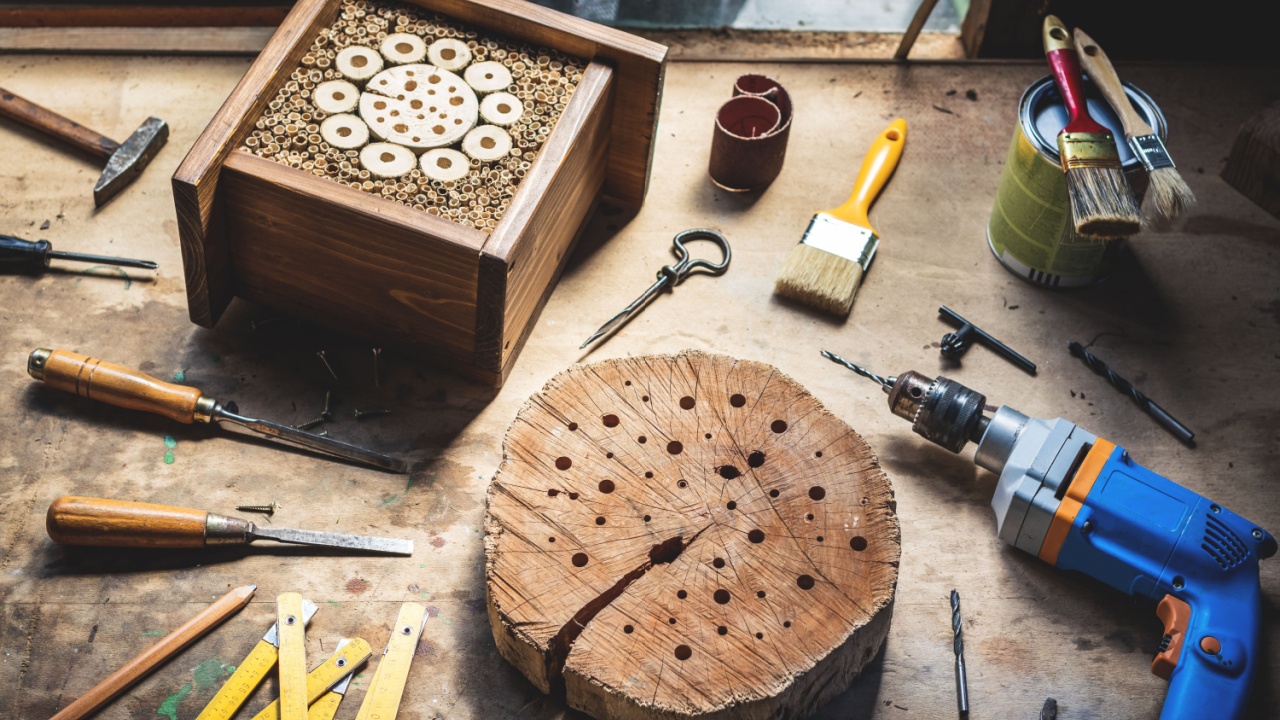
Image Credit: Shutterstock.com.
The foundation of a successful bee hotel is using materials that mimic the natural nesting habitats of solitary bees. Bees are sensitive to synthetic chemicals, so opting for natural, untreated materials is crucial for their safety and comfort.
Untreated wood blocks, bamboo canes, and reeds are excellent choices. These materials are breathable, which helps prevent the growth of harmful mold and fungus inside the nesting tubes. Avoid using plastic, glass, or metal tubes, as they trap moisture and can lead to diseases that kill developing bee larvae. When drilling holes in a wood block, make sure the wood is a solid piece, not a composite like plywood or particleboard which contains glues and chemicals.
Quick Guide:
- Best Materials: Untreated wood, bamboo, paper straws, reeds.
- Materials to Avoid: Plastic, glass, metal, pressure-treated wood.
- Next Steps: Gather or purchase natural materials. If you have a fallen log or an untreated fence post, you already have the perfect starting point for a DIY bee hotel.
2. Provide Various Hole Sizes
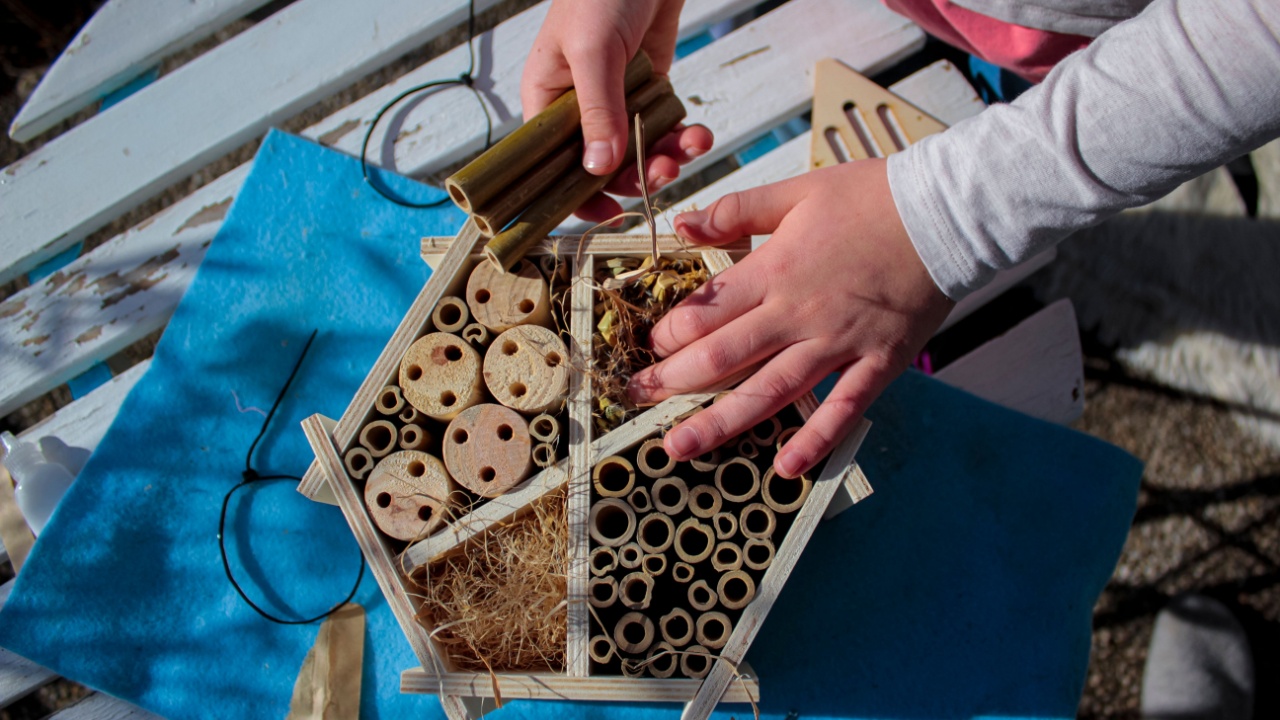
Image Credit: Shutterstock.com.
Different bee species come in different sizes, so a one-size-fits-all approach won’t work. To attract a diverse range of native bees, your hotel needs to offer nesting tunnels of various diameters. Mason bees prefer holes around 5/16 inch (8mm), while smaller leafcutter bees look for tunnels closer to 1/4 inch (6mm).
Drill holes ranging from 3/32 to 3/8 inch (2.5 to 10mm) in diameter into a block of wood. It’s also important that the holes are smooth on the inside, as splinters can damage the bees’ delicate wings. The holes should be at least 4 to 6 inches deep to give the bees enough space to lay a series of eggs and provision them with pollen.
Quick Guide:
- Hole Diameters: 3/32 to 3/8 inch (2.5-10mm).
- Hole Depth: 4 to 6 inches minimum.
- Next Steps: Use a variety of drill bits to create different-sized holes in your wood block. If using bamboo, select canes with naturally varying diameters.
3. Ensure a Solid, Closed Back
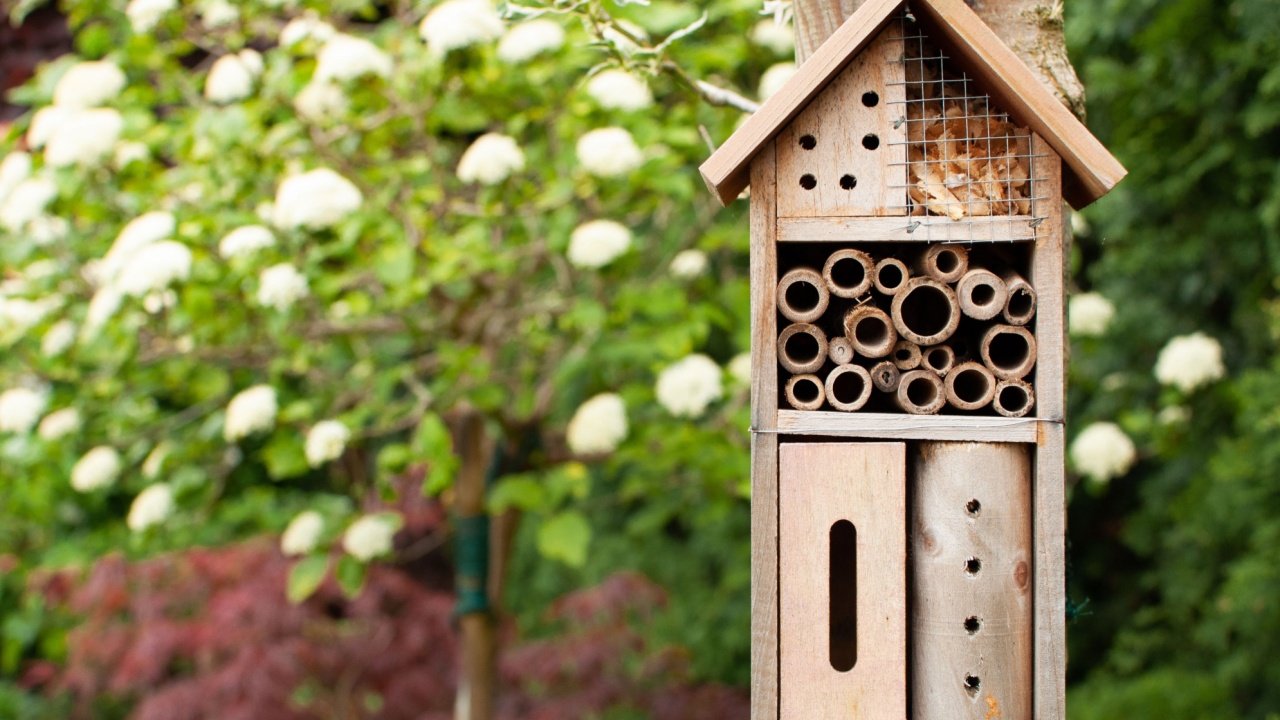
Image Credit: Shutterstock.com.
Imagine trying to sleep in a tunnel with a breeze blowing through it. Bees feel the same way. Nesting tunnels must be closed at one end. Open-ended tubes create a wind tunnel effect that will deter bees from nesting. A solid back also protects the developing larvae from predators and parasites that might try to enter from the rear.
If you are drilling into a solid block of wood, make sure you don’t drill all the way through. Leave at least an inch of solid wood at the back. If you are using bamboo canes or paper straws, make sure they are placed flush against a solid backboard within the hotel structure.
Quick Guide:
- Why it Matters: Protects against wind, rain, and predators.
- How to Do It: Don’t drill through wood blocks; place tubes against a solid back panel.
- Next Steps: When building your bee hotel frame, ensure it has a non-removable back wall to secure the nesting tubes.
4. Position it at the Right Height
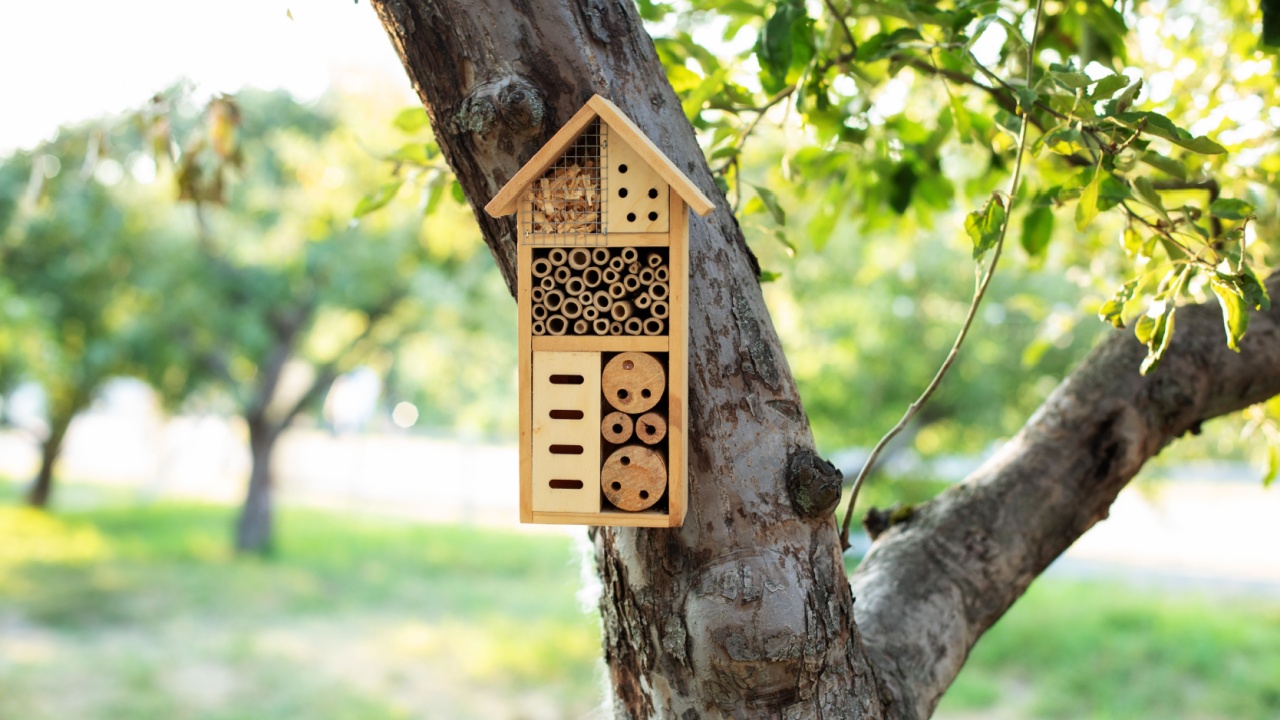
Image Credit: Shutterstock.com.
Location is everything in real estate, and the same is true for bee hotels. The ideal height for a bee hotel is between three and five feet off the ground. This elevation helps protect it from ground-level predators like ants and mice, which might otherwise raid the nests for pollen and larvae.
Mounting your hotel at this height also keeps it safe from accidental bumps from lawnmowers or pets. Plus, it puts the buzzing activity right at a comfortable eye level for you to observe without disturbing the residents.
Quick Guide:
- Ideal Height: 3 to 5 feet off the ground.
- Mounting Options: Securely fasten to a fence post, a sturdy wall, or a dedicated stake.
- Next Steps: Identify a stable structure in your garden that meets the height requirement and is ready for mounting your hotel.
5. Orient the Hotel for Morning Sun
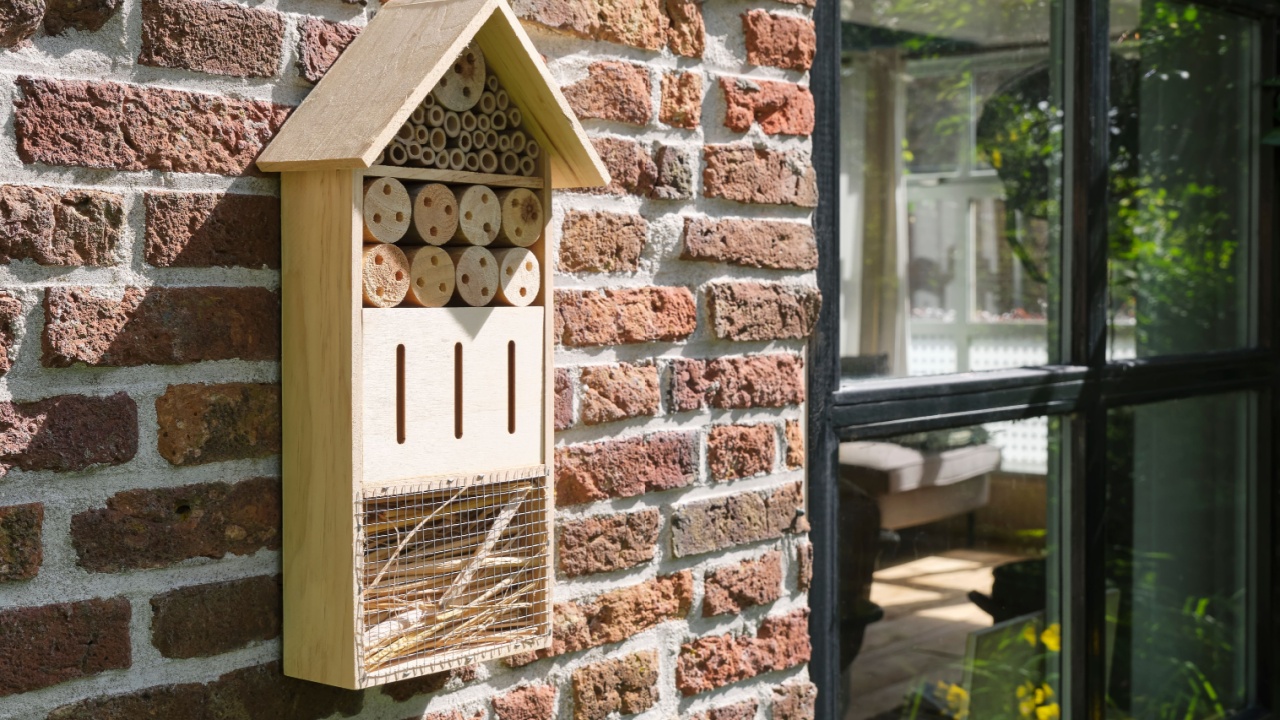
Image Credit: Shutterstock.com.
Bees are cold-blooded insects and rely on the sun’s warmth to get moving in the morning. To give them a good start to their day of pollinating, orient your bee hotel to face south or southeast. This ensures it receives direct morning sunlight, which warms the hotel and encourages the bees to become active earlier.
A sunny spot also helps to keep the nesting tunnels dry, reducing the risk of mold and fungal growth. Avoid placing the hotel in a location that is in deep shade for most of the day, as it will likely remain damp and unoccupied.
Quick Guide:
- Best Orientation: South or Southeast.
- Why it Matters: Provides essential morning warmth and keeps the nests dry.
- Next Steps: Use a compass app on your phone to find the perfect south-facing spot in your garden that gets plenty of morning sun.
6. Include a Protective Roof
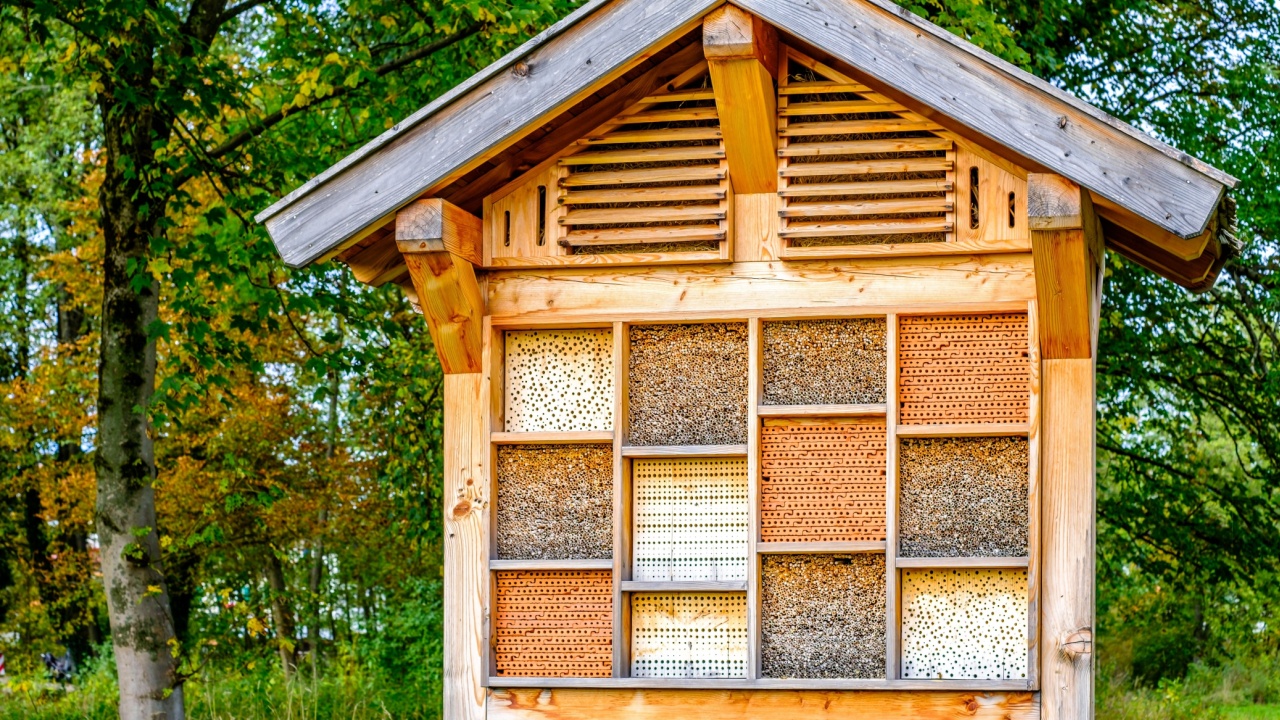
Image Credit: Shutterstock.com.
A good bee hotel should have an overhanging roof. A roof serves two key purposes: it shields the nesting tubes from rain and provides shade from the intense sun during the hottest part of the day. Rain can soak into the nesting materials, promoting mold and causing the wood to rot, which endangers the developing bees.
The roof should extend at least two inches past the front of the nesting tubes. This overhang will help keep the entrances dry and protect the mud or leaf caps that female bees use to seal their nests.
Quick Guide:
- Roof Overhang: At least 2 inches.
- Function: Protects from rain and harsh midday sun.
- Next Steps: When building or buying a bee hotel, look for one with a generous, sloped roof. If yours doesn’t have one, you can easily add a small piece of wood to the top.
7. Avoid Using Paints or Varnishes
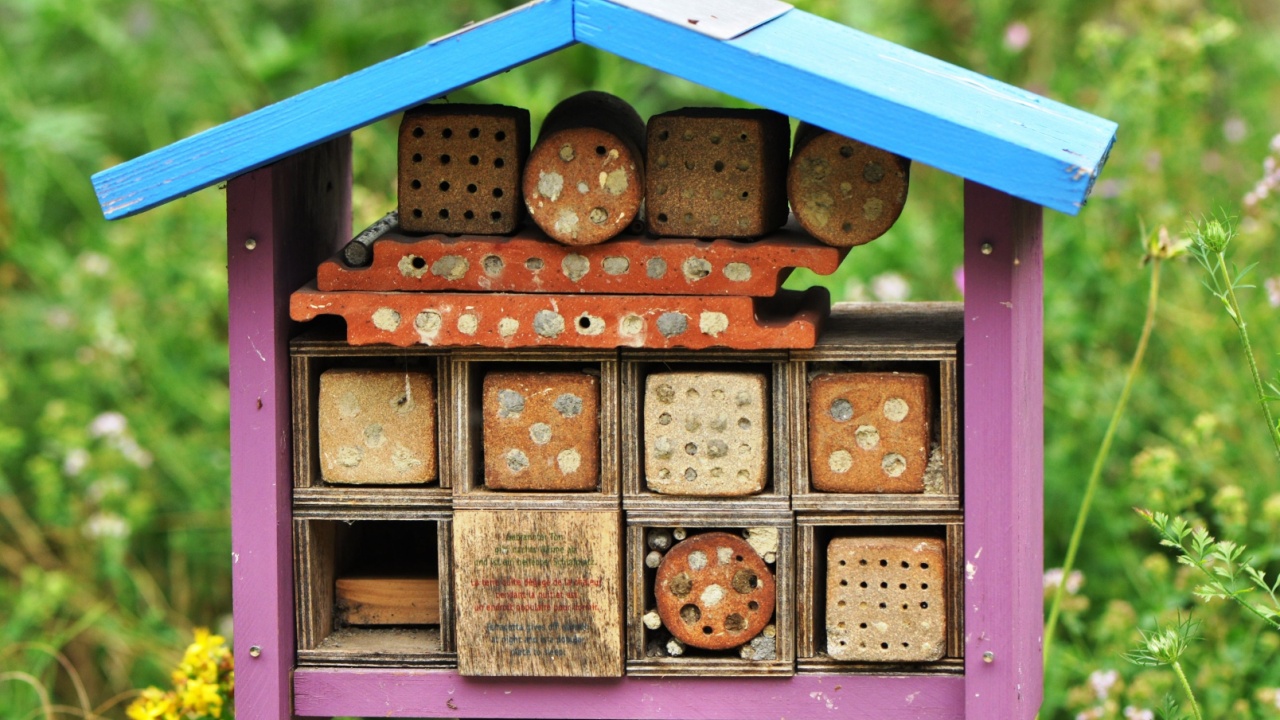
Image Credit: Shutterstock.com.
While it might be tempting to paint your bee hotel a bright, cheerful color, it’s best to leave the wood in its natural state. Paints, stains, and varnishes contain chemicals and emit fumes that can be toxic to bees and repel them from nesting.
Bees navigate using a combination of sight and scent, and the strong smell of chemicals can confuse or deter them. If you feel you must treat the exterior of the hotel for longevity, use a non-toxic, all-natural oil like tung oil, but apply it only to the outside frame and roof, never near the tube entrances.
Quick Guide:
- What to Avoid: Paints, stains, varnishes, and pressure-treated wood.
- Why: Chemicals and fumes are harmful and repel bees.
- Next Steps: Embrace the natural, rustic look of untreated wood. It will weather gracefully and blend beautifully into your garden.
8. Provide a Nearby Mud Source
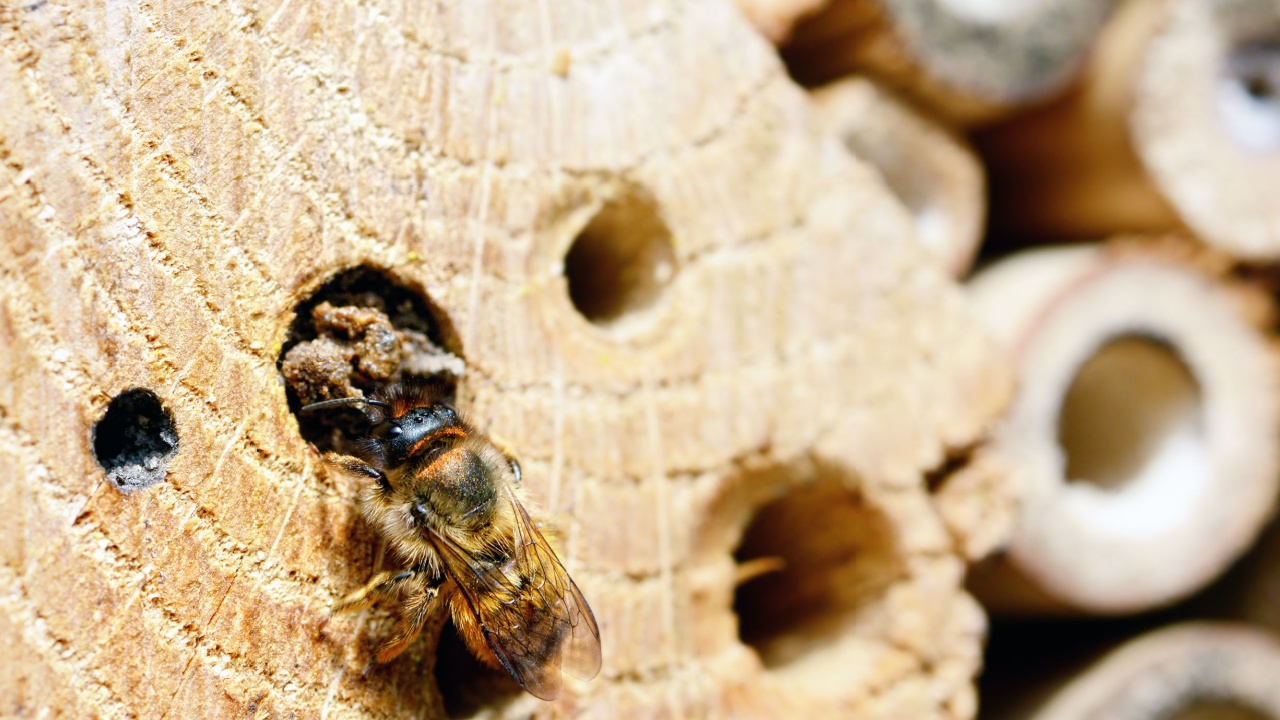
Image Credit: Shutterstock.com.
This is a simple but often overlooked tip that can make a huge difference. Many native bees, particularly mason bees, use mud to build partitions between egg cells and to seal the entrance of their nests. Without a convenient source of mud, they will not be able to complete their nests in your hotel.
If your garden doesn’t have a naturally damp, clay-rich soil area, you can easily create one. Simply keep a small patch of bare ground moist during the spring nesting season, or fill a shallow dish with soil and add water to create a mud puddle. Place it within sight of the bee hotel.
Quick Guide:
- Who Needs It: Mason bees.
- How to Create It: Keep a patch of soil moist or use a shallow dish filled with wet dirt.
- Next Steps: Find a spot near your bee hotel to create a “mud puddle for bees.” Check it every few days to make sure it stays moist.
9. Maintain Cleanliness and Replace Tubes
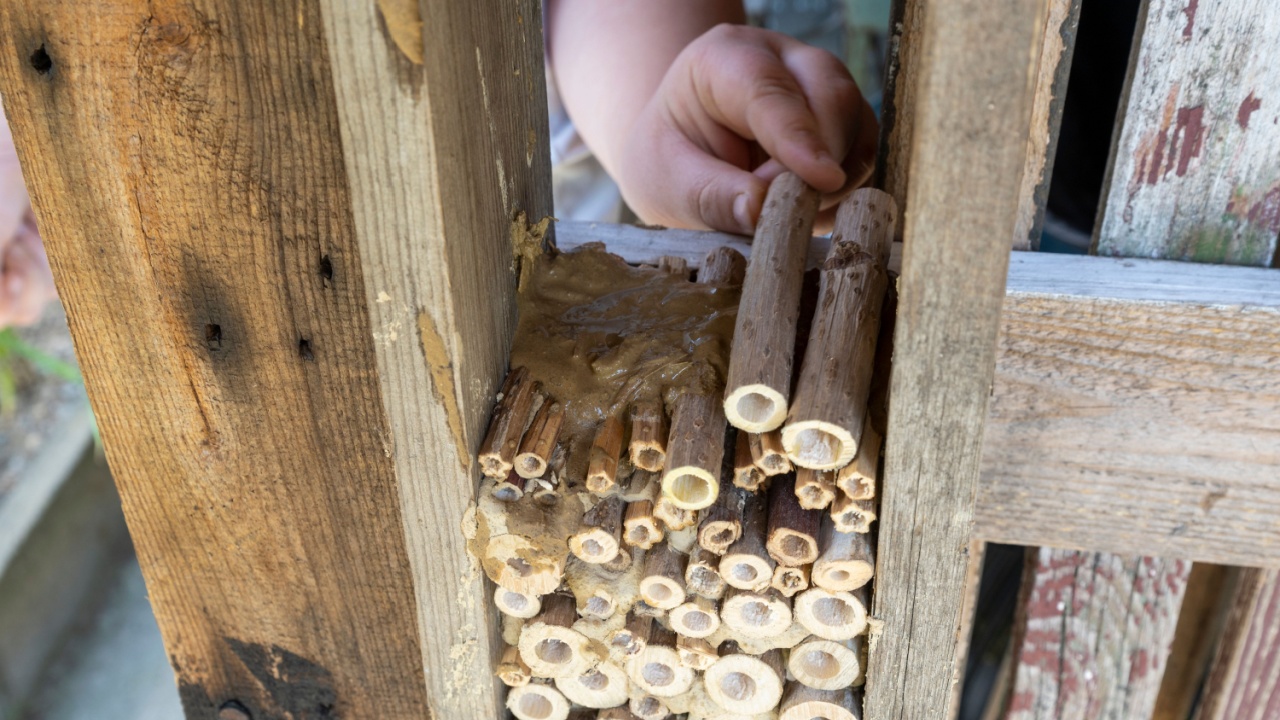
Image Credit: Shutterstock.com.
A bee hotel is not a set-it-and-forget-it feature. To prevent the buildup of pests and diseases, regular maintenance is essential. Mites, parasitic wasps, and fungal diseases can accumulate in used nesting tubes over time. If left uncleaned, a bee hotel can become a death trap rather than a nursery.
The best practice is to use removable nesting materials like paper straws or reed tubes. At the end of the nesting season in the fall, move the filled tubes into a protected, unheated space like a shed or garage for the winter. In the spring, place the tubes near the new, clean hotel. Once the new bees emerge from the old tubes, discard them to break the pest cycle. Wood blocks with drilled holes should be replaced every two years.
Quick Guide:
- Why Clean: To prevent the buildup of deadly pests and diseases.
- Best Practice: Replace paper or reed tubes annually. Replace wood blocks every two years.
- Next Steps: Plan a yearly cleaning schedule. Order new paper liners or gather fresh reeds in the fall so you are ready for a spring refresh.
10. Inspect for Pests Regularly
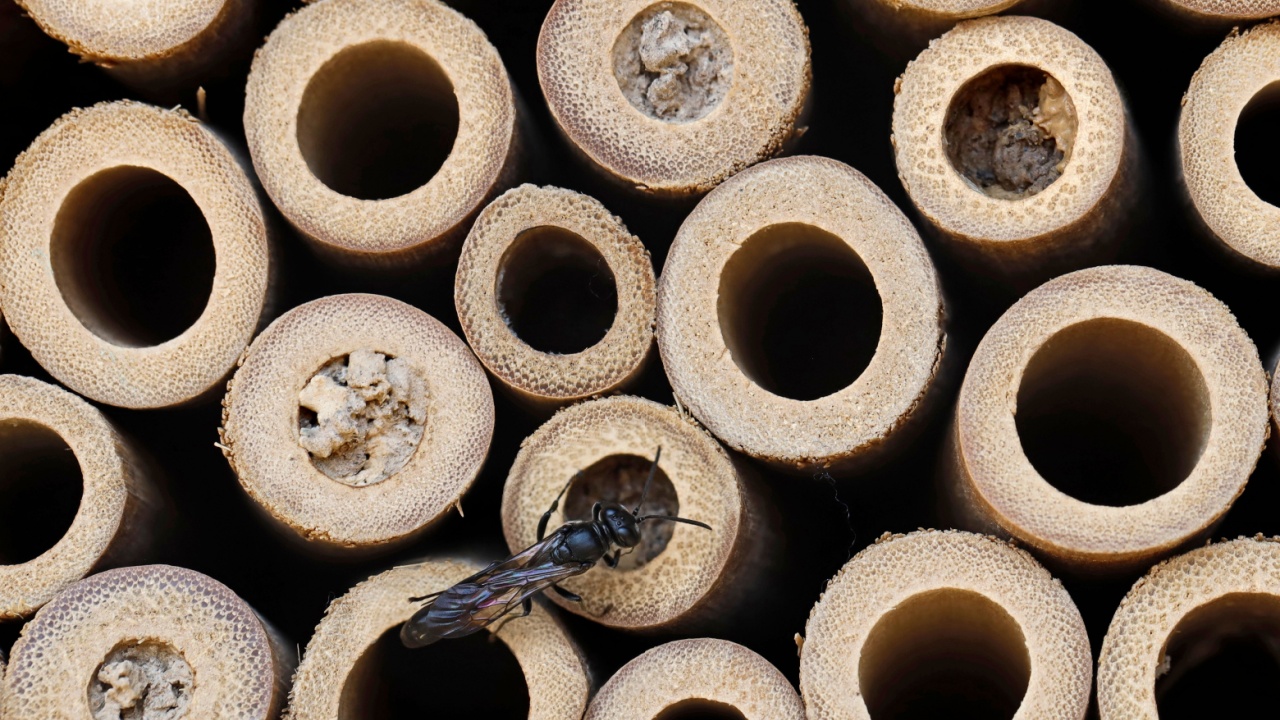
Image Credit: Shutterstock.com.
During the active season, keep an eye out for unwanted guests. Spiders love to build webs across the entrances of nesting tubes to catch bees, and predatory wasps may try to lay their own eggs inside.
A quick daily or weekly check can make a big difference. Gently clear away any spiderwebs with a small twig. Be on the lookout for chalkbrood, a fungal disease that looks like white or grey, chalky bee larvae being pushed out of the tubes. If you see signs of heavy infestation or disease, it may be best to remove and dispose of the affected tubes to protect the remaining residents.
Quick Guide:
- Common Pests: Spiders, parasitic wasps.
- What to Do: Remove spiderwebs. Monitor for signs of disease.
- Next Steps: Make inspecting your bee hotel a regular part of your garden walk. It only takes a minute and helps ensure the colony stays healthy.
11. Encourage Nearby Foraging

Image Credit: Shutterstock.com.
A hotel is only as good as its restaurant. Bees need access to a rich and diverse buffet of pollen and nectar to feed themselves and provision their offspring. Plant a variety of flowers near your bee hotel that bloom at different times throughout the spring, summer, and fall.
Native plants are always the best choice, as they have co-evolved with your local bee species. Good options include coneflowers, black-eyed Susans, lavender, salvia, and various herbs like borage and thyme. A continuous food source within 300 feet of the hotel will make it a prime location for nesting bees.
Quick Guide:
- What to Plant: A variety of native flowers with different bloom times.
- Distance: Food sources should be within 300 feet.
- Next Steps: Assess your garden. Do you have flowers blooming from early spring to late fall? If not, plan to add some new plants to provide a season-long buffet for your bees.
12. Ensure Proper Ventilation
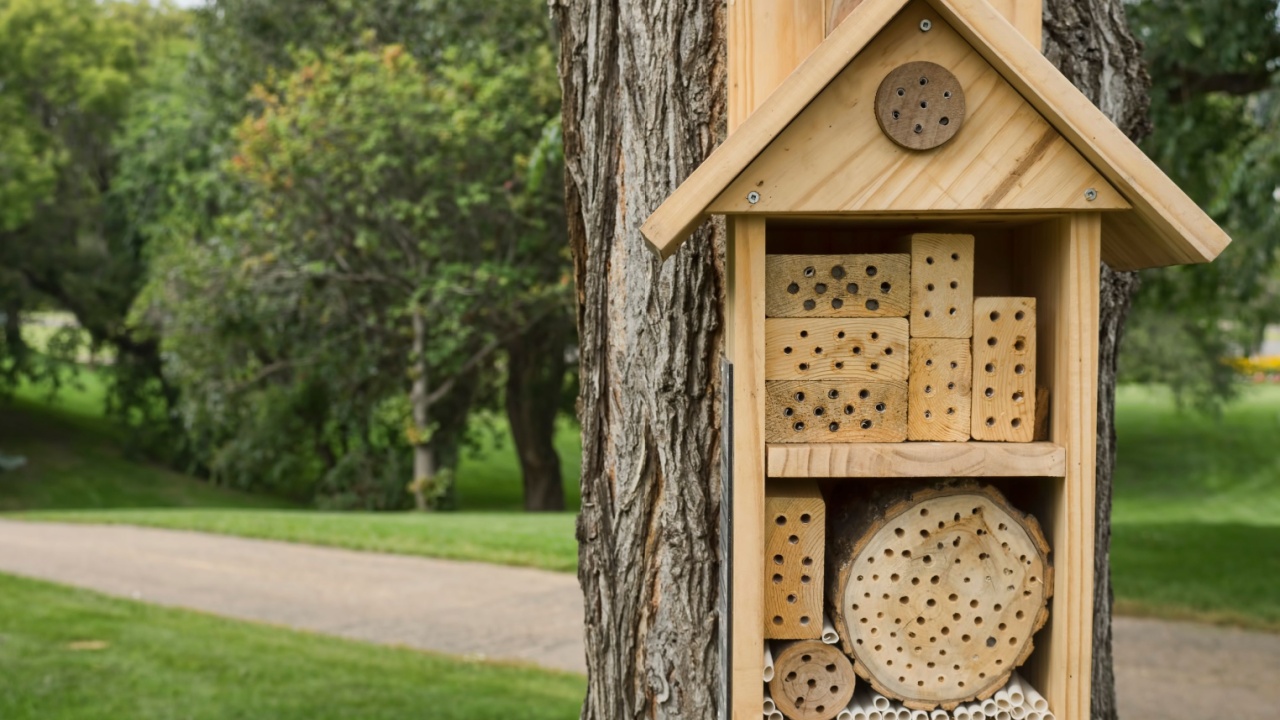
Image Credit: Shutterstock.com.
Good airflow is critical for a healthy bee hotel. Trapped moisture and humidity create the perfect environment for mold and fungus to thrive, which can be fatal to bee larvae. A well-ventilated design allows air to circulate, keeping the nesting tubes dry.
This is another reason why using natural materials like wood and reeds is so important, they are breathable. Ensure there’s some space between bundles of tubes if you’re filling a larger frame. Avoid cramming materials in too tightly, as this can restrict airflow. A location that gets a gentle breeze can also help.
Quick Guide:
- Why it Matters: Prevents moisture buildup and fungal growth.
- How to Achieve It: Use breathable materials and don’t pack tubes too tightly.
- Next Steps: When assembling your hotel, check that air can flow around the nesting materials. If your hotel seems perpetually damp, consider moving it to a location with better air circulation.
Your Next Steps to a Buzzing Garden
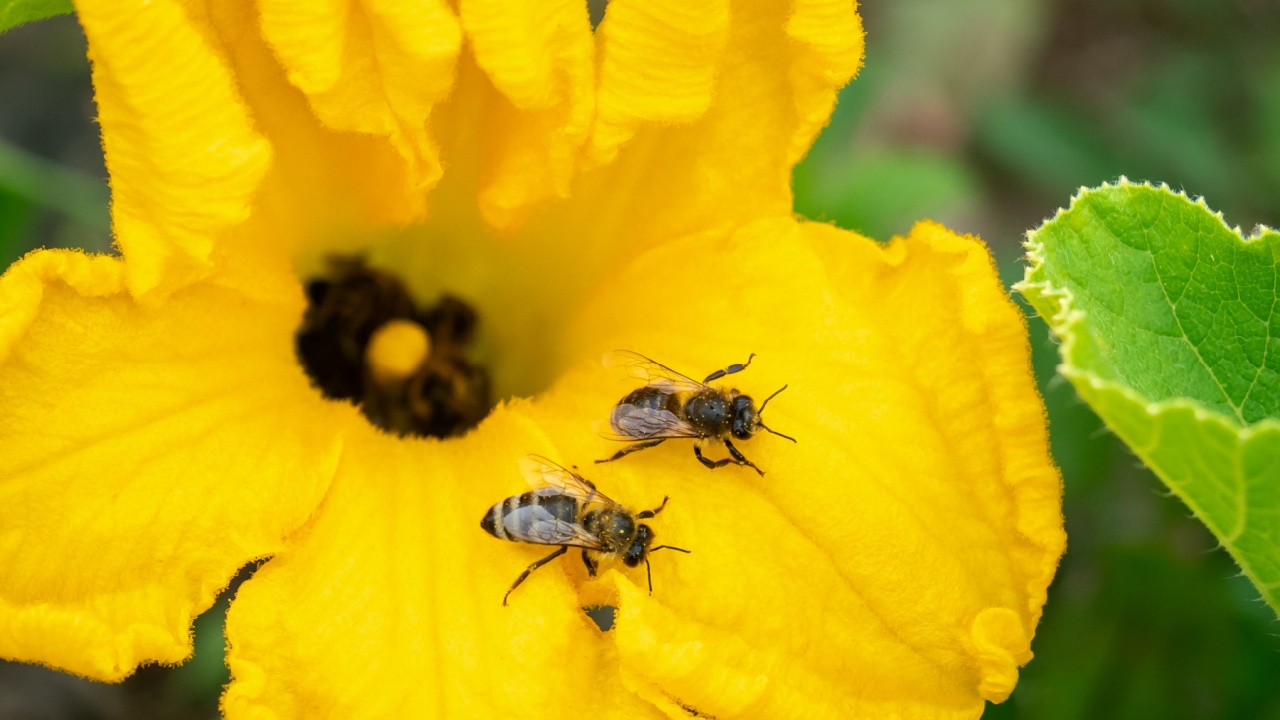
Image Credit: Shutterstock.
Creating a bee-friendly habitat is one of the most rewarding things a gardener can do. Now that you have the knowledge to build and manage a five-star bee hotel, your next step is to take action. Start by sourcing your materials. Perhaps you have some scrap wood or bamboo in your garage right now. Once your hotel is up, focus on the surrounding environment.
Plant a few new native flowers to ensure a steady food supply. Remember to perform regular maintenance by cleaning out old nests and monitoring for pests. By providing a safe home and a reliable food source, you’re not just helping the bees, you’re creating a more vibrant, healthy, and productive garden for yourself.