
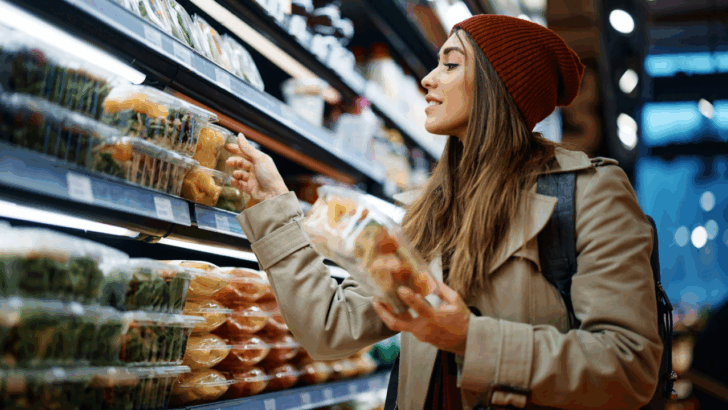
Have you ever paused to think about what’s in your favorite breakfast cereal? It’s easy to disregard the ingredients and origins of our food, but at what cost? Yet, if you are a gardener, you’ve probably considered the big differences in ingredients and flavor when comparing store bought and home grown foods.
Many American kitchens and supermarkets are jam-packed with highly processed packaged foods, junk food, sweets, sugary drinks, and artificial coloring. But did you know a lot of these items are banned in Europe?
You might be curious as to why these foods are banned in Europe but still sold in the U.S. without any restrictions. The main reason is that Europe and other countries around the world have much more rigorous food regulations. While America might be famous for its over-the-top cuisine, culinary innovations, and large portion sizes, some of the food is so bad for you that other countries won’t even allow it on their shelves.
Here are 17 food items you can find in the U.S. but are banned in Europe. These might be some of your favorite go-to snacks that are hard to resist. Each is banned for distinct reasons, like cancer risks or environmental dangers. Check them out and see if any are hiding in your pantry.
Taking Back Control of What’s in Your Food

Image Credit: Shutterstock.
There’s the ongoing argument about who should be in control of what’s in our food. Do we have a personal responsilibty as a consumer to pay closer attention to labels? Do we need someone with a medical degree to tell us what to eat every day? Should we just eat whatever we want if it tastes good? These are heated questions that don’t have a black and white answer.
However, if you’re here, you’re likely concerned about what’s in your food. And the good news is that you can make baby steps to reduce your exposure to harmful ingredients. First, read labels and know what should and shouldn’t be there. Second, consider gaining food independence by starting a garden or shopping local at farmer’s markets. Even small swaps can make all the difference!
1. Artificial Food Dyes
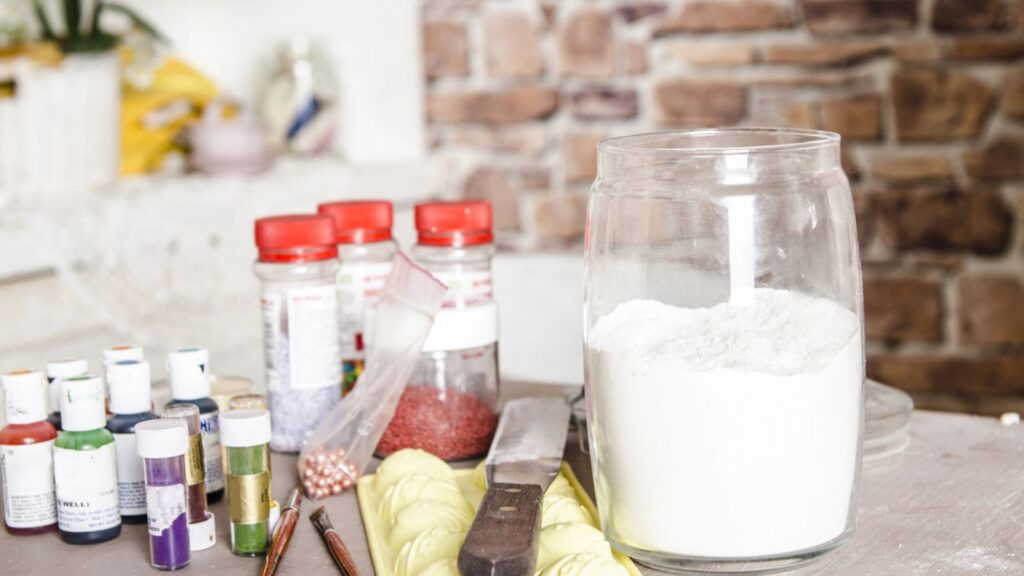
Photo Credit: Depositphotos.com.
Colors like Yellow No. 5 (Tartrazine) and Red No. 40 (Allura Red AC) are synthetic food dyes commonly found in processed foods, beverages, and candies in the U.S. Studies have linked these colors to increased hyperactivity and attention deficit issues in children.
Due to these potential health concerns, the European Union has banned or heavily restricted their use, requiring warning labels on products that contain these dyes. In contrast, the U.S. Food and Drug Administration (FDA) still approves their use in food, leading to a widespread presence in American products without similar warning labels.
Want vibrant colors on your menu? Try bright colors from the garden instead!
2. Brominated Vegetable Oil
Photo Credit: Depositphotos.com.
Sports and soda drinks are highly consumed in America without people knowing that these beverages contain an ingredient known as brominated vegetable oil, AKA “BVO.” The problematic chemical in it is bromine, which is also used as a fire retardant and can cause severe organ damage, thyroid disorders, and other health issues.
Not every American drink contains BVO, but some store-brand drinks still use it. However, Japan and Europe have completely banned it due to its association with health issues like neurological impairment and reproductive problems.
3. Milk With rBST

Photo Credit: Depositphotos.com.
Some of your favorite dairy items may have been produced with the help of a hormone that increases milk production in dairy cows. The U.S. has been adding recombinant bovine somatotropin (rBST) to dairy animals since the early 90s so that they can give more milk. However, this practice has not been without problems, as cows face health issues like mastitis and an increased risk of lameness.
Doctors use antibiotics to cure mastitis, meaning antibiotic residues can also be found in milk. The potential negative effects on animal welfare ultimately lead Europe, Australia, Canada, New Zealand, and Japan to ban rBST.
4. Chlorine-treated Chicken

Photo Credit: Depositphotos.com.
Chicken is a popular kitchen staple worldwide. But have you ever considered the cleaning process of chicken meat before it reaches the supermarket? In America, chlorine is added to chickens to prevent the growth of harmful bacteria. However, chlorine-treated poultry is thought to encourage subpar farming standards.
For this reason, Europe has banned this cleaning method and has strictly adhered to this regulation since 1997. This doesn’t mean Europe neglects cleaning the meat before production and distribution. Instead, it focuses on upholding higher standards of farming practices to ensure a lower risk of foodborne illness.
5. Genetically Modified Foods

Photo Credit: Depositphotos.com.
Technology and science have rapidly transformed the world with advanced techniques and new inventions like genetic engineering in food production. However, genetically modified organisms (GMOs) remain controversial, sparking debates over their environmental impact and safety.
Many countries, including most of the EU, Russia, several Latin American nations, and some Asian countries, have banned specific GMOs. American GMO products such as corn, soy, and papaya are prohibited in these regions. Another great reason to grow fruits and vegetables at home when possible.
6. Pink Slime

Photo Credit: Depositphotos.com.
Just like chlorine was added to chicken to prevent bacteria growth, some ground beef in the U.S. is exposed to ammonia to kill bacteria. The final product has been dubbed “pink slime” by many. There are many health concerns regarding the use of ammonia in processed beef, which is why Canada and the entire European Union have banned it.
Ammonia-treated, processed meat products can exacerbate the risk for various health issues, including heart disease and colon cancer. Pink slime is still used in some American ground beef products and is not legally required to be disclosed, but being aware of this can help you make better choices when choosing what goes into your cart.
7. Certain Bread Products

Photo Credit: Depositphotos.com.
Your fridge might be filled with American bread products such as rolls, wraps, bagels, chips, breadcrumbs, and flatbread. But do you know that these baked goods may contain potassium bromate, a chemical used to help bread rise higher and strengthen the dough? Because this is a potential human carcinogen, Europe, China, and Canada have prohibited its use in food items.
But that doesn’t mean you have to avoid bread completely from now on. Instead, select bread products free of potassium bromate, which can help lower your exposure to unwanted health risks.
8. Pork

Photo Credit: ChinaImages at Depositphotos.com.
Ractopamine, a growth booster used in American pork, is banned in Europe because of health concerns. The European Food Safety Authority (EFSA) worries about risks like heart problems and increased animal stress, which might also affect humans.
Considering its hazards to human health and animal welfare, 160 out of 196 countries have banned this hormone. However, the U.S. Food and Drug Administration (FDA) says ractopamine is safe if used in controlled amounts. These opposing stances highlight the difference in animal welfare standards in Europe and U.S. regulations.
9. Frozen Foods

Photo Credit: defotoberg at Depositphotos.com.
Who doesn’t like the frozen dinners? They are quick, convenient, and ready to eat without turning your kitchen upside down. But sometimes convenience comes with problems. One such issue is the chemical additive azodicarbonamide in some American frozen foods and bread products.
While countries like the UK, Australia, and most of Europe have tested this ingredient on mice and found it to be potentially carcinogenic, it remains prevalent in many American processed foods. To safeguard your health, it’s crucial to understand and scrutinize the ingredients in your frozen meals, avoiding harmful additives and their consequences.
Instead, why not start flash freezing your own fruits and vegetables for great flavors all year long (even in winter).
10. Chewing Gum

Photo Credit: Depositphotos.com.
Chewing gum is a great workout for your jaws and can keep your mouth fresh, especially if it has mint. But there’s something to watch out for: many American chewing gums contain a preservative called BHA, butylated hydroxyanisole. This chemical has been linked to cancer in rats.
The same study found it reasonably safe to assume it is a human carcinogen as well. BHA can also be found in baked goods, cereals, meats, and snack foods. That’s why it’s banned in the UK, Europe, and Japan due to serious health concerns.
11. Fat-Free Products

Photo Credit: Depositphotos.com.
While many people embrace dieting, often opting for sugar and fat-free products, we must be mindful of what we consume when we’re counting calories. One common ingredient in fat-free foods in the U.S. is Olestra. While it gives the mouthfeel and taste of fat without calories, Olestra can prevent the absorption of essential vitamins and nutrients in the intestines. This can lead to gastrointestinal symptoms such as cramping, diarrhea, and an urgent need to use the restroom.
Because of these potential health issues, Olestra has been banned in Europe and Canada. Despite these concerns, several American snack products still contain Olestra, including certain brands of fat-free potato chips.
12. Sugar Cane

Photo Credit: Depositphotos.com.
Sugar cane (before processed) is a natural food product with a unique flavor many worldwide love. But would you believe someone if they told you that American sugar cane could be a significant source of your health problems?
Potential health issues are linked to atrazine, a herbicide related to birth abnormalities, reproductive cancers, skin hypersensitivity, and muscle degeneration. This chemical is frequently used to treat sugar cane in the United States. In the European Union, atrazine is prohibited because of these grave health dangers and the fact that it can also contaminate streams, threatening the environment and wildlife.
13. Fake Blueberries

Photo Credit: Depositphotos.com.
Some fruits are so attractive that you cannot miss out on eating them, even if you’re not a big fan. Unfortunately, chemicals and dyes often make fruits and other foods look irresistibly delicious. This is especially true for products containing “blueberries” in the U.S.
Many “blueberries” in prepackaged foods are actually a mix of corn syrup, sugar, and artificial colors derived from petroleum. These dyes have been linked to hyperactivity, nerve cell damage, and brain cancer. Consequently, synthetic blueberries have been banned in the UK, Finland, France, Austria, Norway, and Europe.
Try baking your own patries and breads with fresh blueberries to side step this!
14. Froot Loops

Photo Credit: MikeEdwards at Depositphotos.com.
This cereal gets it’s own spot on the list since it’s horrific (imo) that it is even considered an edibel breakfast food.
Our childhood was pretty much based on a hearty breakfast of Froot Loops (and similar brightly colored cereals). But all that glitters is not gold because Froot Loops and similar cereals that are brightly colored include artificial dyes.
As mentioned above, these dyes adversely affect a person’s health, especially children who consume them in higher quantities. Although many dyes are banned in Europe, they are still widely available in the U.S. and in high demand.
15. Farmed Salmon

Photo Credit: Depositphotos.com.
Wild salmon is naturally pink because its diet contains a lot of carotenoids. But to get that same color without a natural diet, American-farmed salmon are fed synthetic astaxanthin. Just another thing to add to your “check the ingredients before buying” list!
Furthermore, farmed salmon is often treated with various antibiotics and pesticides to prevent diseases that can proliferate in crowded fish farms. These chemicals can accumulate in the fish and, subsequently, in the human body, raising concerns over antibiotic resistance and other health issues.
16. American M&Ms

Photo Credit: 8th at Depositphotos.com.
M&M’s boast a dedicated fan base worldwide, especialy in the U.S.
However, due to the signs of hyperactivity in children and other concerning health risks, Europe took a significant step by banning the production of artificially dyed M&Ms. Instead, European M&Ms are colored using natural sources like radish, cabbage, and lemon, a stark contrast to the artificial dyes found in the U.S. version.
17. Apples

Photo Credit: Depositphotos.com.
An apple a day may keep the doctor away, but maybe not so much in the U.S. American apples are loved for their crispiness and sweetness, but did you know they often get a chemical treatment called diphenylamine (DPA) after being harvested?
DPA is used on the skin of the fruit to prevent browning during storage and shipping, keeping them fresh longer. However, there have been some worries about the health risks of DPA, especially when it interacts with nitrogen and possibly forms harmful nitrosamines. Because of this, the European Union has banned DPA on apples.
To minimize pesticide exposure, you should be growing these plants at home.
Ultimately, remember knowledge is power. Take this information and make one small change, then progress from there. You can do it.