As cold weather approaches, gardeners on TikTok are offering winter forecasts, based not on modern equipment, but on centuries-old weather folklore. Armed with smartphones and a keen eye for natural signs, these creators are reviving long-held tradition, to forecast the season ahead.
Folk Wisdom Goes Viral
In a world filled with weather apps and constant digital updates, a quiet resurgence of ancient wisdom is taking place. More and more, people are looking away from their screens and toward the sky, trees, and animals for clues to what the coming days might hold. This renewed fascination with natural folklore taps into a longing for both connection to the natural world, and to the generations that have gone before.
Squirrel Tails and Nut Storage Habits
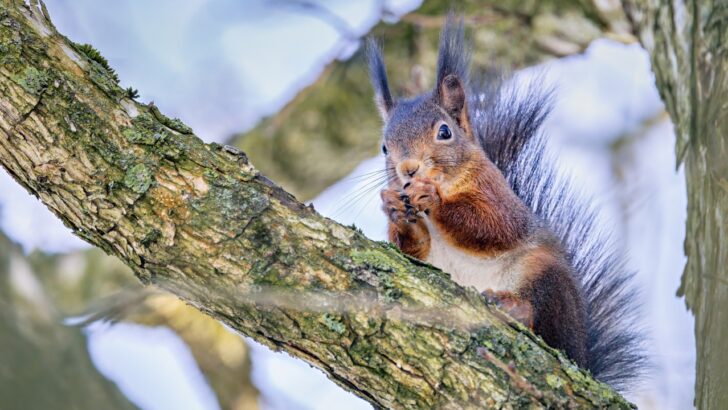
Squirrels are perhaps the most adorable stars of this weather-prediction trend. According to folklore, extra-bushy tails signal a colder winter ahead. Another widely shared indicator is how high squirrels stash their food. If nuts are hidden in the upper branches, some say, the winter is likely to be a snowy one.
On the other hand, nuts stored closer to the ground suggest a milder winter. Since learning this, I’ve been watching our backyard squirrels with a whole new fascination for their food storage habits!
Acorn Bumper Crops Give Unwelcome Clue
Oak trees and their acorn crops are getting plenty of screen time as well. Tradition holds that a bumper crop of acorns could point to a particularly harsh winter. The belief is that trees produce more nuts when a tough season is coming, giving wildlife extra stores for survival.
Here in Maine, this year offered a bumper crop of acorns, something that many refer to as a “mast year.” Old time gardeners are pointing to this as proof that it’s going to be a cold and snowy winter, and are urging people to prepare accordingly.
Woolly Bear Caterpillars are Beloved Fuzzy Forecasters
Possibly the most beloved, and widely-trusted natural weather predictor is the lowly woolly bear caterpillar. For generations, people have watched these fuzzy creatures inching their way across autumn paths, not just charmed by their cuddly appearance, but with an eye for the clues they supposedly carry about the coming winter.
The folklore is simple and delightful: the wider the caterpillar’s reddish-brown middle band, the milder the winter will be. A mostly black caterpillar,, on the other hand, is said to signal a long, cold, and snowy season ahead. While there may be no scientific backing for this, this whimsical tradition continues to capture our imagination. Come spring, the woolly bear caterpillar emerges transformed, as the Isabella tiger moth, a subtle reminder of nature’s transformations.
One TikTok creator shared a winter forecast for her area, pointing to a woolly bear caterpillar’s coloring as the reason she expects a harsh start and end to the winter. How reliable does she think the little caterpillars are? More reliable than Punxsutawney Phil is at predicting spring, she asserts.
@ferd.farmstead I strongly believe nature knows. So, its time for me to get my fall prep done on the farm incase winter hits us with a hard hello. #woollybear #woolybearcaterpillar #winter #winterweather #prediction #midwest ♬ Voice of Nature – Lesfm, Olexy
As the snowy months approach, TikTok gardeners will be watching nature for every possible clue. Whether these predictions are right or not, their popularity highlights a growing interest in leaning on old traditions. For many, it’s not just about forecasting snow, it’s about rekindling a connection to nature and enjoying the community that comes with it.