

The holidays bring a special kind of chaos to the kitchen. There are mountains of vegetables to chop, pies to bake, and a general sense of festive panic. Amidst all this culinary activity, the kitchen sink drain often becomes the recipient of food scraps.
It seems convenient to wash everything down, especially when you have a garbage disposal. But one common holiday food prep habit is a fast track to a plumbing disaster, and it involves everyone’s favorite starchy vegetable.
1. What It Is
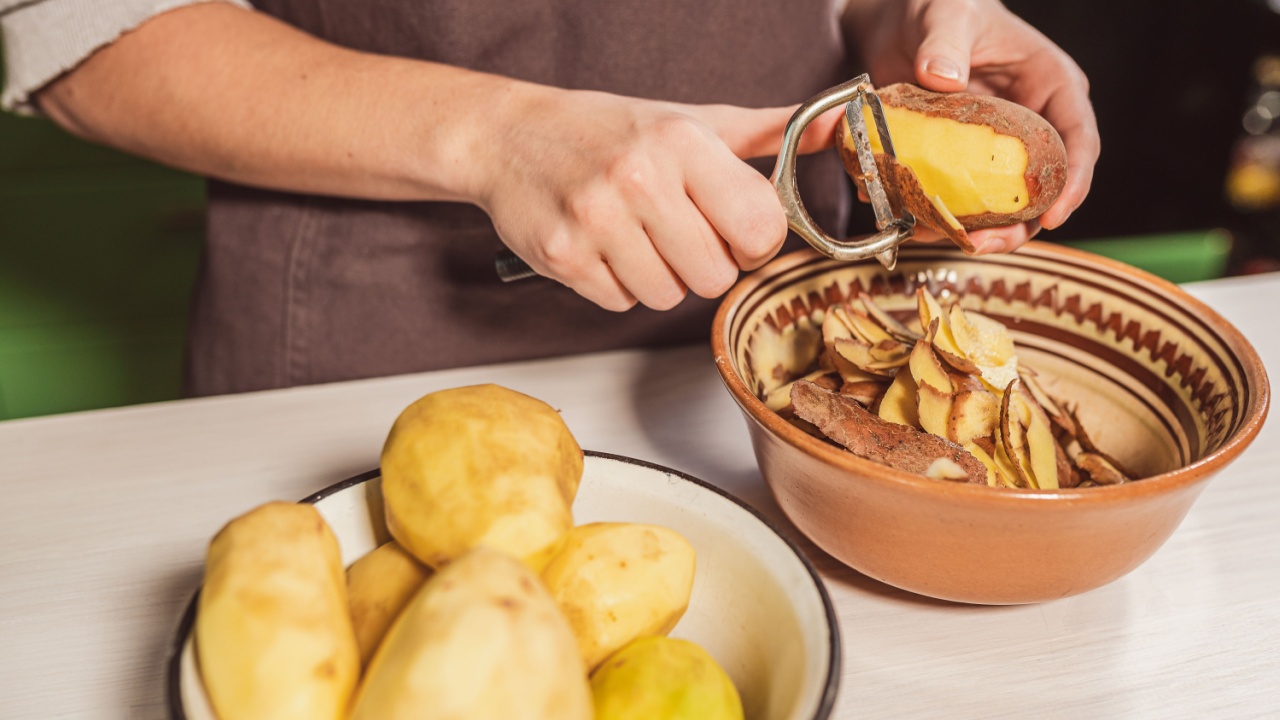
Image Credit: Shutterstock.
The biggest culprit behind holiday plumbing emergencies is sending potato peels down the garbage disposal. While it seems like the disposal should handle these thin little scraps without issue, it is a recipe for a serious clog. This problem isn’t limited to just potato peels.
Other starchy and fibrous vegetables, often a big part of holiday meals, can cause similar issues. Think sweet potatoes, yams, and even the stringy parts of celery or pumpkin. The convenience of washing peels down the drain is short-lived when you are faced with a sink full of murky, backed-up water.
2. Why It Happens
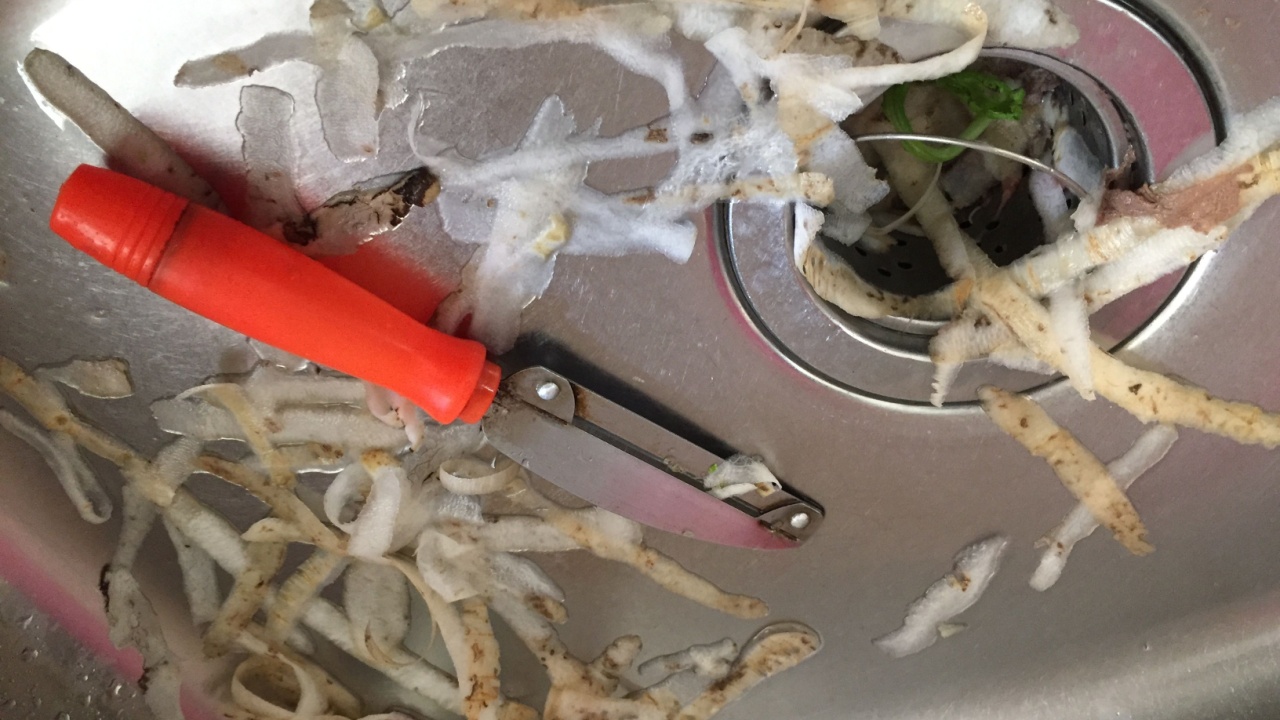
Image Credit: Shutterstock.
Your garbage disposal works by using spinning blades, or impellers, to shred food waste into tiny particles that can be washed away with water. The system relies on those particles being small and fluid enough to move easily through your home’s pipes. When you put potato peels into the disposal, they don’t simply get chopped up.
The high starch content causes them to turn into a thick, glue-like paste. Imagine a batch of mashed potatoes, but thicker and stickier. The fibrous strings from celery or pumpkin can wrap around the disposal’s blades, creating a tangled mess that stops the motor and traps other food waste. The combination of starchy paste and tangled fibers creates a formidable clog that even a powerful disposal cannot overcome.
3. How to Prevent Clogs
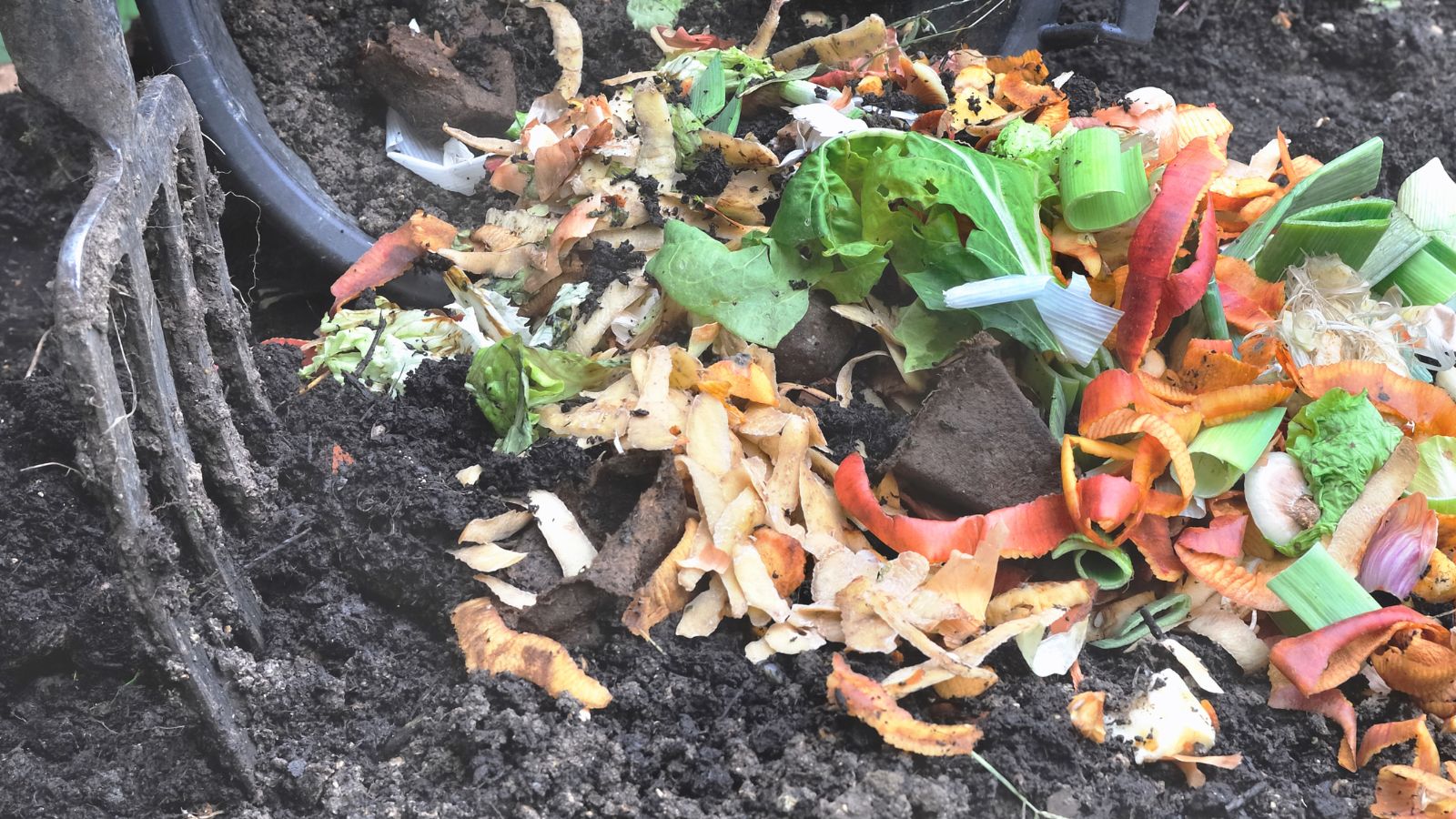
Image Credit: Deposit Photos.
Composting is a fantastic solution. Potato peels, along with other vegetable scraps like celery ends, carrot peels, and onion skins, are excellent additions to a compost pile. Additionally, use a simple mesh sink strainer. You can peel your vegetables directly into the sink, and the strainer will do the work of separating the solids from the water.
The most straightforward method is to throw the peels directly into the garbage can. Place a paper bag, a sheet of newspaper, or a bowl next to your cutting board. Peel the potatoes and other vegetables directly into the container. When you are finished, you can toss the whole bag or empty the bowl into the trash.
Save Your Plumbing
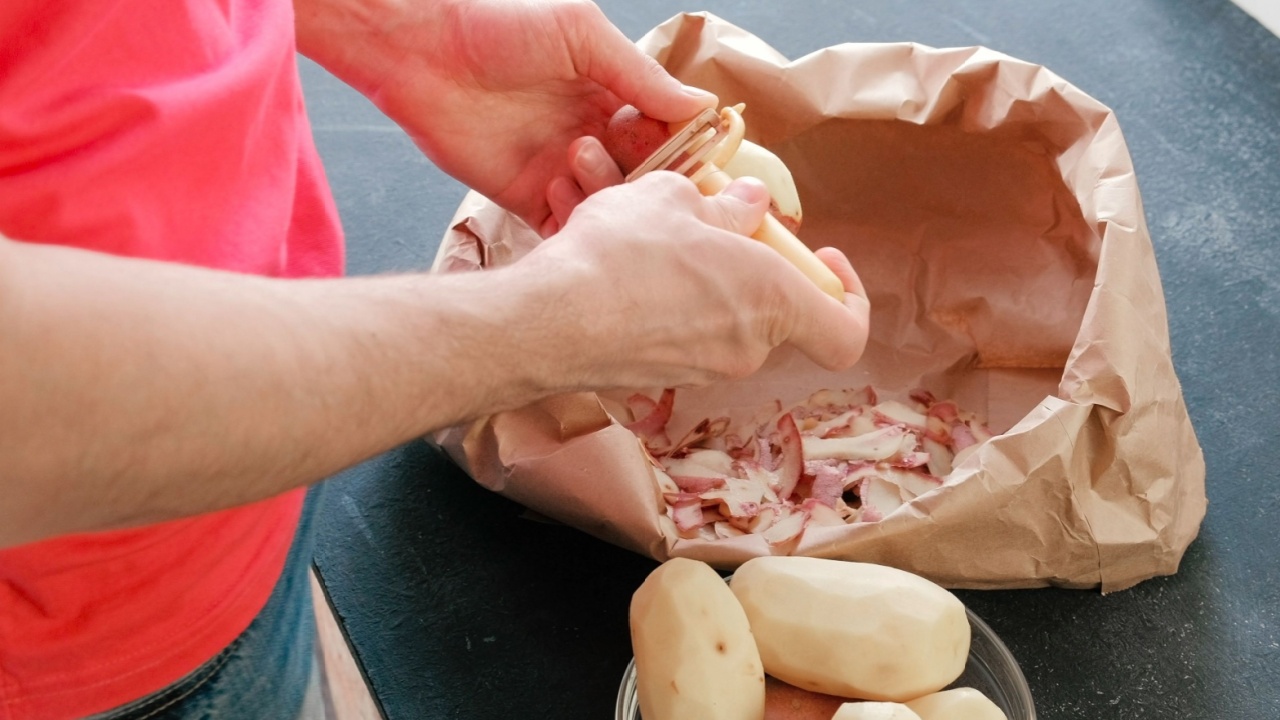
Image Credit: Shutterstock.
Misusing the garbage disposal is one of the plumbing mistakes that can cost you a lot of money. The holiday season should be filled with good food and great company, not plumbing problems. By keeping potato peels and other starchy, fibrous vegetable scraps out of your garbage disposal, you can avoid a common and frustrating kitchen catastrophe. Adopting one of the simple habits of composting, using a sink strainer, or collecting scraps for the trash will keep your pipes clear and your kitchen functioning smoothly.