
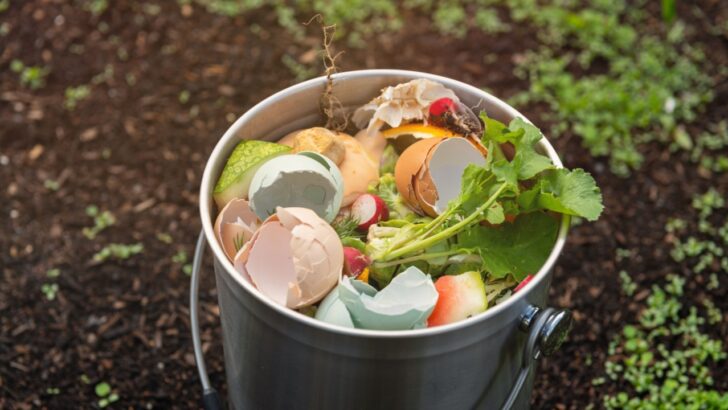
Composting transforms kitchen scraps and yard waste into black gold for your garden, but not everything belongs in your compost bin. While the idea of recycling organic materials sounds environmentally friendly, certain items can turn your productive pile into a smelly disaster, attract unwanted pests, or even harm your plants when you use the finished compost.
Understanding what to keep out of your compost is just as important as knowing what goes in. The wrong materials can disrupt the delicate balance of microorganisms, create anaerobic conditions that produce foul odors, or introduce pathogens and chemicals that persist through the composting process.
This guide reveals 11 common items that many gardeners mistakenly add to their compost, along with the science behind why they’re problematic and what to do with them instead. This insight is brought to you by extension experts at Iowa State and the U.S. Environmental Protection Agency.
1. Meat, Fish, and Bones
Image Credit: Depositphotos.com.
Adding animal proteins to your compost bin creates a host of problems that extend far beyond unpleasant smells. When meat and fish decompose, they undergo putrefaction rather than the controlled decomposition process that characterizes healthy composting.
This anaerobic breakdown produces hydrogen sulfide, ammonia, and other compounds that create nauseating odors detectable from considerable distances. The smell attracts rats, raccoons, flies, and other pests that view your compost as an all-you-can-eat buffet. These unwanted visitors can scatter compost materials, damage your bin, and potentially spread disease.
The Hidden Dangers
- Pathogen risks: E. coli, salmonella, and other harmful bacteria can survive in backyard compost conditions
- Temperature requirements: Killing meat-borne pathogens requires sustained temperatures above 160°F, which most home systems can’t maintain
- Grease problems: Fats create water-resistant barriers that prevent proper airflow and moisture distribution
Better Alternatives
Dispose of meat scraps in your regular trash or municipal green waste program if they accept them. Some areas have specialized composting facilities that can handle animal proteins through industrial-scale hot composting methods.
2. Dairy Products
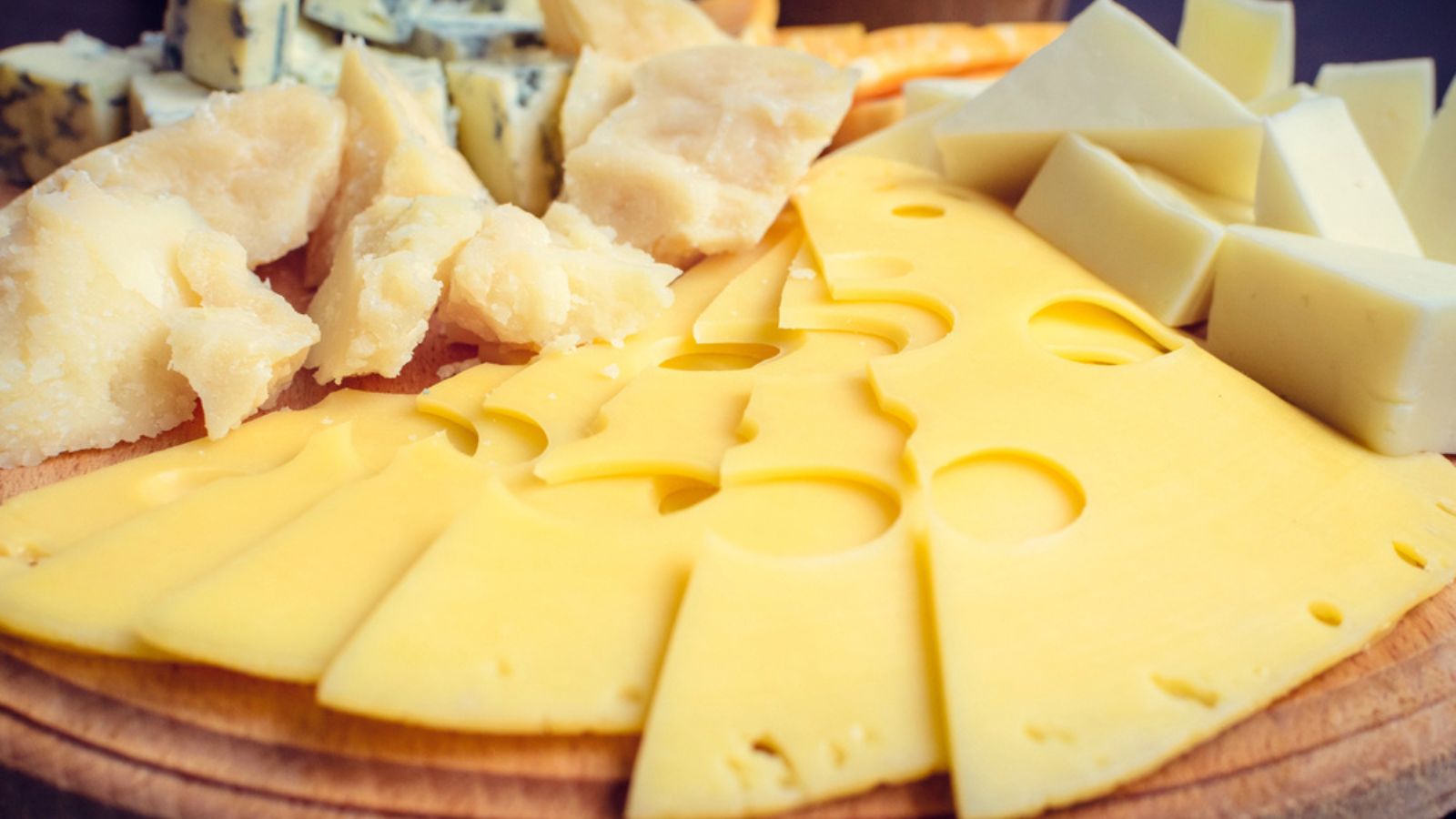
Image Credit: Depositphotos.com.
Cheese, milk, yogurt, and other dairy products might seem harmless, but their high fat and protein content disrupts the composting process in multiple ways. The fats coat other materials, creating barriers that prevent water and air circulation essential for healthy decomposition.
As dairy products spoil, they develop rancid odors from bacterial overgrowth that differs significantly from the earthy smell of proper composting. This putrid smell attracts flies, rodents, and larger scavengers while creating anaerobic pockets within your pile.
Why Dairy Fails in Compost
- Fat barriers: Oils and fats prevent proper moisture distribution and oxygen flow
- Protein putrefaction: High protein content leads to ammonia production and foul odors
- Pest attraction: Spoiled dairy products draw insects and mammals from considerable distances
Smart Disposal Options
Small amounts of dairy can go in your regular trash, while larger quantities might be accepted by municipal composting programs designed to handle them. Consider reducing dairy waste by using products completely or freezing extras before they spoil.
3. Diseased Plant Material

Image Credit: Shutterstock
When plants in your garden develop fungal infections, bacterial diseases, or viral problems, resist the urge to add them to your compost pile. Most backyard composting systems don’t reach the sustained high temperatures necessary to kill plant pathogens.
Fungal spores, bacterial colonies, and viral particles can survive the composting process and reinfect your garden when you spread the finished compost. This creates a cycle where diseases persist and spread throughout your landscape year after year.
Temperature Requirements for Pathogen Control
- Minimum temperature: 140°F sustained for at least 10 days
- Optimal range: 140-180°F to kill most plant pathogens
- Reality check: Most home compost piles peak at 90-120°F and can’t maintain higher temperatures consistently
Safe Disposal Methods
Bag diseased plant material and dispose of it in regular trash. Never burn diseased plants, as this can spread pathogens through smoke and ash. Some municipal composting facilities can handle diseased materials through industrial hot composting processes.
4. Weeds with Seeds
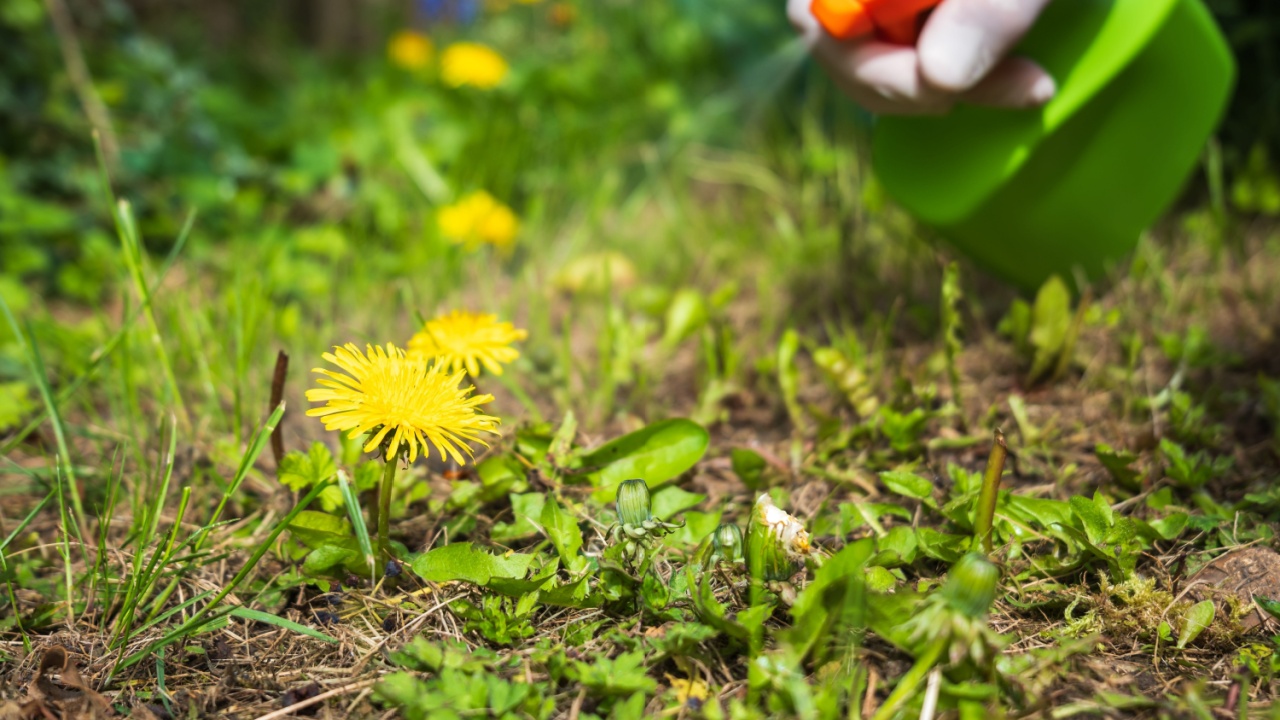
Image Credit: Shutterstock.
Timing matters enormously when composting weeds. Young weeds pulled before flowering pose no problems, but mature weeds carrying seeds transform your compost into a weed distribution system for your entire garden.
Many weed seeds remain viable for years and can survive the relatively low temperatures of backyard composting. When you spread that compost, you’re essentially planting weeds throughout your garden beds, creating far more work than you’re solving.
High-Risk Weeds to Avoid
- Dandelions: Seeds remain viable for up to 5 years in soil
- Crabgrass: Produces thousands of seeds per plant
- Morning glory: Seeds can survive decades in soil
- Bermuda grass: Spreads through both seeds and root fragments
Smart Weed Management
Pull weeds before they flower and add them to compost freely. For mature, seedy weeds, disposal in regular trash prevents future infestations. Consider creating a separate hot compost pile specifically for questionable materials if you have the space and expertise.
5. Synthetic Chemicals and Treated Materials
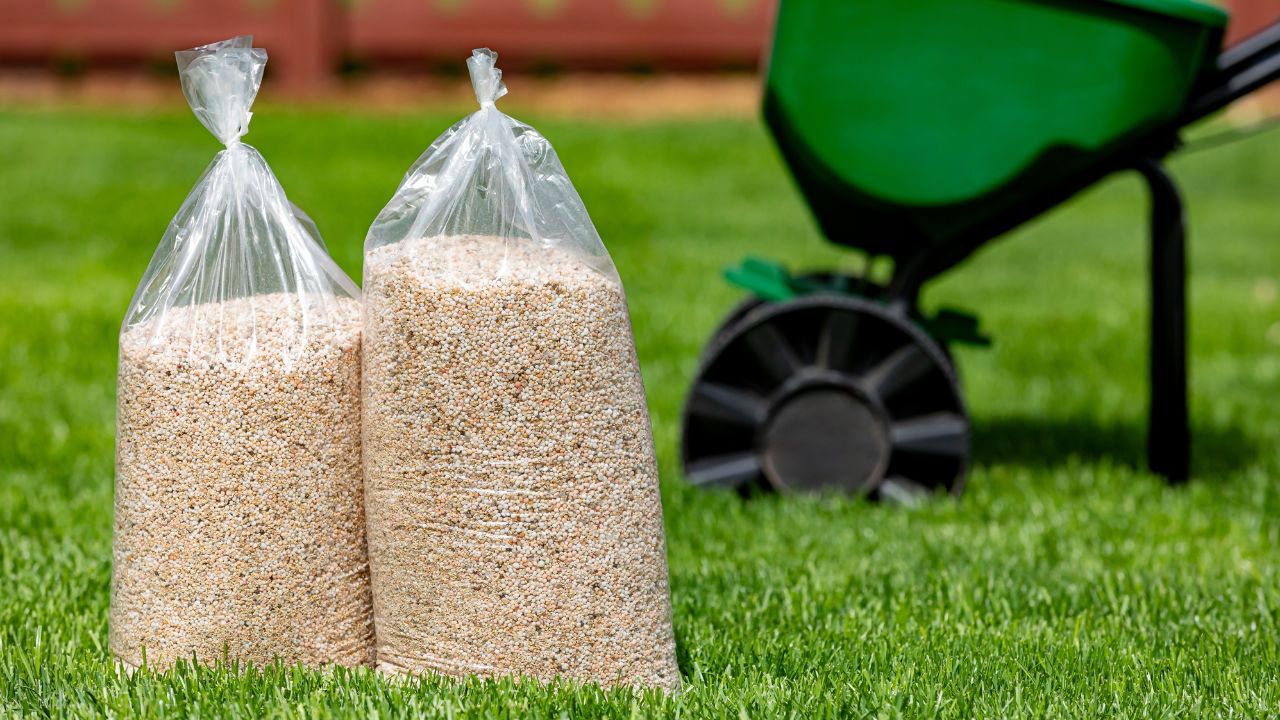
Image Credit: Shutterstock.
Grass clippings from chemically treated lawns carry herbicides, pesticides, and fertilizers that can persist through composting and harm sensitive plants when you use the finished product. Some herbicides remain active for months or even years, creating long-term problems in your garden.
Treated wood products, painted materials, and chemically processed papers contain compounds that don’t break down naturally and can accumulate in your soil over time. These materials can stunt plant growth, kill beneficial soil organisms, and potentially impact food safety if used in vegetable gardens.
Chemicals That Persist
- Clopyralid: Herbicide that survives composting and damages tomatoes, beans, and other sensitive crops
- Picloram: Can remain active for several years in compost
- Wood preservatives: Copper, chromium, and arsenic compounds from treated lumber
Chemical-Free Alternatives
Use only grass clippings from untreated lawns, or let treated grass clippings remain on the lawn as natural mulch. Source organic materials from chemical-free gardens and avoid any processed wood products in your compost.
6. Pet Waste

Image Credit: Shutterstock.
Dog and cat feces contain pathogens specifically adapted to mammalian digestive systems, making them potentially dangerous to humans. Unlike herbivore manure from cows or rabbits, carnivore waste harbors parasites and bacteria that can cause serious illness.
Common parasites in pet waste include roundworms, hookworms, and toxoplasma, all of which can survive typical backyard composting temperatures. These organisms can remain viable in soil for extended periods, creating ongoing health risks for anyone working in the garden.
Health Risks from Pet Waste
- Toxoplasmosis: Particularly dangerous for pregnant women and immunocompromised individuals
- Roundworms: Can cause vision problems and neurological issues
- Hookworms: Enter through skin contact and cause anemia
Proper Pet Waste Disposal
Use pet waste disposal systems specifically designed for carnivore waste, or dispose of it in regular trash. Some municipalities offer pet waste composting programs that use specialized high-temperature processes to eliminate pathogens.
7. Glossy Paper and Coated Materials

Image Credit: Depositphotos.com.
Not all paper products work well in compost systems. Magazines, catalogs, and other glossy publications contain plastic coatings, metallic inks, and chemical treatments that resist decomposition. These materials can persist in your finished compost and potentially introduce unwanted chemicals to your soil.
Even when glossy papers do break down, they often leave behind small plastic fragments and chemical residues that don’t belong in garden soil. The coatings that make paper water-resistant and glossy also make them impervious to the moisture and microbes needed for decomposition. As a result, these materials can clog the compost pile, slow the breakdown process, and ultimately leach microplastics and toxins into your otherwise healthy compost.
Environmental Impact
- Microplastics: Coated papers can degrade into tiny particles that contaminate soil and waterways.
- Chemical contamination: Inks, dyes, and coatings may introduce heavy metals or other chemicals that harm plants or beneficial organisms.
- Waste volume: Uncomposted glossy paper adds bulk to landfills if not properly recycled.
Better Options
Use only plain newspaper, brown paper bags, uncoated cardboard, or shredded office paper in your compost. These break down quickly, provide valuable carbon, and help maintain a healthy, natural compost ecosystem.
8. Invasive Plant Species
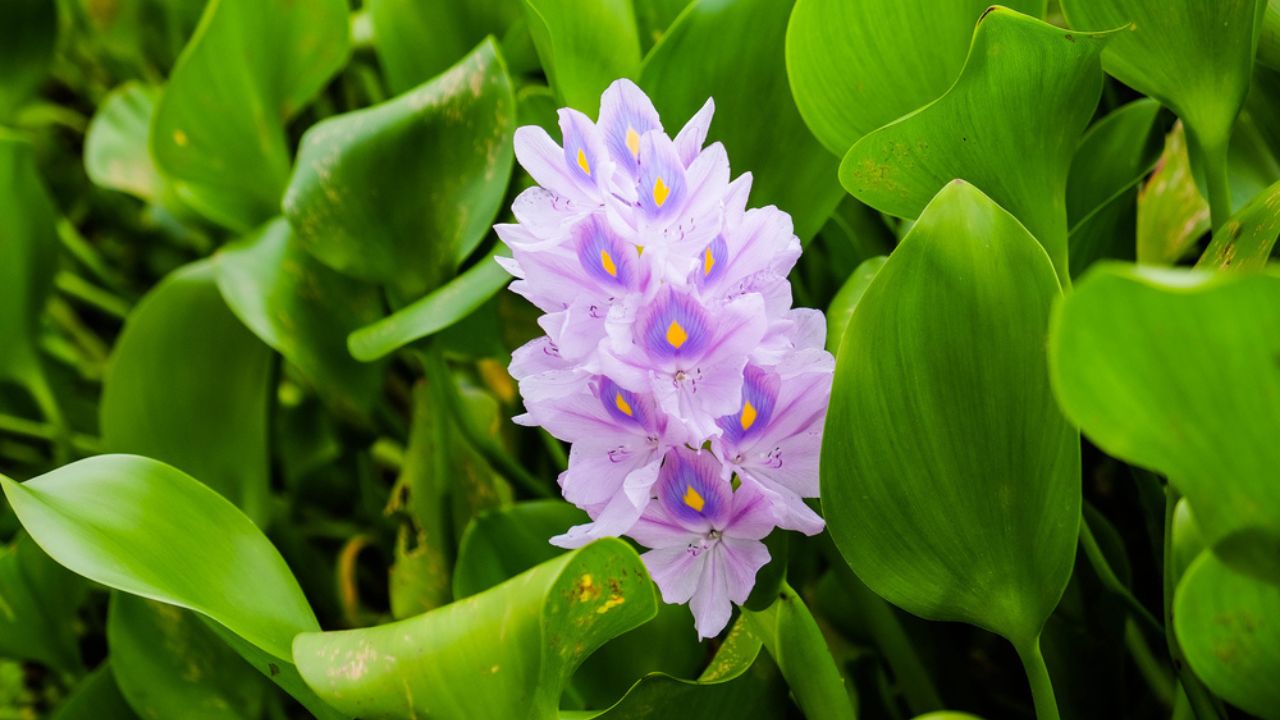
Image Credit: Shutterstock.
Some plants, especially those labeled invasive in your region, are well known for their ability to survive—even thrive—under tough conditions. Tossing them into your compost can backfire if seeds, tubers, or root fragments remain viable through the composting process.
Why It Matters
Invasive species are exceptionally resilient and can regrow from tiny root sections, stems, or seeds that persist even in a well-managed compost pile. Most backyard compost systems never get hot enough to destroy these stubborn survivors, meaning you could be reintroducing them throughout your garden and even into your neighbors’ yards when spreading finished compost.
Risks and Consequences
- Garden takeovers: Aggressive regrowth can smother out vegetables, flowers, or native plants.
- Long-term contamination: Once established, invasive species can be nearly impossible to eradicate.
- Legal implications: In some areas, spreading certain invasives is against local regulations.
Safe Disposal Methods
- Bag invasives: Place all plant parts (especially seeds, tubers, or rhizomes) in sealed plastic bags before disposing of them with regular trash.
- Never compost or mulch: Avoid trying to smother or rot invasive plants in piles or bins, as they may still survive or set seed.
- Check local guidelines: Consult your extension office or waste authority for approved ways to dispose of specific problem species in your area.
Safer Practices
Bag invasive or noxious plants and dispose of them in the trash or through your municipality’s yard waste program—never put them in your regular compost pile. If allowed, some invasive plant material can be solarized in sealed black plastic bags before safe disposal.
9. Cooking Oils and Grease
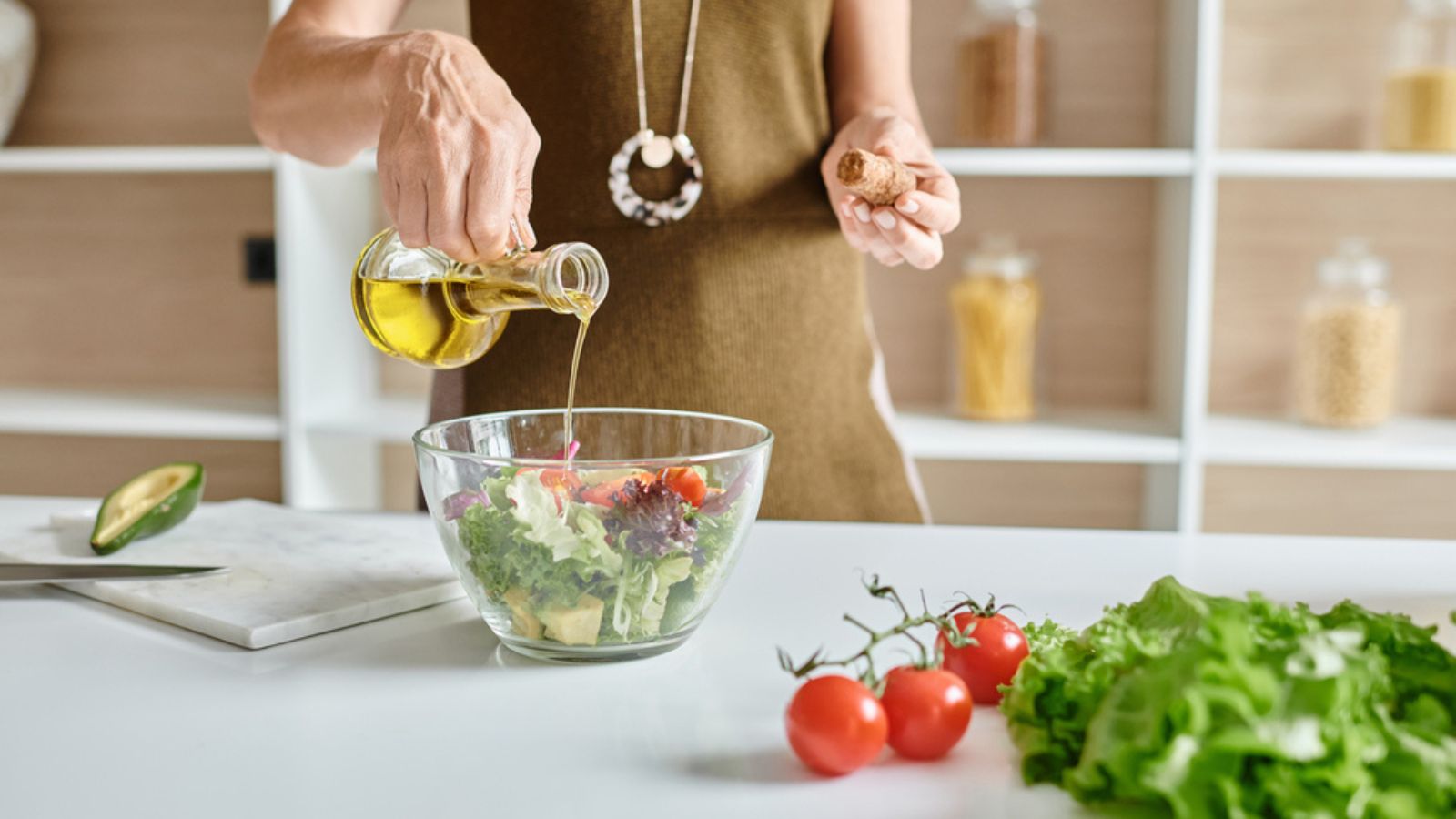
Image Credit: Depositphotos.com.
Cooking oils, fats, and greasy residues are detrimental to a backyard compost pile. Even small amounts of oil can coat organic materials, forming waterproof barriers that limit airflow and moisture penetration—both vital for the work of microbes and earthworms. When grease builds up, decomposition slows dramatically, and the overall pile is more likely to turn slimy, compacted, and foul-smelling due to anaerobic (low-oxygen) conditions.
Beyond hindering decomposition, oils quickly go rancid, producing odors that attract rats, mice, raccoons, flies, and other pests you definitely don’t want rooting around your bin. Large amounts of cooking oil can also leach into soil and harm beneficial insects or impair plant roots if the material is not fully broken down.
Why Avoid Them
- Disruption of Composting: Grease blocks airflow and moisture, key for healthy composting microbes.
- Anaerobic Conditions: Lack of oxygen leads to sour smells, slime, and poor material breakdown.
- Attraction for Pests: Rancid odors lure animals and insects into your pile.
- Harm to Soil Life: Excess oils can negatively impact beneficial soil microfauna.
Proper Disposal
Never pour used oil or fats into your compost. Instead, soak up small amounts with paper towels and dispose of them in the trash. Collect larger volumes in a sealed container and take them to a household hazardous waste site or recycling center that accepts used cooking oil. Some areas have collection programs for recycling oil into biofuel—an earth-friendly alternative to landfill disposal.
10. Citrus Peels in Large Quantities
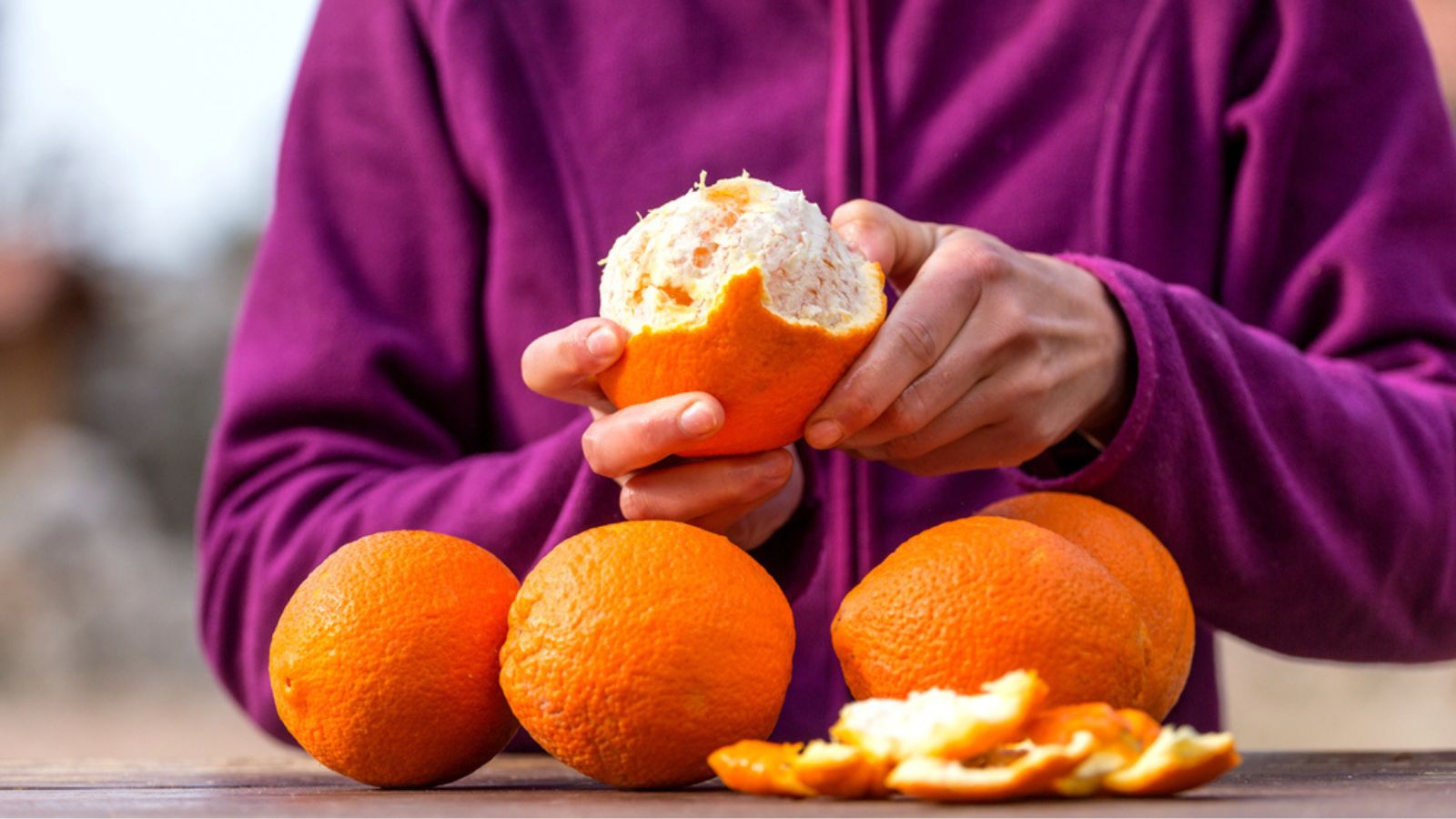
Image Credit: Depositphotos.com.
While a few citrus peels can energize a compost pile with nitrogen and fragrance, too many become problematic for the composting process. Citrus fruits—like oranges, lemons, limes, and grapefruits—contain strong natural acids and essential oils that serve as powerful antimicrobials. These compounds are wonderful for deterring pests in the garden, but they also slow down beneficial bacteria and fungi in your compost, making breakdown less efficient.
In moderation, finely chopped citrus peels add variety and nutrition. But dumping large numbers of peels or using them as a major component can create an imbalance, ultimately stalling decomposition and producing a pile with persistent, leathery chunks that take ages to disappear.
Why Avoid in Excess
- High Acidity: Disrupts the optimal pH for compost microbes.
- Slow Decomposition: Thick rinds break down slowly, especially in cooler piles.
- Antimicrobial Oils: Natural citrus oils can suppress key decomposer populations.
How to Compost Citrus Properly
Add small amounts, cut into tiny pieces to speed up breakdown, and mix well with other compost materials. Balance acidic peels with alkaline elements like crushed eggshells. If you have a glut of citrus, consider using peels as a household cleaner or scatter them as a slug deterrent in the garden instead. Large Amounts of Citrus Peels
11. Black Walnut Leaves and Hulls
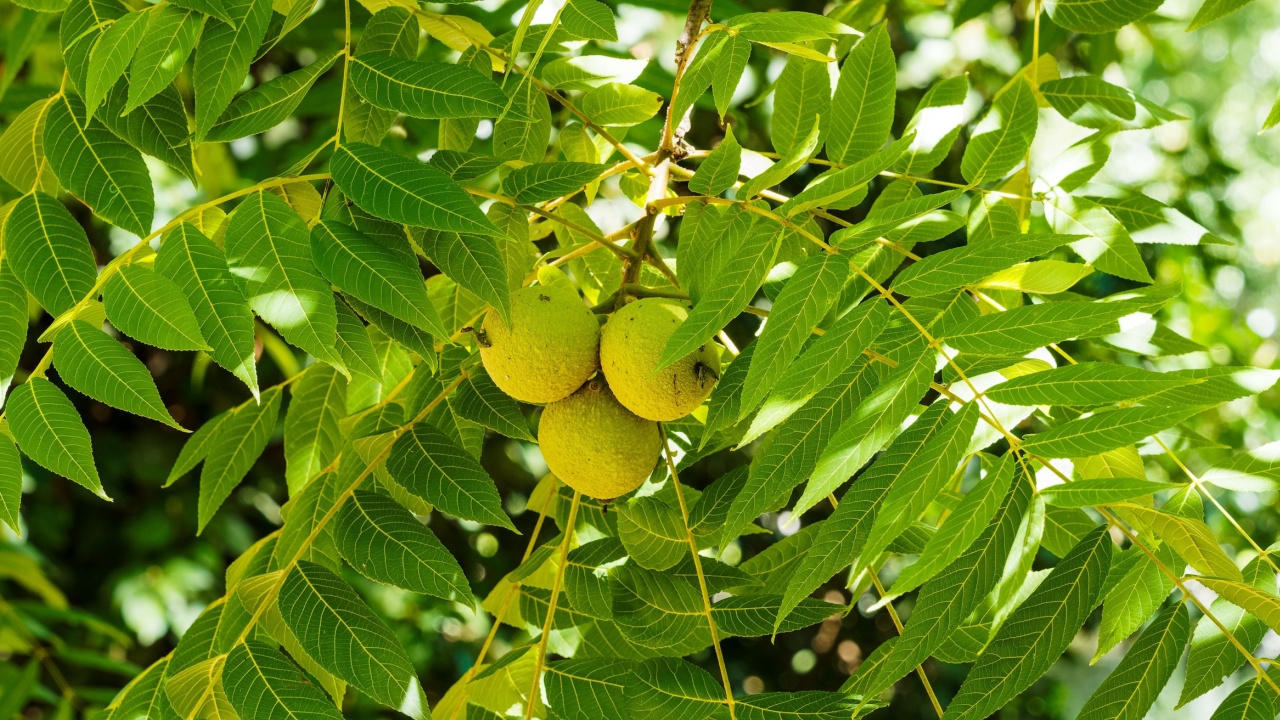
Image Credit: Shutterstock.
Black walnut trees naturally produce juglone, a compound highly toxic to many vegetable garden staples, ornamental flowers, and some shrubs. This chemical acts as a powerful natural herbicide, and it doesn’t disappear quickly—it can linger in compost or soil for years, causing invisible harm to nearby plants.
Why Black Walnut Should Stay Out of Compost
- Persistent Toxins: Juglone can stunt growth or kill crops like tomatoes, peppers, potatoes, blueberries, and azaleas—even in small amounts.
- Long-Term Risk: Because juglone breaks down slowly, it may remain active in finished compost well after you think the pile is “done.”
- Whole Tree Concern: Leaves, hulls, bark, twigs, and roots all contain juglone.
Safe Handling and Disposal
Rake and bag up black walnut debris separately for municipal yard waste pickup, if available. Never use black walnut mulch or compost around sensitive plants. If you must compost it, keep a dedicated pile for juglone-rich materials and only use it to mulch juglone-tolerant plants like corn, beans, or turfgrass. Black Walnut Leaves and Hulls
While most tree leaves make excellent compost, black walnut (and butternut) materials contain juglone—a natural compound toxic to many common garden plants like tomatoes, peppers, and potatoes.
Compost Smarter, Not Harder

Image Credit: Shutterstock.
Composting is a simple and effective way to reduce waste in our environment while also providing nutrient-rich soil for our plants. However, it is important to be mindful of what materials are being added to the compost pile, as some can have negative effects on both the compost and surrounding plants.
By following best practices and avoiding certain materials, we can create high-quality compost that will benefit our gardens and help protect the planet.