
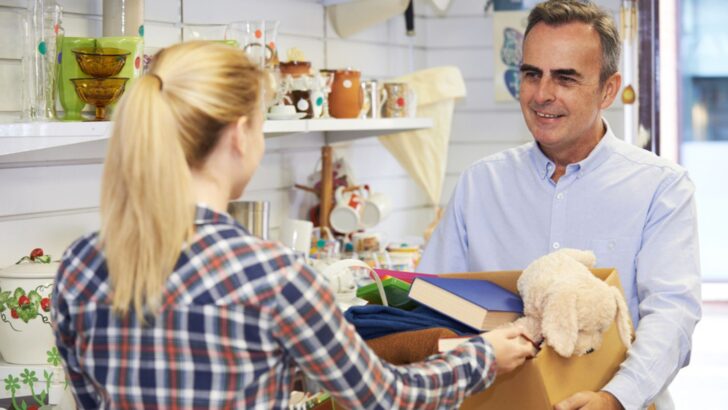
Decluttering feels amazing. But before you head to a donation center with your haul, it’s important to know that not everything can—or should—be donated. Some items pose safety, legal, or logistical challenges for donation organizations, which means they’ll likely end up in the trash even after you’ve dropped them off.
To help you declutter responsibly, here’s a list of 20 items you should never donate, why they can’t be, and what alternative actions you can take. While many items will likely need to go to the dump, you have a few options.
How We Chose These Items

Image Credit: Depositphotos.com.
We picked these 20 items based on common donation center policies and challenges they face. Many donation organizations share similar reasons for refusing these things — from safety concerns and legal rules to cleanliness and storage limits. We focused on items that:
- Often cause safety or health risks if reused
- Are bulky or hard to store and transport
- Have limited or no practical use for donation centers
- Require special disposal or recycling methods
- Are frequently rejected by well-known charities and recycling programs
Our goal was to help you declutter responsibly by knowing what donation centers typically won’t accept and to suggest better alternatives that protect both your space and the environment.
1. Venetian Blinds

Image credit: Depositphotos.com.
Why They Can’t Be Donated: Many donation centers, like certain Goodwill locations, don’t accept used Venetian blinds due to potential damage and cleanliness concerns.
What to Do Instead: If they’re in good condition, check with local schools or craft organizations that might use them for art projects. Blinds in poor shape should be dismantled and recycled if possible. Aluminum parts, for example, can often be recycled with metals.
2. Televisions Older Than 5 Years

Image Credit: Depositphotos.com.
Why They Can’t Be Donated: Organizations like Salvation Army won’t accept TVs over five years old because they may no longer function properly or are incompatible with modern devices.
What to Do Instead: Research local electronics recycling programs or take them to e-waste collection centers. Some manufacturers and retailers also offer take-back programs for old electronics.
3. Bean Bag Chairs

Image Credit: Depositphotos.com.
Why They Can’t Be Donated: Bean bag chairs are often rejected due to difficulty in ensuring cleanliness and potential safety hazards stemming from loose filling.
What to Do Instead: Repurpose the fabric or foam pellets in DIY projects, or dispose of the filling responsibly at a foam recycling facility.
4. Oversized Items

Image Credit: Depositphotos.com.
Why They Can’t Be Donated: Large items like bed frames and exercise equipment often aren’t accepted because many organizations lack storage space.
What to Do Instead: Sell these items on local marketplaces like Craigslist or Facebook Marketplace. Alternatively, offer them for free on community forums or donate to organizations that specialize in bulky items.
5. Cribs
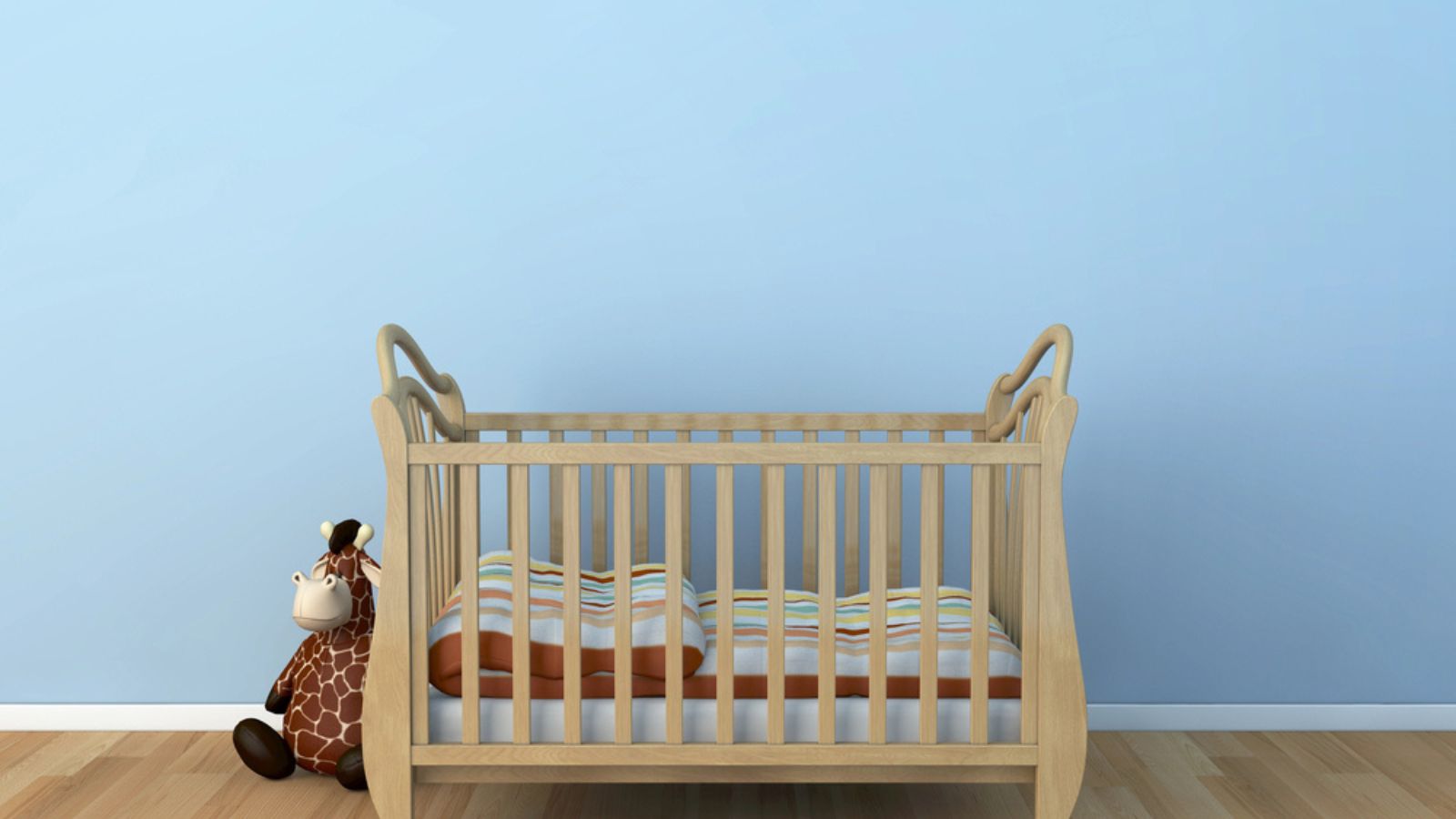
Image Credit: Depositphotos.com.
Why They Can’t Be Donated: Due to frequent recalls and evolving safety standards, cribs are often deemed unsafe by nonprofits.
What to Do Instead: If the crib complies with the latest safety standards, consider donating it to friends or family. Otherwise, look into furniture recycling programs for wood and metal components.
6. Bicycle Helmets

Image Credit: Depositphotos.com.
Why They Can’t Be Donated: Helmets may suffer unseen damage or fail to meet current safety standards, making them potentially unsafe for reuse.
What to Do Instead: Cut the straps and recycle the plastic parts. Some bike shops or manufacturers might participate in helmet recycling programs.
7. Food

Image Credit: Shutterstock.
Why They Can’t Be Donated: General donation centers refuse perishables due to spoilage risks. Open or expired items are also a no-go.
What to Do Instead: Donate unopened, in-date food to local food banks or shelters. Compost expired items that are still safe as organic matter.
8. Lots of Books

Image Credit: Shutterstock.
Why They Can’t Be Donated: Large collections of books are frequently declined due to space constraints.
What to Do Instead: Donate to schools, libraries, or charity book drives. Alternatively, sell or give them away online via platforms like Freecycle.
9. Computer Monitors

Image Credit: Shutterstock.
Why They Can’t Be Donated: Older monitors may carry hazardous materials and are costly to recycle.
What to Do Instead: Bring them to an electronics recycling drop-off site. Many manufacturers also have recycling initiatives for outdated technology.
10. Home Heating Equipment
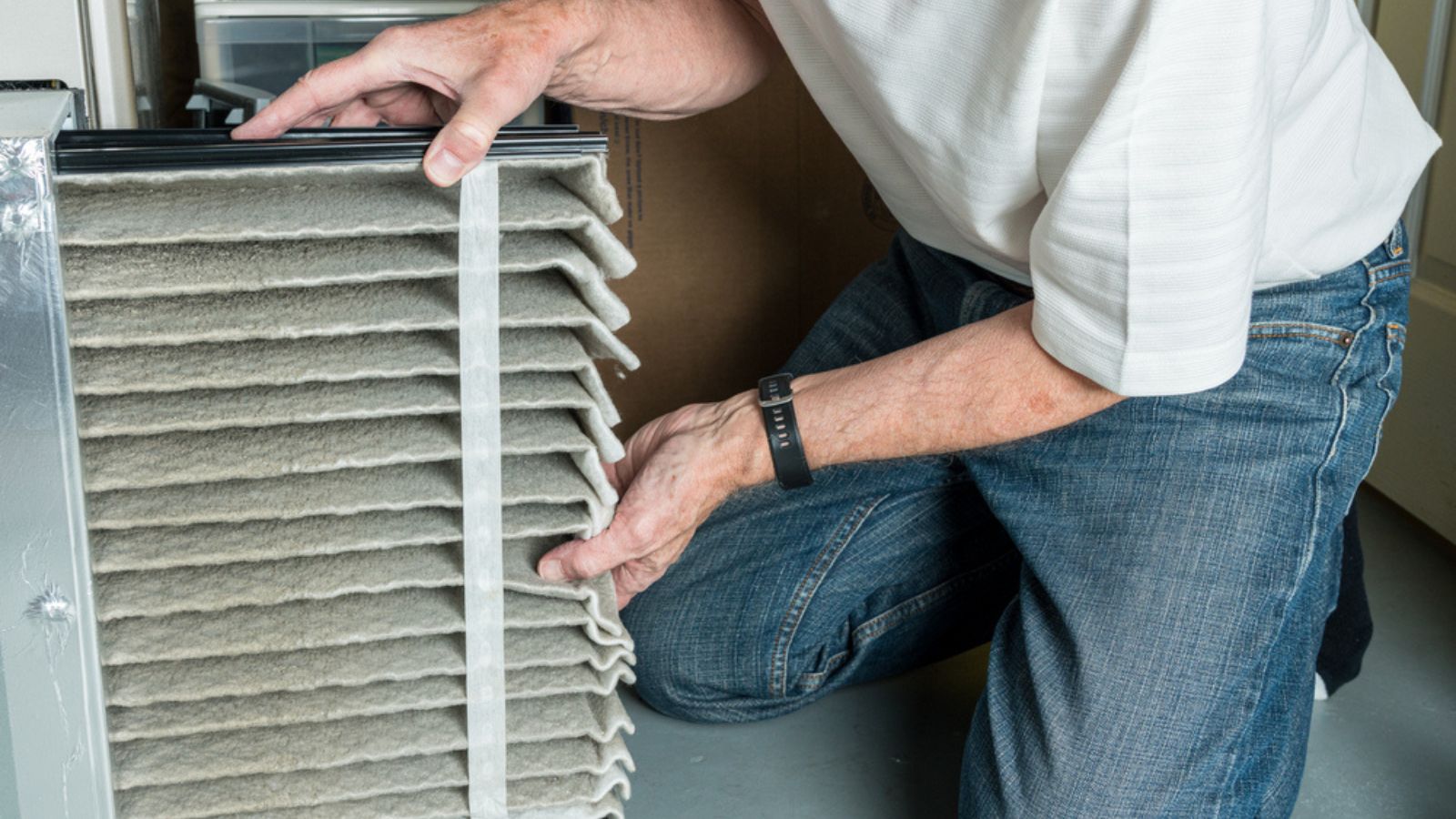
Image Credit: Depositphotos.com.
Why They Can’t Be Donated: Furnaces and water heaters are bulky and can pose hazards due to age or improper handling of materials like gas or combustion residue.
What to Do Instead: Contact local HVAC services to see if they recycle heating devices or convert them into scrap material.
11. Gas Grills
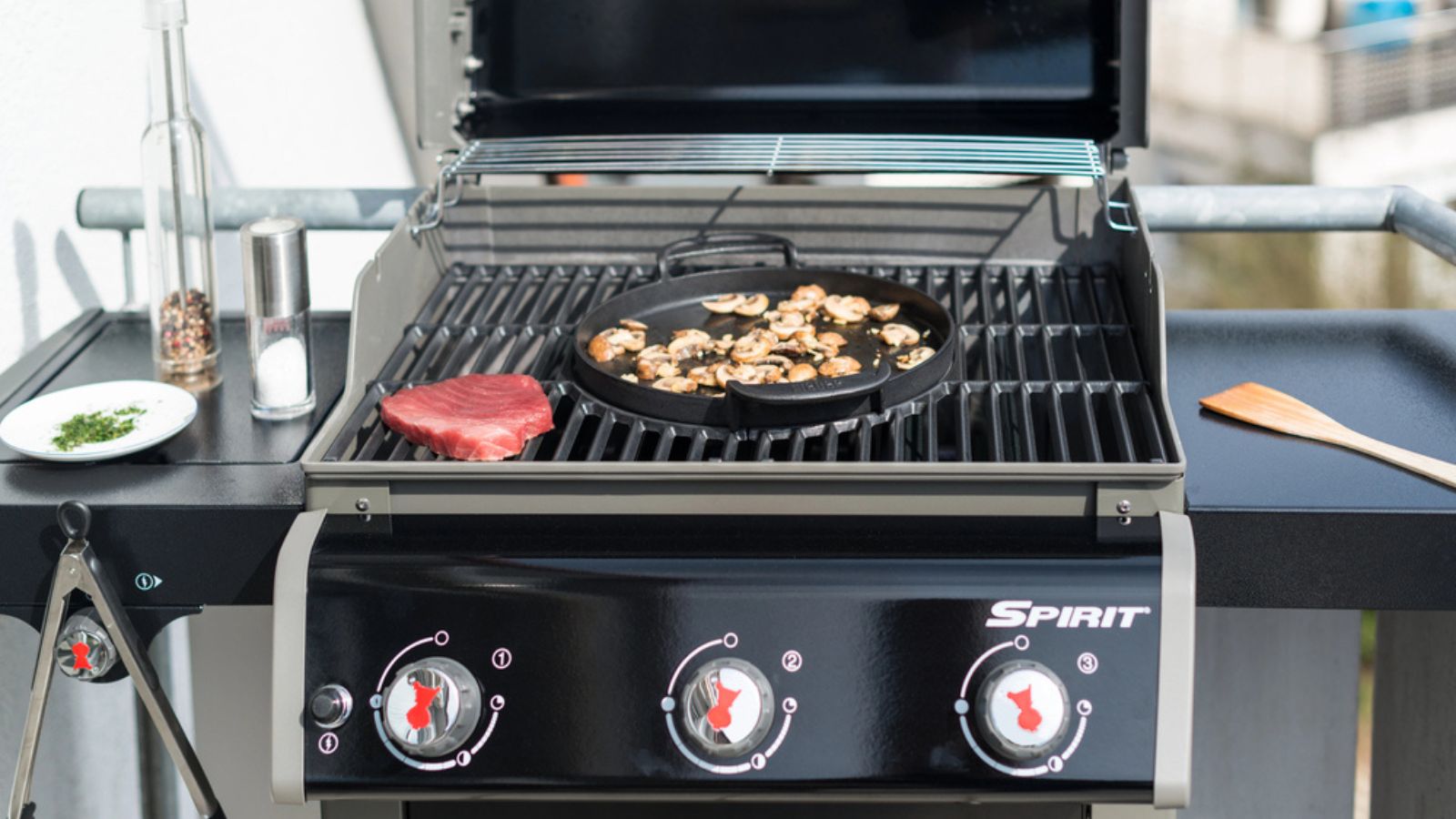
Image Credit: Depositphotos.com.
Why They Can’t Be Donated: Grills with igniters or gas components can be risky for handlers, especially if leaking chemicals are involved.
What to Do Instead: Repurpose metal parts through scrap metal recycling programs. Discard other elements, like hoses, responsibly at relevant facilities.
12. Air Conditioners

Image Credit: Depositphotos.com.
Why They Can’t Be Donated: Air conditioners often contain harmful coolants that can damage the environment if mishandled.
What to Do Instead: Schedule environmentally friendly disposal through HVAC specialists or local waste management authorities.
13. Walking Aids

Image Credit: Depositphotos.com.
Why They Can’t Be Donated: Safety recalls and legal liabilities often prevent nonprofits from accepting walkers, canes, or crutches.
What to Do Instead: Donate to medical charities that refurbish mobility aids for redistribution if they’re in excellent condition. Many hospitals or shelters also accept them for temporary use.
14. Household Cleaning Products

Image Credit: Depositphotos.com.
Why They Can’t Be Donated: Chemicals like bleach and solvents are hazardous to handle and store.
What to Do Instead: Check with your local hazardous waste disposal center to safely discard unused cleaning products.
15. Auto Parts
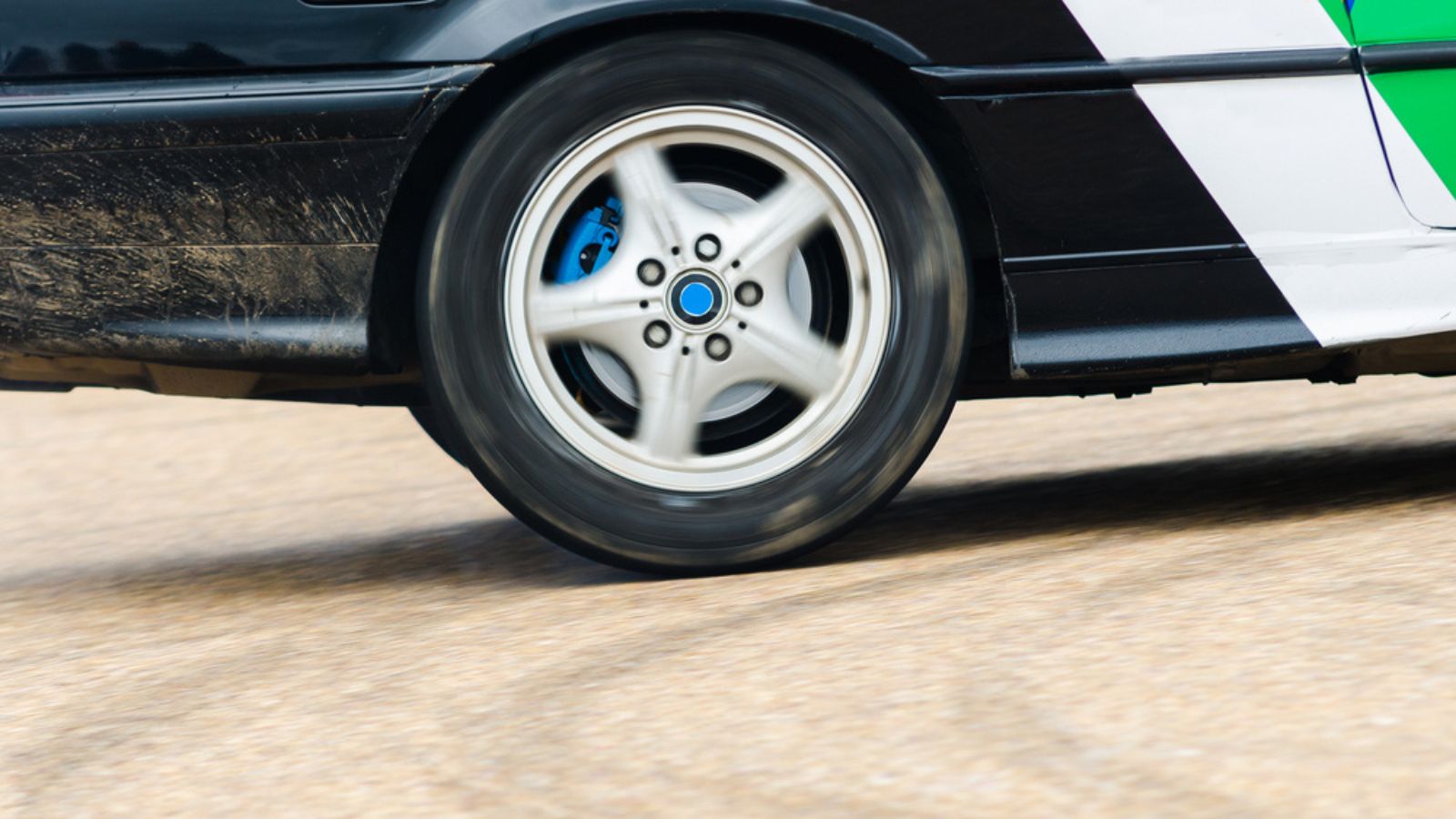
Image Credit: Depositphotos.com.
Why They Can’t Be Donated: Components like tires, wheels, and batteries are costly to transport and dispose of properly, so they’re often refused.
What to Do Instead: Leave used tires or parts with your mechanic or local auto shop, as many participate in recycling or disposal programs.
16. Hair Care Products

Image Credit: Shutterstock.
Why They Can’t Be Donated: Opened or expired hair care products are unsanitary for donation.
What to Do Instead: Dispose of nearly-empty containers responsibly or recycle bottles if they’re made from recyclable plastic.
17. Building Materials

Image Credit: Shutterstock.
Why They Can’t Be Donated: Bricks, piping, and spare tiles are typically declined due to their bulk and niche reuse potential.
What to Do Instead: Donate leftovers to construction resale centers like Habitat for Humanity’s ReStores, or offer them free online to DIY enthusiasts.
18. Mattresses

Image Credit: Shutterstock.
Why They Can’t Be Donated: Mattresses carry hygiene risks, including potential for bedbugs. Many state laws forbid their sale or redistribution.
What to Do Instead: Look for specialized mattress recycling programs that dismantle and repurpose materials like foam, wood, and springs.
19. Expired Medication
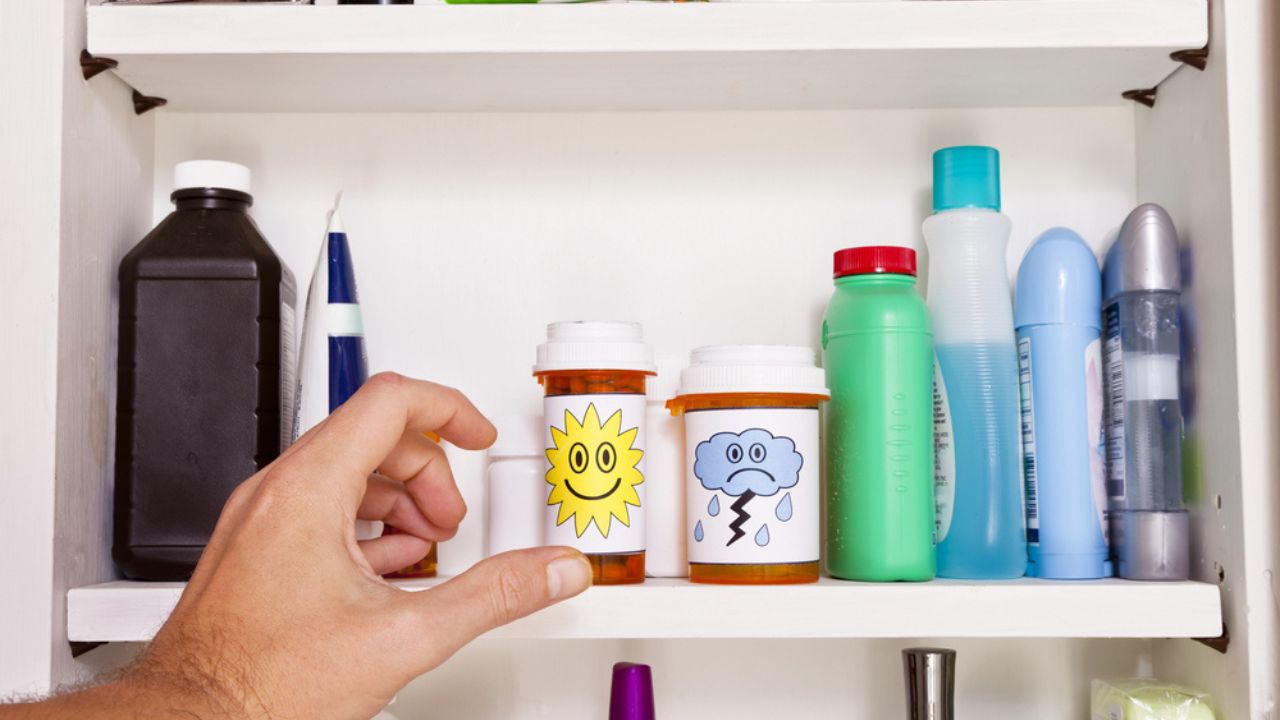
Image Credit: Depositphotos.com.
Why They Can’t Be Donated: Expired medications are unsafe for consumption, even if unopened, and can’t be legally redistributed.
What to Do Instead: Participate in local “Drug Take-Back” days or bring unused medicine to your pharmacy for disposal. Never flush medication, as it contaminates water supplies.
20. Worn-Out Shoes
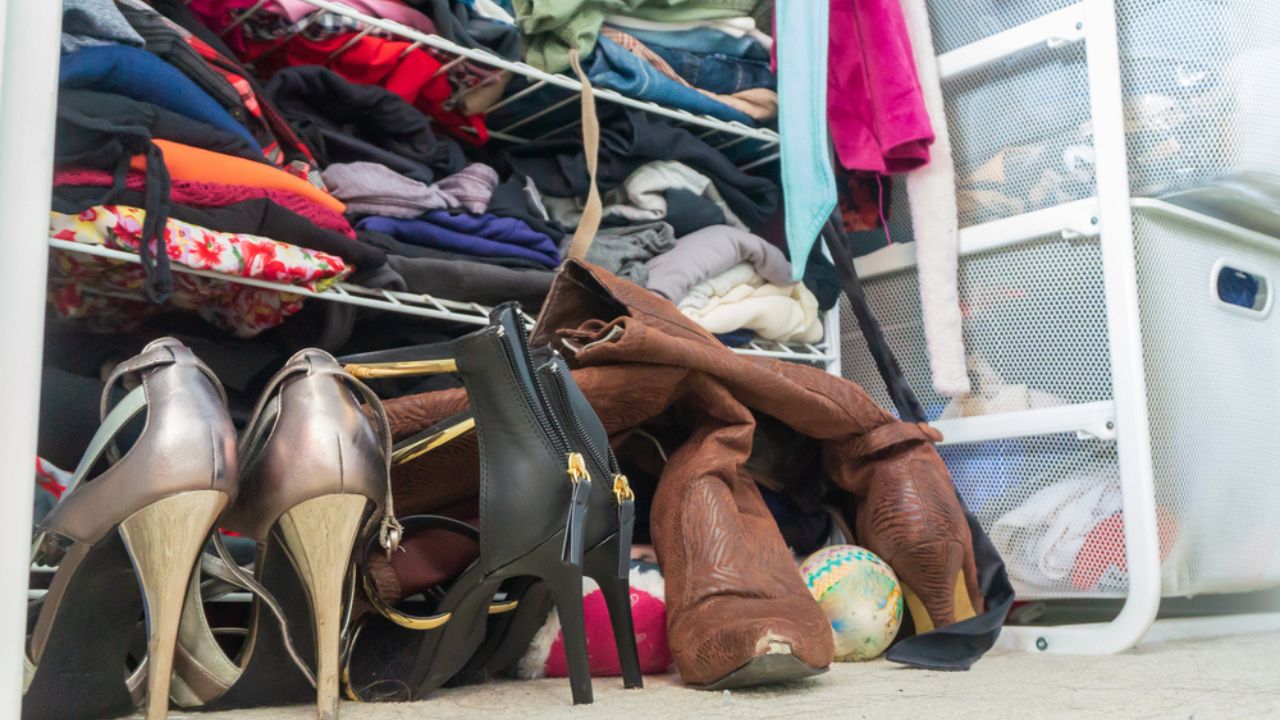
Image Credit: Depositphotos.com.
Why They Can’t Be Donated: Shoes that are overly worn or damaged lack the quality and longevity required for resale or reuse.
What to Do Instead: Donate gently used pairs to shoe-specific charitable drives. For completely worn-out shoes, check for recycling options like Nike’s Reuse-A-Shoe program.
Dealing with Waste and Consumerism

Image Credit: Depositphotos.com.
Donation centers can only handle so much, which is why reducing waste and rethinking our consumer habits are essential steps toward sustainability. Here are some practical steps to consider:
- Buy Less, Choose Better: Focus on quality over quantity. Durable goods last longer, reducing the need for frequent replacements.
- Repair and Repurpose: Before disposing of broken items, explore repair or upcycling options. For example, old t-shirts can be turned into cleaning rags.
- Borrow or Rent: For tools and equipment you rarely use, consider borrowing from neighbors or renting instead of buying.
- Recycle Responsibly: Research local recycling programs for items like electronics, metals, and textiles.
- Host a Swap: Organize a community event where people can exchange unwanted items.
By thinking critically about what we buy, donate, or dispose of, we can reduce our impact on landfills while ensuring donation centers receive items they can actually use. Together, these small changes make a big difference.
Donate, Toss, or Consider Other Options?
Image Credit: Depositphotos.com.
Knowing what items shouldn’t be donated is just as important as knowing what can be. By understanding donation limitations and exploring alternative disposal or recycling options, you can declutter your home while promoting a more sustainable and waste-conscious lifestyle. Choose wisely, and your actions will benefit not just your living space but the planet as well.