

More than 50% of the world’s population is online, so sharing unrestricted information with others seems like the default setting, no matter how trivial or personal. You log in, and in less than a minute, you know where your old middle school teacher is holidaying, how much a cousin’s wedding dress costs, and you have a room-by-room tour of your pet sitter’s uncle’s home in Croatia.
While sharing information online or in person can sometimes be helpful (or just entertaining), certain things should be kept private to maintain your physical and mental safety, even from friends and some family members.
Sharing too much personal information can lead to being too exposed and make you an easy target for trolls, stalkers, and even friends or family who unexpectedly turn on you. Remember that it’s okay to share your life (if you choose), but also be cautious and keep the following information private.
1. Passport Information

Photo Credit: Depositphotos.com.
We see people displaying their passports accompanied by the latest travel hashtag, forgetting that passports contain valuable personal information, including your full name, birthdate, nationality, and photograph.
Identity theft, fraud, and unauthorized access to travel-related services can all arise from sharing passport details. You should only divulge such details for official purposes.
2. Your Mother’s Maiden Name

Photo Credit: Depositphotos.com.
Other than the fact that your mother may not appreciate you sharing her maiden name, it can compromise the security of your accounts. A mother’s maiden name is often used as a security question for account verification or recovery purposes.
3. Personal Conversations

Photo Credit: Depositphotos.com.
Screenshots and voice recordings have become the new way to break trust, as people share conversations they had in secret with others for the world. Doing this is a show of bad faith, and it may destroy friendships and relationships.
4. Passwords

Photo Credit: Depositphotos.com.
If you can’t remember your password to save your life, write it on a gadget that you can lock. Your passwords provide access to your private accounts and data; sharing them jeopardizes account security and raises the possibility of identity theft, unlawful access, and data breaches. Check that your passwords are discrete, unique, and strong.
5. Social Security Number (SSN)

Photo Credit: Depositphotos.com.
Your Social Security Number (SSN) is a unique identification used for government benefits and taxation. If it is revealed, there may be financial consequences, identity theft, and fraudulent actions. Give it only to reliable sources for legitimate purposes (e.g., job or tax-related inquiries).
Also, consider signing up for something like LifeLock that will notify you if someone is trying to use your SSN to open a new account of some sort (loans, credit cards, etc.).
6. Bank Account Numbers

Photo Credit: Depositphotos.com.
Fraudsters today will try every trick in the book to get your bank account details. Don’t fall into that trap. This includes credit card numbers, bank account numbers, and other financial account information. Sharing this information may result in fraud, unlawful transactions, and financial loss. Give such details only to money institutions or service providers you may trust- and always double-check that it’s the actual money institute you are communicating with.
7. Personal Identification Numbers (PINs)
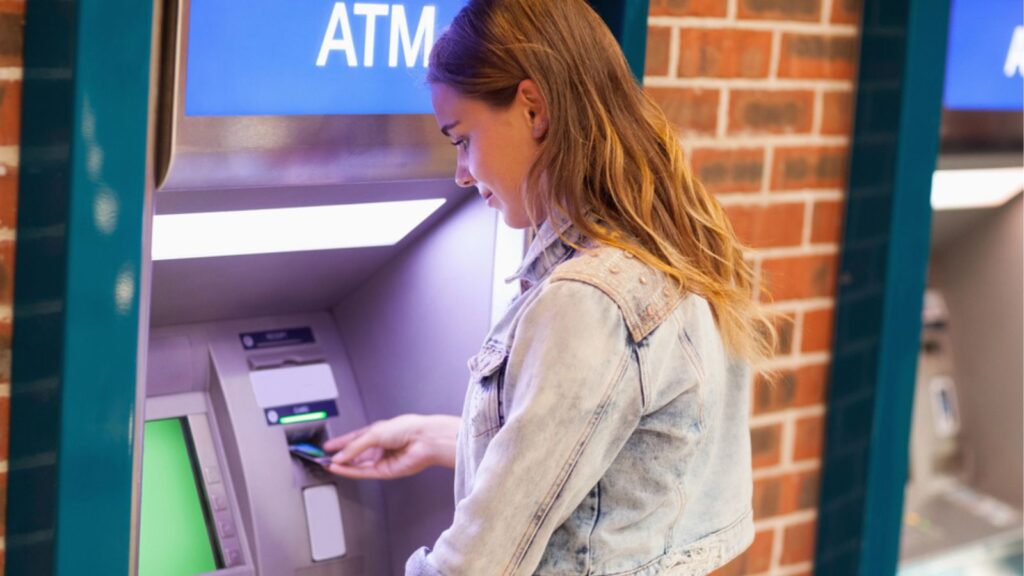
Photo Credit: Depositphotos.com.
If you have a bank card or a smartphone, you have a PIN. Providing your PINs may result in unauthorized entry and misuse of your accounts or devices. Therefore, maintain the confidentiality of your PINs and refrain from disclosing them to anyone.
8. Personal Address

Photo Credit: Depositphotos.com.
In these days of “dropping your pin,” sharing your home address may seem harmless, but it can compromise your safety and privacy if shared with the wrong individuals. Avoid disclosing your personal address to strangers or on public platforms. Consider using an alternate address for certain correspondence if needed, especially if you sell items online or work from home.
9. Personal Health Information

Photo Credit: Depositphotos.com.
You may think it’s harmless to share your medical records, health insurance details, and other health-related information publicly, but it can be risky. You may be discriminated against based on your health status (although technically not legal) or have your identity stolen.
10. Full Birthdate

Image Credit: Shutterstock.
Many people are cautious about revealing their birth dates to keep people from getting their actual ages. It seems there’s a better reason not to publicly share your full birthdate, including day, month, and year: it increases the risk of identity theft, phishing attacks, and social engineering scams.
11. Your Signature

Photo Credit: Depositphotos.com.
A signature is like a thumbprint, but unlike a thumbprint, it can be forged. Avoid showing people your signature and how you do it, as they can unknowingly use it to access your sensitive information or authenticate documents on your behalf.
12. Login Credentials for Online Accounts

Photo Credit: Depositphotos.com.
Someone can steal from you or act on your behalf without your knowledge, just by having your online login credentials. Avoid sharing your login codes, even for your social media accounts, with other people.
13. Security Questions and Answers

Photo Credit: Depositphotos.com.
If you reveal to others that your favorite childhood pet is your security answer, you may soon be a victim of theft, material, or identity theft. Account recovery and authentication frequently employ security questions and answers. Your account security is compromised if you share the answers to security questions or use information that is simple to figure out.
14. Driver’s License Number

Image Credit: Shutterstock.
Government agencies provide this distinctive ID for driving privileges and identity purposes. Giving out your driver’s license number puts you at risk for fraud, identity theft, and privacy violations.
15. Phone Number
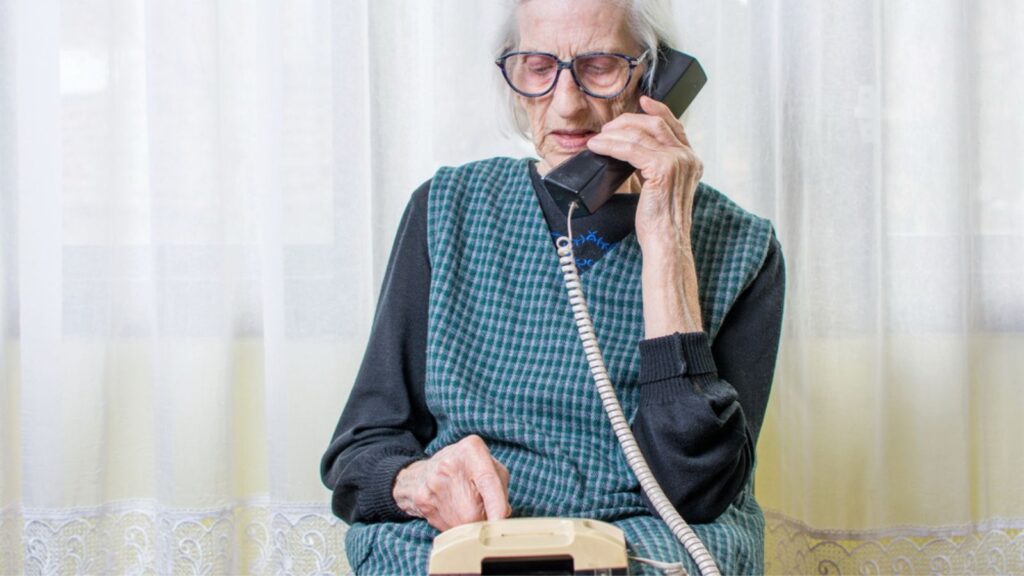
Photo Credit: Depositphotos.com.
A telephone number is arguably the most shared number, but it’s not always safe to share it. Sharing your phone number with unauthorized individuals can lead to unsolicited calls, text messages, and phishing scams.
16. Your Academic Records

Photo Credit: Depositphotos.com.
While everyone knows where you went to school, information about your academic records should not be shared. Keep your transcripts and certificates private to avoid being a victim of fraud.
17. Detailed Employment History

Photo Credit: Depositphotos.com.
It’s not a good idea to give people detailed employment history, including job titles and salary information. This information can shape people’s opinions of you and lead to privacy violations, identity theft, or employment-related discrimination.
Protecting your data (and home) is crucial for maintaining your security and privacy. Therefore, use extra caution when conversing over the phone or online, as these channels are susceptible to fraud and data breaches.