

Selling your home successfully means far more than just setting the right price. The way you prepare, decorate, and maintain your property can have a huge impact on the speed and profit of your sale. Buyers are drawn to clean, well-staged spaces filled with light and possibilities—not rooms that are cluttered, neglected, or dated. Paying attention to every detail, inside and out, puts your home at the top of every potential buyer’s list.
Here’s how to sidestep the most common—and often overlooked—home prep and aesthetic mistakes, making your property both eye-catching and market-ready.
A Note Before You Start

Image Credit: Shutterstock.
Every home, neighborhood, and region has unique quirks and buyer expectations. Your home-selling journey will be shaped by local climate, seasonal considerations, and even trends unique to your city or street.
The strategies listed here are proven starting points, but the best results come from tailoring your approach. Consult a local realtor for insight into what features buyers love, how to reach the right market, and the top mistakes to avoid in your specific area. They’ll help you fine-tune your prep and decor so your home shines in any market.
1. Neglecting Curb Appeal
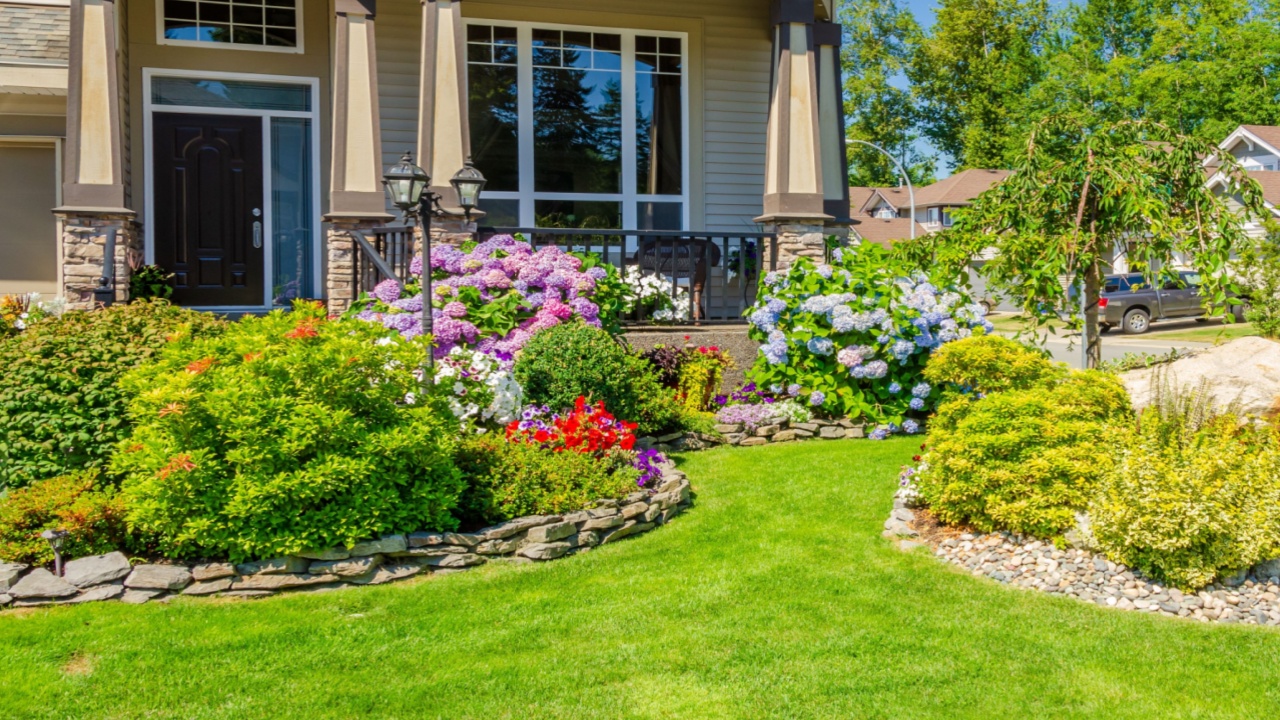
Image Credit: Shutterstock.
Your home’s exterior is the handshake before the door opens—a first impression you only get once. Neglected lawns, overgrown beds, and faded paint are all eyesores that can make buyers question the care given elsewhere.
Invest in routine mowing, edge garden beds, trim shrubs, and refresh with seasonal flowers. Power wash walkways, repair loose paving, and touch up railings or the mailbox. Install fresh house numbers and clean outdoor lighting for a modern, cared-for appearance. A brightly painted front door or stylish new doormat sends a welcoming signal and elevates the property’s perceived value.
Actionable Insight: Stand back from the curb and check: Is anything broken, dingy, or messy? Would someone slow down to look closer, or just drive by?
2. Overlooking a Deep Clean
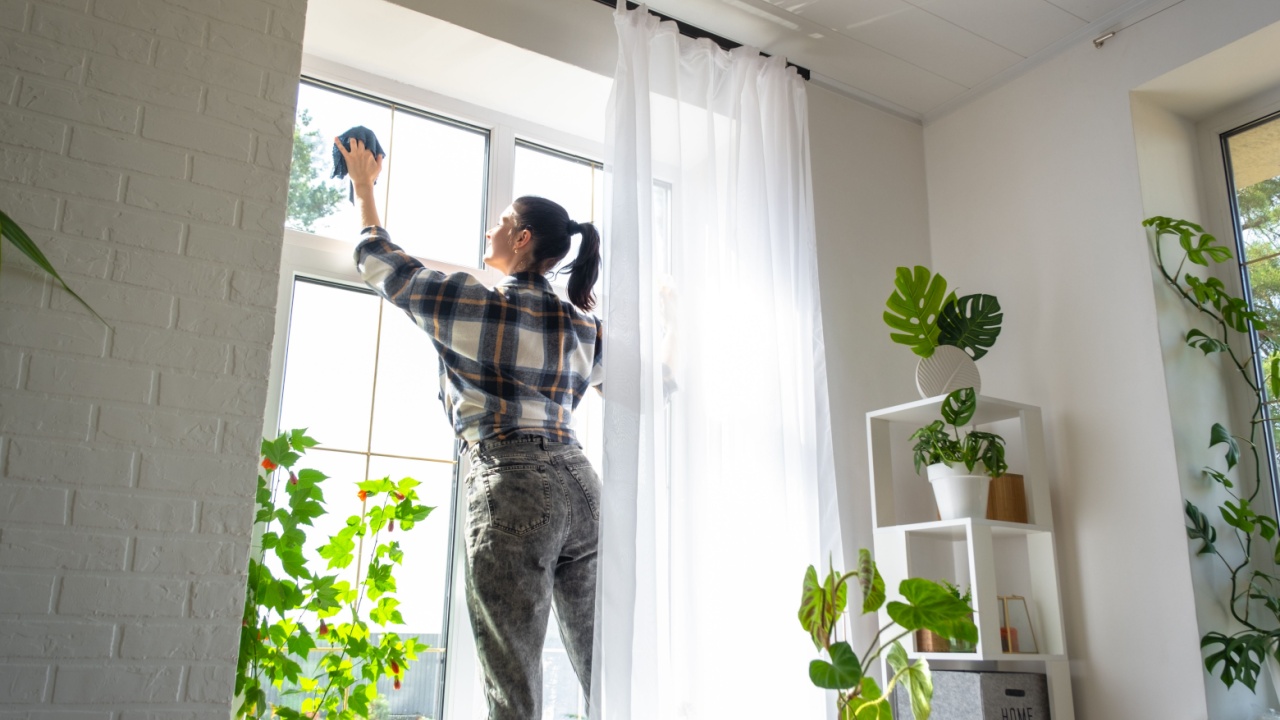
Image Credit: Shutterstock.
Grime and dust are red flags to buyers, suggesting ignored routine maintenance. Go beyond a quick tidy—clean all window tracks, scrub tile grout, wipe fan blades and baseboards, steam carpets, and polish every surface until it shines.
Check hidden areas: inside appliances, behind toilets, and under sinks. Pay special attention to entryways, kitchens, and baths—these should gleam. If cleaning isn’t your forte, invest in a reputable cleaning service before listing. Buyers often cite cleanliness in their first impressions, and sparkling homes sell faster.
Pro Tip: Use low-scent or unscented cleaning products and be vigilant about trash and pet odors before each showing.
3. Ignoring Clutter

Image Credit: Depositphotos.com.
Visual chaos makes a home look smaller and distracts from its features.
Declutter every surface—counters, desks, bookshelves—and pack away out-of-season clothes, overflowing toys, and bulk pantry items. Rent a storage unit if needed; don’t cram closets. Organized, open shelves and minimal furniture let buyers see space, not stuff. Tidy mudrooms and garages, too. Less is always more; aim for a “move-in-ready” blank canvas.
Bonus: Create “breathing room” on shelves and tabletops by using decorative baskets, fewer books, and just one or two neutral accents.
4. Letting Personal Items Dominate
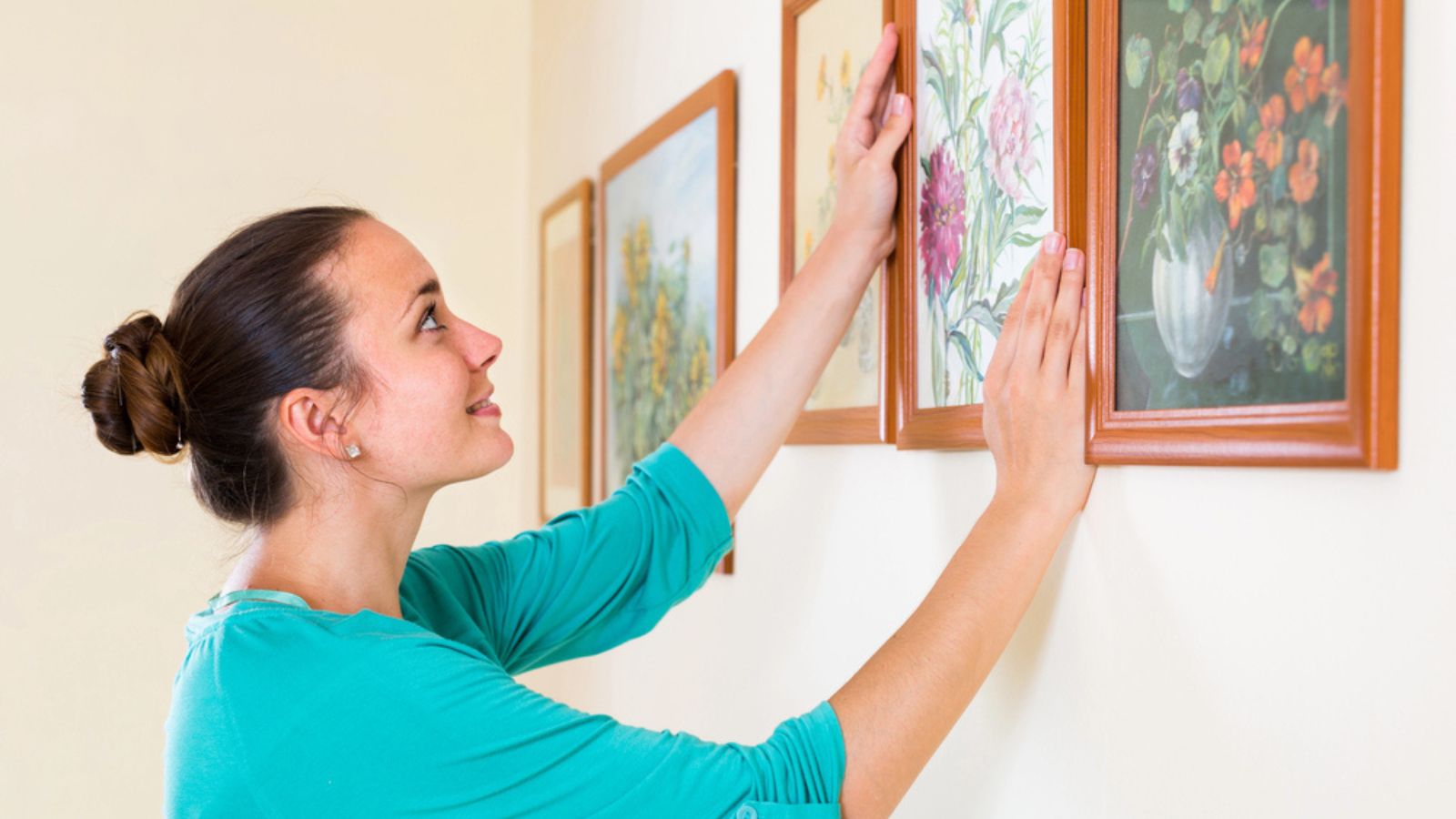
Image credit: Depositphotos.com.
When buyers are faced with your wedding photos, diplomas, or treasured memorabilia, it challenges them to imagine their own story in your home. Remove personal items, from family portraits to sports trophies, and replace with neutral, appealing art and accent mirrors. Store toothbrushes and cosmetics in drawers, and hide everyday clutter in baskets. In children’s rooms, pack away name plaques or themed decor.
The more universally welcoming your space feels, the easier it is for buyers to see themselves making memories there.
Realtor’s Note: “A buyer’s lingering emotional connection is stronger when they can picture their life in the home—not yours.”
5. Neglecting Small Repairs

Image Credit: Shutterstock.
Little flaws—chipped paint, leaky faucets, loose door handles—signal bigger hidden problems. Address the fix-it list: tighten knobs, lubricate hinges, replace burnt bulbs, and patch wall dings. Hit every door, drawer, and window to ensure smooth operation. Even a simple switch from old to fresh outlet covers can modernize a room. Proactive repairs also reduce issues uncovered in inspection, putting you in a stronger position when negotiating.
Quick Fix: Spend a weekend walking room to room with a notepad—if it squeaks, leaks, or sticks, fix it.
6. Outdated or Heavy Window Treatments

Image Credit: Shutterstock.
Natural light is a selling point buyers crave. Remove dusty drapes, dark blinds, or overdone valances. Replace with light-filtering, neutral curtains or modern shades that highlight the windows without blocking the sun. Clean windows and screens thoroughly for pristine views.
Light, open windows create a cheerful, larger-feeling home and look fantastic in listing photos.
Pro Decor Tip: Hang rods higher and wider than the frame for a grander sense of scale and light.
7. Dated or Too-Bold Paint Colors

Image Credit: Shutterstock.
Painting may be the highest-ROI improvement you can make. Loud accent walls, kids’ murals, or dated color palettes limit appeal. Freshen every room in a contemporary neutral: think warm beige, pale gray, or soft white. If your woodwork is scuffed, paint baseboards, trim, and doors to match. One uniform palette throughout flows well and feels professionally updated.
Style Insight: If painting yourself, use high-quality paint for a smoother finish and better coverage; buyers spot cheap shortcuts.
8. Skipping Curbside and Outdoor Staging
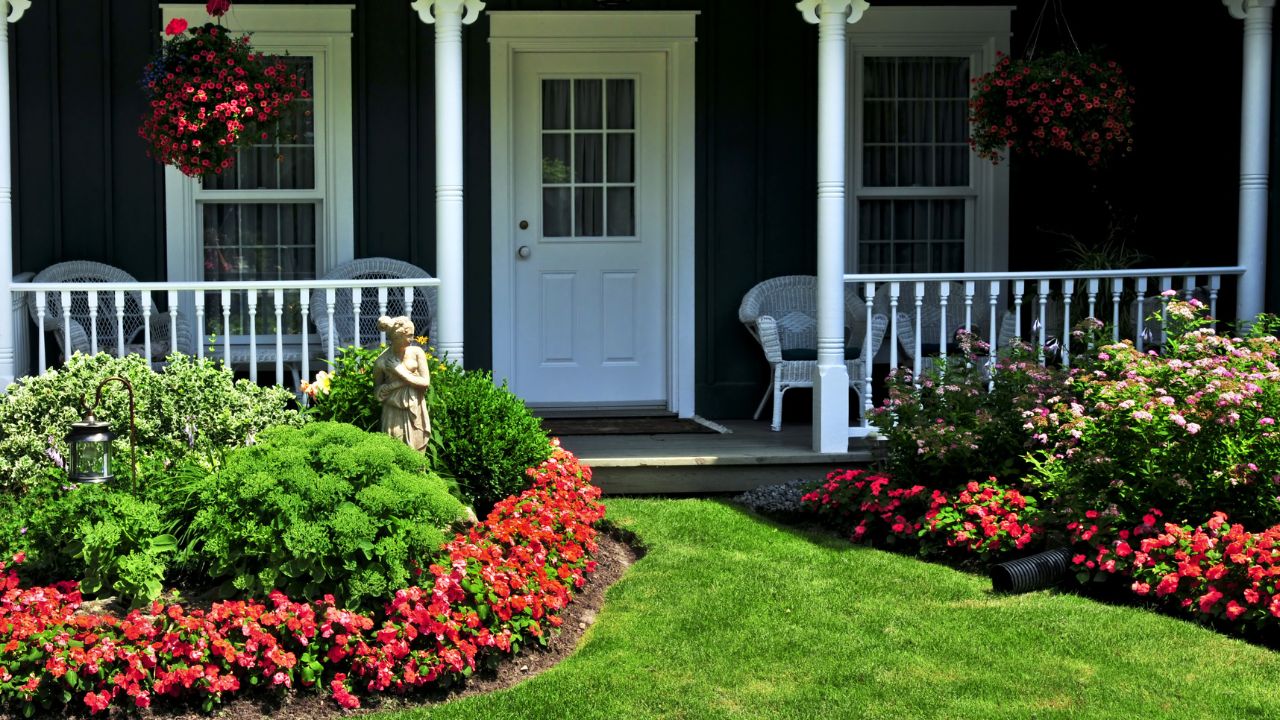
Image Credit: Shutterstock.
Curb appeal goes beyond a mowed lawn or a decluttered driveway.
The experience of arriving at your home should be inviting and memorable. Arrange porch seating and add vibrant planters. Power wash porches and entry areas, and swap out an old doormat for a crisp, new one. At dusk, use soft solar path lights or porch lanterns for a cozy, safe ambiance. Tidy mailboxes, clean house numbers, and ensure the approach is welcoming year-round.
Extra Touch: For showings, display seasonal wreaths, fresh potted plants, or a simple bench.
9. Overgrown Trees and Landscaping

Image Credit: Shutterstock.
Wild, overgrown trees and bushes send a signal of deferred maintenance and can block valuable natural light. Prune regularly and keep all plantings below window height. Pull weeds, apply fresh mulch, and plant easy-care groundcovers to fill bare spots. A neat, defined border visually expands outdoor spaces and makes walkways safer and more appealing.
Planting Hack: Use annuals for quick color and low-budget curb appeal.
10. Letting Closets and Storage Overflow

Image Credit: Depositphotos.com.
Storage space consistently ranks high with buyers. Avoid the temptation to cram closets—half-full, tidy shelves assure buyers there’s space to spare. Use matching hangers, add shelf baskets for small items, and remove everything from the floor. For pantries, group cans and boxes so the shelves look orderly and accessible. Well-presented storage spaces create the illusion (and often the reality) of a well-organized, functional home.
Tip: Consider temporary offsite storage for bulky or little-used items.
11. Ignoring the Garage or Shed
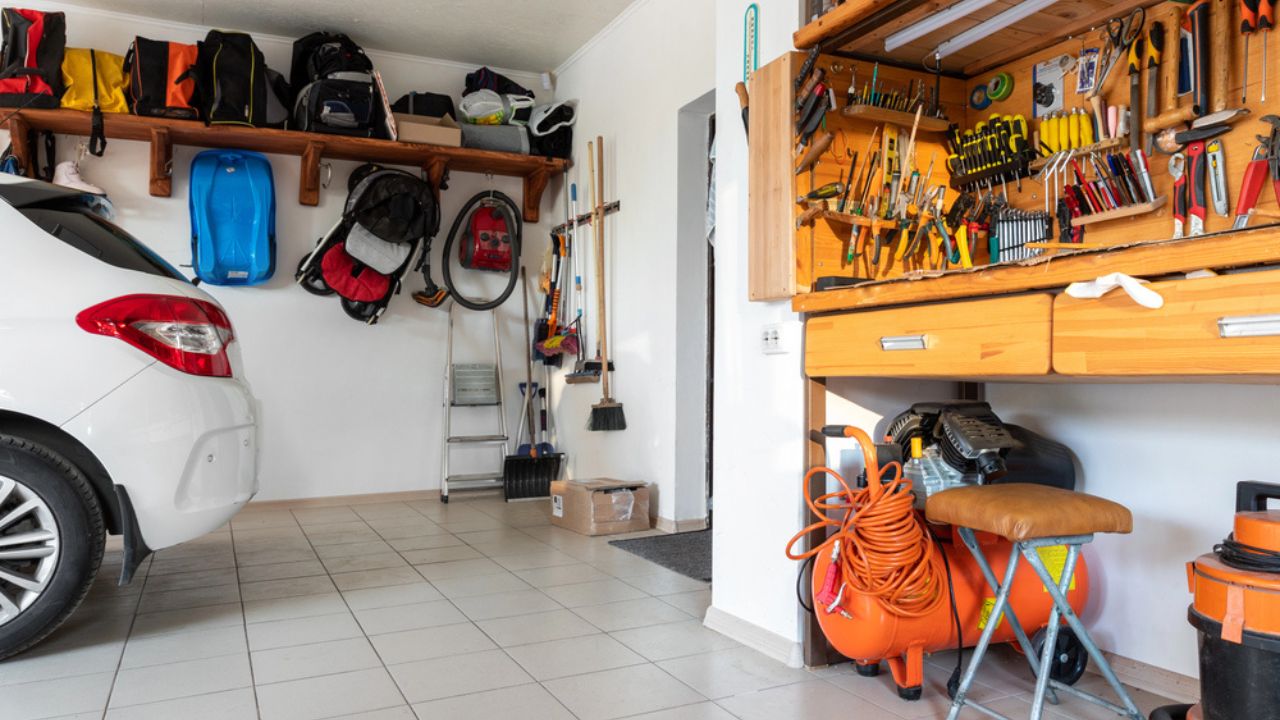
Image Credit: Depositphotos.com.
A clean, organized garage or outbuilding suggests ample storage and easy living. Sweep floors, neatly hang tools, and use labeled bins for gear. Remove oil stains and cobwebs. If possible, remove a vehicle to highlight available space. Presenting the garage as more than a clutter catchall hints at bonus storage, home gym space, or hobby zones that can set your home apart.
DIY Note: Pegboards and shelves make a huge difference, installing a few is usually inexpensive and fast.
12. Insufficient or Dreary Lighting

Image Credit: Shutterstock.
Aside from natural light, lighting can make (or break) a showing—buyers naturally gravitate to bright, cheerful spaces. Install high-output, soft white LEDs in living areas, and use lamps strategically in dim corners. In kitchens, add under-cabinet tap lights. Check glass shades for dust and replace dated, yellow bulbs. Good lighting also makes listing photos pop and makes spaces feel larger.
Staging Tip: Before every showing or photo session, turn all lights on—even in closets, hallways, and the garage.
13. Dirty Floors and Rugs

Image Credit: Depositphotos.com.
Buyers scrutinize floors. Deep clean carpet, shampoo area rugs, and polish hardwood or tile. Replace old, worn carpets or cover with stylish area rugs in a neutral shade if re-flooring isn’t in budget. Clean floors send a “move-in ready” message and visually expand rooms.
Quick Win: Store old or mismatched rugs during showings; let your best flooring show through.
14. Ignoring Kitchen and Bath Updates
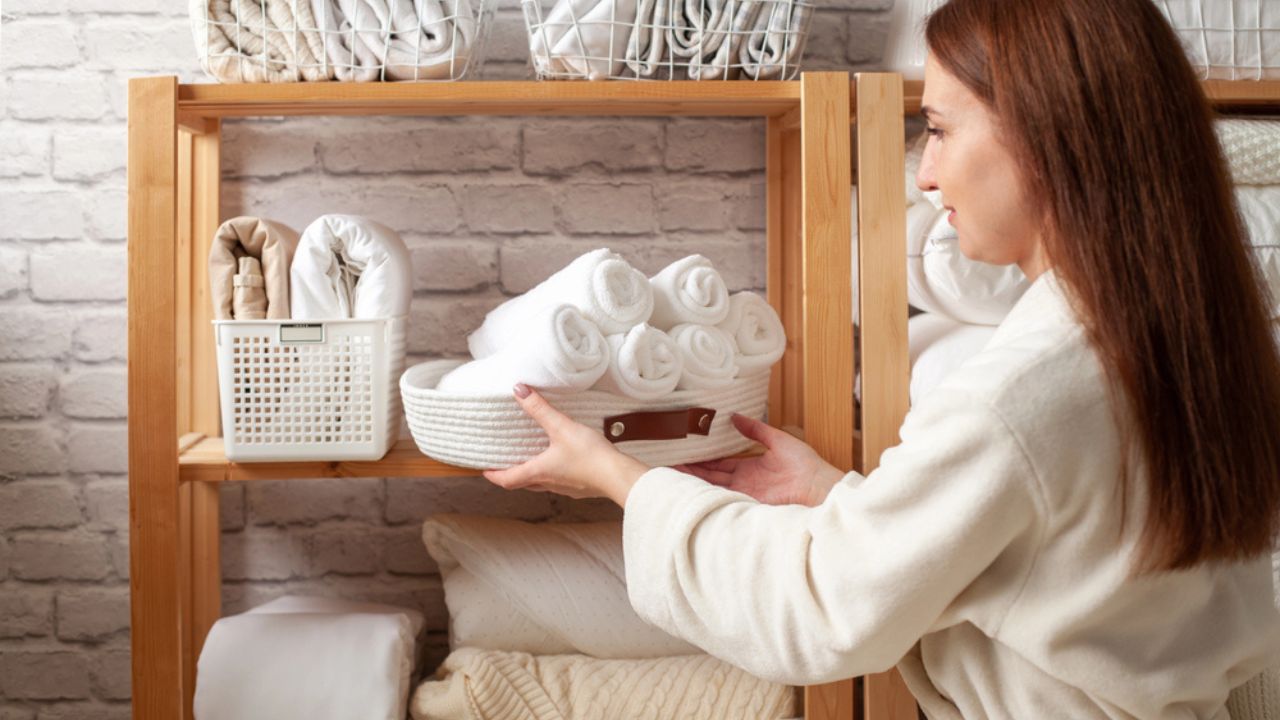
Image Credit: Depositphotos.com.
These high-traffic areas are dealbreakers for many. If you can’t update appliances, clean them thoroughly. Refresh caulk around sinks and tubs, re-grout tile where necessary, and switch out cabinet hardware for an instant update. New light fixtures, modern faucets, and replaced mirrors can have a significant visual impact for little cost.
Pro Tip: Arrange counters with a few tasteful, functional items—think a vase of fresh flowers, bowl of lemons, or plush stacked towels.
15. Letting Odors Linger

Image Credit: Depositphotos.com.
Unpleasant smells—be it pets, mildew, food, or smoke—are instant turnoffs. Deep clean upholstery, carpets, curtains, and pet bedding. Air out the house daily and consider an air purifier for stale smells. Avoid cooking pungent foods before open houses. If all else fails, hire a pro odor-removal service. Buyers will rarely overlook a lingering odor, no matter how stunning the home.
Realtor Advice: Scented candles or sprays should be subtle and never overbearing—buyers are wary of what’s being covered up.
16. Forgetting Seasonal Details and Decor
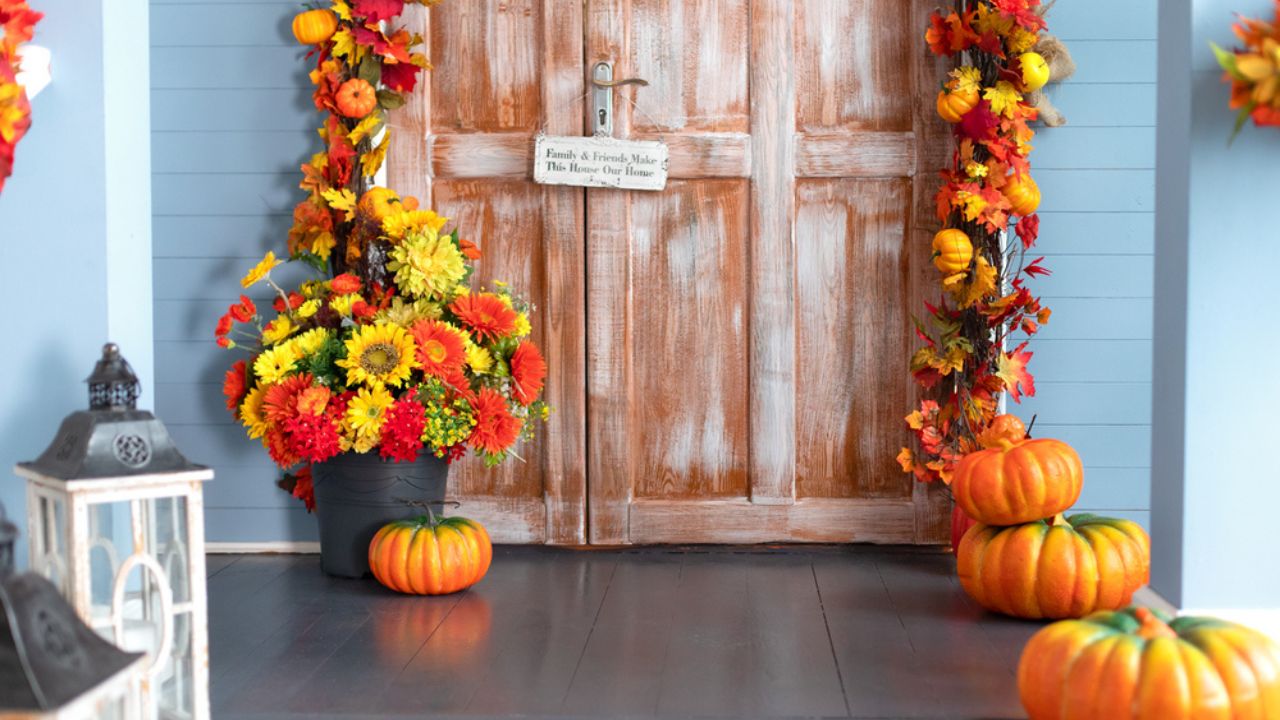
Image Credit: Depositphotos.com.
Out-of-season decorations or dead holiday lights send a careless message. Always keep outdoor spaces seasonally current: pumpkins or mums in fall, lush planters in summer, evergreens in winter. Change doormats with the seasons and keep walkways clear of leaves or snow.
Tip: When preparing your listing photos, use seasonal touches to highlight your home’s potential year-round.
17. Overpricing, Odd Pricing, and Realtor Collaboration

Image Credit: Depositphotos.com.
Striking the right price is one of the most critical decisions when selling your home. Setting it too high can lead to your property sitting on the market, eventually leading to price drops that make buyers wonder what’s wrong. Similarly, odd pricing tactics—like listing at an unconventional number in hopes of standing out—often just confuse buyers or make the listing seem gimmicky.
Real Estate Insight: A trusted local realtor is invaluable here. Not only can they provide a comparative market analysis, but they’ll also know the nuances of what buyers in your area expect. Collaboration helps ensure your price fits recent sales, aligns with search brackets, and is appealing without being suspicious.
Pro Tip: Always review pricing strategy with your agent, and be flexible if feedback from showings or open houses suggests a needed change. A well-priced home not only sells faster, but you’re more likely to get strong, clean offers from serious buyers.
18. Letting a Home Sit on the Market Without Adjustments

Image Credit: Depositphotos.com.
If your home is on the market for weeks without offers, take feedback from showings seriously. Is it price, condition, or something else? Adjust promptly and set a scheduled review date for possible price reductions.
Strategic Move: Establish in advance a window in which you’ll drop the price or make updates if there’s low activity.
19. Ignoring Local Comps and Appraisal Data

Image Credit: Depositphotos.com.
Savvy buyers know the comps. Failing to base your asking price on recent, local comparable sales can cost you. Research all sales in the past 90 days and focus on homes with similar square footage and features. Present your agent with a list of improvements for your appraiser or potential buyers.
Tip: Keep a record of major upgrades and dates completed for credibility.
20. Going Solo Without Realtor Guidance

Image Credit: Depositphotos.com.
While selling your home yourself (FSBO) can seem like a way to save on commissions, it often costs you in other ways. An experienced realtor brings in-depth expertise on local market trends and pricing strategies that help your home attract serious buyers. Realtors are also skilled negotiators, able to secure the best possible price and terms on your behalf—something that can be challenging for homeowners unfamiliar with real estate contracts and buyer psychology.
Beyond negotiations and paperwork, realtors offer connections to a broad network of buyers, other agents, and industry professionals, multiplying your exposure far beyond what you could achieve alone. They’ll also coordinate showings, screen prospects, and handle the many moving parts that come with marketing and selling a house. This all saves you time, stress, and reduces the likelihood of costly mistakes.
21. Choosing the Wrong Realtor

Image Credit: Depositphotos.com.
Choosing the first realtor you come across online isn’t a smart choice. Do your homework.
Interview multiple agents, ask for references, and choose someone with proven experience selling homes in your area—especially if they have a strong digital marketing presence and clear communication style.
22. Turning Down Showings

Image Credit: Shutterstock.
If prospective buyers can’t get in, they’ll move on. Be flexible and open to last-minute showings, even though it can be inconvenient. The more eyes on your home, the faster it’ll sell—and often, for more money.
Tip: Keep a quick-clean basket handy and a checklist for fast prep before each showing.
23. Skimping on Quality Listing Photos

Image Credit: Shutterstock.
Phone snapshots aren’t enough to compete in today’s market. Professional real estate photographers understand staging, angles, and lighting that make your home stand out online—where almost all buyers start their search. Beautiful photos can mean more showings and drive up the sale price.
Action Step: Invest in professional photos before listing. If seasons are changing, ask for exterior shots in different weather to keep your online listing current.
24. Not Preparing for Inspections and Appraisals
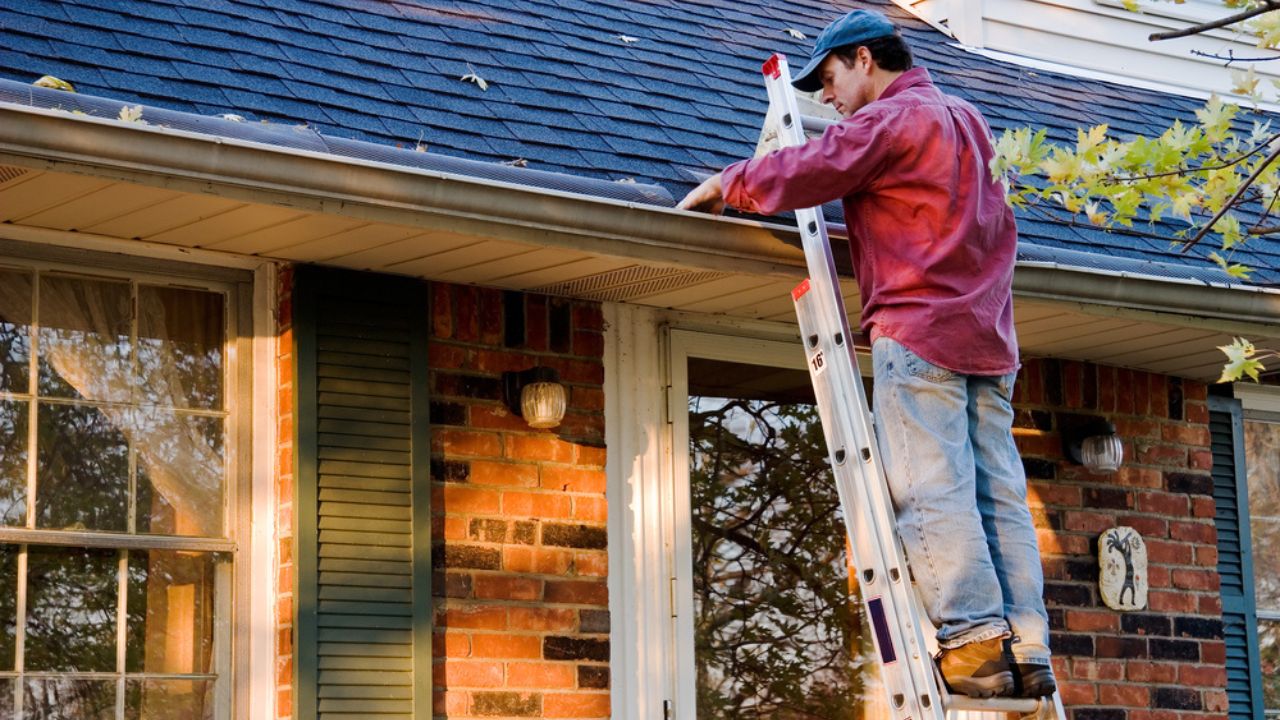
Image Credit: Shutterstock.
Surprises after an offer can derail a sale or lead to expensive renegotiations. It’s common for inspections to uncover issues like leaky faucets, malfunctioning garage doors, cracked foundation walls, worn roofing, or outdated electrical outlets. Even small problems—such as loose stair railings, non-working smoke detectors, or clogged gutters—can give buyers pause or lead them to ask for repairs or credits at closing.
By proactively addressing these concerns before listing, you not only speed up the selling process but also present your home as well-cared-for and move-in ready. Keep receipts and documentation for all repairs and maintenance. Taking the time to walk through your home as if you’re the inspector—checking everything from the HVAC system to attic insulation—can highlight improvements needed before buyers ever step inside.
Best Practice: Schedule a pre-listing inspection for peace of mind and to minimize any surprises that might impact negotiations later.
25. Losing Track of Paperwork & Warranty Info

Image Credit: Depositphotos.com.
Buyers often request manuals, warranties, and receipts for appliances or upgrades. Start a binder with all relevant home info before listing so you’re ready for requests.
Pro Suggestion: Clearly display appliance guides and utility info during an open house to build trust.
26. Leaving Out Security and Safety
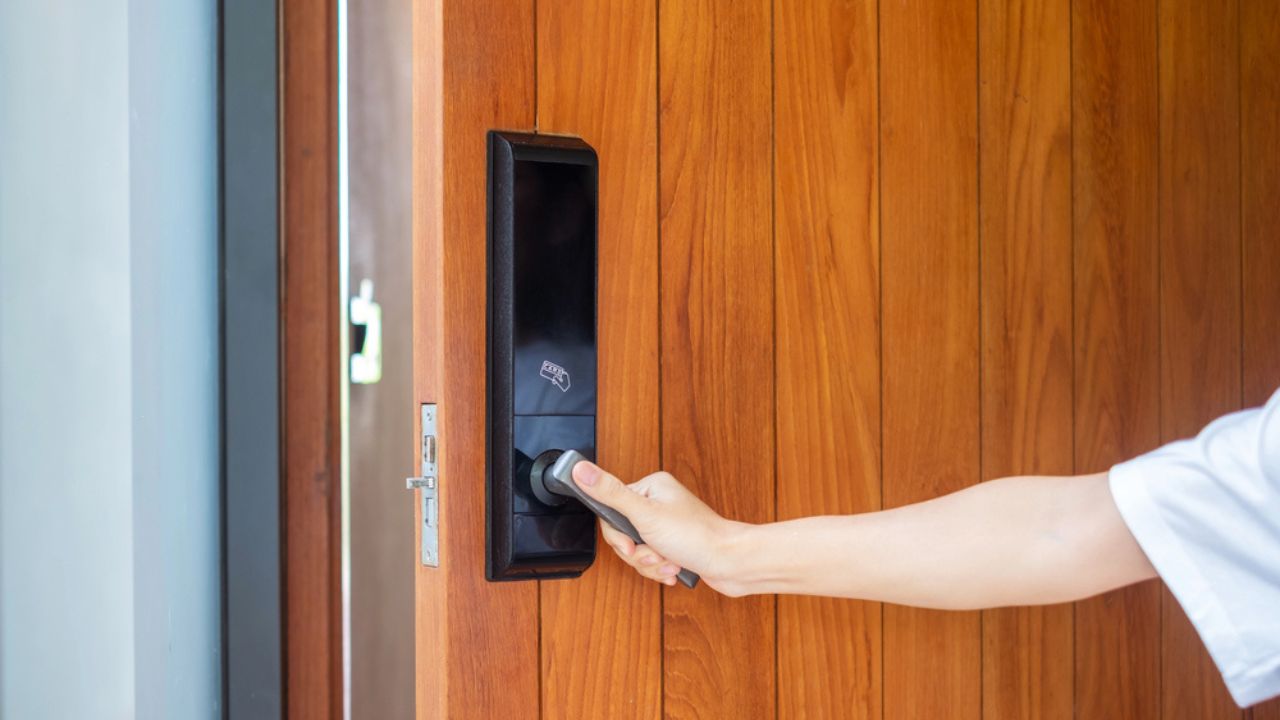
Image Credit: Depositphotos.com
Don’t ignore carbon monoxide detectors, smoke alarms, and fire extinguishers—they’re part of buyer safety checklists. Make sure every device is functional and visible.
Selling Edge: Highlight security features like smart locks, cameras, and motion-sensor lights.
27. Refusing Fair Negotiation

Image Credit: Depositphotos.com.
Digging in your heels in negotiations over minor repairs or lowball offers could lose you a qualified buyer. Approach negotiations with an open mind and willingness to compromise. Sometimes, agreeing to a small fix or minor price adjustment seals the deal.
Realtor Note: Know your bottom line in advance, and let your agent do the heavy lifting during negotiations.
28. Overemphasizing Brand Loyalty or Upgrades
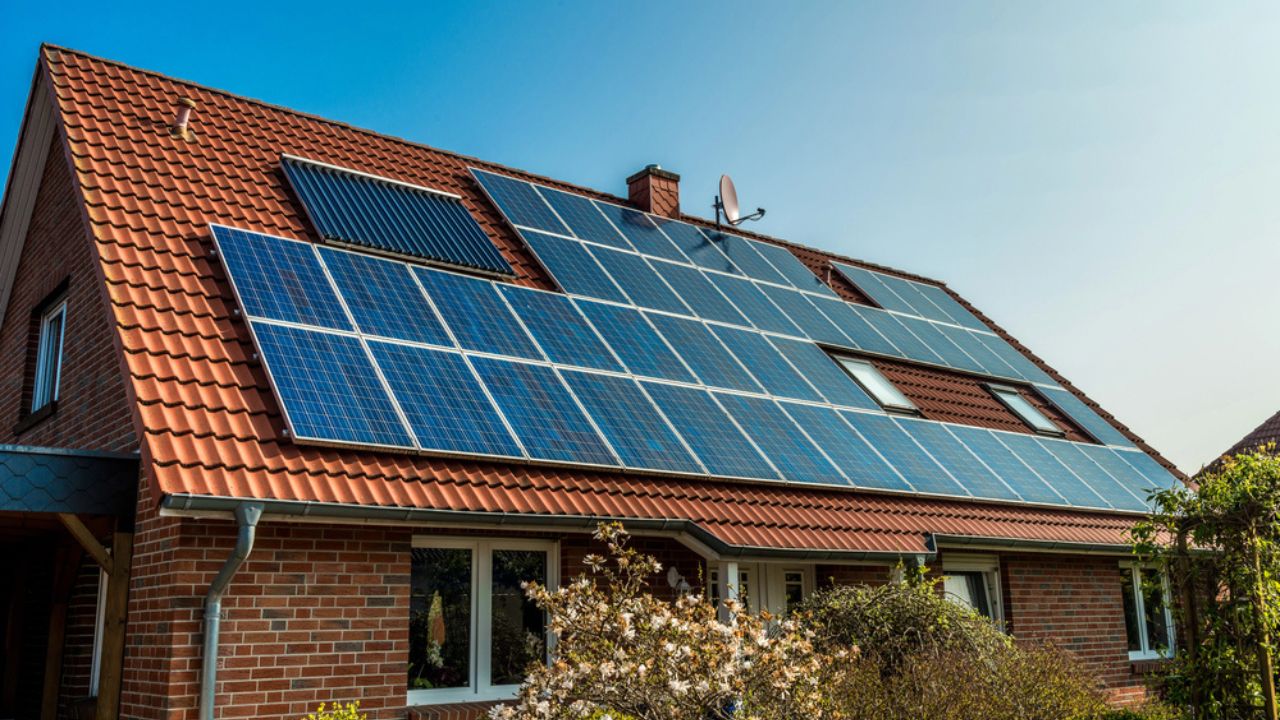
Image Credit: Depositphotos.com.
Buyers don’t always share your love for a certain brand of appliance or particular home system. Market upgrades for their function and benefit, not just the label.
Example: Focus on energy savings and reliability rather than just stating a brand name.
29. Providing Unclear or Vague Listing Details

Image Credit: Depositphotos.com.
Clarity sells. Precise square footage, accurate lot size, and detailed feature lists help weed out unqualified buyers and reduce wasted showings.
Tips: Proofread your listing carefully and double-check all numbers and inclusions with your realtor before your home goes live.
30. Being Unprepared for Closing Costs

Image Credit: Depositphotos.com.
Closing isn’t just about the buyer; sellers face costs too. Be ready to pay for repairs negotiated after inspection, prorated taxes, realtor commissions, and additional legal fees. Knowing what’s expected can help you navigate offers smartly and avoid last-minute stress.
Strategy: Review estimated net proceeds with your realtor early in the process, so you’re never surprised.
31. Leaving Entry or Garage Doors Worn

Image Credit: Depositphotos.com.
Clean, repaint, or replace garage and entry doors if they’re dented or dated. Functioning locks and smooth opening mechanisms give a sense of safety and pride. Updated handles and new weatherstripping can pay for themselves in curb appeal and buyer confidence.
Extra: Install a keypad or smart lock to make access easier for showings and signal modern upgrades.
32. Neglecting Noise and Sound Control

Image Credit: Depositphotos.com.
Unpleasant or loud noises can turn buyers off quickly. Install soft-close cabinet hardware, use doorstops, and fix squeaky hinges or loose subfloors. Play soft background music or use a white noise machine during showings if your home is near a busy street.
Pro Mechanic Hack: Lubricate loud garage doors and adjust weatherstripping to reduce rattling sounds.
33. Holding Back on Minor Upgrades
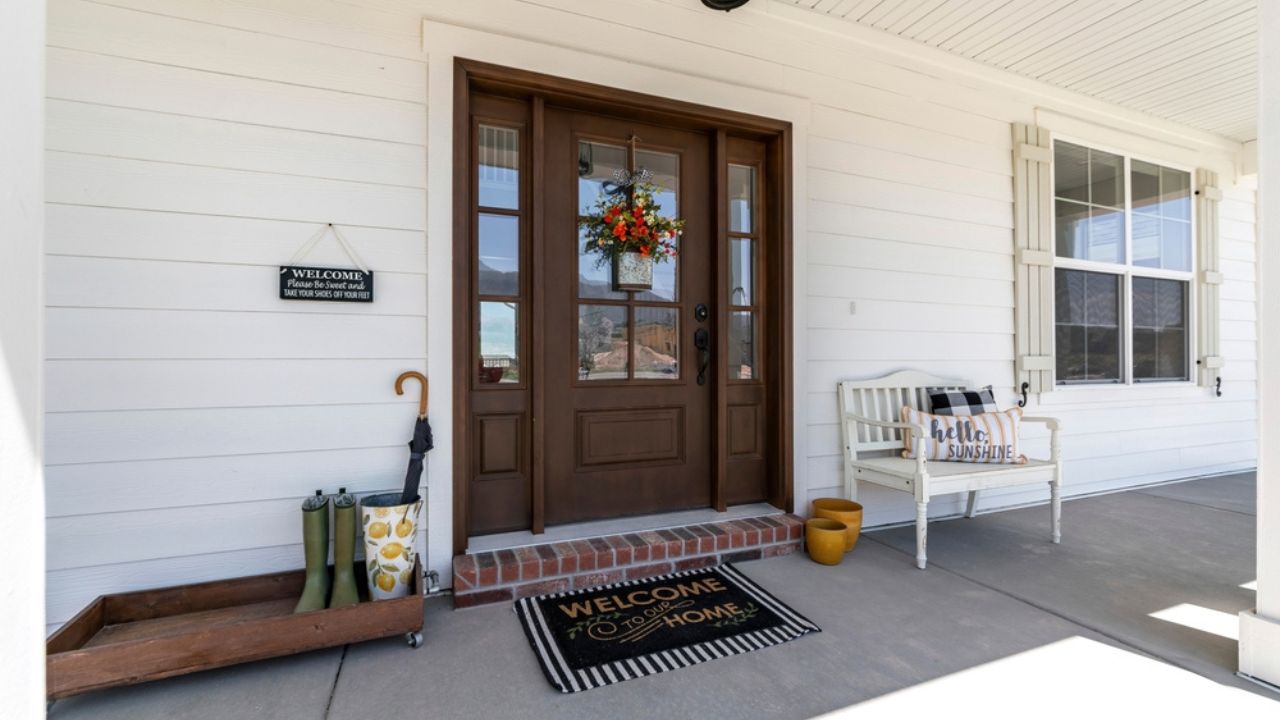
Image Credit: Shutterstock.
Replace worn doormats, upgrade basic lighting, and swap out dated switch plates for instant polish. Swap builder-grade bathroom and kitchen fixtures for modern options—sometimes just a new faucet can transform a room’s style.
Upcycle Idea: Shop sales or discount stores for trendy, affordable upgrades.
34. Overcrowding Furniture or Rooms

Image credit: Depositphotos.com.
Too much furniture or oversized pieces make rooms feel cramped and unusable. Remove excess chairs, side tables, and bulky items. Arrange each space for easy flow and purpose—a dining room needs clear table access, and living rooms should feel open and inviting.
Staging Secret: Use “floating” furniture arrangements with rug anchors for a designer look that maximizes space.
35. Leaving Out Lawn and Garden Maintenance

Image Credit: Shutterstock.
Back to curb appeal! A patchy lawn, weedy garden, or sagging fence can tank the buyer’s attention span. Reseed grass, edge walkways, and add fresh mulch or stone for instant upgrades. Remove dead plants, prune back shrubs, and install landscape lighting for nighttime viewings. Even small yards benefit from tidy, intentional landscaping that shows proud stewardship.
Final Word: Weekly yard checks during your listing period keep your home ready for impromptu showings.
36. Not Updating House Numbers or Door Hardware
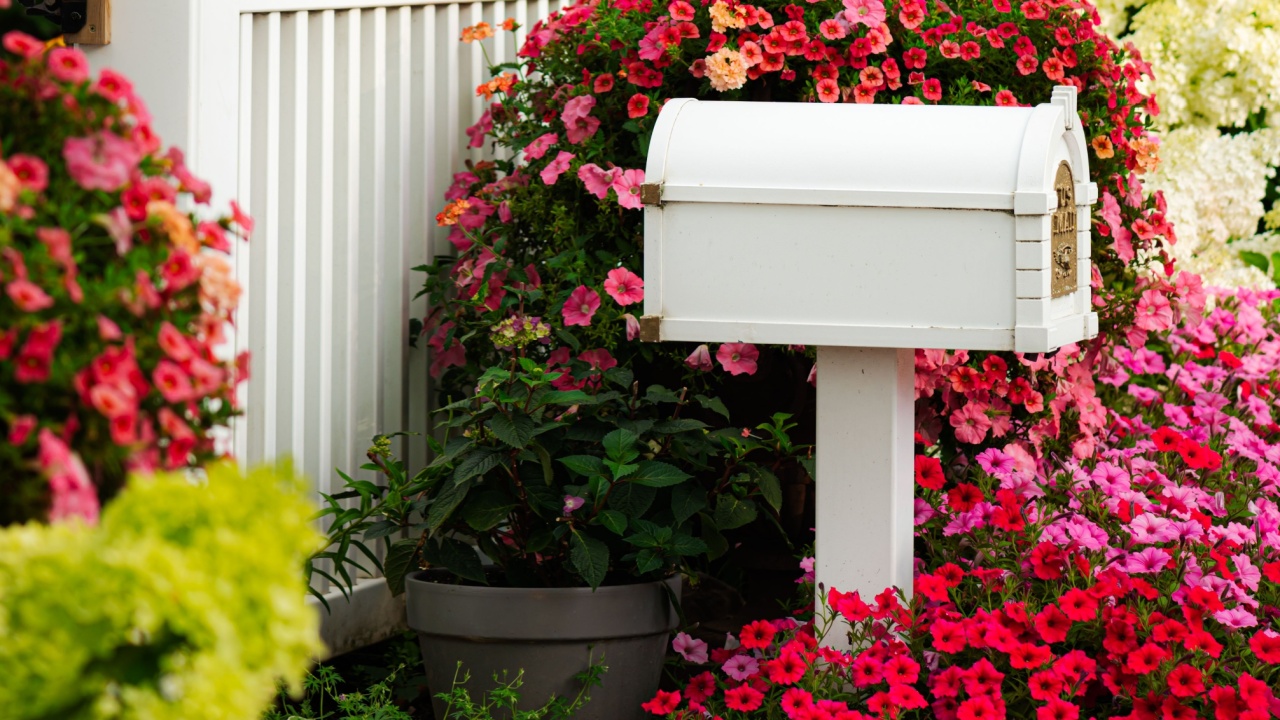
Image Credit: Shutterstock.
We’ve mentioned the importance of first impressions. Here are a few more details to consider.
Old or faded house numbers, tarnished door handles, and loose mailboxes hurt first impressions. Install modern, easy-to-read numbers, match mailbox style to other exterior elements, and replace or polish hardware for a crisp, put-together facade.
DIY Win: This upgrade is quick, inexpensive, and instantly noticeable from the street.
37. Only Wanting to Sell in Spring
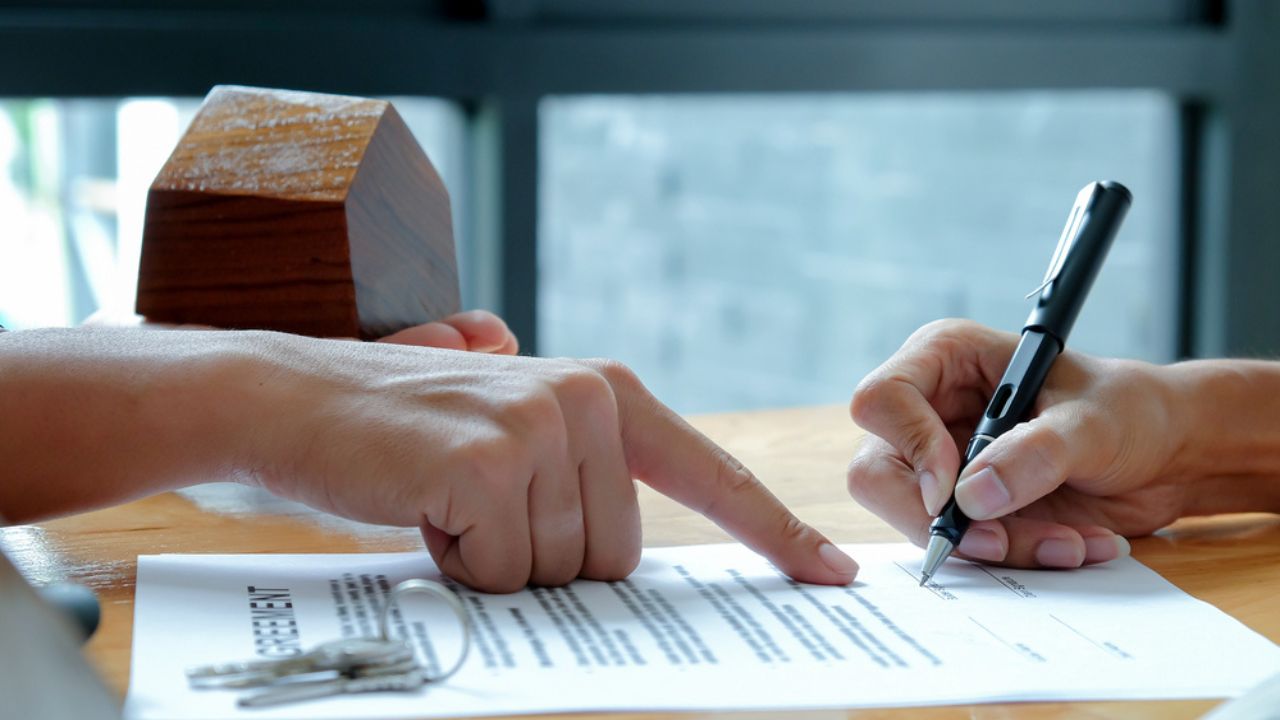
Image Credit: Depositphotos.com.
While spring is often the best time of year to get a sale (for the fastest sales and best pricing), this rule isn’t rigid. Consider the season, when you need to move or purchase another home yourself, etc.
Stay One Step Ahead
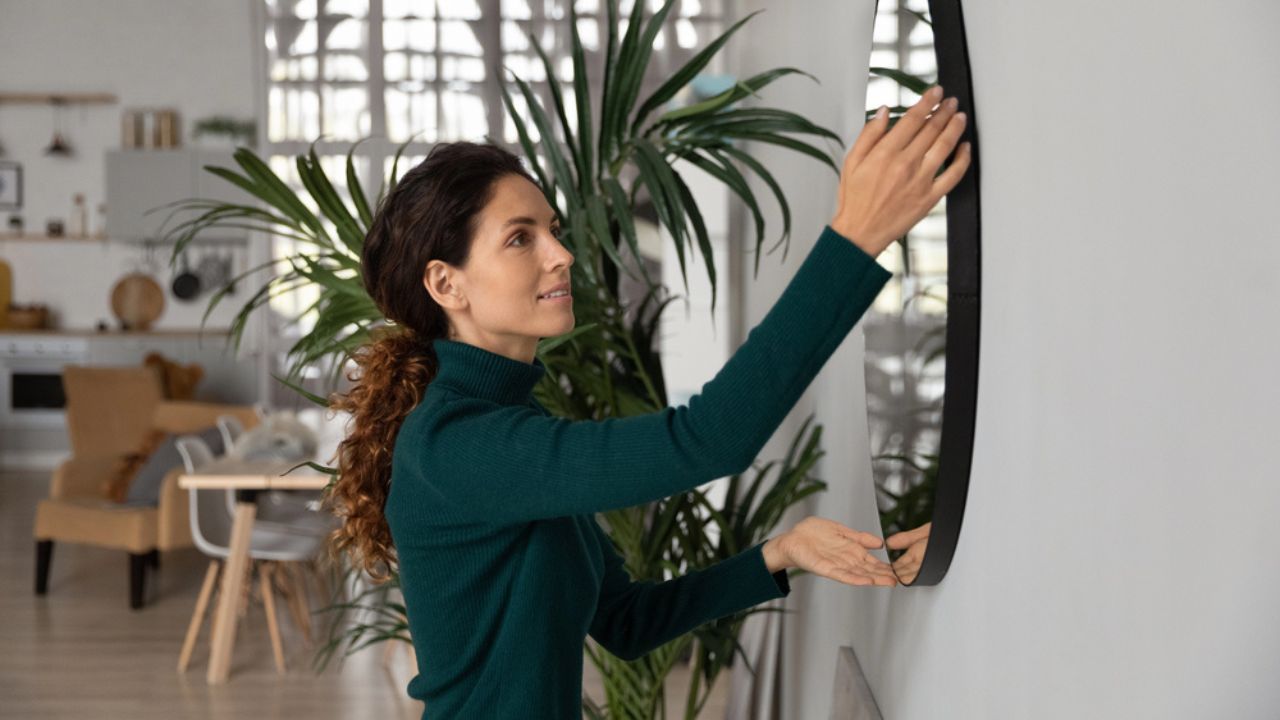
Image credit: Depositphotos.com.
Selling your home is your chance to highlight everything it offers. By paying attention to prep, decor, and smart updates—inside and out—you’ll leave buyers eager for the chance to call it their own.
Use these strategies as your foundation, and always blend them with the advice of a trusted local agent for best results. Clean, bright, and thoughtfully staged homes truly stand out—make yours one of them.