This Winter Outlook Has a Hidden Catch: 7 Yard Mistakes to Stop Before October Ends
The warmest winter forecast in years may be the most expensive one your yard ever sees.
That sounds backward, so here is the setup. NOAA’s Climate Prediction Center says “El Niño is strengthening, with a greater than 90% chance of a very strong event during the Northern Hemisphere fall and winter 2026-27.” Its forecasters told The Weather Channel there is “a 75% chance of a historic event that would exceed the strength of previous El Niño events dating back to 1950.” Most people hear that and exhale; warm winter and light shoveling, incoming.
That relief is the villain of this story. A super El Niño doesn’t cancel winter; it reshuffles it. The North trends warm and dry, which quietly dehydrates evergreens. The South turns wet, and wet plus one blast of cold air equals ice. Frozen pipes, snapped limbs landing on a neighbor’s roof, a sidewalk ticket, a dog with burned paws: these are the bills of a “mild” winter.
The good news is that much of this damage is preventable, and most of the fixes cost little or nothing. The catch is timing. Right now, in the early days of October, the ground is still soft, trees are easy to inspect, and hoses are easy to drain. By the time the first ice warning arrives, the cheap window has closed.
So before you file this winter under “easy,” look at the nine habits below. Some you’re probably doing already, and one could cost you more than a new roof.
1. Stop Trusting the Word “Mild” in This Winter Outlook for the USA
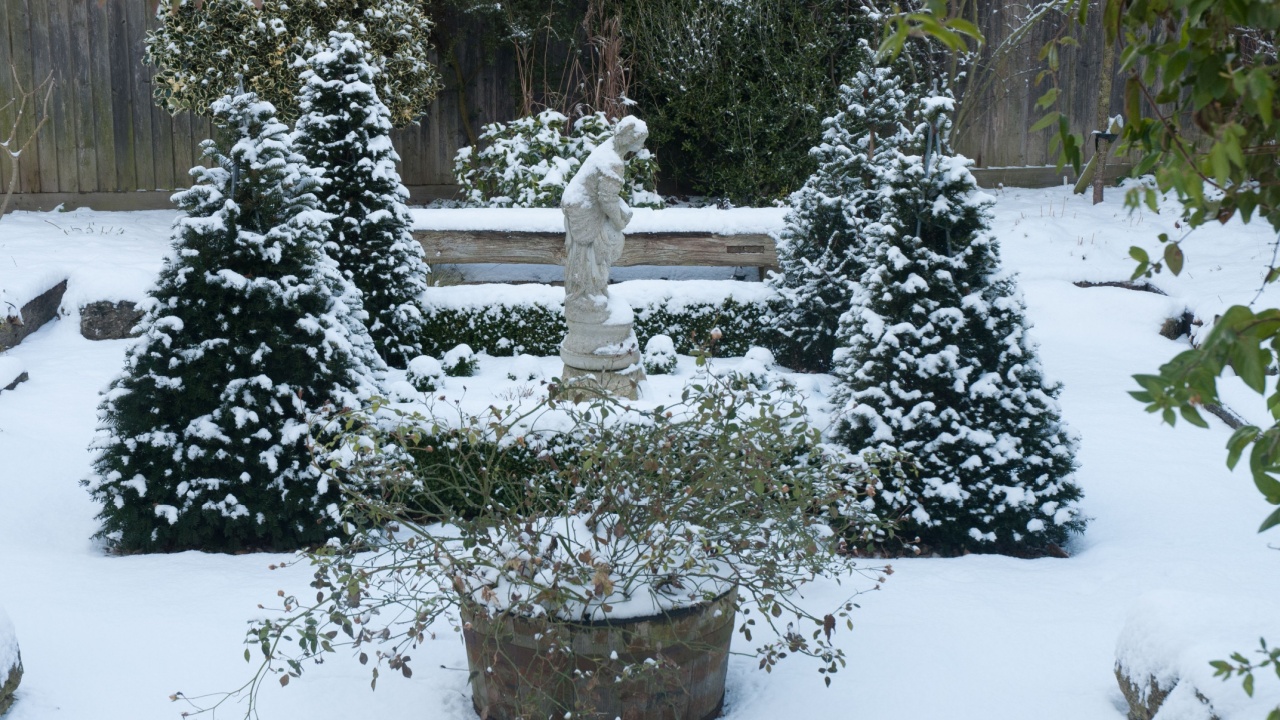
NOAA’s winter maps favor above-normal temperatures across much of the northern half of the country, and The Hill quoted Nexstar chief meteorologist Brian James saying, “the overall pattern does not favor a whole lot of snow across the northern U.S.” But the same outlook leans wet across the South, Southeast, and East Coast. Unofficial Networks puts the problem plainly: “Wet does not mean white here, but it does raise the odds of ice events,” flagging Dallas, Oklahoma City, and Tulsa. The Old Farmer’s Almanac has been warning readers for generations, and it still says it best: “‘Above normal’ is relative. While it won’t be as cold as usual, it’s still winter!”
2. Stop Leaving the Garden Hose on the Spigot
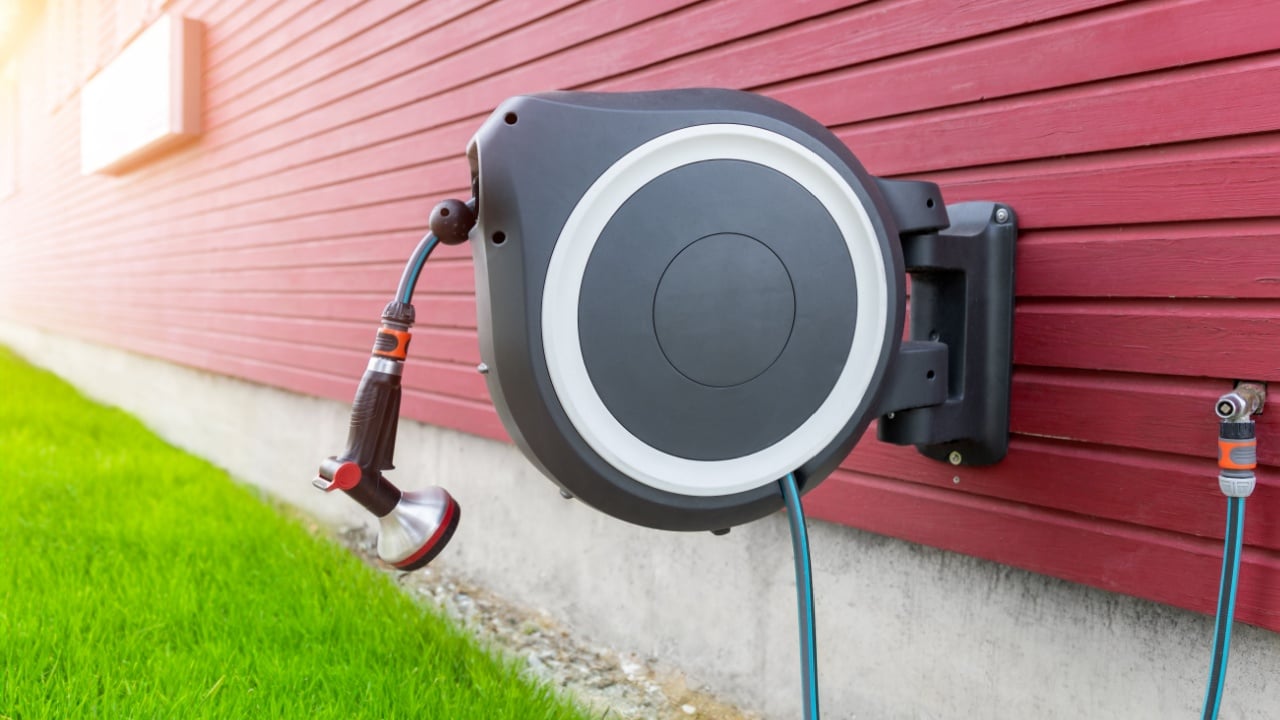
According to State Farm, frozen pipe and winter water claims from January 2024 through June 2025 topped 20,000 and cost more than $628 million, with an average claim over $30,000. The five costliest states weren’t Minnesota or Maine; they were Illinois, Oregon, Washington, Texas, and Tennessee. Warm-climate homes simply aren’t built for a hard freeze. State Farm has noted that “a one-eighth inch crack in a pipe can spray more than 250 gallons of water a day.” Their advice is free: “Disconnect garden hoses and drain outdoor pipes.” Do it this October, not the night of the freeze warning.
3. Never Ignore the Dead Limb Hanging Over Your Neighbor’s Roof
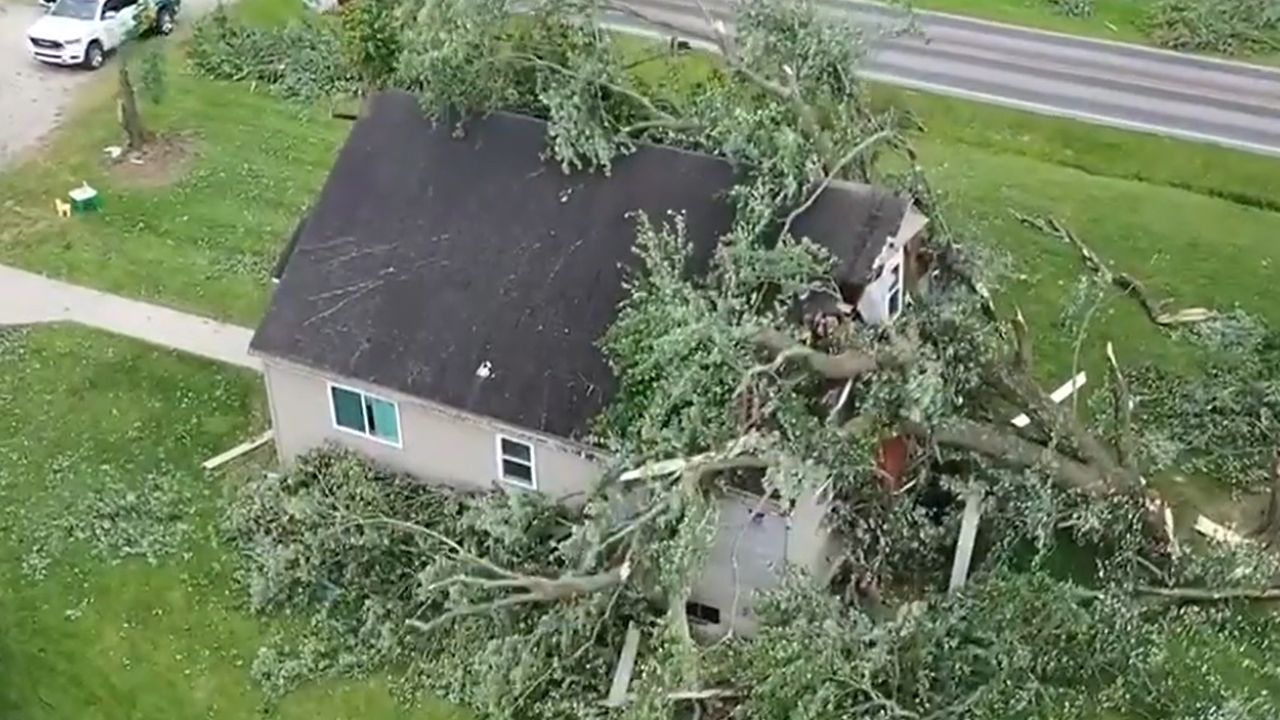
Most homeowners don’t realize that storm damage usually falls on the property owner who got hit until negligence enters the picture. As TreeLaws.org explains, “Liability shifts to the neighbor only when the tree was visibly dead, diseased, or dangerous and they did nothing about it.” In other words, the dead branch you’ve been meaning to deal with is a paper trail. Angi puts a replacement roof at $5,700 to $12,300. If your neighbor has asked you about that limb even once, an ice storm could turn a friendly wave into a claim.
4. Stop Putting Off Pruning Weak Trees Until After the Storm

Arborists know something most gardeners learn the hard way: the best time to prevent ice damage is before the ice. The NC Forest Service advises that “properly pruned trees with strong branch attachments will hold up better in an ice storm,” which means removing weak attachments and co-dominant trunks now. NC State Extension calls the Bradford pear “the classic example of a weakly structured tree prone to self-destruction in winter storms.” If you have one near the driveway, fall is the time to call a certified arborist. Never top a tree to “lighten” it.
5. Never Knock Ice Off Branches With a Broom
Iowa State University Extension warns, “Don’t attempt to remove the ice by beating the branches with a broom or rake. This will only cause greater damage,” and adds that “in most cases, it’s best to let the ice melt naturally.” Frozen wood is brittle, and a limb that would have bent back in spring snaps under a single swing. The same goes for firing up a chainsaw the morning after; the NC Forest Service notes that “historically, more people are injured by chainsaws than the storm that caused the tree damage.”
6. Stop Skipping the Deep Fall Watering
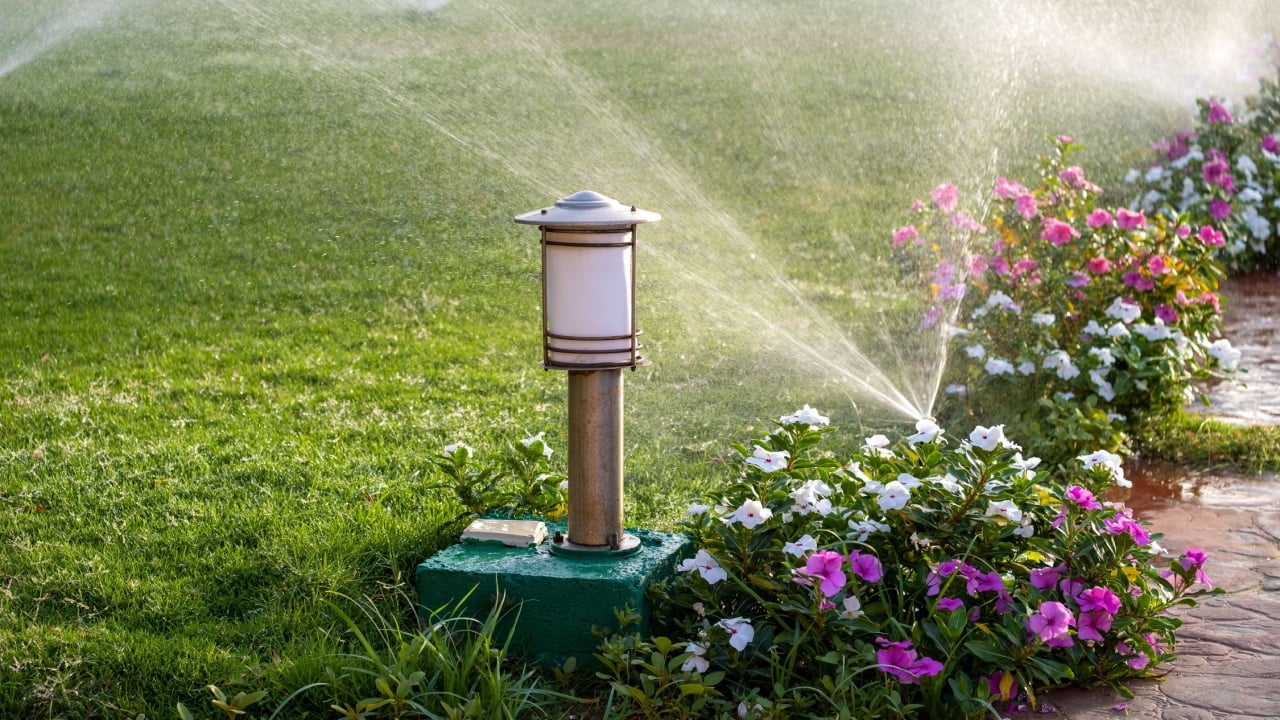
A warm, dry winter is exactly when evergreens brown out. Arborvitae, boxwood, and yews keep losing moisture all winter, and in a dry fall there’s little in the soil to replace it. The University of Minnesota Extension‘s advice is simple: “If the fall has been dry, water heavily before the ground freezes to reduce frost penetration.” Follow it with a ring of mulch, kept a few inches off the trunk. Wisconsin Horticulture notes that mulch “helps protect roots from injury due to heaving that occurs when soils go through cycles of freezing and thawing during the winter,” and the Farmers’ Almanac expects “frequent swings between thawing and freezing” in the middle of the country. Water and mulch cost almost nothing; replacing a hedge does not.
7. Don’t Fall for a February False Spring

A mild winter tempts plants, and gardeners, to wake up early. Bigger Garden warns that “a mild winter can still produce a severe cold snap,” and advises gardeners to “avoid fertilizing woody plants too early in spring, since fresh growth is especially vulnerable to sudden cold.” History backs that up. During the record false spring of 2012, the U.S. Geological Survey reports that frost damage to fruit trees totaled half a billion dollars in Michigan alone. If your forsythia blooms in February, admire it; don’t feed it.
The Bottom Line on a Warm Winter
The biggest mistake this season isn’t a pruning cut or a missed watering; it’s the assumption that a warm forecast means a free pass. Winter is still coming; it’s just arriving in a different costume.
Drain and disconnect every hose. Walk the property line and look up for dead limbs, especially over roofs, fences, and driveways. Give evergreens a long, slow soak, then mulch once the soil cools. Handle the small jobs now, while the ground is soft and the weather is kind, and you’ll spend the next few months watching the forecast instead of fearing it.
Read More
Is Your Garden Hurting You? 9 Tools Doctors Say Could Save Your Joints
Ten Companion Plants Your Peppers Need For A Successful Growing Season