

Scrambled, poached, or baked into a cake, eggs are a staple in almost every American kitchen. In fact, an average person eats 276 eggs every year! But if you’ve visited a grocery store lately, you’ve likely noticed that the price tag on this humble protein isn’t what it used to be. Is it really that bad, though, when we look at historical prices? Maybe not.
Understanding the history of egg prices is nostalgic, but it’s also fascinating to look at how inflation and market shifts impact your grocery bills.
While the sticker price has certainly gone up, the value of that dollar has changed, too. In this breakdown, we’ll explore the cost of a dozen Grade A large eggs by decade starting in 1980, adjusted for inflation. By seeing the real numbers, you might just find the motivation you need to finally start that backyard flock you’ve been dreaming about.
1. 1980: $0.84 ($2.78 adjusted)
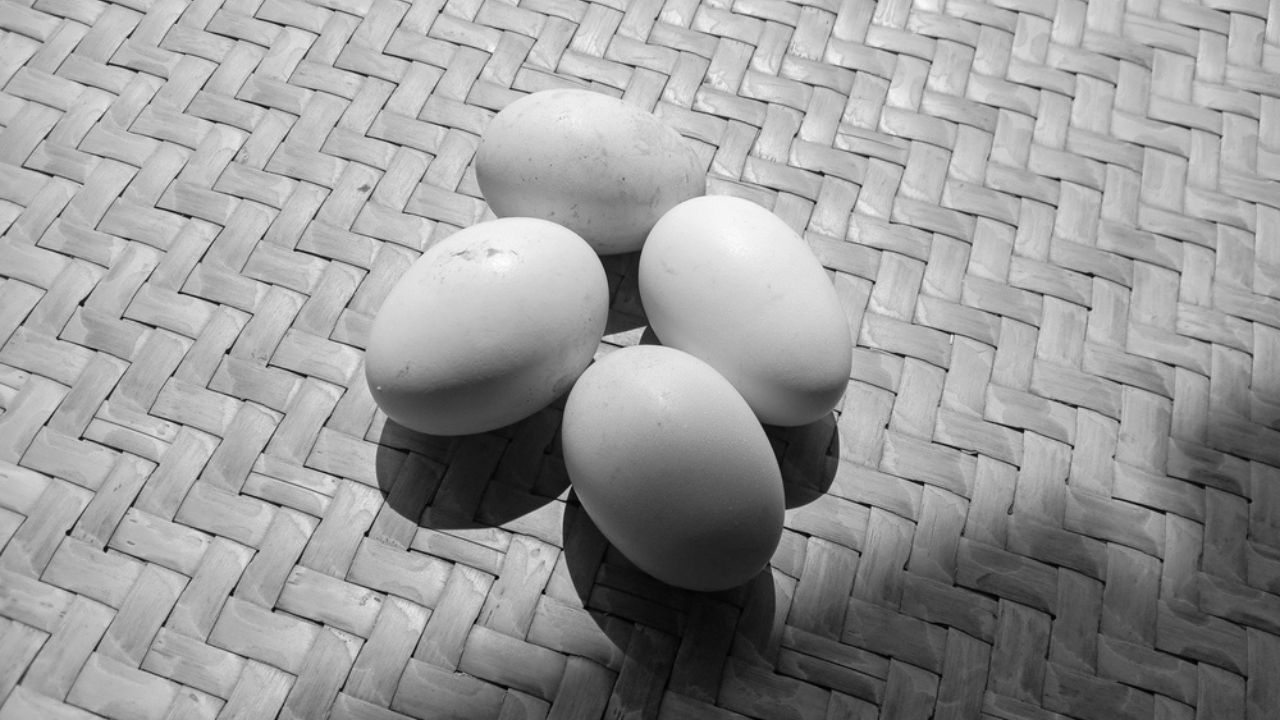
Image Credit: Shutterstock.
In 1980, you could walk into a market and pick up a dozen eggs for less than a dollar, specifically, about 84 cents. While that sounds incredibly cheap today, when we adjust for inflation using 2022 dollars, that carton actually cost the equivalent of $2.78.
This year kicked off a decade of relative stability in egg prices, despite high inflation in other sectors of the economy.
2. 1990: $1.01 ($2.39 adjusted)

Image Credit: Deposit Photos.
By 1990, the average shelf price had finally cracked the one-dollar mark, sitting at $1.01. However, this is where inflation gets interesting. Even though the sticker price was higher than in 1980, the real cost to consumers was actually lower.
Adjusted for inflation, that 1990 carton only cost about $2.39 in modern money. This dip in real cost made eggs an even better bargain for families in the 90s.
3. 2000: $0.91 ($2.03 adjusted)
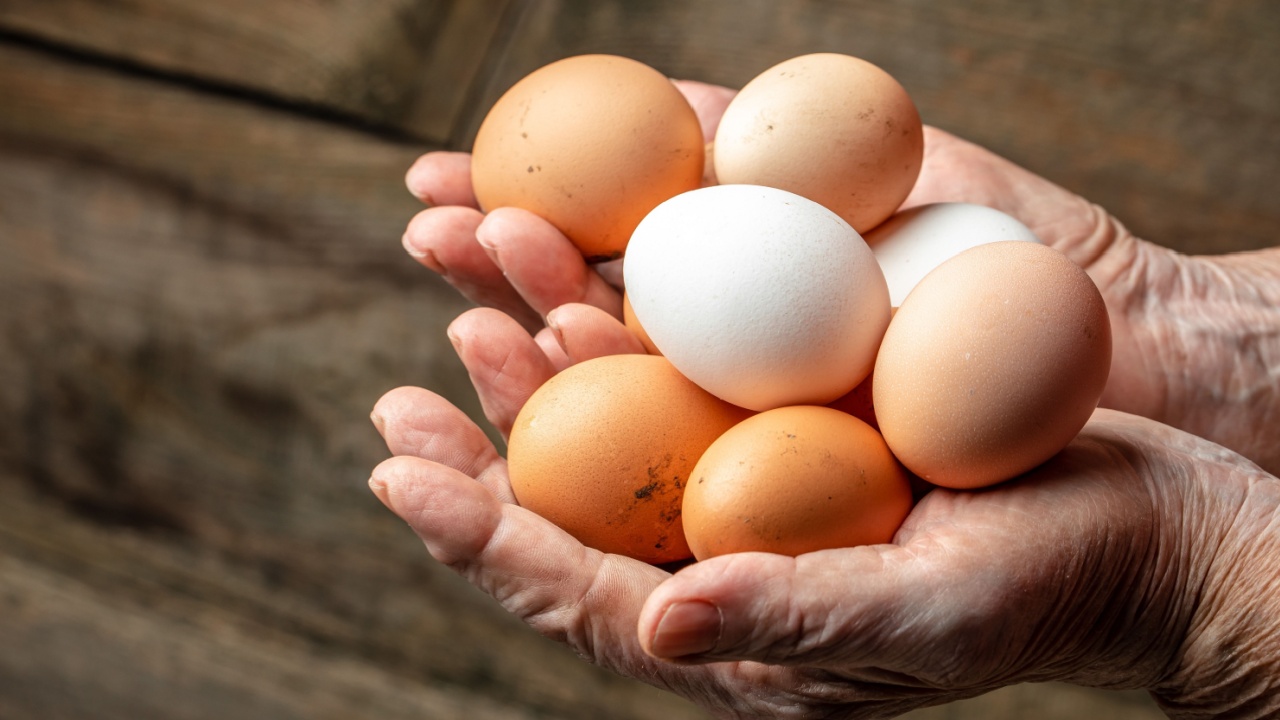
Image Credit: Shutterstock.
The new millennium brought a surprising dip. The average price dropped back down to $0.91 per dozen. Adjusted for inflation, this was a historic low point in our timeline, costing consumers just $2.03 in today’s value.
This era represented the peak of industrial efficiency in egg farming, driving prices down significantly for the consumer.
4. 2010: $1.66 ($2.53 adjusted)
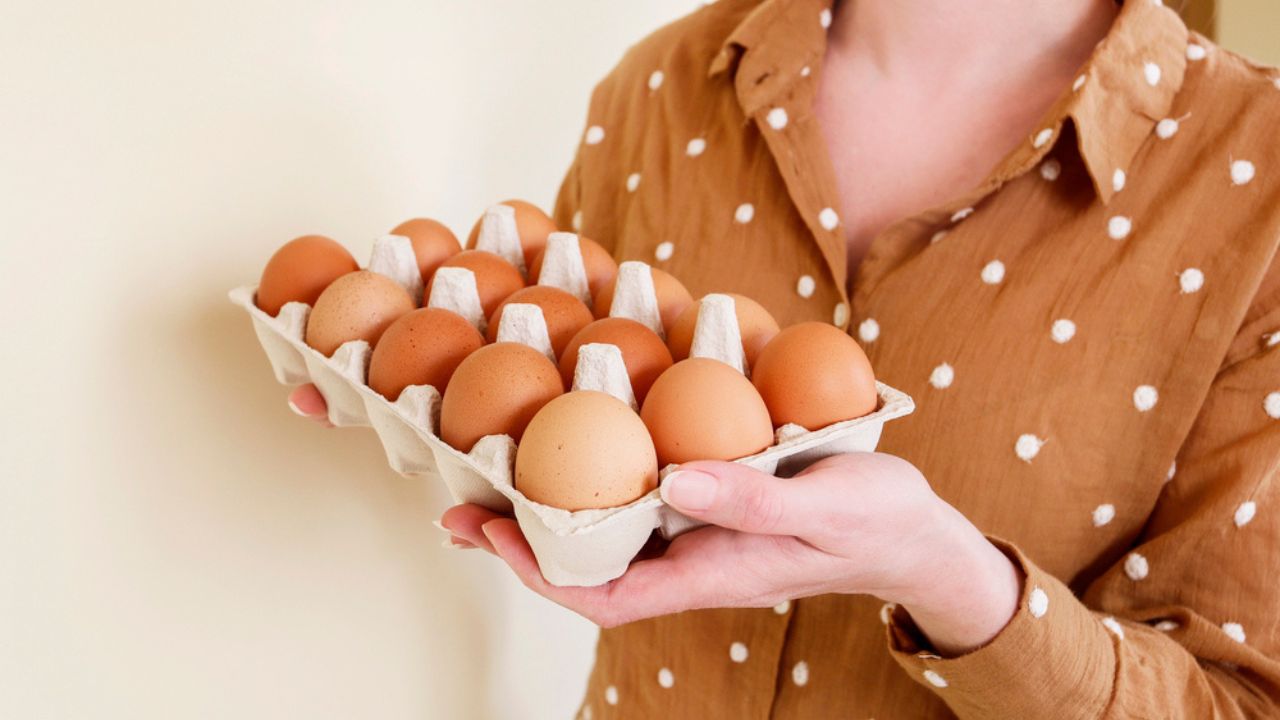
Image Credit: Deposit Photos.
Fast forward ten years, and the market corrected itself sharply. The price jumped to $1.66 per dozen. In adjusted dollars, we are back up to $2.53, nearing the “real cost” we saw in the early 80s.
This decade saw rising feed costs (corn and soy) and new regulations regarding animal welfare beginning to impact production costs.
5. 2020: $1.51 ($2.09 adjusted)
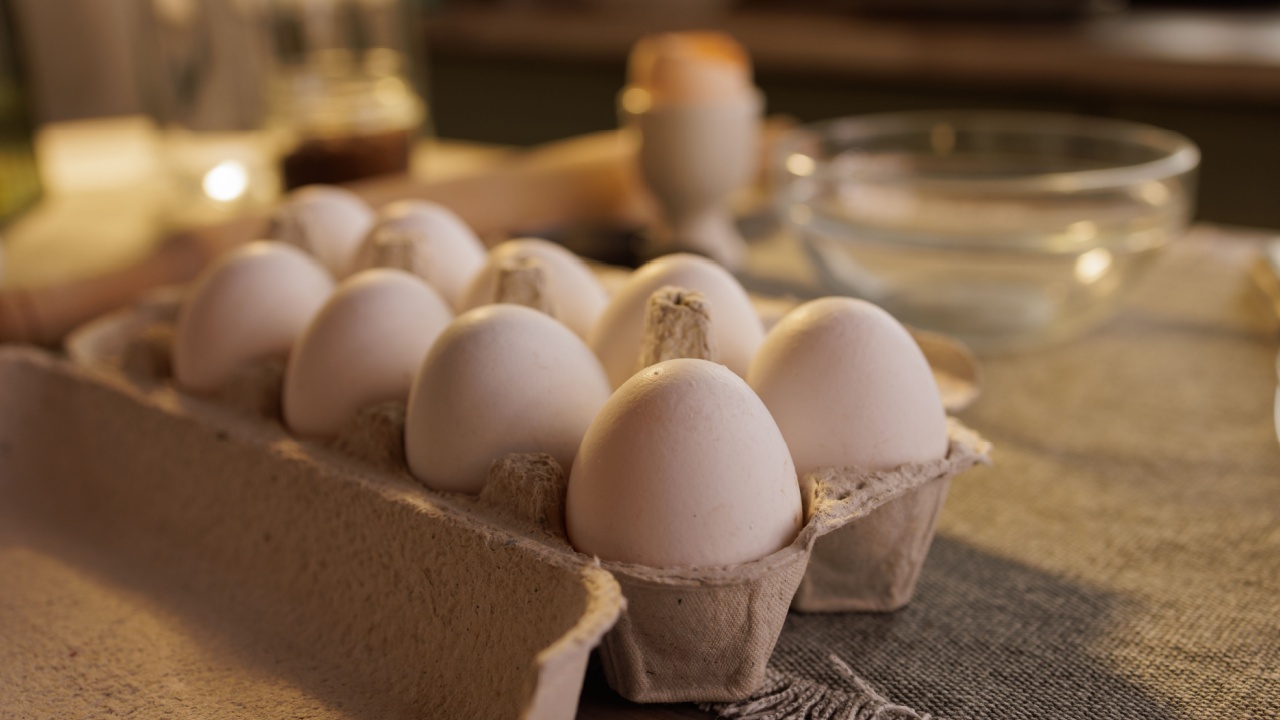
Image Credit: Shutterstock.
The year 2020 was an anomaly in many ways. While the average for the year was $1.51, prices fluctuated wildly due to supply chain panic and shifts in eating habits during lockdowns.
Surprisingly, the inflation-adjusted price remained low at $2.09. However, this average hides the massive spikes consumers saw during specific months of the pandemic.
6. 2022: $2.86 ($2.86 adjusted)
Image Credit: Shutterstock.
Here is the shock to the system. By 2022, the average price skyrocketed to $2.86. Because this is our reference year for inflation adjustment, the price is the same.
This massive jump was driven largely by outbreaks of Avian Influenza (bird flu), which decimated commercial flocks, combined with general economic inflation.
7. 2024: $3.17 (Unadjusted)

Image Credit: Shutterstock.
While we don’t have the finalized inflation adjustment for the full year of 2024 yet, the Bureau of Labor Statistics reported the cost jumping to an average of $3.17.
This is a 13.2% increase from just the year prior. We are currently living in the most expensive era for eggs in modern history.
What This Means For Your Wallet

Image Credit: Deposit Photos.
Looking at the data from 1980 to today, it’s clear that the days of reliable, dirt-cheap eggs are likely behind us. Between inflation, supply chain issues, and disease outbreaks, the grocery store price tag is only going one direction.
If you have a little bit of yard space, there has never been a better financial time to take control of your food supply. Start small, build a simple coop, and enjoy the security (and delicious taste) of home-raised eggs.