

Home is where the heart is, and also where the television, the refrigerator, and that fancy coffee machine live. These modern conveniences make life simpler, but some of them have a secret life. It turns out, the very devices designed to help us are sometimes hiding potential hazards.
Behind their calm, humming exteriors, certain appliances can pose risks if not treated with respect. This isn’t a story to make you live in fear of your toaster, but a friendly guide to understanding the hidden dangers lurking in plain sight and how to keep your home safe and sound.
Here are the five most dangerous appliances in your house.
1. Ranges and Ovens
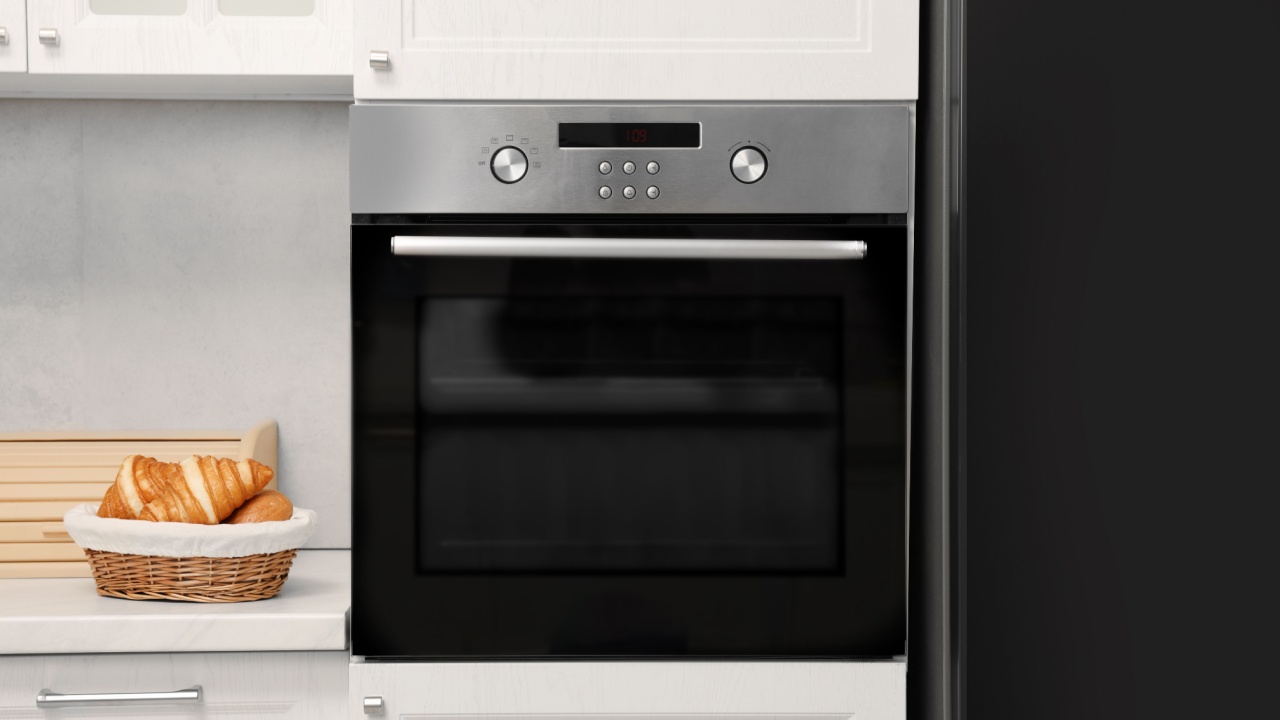
Image Credit: Shutterstock.
At the center of the kitchen is usually a range or oven, responsible for everything from birthday cakes to Tuesday night dinners. Yet, their ability to generate intense heat makes them a primary source of home fires. Unattended cooking is a major culprit, with a pot left simmering, easily boiling over, and igniting. Gas ranges add another layer of risk, with the potential for gas leaks if a burner is left on without a flame.
Beyond fire, the risk of burns is significant. A hot stovetop or an open oven door presents an immediate hazard, especially in homes with small children or pets. Modern ovens also have self-cleaning cycles that reach extreme temperatures, making the appliance’s exterior dangerously hot to the touch. Proper installation, regular maintenance, and mindful cooking habits are essential to managing these risks.
2. Clothes Dryers
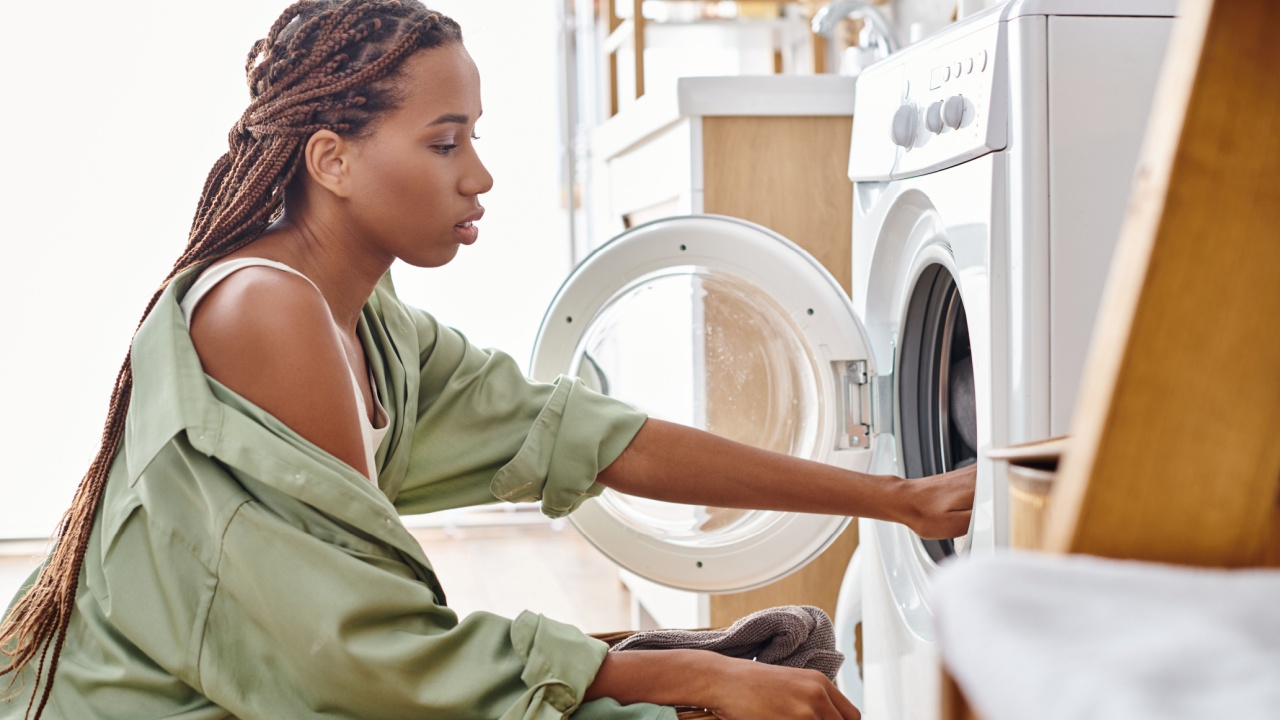
Image Credit: Shutterstock.
What could be more harmless than a machine that tumbles your clothes into a state of fluffy perfection? A clothes dryer’s main job is to apply heat to wet laundry, but the process creates a byproduct: lint. This highly flammable fuzz accumulates in the lint trap, but it also builds up inside the dryer vent and ductwork. When this duct gets clogged, hot air cannot escape properly. This can cause the dryer to overheat, potentially igniting the trapped lint and starting a serious fire.
According to the U.S. Fire Administration, thousands of home fires originate from clothes dryers each year, with failure to clean being the leading cause. The problem is often out of sight, deep within the walls or floors where the vent runs. Beyond the fire risk, a blocked vent forces the dryer to run longer and work harder, wasting energy and putting extra strain on the machine’s components.
3. Microwave Ovens
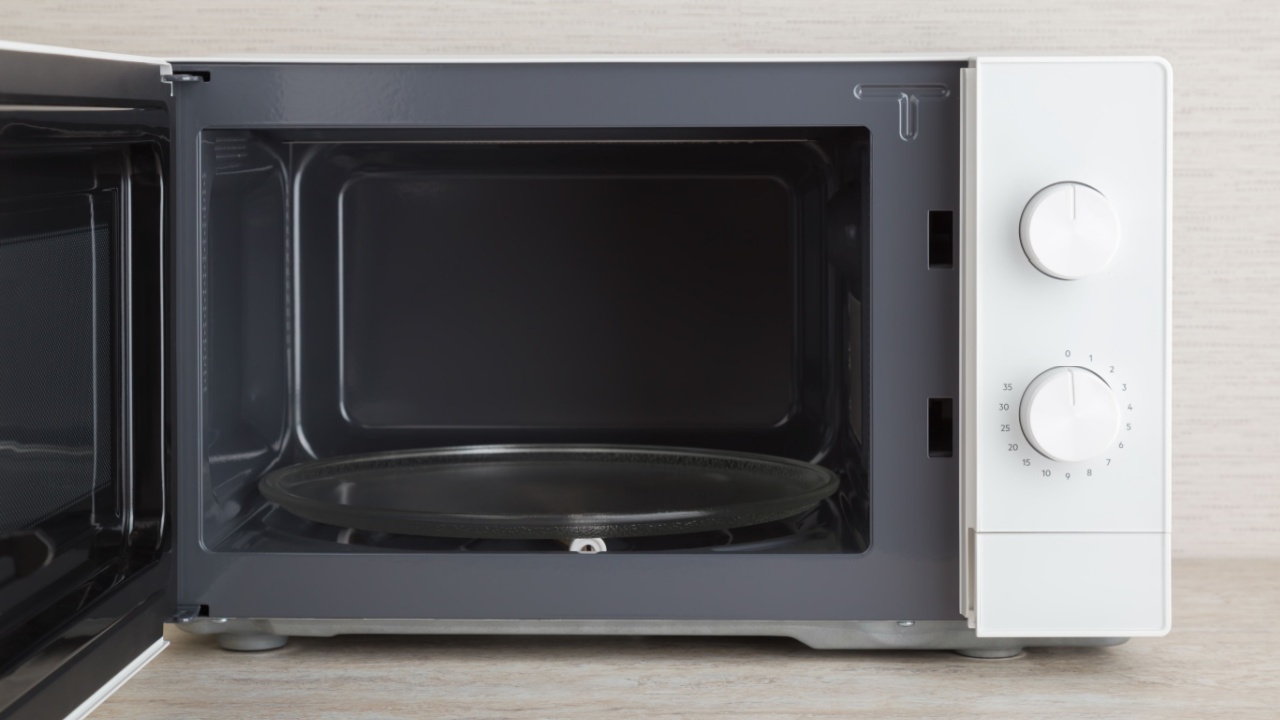
Image Credit: Shutterstock.
The microwave oven is the champion of speedy meals and reheated coffee. It works by using microwaves to excite water molecules in food, generating heat from the inside out. This technology, while convenient, comes with its own set of precautions. One well-known risk is superheating liquids. Water heated in a microwave in a clean, smooth cup may not appear to be boiling but can erupt violently when disturbed, such as when you add a tea bag or a spoon.
Another hazard involves using the wrong containers. Metal, including aluminum foil or gold-trimmed dishes, can cause sparks and even ignite inside the microwave, a phenomenon known as arcing. Certain plastics not labeled as “microwave-safe” can melt or leach chemicals into your food.
4. Dishwashers
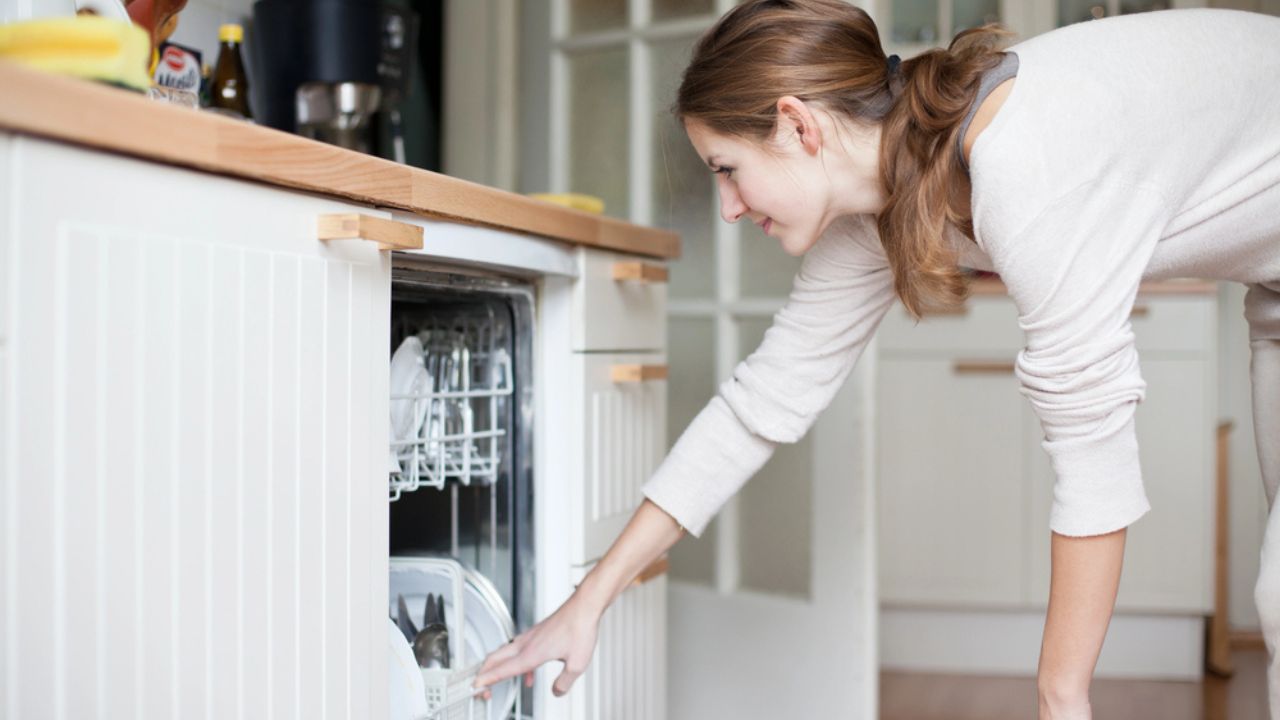
Image Credit: Deposit Photos.
A dishwasher is a true set-it-and-forget-it machine, freeing up countless hours. Inside, it combines scalding hot water and strong detergents to sanitize your dishes. This combination, however, can present risks. The heating element at the bottom of the dishwasher gets extremely hot to dry dishes. If a plastic utensil or container falls onto it, it can melt and release toxic fumes or even catch fire.
Water damage is another concern. A leaky hose, a faulty door seal, or an internal malfunction can lead to a slow leak or a sudden flood, causing significant damage to floors and cabinets. Furthermore, loading the wrong things in your dishwasher, or putting sharp knives and forks with the points facing up in the utensil basket, creates a clear impalement hazard when loading or unloading the machine.
5. Refrigerators and Freezers
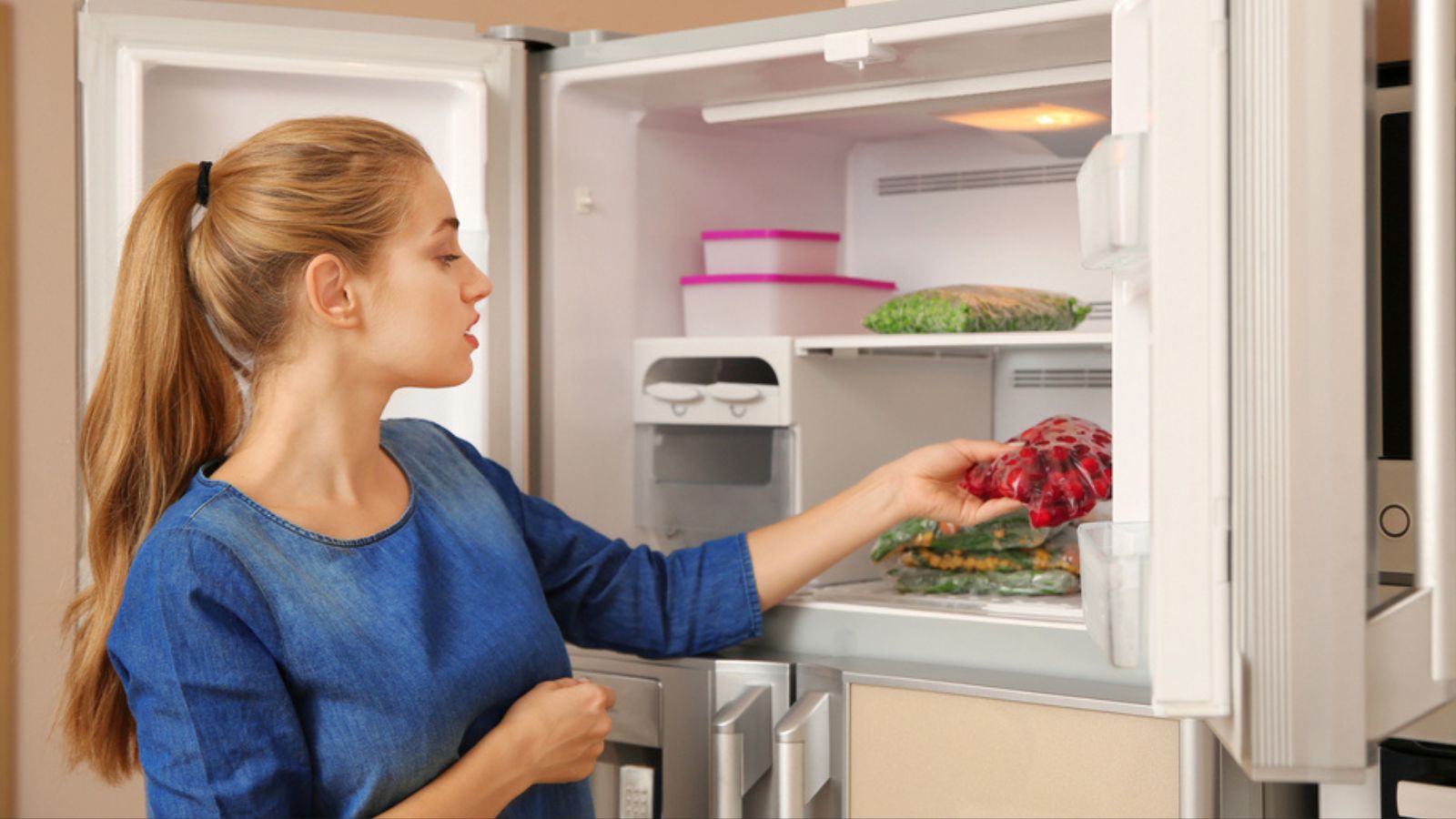
Image Credit: Deposit Photos.
The refrigerator and freezer are the silent sentinels of the kitchen, running 24/7 to keep food safe. Their constant operation, however, means they are a continuous fire risk if not properly maintained. The compressor and coils, usually located at the back or underneath, can become covered in dust and pet hair. This buildup insulates the components, forcing them to work harder and overheat, which can ignite the dust.
A malfunctioning refrigerator can also leak water, leading to slip-and-fall accidents and property damage. An older model might have a faulty door latch, posing a potential entrapment risk for children. While modern refrigerators are designed to be opened from the inside, it is a danger worth remembering, especially with secondary freezers or older units kept in a garage or basement.
Creating A Safer Home

Image Credit: Deposit Photos.
Your appliances are there to make your life easier, not more hazardous. Understanding the potential risks is the first step toward a safer home. You do not need to replace every machine you own. Instead, a little routine maintenance and mindful use can make all the difference. Putting off repairs is a quick way to ruin your appliances.
Perform a quick safety check, clean the dryer lint trap, and schedule a vent cleaning. Vacuum your refrigerator coils. Take a look at your cooking habits. By turning these simple actions into habits, you transform your home from a place of potential risks into a true sanctuary, allowing you to enjoy all the modern comforts without worry.