

The garage is a storage miracle, a place where lawnmowers, holiday decorations, and half-finished projects can live in harmony. When the seasons change, and it’s time to prepare for colder weather, the garage often becomes the default home for anything you need to get out of the yard.
But your unheated garage is not the stable, protective environment you might imagine. Drastic temperature drops can have some surprising and messy effects on everyday items. Before you start your big winter clean-up, here are a few things that are better off finding a new home for the season.
1. Paint and Solvents
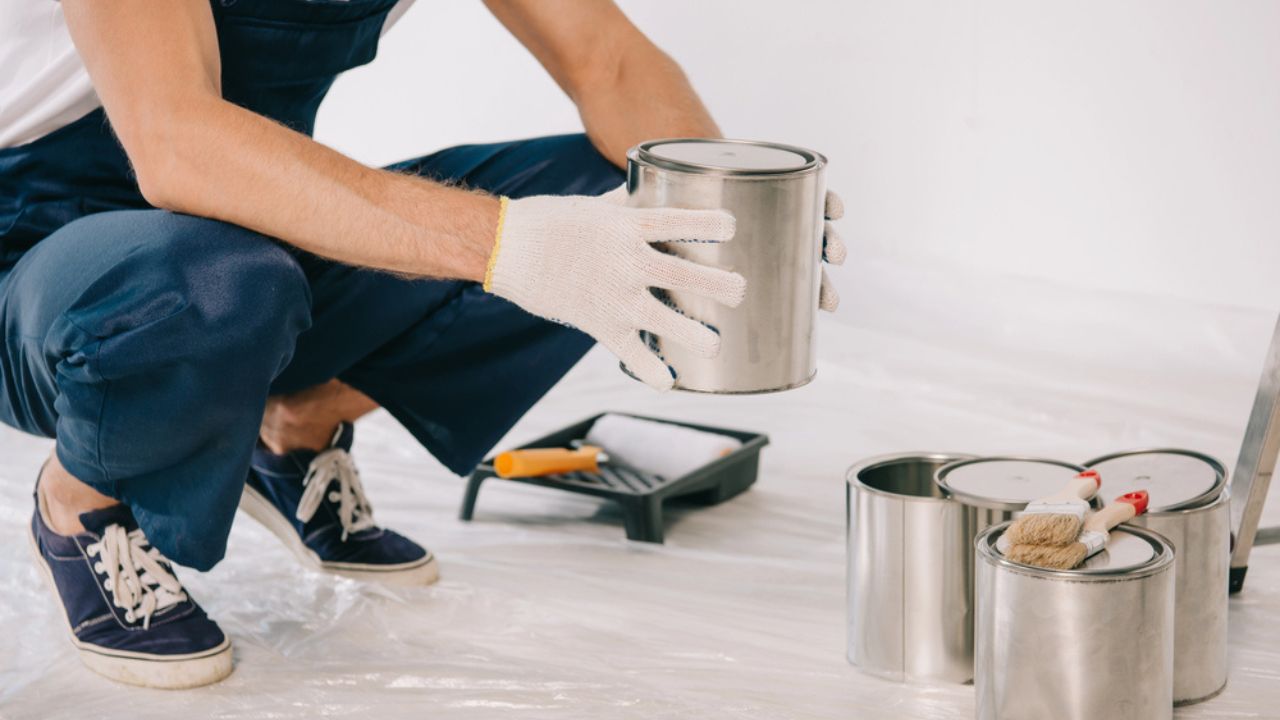
Image Credit: Deposit Photos.
Leftover paint cans are a common sight in garages across the country. It makes sense to keep them handy for quick touch-ups. However, extreme cold can permanently alter the consistency and usability of latex and acrylic paints. The repeated freezing and thawing cycles cause the ingredients to separate, leading to a lumpy, useless mess. Once this happens, the paint cannot be salvaged by stirring.
Oil-based paints and stains are less susceptible to freezing, but the cold still affects their viscosity, making them thick and difficult to work with. Solvents and paint thinners can also be compromised by low temperatures, losing their effectiveness. Storing these items in a stable environment preserves their quality, saving you from the frustration and expense of buying replacements for a simple touch-up job.
2. Delicate Paper Items

Image Credit: Shutterstock.
Your garage might seem like a safe spot to stash boxes of old photographs, important documents, or even your kids’ treasured art projects. Unfortunately, this is one of the worst places for paper-based memories. Garages are prone to humidity and temperature swings, which can introduce moisture. This moisture is a serious threat to paper.
Dampness can cause photos to stick together, permanently ruining them. Paper can become warped, discolored, and weak. Even worse, the damp, dark conditions are an ideal breeding ground for mold and mildew, which can destroy documents and photographs while posing a health risk.
3. Propane Tanks and Flammable Materials
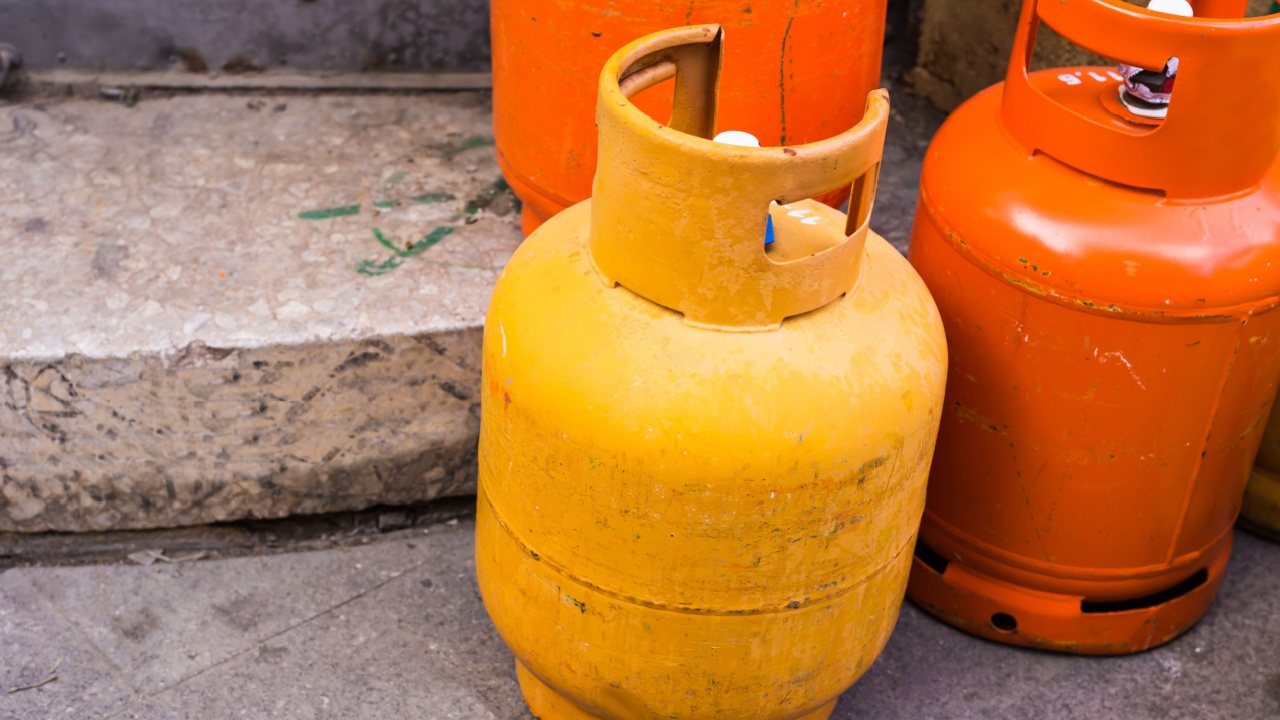
Image Credit: Shutterstock.
Many of us store our barbecue grills in the garage for the winter, often with the propane tank still attached. This is a significant safety hazard. While propane itself won’t freeze in typical winter conditions, the tank is still under pressure. If a small leak develops from a faulty valve, the gas can accumulate in an enclosed space like a garage. Propane is heavier than air, so it will pool on the floor, creating a combustible pocket of gas.
A simple spark from starting a car or turning on a light could be enough to ignite it. The same goes for other flammable materials, like oily rags from staining projects or gasoline stored in cans. The fumes can collect and create a dangerous situation. These items are best stored in a well-ventilated outdoor space, like a shed that is detached from the house, or on a covered patio away from ignition sources.
4. Canned Goods and Beverages
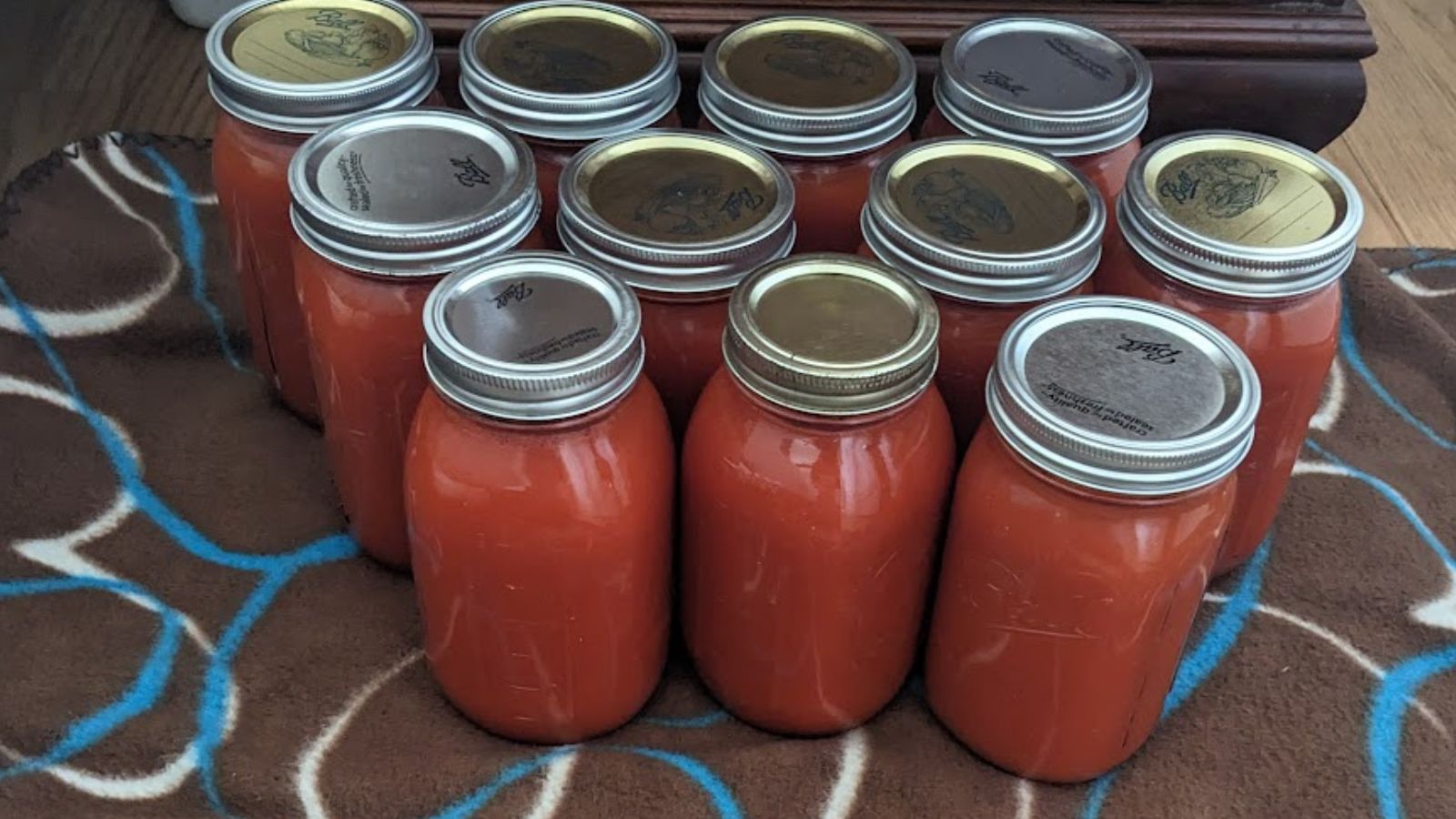
Image credit: Backyard Garden Lover.
Stocking up on canned food or your favorite sparkling water is a great way to prepare for the winter months. Using the garage as an overflow pantry, however, can lead to some unpleasant surprises. When liquids freeze, they expand. In a sealed can or bottle, this expansion puts immense pressure on the container.
For canned goods, the expansion can break the seal that protects the food from bacteria. Even if the can doesn’t burst, a compromised seal allows contaminants to enter, spoiling the food. You might not be able to tell the food is spoiled just by looking at it. For soda, beer, and wine, the expansion can cause cans to rupture and bottles to crack, leaving you with a sticky, frozen mess to clean up in the spring.
5. Electronic Equipment

Image Credit: Shutterstock.
That old television, spare computer monitor, or box of forgotten gadgets might seem fine in the garage, but electronics and cold weather do not mix well. Extreme cold can be just as damaging as extreme heat. The delicate internal components, like LCD screens, can freeze and crack.
The cold can also reduce the lifespan and performance of internal batteries. A bigger issue is condensation. When you bring a frigid electronic device into a warmer environment, moisture can form on its internal circuitry. If you power the device on before this moisture has had a chance to fully evaporate, you risk short-circuiting the components and causing permanent damage. To protect your electronics, store them in a climate-controlled room inside your home.
6. Cleaning Chemicals
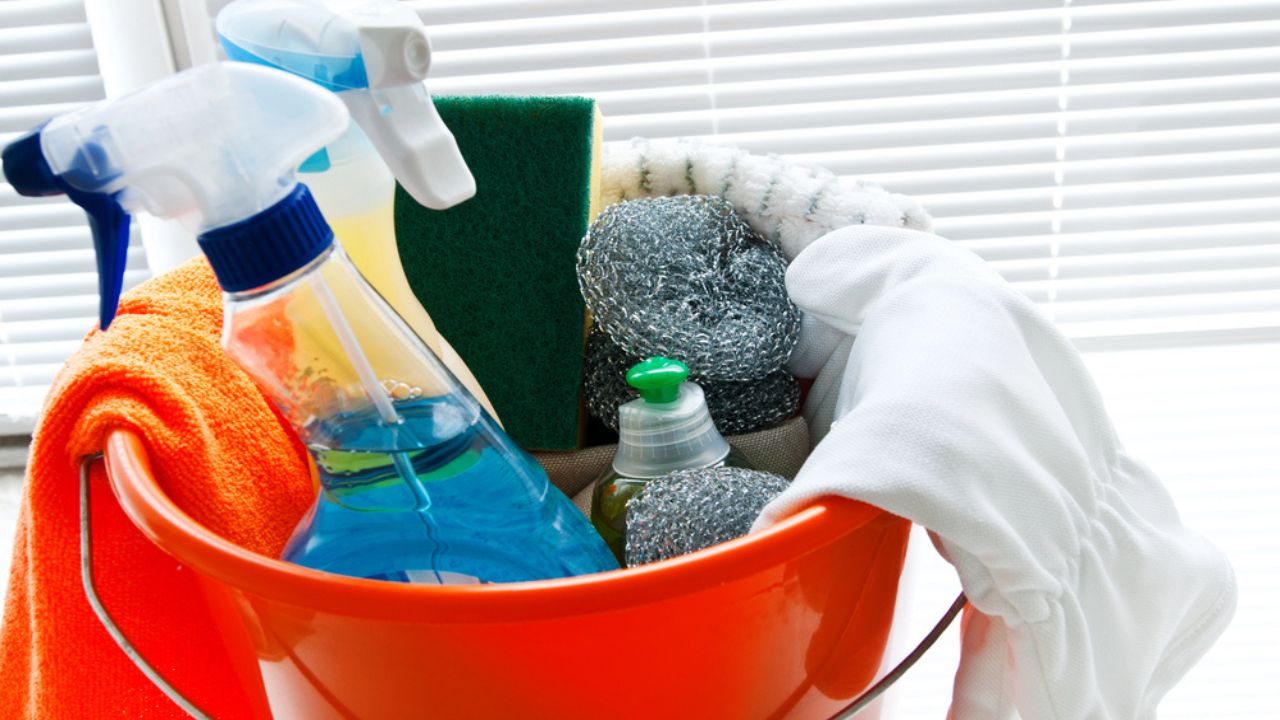
Image Credit: Depositphotos.com.
Just like paint, many household cleaning products do not react well to freezing temperatures. The active ingredients in liquid cleaners can separate or lose their potency when exposed to the cold. A frozen-and-thawed bottle of all-purpose cleaner might look fine, but it may no longer be effective at disinfecting surfaces.
Some chemical containers can also crack or burst when their contents freeze and expand, creating a potentially hazardous spill, especially if they combine. The last thing you want to discover in the spring is a puddle of unknown chemicals on your garage floor. Check the labels on your cleaning supplies; many will include storage temperature recommendations. It’s always a safer bet to store them in a utility closet.
7. Rust-Prone Tools and Metal Items
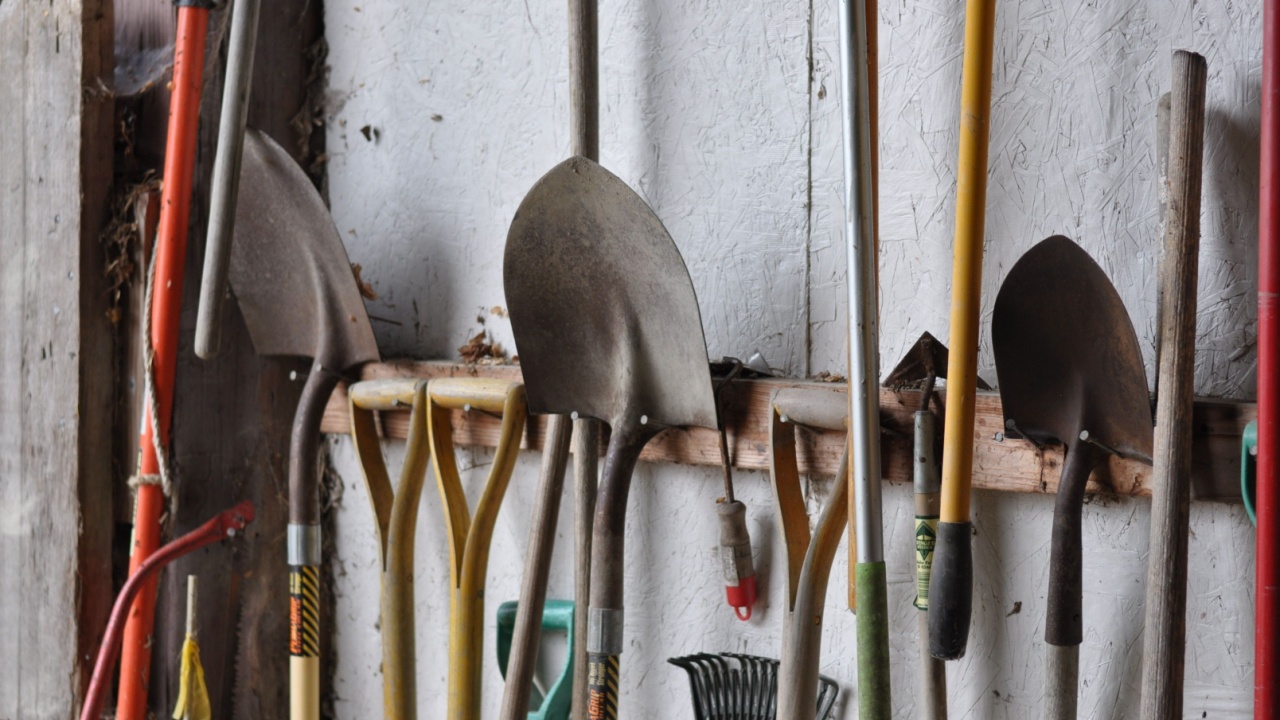
Image Credit: Shutterstock.
Your collection of hand tools, garden implements, and cast-iron cookware represents a significant investment. Leaving them in a garage during winter exposes them to moisture and condensation, which are the primary culprits behind rust. Improper storage of tools is a money pit.
While some high-end tools are made from rust-resistant alloys, many common tools like hammers, wrenches, and garden shovels are susceptible. Rust can weaken the metal, damage moving parts on power tools, and make your equipment difficult to use. Protecting your tools is simple: bring them into a dry basement or workshop. For items that must stay in the garage, a light coating of machine oil can offer a layer of protection.
Store Things Smarter
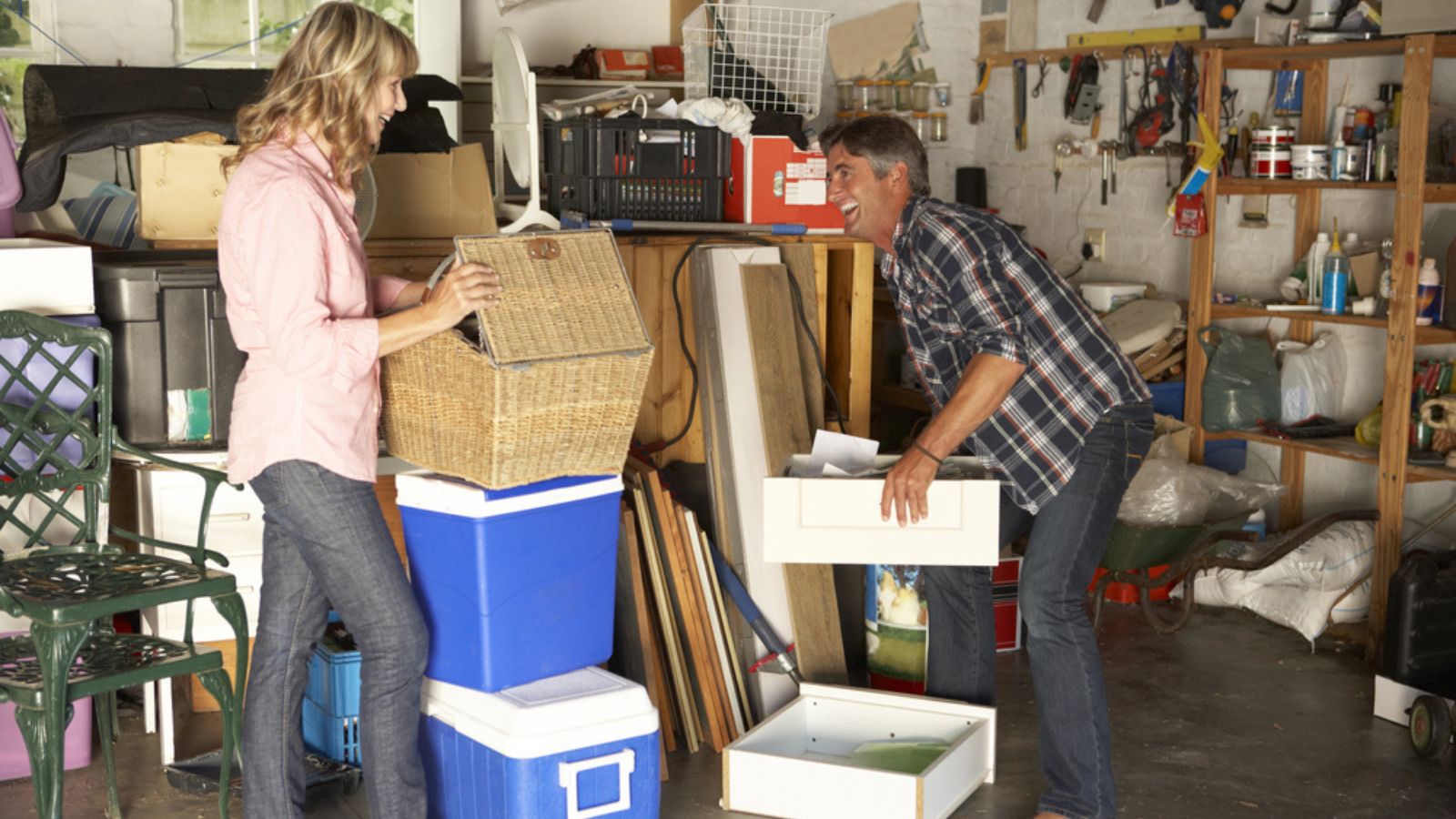
Image Credit: Deposit Photos.
Clearing these seven items out of your garage is a great first step toward protecting your belongings. Find them a proper home for the winter. Take an hour to audit your basement, closets, or utility room to identify some new storage spots. You could install a few simple shelves in a laundry room for cleaners and paints or designate a specific closet for important documents and electronics. By finding a safe, climate-controlled space for these sensitive items now, you’ll avoid costly replacements and messy clean-ups later.