
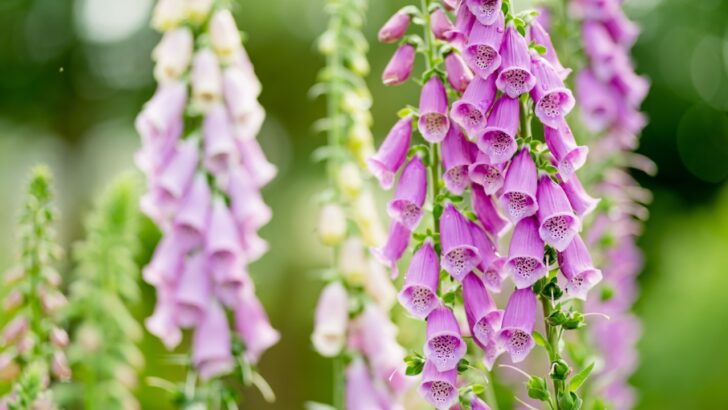
Adding tall perennials to your garden is one of the best ways to create visual interest, bring balance, and elevate your overall garden design.
These towering plants draw the eye upward, create a layered effect, and serve as essential habitats for pollinators and other wildlife. Whether you’re aiming for classic cottage charm or sleek modern appeal, these bold perennials can transform your garden into a vertical masterpiece.
Below, we’ve rounded up 19 beautiful tall perennials to help you design a garden that is both stunning and functional.
Why We Chose These Plants for Our List

Image Credit: Shutterstock.
Extension publications like Mississippi State University and Georgia Extension emphasize selecting a manageable diversity of species suited to your site conditions—rather than overwhelming yourself with dozens of options—that ensures long-term garden success. As the University of Georgia notes, “you don’t have to plant 50 species … a stunning display with five species or varieties …” is entirely possible.
Choosing around 19 selections strikes a sweet spot: it offers enough botanical variety for interest, bloom timing, and pollinator appeal without introducing maintenance overload.
1. Joe Pye Weed (Eutrochium purpureum)
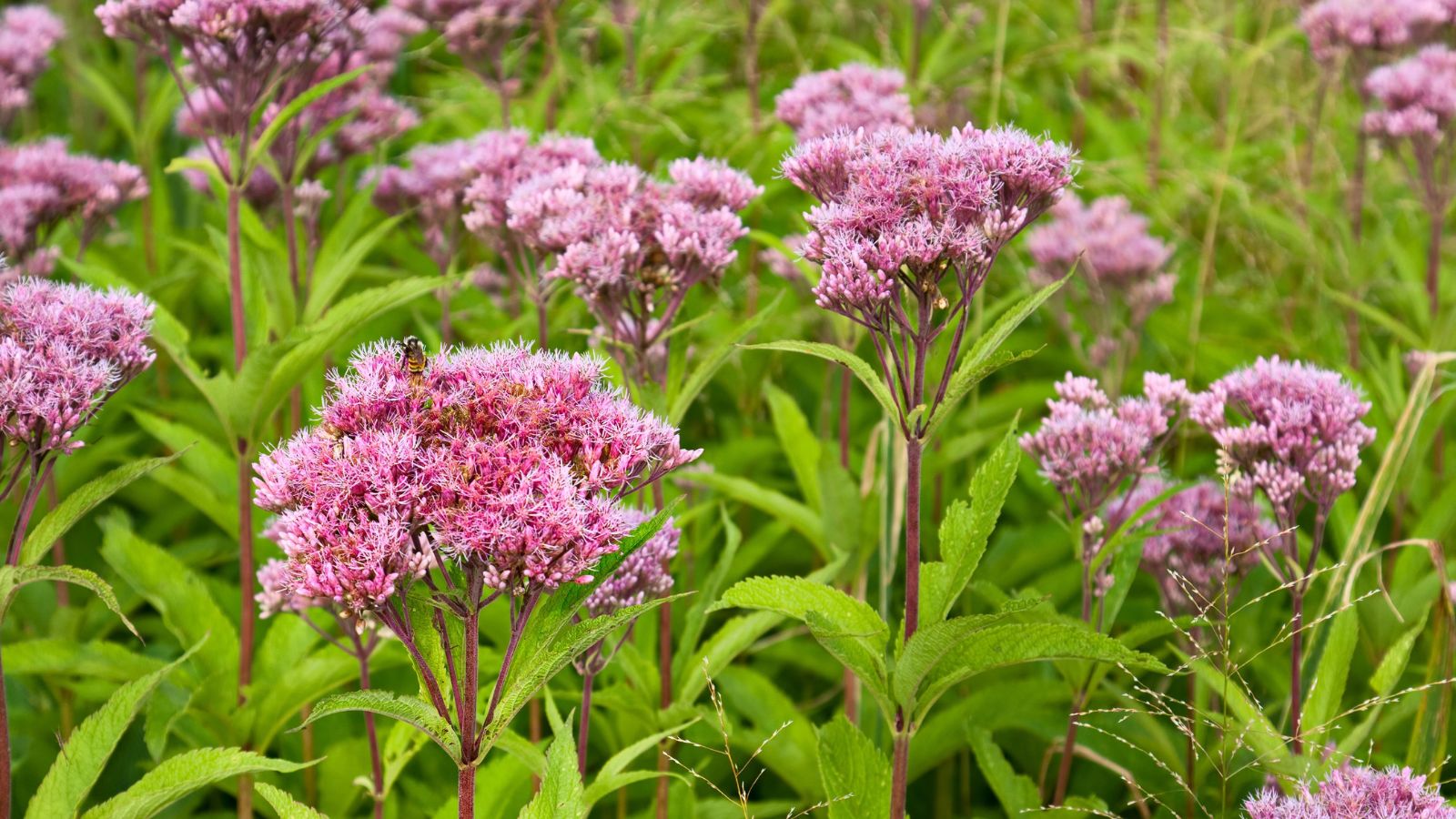
Image Credit: Depositphotos.com.
Appearance and Growing Conditions: Standing at an impressive 5–7 feet tall, Joe Pye Weed produces large, fluffy clusters of mauve-pink flowers. Native to North America, this perennial thrives in USDA zones 4-9 and prefers moist, nutrient-rich soil and full to partial sun. It’s a favorite for adding height to wildflower gardens or prairie-style borders.
Benefits: Joe Pye Weed is a butterfly magnet, attracting Monarchs, Painted Ladies, and other pollinators. Its hollow stems also provide nesting spots for bees, creating a haven for wildlife.
Drawbacks and Care Tips: While it can spread via rhizomes, regular division every 3–4 years helps contain its spread. Keep the soil consistently moist to prevent wilting during hot summers.
2. Russian Sage (Perovskia atriplicifolia)
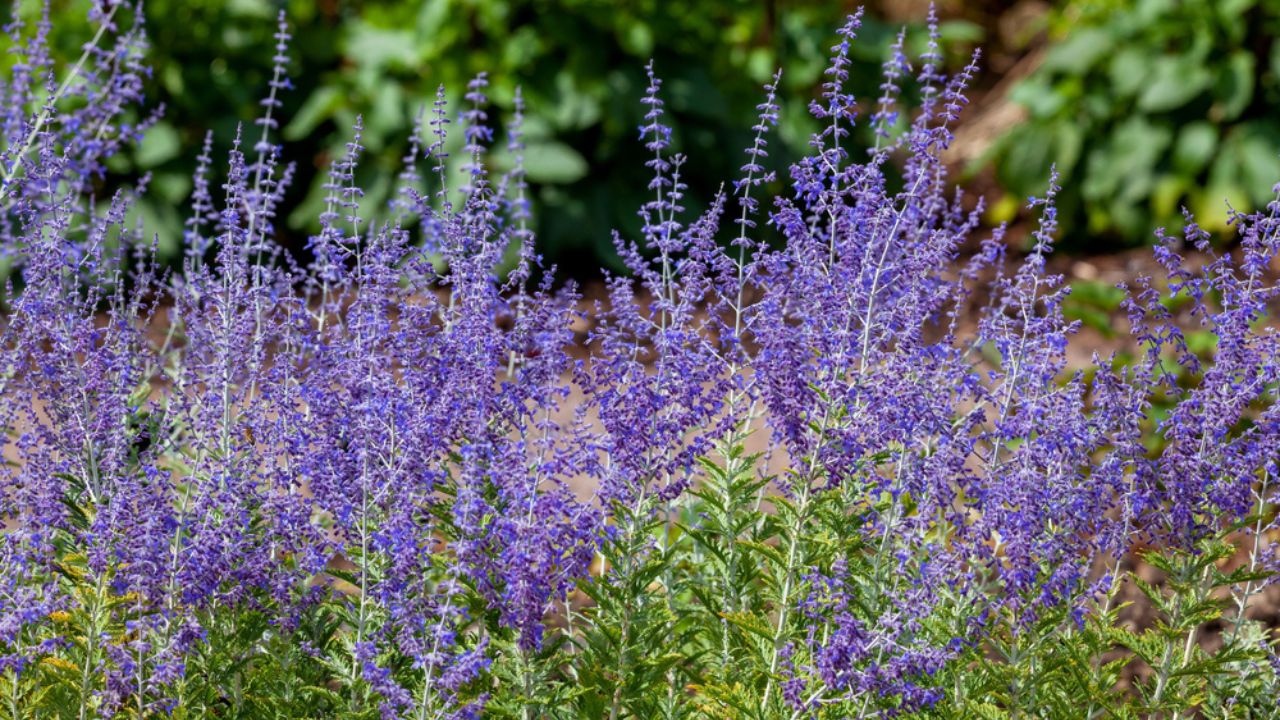
Image Credit: Shutterstock
Appearance and Growing Conditions: Known for its silvery foliage and lavender-blue flower spikes, Russian Sage reaches 3–5 feet tall and thrives in USDA zones 4-9. It prefers full sun and well-draining soil, making it ideal for xeriscaping or low-maintenance gardens.
Benefits: Pollinators like bees and hoverflies adore its nectar-rich blooms. Plus, it’s deer-resistant and highly tolerant of drought once established.
Drawbacks and Care Tips: While noninvasive, it can self-sow occasionally. Prune back the stems to about 6 inches in early spring for fresh, vigorous growth.
3. Hollyhock (Alcea rosea)
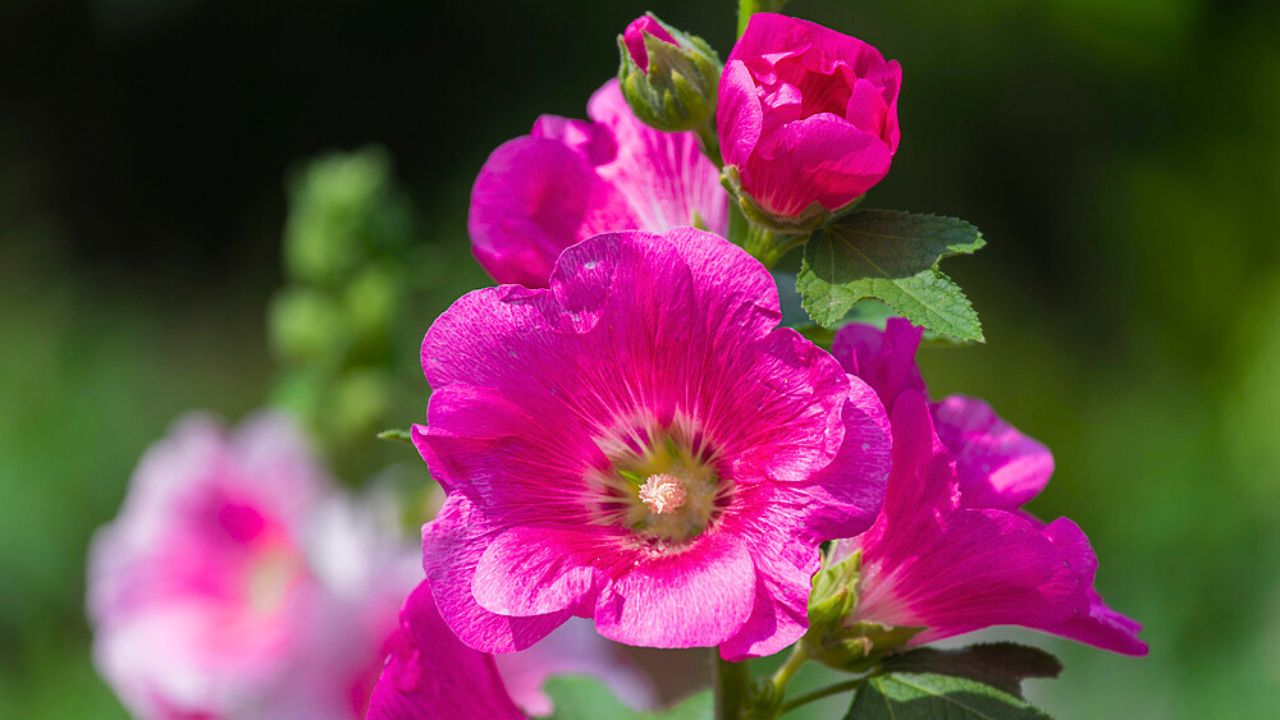
Image Credit: Shutterstock.
Appearance and Growing Conditions: Hollyhocks bring old-world charm with towering spires of saucer-like blooms in pinks, reds, creams, and purples. They reach 6–8 feet tall and perform best in USDA zones 3-8 with full sun and moderately fertile, well-drained soil.
Benefits: Besides being stunning, hollyhocks are beloved by bees, including bumblebees, that often nest near their base.
Drawbacks and Care Tips: They are prone to rust, a common fungal disease, so ensure good air circulation by spacing plants adequately. Deadheading spent blooms will help prevent excessive self-seeding.
4. Cup Plant (Silphium perfoliatum)
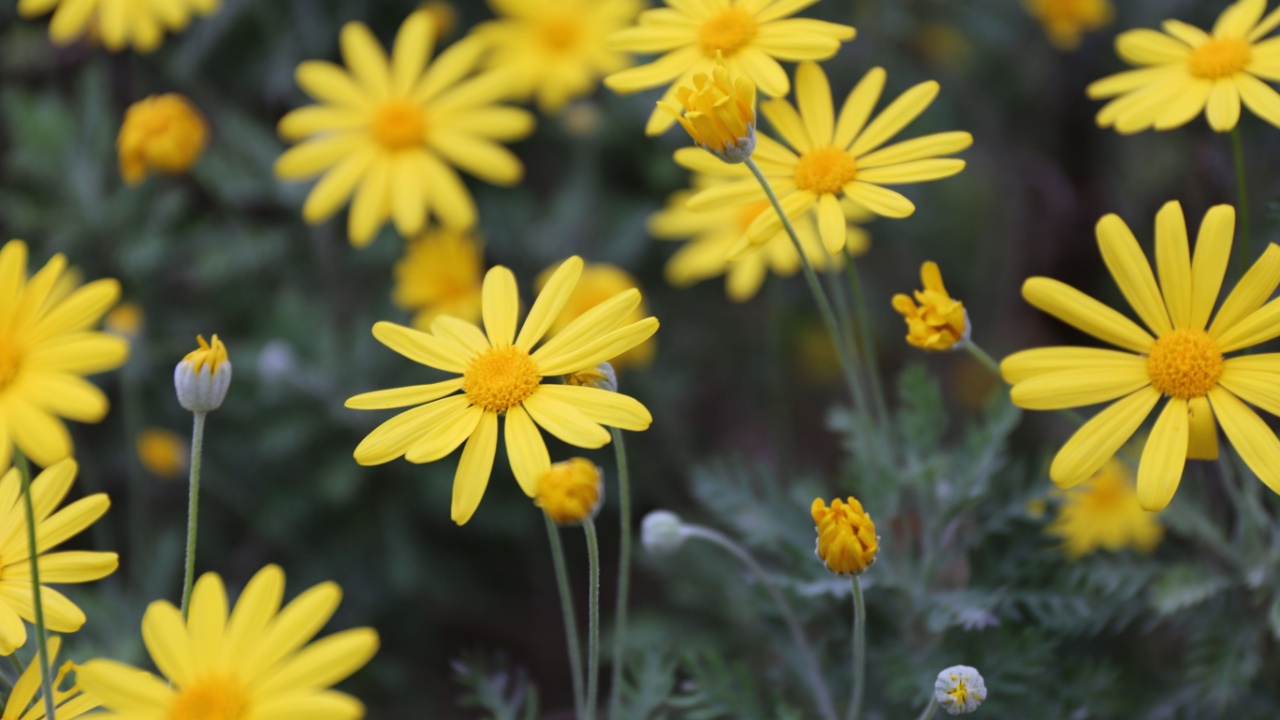
Image Credit: Shutterstock.
Appearance and Growing Conditions: This unique perennial grows 6–10 feet tall with bright yellow flowers and saucer-shaped leaves that hold rainwater. Cup Plant thrives in moist soils in zones 4-9 and is a standout feature in rain gardens.
Benefits: Pollinators and birds love it; its flowers provide nectar while birds drink from the cup-shaped leaves and eat the seeds in fall.
Drawbacks and Care Tips: Cup Plant can reseed aggressively. To manage this, deadhead spent flowers throughout the growing season.
5. Monkshood (Aconitum napellus)
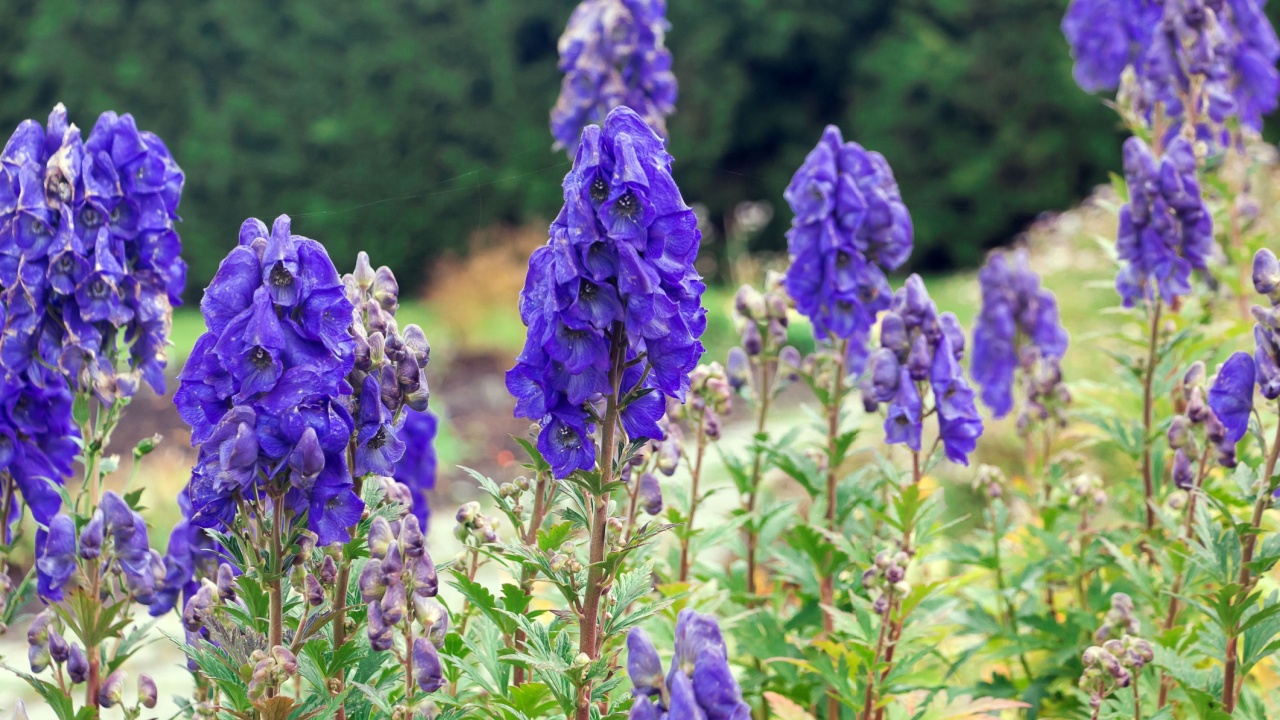
Image Credit: Shutterstock.
Appearance and Growing Conditions: Monkshood is a striking perennial, reaching 4–5 feet tall with deep blue, hood-like flowers. It grows well in USDA zones 3-7 and thrives in shaded, moist conditions.
Benefits: Its dramatic flowers add elegance to shady spots, and its foliage creates a stunning green backdrop.
Drawbacks and Care Tips: All parts of Monkshood are toxic, so handle carefully and keep it out of reach of pets and children. Regular pruning after blooming promotes fresh foliage.
6. Baptisia (Baptisia australis)
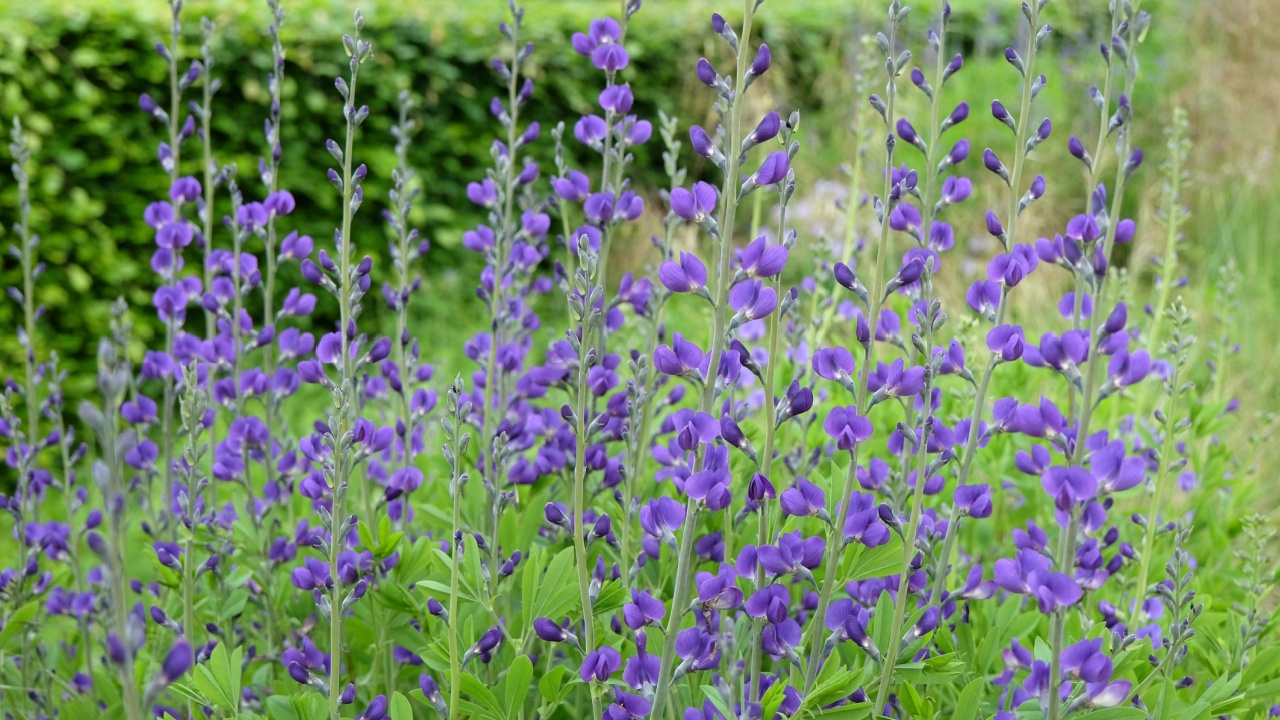
Image Credit: Shutterstock.
Appearance and Growing Conditions: Standing at 3–4 feet tall, Baptisia produces spires of blue or white pea-shaped flowers. Native to North America, it thrives in USDA zones 3-9 with full to partial sun and well-drained soil.
Benefits: This long-lived perennial attracts bees, butterflies, and ladybugs while adding nitrogen to your soil.
Drawbacks and Care Tips: Baptisia grows slowly, taking 2-3 years to establish. Be patient, as its deep taproot sustains it once settled.
7. Cardinal Flower (Lobelia cardinalis)
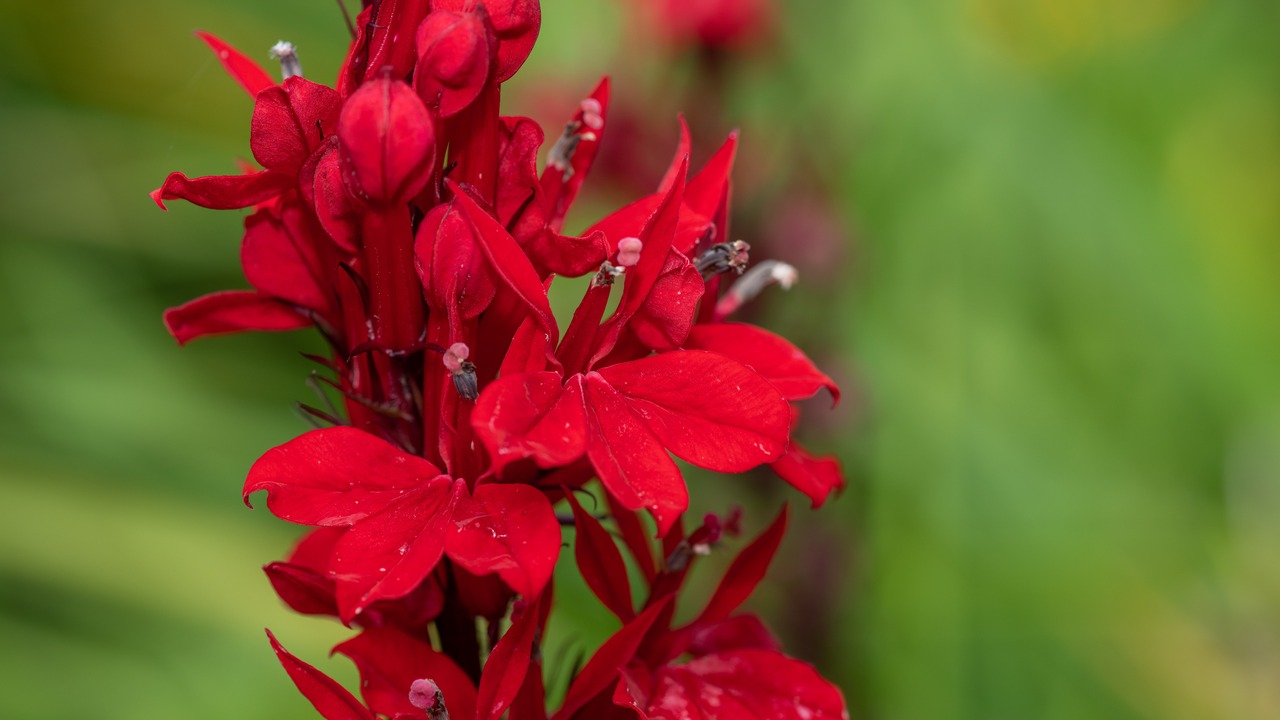
Image Credit: Shutterstock.
Appearance and Growing Conditions: Cardinal Flower features bold scarlet blooms on 3–4-foot stalks. It thrives in moist or boggy soils in zones 3-9 and performs beautifully along water banks or in rain gardens.
Benefits: Its tubular flowers are a favorite of hummingbirds, often bringing these stunning visitors to your garden.
Drawbacks and Care Tips: Cardinal Flower is short-lived but reseeds easily, ensuring its continued presence. Deadhead spent blooms to prolong flowering.
8. Foxglove (Digitalis purpurea)
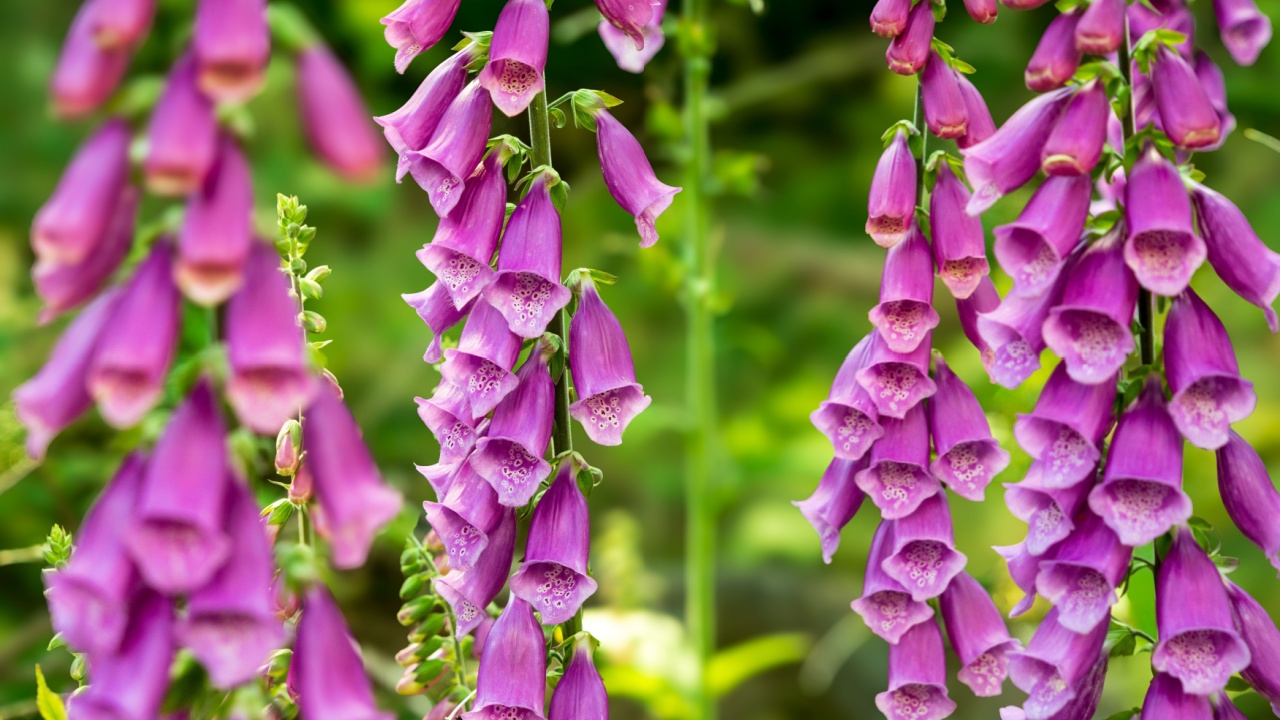
Image Credit: Shutterstock.
Appearance and Growing Conditions: Known for its tall spires dotted with tubular blooms, Foxglove stands 2–5 feet tall. It prefers cool, shady areas in zones 4-8.
Benefits: Bumblebees love crawling into its blooms, and it naturalizes well in woodland gardens.
Drawbacks and Care Tips: All parts are toxic, so plant cautiously around curious pets or children. Allow self-seeding to maintain your Foxglove patch.
9. Miscanthus (Miscanthus sinensis)

Image Credit: Kakidai – Own work, CC BY-SA 3.0./Wiki Commons.
Appearance and Growing Conditions: Miscanthus, or Maiden Grass, grows tall and graceful to heights of 6–8 feet (or as high as 9 feet in rich soil). Its arching blades and feathery plumes offer movement and texture. It thrives in USDA zones 5-9 with full sun.
Benefits: The plumes provide winter interest, and the grass serves as shelter for wildlife.
Drawbacks and Care Tips: Avoid invasive varieties and stick to sterile cultivars. Cut back dead foliage in early spring to make way for new growth.
10. Garden Phlox (Phlox paniculata)
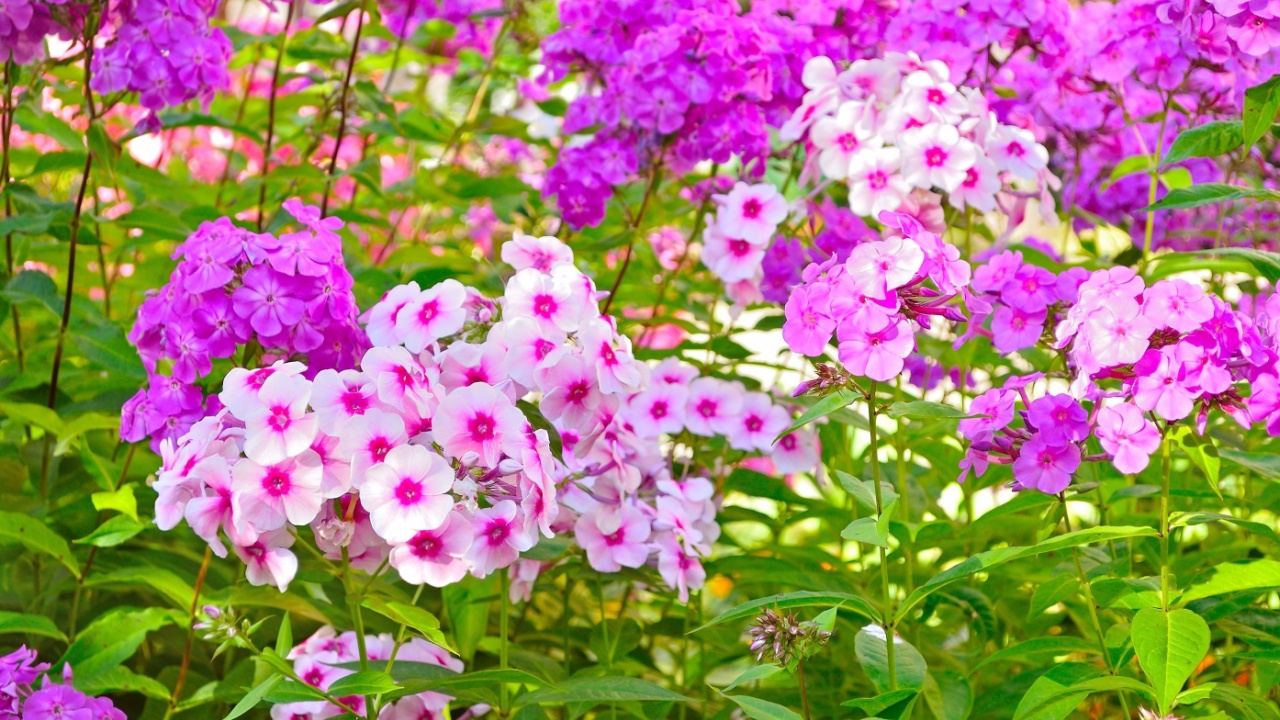
Image Credit: Shutterstock.
Appearance and Growing Conditions: This perennial stands out with dense flower clusters atop 3–4-foot stalks in shades of pink, red, and white. It grows well in zones 4-8 with full sun and rich, well-drained soil.
Benefits: Pollinators like butterflies and hummingbirds love its sweet fragrance and open flowers.
Drawbacks and Care Tips: Space plants to improve airflow and reduce the risk of powdery mildew. Deadhead to encourage repeat blooming.
11. Giant Rudbeckia (Rudbeckia maxima)
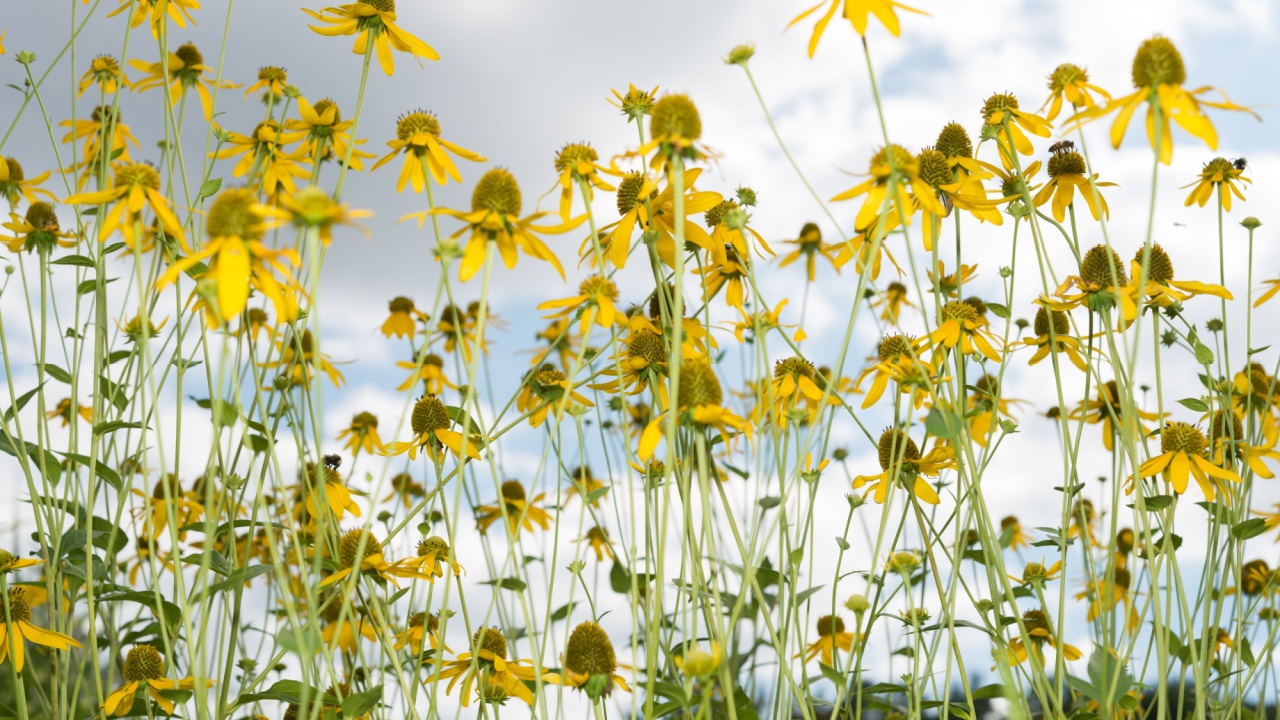
Image Credit: Shutterstock.
Appearance and Growing Conditions: Towering up to 6–7 feet with dramatic, blue-green leaves and bright yellow coneflowers, Giant Rudbeckia is a showstopper in zones 5-9. It prefers full sun and moderately moist, well-draining soil.
Benefits: The large blooms attract bees and butterflies, while birds enjoy the seed heads in late fall. Its striking foliage adds bold texture to borders.
Drawbacks and Care Tips: Can topple without support in windy conditions—stake as needed and cut back spent blooms to prolong flowering.
12. Meadow Rue (Thalictrum rochebrunianum)
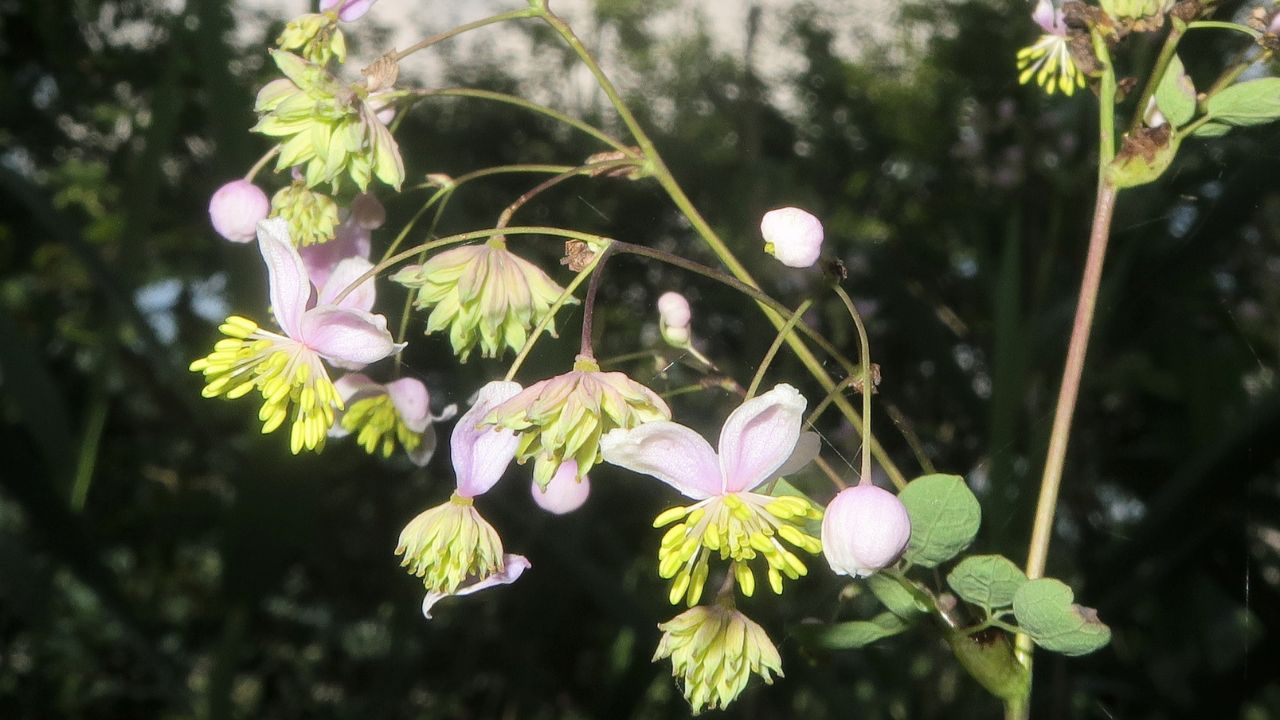
Image Credit: Qwert1234 – Qwert1234’s file – CC BY-SA 4.0/Wiki Commons.
Appearance and Growing Conditions: This perennial grows slender and upright, reaching 5–7 feet with clouds of delicate purple or lavender flowers and lacy foliage. It thrives in zones 4-7, doing best in partial shade with rich, moist soil.
Benefits: The airy blooms give a soft, ethereal quality and attract pollinators like bees and butterflies.
Drawbacks and Care Tips: Meadow Rue may need staking and appreciates regular watering in dry periods. Mulch to conserve moisture and suppress weeds.
13. Veronicastrum (Veronicastrum virginicum)

Image Credit: Shutterstock.
Appearance and Growing Conditions: Rising 4–7 feet, Veronicastrum produces slender spikes of white, blue, or pink flowers from midsummer to fall in zones 3-8. Prefers sun or light shade and humus-rich, moist soil.
Benefits: Loved by bees and butterflies, it adds strong vertical accents and works well in naturalistic plantings.
Drawbacks and Care Tips: May flop in overly rich soils—plant alongside sturdier neighbors or use discreet supports for best posture.
14. Ironweed (Vernonia noveboracensis)
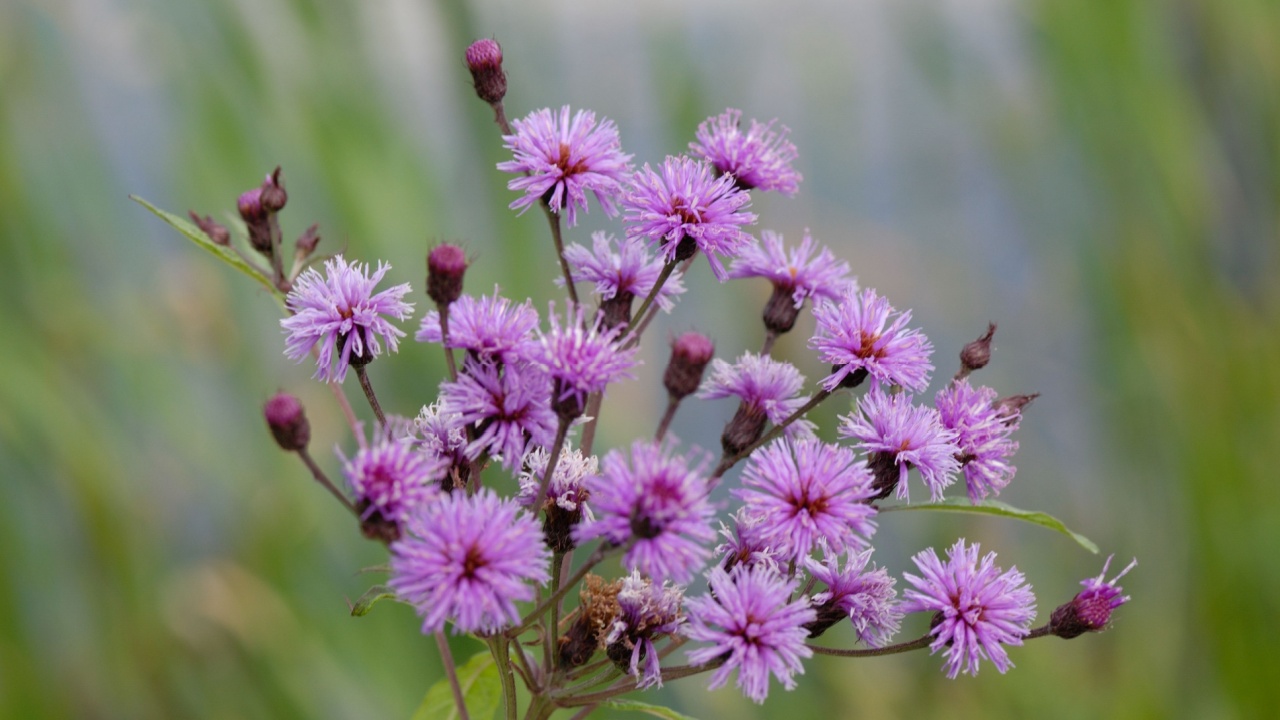
Image Credit: Shutterstock.
Appearance and Growing Conditions: Ironweed stands 5–8 feet tall, with bold stems topped by purple flower clusters. It enjoys full sun and moist soils, flourishing in zones 4-9.
Benefits: Butterflies frequent the vibrant blooms, and the tall stems resist most pests and diseases.
Drawbacks and Care Tips: Can spread by seed and rhizomes. Remove spent flowers to limit self-seeding and cut back hard in spring to control height.
15. Gooseneck Loosestrife (Lysimachia clethroides)

Image Credit: Shutterstock.
Appearance and Growing Conditions: With gently arching stems reaching 3–5 feet and tapering white flower spikes, it brings movement to the border in zones 3-8. Prefers moist, fertile soil and part sun.
Benefits: Pollinators flock to its unusual blooms, and it makes a striking cut flower.
Drawbacks and Care Tips: Known to spread vigorously—contain with edging and dig up runners as needed to prevent takeover.
16. Culver’s Root (Veronicastrum virginicum ‘Fascination’)
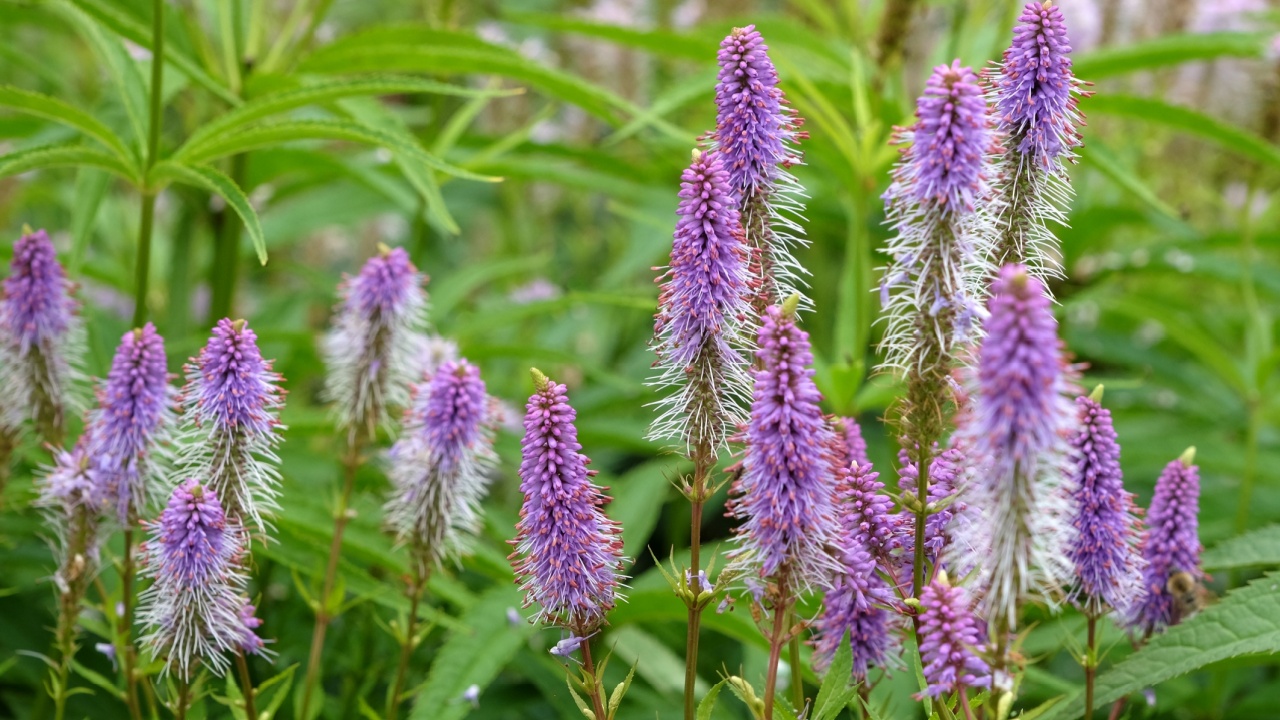
Image Credit: Shutterstock.
Appearance and Growing Conditions: A cultivated variety of Veronicastrum, ‘Fascination’ reaches 5–7 feet with soft lilac-blue spires and whorled leaves. Grows well in sun to partial shade in zones 3-8.
Benefits: Excellent for adding structure and supporting pollinators. Its tall, graceful habit works beautifully in rain gardens and meadows.
Drawbacks and Care Tips: Like the species, can topple in wind—provide support if needed and keep soil moist in high summer.
17. New England Aster (Symphyotrichum novae-angliae)
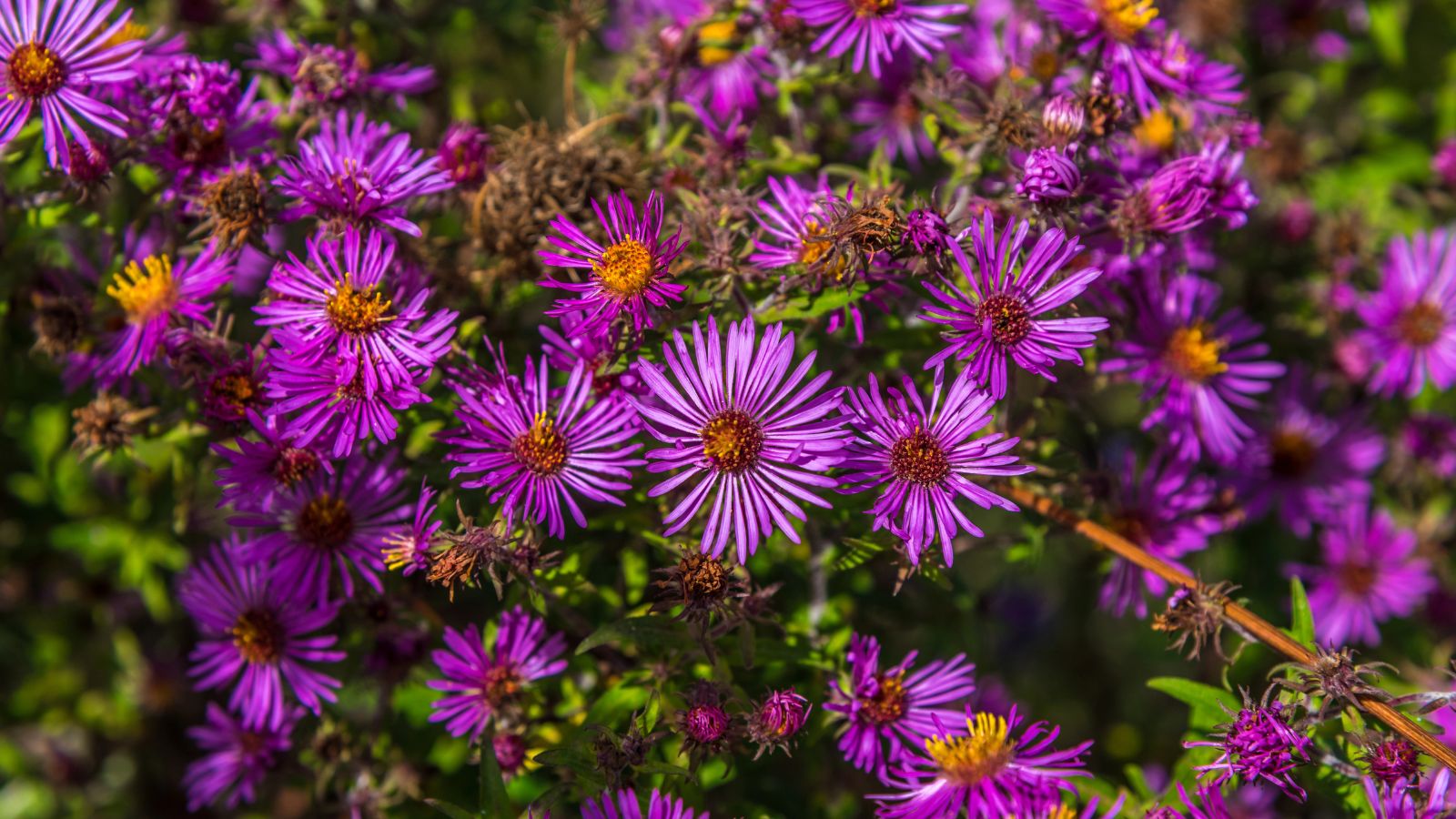
Image Credit: Depositphotos.com.
Appearance and Growing Conditions: With a height of 4–6 feet, this autumn perennial is covered in purple, pink, or blue daisy-like flowers. Thrives in zones 3-8, in full sun and average soil.
Benefits: Vital late-season nectar for monarch butterflies and a vibrant end-of-year color display.
Drawbacks and Care Tips: May self-seed generously—deadhead if you wish to control spread. Cut back stems by half in early summer for bushier growth.
18. Verbena bonariensis
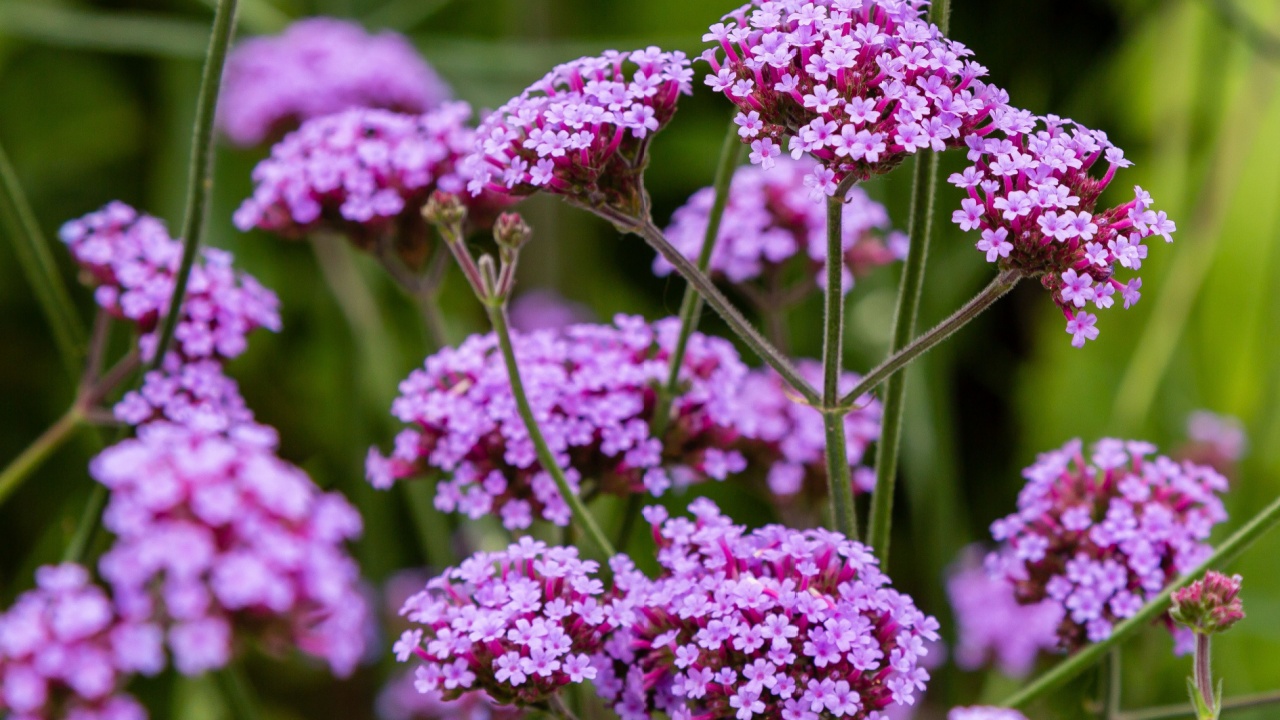
Image Credit: Shutterstock.
Appearance and Growing Conditions: Slender, wiry stems topped with clusters of lavender flowers rise 4–6 feet high. This sun-loving perennial grows well in zones 7-10 but can be grown as an annual elsewhere.
Benefits: Provides continuous color through frost, attracting butterflies and bees for months.
Drawbacks and Care Tips: Can reseed readily in mild climates. Cut back faded blooms to encourage repeat flowering and thin out seedlings as needed the following spring.
19. Compass Plant
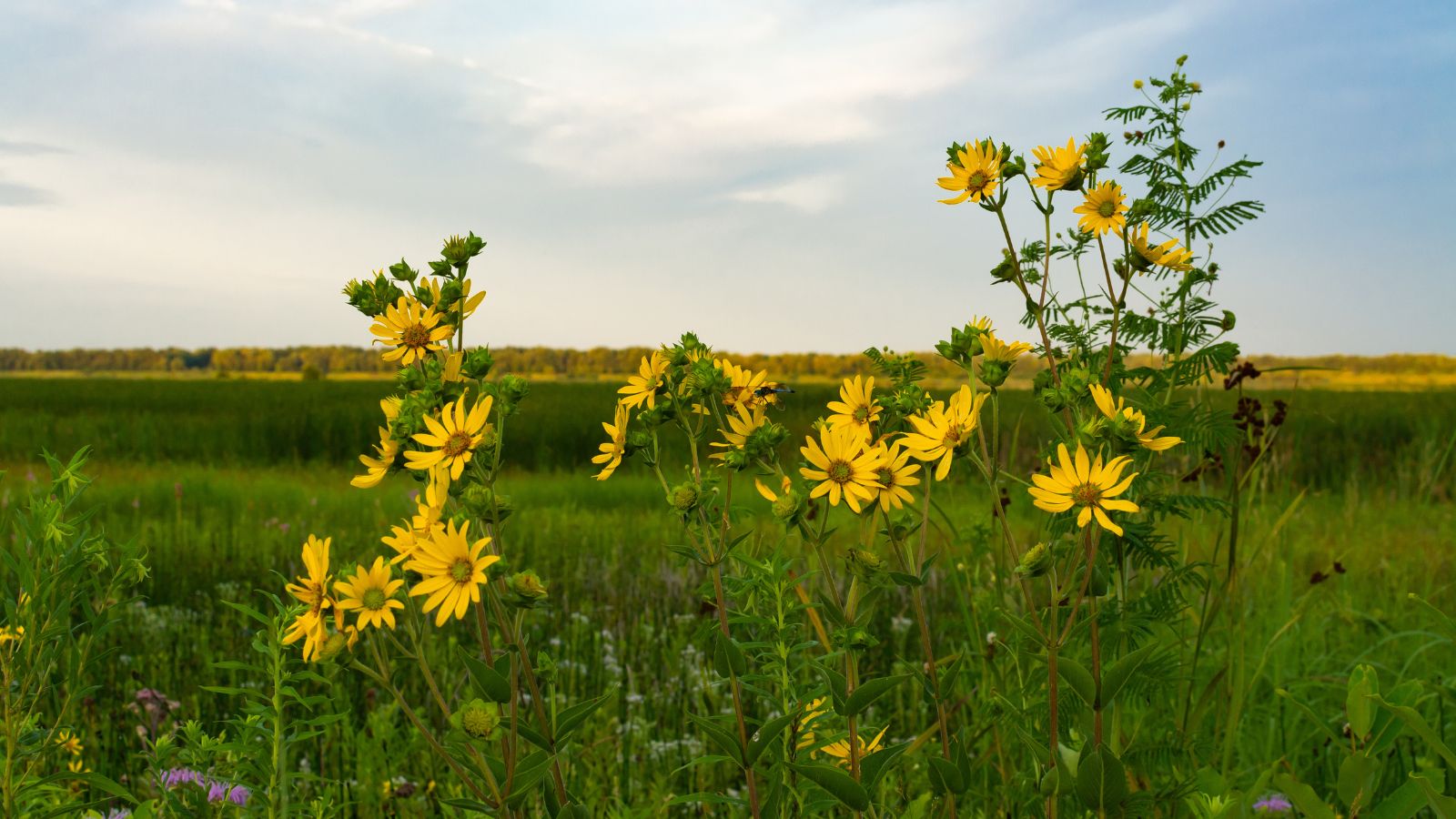
Image Credit: Depositphotos.com
Appearance and Growing Conditions: Reaching up to 12 feet tall, Compass Plant features sunflower-like blooms and unique, deeply lobed leaves. It thrives in prairies and meadows in zones 4-9.
Benefits: It provides nectar for pollinators and seeds for birds—ideal for naturalizing large spaces.
Drawbacks and Care Tips: Its large size suits only expansive gardens. Plant in deep, nutrient-rich soil for best results.
By incorporating tall perennials into your garden, you’ll not only add vertical interest but also support local wildlife, creating an ecological paradise. Choose wisely, plant thoughtfully, and watch your garden reach new heights!