

What happens to a person’s mind when the world around them goes almost completely dark for weeks at a time? It sounds dramatic, but people living in regions with limited winter sunlight deal with this every year, and surprisingly, many manage to stay energized, positive, and mentally steady through it all.
A study from Vanderbilt University shows that routines involving intentional light exposure, outdoor activity, and environmental adjustments can significantly reduce the effects of Seasonal Affective Disorder (SAD). Here’s what people living in these conditions know about keeping a positive outlook.
1. Embracing Natural Light Every Chance They Get
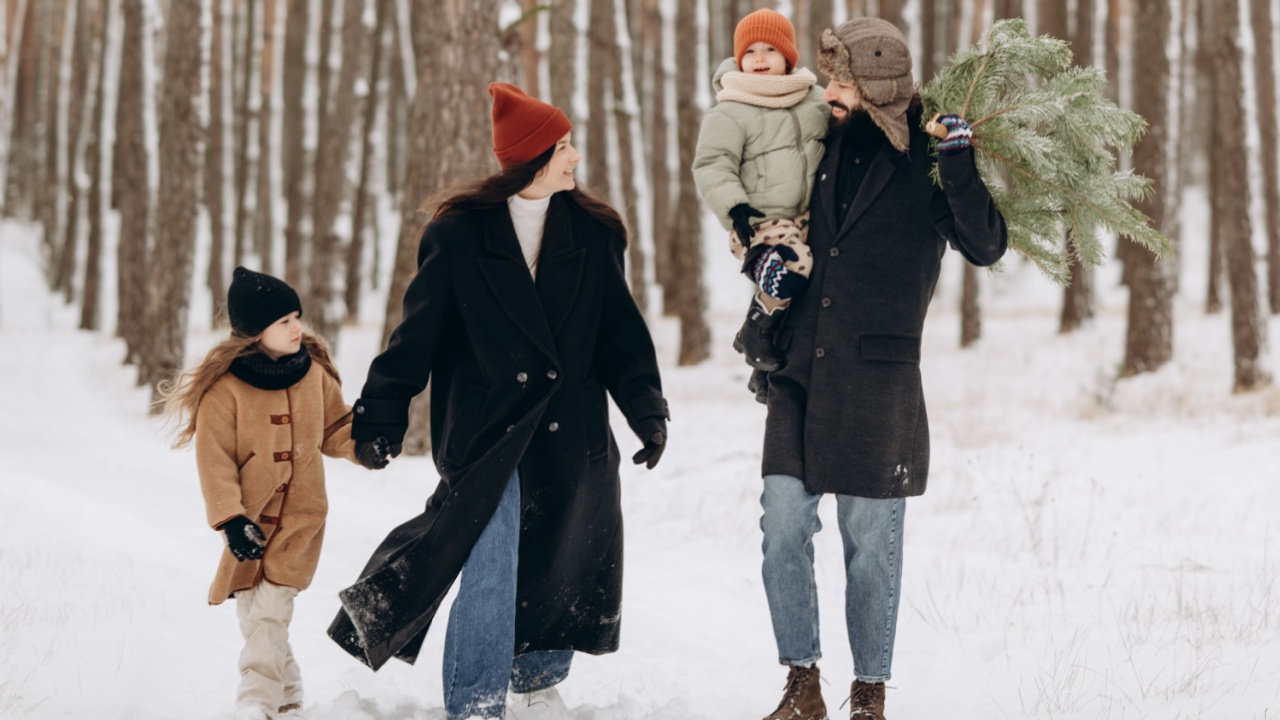
Image Credit: Shutterstock.
People in extremely dark regions stretch every bit of daylight they can find. Even 30 minutes of outdoor light during low-sun seasons can help reset the body’s internal clock. Natural light exposure boosts serotonin and reduces sluggishness in winter.
People living in darker climates make a point of stepping outside for short bursts of daylight whenever they can. Even a few minutes on a balcony, a quick walk, or doing a small outdoor task helps the body stay in sync with natural light.
2. Creating Social Rituals to Break Isolation
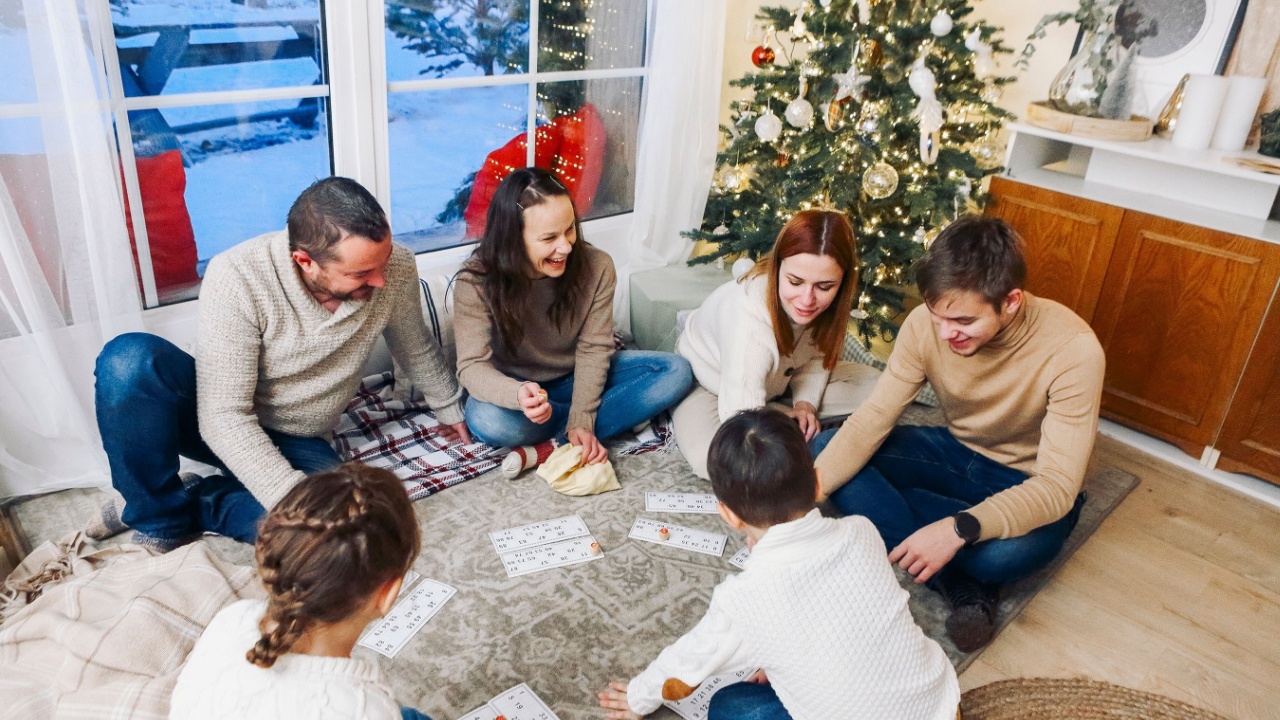
Image Credit: Shutterstock.
Winters in the darkest parts of the world can be brutally lonely, so community rituals are taken seriously. Social connection dramatically reduces winter depression risk, and strong social connections can lead to better health and a longer life.
Families gather for board games, porch coffees, small meals, and evening check-ins. Even neighbors participate in winter “togetherness habits,” which help make long nights feel less overwhelming.
3. Using Light Therapy Lamps Indoors
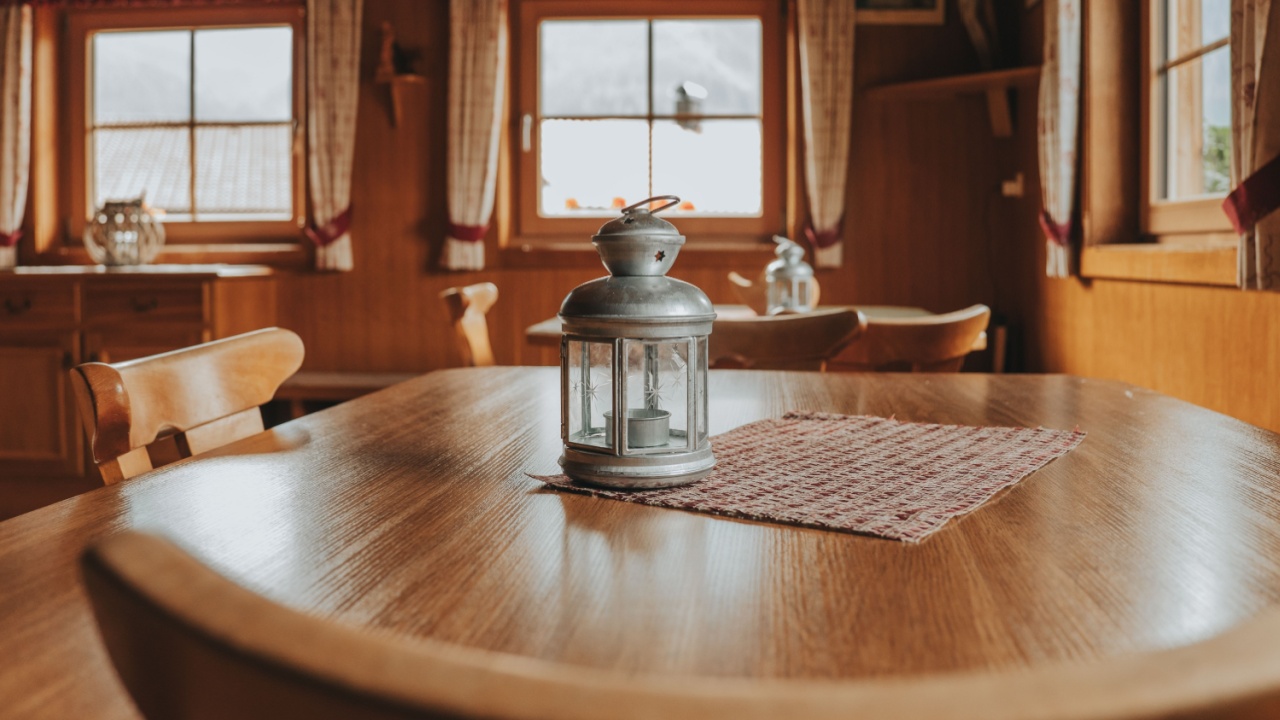
Image Credit: Shutterstock.
Many people use full-spectrum lamps indoors to mimic daylight, especially when natural sunshine is limited. Medical-grade 10,000-lux light therapy has been shown to reduce symptoms of SAD, increase alertness, and help regulate sleep patterns.
People place them on breakfast tables, desks, or kitchen counters and use them for 20–30 minutes in the morning. These lamps are especially helpful for anyone who wakes up before sunrise or gets home after sunset.
Find Your Own Winter Glow

Image Credit: Shutterstock.
The people who thrive in the darkest parts of the world do it by stacking small habits that bring back warmth, light, and connection. None of these steps requires big budgets or dramatic lifestyle changes, just tiny shifts that brighten your home, support your garden rhythm, and keep your mind steady when days turn short.