
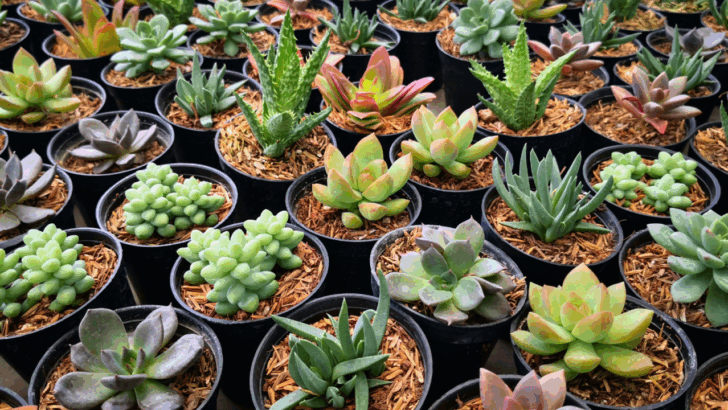
Whether your plant-care style is more “forgetful waterer” or “windowsill curator,” there’s a succulent out there with your name on it. These drought-tolerant beauties come in all shapes and colors—from delicate trailing strings to sculptural rosettes—and they don’t ask for much in return. Just give them the right light, the occasional drink, and a well-draining pot, and they’ll reward you with slow-growing elegance all year round.
Succulents are ideal for anyone who loves low-maintenance greenery that still turns heads. Some even double as living art, perfect for desktops, shelves, patio tables, or sunny garden corners. In this guide, we’re spotlighting over 30 striking varieties, including fan favorites like burro’s tail and snake plant, plus some showstoppers you may not have met yet.
Let’s dig into the best succulents to brighten your space, how to care for them, and which ones will thrive in your particular light and lifestyle.
Why Succulents Shine
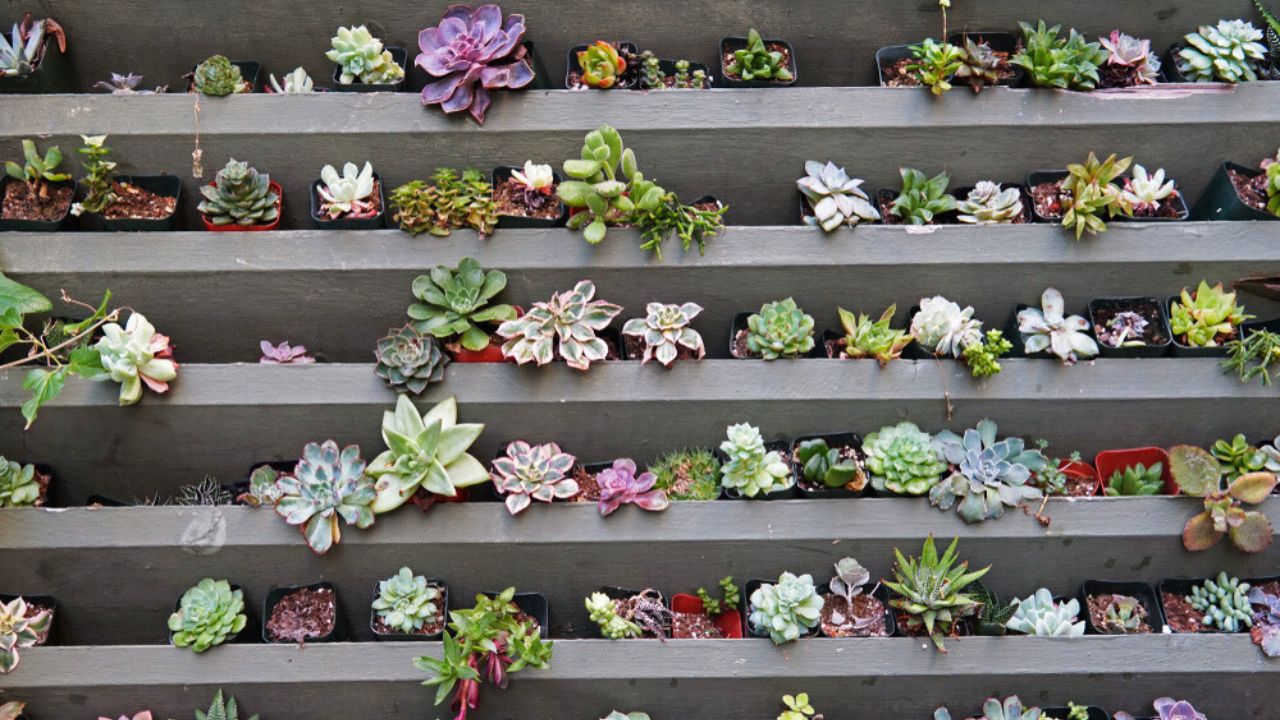
Image Credit: Shutterstock.
Succulents fit nearly any space—from full sun patios to shaded desks. Their water-storing leaves make them forgiving, and their shapes range from rosettes to trails to spikey spires. Mix and match textures, colors, and sizes for a high-impact display with minimal watering.
Looking for detailed care guides? Learn how to water succulents the right way and help them thrive indoors.
Quick Succulent Care Basics

Image Credit: Shutterstock.
These evergreen plants thrive with minimal fuss—but here’s how to keep them at their best:
- Light: At least 6 hrs/day in bright indirect or direct sun.
- Water: Practice the “soak and dry” method, meaning deep water only when the soil is dry.
- Soil & drainage: Use a gritty, well-draining mix and pots with holes.
- Pot size: Go shallow, not deep.
- Temperature: Maintain 60–80 degrees F, protect from frost.
1. Snake Plant (Dracaena trifasciata)

Image Credit: Shutterstock.
The snake plant is one of the toughest houseplants out there, famous for its upright, sword-like leaves that bring a bold architectural element to any room. It’s perfect for beginners or those with less-than-green thumbs because it tolerates low light, infrequent watering, and even neglect, making it a resilient companion in busy homes or offices.
Beyond looks, it’s a natural air purifier, filtering toxins and improving indoor air quality, which adds to its appeal for any living space.
Care: Snake plants thrive in bright to low light conditions. Water only when the top half of the soil feels dry to the touch, typically every 2-6 weeks, depending on your environment.
2. ZZ Plant (Zamioculcas zamiifolia)

Image Credit: Shutterstock.
The ZZ plant’s shiny, waxy leaves give it a tropical vibe that’s surprisingly low-maintenance. It’s a standout in dim corners where other plants might struggle, and it’s drought-tolerant enough to survive occasional forgetfulness. Its slow growth and compact form make it a great fit for desks, shelves, or small corners.
If you want a plant that brings lush greenery with minimal fuss, the ZZ plant is an excellent choice.
Care: Prefers low to moderate indirect light but can tolerate brighter spots. Water when the top 2 inches of soil are dry, roughly every 2-3 weeks.
3. String of Pearls (Curio rowleyanus)
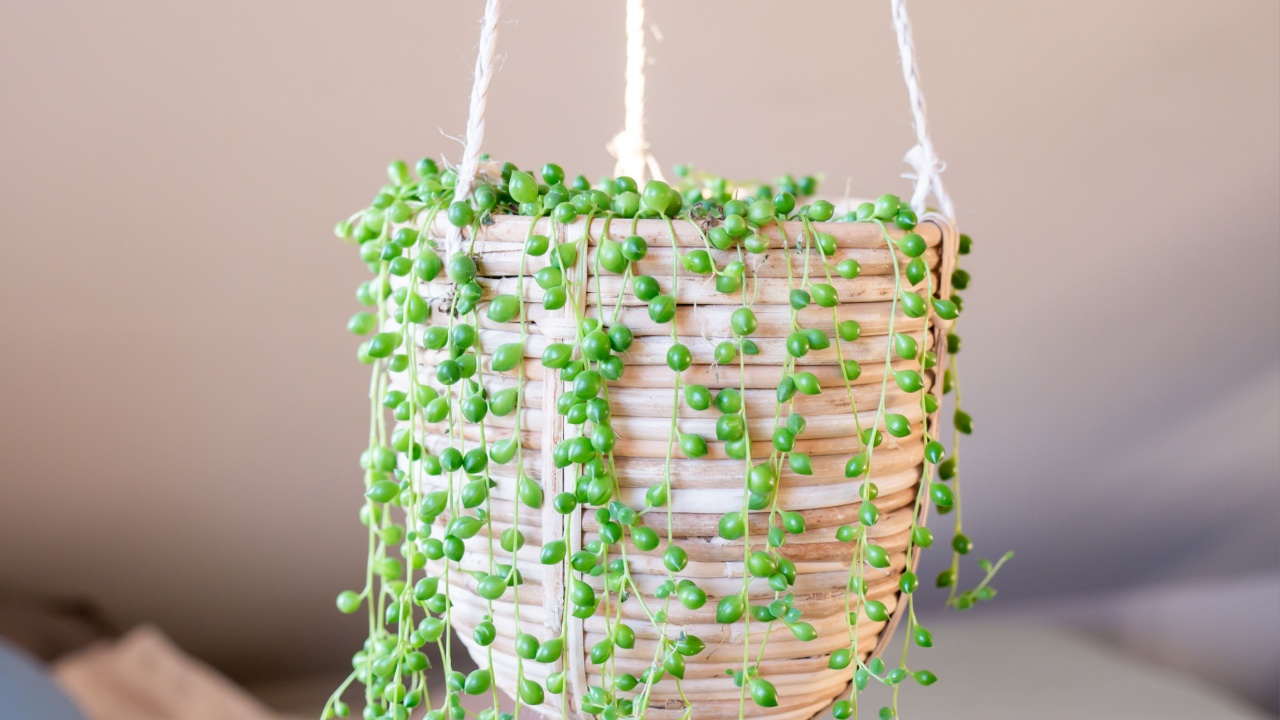
Image Credit: Shutterstock.
With its delicate, bead-like leaves trailing gracefully over the edges of pots, the string of pearls offers a whimsical, cascading effect that is unique among succulents. This plant adds visual interest and a bit of drama to any space, perfect for hanging baskets or high shelves.
It’s a great conversation starter and a beautiful way to soften the edges of your décor with natural texture.
Care: Needs bright, indirect light. Let the soil dry out completely between waterings to prevent rot, usually every 2 weeks.
4. Ice Plant (Delosperma spp.)
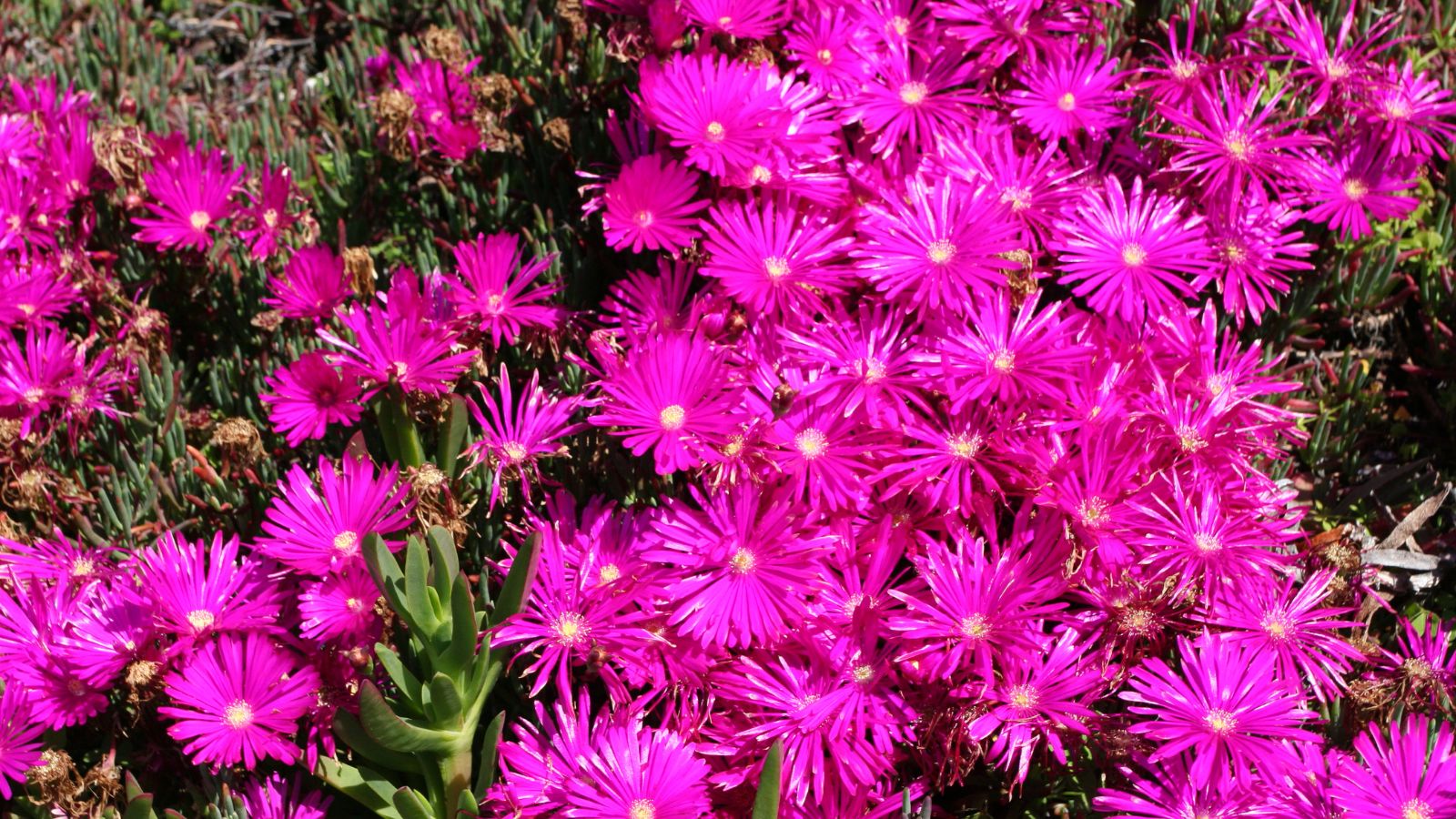
Image credit: YAY Images
Ice plants are hardy, spreading succulents that bring vibrant bursts of color with their cheerful daisy-like flowers. They thrive in sunny, dry conditions and are perfect as outdoor ground cover or an eye-catching indoor plant for a bright spot.
The fast-growing, drought-tolerant nature of ice plants makes them a gardener’s favorite when looking for low-maintenance color all summer long.
Care: Requires full sun and well-drained soil. Water sparingly, letting the soil dry out fully between watering sessions.
5. Living Stones (Lithops spp.)
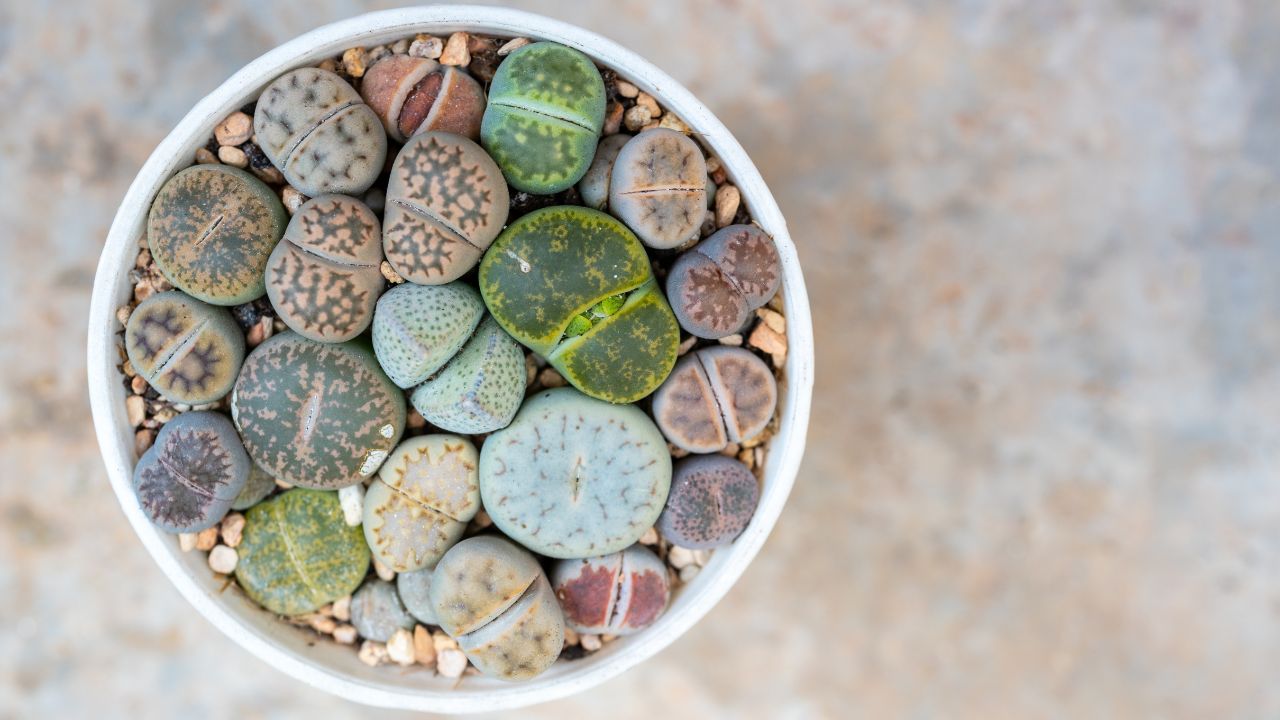
Image Credit: Shutterstock.
Lithops are extraordinary little succulents that mimic the stones and pebbles of their native arid habitats. Their slow growth and stone-like appearance make them fascinating, almost sculptural additions to any collection. Watching new leaves emerge from the center is a rewarding experience for patient plant lovers.
Their unique adaptation to conserve water makes them incredibly drought-tolerant and perfect for dry, bright spots.
Care: Needs bright light or grow light for at least 4-5 hours daily. Water sparingly—only during active growth periods in spring and fall—and avoid watering in summer and winter dormancy.
6. Ric Rac Cactus (Epiphyllum anguliger)
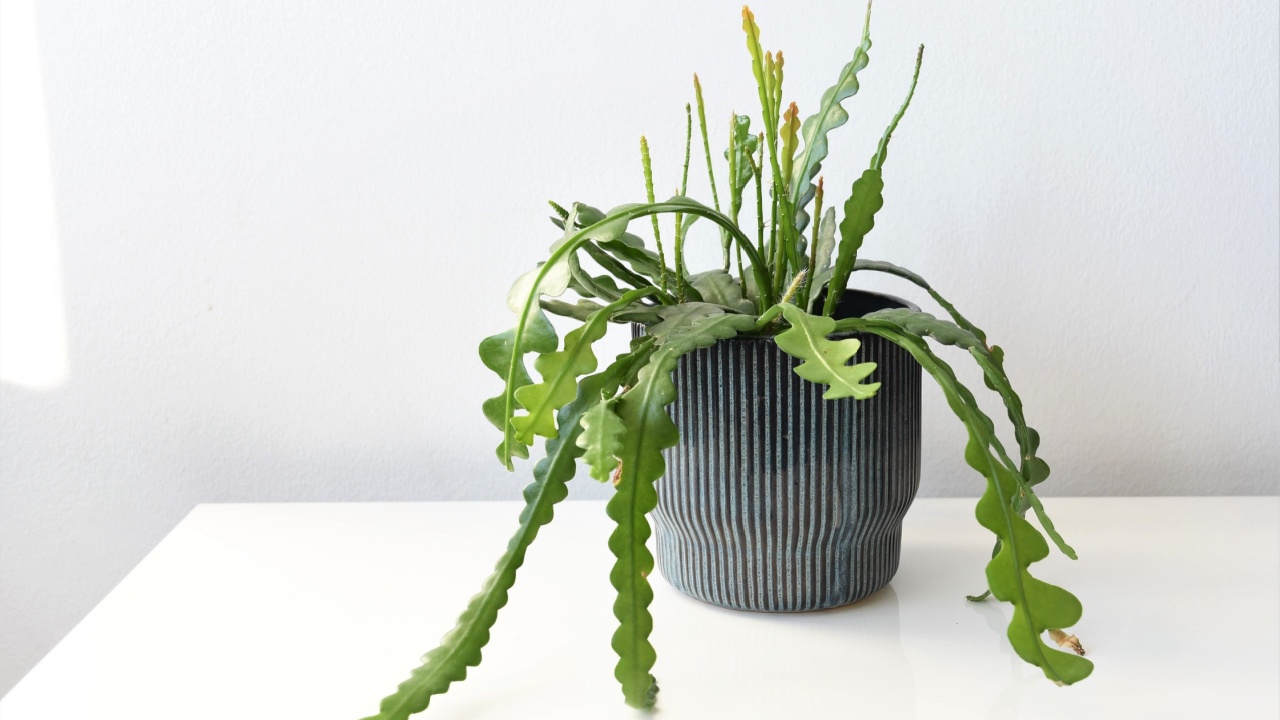
Image Credit: Shutterstock.
Known as the fishbone cactus, this succulent is beloved for its uniquely shaped, zigzagging leaves that add a quirky, sculptural flair to any indoor garden. Its trailing habit makes it ideal for hanging baskets or high shelves, where it can cascade beautifully.
Unlike many cacti, it thrives in bright, indirect light and appreciates a bit more humidity, making it perfect for bright bathrooms or kitchens. Its unusual form is sure to be a conversation piece.
Care: Prefers bright, indirect light. Water the soil when it feels mostly dry, roughly every 1-2 weeks. Avoid overwatering to prevent root rot.
7. String of Hearts (Ceropegia woodii)
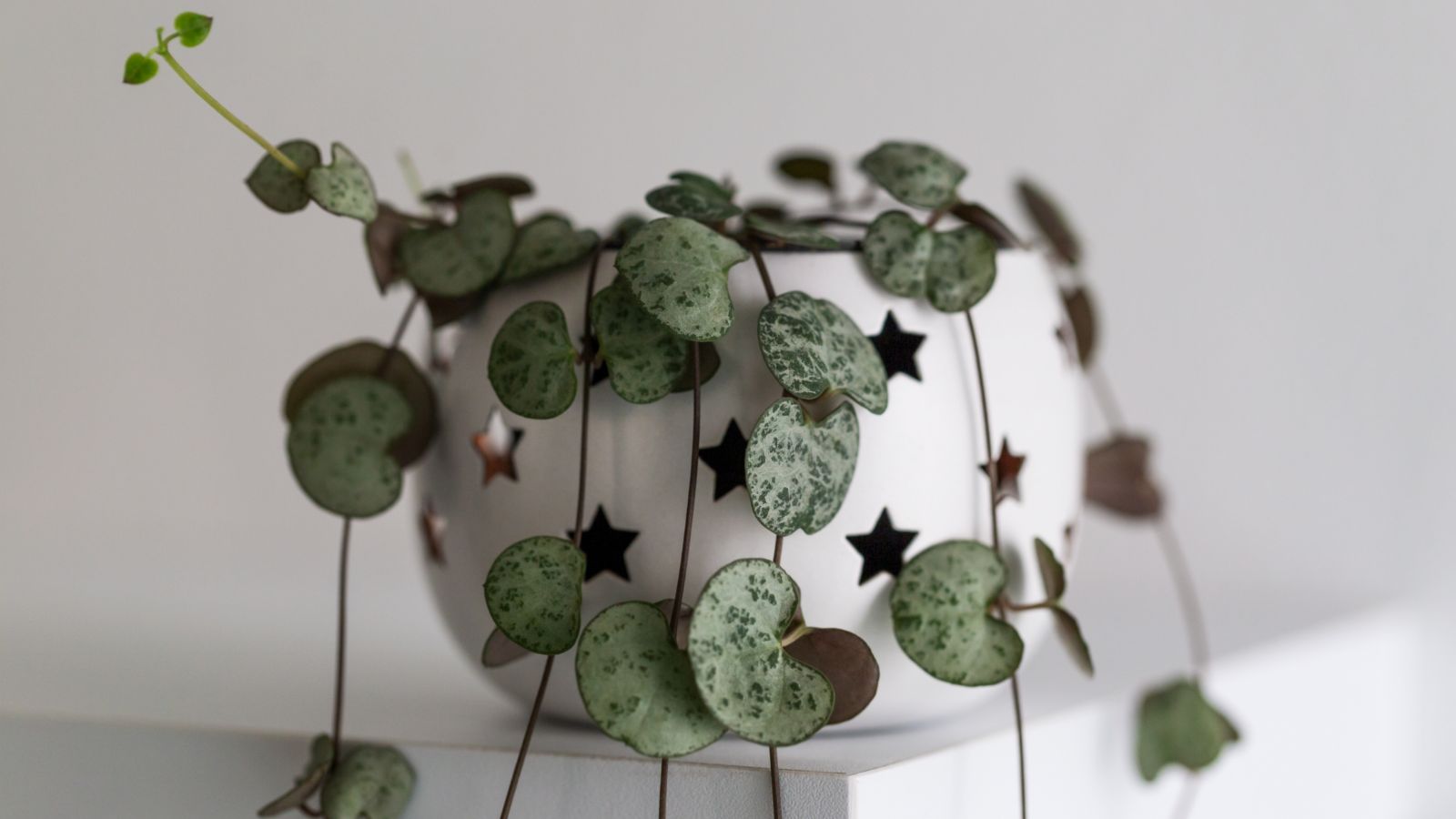
Photo Credit: Depositphotos
This delicate trailing vine features heart-shaped leaves with charming variegation, perfect for adding a soft, romantic touch to your décor. It’s incredibly easy to care for and grows quickly, making it a favorite for beginners and experienced gardeners alike.
Its trailing stems can grow several feet long, ideal for hanging pots or shelves where it can spill down freely. Plus, it’s a great option if you want a lush, green look without the fuss.
Care: Thrives in bright, indirect light with some direct sun. Water the soil when it dries out, approximately every 1-2 weeks, and avoid waterlogging.
8. Aloe Vera (Aloe barbadensis miller)
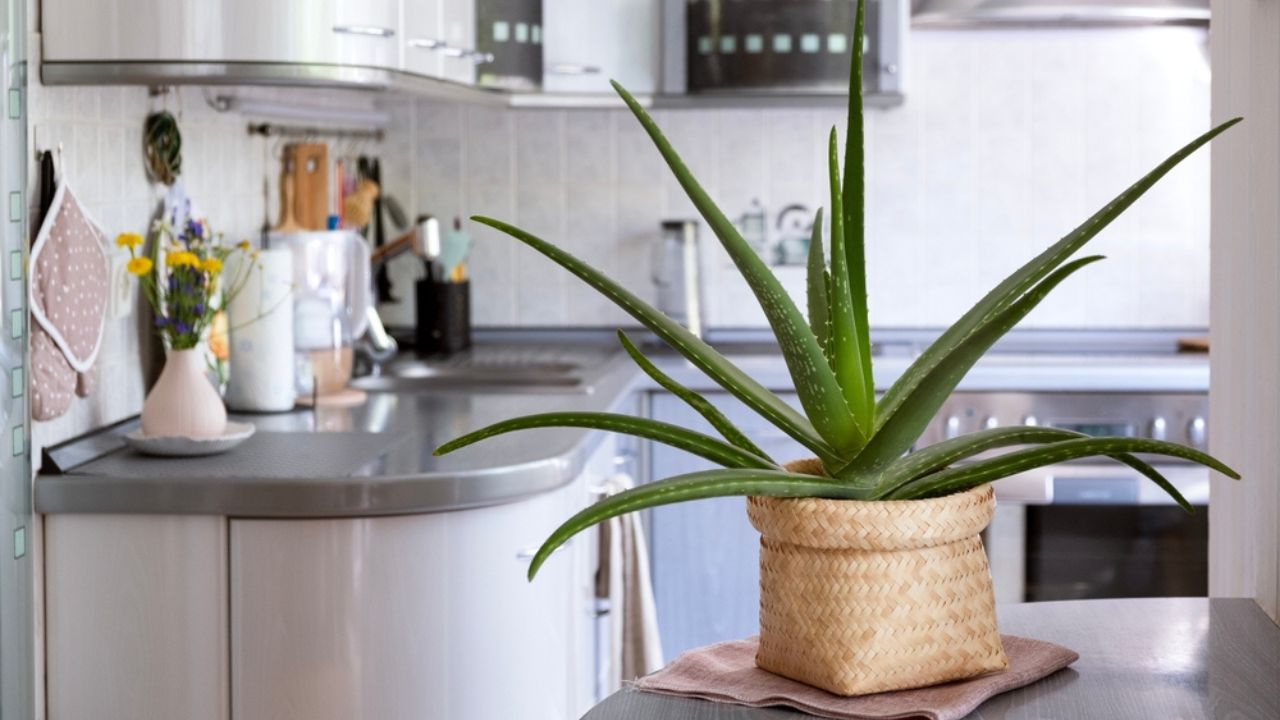
Image Credit: Shutterstock.
Aloe vera is more than just a succulent; it’s a medicinal powerhouse with soothing gel inside its fleshy leaves. It’s perfect for kitchen windowsills where you can grab a leaf for minor burns or skin irritations.
Its spiky, architectural form brings a bold, natural element to any space, and it thrives with minimal care. Aloe’s drought tolerance and air-purifying qualities make it a staple in many homes.
Care: Needs bright, indirect light (south-facing window is ideal). Water deeply but infrequently—allow the top inch of soil to dry before watering again, usually every 3-4 weeks.
9. Sweetheart Hoya (Hoya kerrii)
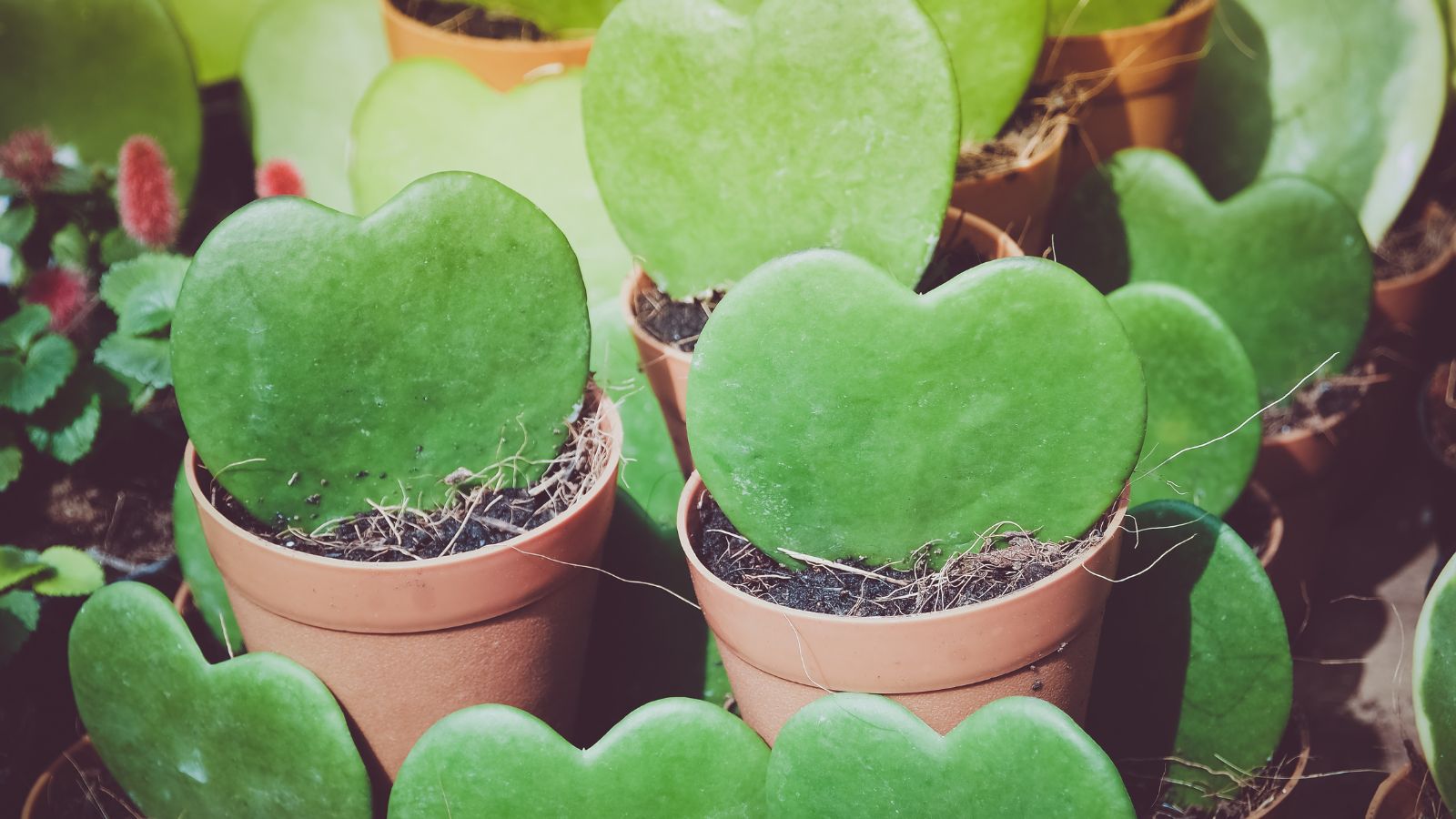
Photo Credit: Depositphotos
Also known as the Valentine Hoya, this succulent is famous for its heart-shaped leaves that make it a popular gift for occasions like Valentine’s Day. It grows slowly but steadily, and its thick, waxy leaves retain water efficiently.
Perfect for small spaces, this plant adds a whimsical, loving touch to any home while being forgiving of inconsistent watering. It’s especially well-suited for bright bathrooms or humid rooms.
Care: Bright, indirect light with occasional morning or evening sun. Water when the top inch of soil feels dry, about every 2 weeks. Loves humidity.
10. Dolphin Plant (Senecio peregrinus)
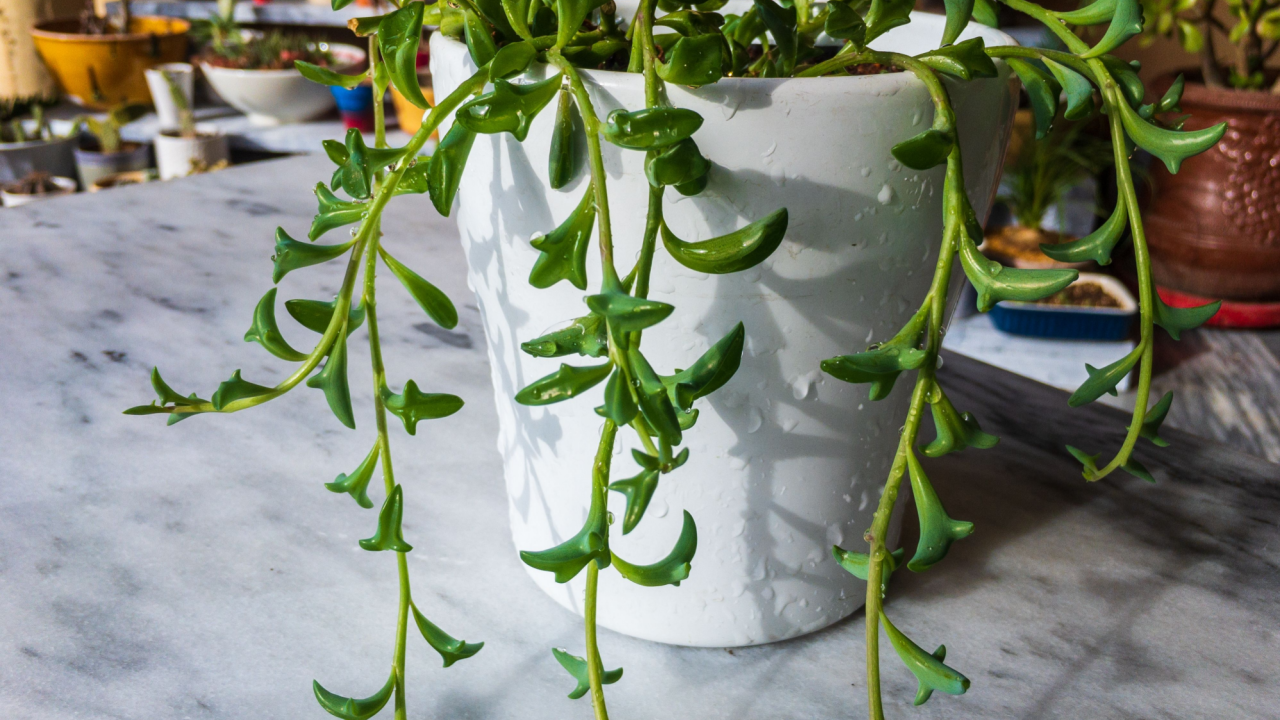
Image Credit: Shutterstock.
The dolphin plant stands out with its uniquely shaped leaves that resemble jumping dolphins—a fun and quirky addition to any succulent collection. It grows quickly and can trail nicely from hanging baskets or window ledges. It thrives in bright light but can be sensitive to harsh direct sunlight, which may scorch its leaves.
This playful plant is a fantastic choice for gardeners who want something whimsical and easy to care for.
Care: Prefers bright, indirect light, avoiding intense afternoon sun. Water the soil when it is dry, typically every 1-2 weeks.
11. Jade Plant (Crassula ovata)
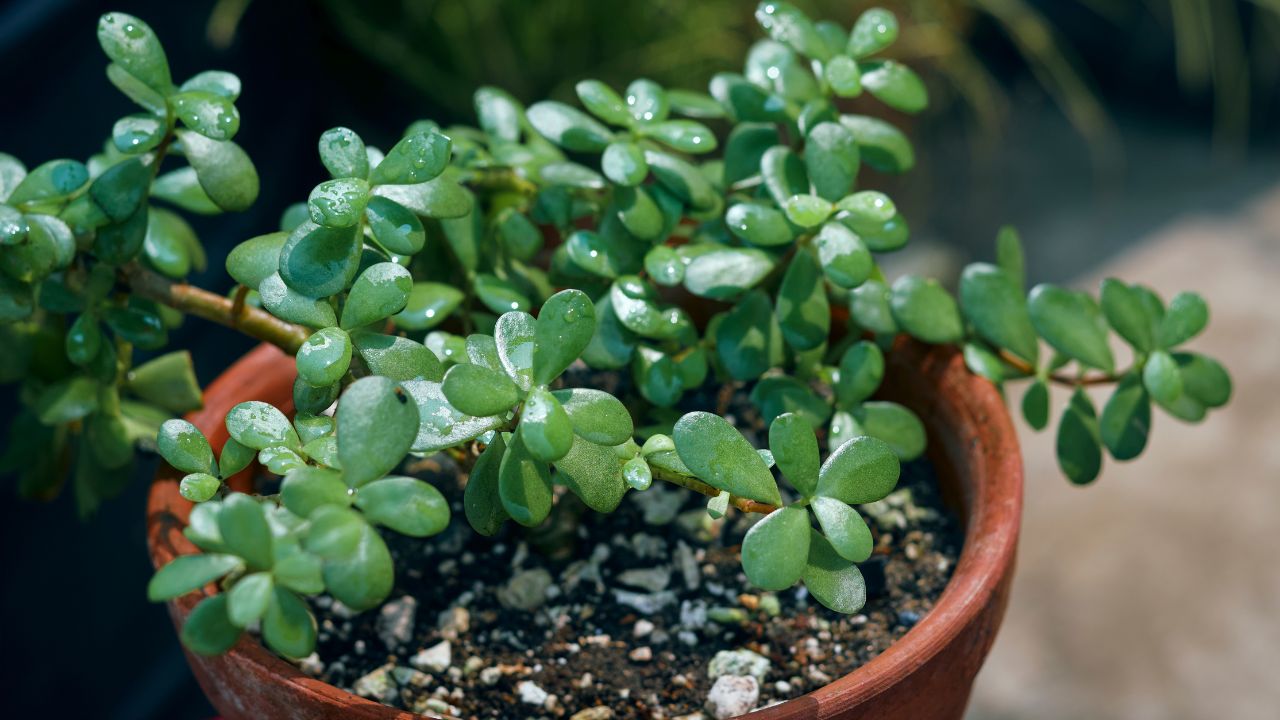
Image Credit: Shutterstock.
One of the most classic and recognizable succulents, the jade plant is often considered a symbol of good luck and prosperity. Its thick, glossy leaves and tree-like form make it a striking statement piece for windowsills or tabletops.
It’s easy to grow, slow to mature, and tolerates a variety of lighting conditions, making it a long-term favorite for indoor gardeners who want a dependable, low-maintenance plant.
Care: Thrives in bright, filtered light year-round. Water deeply but infrequently—allow soil to dry completely between watering, about every 2-3 weeks.
12. Zebra Plant (Haworthiopsis attenuata)

Image credit: YAY Images.
With its white-striped leaves that resemble zebra stripes, this succulent adds a bold, graphic element to your plant collection. It’s a hardy, compact plant that works well in small pots and terrariums, perfect for desks or shelves.
Zebra plants thrive in bright, indirect light and prefer to dry out completely between waterings, making them excellent for beginners or forgetful plant parents.
Care: Bright, indirect light. Water only when the soil is dry to the touch, roughly every 2-3 weeks.
13. Barrel Cactus (Echinocactus and Ferocactus spp.)

Image Credit: Shutterstock.
The barrel cactus is a classic desert dweller with a distinctive rounded, ribbed shape and spines that demand respect. Its slow growth and minimal watering needs make it an ideal low-maintenance houseplant that brings a touch of the Southwest to any room.
While it prefers lots of direct sunlight, it can also adapt to indoor conditions with a sunny window. Its tough nature and longevity make it a great investment for cactus lovers.
Care: Requires lots of bright, direct sun. Water sparingly, about once a month, and allow the soil to dry completely between waterings.
14. Blue Agave (Agave tequilana)
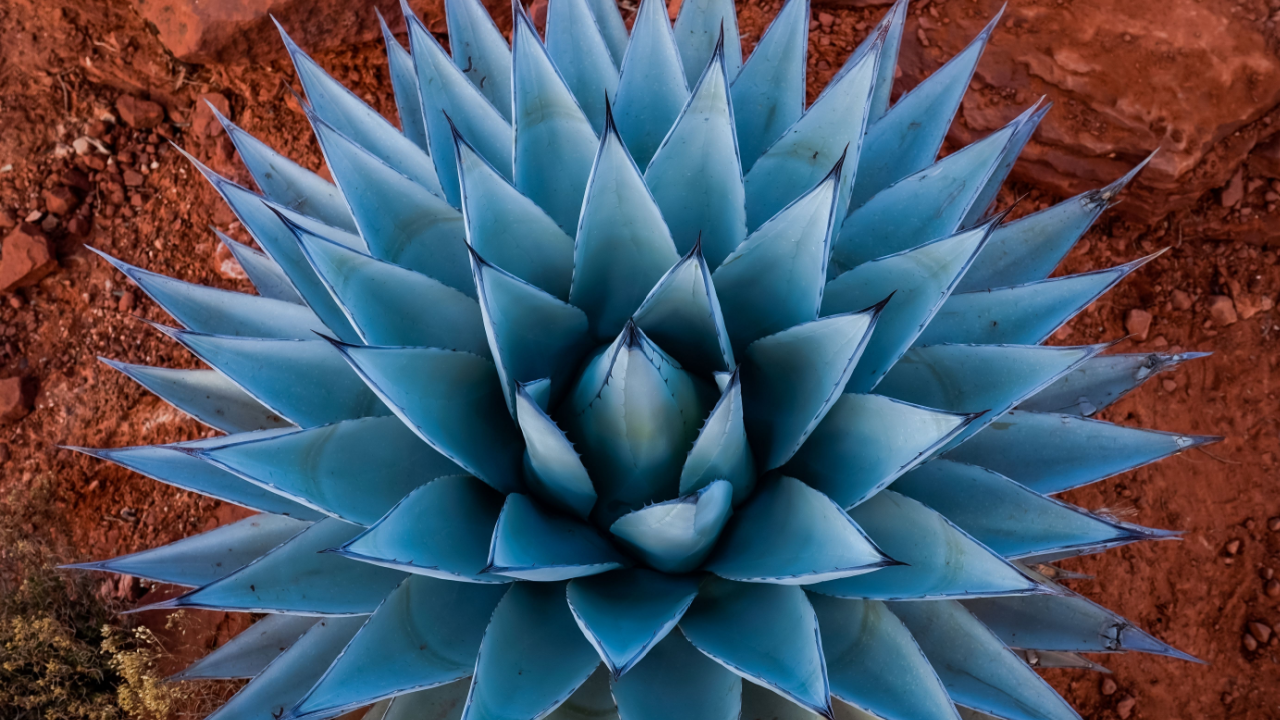
Image Credit: Shutterstock.
Known for its role in tequila production, the blue agave is also a stunning ornamental succulent with striking, spiky leaves arranged in symmetrical rosettes. Its architectural form adds drama to patios, large pots, or sunny indoor spaces.
This plant thrives in dry conditions and is drought-tolerant, perfect for gardeners looking for a bold, low-maintenance statement piece.
Care: Needs full sun to partial shade. Water deeply but infrequently—allow soil to dry before watering, approximately every 2-3 weeks.
15. Ponytail Palm (Beaucarnea recurvata)
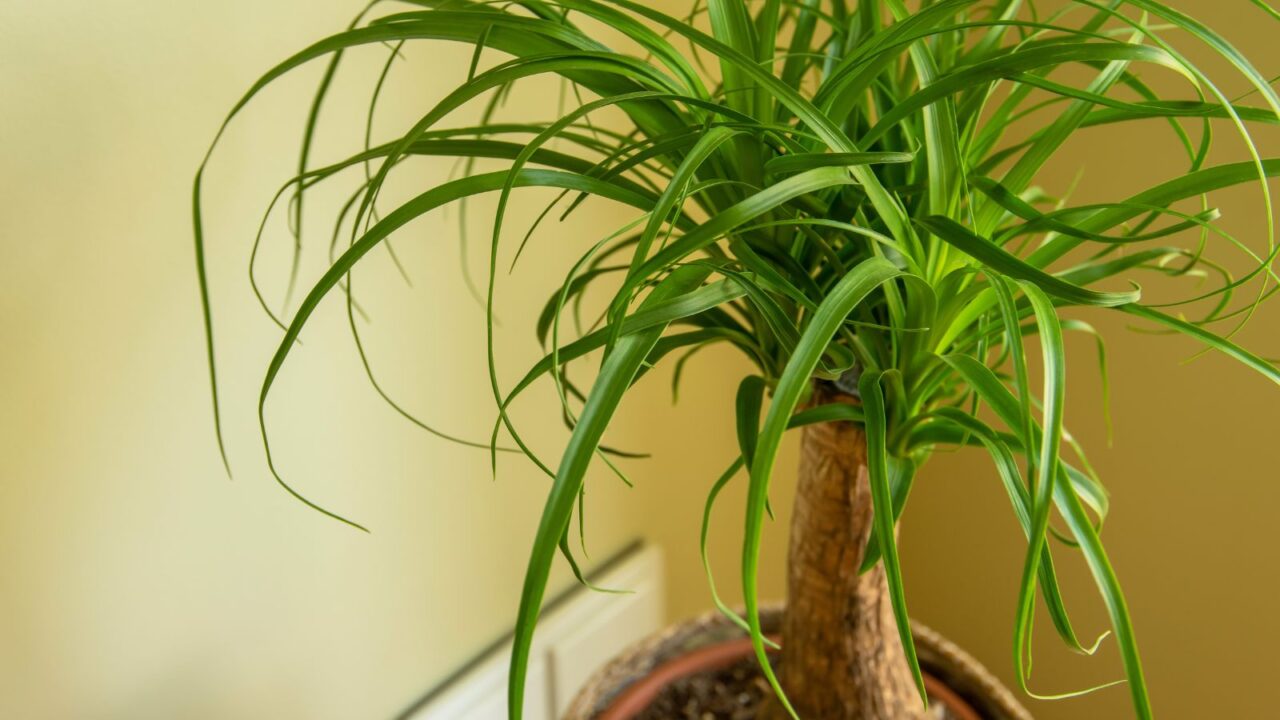
Image credit: Depositphotos.
Though called a palm, the ponytail palm is technically a succulent with a bulbous base that stores water, making it forgiving of irregular watering. Its long, flowing leaves cascade like a ponytail, adding a playful, tropical vibe indoors.
Its slow growth and drought tolerance make it a superb choice for low-maintenance plant lovers who want an elegant yet whimsical plant.
Care: Bright, indirect to direct light. Water sparingly, allowing soil to dry thoroughly between waterings, about every 3-4 weeks.
16. Woolly Senecio (Caputia tomentosa)

Image Credit: Shutterstock.
This soft, fuzzy succulent is covered in fine white hairs that give it a woolly appearance, making it a tactile and visual delight. Its thick leaves store water efficiently, and the texture adds unique character to succulent arrangements.
It’s an excellent choice for bright indoor spots where it can soak up indirect sunlight and add softness to your collection.
Care: Prefers bright, indirect light. Water only when the soil is completely dry, roughly every 2 weeks.
17. Christmas Cactus (Schlumbergera bridgesii)
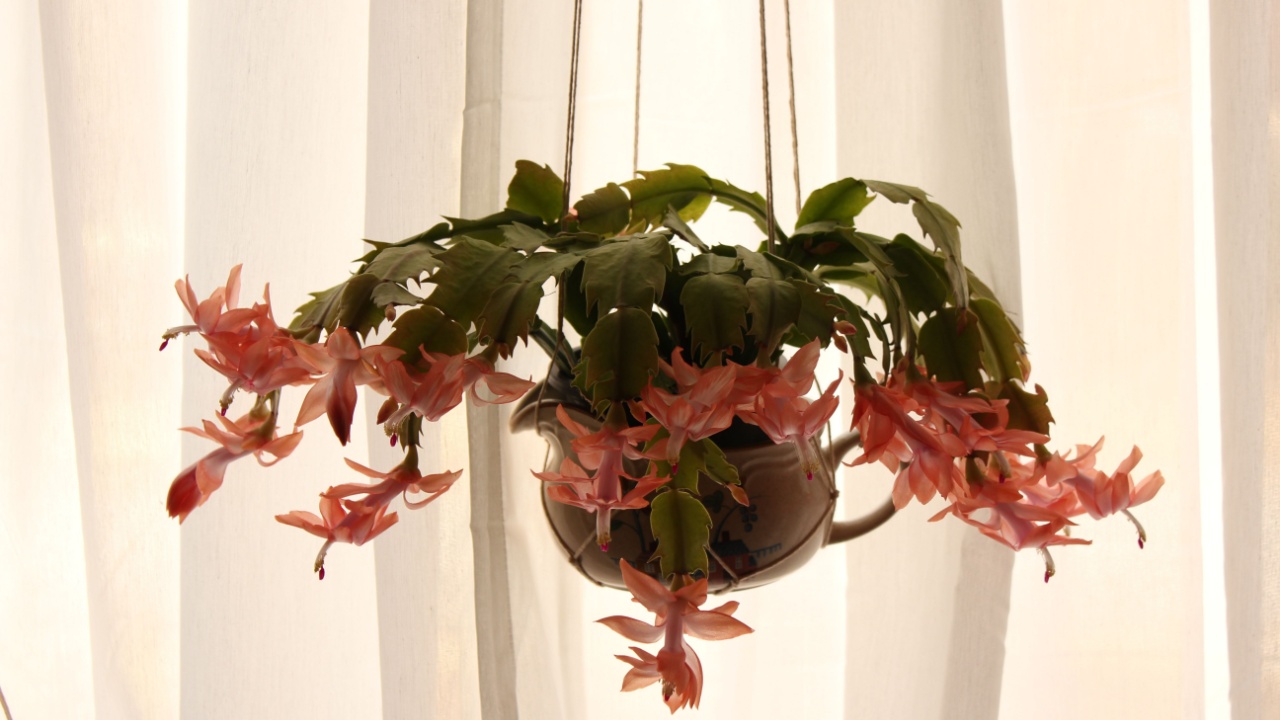
Image Credit: Shutterstock.
A festive favorite, the Christmas cactus surprises with its vibrant, asymmetrical blooms that brighten up winter months. Unlike desert succulents, it thrives in more humid conditions and needs indirect light.
Its unusual blooming cycle requires a period of uninterrupted darkness to trigger flowers, making it rewarding for those who love a bit of seasonal gardening ritual indoors.
Care: Bright, indirect light. Water when the top 2 inches of soil are dry. To encourage blooms, give it 6 weeks of uninterrupted darkness in late summer or fall.
18. Pincushion Cactus (Mammillaria spp.)

Image Credit: Shutterstock.
Named for its spiny, round shape that resembles a pincushion, this cactus produces delicate daisy-like flowers that add softness to its spiky form. It’s a compact and slow-growing cactus ideal for small pots or windowsills.
Pincushion cacti are drought-tolerant and enjoy bright sunlight, making them a striking yet low-maintenance plant for indoor gardeners.
Care: Full sun to bright indirect light. Allow soil to dry completely between waterings and water every 3-4 weeks.
19. Cobweb Spiderwort (Tradescantia sillamontana)
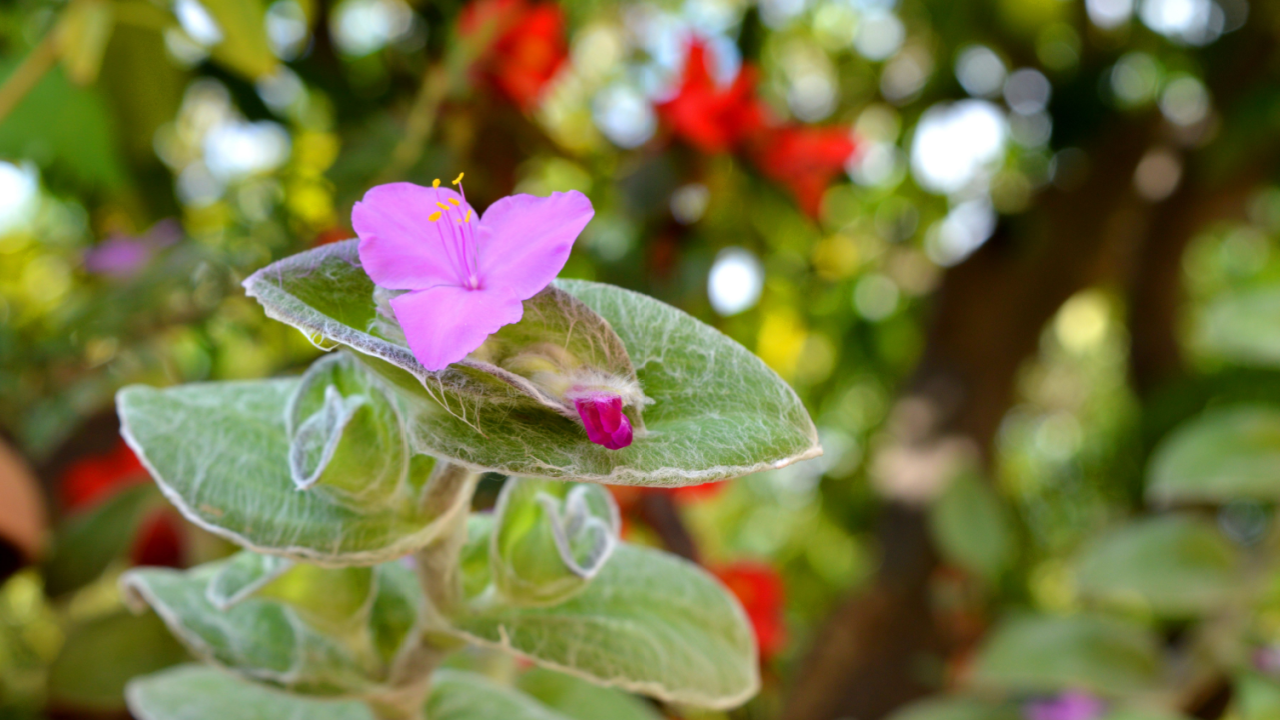
Image Credit: Shutterstock.
This unusual succulent sports a fuzzy, silvery coating of hairs resembling cobwebs, adding a velvety texture that sets it apart. It’s a fast grower and works well in bright, direct light. Its unique texture and look make it an interesting addition to any succulent collection or mixed planter.
Care: Needs full sun or bright, direct light. Water only when the top two inches of soil dry out.
20. Burro’s Tail (Sedum morganianum)
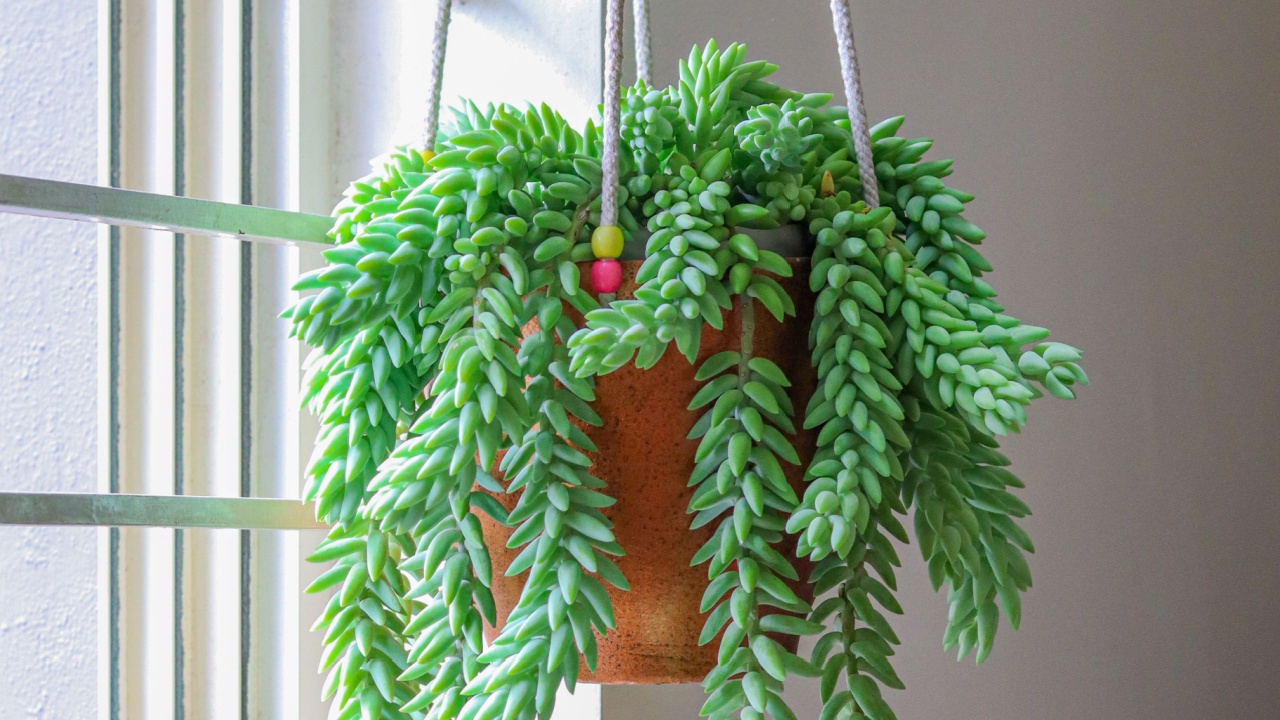
Image Credit: Shutterstock.
Also called donkey’s tail, this trailing succulent features long, plump leaves that spill over edges and baskets beautifully. It’s a favorite for hanging planters because of its lush, cascading habit. It’s fast-growing and drought-tolerant, making it a fun, forgiving plant that livens up any indoor or outdoor garden space.
Care: Bright, direct sunlight is ideal. Let the soil dry out completely before watering again, usually every 2 weeks.
21. Echeveria (Echeveria spp.)

Image Credit: Shutterstock.
Echeverias are beloved for their rosette shapes and wide range of colors, from pastel blues to deep reds. Their symmetrical form adds elegance to any succulent collection, and they bloom small bell-shaped flowers in warmer months. They grow relatively quickly for succulents, making them perfect for gardeners who want fast results with stunning visual appeal.
Care: Bright, direct sunlight. Water the soil when it is dry, roughly every 1-2 weeks.
22. Haworthia (Haworthia spp.)
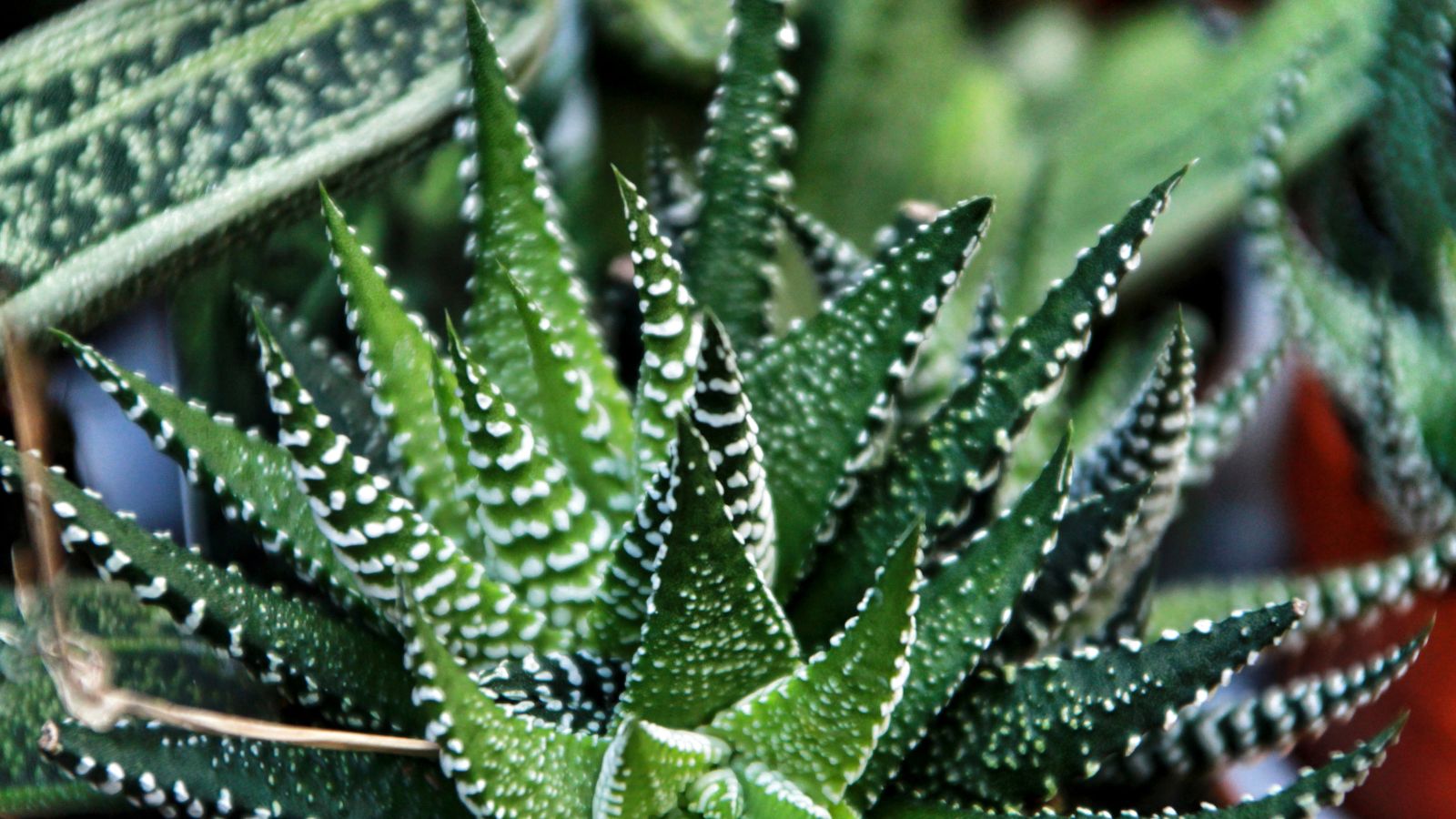
Image credit: YAY Images.
Small and slow-growing, Haworthias have unique, ridged or striped leaves that add texture and pattern variety to succulent displays. They’re compact and adaptable, making them perfect for desks or small spaces. Their ease of care and tolerance for lower light make them great beginner plants.
Care: Prefers bright, indirect light or partial shade. Water only when the soil is dry to the touch.
23. Kalanchoe (Kalanchoe spp.)
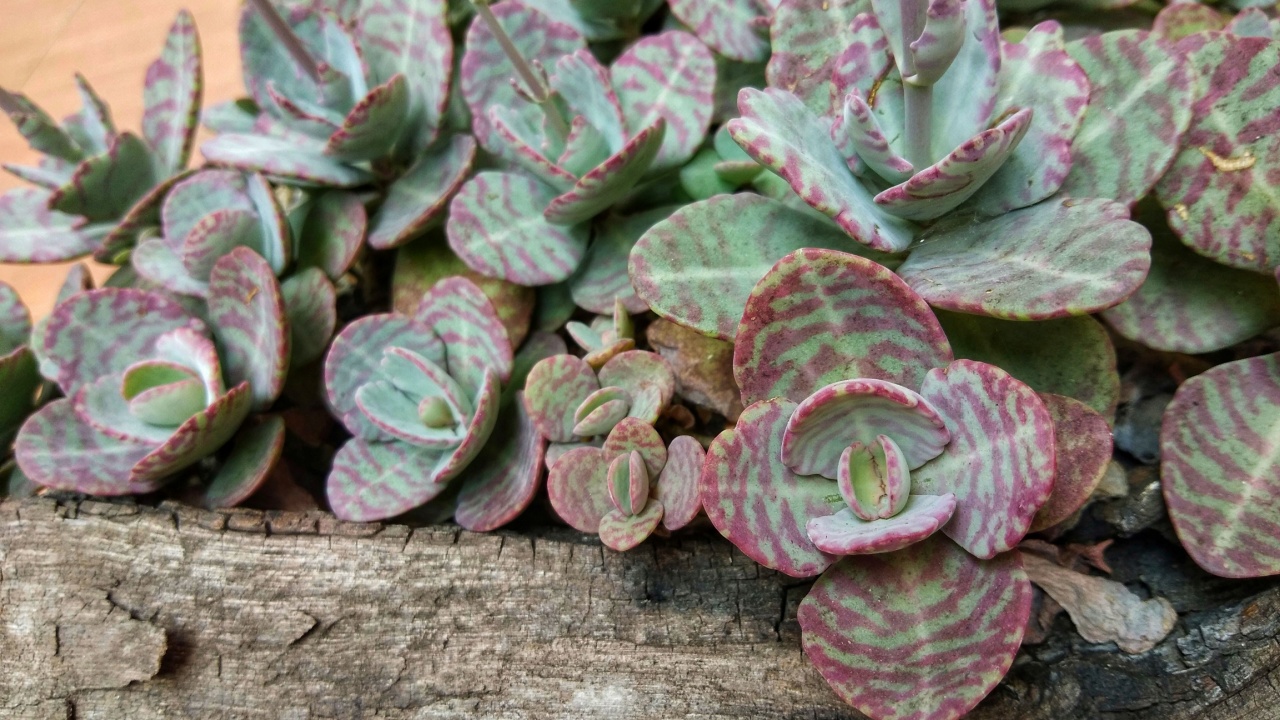
Image Credit: Shutterstock.
Kalanchoes offer clusters of bright flowers and thick leaves, making them a colorful addition that can bloom indoors with the right care. Their vibrant blooms and easy maintenance make them popular houseplants that provide cheerful color during the darker months.
Care: Bright, indirect light. Water moderately, allowing the soil to dry between waterings.
24. Sedum (Sedum spp.)

Image Credit: Shutterstock.
Sedums come in many varieties, often low-growing and spreading, perfect as ground covers or fillers in container gardens. The one in this image is a jelly bean succulent. Their hardiness and drought tolerance make them reliable and fast-growing, with tiny star-shaped flowers adding seasonal interest.
Care: Full sun to partial shade. Water the soil when it is dry.
25. Aeonium (Aeonium spp.)
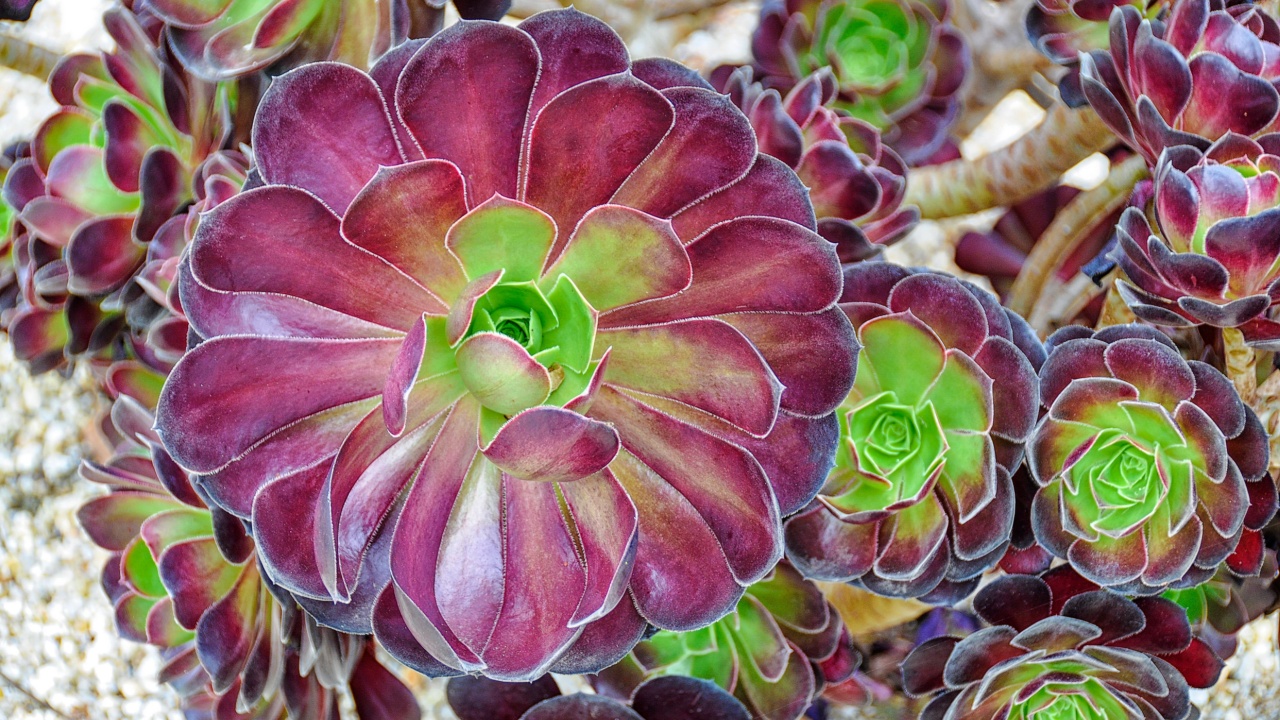
Image Credit: Shutterstock.
Aeoniums have rosettes that look almost like flowers themselves, often with striking color contrasts and dark leaves. Unlike many succulents, Aeoniums prefer cooler temperatures and grow best in mild climates or indoors with indirect light.
Care: Bright, indirect light. Water the soil when it is dry, but don’t let it sit in wet soil.
26. Senecio (Senecio spp.)
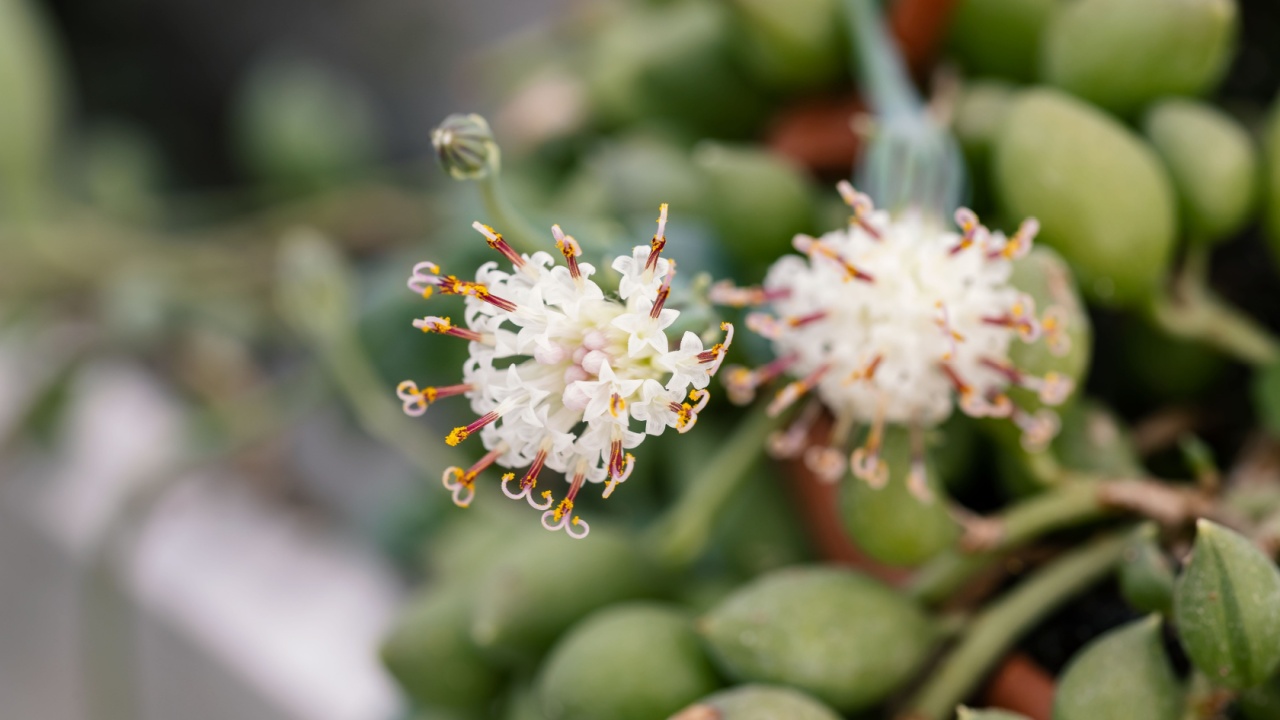
Image Credit: Shutterstock.
Including popular trailing varieties like string of bananas or watermelon (like this one), Senecio succulents are great for cascading displays. A few have already made our list! Their unique shapes and colors bring interest and movement to any planter.
Care: Bright, indirect light. Water only when the soil is dry.
27. Baby Toes (Fenestraria rhopalophylla)
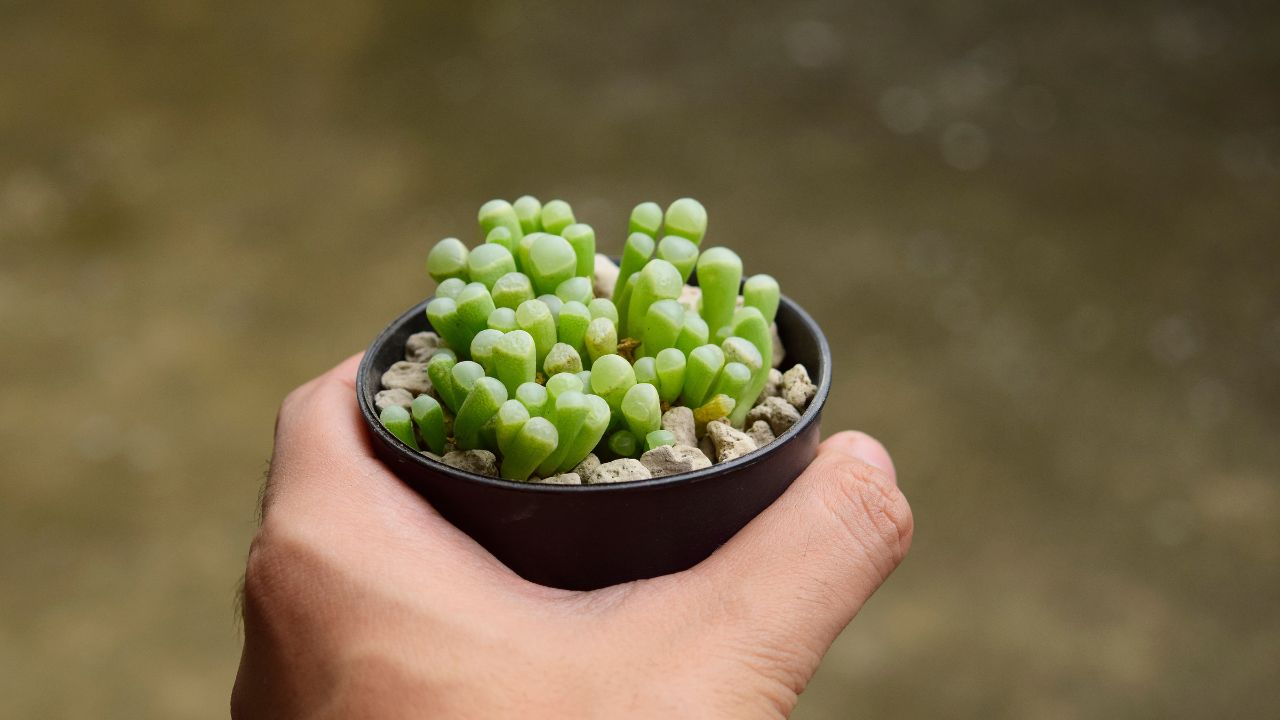
Image Credit: Shutterstock.
These tiny, tubular succulents look just like a cluster of baby toes poking out of the soil. Native to Namibia, they’ve evolved to grow mostly underground with translucent “windows” that let in light.
An adorable conversation-starter that’s fun to grow and excellent in shallow pots or rock gardens.
Care: Requires bright light and very well-draining soil. Water lightly and infrequently.