

For many, winter means trading snow shovels for sunglasses and heading to warmer climates. But before you can relax on a sunny beach, there’s an important job to do back home: winterizing your empty house.
Leaving your home unattended for an extended period during the cold months without proper preparation can lead to costly disasters like burst pipes, pest infestations, and structural damage.
Taking the time to properly winterize your property provides peace of mind, ensuring you’ll return in the spring to a home that’s just as you left it. This guide will walk you through 16 essential steps to protect your empty home from the harsh realities of winter.
Where We Got This Data
The information in this guide is based on expert-backed recommendations from university extension programs, home safety organizations, and energy efficiency authorities. We also consulted seasonal maintenance checklists, building codes, and consumer protection resources to ensure accuracy and relevance.
1. Have Your Heating System Inspected
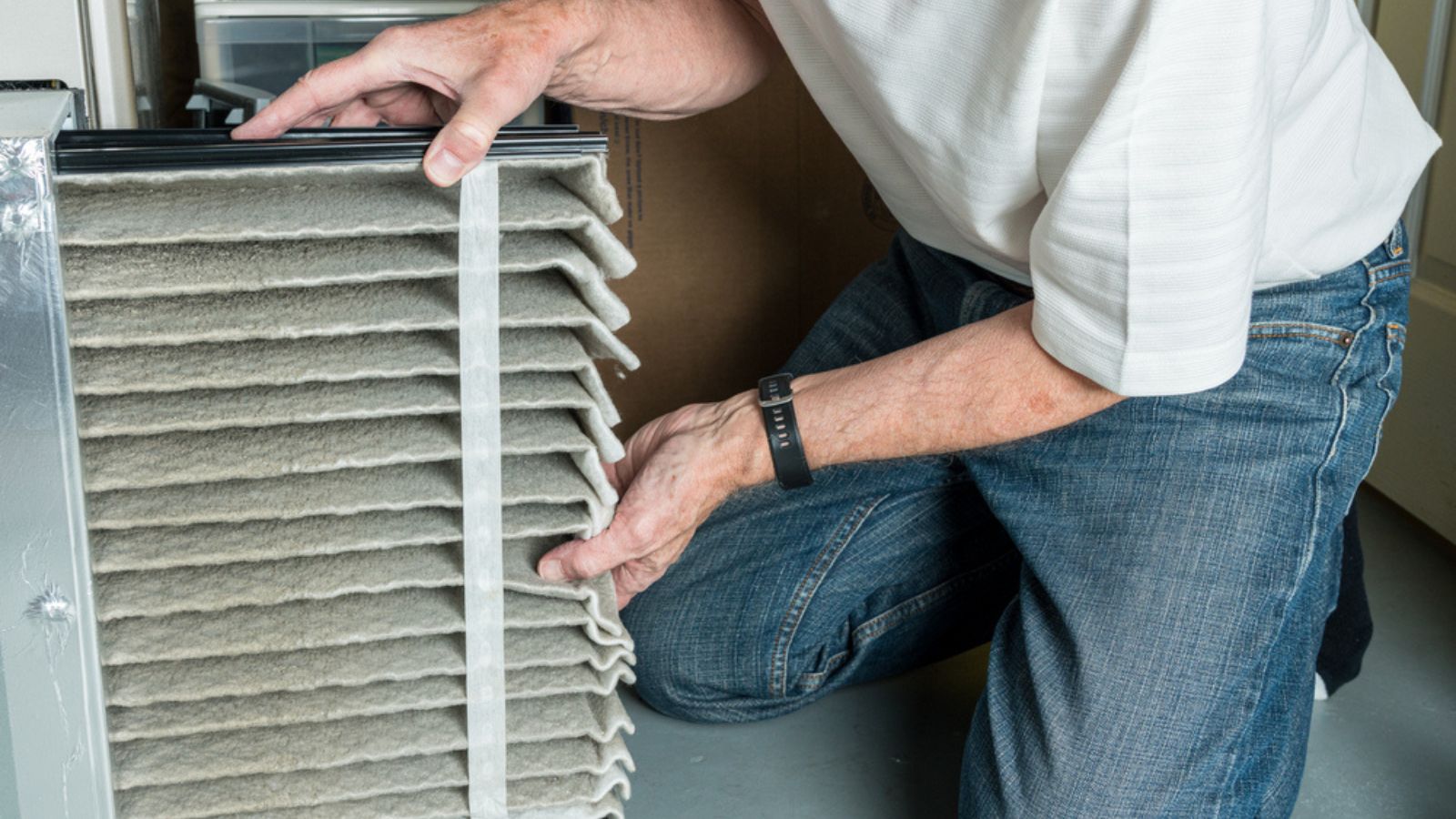
Image Credit: Depositphotos.com.
Before you leave, it’s crucial to have a qualified HVAC technician inspect your furnace or boiler. A professional can clean the system, replace filters, and confirm it’s running efficiently and safely.
This simple maintenance check can prevent an unexpected breakdown during a cold snap, which could lead to frozen pipes and catastrophic water damage. A well-maintained system also operates more efficiently, saving you money on heating bills while you’re away.
- Pro Tip: Schedule this inspection a few weeks before your departure date to allow time for any necessary repairs.
2. Examine Your Home’s Exterior

Image Credit: Depositphotos.com.
Take a walk around your property and carefully inspect its exterior for any vulnerabilities. Small issues can become major problems when exposed to freezing temperatures, snow, and ice.
Pay close attention to the foundation for any cracks or gaps where water or pests could enter. Check your roof for loose or damaged shingles and inspect the siding for any holes or weak spots. A thorough inspection now can prevent leaks, pest invasions, and heat loss later.
- Pro Tip: Use caulk or sealant to fill any small gaps you find around windows, pipes, and foundation cracks. For larger issues, it’s best to call a professional.
3. Shut Off the Main Water Supply
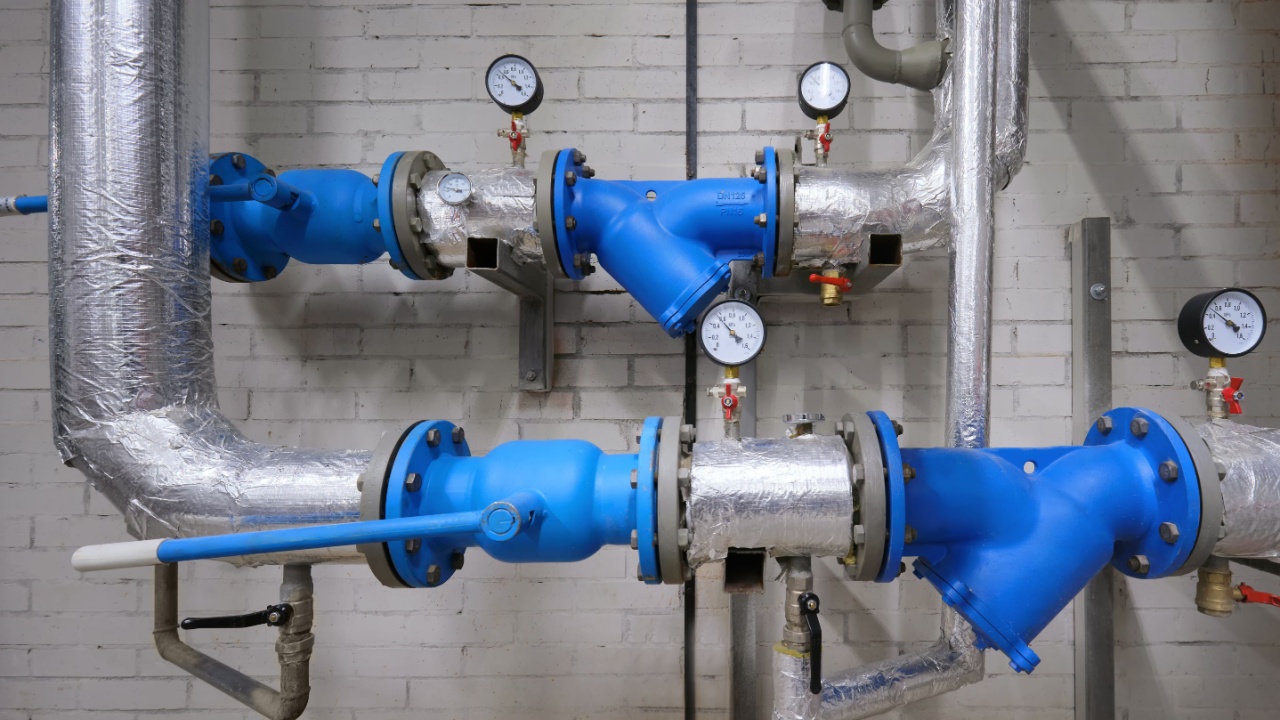
Image Credit: Shutterstock.
One of the most effective ways to prevent water damage is to shut off the main water supply to your home. A burst pipe can release hundreds of gallons of water, causing extensive damage to floors, walls, and furniture.
The main shutoff valve is typically located in the basement or a utility closet, often near where the water line enters the house. Once it’s turned off, open all the faucets (both hot and cold) throughout your house and flush the toilets to drain any remaining water from the pipes.
- Pro Tip: If your home has an automated fire sprinkler system or a steam heating system, you may not be able to completely shut off the water. In this case, focus on winterizing individual appliances and pipes.
4. Winterize Plumbing and Appliances
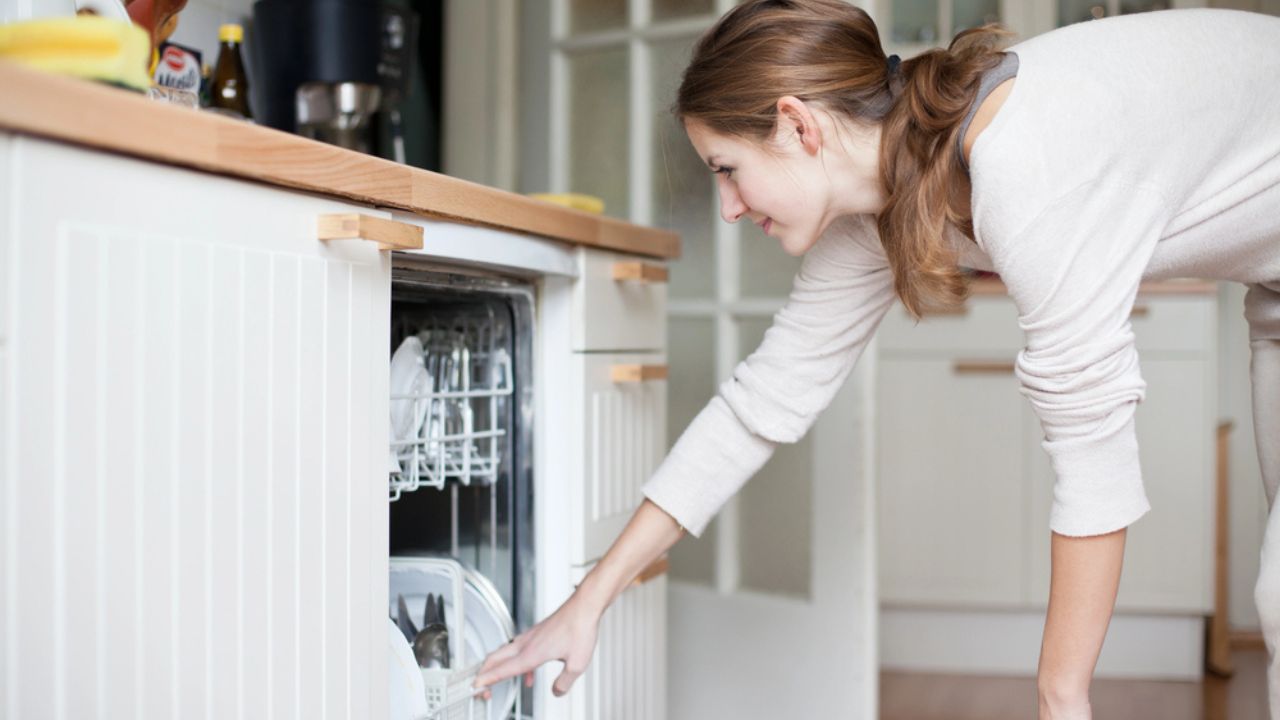
Image Credit: Depositphotos.com.
If you can’t shut off the main water supply, or for extra protection, winterize individual appliances. This includes your washing machine, dishwasher, ice maker, and any outdoor faucets.
Turn off the individual shutoff valves for these appliances, which are usually located near their water supply lines. Disconnect and drain all hoses, including those for your washing machine and outdoor spigots. For an extra layer of protection, consider adding non-toxic RV antifreeze to toilets and sink drains to prevent any trapped water from freezing.
- Pro Tip: Leave the doors to your washing machine and dishwasher slightly ajar to encourage air circulation and prevent mold and mildew growth.
5. Set Your Thermostat

Image Credit: Shutterstock.
While it might be tempting to turn off the heat completely to save money, this is a risky move. Maintaining a consistent, low temperature inside your home is essential to prevent pipes from freezing.
Set your thermostat to at least 55F (13°C). This is warm enough to protect your plumbing and the structural integrity of your home from extreme cold.
- Pro Tip: Invest in a smart thermostat. This allows you to monitor and adjust your home’s temperature remotely from your phone, giving you complete control and peace of mind no matter where you are.
6. Open Cabinet and Interior Doors
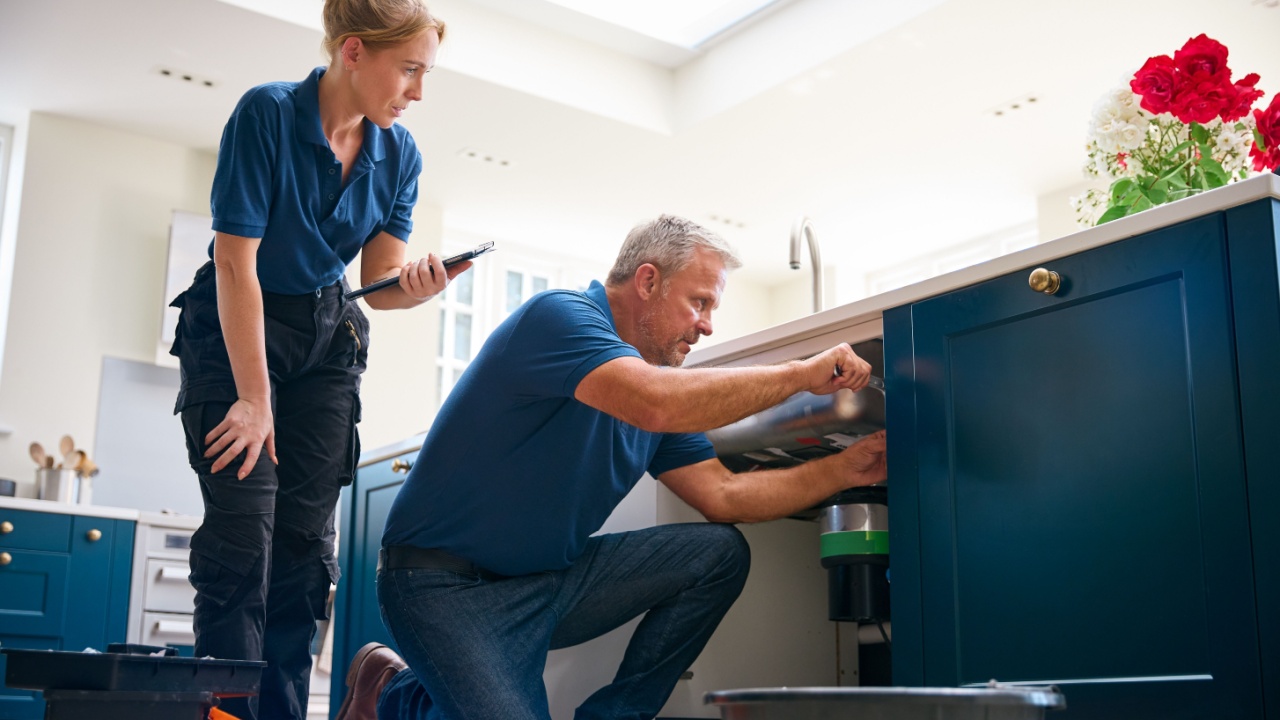
Image Credit: Shutterstock.
Help warm air circulate to the areas that need it most. Leave all interior doors open to allow heat to move freely between rooms. It’s especially important to keep cabinet doors under sinks in the kitchen and bathrooms open.
Pipes in these areas are often located near exterior walls, making them more susceptible to freezing. Allowing the warmer air from the main living space to reach them significantly reduces this risk.
- Pro Tip: This simple, no-cost step is one of the most effective ways to prevent your most vulnerable pipes from freezing.
7. Insulate Exposed Pipes
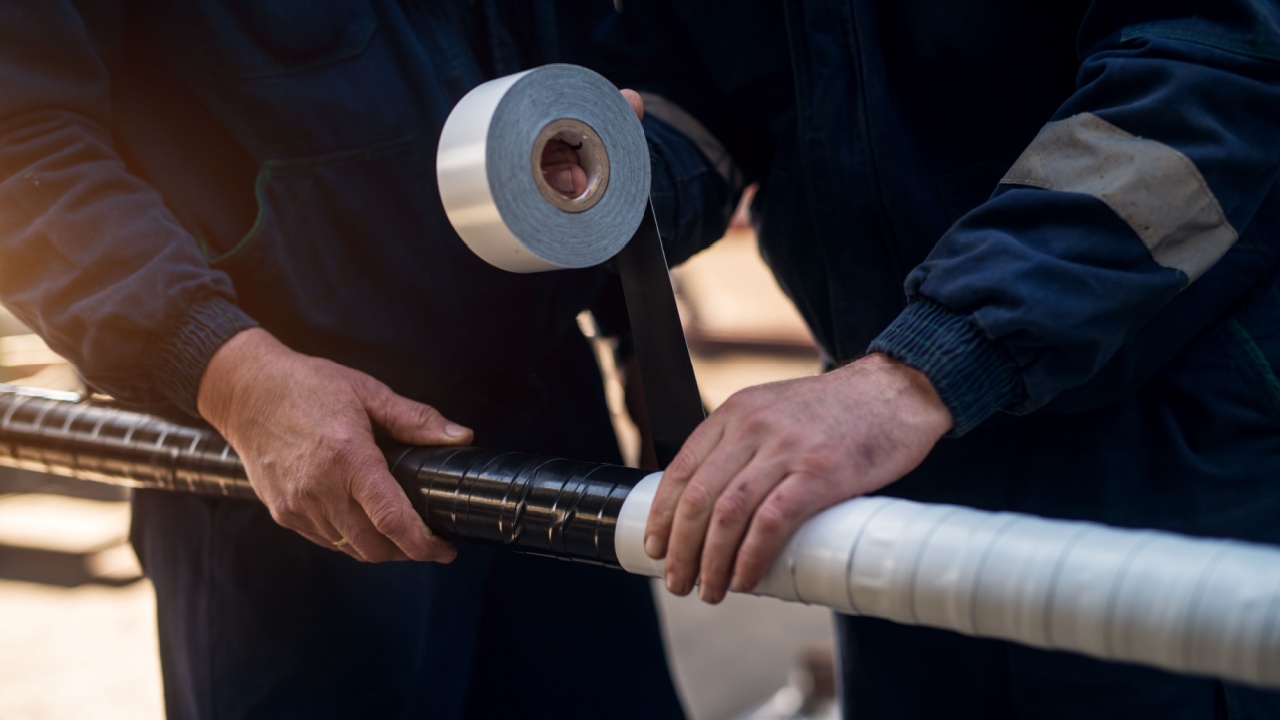
Image Credit: Shutterstock.
Any pipes located in unheated areas of your home, such as the basement, attic, crawl spaces, or garage, are at high risk of freezing.
Insulate them using foam or rubber pipe sleeves, which are inexpensive and easy to install. Simply cut the sleeve to the length you need and wrap it around the pipe. This added layer of insulation will help keep the water inside the pipes from dropping to freezing temperatures during a cold spell.
- Pro Tip: Don’t forget to insulate hot water pipes as well. This helps conserve energy and reduces the time it takes for hot water to reach your faucets when you return.
8. Clean Your Gutters and Downspouts

Image Credit: Shutterstock.
Clogged gutters are a primary cause of ice dams. When gutters are full of leaves and debris, melting snow and water have nowhere to go. The water backs up, freezes along the edge of the roof, and can force its way under your shingles, leading to serious leaks and water damage inside your home.
Before you leave, make sure your gutters and downspouts are completely clear.
- Pro Tip: Ensure your downspouts direct water at least five feet away from your home’s foundation to prevent water from seeping into your basement.
9. Prevent Ice Dams with Proper Insulation
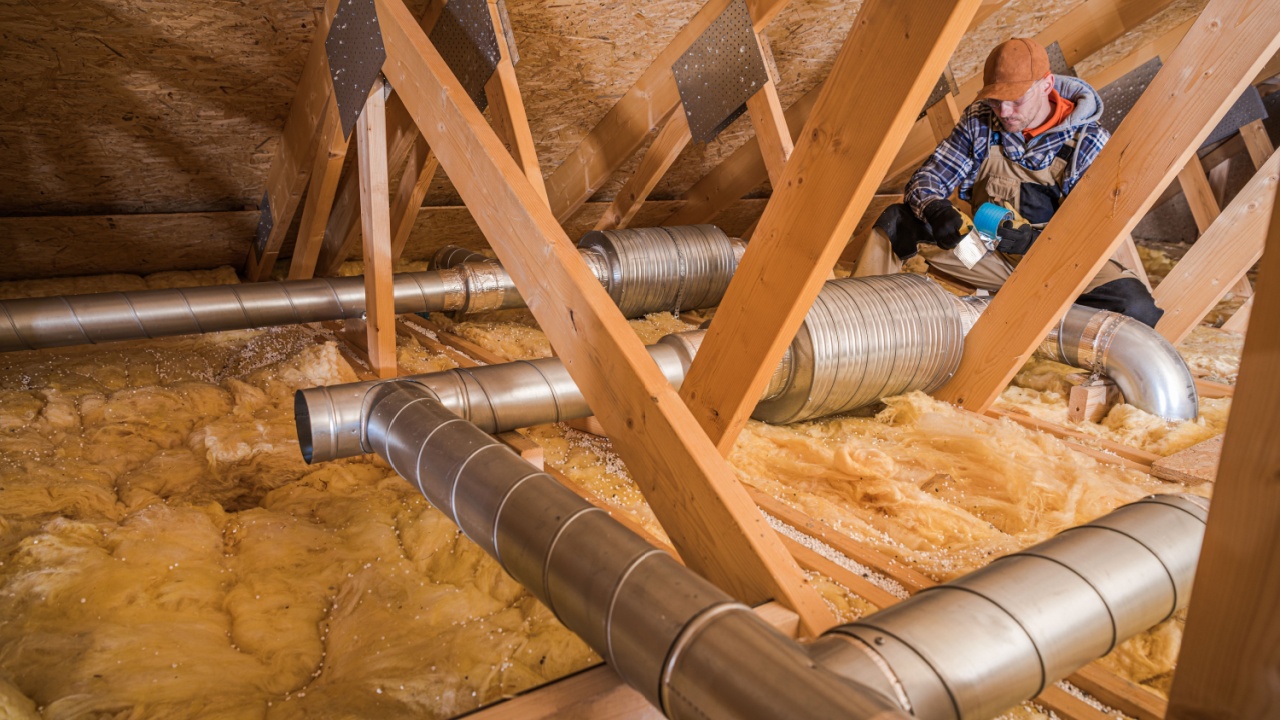
Image Credit: Shutterstock.
Beyond clean gutters, the best way to prevent ice dams is to ensure your attic is well-insulated and ventilated. Ice dams form when the upper part of your roof is warm enough to melt snow, but the roof’s edge is below freezing.
Proper attic insulation keeps the heat inside your living space and out of the attic, maintaining a consistent, cold temperature across the entire roof. Good ventilation also allows any warm air that does enter the attic to escape.
- Pro Tip: Check that your attic vents are not blocked by insulation or stored items. Proper airflow is just as important as insulation thickness.
10. Manage Trees and Outdoor Spaces
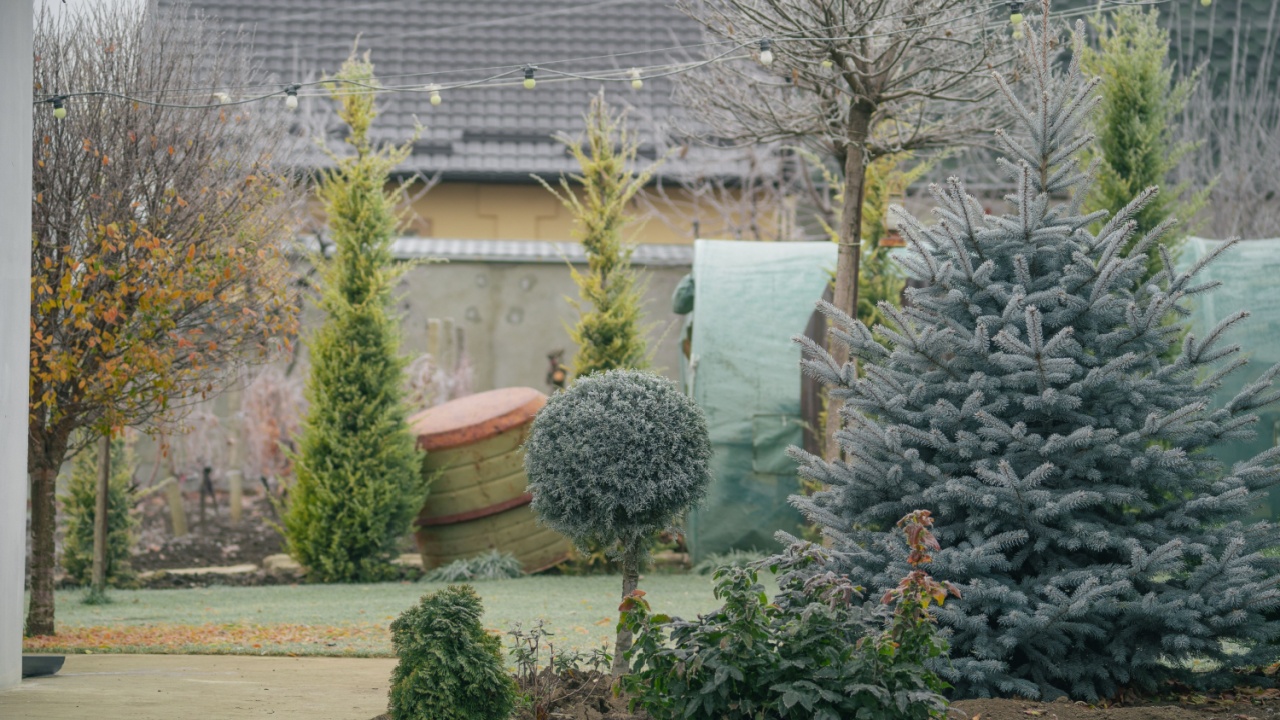
Image Credit: Shutterstock.
Winter storms can bring heavy snow and high winds, which can turn tree branches into dangerous projectiles. Trim any large branches that overhang your house, garage, or driveway. It’s also a good idea to remove any dead or diseased trees that could fall during a storm. Don’t forget to take care of your outdoor furniture and garden supplies.
- Pro Tip: Store outdoor furniture, grills, and planters in a shed or garage. Drain garden hoses and shut off outdoor water features and irrigation systems to prevent them from freezing and cracking.
11. Protect Your Garden and Yard
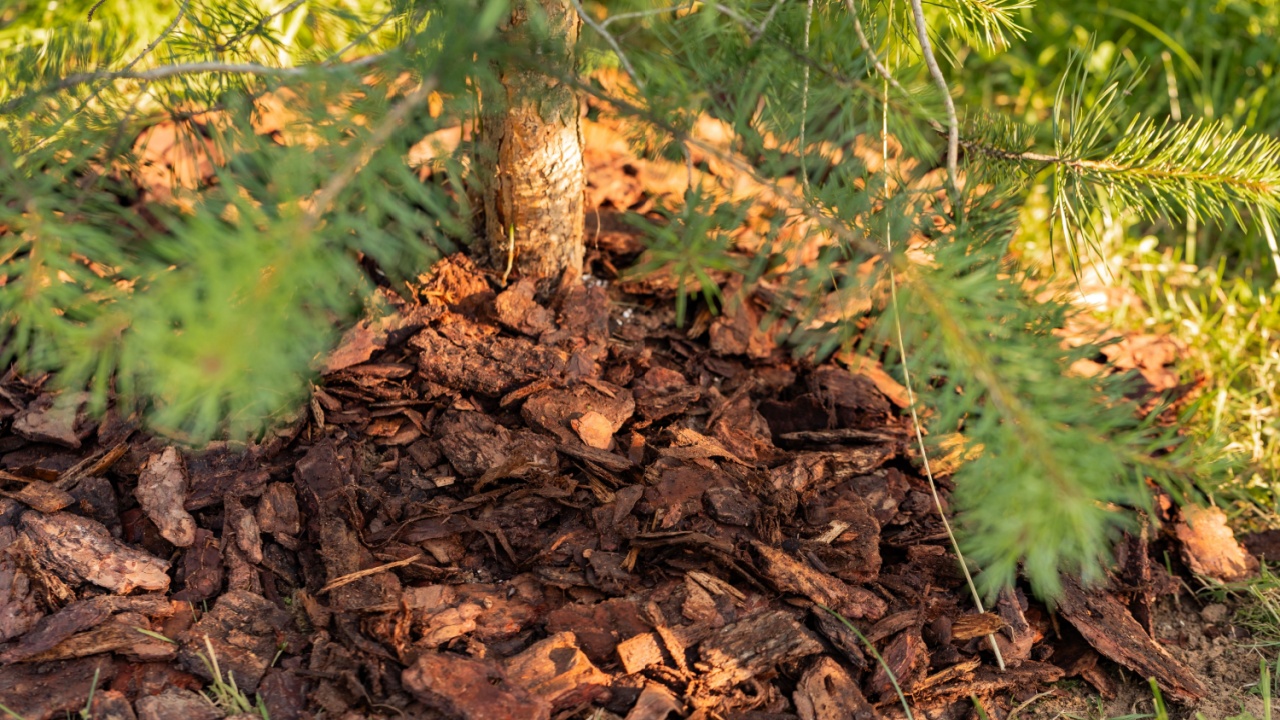
Image Credit: Shutterstock.
Even a dormant winter garden needs a bit of care before you leave. Applying a thick layer of mulch around the base of your plants, shrubs, and trees helps insulate their roots from freezing temperatures.
For more delicate plants like roses, consider using burlap wraps or rose cones for extra protection. This small effort can make a big difference in how well your garden bounces back in the spring.
- Pro Tip: If you have potted plants you can’t bring inside, group them together in a sheltered spot against the house to protect them from wind and extreme cold.
12. Clean Thoroughly and Remove Food
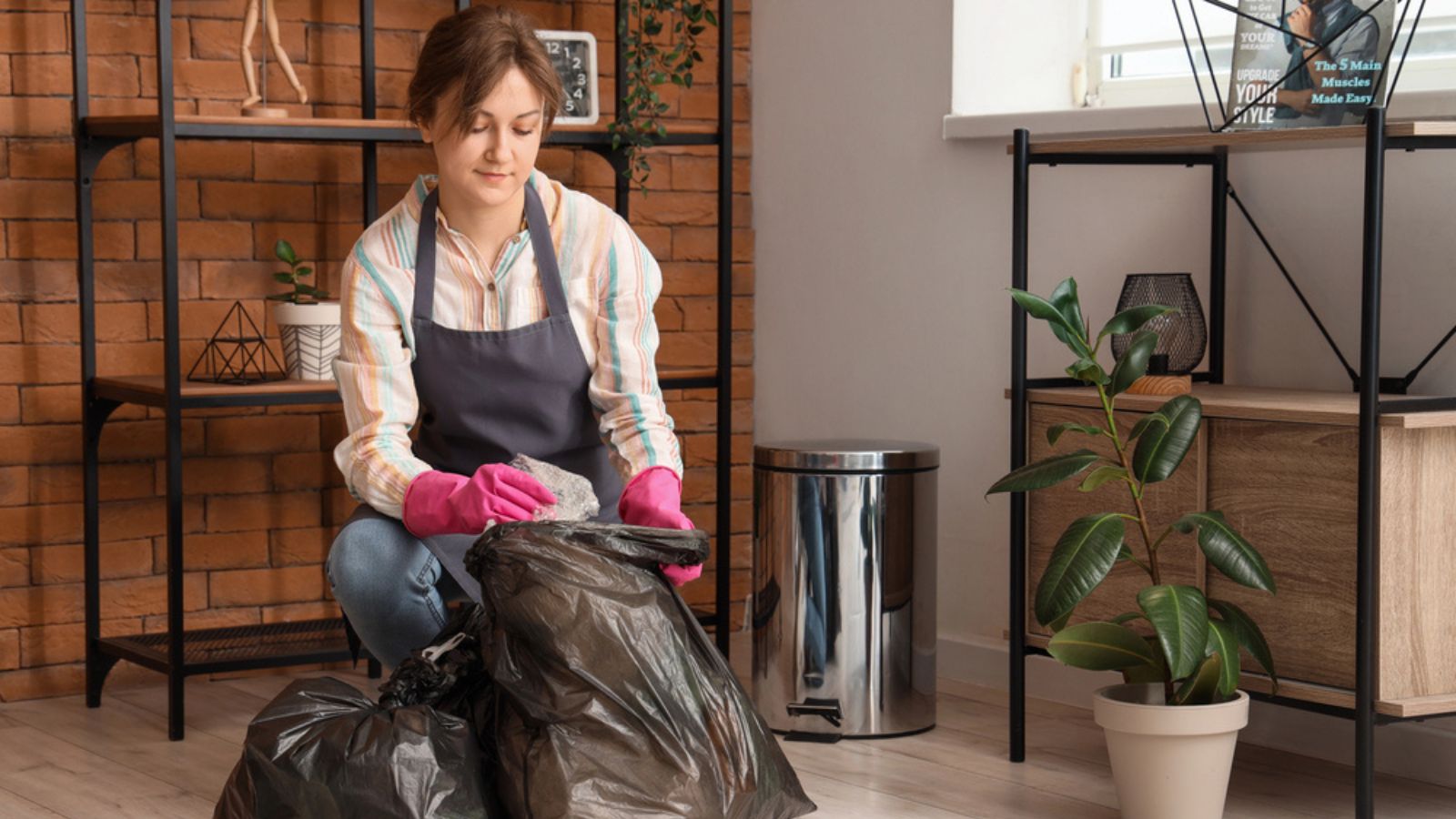
Image Credit: Depositphotos.com.
An empty house can be an inviting shelter for pests seeking warmth and food. Before you go, do a deep clean of your entire home. Vacuum floors, wipe down counters, and clean out the pantry and cabinets to remove any crumbs or food spills.
Most importantly, remove all perishable food from your refrigerator and pantry. Take out all the garbage and clean the trash cans to eliminate any lingering odors that might attract unwanted guests.
- Pro Tip: Place items like flour, sugar, and grains in airtight containers to keep them safe from pests if you choose to leave them behind.
13. Unplug Electronics and Appliances
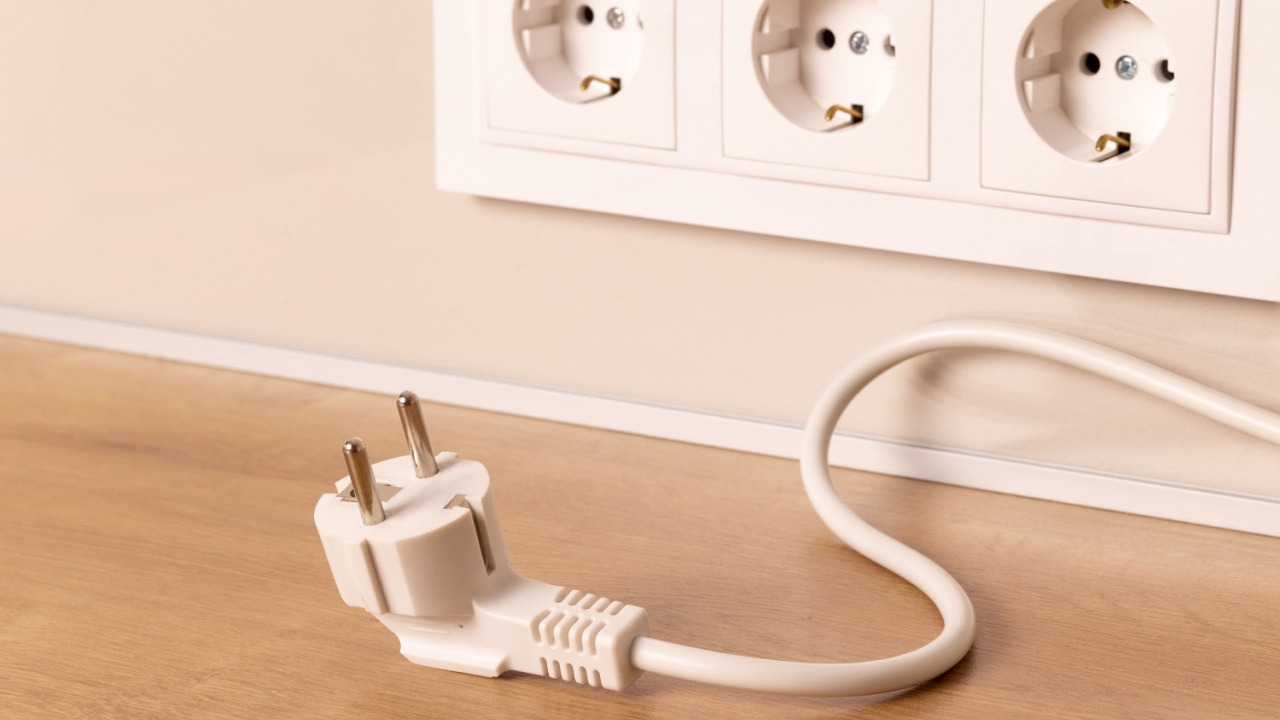
Image Credit: Shutterstock.
Many modern electronics and appliances continue to draw a small amount of power even when they’re turned off, a phenomenon known as “vampire power.” This wastes energy and can leave your devices vulnerable to power surges.
Unplug all non-essential items, including TVs, computers, coffee makers, and chargers draining energy. This will save you money on your electricity bill and protect your valuable electronics.
- Pro Tip: For your refrigerator, it’s best to empty it completely, unplug it, and prop the doors open to prevent mildew. If you must leave it running, set it to the most energy-efficient mode.
14. Seal All Pest Entry Points
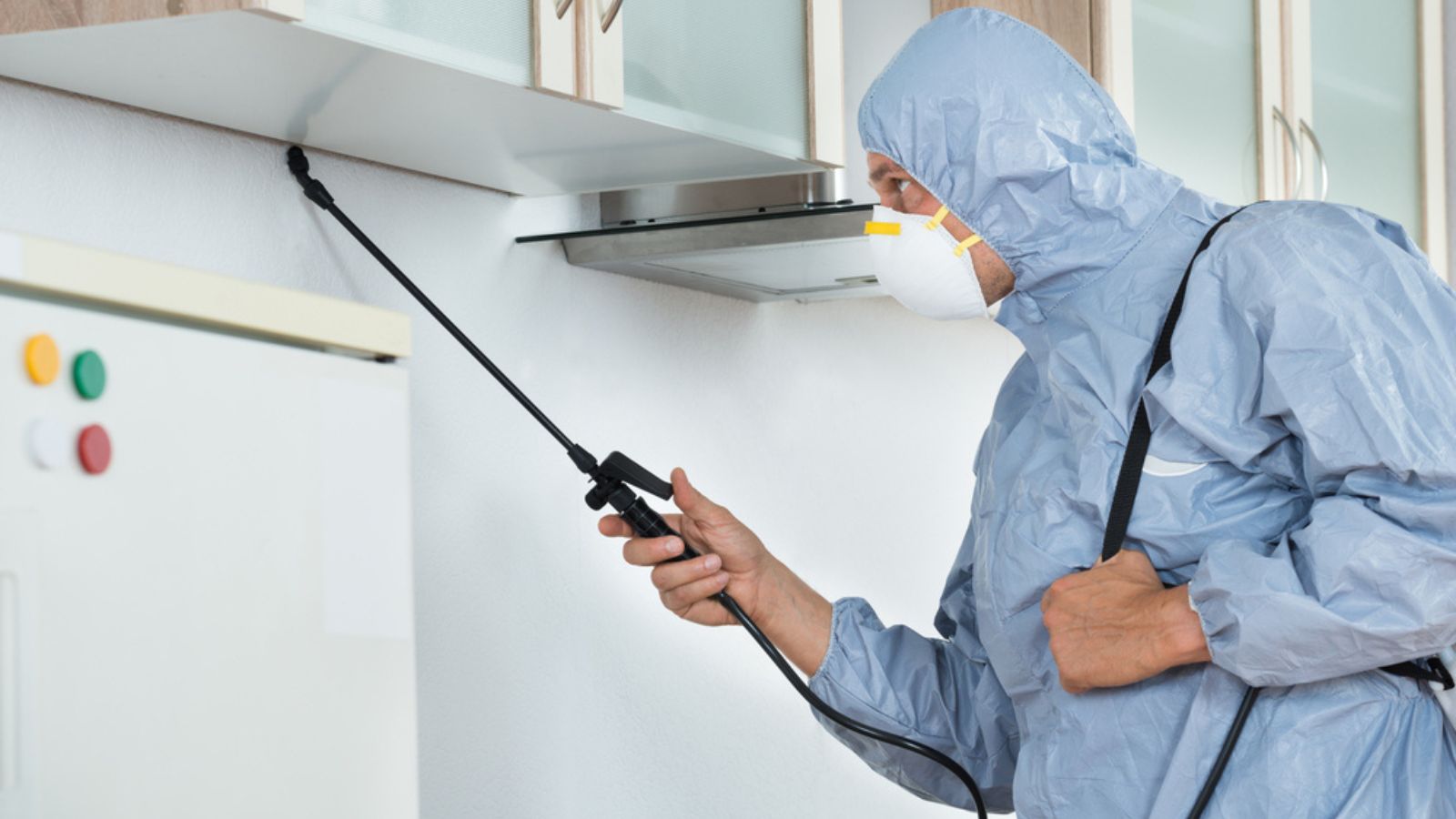
Photo Credit: Depositphotos.com.
The most effective way to keep pests out is to block their entry. Inspect the inside and outside of your home for any small gaps or openings. Seal cracks around windows, doors, and the foundation.
Check where utility lines and pipes enter the house and fill any surrounding gaps. Installing screens on vents and closing the fireplace flue can also prevent critters from making your home their winter resort.
- Pro Tip: Use steel wool to fill small holes around pipes, as mice and other rodents can’t chew through it.
15. Set Up Home Security Measures

Image Credit: Shutterstock.
An empty home can be a target for burglars. Make your house look lived-in to deter potential intruders. Use automatic timers for interior and exterior lights, and set them to turn on and off at varied times to simulate a normal routine.
Smart home systems can also control lights, blinds, and even televisions to create a convincing appearance of occupancy. Install security cameras to monitor your property remotely for added security.
- Pro-Tip: Consider a monitored security system. The monthly fee can be well worth the peace of mind, especially since many systems now include sensors for temperature drops and water leaks.
16. Arrange for Regular Property Checks

Image Credit: Shutterstock.
Even with all these preparations, nothing beats having a real person check on your property. Ask a trusted neighbor, friend, or family member to visit your home regularly. They can collect mail, check for any visible issues, and ensure everything is secure.
Their presence also helps make the house look occupied. If that’s not an option, consider hiring a professional house-sitting service.
- Pro Tip: Leave a key and your contact information with your designated person, along with a checklist of things to look for, such as signs of leaks, pest activity, or problems with the heating system.
Enjoy Your Winter Getaway With Peace of Mind

Photo Credit: Depositphotos.com.
By taking these steps, you can leave for your winter getaway confident that your home and garden are safe and sound. When you return in the spring, you’ll be greeted by a well-maintained property, ready for you to enjoy the new season. If you’re looking for more ways to prepare your outdoor space for the changing seasons, explore our guides on fall garden cleanup and early spring planting.