

Squirrels and chipmunks have powerful noses. That’s how they sniff out buried snacks, find food stashed weeks ago, and avoid plants that mess with their system. Their sense of smell is so dialed in that strong scents can completely throw them off.
That’s not bad news for you if you’re not a chipmunk or a squirrel. If they’ve been chewing wires, raiding your bird feeders, or digging holes in every planter like they’re mining for treasure, you’re likely not thinking of inviting them for dinner. These little rodents aren’t scared of humans, fences, or fancy gadgets. What gets them to back off is odor.
Strong, lingering, and unpleasant smells disrupt their usual routes and make them think twice before treating your yard like their personal farmers’ market. Here’s what keeps chipmunks and squirrels out of the garden.
1. Peppermint Oil
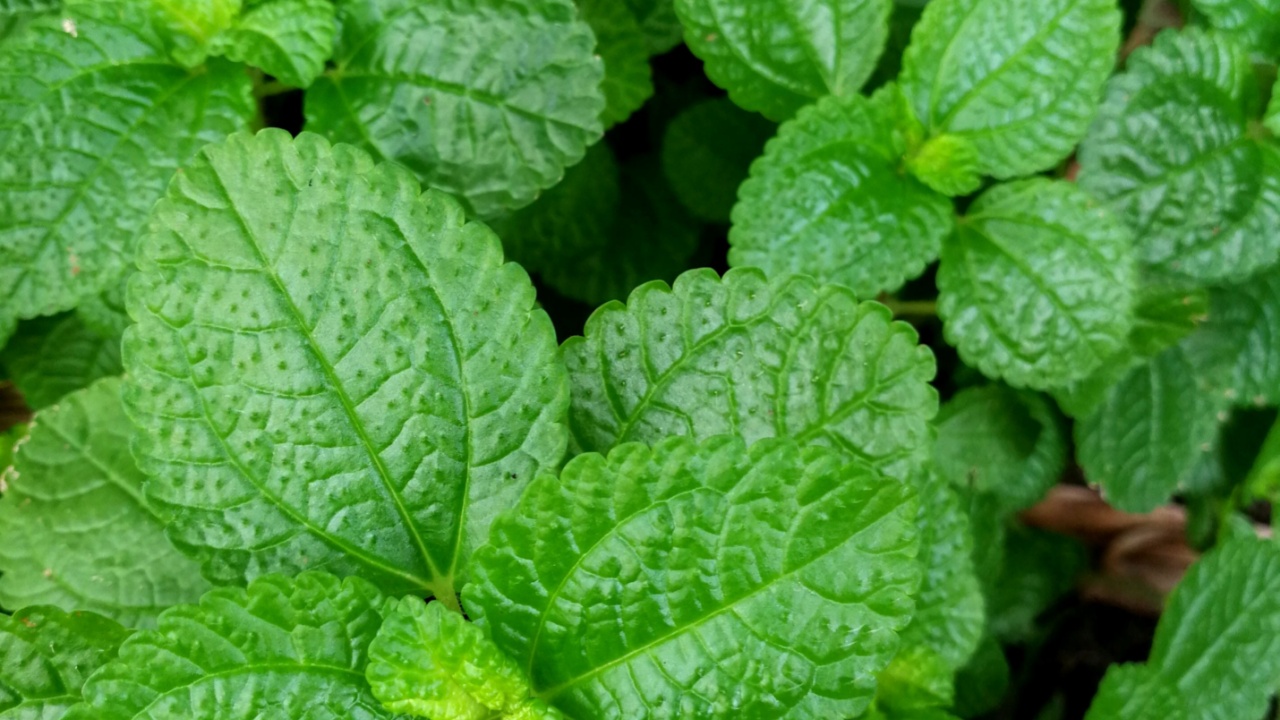
Image Credit: Shutterstock.
Peppermint smells clean to humans, but for squirrels and chipmunks, it’s overpowering. The menthol hits their noses hard and masks the more subtle scents they rely on. They’ll often turn around as soon as they catch a whiff.
Soak cotton balls in peppermint oil and place them where the critters show up most: planters, porch corners, and tool sheds. Refresh them every few days. For larger areas, mix oil with water and spray it around garden beds. Just be careful near delicate plants. Some leaves can burn in direct sunlight when sprayed with oil mixtures.
2. Vinegar
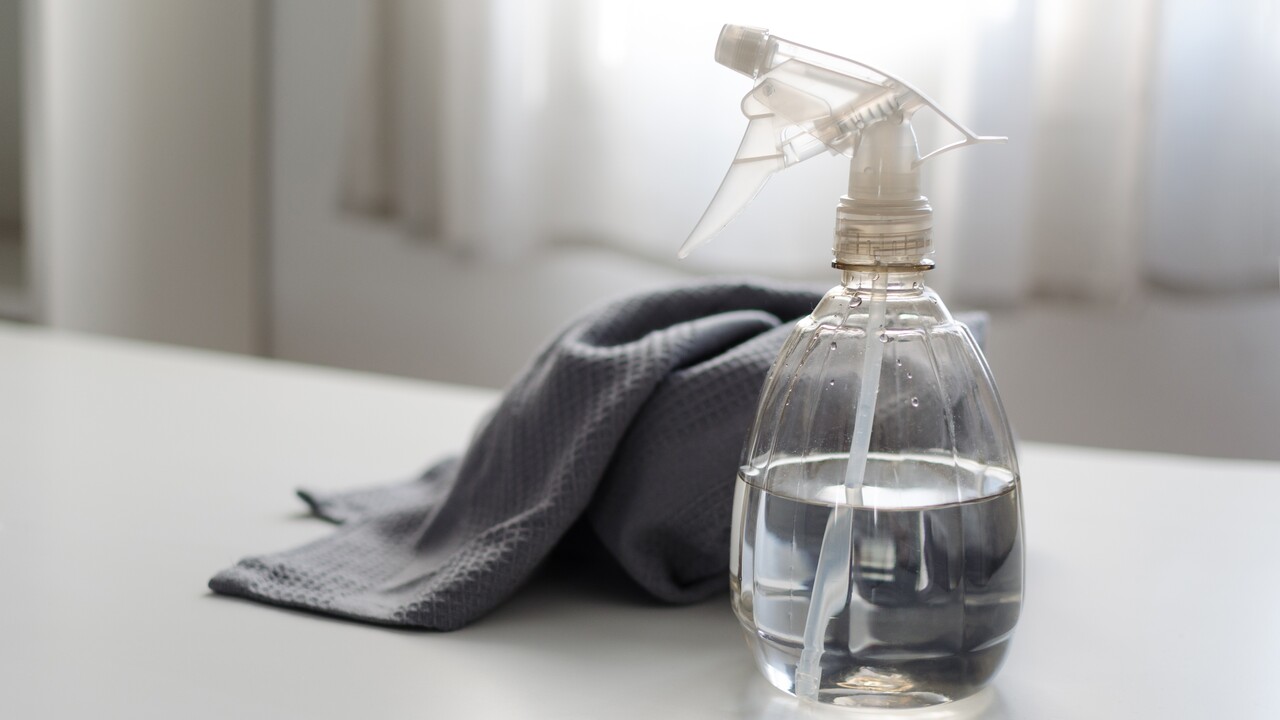
Image Credit: Shutterstock.
Plain white vinegar has a sharp smell that lingers, especially in warm weather. It stings the nostrils and covers up the scent trails squirrels use to retrace their steps. That’s key, since they often return to the exact same spots.
Use it in shallow dishes near chew zones or soak rags and drape them along fences or porch railings. The smell fades faster outdoors, so you’ll need to reapply often.
3. Garlic

Image Credit: Shutterstock.
Raw garlic contains sulfur compounds that smell strong and linger for days. Squirrels and chipmunks are especially sensitive to it because it coats the air and sticks to fur. They don’t want to rub against it or inhale it.
Crush a few cloves and drop them into mesh bags or bury them near known digging spots. If you’re not planting anything nearby, you can also blend garlic with water and pour the mix around your mulch or baseboards. It’ll smell rough for a while, but animals take the hint fast.
4. Cayenne Pepper

Image Credit: Shutterstock.
Cayenne doesn’t just burn mouths—it bothers noses too. When the fine powder gets airborne, it irritates the soft tissue inside the squirrel and chipmunk nostrils. They’ll avoid walking through treated areas, especially if they’ve inhaled it once before.
Sprinkle the powder anywhere you’ve seen gnaw marks, torn soil, or acorn stashes. Reapply after rain. If you’re worried about wind or curious pets, mix it into a paste with water and spread it on surfaces like planter edges or garden walls.
5. Ammonia

Image Credit: Paul Harrison – Own work, CC BY-SA 4.0/Wiki Commons.
Ammonia smells like urine to many animals, which triggers a natural “stay away” response. The scent suggests a predator’s been nearby or marked the territory. Squirrels and chipmunks won’t risk it.
Soak rags in ammonia and place them inside containers with air holes to control the spread. Keep them under decks, near crawl spaces, or tucked into corners where animal traffic has been heavy. Do not pour ammonia directly into the ground; it’s harsh on plants and soil.
6. Mothballs
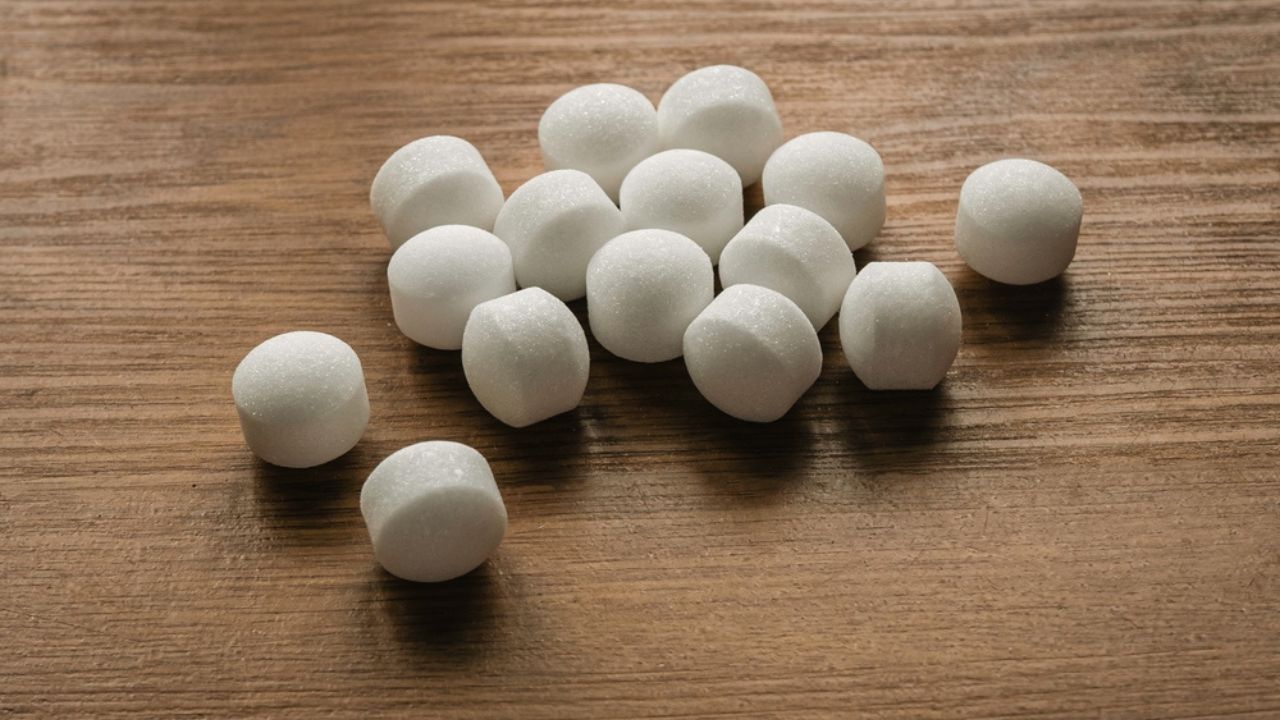
Image Credit: Shutterstock.
The naphthalene in mothballs releases a strong chemical scent that overwhelms animal senses. It’s not safe for every situation, though, so only use them in enclosed spaces that pets and kids can’t access.
Drop a few into breathable containers and stash them in sheds, garages, or toolboxes where squirrels have chewed or nested. Rotate them out once the smell weakens. Outdoors, the scent evaporates too quickly to do much good, so this one’s strictly for sealed-off spots.
7. Coffee Grounds
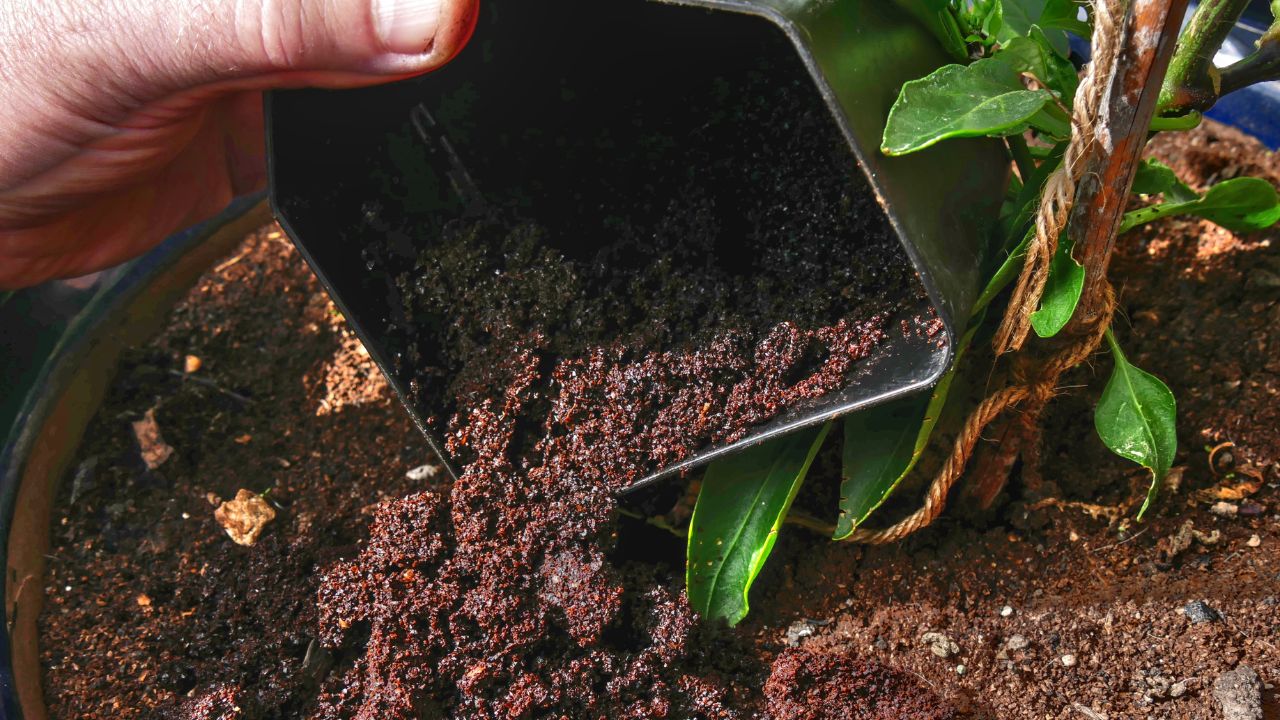
Image Credit: Shutterstock.
Used coffee grounds don’t bother most people, but small mammals tend to avoid them. The bitter, acidic smell disrupts foraging patterns and can mask the scent of stored food or fresh plants.
After your morning brew, spread the grounds in areas where you’ve seen digging or chewing. Mix them into mulch or garden beds, or pile them around potted plants. It’s low-cost, compostable, and easy to keep going daily.
8. Lemon or Orange Peels

Image Credit: Shutterstock.
Citrus oils smell great to humans but come off as sharp and sour to small mammals. These peels are packed with limonene, which irritates sensitive noses and sends a clear signal to keep moving.
Scatter fresh peels around raised beds, under bird feeders, or near favorite digging spots. Swap them out once they dry up. For longer-lasting coverage, you can grate the rinds or blend them into a slurry and pour it around fence lines.
9. Mustard Powder
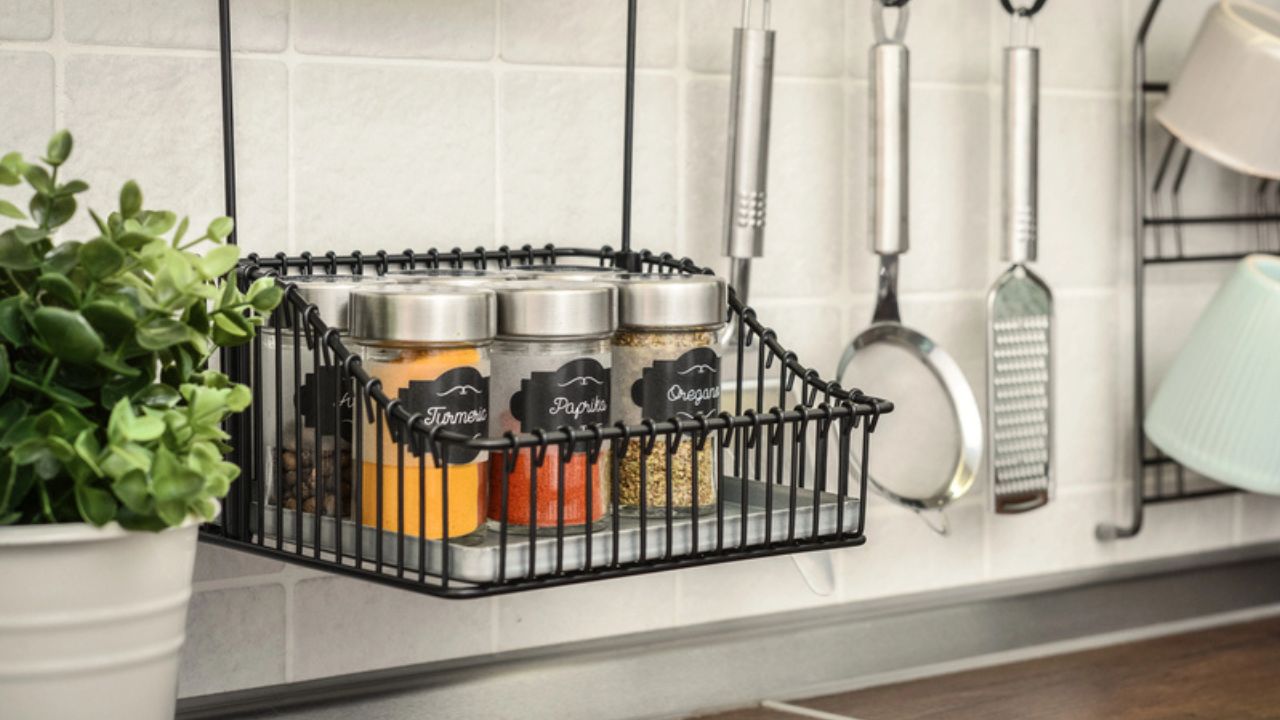
Image Credit: Depositphotos.com.
Mustard powder creates a bitter, dry heat that irritates the nasal passages on contact. It doesn’t need to be fresh to work—the scent holds up even when exposed to air.
Dust it over problem areas or mix it with water for a spray that sticks better. It’s especially useful near doors, sheds, or planters where squirrels love to dig. Don’t mix it with vinegar or garlic unless you’re prepared for a serious smell yourself.
10. Eucalyptus

Image Credit: Depositphotos.com.
Eucalyptus oil has a cold, biting smell that cuts through everything around it. Squirrels and chipmunks pick it up fast, and most won’t hang around after catching even a trace.
Use it the same way as peppermint oil. Soak cotton balls, seal them in mesh bags or old socks, and hang them from trees, porch railings, or fence posts. Indoors, it works well in attics or near insulation where squirrels sneak through.
11. Menthol Rub
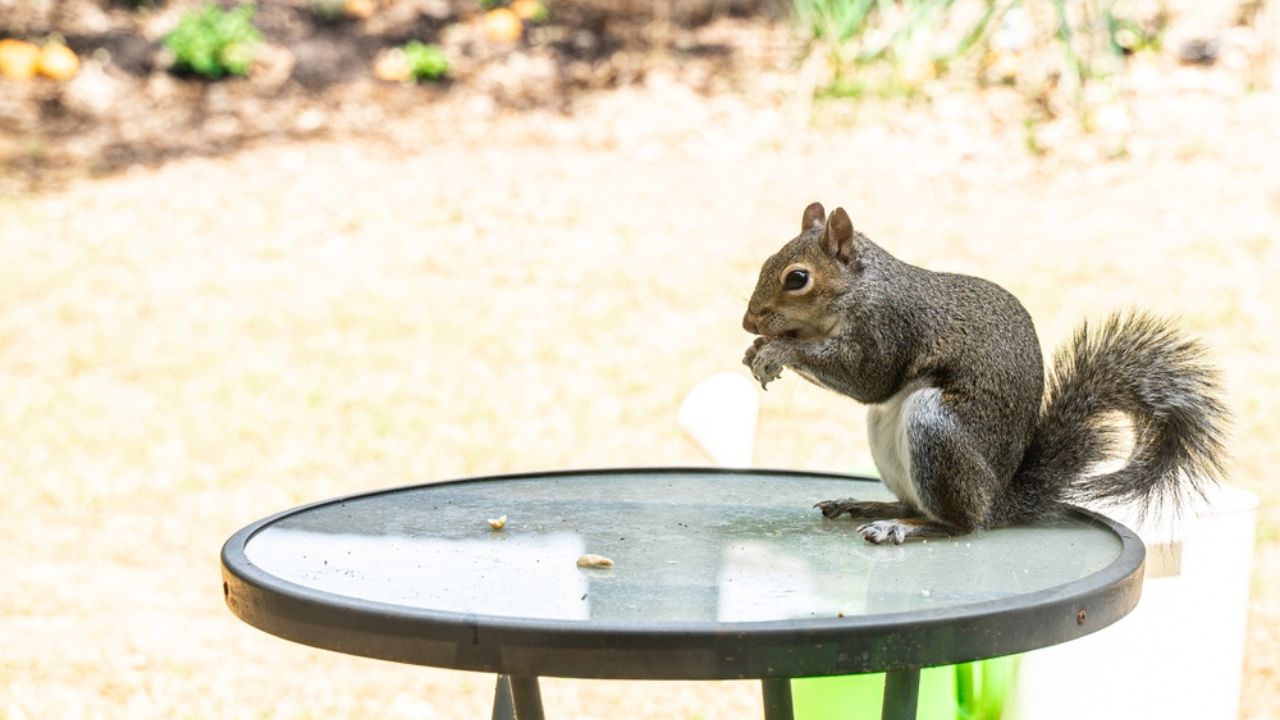
Image Credit: Shutterstock.
Menthol rubs used for congestion have a strong smell that cuts straight through most outdoor scents. For squirrels and chipmunks, it’s like running into a chemical wall. The vapors sting, and the smell stays locked into whatever surface it touches.
Smear a little under the rims of trash can lids, on planter edges, or near crawl space openings. A tiny amount is enough. Don’t put it directly on soil or plants—stick to hard surfaces like wood, plastic, or metal where the scent can sit for a while without washing away.
12. Strong-Scented Soap

Image Credit: Depositphotos.com.
Heavily perfumed bar soaps, especially floral or spicy blends, overwhelm squirrel and chipmunk senses. The scent is artificial and unfamiliar, clinging to whatever they brush past. This works fast if they’ve been chewing things like outdoor cushions or wooden posts.
Cut a bar into chunks and tuck the pieces into mesh bags, small containers, or old socks. Hang them near doorways, deck posts, or planters. Rain will wear them down slowly, releasing the smell in waves. Once they shrink too much, replace and rotate with a different scent to keep it working.
What to Do Once They’re Gone
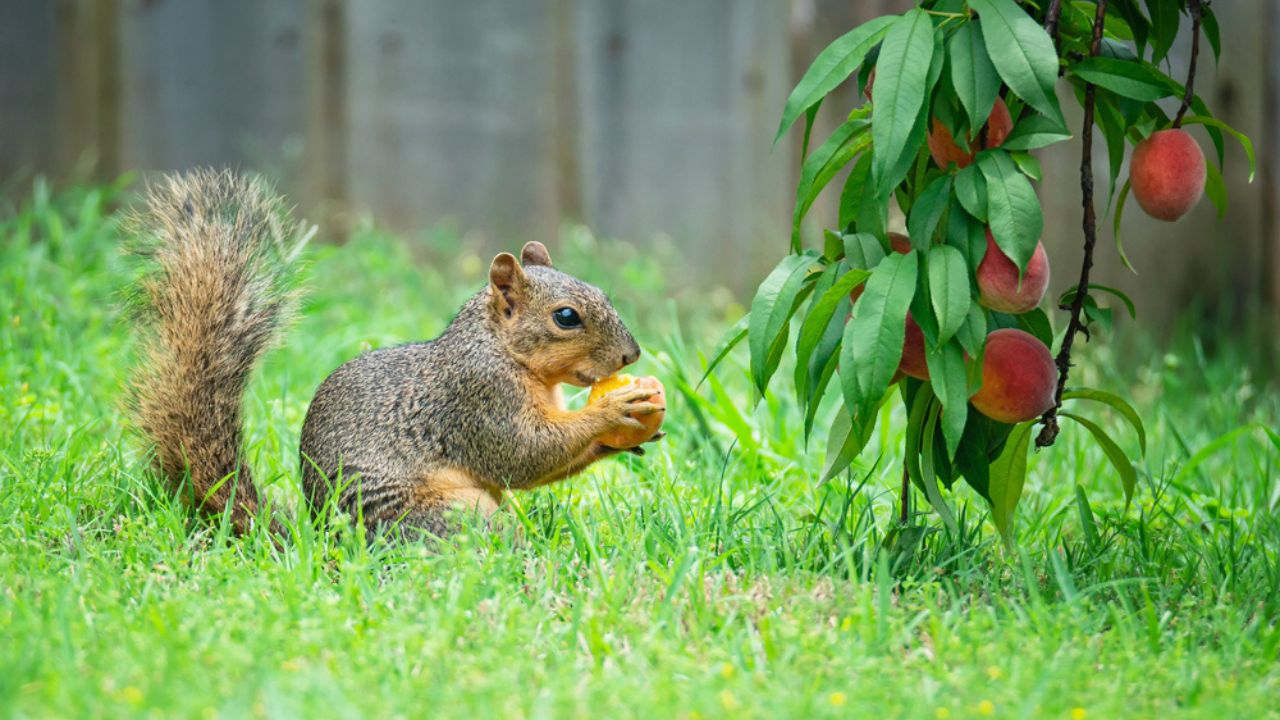
Image Credit: Shutterstock.
After you’ve pushed squirrels and chipmunks out with smell, plug the gaps. Seal crawl spaces. Add screens to vents. Check fences for low points and holes. You can also plant scent-heavy herbs near entry points. Rosemary, lavender, and marigold won’t repel everything, but they add another layer of defense and won’t fade as fast as cotton balls or sprayed mixtures.
A mix of barriers and scent zones works better than relying on one method forever.