
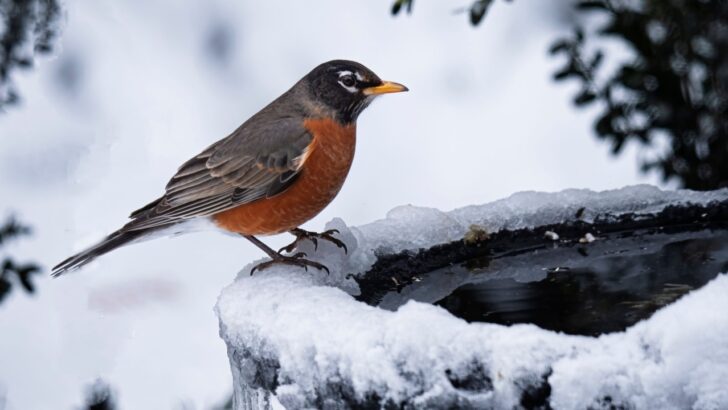
While you always make sure the backyard birds are stocked with suet and seed once winter sets in, you might forget the thing they need even more: water. It feels strange to think about birds bathing when the air is so cold, but water is tied to their survival. They drink it, of course, but they also rely on clean feathers to stay warm. When their feathers are dirty, they cannot trap heat the way they should, and even hardy birds struggle in the cold.
Keeping a simple bath from freezing is the real obstacle. Once the temperature drops below 32 degrees Fahrenheit, you are left breaking ice through the day, and that gets old fast.
The good news is that you do not have to buy an elaborate setup. There are several reliable tricks that keep water open through winter, and most of them are easy to manage. Here are seven that work well.
1. Switch to a Dark-Colored Basin
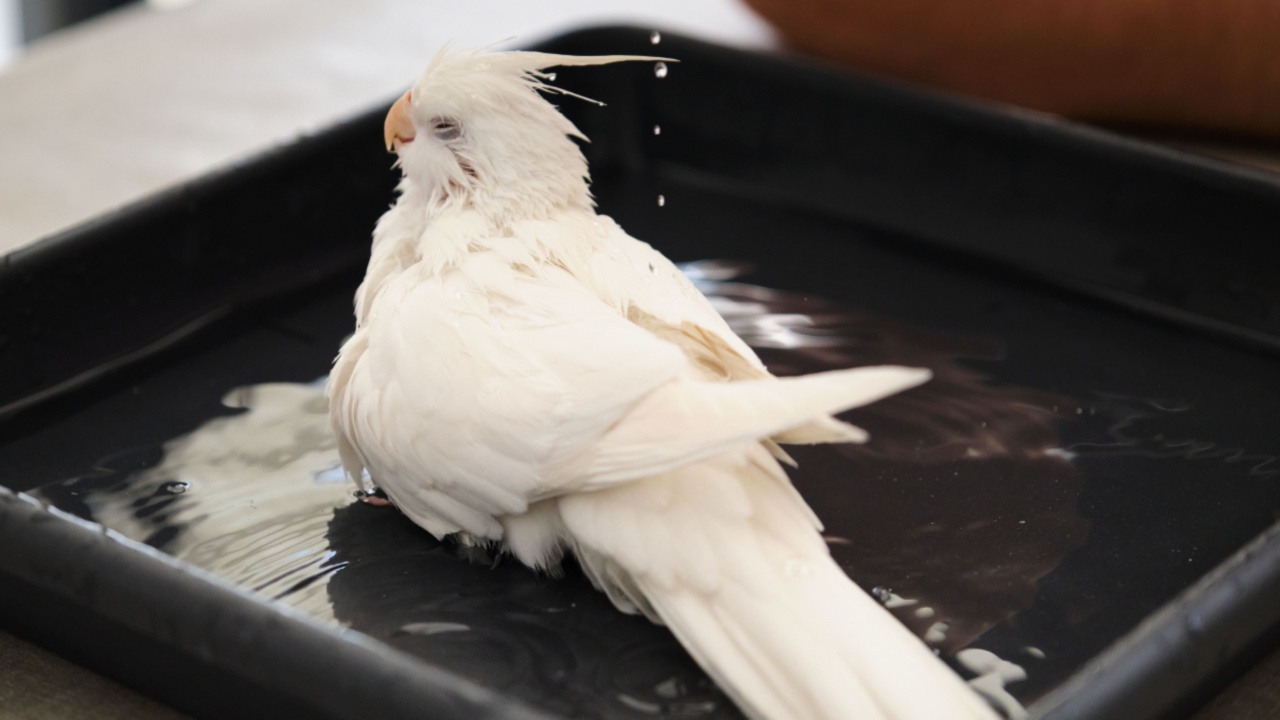
Image Credit: Shutterstock.
One of the simplest ways to combat ice is to use basic physics to your advantage. Dark surfaces hold warmth from the sun, while pale ones give it away. If your bird bath is made of concrete or light ceramic, it will freeze much faster than something darker.
Switching to a black or dark plastic basin for the winter helps more than you might expect. A sturdy plant saucer works well and is inexpensive. It behaves much like a dark road on a sunny day. Asphalt warms up quickly, and a dark basin does the same, holding enough heat to delay freezing.
Pro Tip: If you cannot change the basin, you can still improve things by covering the bottom with dark river stones or charcoal-colored rocks. They absorb warmth and give the birds a better grip.
2. Relocate Into Direct Sunlight
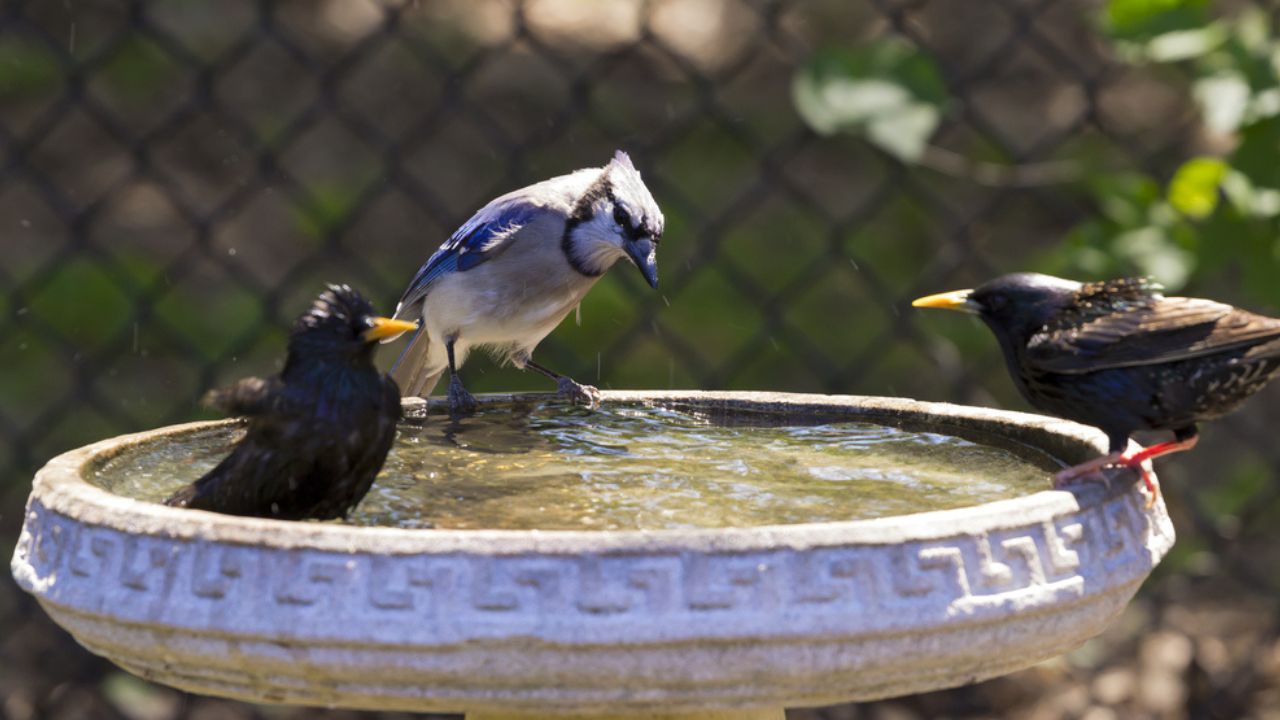
Image Credit: Shutterstock.
During the scorching summer months, you usually tuck bird baths into the shade to prevent algae growth and keep the water cool. Winter calls for the opposite approach. The low winter sun becomes one of the easiest ways to keep water from icing over.
Shift the bath to the brightest spot you have, ideally somewhere sheltered from strong wind. Even on a cold day, direct sunlight can keep a shallow basin open for much longer than one tucked beside a garage or under a tree.
Pro tip: Check your yard at midday. Areas that are sunny in summer might be shady in winter. Find a south-facing spot that gets consistent sun from late morning to early afternoon.
3. Float a Ping Pong Ball

Image Credit: Deposit Photos.
For a low-tech, low-cost hack, try floating a ping pong ball in your bird bath. Even a gentle breeze will push the ball around, and this constant motion can prevent a thin layer of ice from forming on the surface.
While this method won’t work in a deep freeze, it’s often enough to keep water open on days hovering around the freezing mark.
Pro Tip: If you live in a windy area, you might need a slightly heavier object, like a small rubber dog ball or a specialized “water wiggler,” as a ping pong ball might blow away.
4. Invest in a De-Icer or Immersion Heater
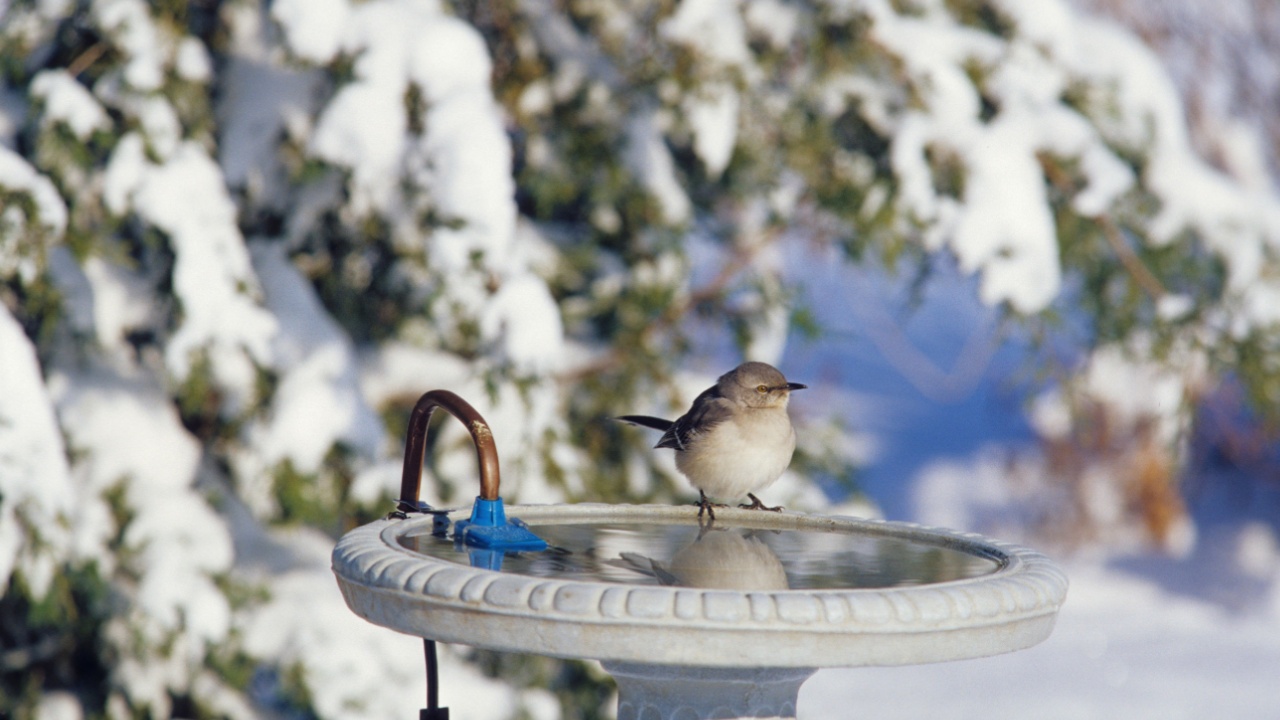
Image Credit: Shutterstock.
For those in colder climates where temperatures consistently stay below freezing, an electric de-icer or immersion heater is the most reliable solution.
These devices are safe, affordable, and designed to be placed directly in the bird bath. Most are thermostatically controlled, turning on only when the water is near freezing to save electricity. They don’t heat the water, but simply keep it from turning to ice.
Pro Tip: Always use a heavy-duty, outdoor-rated extension cord and a covered outlet when mixing electricity and water.
5. The “Hand Warmer” Hack
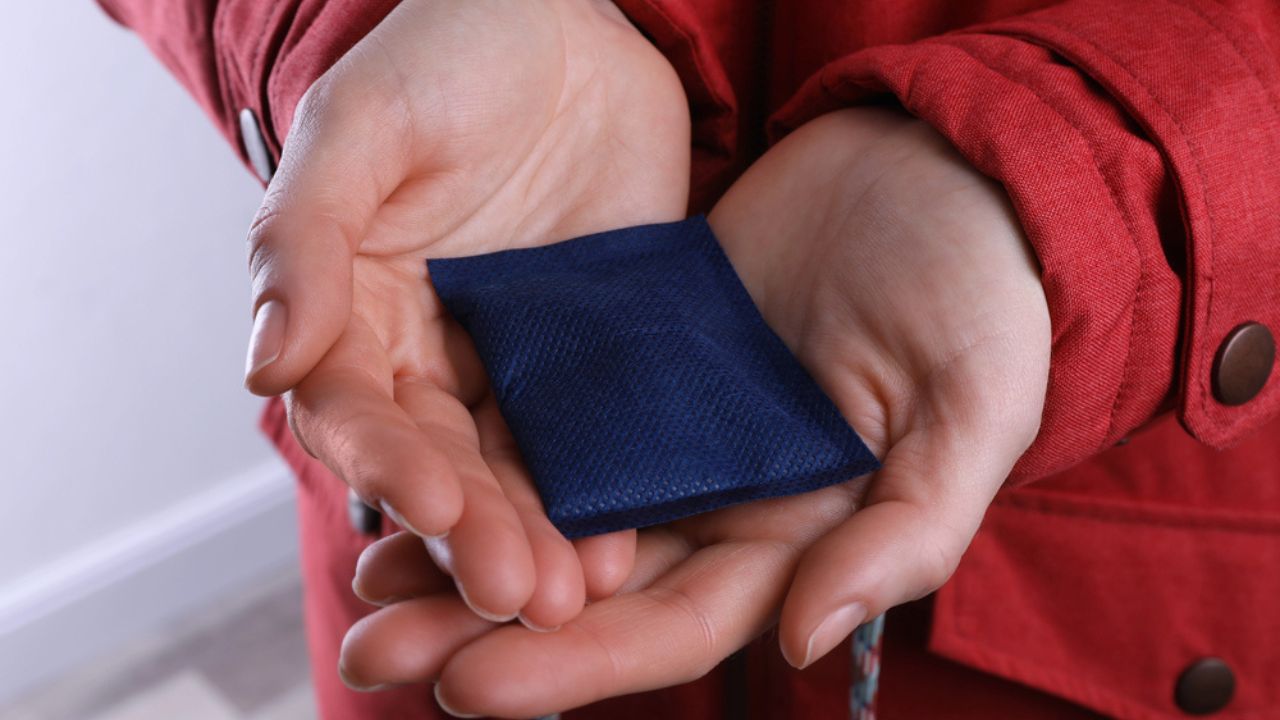
Image Credit: Deposit Photos.
Caught in a sudden cold snap without a heater? A disposable hand warmer packet can be a temporary fix. Activate the packet, place it on a flat surface, and set a shallow dish of water on top. The heat will transfer through the dish, keeping a small amount of water unfrozen for a few hours.
Pro Tip: Never put the chemical packet directly in the water, as a leak could be toxic to birds. Always place it under the dish.
6. Add Warm Water (But Never Boiling!)
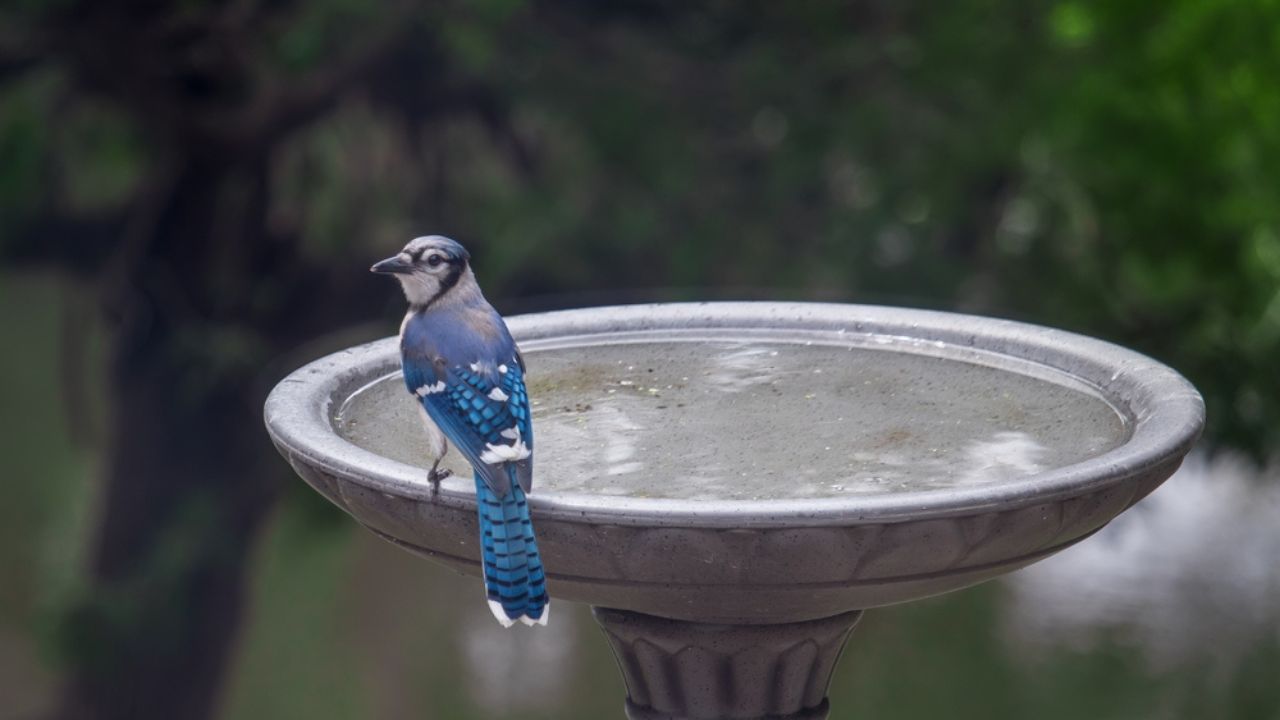
Image Credit: Shutterstock.
If you work from home or are around during the day, manually topping off the bath with warm water is a great way to clear out ice. It creates an immediate oasis for the birds and melts existing slush.
However, you must be extremely careful about the temperature. Never use boiling water. Boiling water can crack ceramic or concrete bird baths instantly due to thermal shock. More importantly, water that is too hot can scald birds or strip the natural oils from their feathers, leaving them vulnerable to the cold.
Pro Tip: Aim for “tepid” or lukewarm water from the tap. If you see steam rising from the pitcher, let it cool down before pouring it outside.
7. Use a Water Agitator
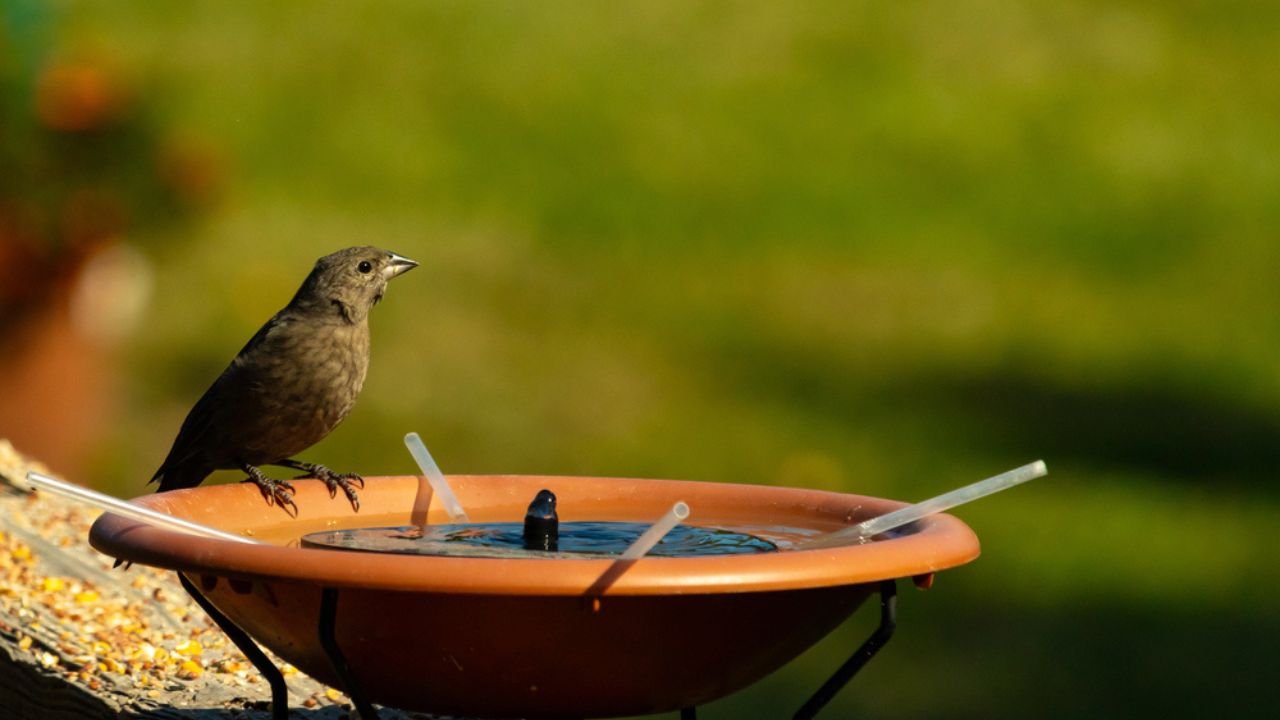
Image Credit: Shutterstock.
Similar to the ping pong ball method but more reliable, battery-operated or solar-powered water agitators create continuous ripples in the bath. Moving water requires much lower temperatures to freeze than still water.
These devices usually sit in the center of the bird bath and spin or vibrate. Beyond keeping the ice at bay, the sound and sight of moving water act as a magnet for wild birds, potentially attracting species that don’t visit your feeders.
Creating a Winter Sanctuary
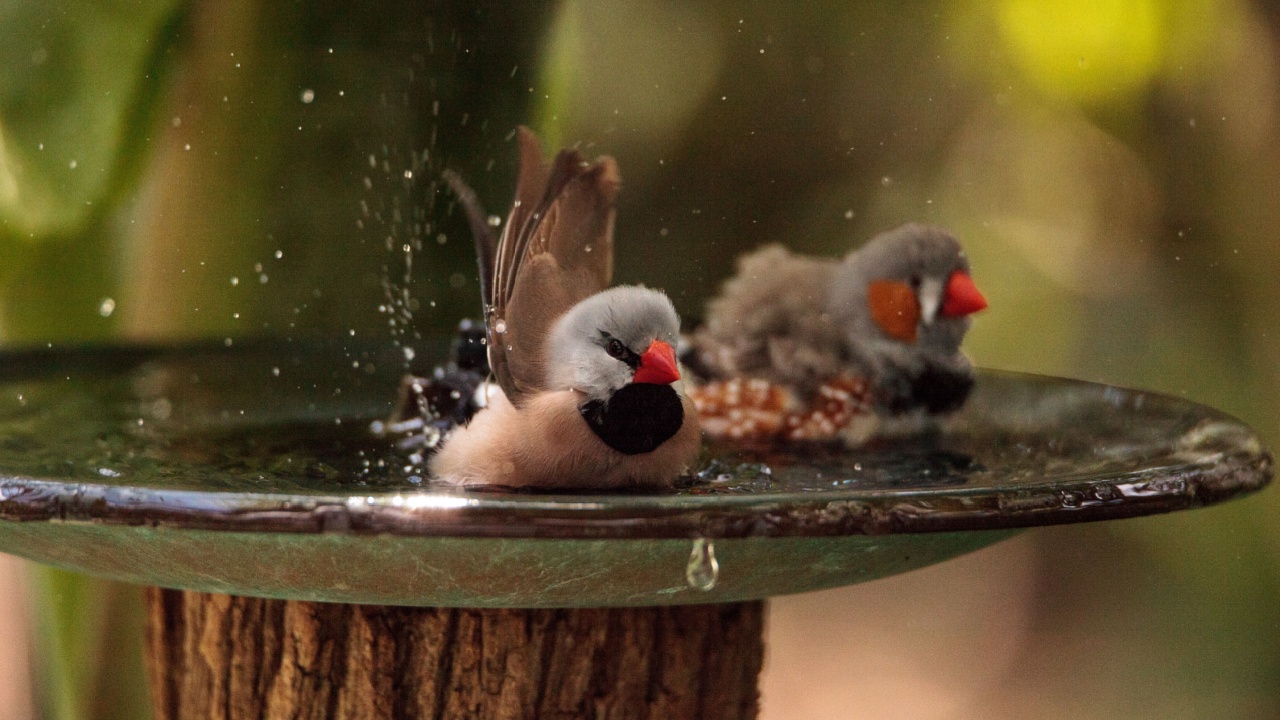
Image Credit: Shutterstock.
By keeping water available, you are doing a tremendous service for your local ecosystem. Once you’ve secured a fresh water source, take a look at the rest of your winter garden prep.
Ensure your feeders are stocked with high-energy foods like suet and black oil sunflower seeds to give birds the calories they need to generate body heat. With a little effort, your backyard can become a thriving lifeline for wildlife, providing you with beautiful birdwatching opportunities all season long.