

The time between enjoying a pleasant autumn afternoon and searching for a sweater you haven’t seen since March is shorter than we imagine. When the temperature takes a nosedive, our first instinct is to hibernate. But before you commit to a full season spent under a pile of blankets, you can make your home a much more comfortable and inviting sanctuary.
How about creating a space so warm and welcoming, you won’t even mind the frost on your windows. Your home needs just a few simple adjustments to turn from a deep freezer to a warm haven. It’s cold, but you don’t have to be.
Here are 15 straightforward ways to make your home feel like a warm hug all season long.
1. Roll Out the Rugs
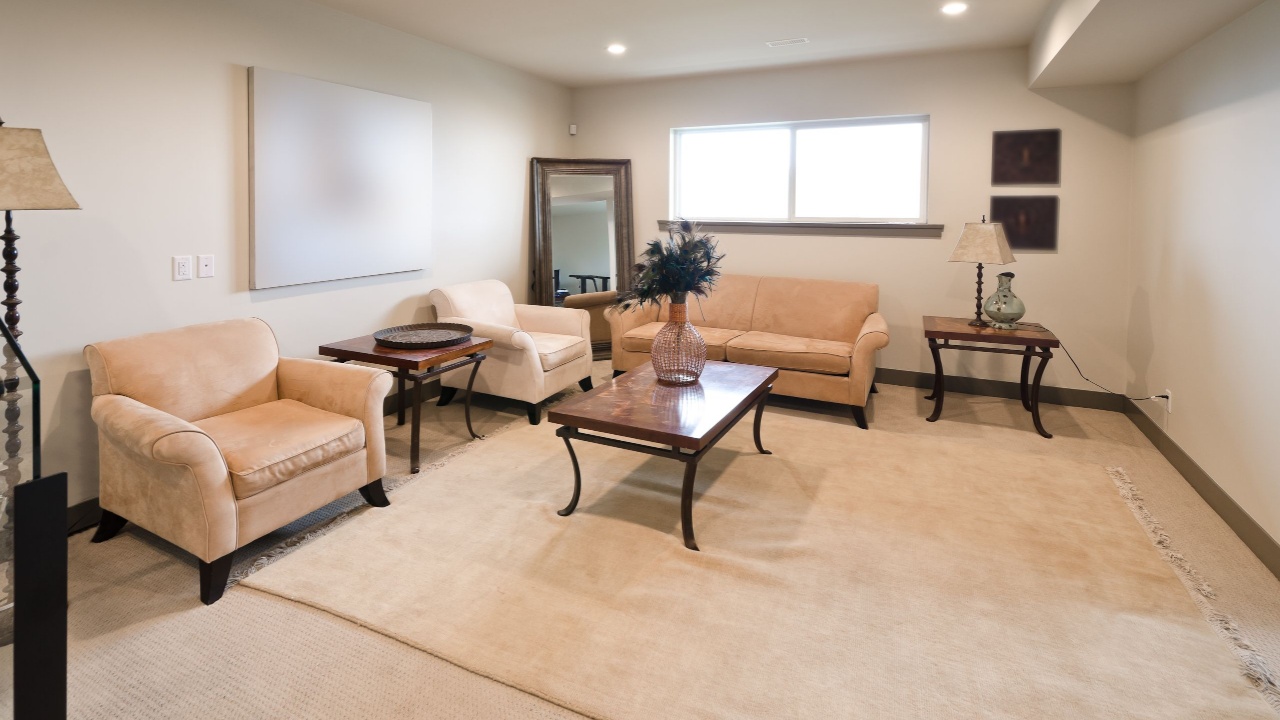
Image Credit: Shutterstock.
Hardwood and tile floors look fantastic, but they can feel like ice rinks underfoot when it gets cold. Placing area rugs in your main living spaces, like the living room and bedrooms, adds a layer of insulation and immediate warmth. A soft surface for your feet to land on first thing in the morning is a small luxury that sets a better tone for the entire day.
Quick Scan:
- Why: Rugs add physical and visual warmth, insulating cold floors.
- How: Layer rugs over hard surfaces in high-traffic areas. Consider placing a larger, neutral rug down first and layering a smaller, more colorful one on top for added texture.
- Care Tip: Use a rug pad to prevent slipping and add extra cushioning.
2. Bring Nature Indoors
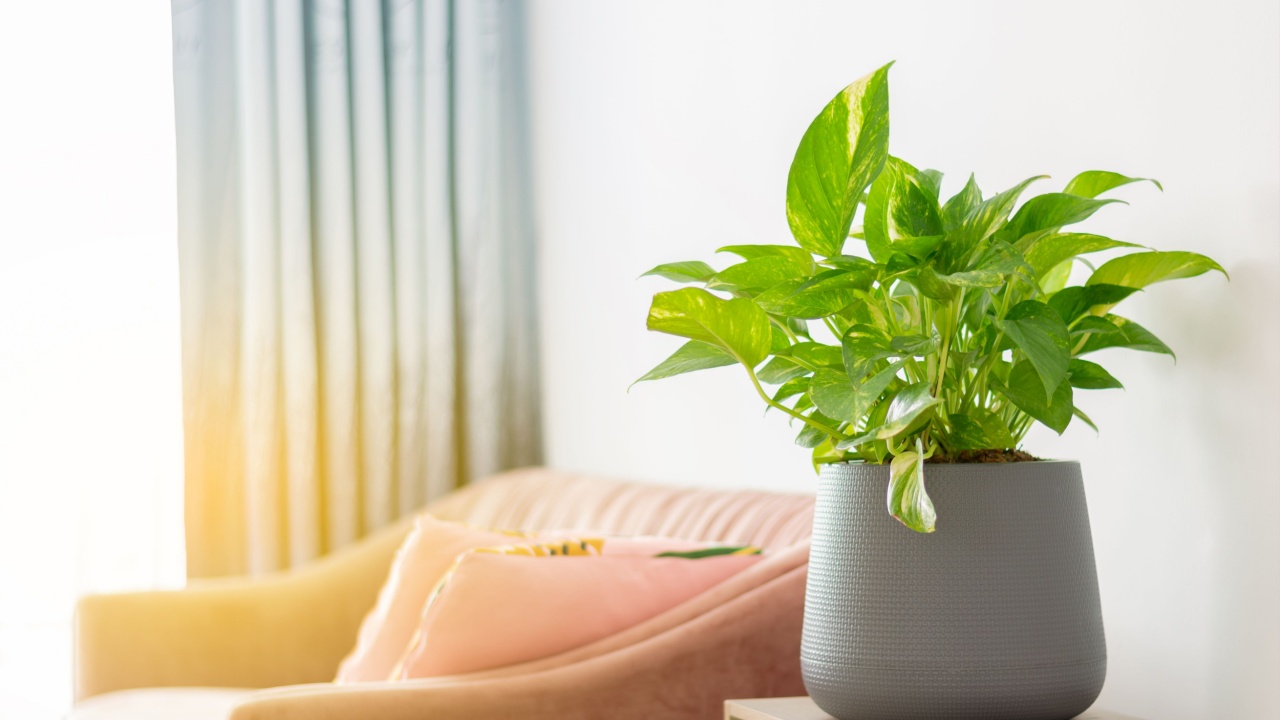
Image Credit: Shutterstock.
Just because your outdoor garden is winding down doesn’t mean you have to give up on greenery. Bringing plants inside can improve your home’s atmosphere and may help reduce certain indoor pollutants. While their air-purifying effects are modest in typical home settings, studies, including NASA’s, show that plants and their soil microbes can absorb some toxins and enhance indoor air quality.
A fiddle-leaf fig in a corner or a collection of succulents on a windowsill can make a room feel more vibrant and alive. The fresh pop of green softens hard edges and introduces a sense of calm, helping your space feel more balanced and welcoming.
Quick Scan:
- Why: Plants boost mood, improve air quality, and add a touch of nature.
- How: Choose low-maintenance indoor plants like snake plants, pothos, or ZZ plants if you’re new to plant parenthood.
- Care Tip: Check the light and water requirements for each plant. Most winter-dormant plants need less water than in the summer.
3. Swap Out Your Throw Pillows

Image Credit: Shutterstock.
Changing your throw pillow covers is one of the easiest and most affordable ways to update a room for the season. Put away the light linen and cotton covers and bring in richer, heavier fabrics that feel as cozy as they look. Materials like velvet, faux fur, wool, or chunky knit add a tactile sense of comfort that just begs for a movie marathon.
These textures not only warm up your seating visually but also invite you to sink in and stay awhile. Even a few well-placed pillows can shift the mood of a space from breezy to snug in minutes.
Quick Scan:
- Why: Heavier textures create a feeling of warmth and substance.
- How: Look for pillow covers in deep, warm colors like burgundy, forest green, or navy.
- Care Tip: Most pillow covers are machine washable. Just check the tag before tossing them in.
4. Introduce Heavier Curtains
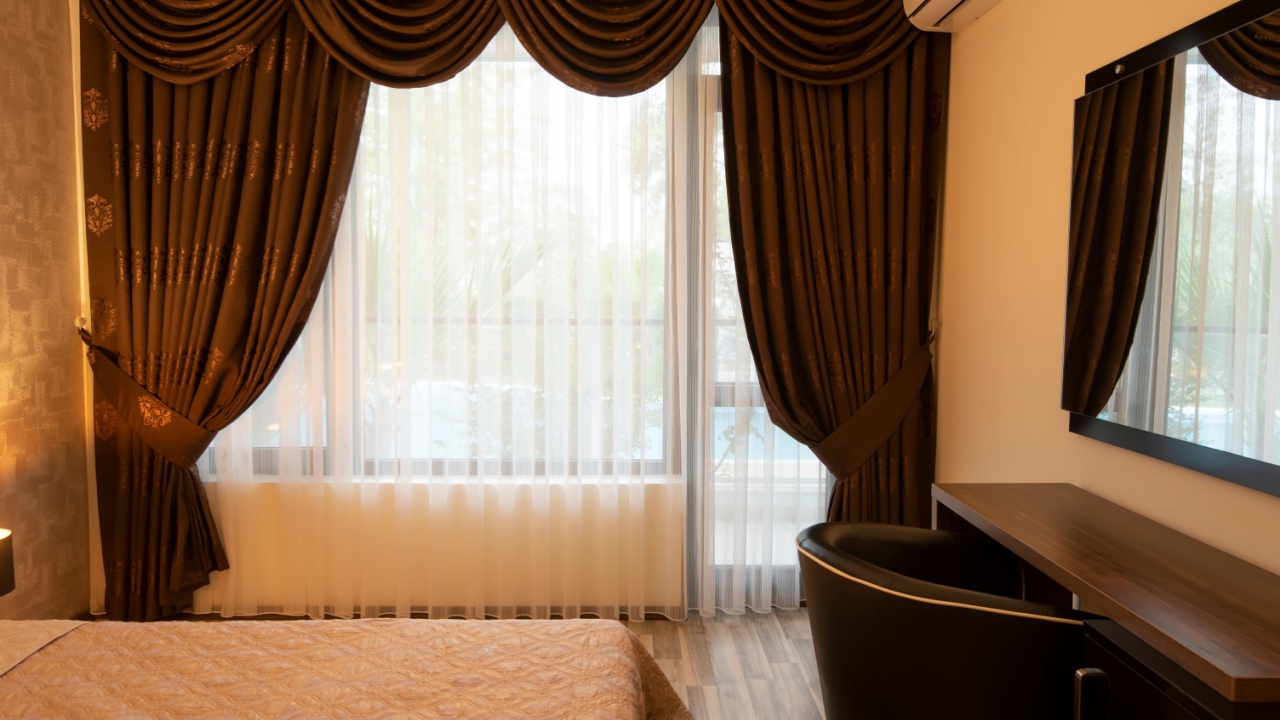
Image Credit: Shutterstock.
Those sheer, breezy curtains that worked beautifully in summer won’t do much for you once the chill sets in. They let cold air seep through and make your heating system work harder than it should. Replacing them with heavier drapes made from velvet, suede, or thick thermal fabrics gives your windows a layer of insulation and your room a dose of elegance. This simple upgrade helps trap warmth, reduce drafts, and may even lower your energy bill over time.
Quick Scan:
- Why: Heavy drapes act as a barrier against cold air from windows.
- How: Install a sturdy curtain rod and hang drapes that are long enough to touch the floor.
- Care Tip: Open them during the day to let natural sunlight warm the room, and close them at night to retain heat.
5. Get a Great Throw Blanket (or Three)

Image Credit: Shutterstock.
A good throw blanket is a fall and winter essential. Drape one over the arm of your sofa, fold another at the foot of your bed, and keep a third in a basket for spontaneous snuggling. These layers do more than keep you warm. They signal comfort, add visual softness, and make your space feel lived-in in the best possible way.
Materials like fleece, chunky knit wool, and faux fur are top picks for warmth and style. Each one brings a different mood to your room, from rustic cabin to modern hygge. Choose colors that complement your palette or go bold with seasonal tones like deep plum or forest green.
Quick Scan:
- Why: Provides immediate, accessible warmth and adds decorative texture.
- How: Don’t just fold them perfectly. Casually drape them for a lived-in, inviting look.
- Care Tip: Check the washing instructions. Some delicate knits may be hand-wash only.
6. Rearrange Your Furniture

Image Credit: Depositphotos.com.
Take a moment to look around your room: is your favorite armchair sitting too close to a drafty window or blocking a radiator? Pulling furniture away from cold exterior walls and ensuring that heat sources like radiators and vents aren’t obstructed allows warm air to circulate properly, reducing chilly spots and making the space feel genuinely warmer.
Even small shifts, such as a sofa a few feet forward or chairs clustered together, can change how cozy a room feels without turning up the thermostat. Centering your seating around a fireplace, a radiant rug, or another natural focal point not only encourages conversation and connection but also creates a snug, inviting atmosphere.
Quick Scan:
- Why: A new layout can improve heat circulation and create a more intimate setting.
- How: Try centering your main seating area around a fireplace or a large area rug.
- Next Step: Experiment with different arrangements until you find what feels best.
7. Change Your Light Bulbs

Image Credit: Depositphotos.com.
Lighting has a massive impact on the atmosphere of a room, often more than furniture or paint color. Harsh, blue-toned light can make even the coziest space feel sterile, cold, and uninviting. It’s the kind of brightness you’d expect in a hospital hallway, not your living room. To create a more relaxed and welcoming environment, especially in the evenings, switch to bulbs that emit a warmer, softer glow.
Look for packaging labeled warm white or check the Kelvin rating; bulbs between 2700K and 3000K fall into the ideal range for ambient comfort. Beyond aesthetics, warmer lighting can also influence your mood and sleep cycle. Cooler light temperatures tend to stimulate alertness, which is excellent for offices but disruptive when you’re winding down.
Quick Scan:
- Why: Warm-toned light is more relaxing and creates a welcoming atmosphere.
- How: Replace overhead and lamp bulbs with warm white LEDs.
- Next Step: Install dimmer switches so you can adjust the light level to match the mood.
8. Embrace Candlelight
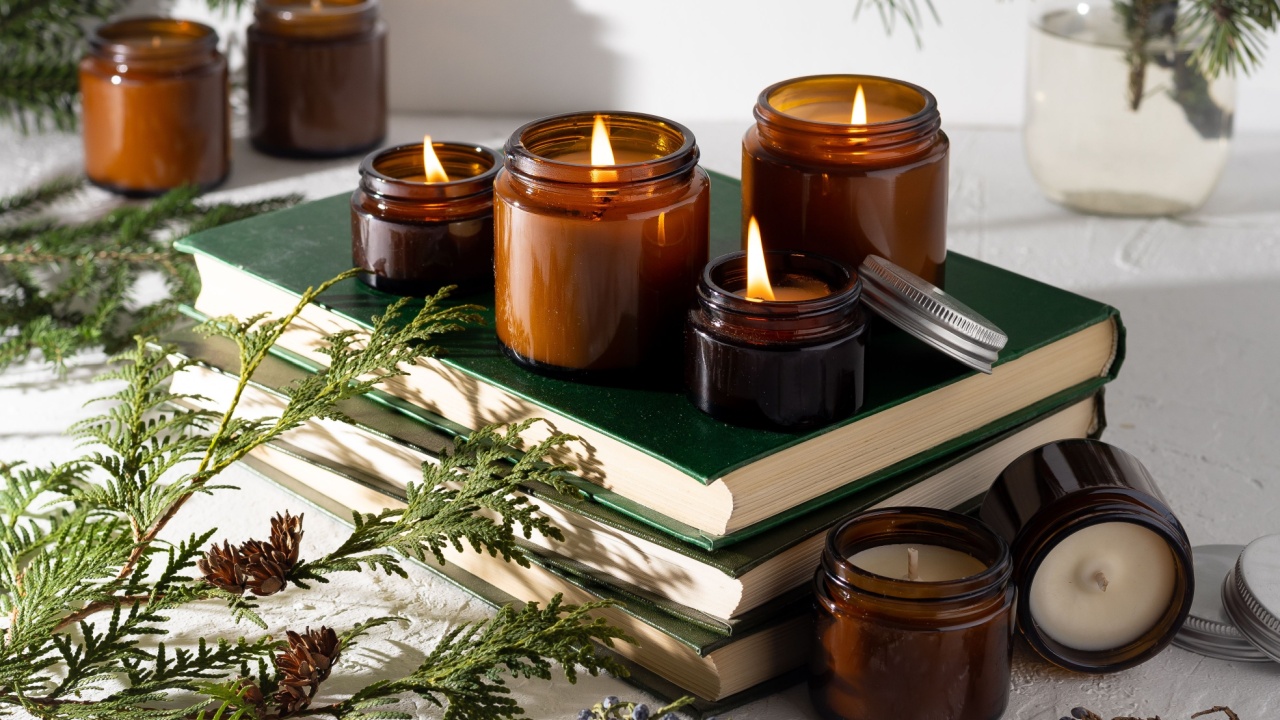
Image Credit: Shutterstock.
The soft, flickering light from a candle instantly makes any room feel more special. Do you prefer scented or unscented? Placing a few candles around your living room or on your dining table creates a wonderful ambiance. If you have pets or small children, high-quality flameless LED candles can give you the same effect without the worry. You can also use more natural ways to fill your home with scents, such as oil diffusers.
Quick Scan:
- Why: The gentle flicker of candlelight is calming and creates a warm glow.
- How: Group candles of varying heights on a tray for a stylish centerpiece.
- Safety Tip: Always place candles on a stable, heat-resistant surface and never leave them burning unattended.
9. Line a Basket with Blankets
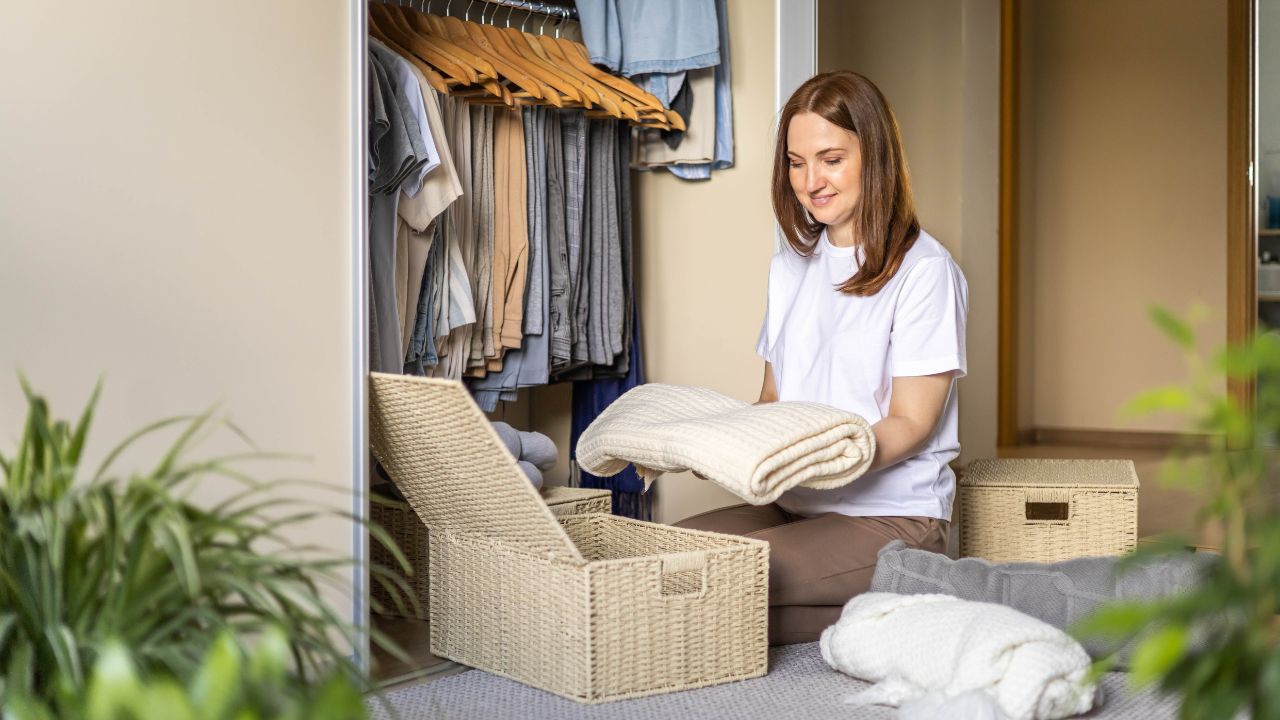
Image Credit: Shutterstock.
A large woven basket is a fantastic storage solution that doubles as decor, especially in living spaces where function and style need to coexist. Its natural texture adds warmth and visual interest to a room, while its generous size makes it perfect for corralling everyday items that tend to clutter up surfaces.
Rather than stashing your extra blankets in a closet where they’re out of sight and out of mind, roll them neatly and display them in the basket. This creates a casual, lived-in look that feels both intentional and inviting.
Quick Scan:
- Why: Keeps blankets handy while serving as a decorative element.
- How: Choose a basket made from natural materials like seagrass or wicker.
- Next Step: You can also use baskets to hold firewood, magazines, or even a potted plant.
10. Display Your Firewood
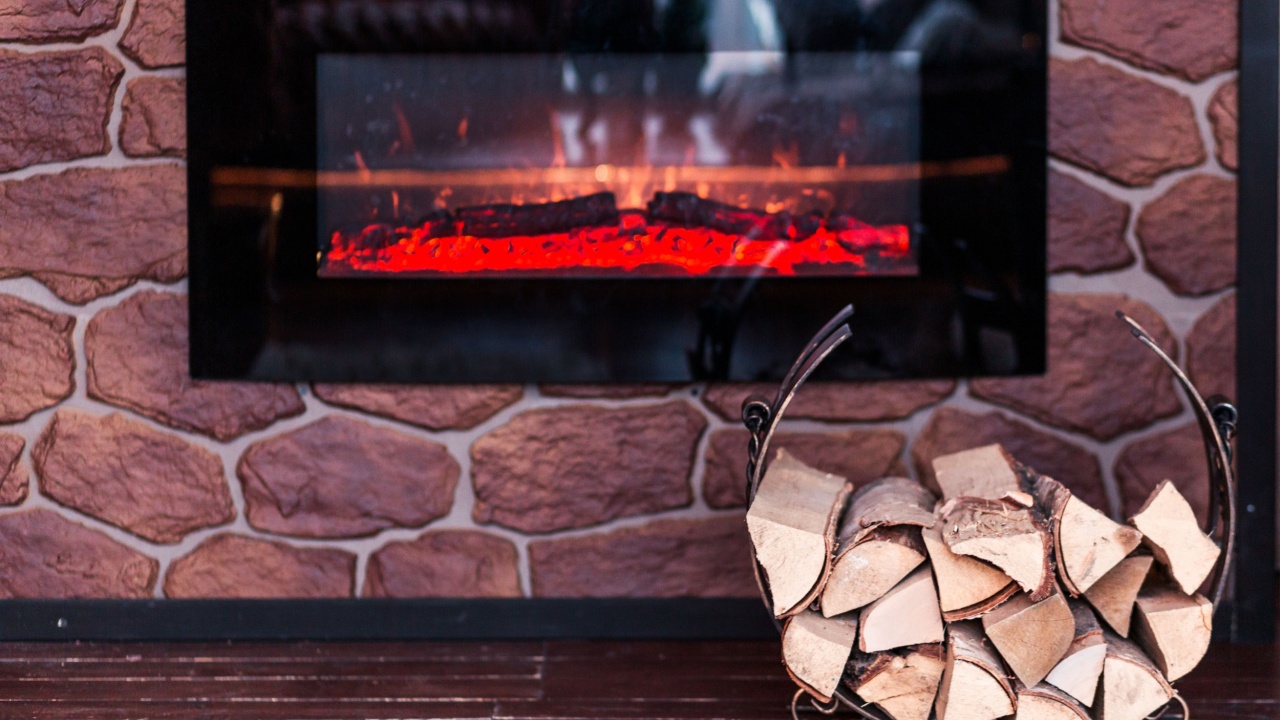
Image Credit: Shutterstock.
If you have a wood-burning fireplace, don’t hide your firewood in the garage where it’s forgotten and inconvenient (and cold to collect). Instead, treat it like part of the decor. Stacking logs neatly in a metal bucket, a woven basket, or a simple log holder beside the hearth adds a rustic touch that feels both intentional and inviting.
The natural texture of the wood brings warmth to the room, and the visible supply hints at cozy nights ahead, even if the fire stays cold for now. This setup also makes practical sense. Having firewood within reach means you’re more likely to use the fireplace when the mood strikes, and it saves you from chilly trips outside.
Quick Scan:
- Why: Stacked wood adds natural texture and suggests warmth.
- How: Use a stylish log holder to keep the wood contained and off the floor.
- Safety Tip: Ensure the wood is dry and stored a safe distance from the actual firebox.
11. Add Warm Metallic Accents

Image Credit: Shutterstock.
Incorporating warm metals like brass, copper, or gold can instantly elevate the warmth of a room and make it feel more layered and lived-in. These finishes have a natural glow that softens hard lines and adds a touch of elegance without overwhelming the space. You don’t need much to make an impact—a brass picture frame on a bookshelf, a copper vase on the mantel, or a gold-trimmed mirror above a console can catch the light and create gentle highlights that shift throughout the day.
Quick Scan:
- Why: Warm metals reflect light and add a touch of sophisticated warmth.
- How: Swap out silver or chrome hardware on a cabinet, add a metallic tray to your coffee table, or hang a new picture frame.
- Next Step: A little goes a long way. Start with one or two small pieces.
12. Use a Draft Stopper

Image Credit: Depositphotos.com.
This is an old-fashioned solution that works remarkably well, and it’s one of the few that combines charm with utility. A draft stopper, also known as a door snake, is a fabric tube filled with insulating material like rice, sand, or foam. When placed at the bottom of a drafty door or along a leaky windowsill, it acts as a physical barrier against cold air. The concept is simple, but the impact is immediate: fewer chills, less strain on your heating system, and a noticeable uptick in comfort.
Quick Scan:
- Why: It’s a low-tech, effective way to block cold drafts.
- How: You can buy them or easily make your own with some fabric and a filling like rice or dried beans.
- Next Step: Check all your exterior doors and older windows for drafts.
13. Create a Hot Beverage Station
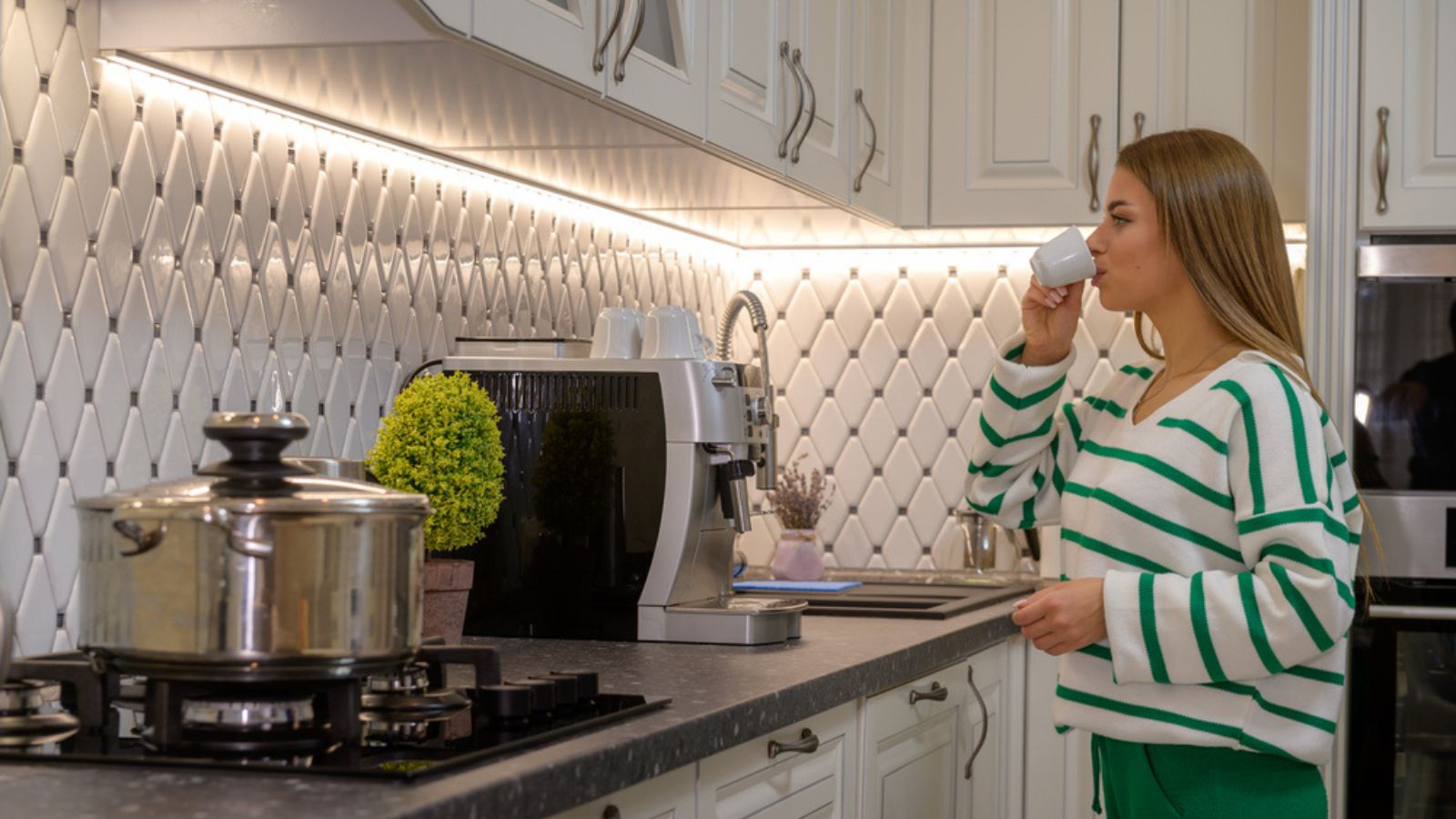
Photo Credit: Depositphotos.com.
Designate a small corner of your kitchen or dining room as a dedicated spot for warm drinks. Set out a tray with your electric kettle or coffee maker, a selection of mugs, and jars filled with coffee, tea bags, cocoa powder, and marshmallows. It makes preparing a warm drink feel like a special ritual and encourages guests to help themselves.
Quick Scan:
- Why: Encourages the ritual of making and enjoying a warm drink.
- How: Use a bar cart or a small section of your counter.
- Next Step: Add some fun extras like cinnamon sticks, honey, or flavored syrups.
14. Incorporate Wood Tones to Ground Your Space

Image Credit: Shutterstock.
Wood elements, in furniture, wall art, or small decor, bring natural warmth and grounding to a room. Even in minimalist or modern interiors, a touch of wood can soften the overall look and make the space feel more inviting.
Choose warm finishes like walnut, oak, or cherry, and mix them with soft textiles to balance the visual weight. Lovely Harbor(4) highlights wood tones as a key ingredient in fall and winter decor, noting how they complement seasonal colors and textures while enhancing the sense of comfort.
Quick Scan:
- Adds visual warmth and texture
- Works in modern, rustic, or transitional spaces
- Complements seasonal colors and soft furnishings
- Use sparingly or as a focal point
15. Create a Reading Nook

Image Credit: Shutterstock.
Creating a reading nook, a cozy corner dedicated to quiet time, can transform how you experience your home. Choose a spot near a window or in an underused alcove, then add a comfortable chair, a soft throw, and a small side table for books or tea. Personalize it with a few framed photos, a basket for magazines, or a lamp with a fabric shade. The Inspired Room suggests that creating “mood zones” like reading nooks helps your home feel like a sanctuary rather than a showroom.
Quick Scan:
- Creates a dedicated space for quiet and relaxation
- Adds visual softness with layered textiles and personal touches
- Works well in small corners or underused spaces
Winter Doesn’t Have to Mean Cold (At Least Inside)

Image Credit: Shutterstock.
Transforming your home into a warm and inviting haven doesn’t require a lot of time or money. The best approach is to choose a few ideas from this list that speak to you and start there. You can add more layers of comfort as the season progresses. By focusing on textures, lighting, and small sensory details, you can create a space that feels like a refuge from the cold. Enjoy the process and the wonderfully comfortable home you create.