

Mold is the uninvited houseguest that nobody wants. It shows up without warning, makes itself at home in damp, dark corners, and brings a whole lot of destruction and health issues. We all want a house that smells of citrus, butter cookies, and lavender, not old socks. Identifying a mold problem early is the best way to protect your home and your health.
Mold is typically caused by excess moisture from leaks, humidity, or condensation that allows airborne spores to thrive on organic surfaces. That surface should not be your home.
Here is a guide to help you identify the telltale signs of mold, explain why it’s growing at your place, and outline what you can do to remove it.
1. Visible Discoloration or Staining
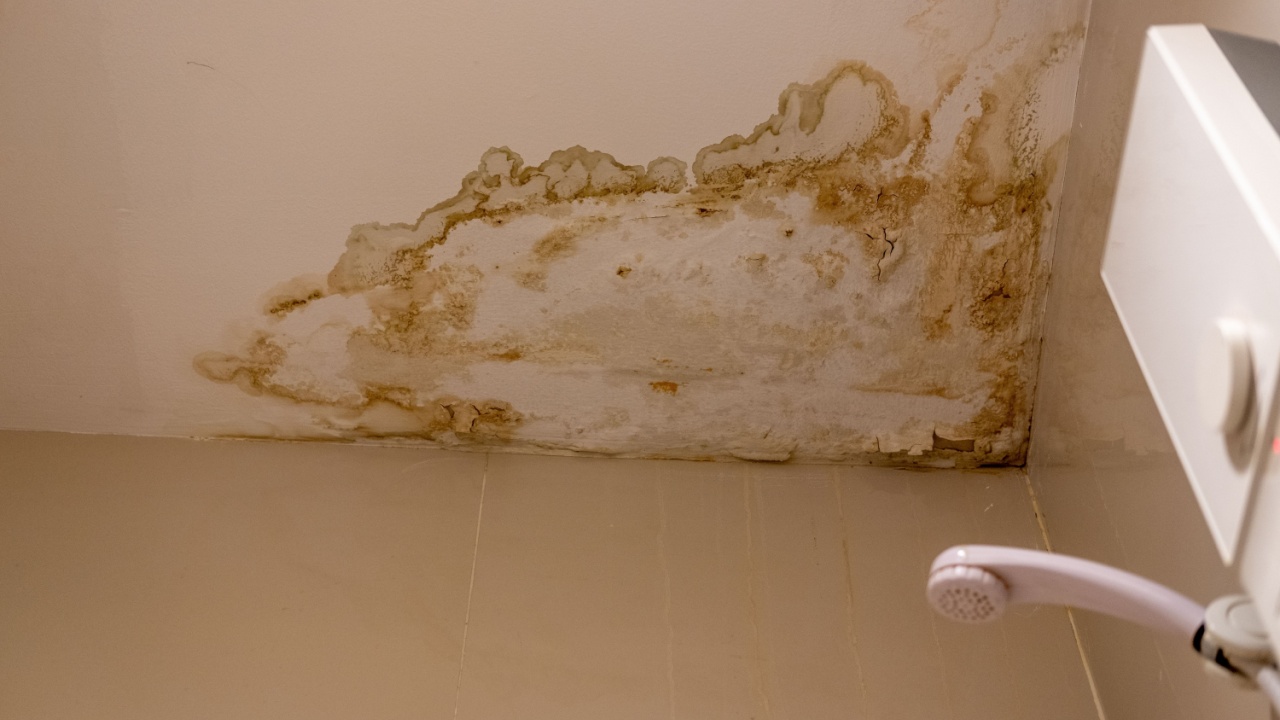
Image Credit: Shutterstock.
The most obvious sign of mold is, well, seeing it. However, it doesn’t always resemble the classic fuzzy green science experiment you forgot in the back of the fridge. Mold can appear as spots, smudges, or stains on walls, ceilings, or other surfaces. These patches can be black, green, brown, white, or even orange and pink. They often appear in areas prone to moisture, such as bathrooms, basements, and around leaky windows.
What you’re seeing is a colony of fungi that has found a nice, damp spot with a food source like drywall, wood, or wallpaper. It often starts small and can be mistaken for simple dirt or soot. A simple way to check is to dab the spot with a cotton swab dipped in diluted bleach. If the spot lightens or disappears after a few minutes, it’s most likely mold. If nothing changes, it’s probably just dirt. It’s wise to test a tiny hidden area first, since bleach can discolor some surfaces.
Quick Scan:
- What to look for: Spots or stains in black, green, brown, white, or other colors on surfaces.
- Common locations: Bathroom walls, around window sills, basement corners, and ceilings with water damage.
- Next steps: Test the spot with diluted bleach. If it’s mold, clean small areas (under 10 square feet) with a mold-killing solution or call a professional for larger infestations.
2. A Persistent Musty Odor

Image Credit: Shutterstock.
You want your home to smell clean, but if you walk into a room and it smells perpetually damp, earthy, or like old, wet books, your nose might be telling you something your eyes can’t see. Mold produces microbial volatile organic compounds (MVOCs) as it grows and digests its food source. These compounds are what create that distinct “moldy” smell.
This odor is a huge red flag because it means mold is actively growing somewhere, even if it’s hidden behind a wall, under flooring, or in your HVAC system. The smell will be strongest near the source of the mold colony. Don’t just rely on air fresheners to mask the scent; it’s your home’s way of sending up a flare. Follow your nose to investigate the area with the most pungent aroma.
Quick Scan:
- What it smells like: Damp, earthy, musty, or like wet cardboard.
- Why it smells: Actively growing mold releases gases called MVOCs.
- Next steps: Try to pinpoint where the smell is strongest. Check for hidden leaks or moisture in that area. An air purifier with a HEPA filter can help with the air quality, but you still need to find the source.
3. Damp Surfaces or Humidity

Image Credit: Shutterstock.
Mold loves a humid environment. If you notice surfaces in your home are frequently damp or clammy to the touch, you’re basically rolling out the welcome mat for mold growth. High indoor humidity, above 60%, creates the perfect breeding ground.
This can be a widespread issue throughout the house or concentrated in specific areas like laundry rooms or basements. Pay attention to walls that feel cool or moist, or areas where the air just feels heavy and wet. Running a dehumidifier can help manage the immediate moisture problem, but identifying the root cause of the excess humidity is necessary for a long-term solution.
Quick Scan:
- What to feel for: Surfaces that are clammy, cool, or visibly wet without an obvious spill.
- Why it’s a problem: Mold thrives in high-humidity environments.
- Next steps: Use a hygrometer to measure indoor humidity. Aim for a level between 30-50%. Use dehumidifiers and exhaust fans to lower moisture levels.
4. Evidence of Leaky Plumbing
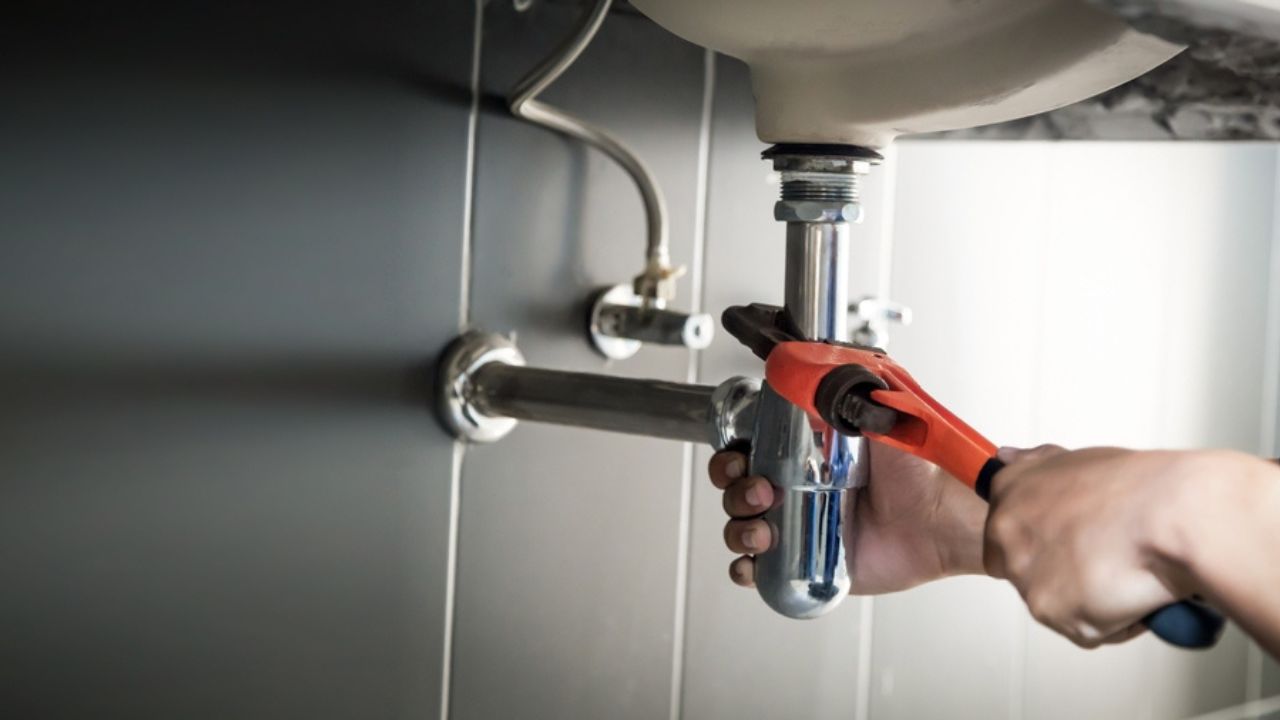
Image Credit: Shutterstock.
A slow drip from a pipe under the sink or a minor leak behind the toilet might not seem like a big emergency, but it’s an invitation for mold. Water from leaky pipes can seep into walls, subfloors, and cabinets, creating a hidden oasis for mold to flourish.
These are secondary signs of a leak that has been ongoing for some time. By the time you spot them, mold has likely already started growing in the damp, dark space you can’t see. Regular checks under sinks, behind appliances that use water, and in your basement are good preventative measures.
Quick Scan:
- What to look for: Warped wood, bubbling paint, water stains on ceilings or walls below bathrooms, soft flooring.
- Common locations: Under kitchen and bathroom sinks, behind toilets and washing machines, in utility closets.
- Next steps: Fix any leaks immediately. After the repair, thoroughly dry the affected area with fans and dehumidifiers. You may need to open up the wall to check for and remove mold.
5. Moisture Condensation

Image Credit: Shutterstock.
Seeing condensation on your windows isn’t automatically a catastrophe. It can happen on a cold day. When it becomes a persistent problem, however, it points to excess moisture in your home’s air. This condensation can collect on windows, metal pipes, and concrete floors, creating the dampness that mold needs to grow.
You might notice little black spots forming on your window sills or around the window frames. This is a classic sign that the condensation is providing enough moisture for mold to establish itself.
Quick Scan:
- What it looks like: “Sweating” on glass windows, cold water pipes, or concrete walls.
- Why it happens: Warm, moist air is coming into contact with a cold surface.
- Next steps: Improve ventilation by using exhaust fans in kitchens and bathrooms. Wipe away condensation as you see it. Consider upgrading to double-paned windows if it’s a constant issue.
6. A Strange Taste in Food or Appliances
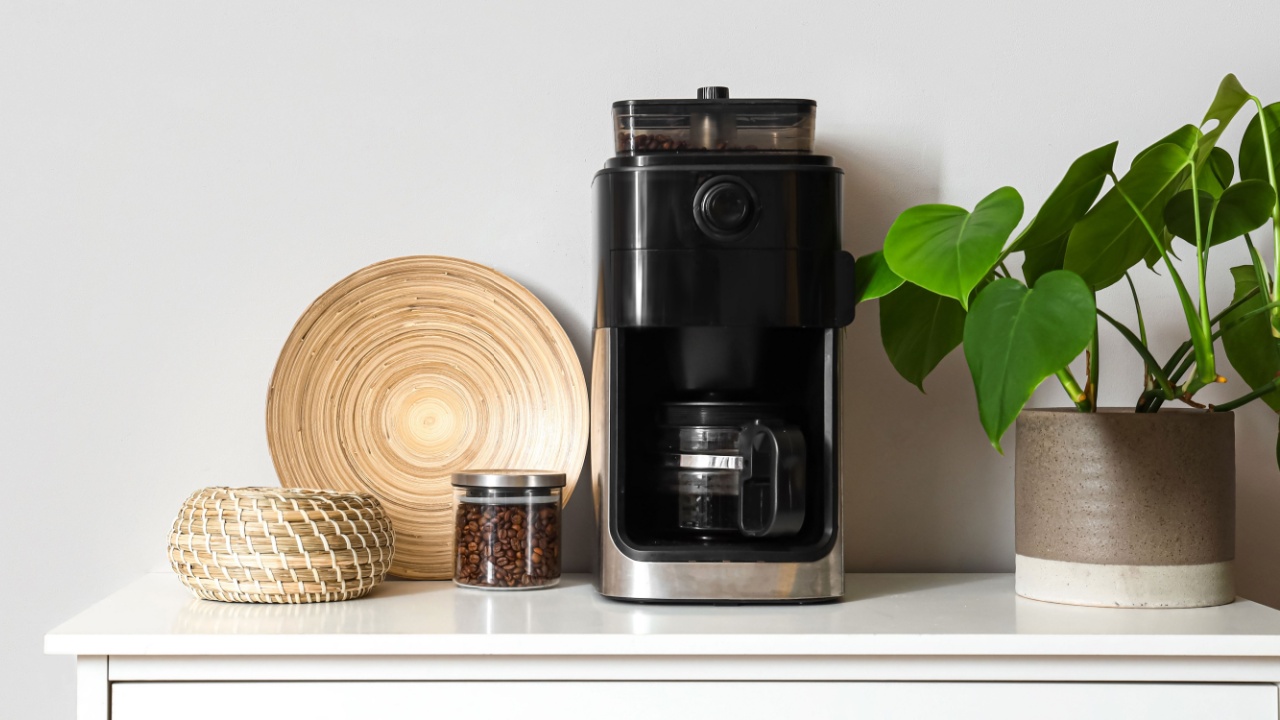
Image Credit: Shutterstock.
Have you ever used your coffee maker and noticed the coffee tastes a bit… funky? Or maybe the water from your refrigerator dispenser has an earthy flavor? This can be a sign of mold growing inside the appliances themselves. Coffee makers, with their water reservoirs and internal tubing, are notoriously susceptible to mold if not cleaned regularly. The same goes for refrigerator water lines and ice makers.
The mold finds a home in the damp, dark inner workings of these machines. Since you can’t see inside easily, a change in taste is often the first clue. It’s important to follow the manufacturer’s cleaning instructions for all appliances that use water to prevent this from happening and to clear out any existing growth.
Quick Scan:
- What to notice: An earthy, musty, or “off” taste in coffee, ice, or dispensed water.
- Where it hides: Coffee machine reservoirs, refrigerator water lines, ice maker components.
- Next steps: Deep clean the appliance according to manufacturer’s directions, often using vinegar or a specialized cleaning solution. Clean them regularly to prevent recurrence.
7. Worsening Allergy-Like Symptoms

Image Credit: Shutterstock.
If you find yourself constantly sneezing, coughing, or experiencing a stuffy nose, itchy eyes, and skin irritation, especially when you’re at home, it could be due to mold. Mold spores are common allergens, and for sensitive individuals, inhaling them can trigger a range of respiratory issues and allergic reactions.
These symptoms can easily be mistaken for seasonal allergies or a common cold. The key difference is that they seem to get worse when you’re in a particular room or inside your house and improve when you leave. If your “allergies” are year-round and don’t respond well to typical allergy medicine, it’s a strong indicator that an environmental factor in your home, like mold, is to blame.
Quick Scan:
- What to watch for: Unexplained sneezing, coughing, runny nose, itchy eyes, or skin rashes that flare up at home.
- Why it happens: Mold spores are airborne irritants and allergens.
- Next steps: Pay attention to when and where your symptoms occur. An air purifier with a HEPA filter can help capture spores. If symptoms are severe, consult a doctor and a mold remediation specialist.
8. Warped or Peeling Paint and Wallpaper
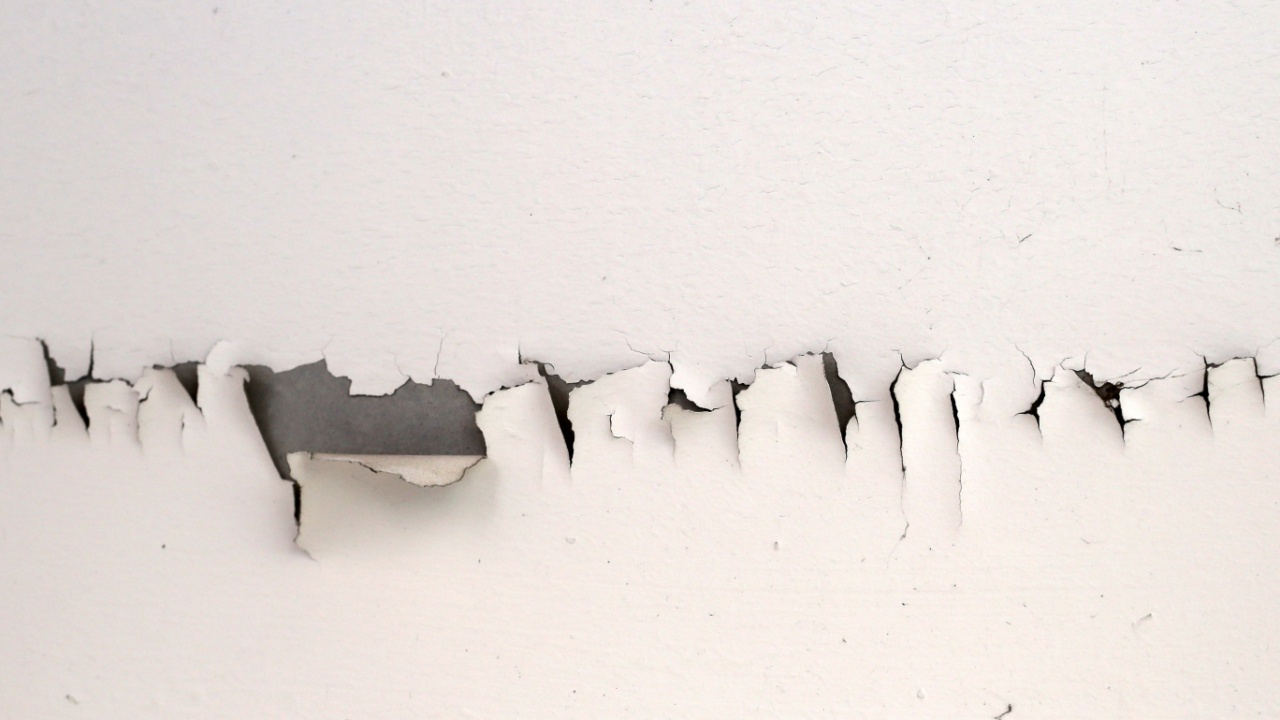
Image Credit: Shutterstock.
When paint bubbles or wallpaper peels unexpectedly, it’s often more than cosmetic wear. These changes can indicate trapped moisture from sources such as steam buildup, inadequate airflow, or water intrusion through exterior walls. Over time, this hidden dampness weakens the bond between the wall surface and its finish, causing materials to lift or warp.
Behind that bubbling paint or curling wallpaper, mold may be quietly spreading. If you peel back a section and find dark splotches, black, green, or gray, on the drywall beneath, you’ve likely uncovered an active mold colony thriving in the shadows.
Quick Scan:
- What it looks like: Paint that is bubbling, cracking, or flaking. Wallpaper that is peeling at the seams or bubbling in the middle.
- What it means: There is moisture within the wall structure.
- Next steps: Do not just paint over it. Scrape away the loose paint or paper to inspect the wall behind it. If you find mold, the affected drywall section will likely need to be removed and replaced after the moisture source is fixed.
Next Steps for a Mold-Free Home
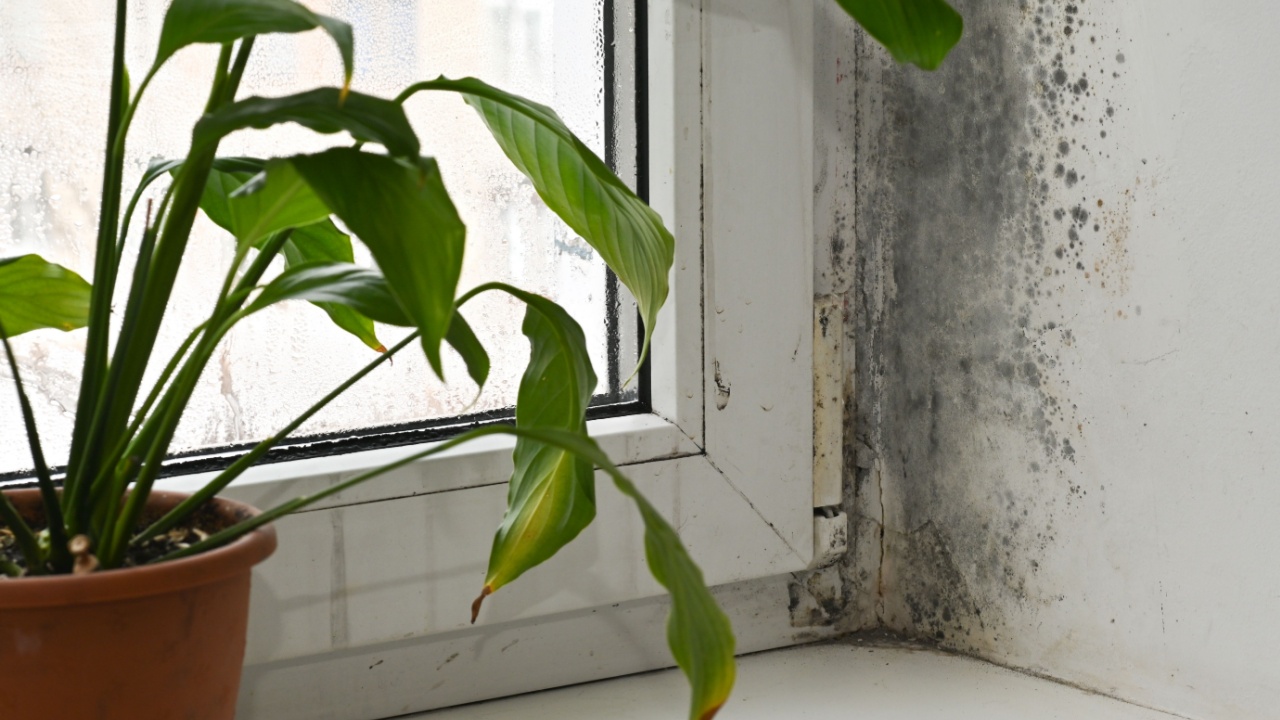
Image Credit: Shutterstock.
Discovering mold can be unsettling, but taking action is straightforward. For small areas of surface mold (less than 10 square feet), you can typically handle the cleanup yourself. Use a solution of household detergent and water, or a specialized mold cleaner, and scrub the area thoroughly. Always wear gloves and a mask.
For larger infestations, or if the mold is inside walls or your HVAC system, it’s best to call in a professional mold remediation service. They have the equipment and expertise to safely remove the mold and prevent it from spreading. The most important step, however, is to control the moisture. Mold cannot grow without water. Fix leaks, improve ventilation, and use dehumidifiers to keep your home dry.