
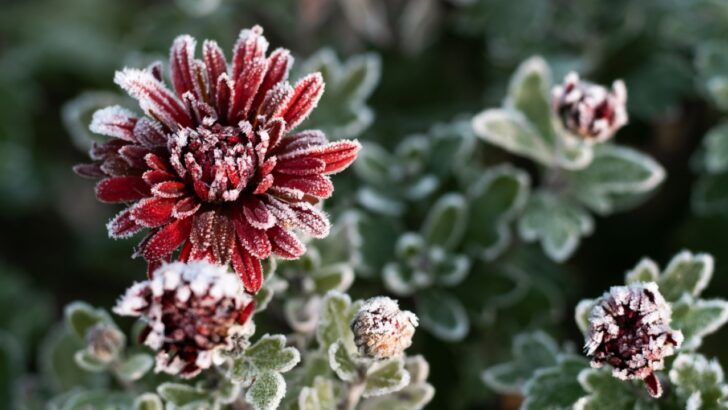
Winter doesn’t mean your garden has to look bare and lifeless. While most plants hunker down for the cold season, certain shrubs and trees put on a spectacular show, offering vibrant blooms, delightful fragrances, and much-needed color when you need it most. These winter performers brighten the landscape while also providing crucial resources for early pollinators and winter birds.
Whether you’re looking to add year-round interest to your yard or simply want something beautiful to gaze at through the window on a frosty morning, these 14 winter-blooming plants deliver.
How We Got This Data
All plant care recommendations, bloom times, and zone guidelines in this article are based on aggregated insights from horticultural experts, university extension programs, and trusted gardening resources. We cross-referenced multiple authoritative sources to ensure accuracy and relevance for a wide range of climates and garden conditions.
Our goal is to provide reliable, actionable information that supports both aesthetic and ecological gardening choices, even in the coldest months.
1. Camellia (Camellia sasanqua)
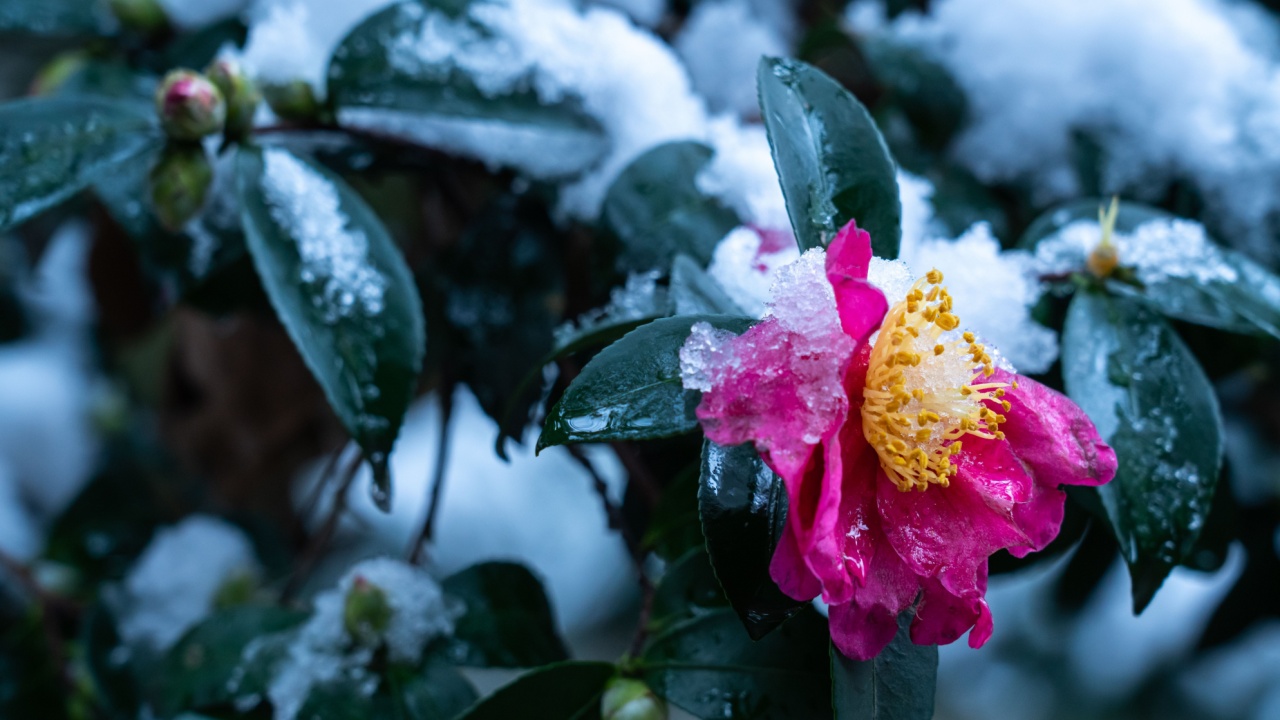
Image Credit: Shutterstock.
Camellias are winter garden showstoppers, with large, elegant blooms appearing when most other plants are dormant. These evergreen shrubs offer glossy, dark green leaves year-round, but their spectacular flowers truly shine from fall through early spring.
Camellia sasanqua blooms fall/winter, while Camellia japonica takes over in late winter/early spring with larger, ruffled flowers. Both offer white, pink, red, or variegated blooms. They thrive in zones 7-9, preferring acidic, well-drained soil and partial shade, making them ideal for placement near windows or walkways.
Quick Care Tips:
- Height: 6-14 feet
- Light: Full sun to partial shade
- Water: Keep soil consistently moist but not waterlogged
- Prune after flowering to maintain shape and encourage next season’s blooms
2. Daphne (Daphne odora)
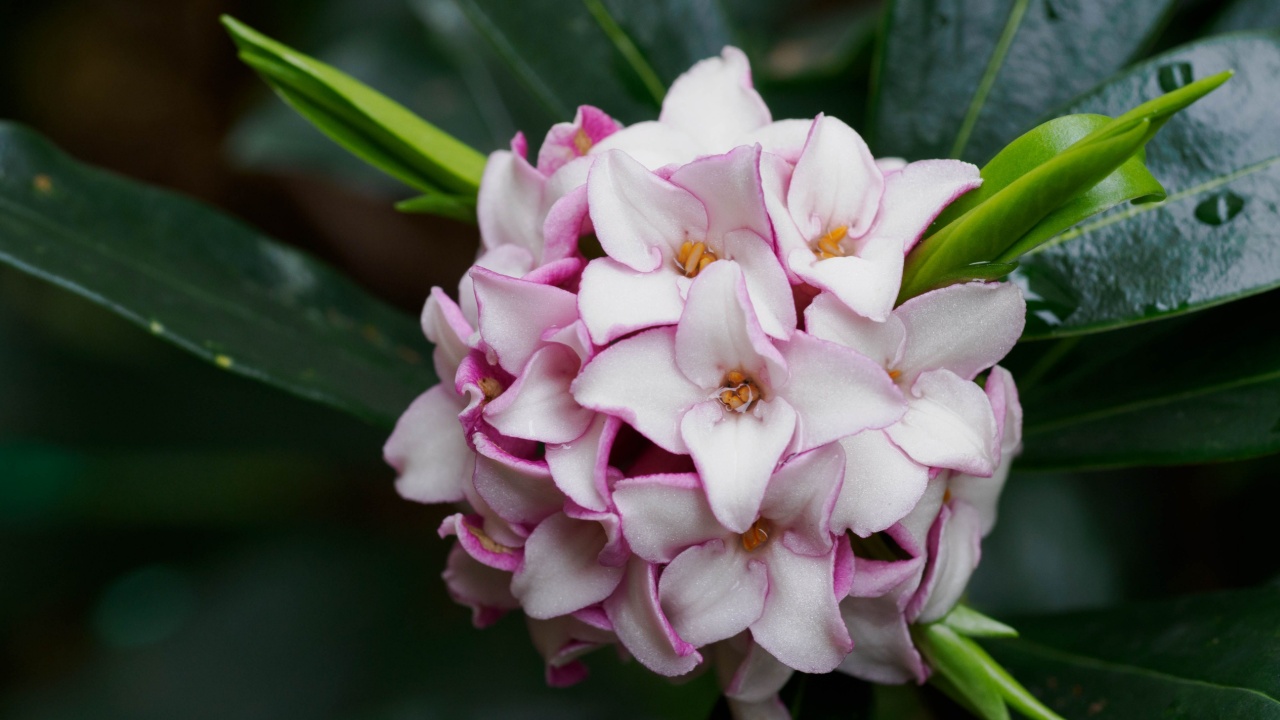
Image Credit: Shutterstock.
Searching for a fragrant winter plant? Winter daphne delivers. This compact evergreen boasts clusters of pink and white tubular flowers with an intoxicating perfume, often scenting an entire garden. Beyond its fragrance, it offers attractive foliage and blueberries.
The ‘Aureomarginata’ cultivar adds stunning variegated leaves. Growing 3-6 feet, it’s ideal for foundation plantings or containers. Success hinges on excellent drainage and avoiding disturbance once planted.
Quick Care Tips:
- Height: 3-6 feet
- Zones: 7-9
- Light: Full sun to partial shade
- Soil: Well-drained, slightly acidic
- Pro tip: Plant near entryways to maximize fragrance enjoyment
3. Japanese Flowering Apricot (Prunus mume)
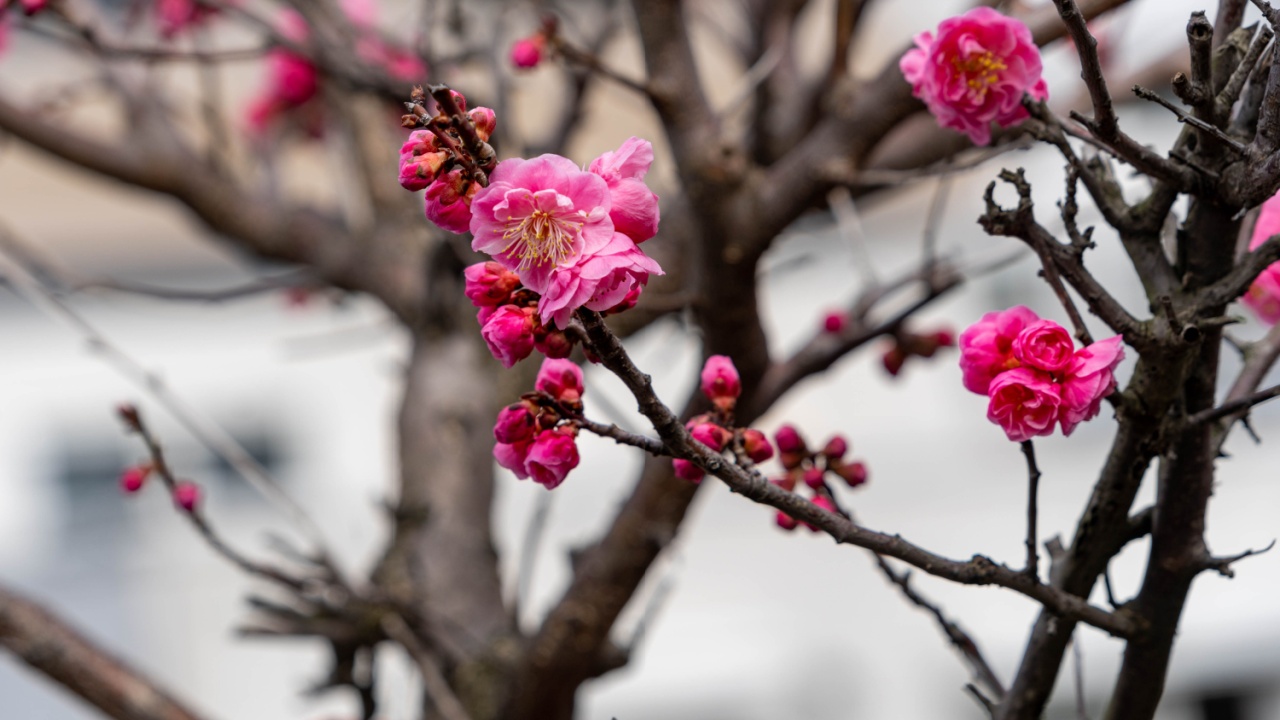
Image Credit: Shutterstock.
The Japanese flowering apricot brings early spring joy with delicate pink blossoms, often blooming in January and February. This small ornamental tree offers one of the year’s first flower displays, with sweetly fragrant clusters on bare branches.
Choose from over 300 cultivars, ranging from white to deep rose, in single or double forms. Plant it in a protected spot with rich, acidic, loamy soil to enjoy its stunning display.
Quick Care Tips:
- Height: 15-20 feet
- Zones: 6-9
- Light: Full sun to partial shade
- Soil: Rich, acidic, well-draining
- Special note: Blooms can withstand light frosts
4. Harry Lauder’s Walking Stick (Corylus avellana ‘Contorta’)
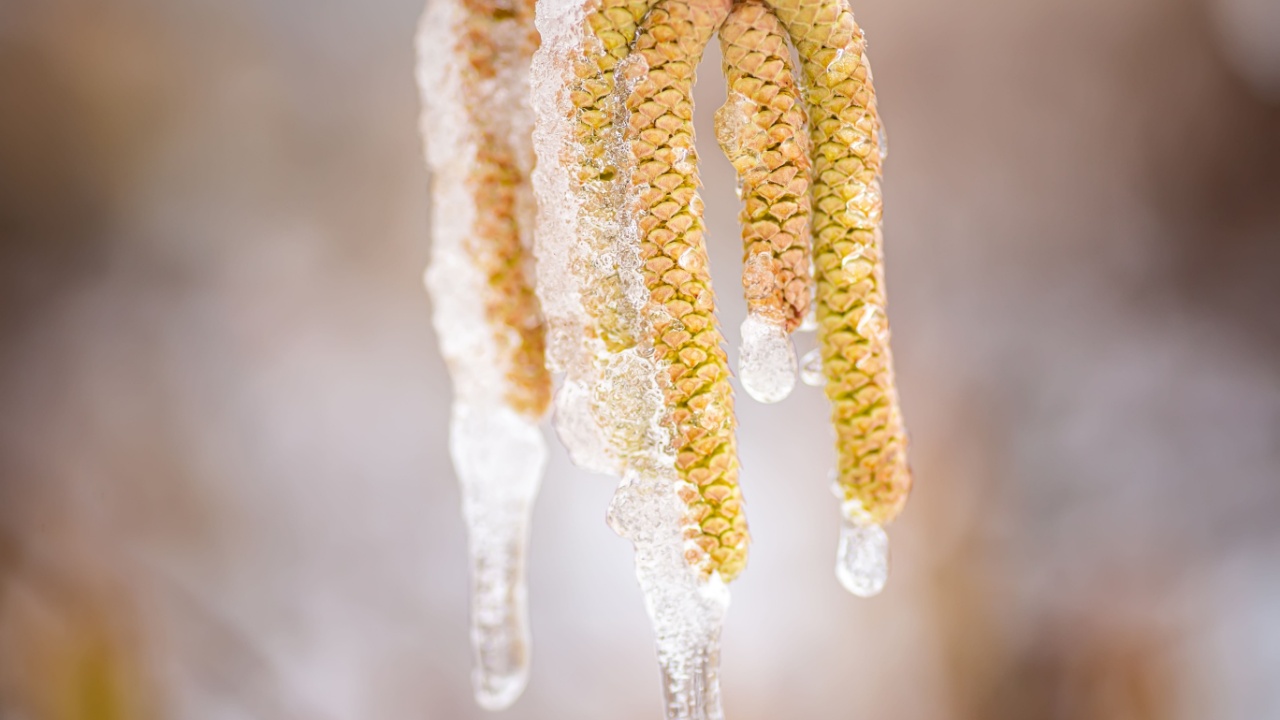
Image Credit: Shutterstock.
This quirky ornamental shrub truly shines in winter, its dramatically twisted, contorted branches becoming a garden focal point. Named after a Scottish entertainer, its gnarly, corkscrew stems offer year-round architectural interest, with pendulous yellow catkins appearing in late winter.
Growing 8-10 feet tall and wide, it produces curled leaves in spring and small edible hazelnuts in summer. Adaptable to various soils and drought-tolerant, it’s perfect as a striking specimen or in a large container, especially for its unforgettable winter silhouette.
Quick Care Tips:
- Height: 8-10 feet
- Zones: 4-8
- Light: Full sun to partial shade
- Maintenance: Remove any straight suckers that emerge from the base
- Display: Plant where winter sun will backlight the twisted branches
5. Eastern Redbud (Cercis canadensis)
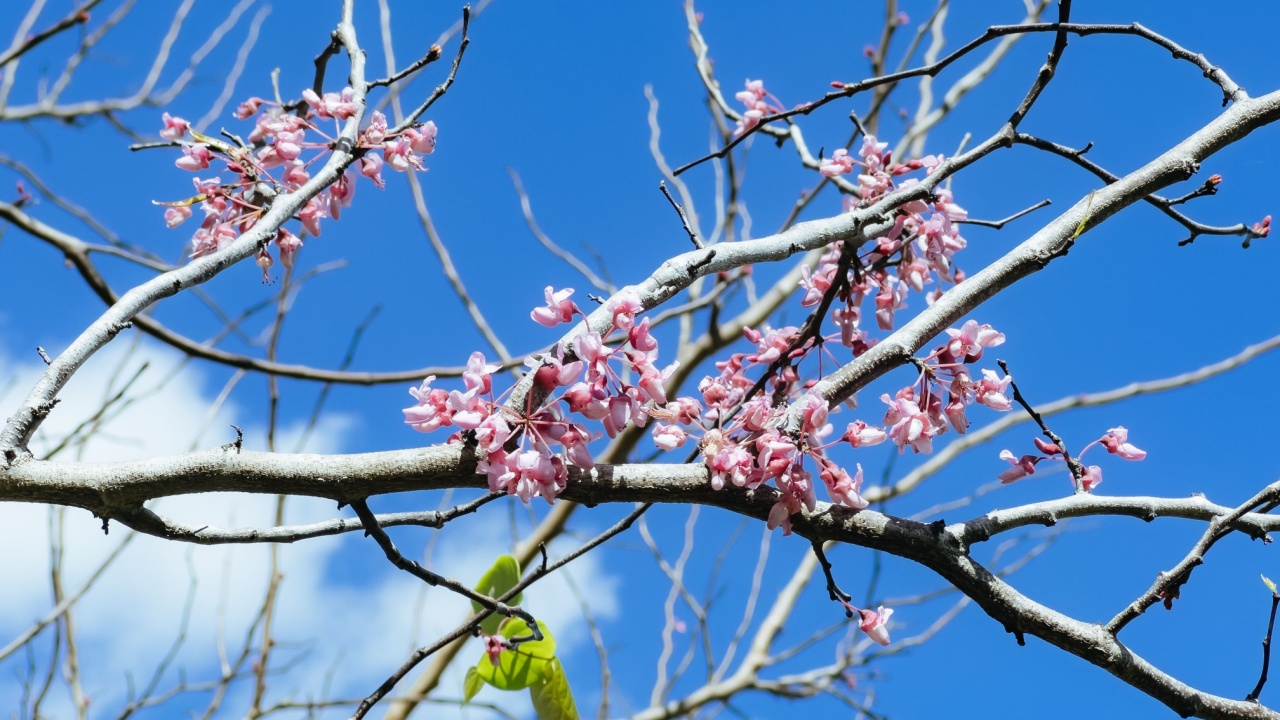
Image Credit: Shutterstock.
The Eastern Redbud is a native marvel, signaling spring with a burst of purple-pink blooms directly on its branches, often before leaves appear. These small trees or large shrubs offer year-round interest, from heart-shaped leaves in spring (available in various colors) that provide summer shade and turn golden-yellow in fall, to a graceful winter silhouette and interesting seed pods.
Highly adaptable to various soils, part shade, and drought, redbuds thrive in woodland settings, as understory plants, or as striking specimens. Their early blossoms also provide vital nectar for hummingbirds and pollinators.
Quick Care Tips:
- Height: 20-30 feet
- Zones: 4-8
- Light: Full sun to partial shade (more sun = more blooms)
- Soil: Adaptable but prefers well-draining
- Wildlife value: Important early nectar source
6. Loropetalum (Loropetalum chinense)
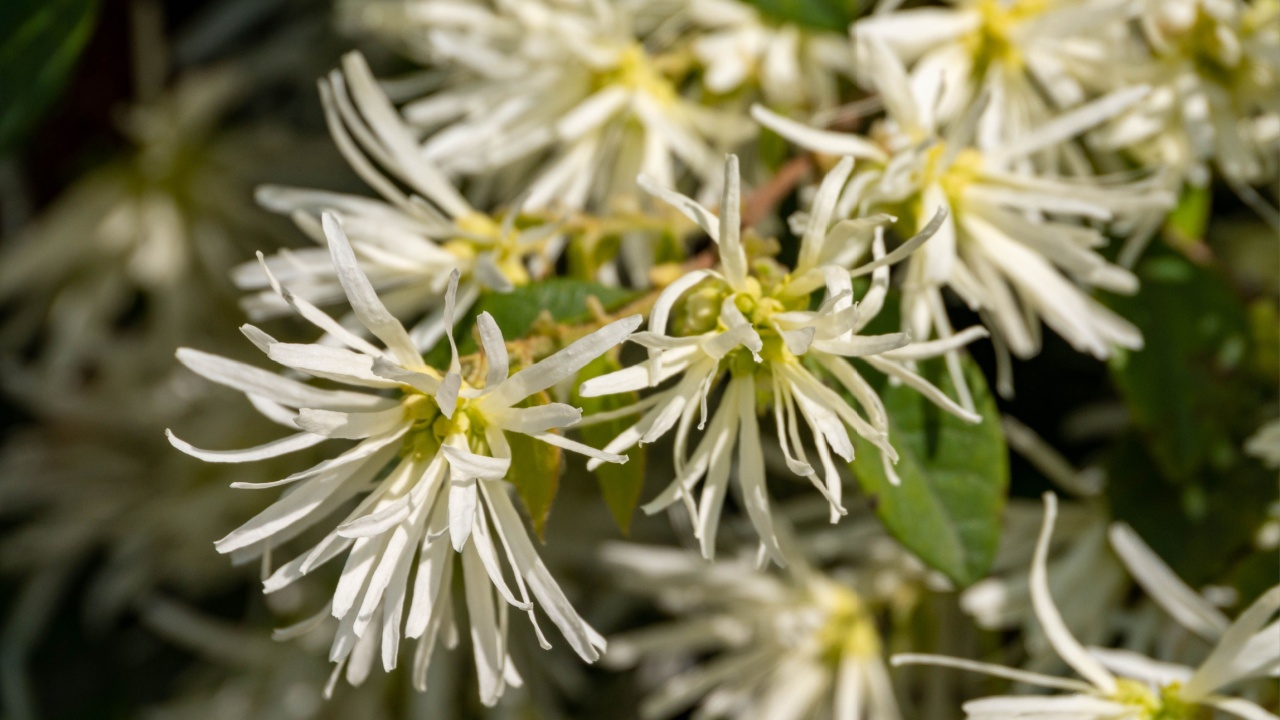
Image Credit: Shutterstock.
Chinese fringe flower is named for its unique, strappy blooms that look like colorful fireworks. A member of the witch hazel family, it blooms heavily in late winter and early spring, with flowers in shades of magenta, red, pink, or white.
Many popular cultivars feature deep purple or burgundy leaves, providing dramatic color even when not in bloom. Dwarf varieties, such as ‘Purple Pixie’ and ‘Purple Diamond’, remain compact (2-3 feet), making them ideal for smaller gardens. This durable, low-maintenance shrub adapts to a variety of well-draining soils and rarely requires pruning.
Quick Care Tips:
- Height: 2-8 feet (depending on variety)
- Zones: 7-9
- Light: Full sun to partial shade (purple varieties need sun for best color)
- Maintenance: Minimal; prune only if needed after flowering
- Soil: Well-draining, slightly acidic
7. Mahonia (Mahonia spp.)
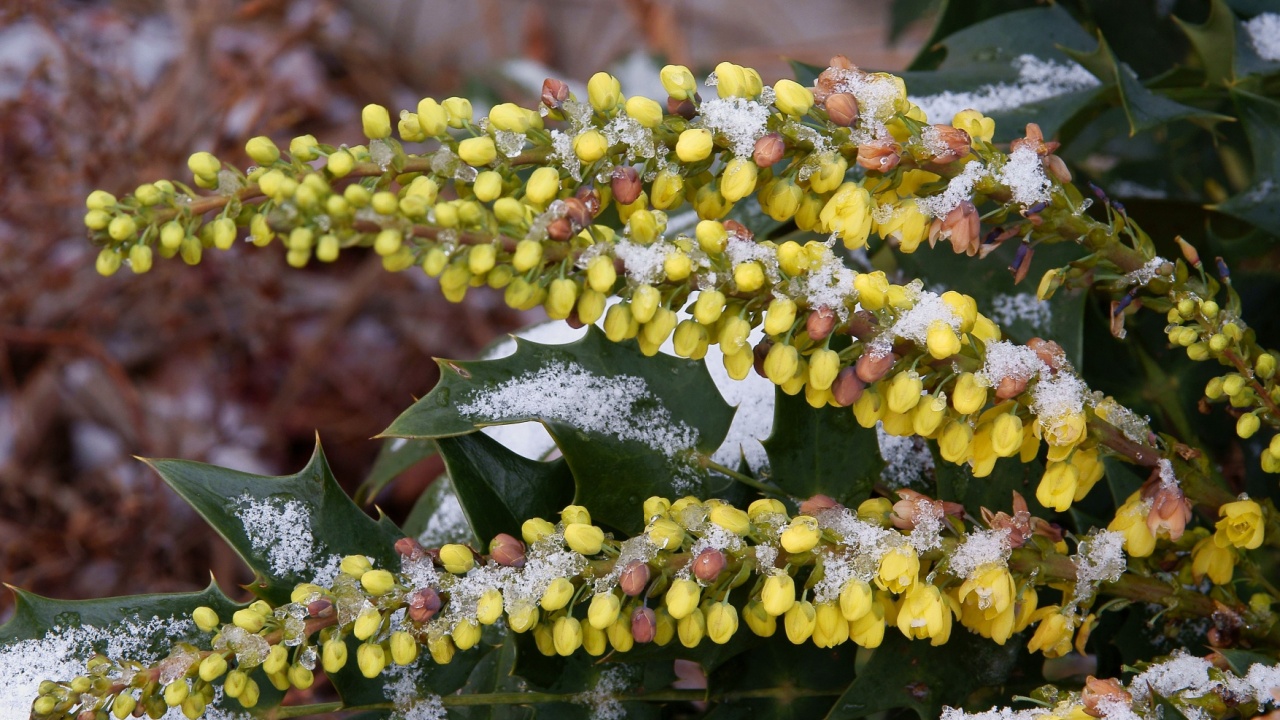
Image Credit: Shutterstock.
Mahonia brings a tropical feel to winter gardens with architectural foliage and brilliant yellow flower spikes. These evergreens have either holly-like or feathery leaves, with spectacular yellow blooms in fall and winter, followed by dark blue-black berries for birds. ‘Soft Caress’ offers soft, bamboo-like foliage in a compact form (3-4 feet), while ‘Charity’ provides dramatic ten-inch flower spikes above spiny leaves.
Despite their tropical look, they’re tough, preferring partial shade and consistent moisture.
Quick Care Tips:
- Height: 3-7 feet
- Zones: 5-8
- Light: Partial shade (tolerates more sun in cooler climates)
- Soil: Rich, well-draining, slightly acidic
- Wildlife value: Berries attract birds; flowers provide early pollen for bees
8. Star Magnolia (Magnolia stellata)

Image Credit: Shutterstock.
Star magnolia is one of the earliest trees to bloom, showcasing stunning white starburst flowers with 12-18 narrow petals in late winter to early spring. Compact at 15-20 feet, it features a graceful, multi-trunked form ideal for small gardens.
After flowering, fuzzy seed capsules develop into orange-red berries, which are loved by birds. The ‘Royal Star’ variety stands out with double white flowers and a two-toned effect from pink buds. Plant in protected spots with rich, acidic soil for best results.
Quick Care Tips:
- Height: 15-20 feet
- Zones: 4-9
- Light: Full sun to partial shade
- Soil: Rich, moist, well-draining, acidic
- Pro tip: Plant on the north side of your home to delay blooming and reduce frost damage risk
9. Pieris (Pieris japonica)
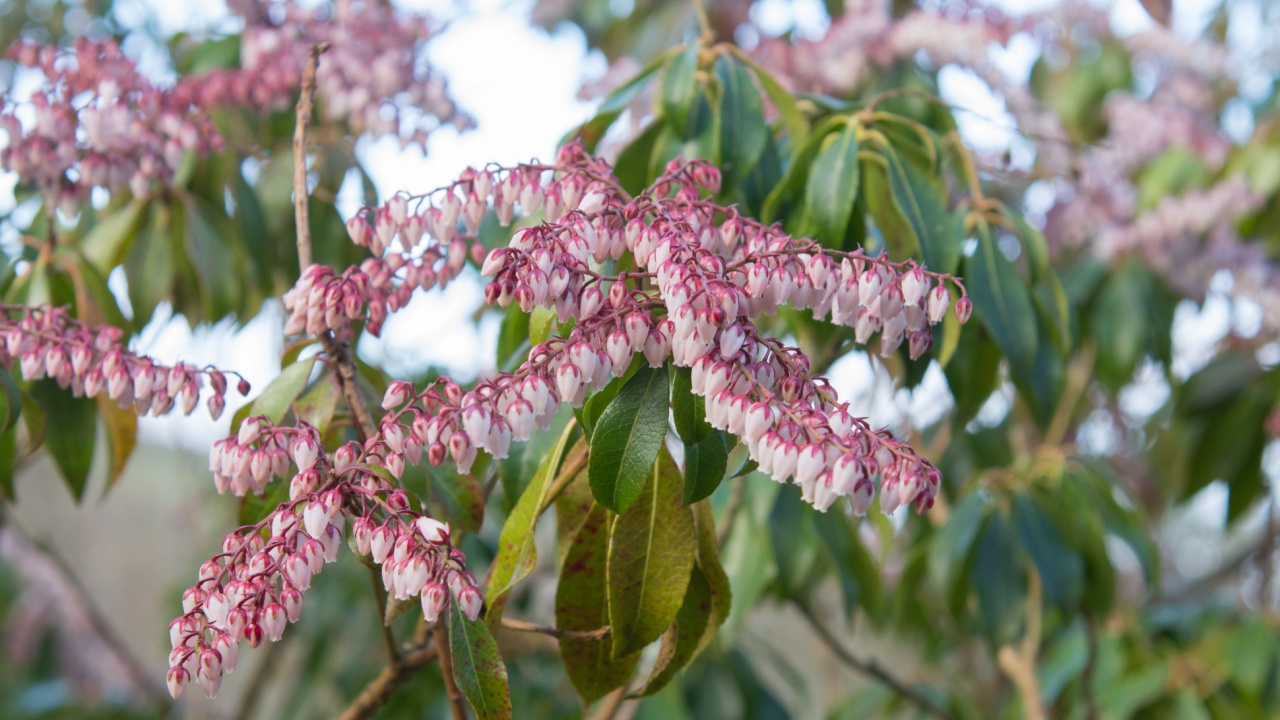
Image Credit: Shutterstock.
Pieris offers delayed beauty. Its bead-like flower buds appear in late summer, adorning branches throughout the winter before opening into graceful, bell-shaped cascades of white or pink in late winter.
These fragrant blooms are followed by new spring growth in bronze, red, or bright pink, maturing to glossy green. This evergreen reaches 8-10 feet, thrives in acidic soil, and complements rhododendrons and azaleas.
Quick Care Tips:
- Height: 8-10 feet
- Zones: 4-8
- Light: Full sun to partial shade
- Soil: Acidic, rich, well-draining
- Pruning: Only prune after blooming to avoid removing next year’s buds
10. Winterberry (Ilex verticillata)
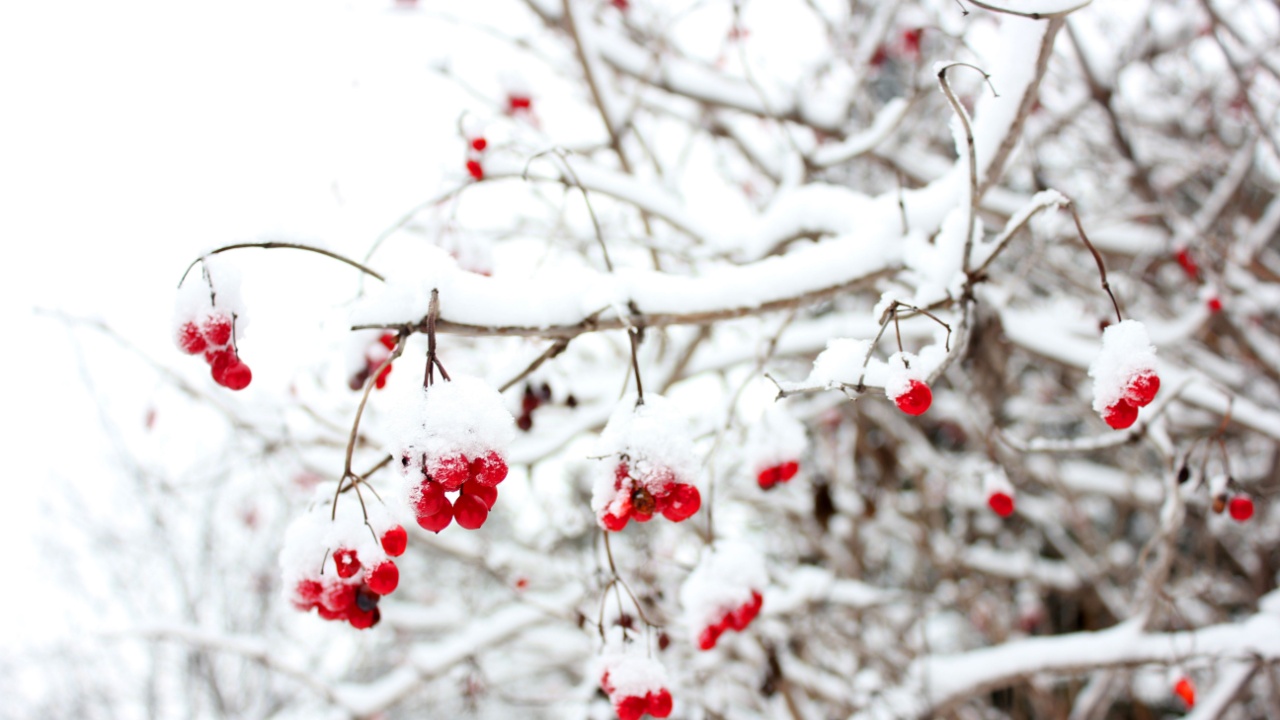
Image Credit: Shutterstock.
Winterberry holly brightens the winter landscape with clusters of red, orange, or yellow berries. This deciduous species drops its leaves in fall, making the colorful fruit the main attraction. The berries persist well into winter, providing a food source for birds like robins and bluebirds.
To ensure berry production, you need to plant both male and female plants; one male can pollinate up to five females. Popular varieties include ‘Winter Red’ and ‘Winter Gold’.
Quick Care Tips:
- Height: 3-15 feet (depending on cultivar)
- Zones: 3-9
- Light: Full sun to full shade (more sun = more berries)
- Soil: Adaptable; tolerates wet sites
- Important: Plant at least one male for every 3-5 females for berry production
11. Sweetbox (Sarcococca confusa)
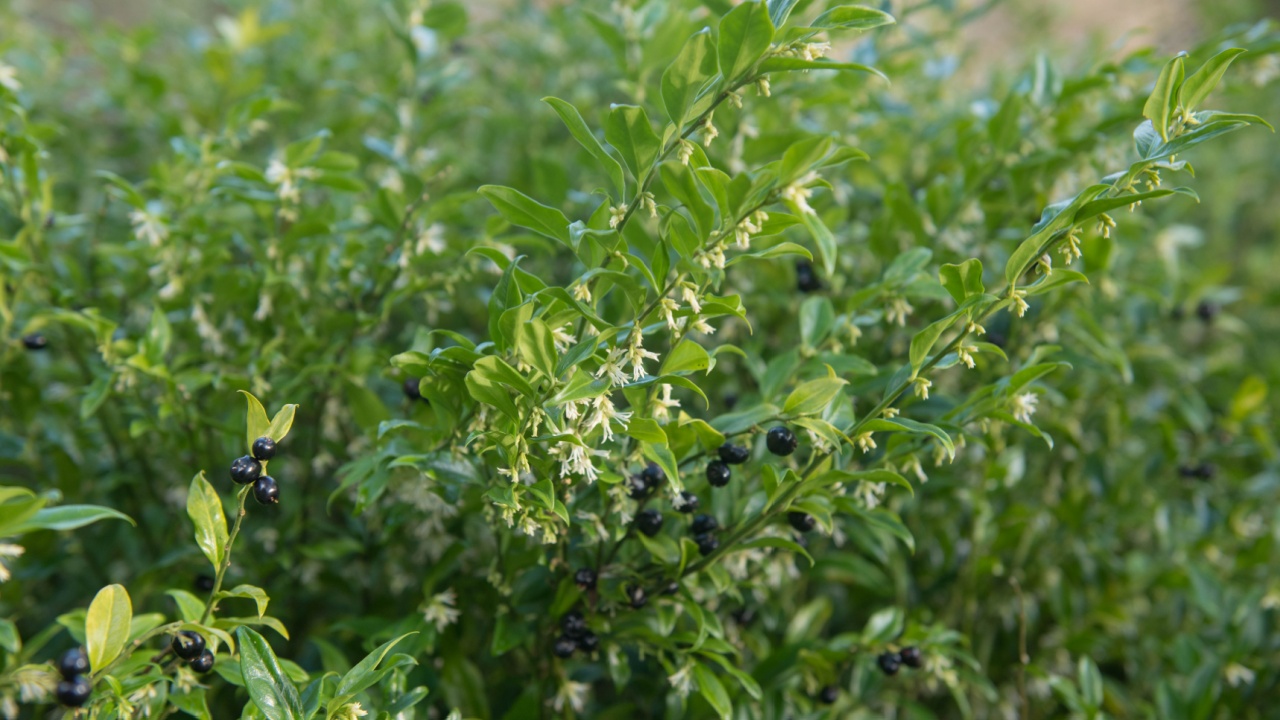
Image Credit: Shutterstock.
Don’t underestimate sweetbox’s small flowers; they release a powerful vanilla scent in late winter, perfuming your garden. Its glossy, dark green evergreen foliage offers year-round beauty and a dense, compact form (3-5 feet).
This shade-loving shrub thrives in challenging spots, such as north-facing foundations or under trees. For colder climates, Sarcococca hookeriana var. humilis is more hardy and compact. Both are drought-tolerant once established and produce small black berries for birds.
Quick Care Tips:
- Height: 3-5 feet
- Zones: 6-9
- Light: Partial to full shade
- Soil: Rich, moist, well-draining
- Best use: Plant along shaded walkways to maximize fragrance experience
12. Viburnum (Viburnum spp.)

Image Credit: Shutterstock.
Several viburnum species bloom in late winter, offering fragrant flowers, vibrant foliage, and colorful berries. Viburnum x bodnantense ‘Dawn’ blooms from late fall to spring with spicy-scented pink-to-white flowers on bare branches. Viburnum x burkwoodii ‘Mohawk’ features disease-resistant, fragrant white blossoms in early spring.
Viburnum carlesii (Koreanspice) has vanilla-scented snowball clusters and burgundy-red fall foliage, making these shrubs perfect for year-round interest.
Quick Care Tips:
- Height: 6-12 feet (varies by species)
- Zones: Varies by species (most are zones 5-8)
- Light: Full sun to partial shade
- Soil: Average, well-draining
- Low-maintenance and adaptable to less-than-ideal conditions
13. Witch Hazel (Hamamelis virginiana)
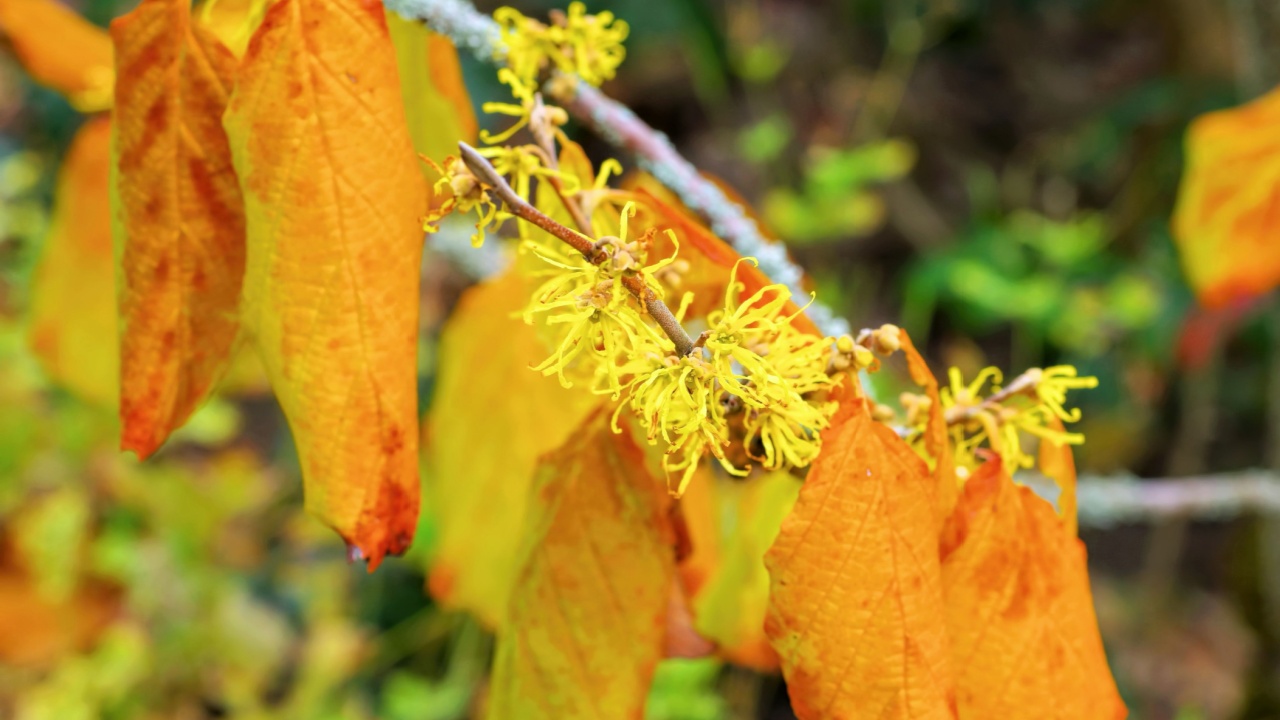
Image Credit: Shutterstock.
Witch hazel defies winter with cheerful, ribbon-like flowers that dance along bare branches, blooming when most gardens are dormant. These hardy native shrubs offer spidery yellow, orange, or red flowers with a spicy-sweet fragrance, remarkably tolerant of frost. Hamamelis virginiana blooms late fall/early winter, while H. vernalis flowers in January.
Both boast spectacular golden-yellow fall foliage before revealing their winter blooms. These large shrubs (15-30 feet) have an elegant, upright, vase-shaped form, perfect for back borders or woodland settings where their unique winter display can be appreciated.
Quick Care Tips:
- Height: 15-30 feet
- Zones: 3-9 (depending on species)
- Light: Full sun to partial shade
- Soil: Rich, moist, well-draining, slightly acidic
- Special feature: Requires winter chill time below 45°F to bloom properly
14. Winter Jasmine (Jasminum nudiflorum)
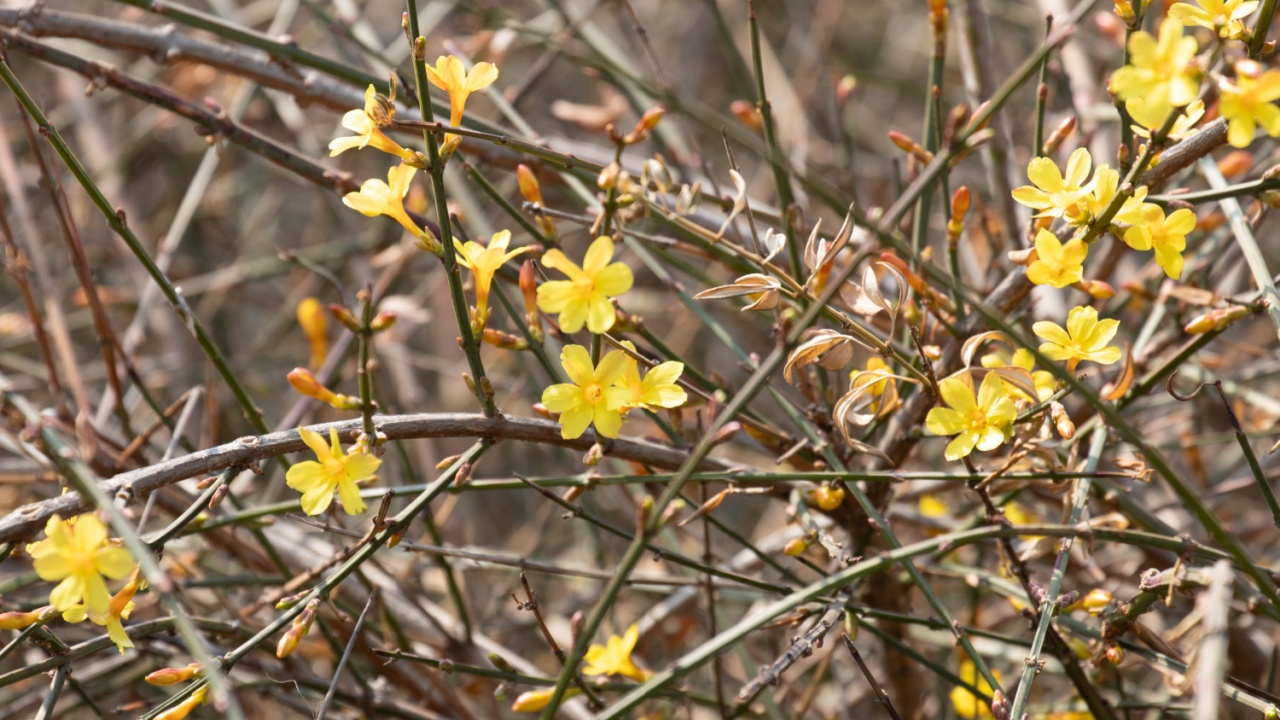
Image Credit: Shutterstock.
Winter jasmine earns its name, producing cheerful, bright yellow flowers in January and February, often while snow still covers the ground. This hardy shrub is typically the first to bloom, displaying tubular, yellow flowers on willowy, green stems before the leaves appear. Unlike other jasmines, it forms long, arching stems that can be pruned as a mounded shrub (4-7 feet), trained as a vine, or used as sprawling groundcover.
It tolerates a wide range of conditions, from poor soil to drought and heat. Though it lacks fragrance, its early burst of sunshine-yellow blooms brightens winter spirits.
Quick Care Tips:
- Height: 4-15 feet (depending on how it’s trained)
- Zones: 6-10
- Light: Full sun to partial shade
- Soil: Adaptable; tolerates poor soil
- Maintenance: Prune hard after flowering for fresh growth and better next-year blooms
Bring Your Winter Garden to Life
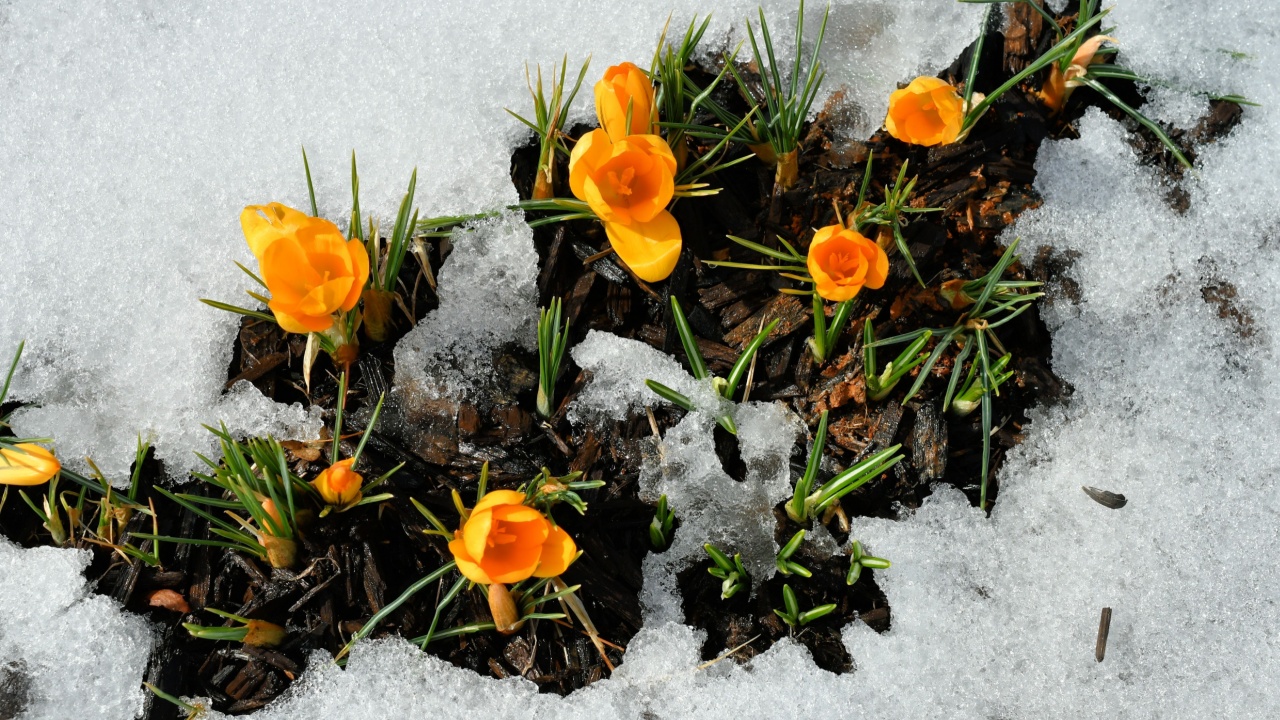
Image Credit: Shutterstock.
Bring life to your winter garden with these 14 shrubs and trees that bloom during the colder months, like sweetbox and winterberry. Select plants suited to your hardiness zone, ensure the soil is well-draining, and protect tender varieties from harsh winds.
Plant them near a window or pathway for daily enjoyment, and support early pollinators and birds. Visit your local nursery this fall to prepare your garden for a colorful winter.