
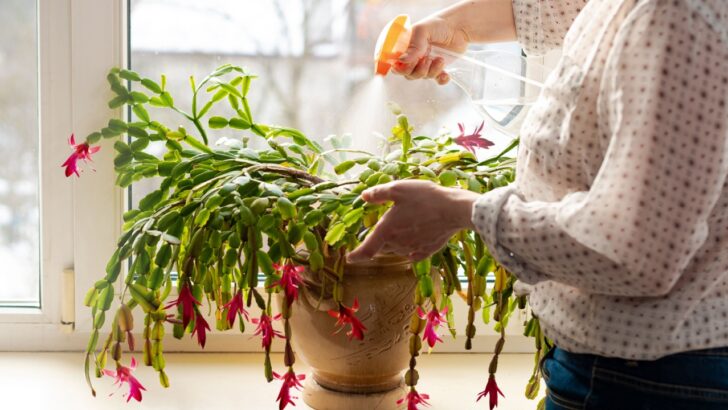
Adding a touch of green to your home can transform a space, bringing life, color, and a sense of calm. But for many of us with busy schedules, the thought of keeping a plant alive can feel like one more thing on an already long to-do list. The good news is that you don’t need a perfectly green thumb or hours of free time to enjoy the benefits of indoor gardening. There is a whole world of houseplants that thrive on a little bit of neglect.
These resilient plants are perfect for frequent travelers, busy parents, or anyone who is just starting their plant journey. They forgive forgotten waterings, tolerate less-than-ideal light, and continue to look beautiful with minimal effort. This guide will walk you through 18 of the best set-and-forget houseplants that are simple to care for, so you can confidently bring the beauty of the garden indoors.
1. Snake Plant (Dracaena trifasciata)

Image Credit: Shutterstock.
The snake plant is a champion of low-maintenance greenery. Its stiff, upright leaves, which often feature striking patterns of green, yellow, or silver, make a bold architectural statement in any room. It’s a top choice for beginners because it’s incredibly forgiving and can handle a wide range of conditions. Snake plants are slow growers, so you won’t need to worry about frequent repotting.
Why is it a good option? This plant is exceptionally drought-tolerant thanks to its ability to store water in its leaves. In fact, the most common mistake is overwatering it. It also adapts well to various light levels, from low indirect light to bright spots, making it versatile for placement throughout your home. Beyond its good looks, the snake plant is also known for its air-purifying qualities.
Care Summary:
- Light: Low to bright indirect light.
- Water: Water only when the soil is completely dry, roughly every 2-4 weeks. Reduce watering in winter.
- Soil: Use a well-draining cactus or succulent mix.
2. ZZ Plant (Zamioculcas zamiifolia)
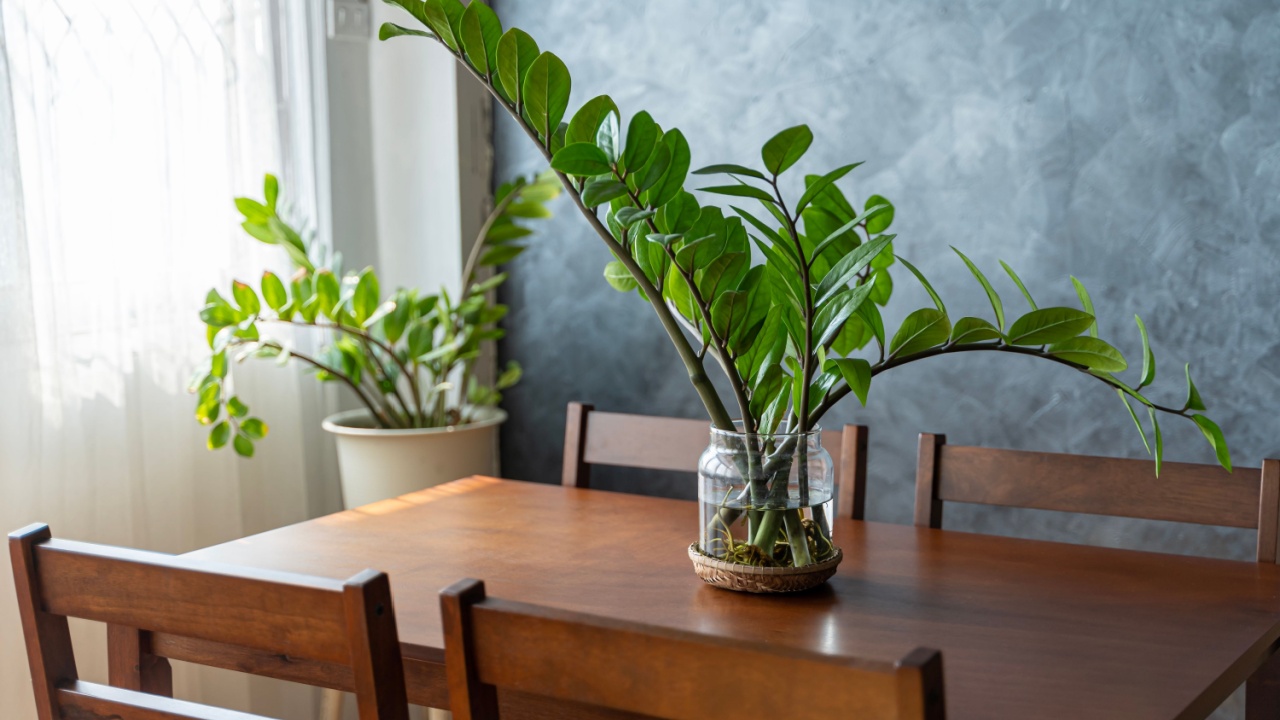
Image Credit: Shutterstock.
Often called the “unkillable” houseplant, the ZZ plant is as tough as they come. Its wide, dark green, glossy leaves grow on arching stems, creating a lush appearance that looks great on a floor or tabletop. The plant stores water in its underground rhizomes, which look like small potatoes, allowing it to survive for weeks or even months without a drink.
Why is it a good option? The ZZ plant is the definition of a set-and-forget plant. It’s highly tolerant of low light, making it ideal for offices, hallways, or rooms with few windows. Its waxy leaves are not only attractive but also efficient at retaining moisture, making it incredibly drought-resistant. This plant asks for very little but gives back so much in style and resilience.
Care Summary:
- Light: Thrives in low to bright indirect light; avoid direct sun.
- Water: Allow the soil to dry out completely between waterings, about every 3-4 weeks.
- Soil: Requires fast-draining soil.
3. Pothos (Epipremnum aureum)
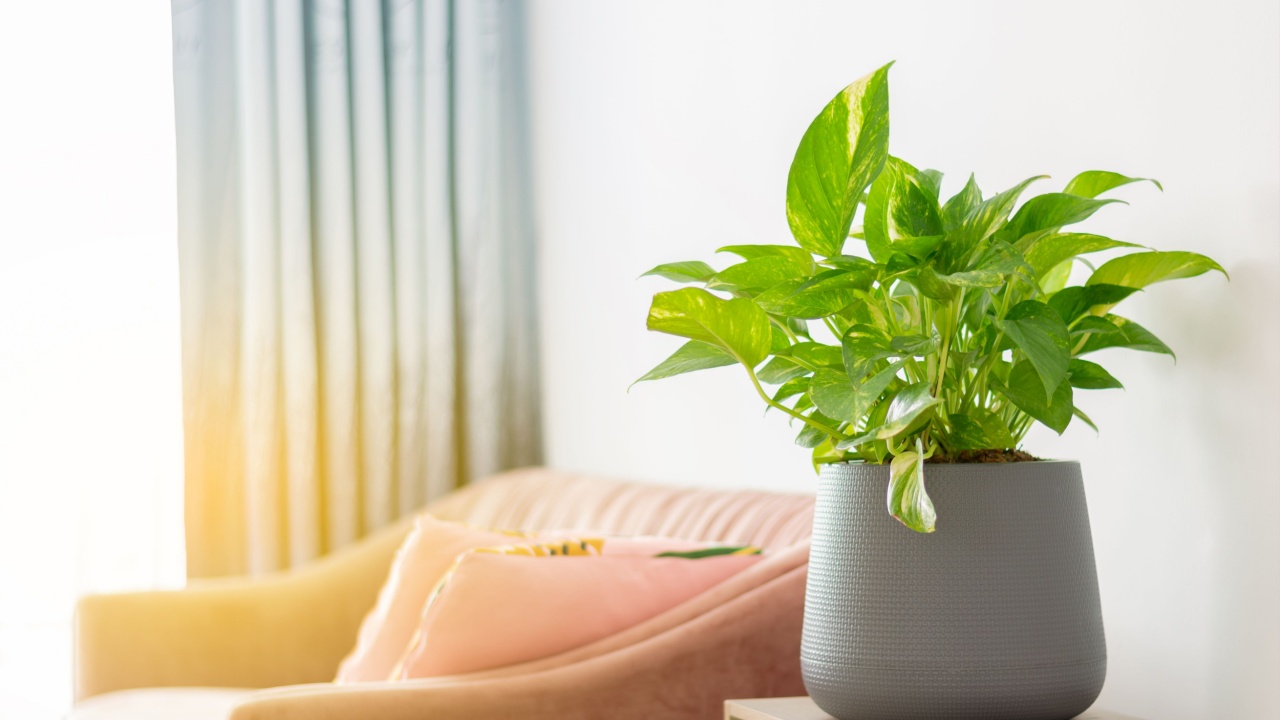
Image Credit: Shutterstock.
Pothos, also known as Devil’s Ivy, is a classic for a reason. This vining plant features beautiful heart-shaped leaves that come in various shades of green, yellow, and white. It’s incredibly easy to grow and will let you know when it’s thirsty with slightly drooping leaves that perk right back up after watering. It looks wonderful in a hanging basket or trailing down from a high shelf.
Why is it a good option? Pothos is extremely adaptable and can flourish in both bright, indirect light and low-light conditions. It’s also one of the easiest plants to propagate; simply snip a piece of the vine and place it in water to grow a new plant. Pothos is a fast grower, giving you a satisfying sense of accomplishment as you watch it thrive.
Care Summary:
- Light: Prefers medium to bright indirect light but tolerates low light.
- Water: Water when the top inch or two of soil is dry.
- Soil: Use a standard, all-purpose potting mix.
4. Spider Plant (Chlorophytum comosum)

Image Credit: Shutterstock.
The spider plant is a cheerful and resilient addition to any home. It has long, slender, arching leaves that are often variegated with white or cream stripes. One of its most charming features is the production of “spiderettes,” or baby plants, that dangle from the mother plant like spiders on a web. These can be easily potted to create new plants.
Why is it a good option? Spider plants are very forgiving and can bounce back quickly from a bit of neglect. They are adaptable to a range of light conditions and don’t mind if you forget a watering session now and then. They are also non-toxic to pets, making them a safe choice for households with furry friends.
Care Summary:
- Light: Prefers bright, indirect light but adapts to lower light levels.
- Water: Water thoroughly, but let the soil dry out slightly between waterings.
- Soil: Use a well-draining potting soil.
5. Rubber Plant (Ficus elastica)
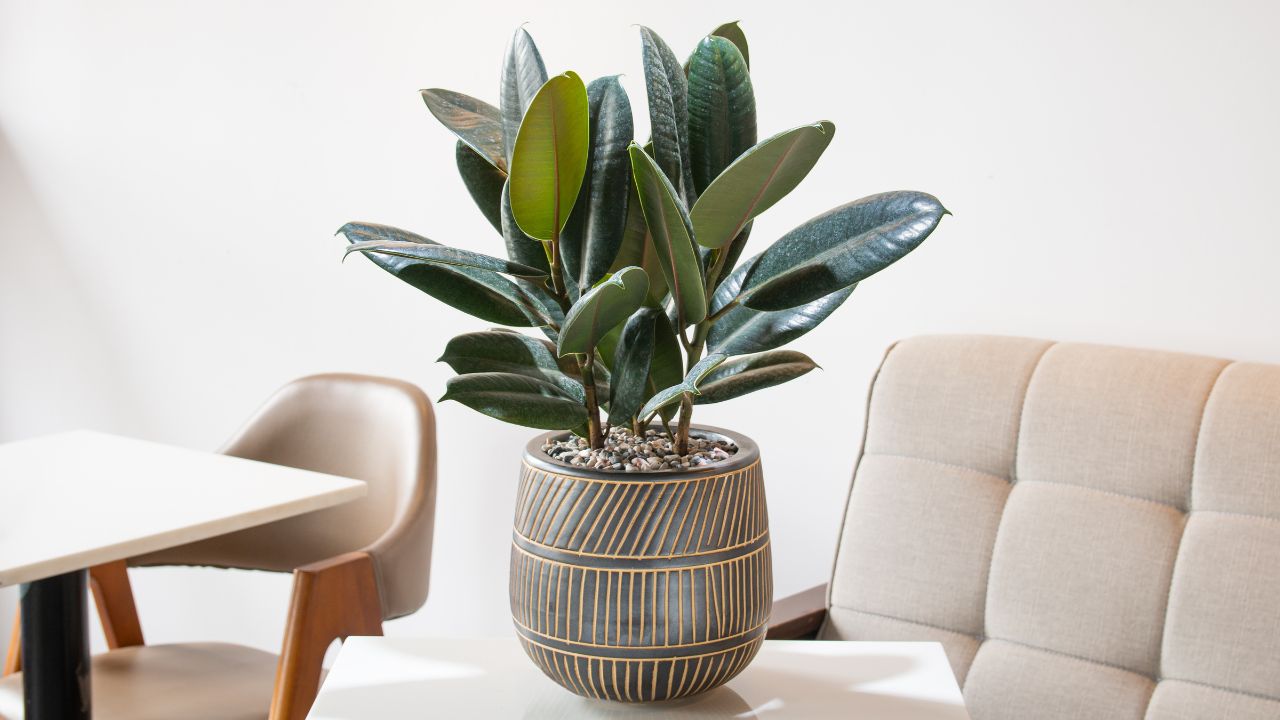
Image Credit: Shutterstock.
With its large, glossy, dark green or burgundy leaves, the rubber plant brings a touch of drama and sophistication to a room. It can grow into a substantial, tree-like specimen over time, making it an excellent floor plant for filling an empty corner. Despite its impressive appearance, it’s surprisingly easy to manage.
Why is it a good option? Once settled, a rubber plant is quite self-sufficient. It prefers consistency, so find a good spot with bright, indirect light and leave it there. It doesn’t require frequent watering and is fairly tolerant of drier indoor air. Wiping the leaves with a damp cloth every so often will keep them shiny and help the plant breathe.
Care Summary:
- Light: Bright, indirect light is ideal.
- Water: Water when the top inch of soil feels dry, about every 1-2 weeks.
- Soil: Any standard, well-draining potting mix will work.
6. Peace Lily (Spathiphyllum)
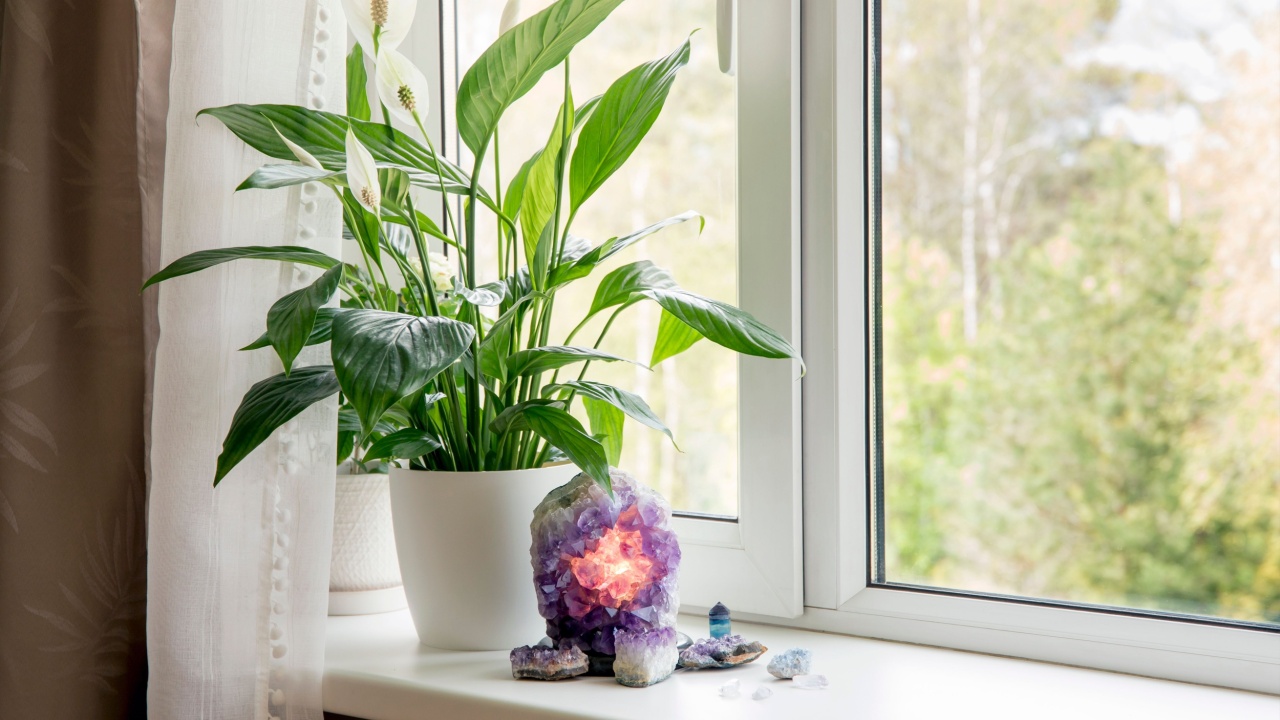
Image Credit: Shutterstock.
The peace lily is an elegant plant known for its glossy, dark green leaves and beautiful, white, spoon-shaped flowers. It’s a popular choice because it visually communicates its needs. When the leaves start to droop, it’s a clear signal that the plant is thirsty, and it will quickly revive after a good watering.
Why is it a good option? It thrives in medium to low light, making it perfect for brightening up shadier spots in your home. It’s not overly demanding about water, and its dramatic droop is a helpful reminder. The peace lily is also recognized for its ability to filter indoor air pollutants, making your home healthier and more beautiful.
Care Summary:
- Light: Prefers medium, indirect light but can tolerate low light.
- Water: Water when the leaves begin to droop.
- Soil: Use a well-draining, all-purpose potting soil.
7. Aloe Vera
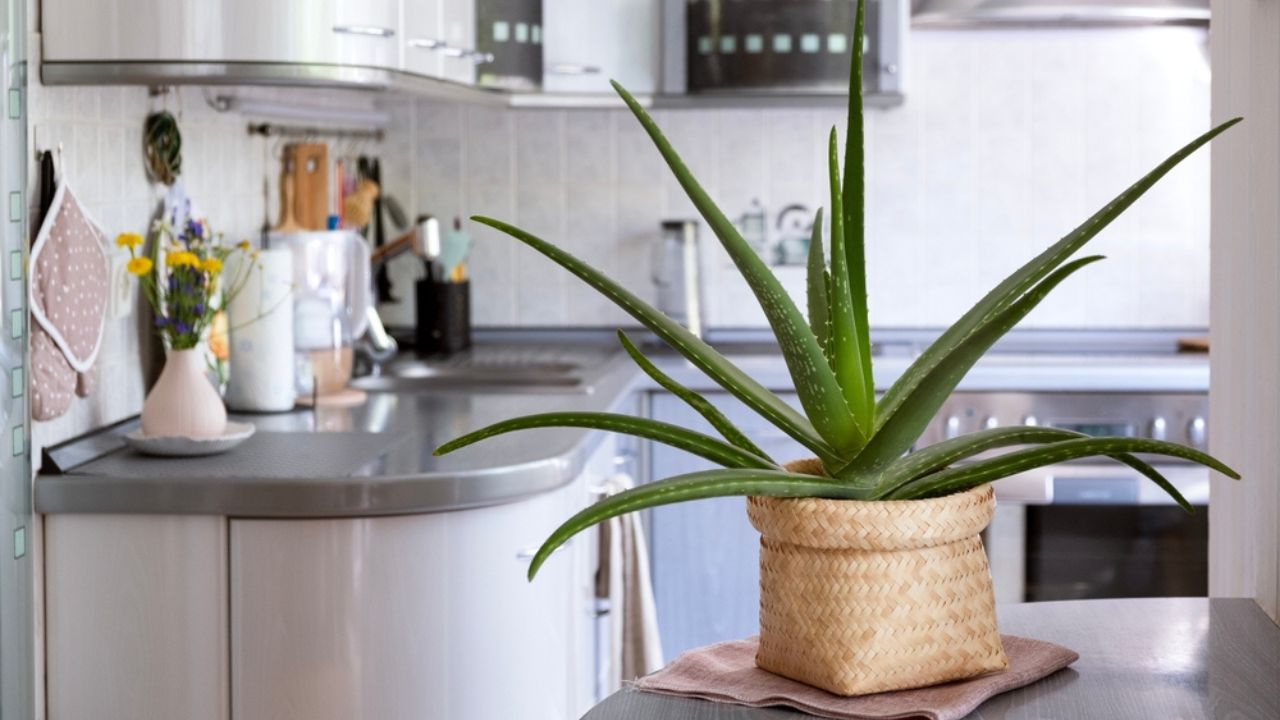
Image Credit: Shutterstock.
Aloe vera is a classic succulent that is both useful and attractive. Its thick, fleshy leaves are filled with a soothing gel that can be used for minor skin irritations and burns. The architectural, spiky form of the plant adds a modern, desert vibe to any space.
Why is it a good option? As a succulent, aloe vera is built to withstand drought. It stores water in its leaves, so it prefers its soil to dry out completely between waterings. This makes it an ideal plant for anyone prone to forgetting their watering duties. Just give it a sunny spot and it will be perfectly content.
Care Summary:
- Light: Needs bright, indirect light. A sunny windowsill is perfect.
- Water: Water deeply but infrequently, only when the soil is completely dry.
- Soil: Requires a fast-draining cactus or succulent mix.
8. Heartleaf Philodendron (Philodendron hederaceum)

Image Credit: Shutterstock.
Similar to pothos, the heartleaf philodendron is a vining plant with lovely heart-shaped, deep green leaves. It’s incredibly forgiving and a fantastic choice for new plant parents. Its trailing vines can be trained to climb a trellis or allowed to cascade gracefully from a hanging planter or shelf.
Why is it a good option? This plant is not fussy about light and can thrive in a variety of indoor settings, from a bright room to a dimmer corner. It’s also quite communicative, with leaves that will wilt slightly when it needs water. Its resilience and classic beauty make it a staple in the world of easy-care houseplants.
Care Summary:
- Light: Adapts to low, medium, or bright indirect light.
- Water: Water when the top inch of soil feels dry.
- Soil: A standard, well-draining potting mix is sufficient.
9. Chinese Evergreen (Aglaonema)

Image Credit: Shutterstock.
Chinese evergreens are prized for their lush, decorative leaves, which come in a stunning array of patterns featuring silver, green, pink, and red. These plants are incredibly sturdy and can brighten up even the darkest corners of your home with their vibrant foliage.
Why is it a good option? This plant is one of the best for low-light situations. It tolerates dry soil well, so you don’t have to worry about a strict watering schedule. The Chinese evergreen is a slow grower that maintains its beautiful appearance year-round with very little fuss, making it a reliable choice for adding color to your indoor garden.
Care Summary:
- Light: Thrives in low to medium indirect light.
- Water: Water when the top 1-2 inches of soil are dry.
- Soil: Any well-draining potting mix will work.
10. Cast Iron Plant (Aspidistra elatior)
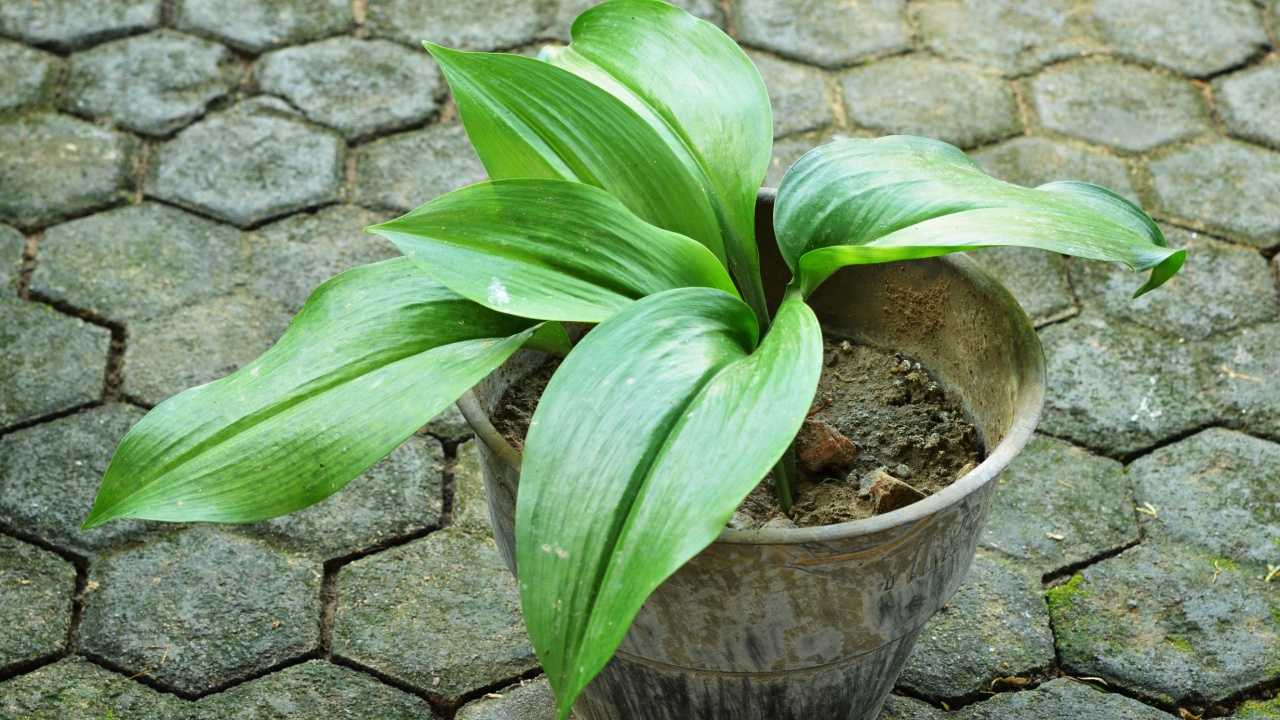
Image Credit: Shutterstock.
True to its name, the cast iron plant is nearly indestructible. It has large, deep green, leathery leaves that grow in a graceful clump. This plant can withstand conditions that would be fatal to many other houseplants, including deep shade, low humidity, and infrequent watering.
Why is it a good option? If you have a dark corner where nothing seems to grow, the cast iron plant is your solution. It’s a slow-growing plant that requires almost no attention to look its best. It’s the perfect choice for anyone who wants a plant that will reliably look good without any effort.
Care Summary:
- Light: Prefers low light but can handle a range of conditions.
- Water: Water when the soil is dry to the touch. It is very drought-tolerant.
- Soil: Use a standard potting mix.
11. Monstera Deliciosa (Swiss Cheese Plant)
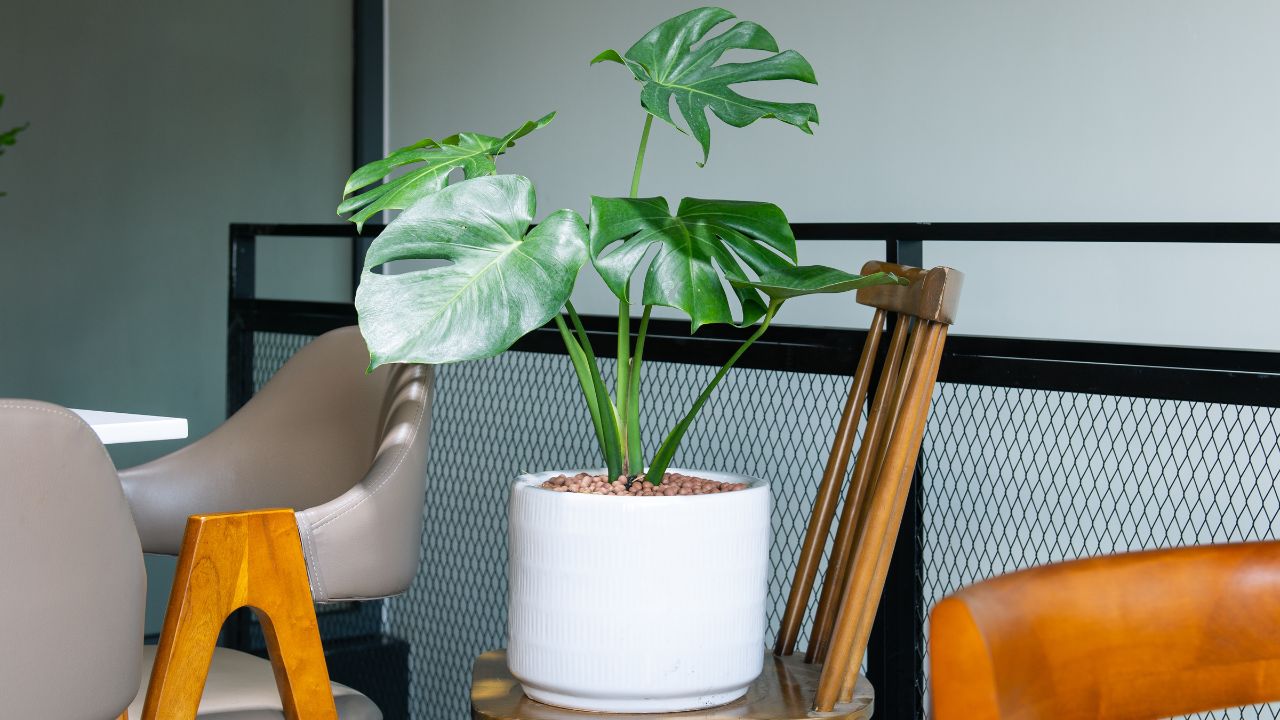
Image Credit: Shutterstock.
The Monstera deliciosa is an iconic houseplant, famous for its large, glossy leaves that develop dramatic splits, or fenestrations, as they mature. It brings a bold, tropical jungle vibe to any interior. While it looks high-end, it’s surprisingly low-maintenance.
Why is it a good option? This plant is a relatively fast grower that provides a big impact. It tolerates a range of light conditions and is forgiving if you forget to water it occasionally. Providing it with a moss pole to climb can encourage larger leaves and a more impressive structure, but it’s happy to grow wild as well.
Care Summary:
- Light: Prefers bright, indirect light but can tolerate medium light.
- Water: Water when the top 1-2 inches of soil are dry.
- Soil: A chunky, well-aerated potting mix is best.
12. Jade Plant (Crassula ovata)

Image Credit: Shutterstock.
The jade plant is a popular succulent with thick, woody stems and fleshy, oval-shaped leaves that resemble jade stones. It is often considered a symbol of good luck and prosperity. With its tree-like appearance, it adds a unique structural element to a plant collection.
Why is it a good option? Like other succulents, the jade plant stores water in its leaves and is extremely drought-tolerant. It thrives on neglect and is more likely to suffer from too much attention than too little. Place it in a sunny spot, water it sparingly, and it can live for decades.
Care Summary:
- Light: Requires plenty of bright, direct sunlight.
- Water: Water only when the soil is completely dry.
- Soil: Needs a fast-draining cactus or succulent mix.
13. Christmas Cactus (Schlumbergera)
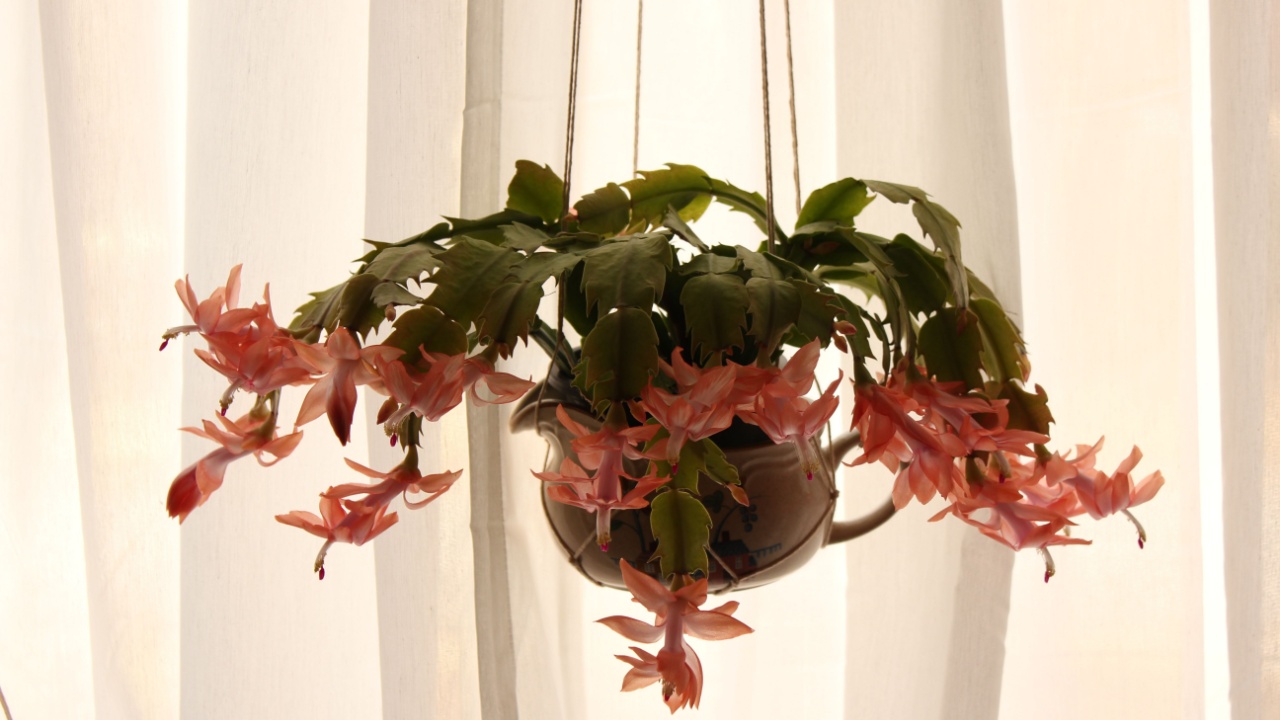
Image Credit: Shutterstock.
Unlike its desert relatives, the Christmas cactus is a tropical cactus that produces beautiful, tubular flowers in shades of pink, red, or white right around the holiday season. Its segmented, arching stems make it an excellent candidate for a hanging basket.
Why is it a good option? This plant is long-lived and easy to care for. It prefers a bit more water than a typical cactus but will forgive some inconsistency. The real reward is its stunning winter bloom, which brings a welcome splash of color during the colder months.
Care Summary:
- Light: Prefers bright, indirect light.
- Water: Keep the soil lightly moist, but do not let it get soggy.
- Soil: A well-draining soil mixed with some organic matter is ideal.
14. Parlor Palm (Chamaedorea elegans)

Image Credit: Shutterstock.
The parlor palm is a classic Victorian-era houseplant that remains popular today for its elegant, feathery fronds and compact size. It evokes a feeling of lush, tropical greenery without taking up too much space.
Why is it a good option? This palm is one of the best for lower-light conditions and is relatively slow-growing, meaning it won’t outgrow its spot too quickly. It’s not particularly demanding about water and can adapt to average indoor humidity, making it a much easier palm to care for than some of its relatives.
Care Summary:
- Light: Thrives in medium to low indirect light.
- Water: Water when the top inch of soil is dry. Avoid overwatering.
- Soil: Use a standard, well-draining potting mix.
15. Fiddle Leaf Fig (Ficus lyrata)

Image Credit: Shutterstock.
The fiddle leaf fig has been a designer favorite for years, thanks to its huge, violin-shaped leaves and tall, tree-like stature. It can be a stunning focal point in a living room or entryway. While it has a reputation for being finicky, once you understand its needs, it can be quite manageable.
Why is it a good option? The key to a happy fiddle leaf fig is consistency. Find a spot with lots of bright, indirect light, and then leave it alone. It doesn’t like to be moved, and it prefers to dry out between waterings. Master these simple rules, and you’ll have a show-stopping plant that requires infrequent care.
Care Summary:
- Light: Needs bright, consistent, indirect light.
- Water: Water thoroughly only when the top 1-2 inches of soil are dry.
- Soil: Requires a well-draining and well-aerated soil.
16. Succulents
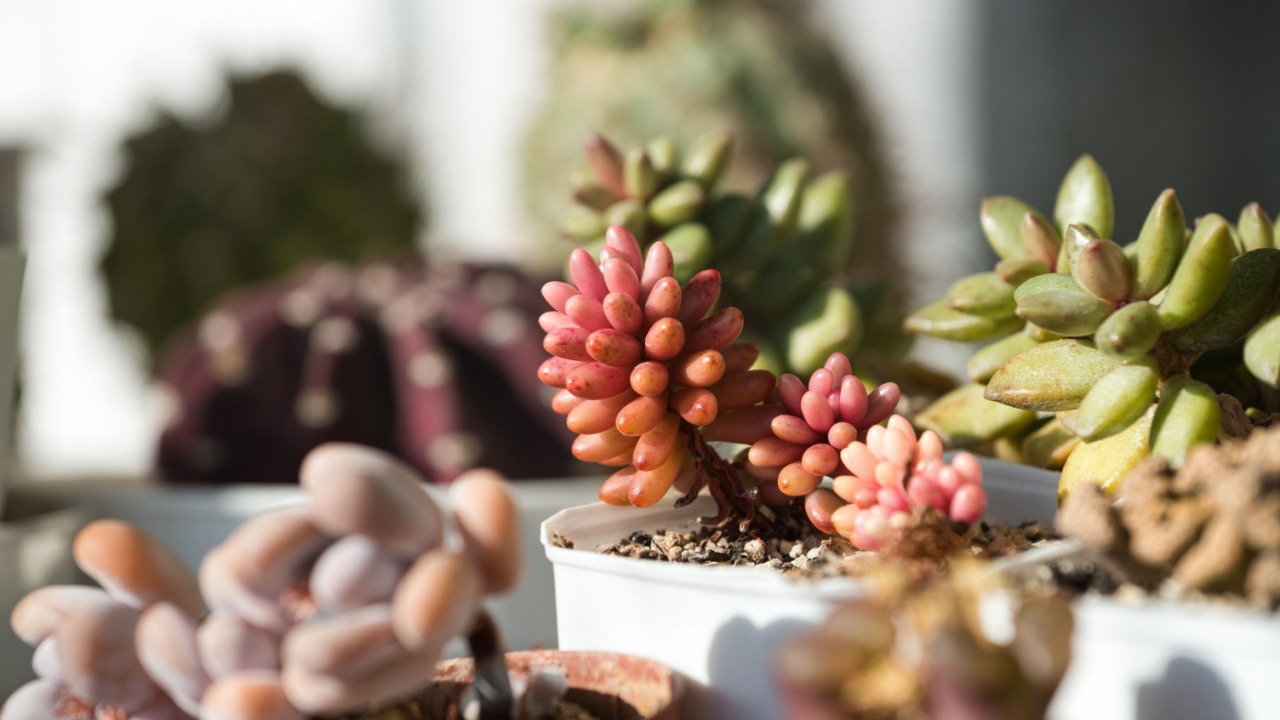
Image Credit: Shutterstock.
This is a broad category that includes countless varieties like Echeveria, Sedum, and Sempervivum. They are defined by their thick, fleshy leaves or stems that store water. Available in a huge range of colors, shapes, and sizes, you can create beautiful and diverse arrangements with them.
Why are they a good option? Succulents are the ultimate low-water plants. They thrive in dry conditions and are perfect for forgetful waterers. Their main requirement is a lot of light. Group a few different types in a shallow dish for a miniature desert garden that needs almost no attention.
Care Summary:
- Light: Most require at least 6 hours of bright light per day.
- Water: Water only when the soil is completely bone dry.
- Soil: Must have a fast-draining cactus/succulent soil.
17. Air Plants (Tillandsia)
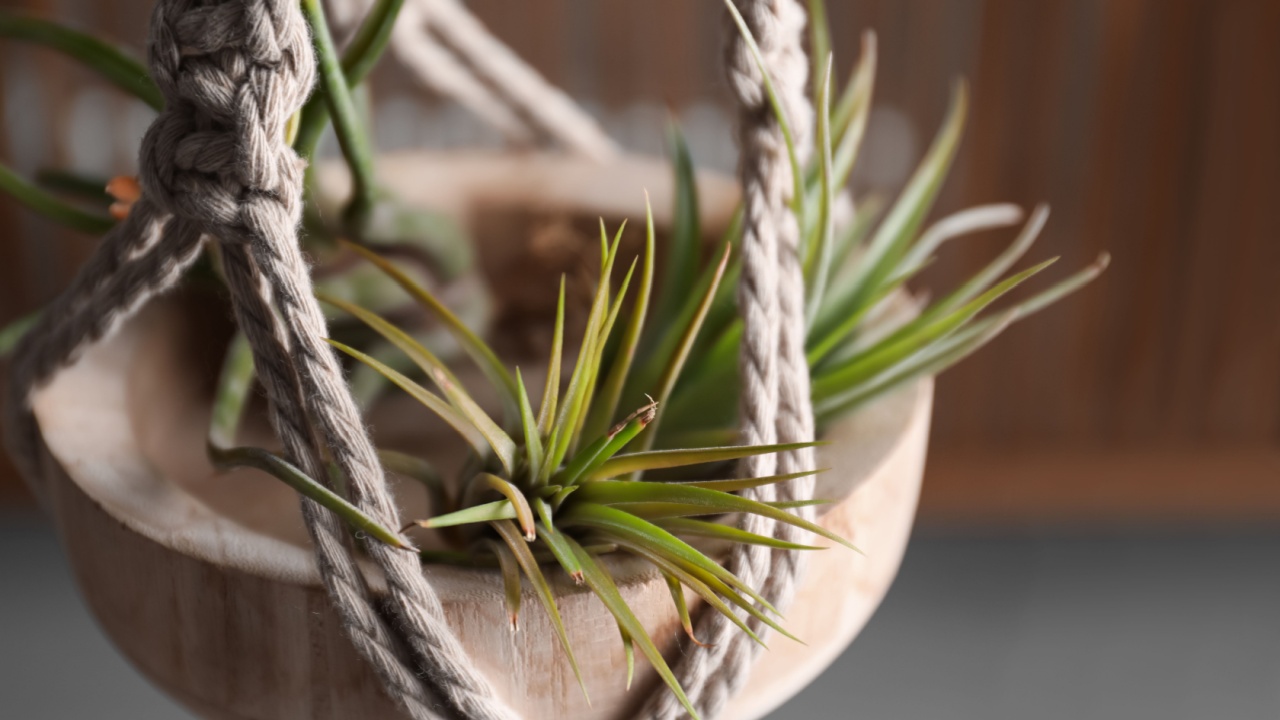
Image Credit: Shutterstock.
Air plants are fascinating plants that don’t require any soil to grow. They absorb all the water and nutrients they need through their leaves, making them incredibly versatile for decorating. You can place them in terrariums, mount them on wood, or display them in special holders.
Why are they a good option? Their care is completely different from other plants, but it’s very simple. A weekly soak in water for 20-30 minutes is all they need. There’s no soil, no pot, and no mess. They are a unique and modern way to bring greenery into your home with minimal commitment.
Care Summary:
- Light: Bright, indirect light.
- Water: Soak in water for 20-30 minutes weekly, then allow to dry completely upside down.
- Soil: None.
18. Ponytail Palm (Beaucarnea recurvata)
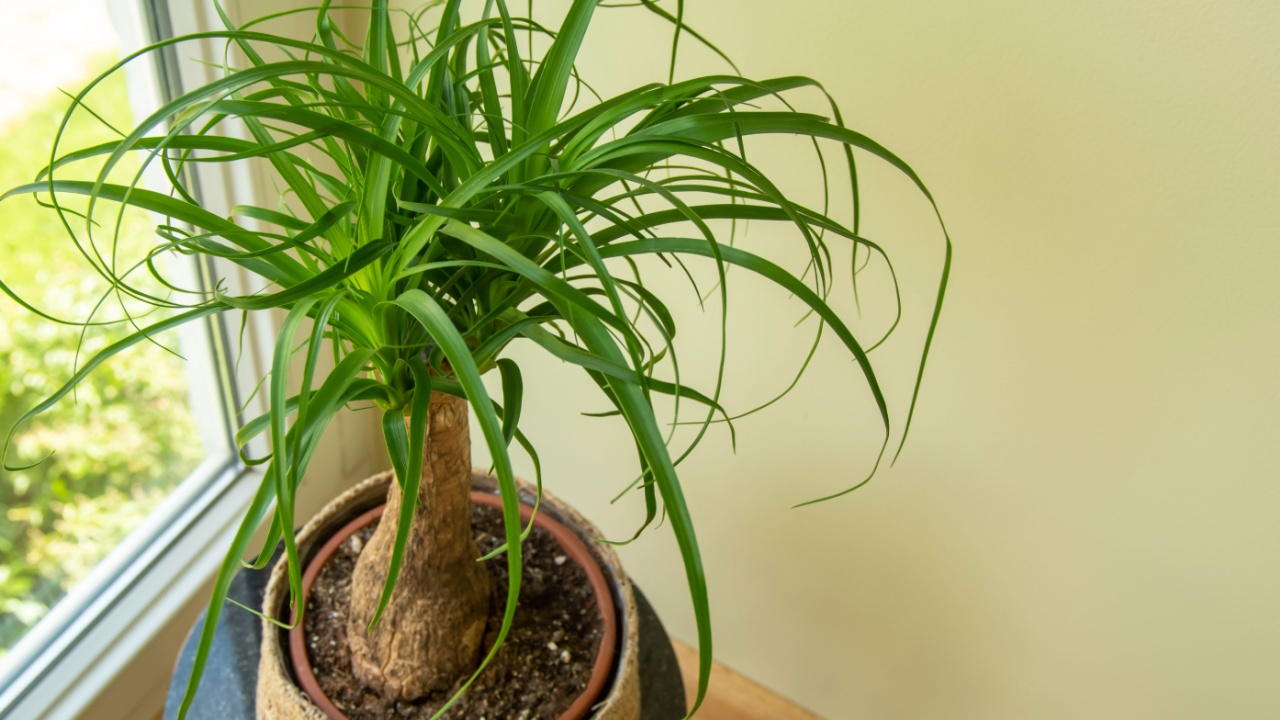
Image Credit: Shutterstock.
Despite its name, the ponytail palm is not a true palm but a member of the succulent family. It has a distinctive swollen trunk that stores water and a cascade of long, thin leaves that resemble a ponytail. This unique appearance makes it a fun and quirky addition to a room.
Why is it a good option? The bulbous trunk is a water-storage powerhouse, meaning this plant is extremely drought-tolerant. It thrives on neglect and prefers to be kept on the dry side. A sunny spot and very infrequent watering are all it needs to be happy, making it a perfect plant for a busy owner.
Care Summary:
- Light: Loves bright, indirect, or direct sunlight.
- Water: Water every 2-3 weeks, allowing the soil to dry out completely.
- Soil: Needs a fast-draining cactus or succulent mix.
Designing a Greener Home
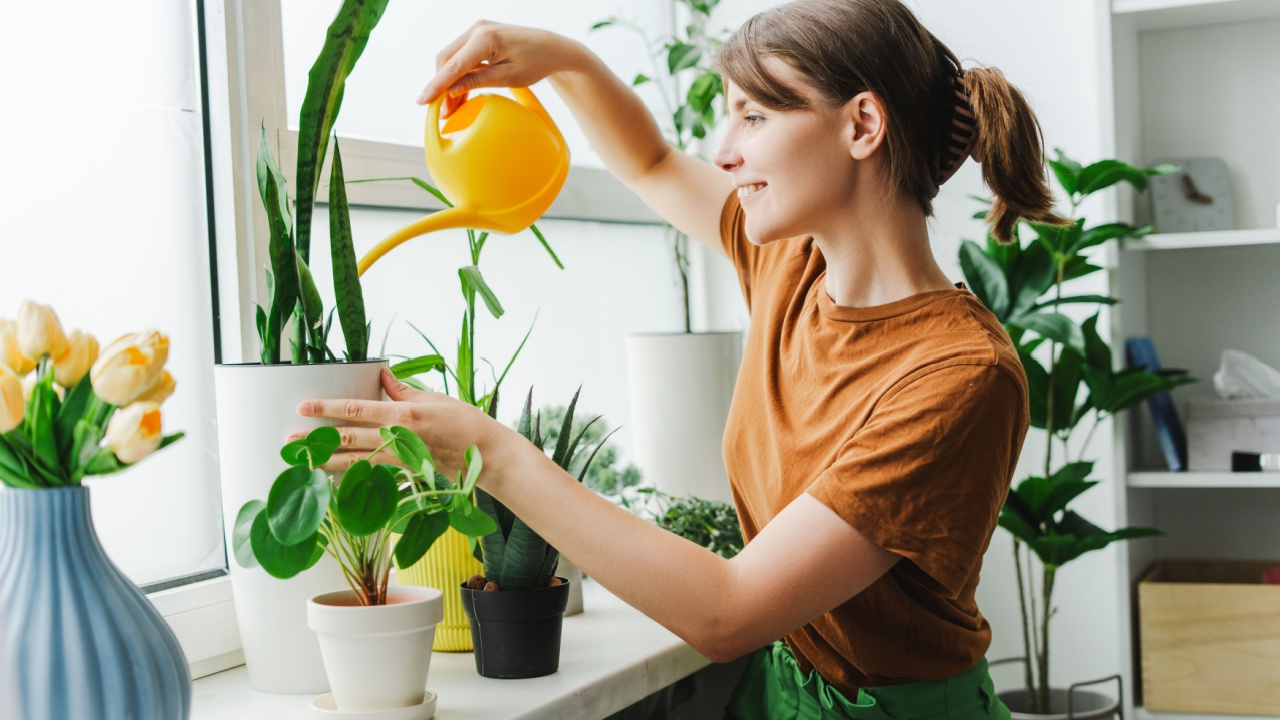
Image Credit: Shutterstock.
Choosing a houseplant doesn’t have to be intimidating. As you can see, there are plenty of beautiful and resilient options that fit perfectly into a busy life. Your next step is to consider your space. Take a look at the light in the room you want to brighten up and choose a plant from this list that matches the conditions.
Start with one or two plants that catch your eye. You’ll find that caring for these easy-going varieties is a rewarding and stress-free experience. Before you know it, you’ll have a thriving indoor garden that brings you joy every day, proving that you don’t need a green thumb, just the right plant.