
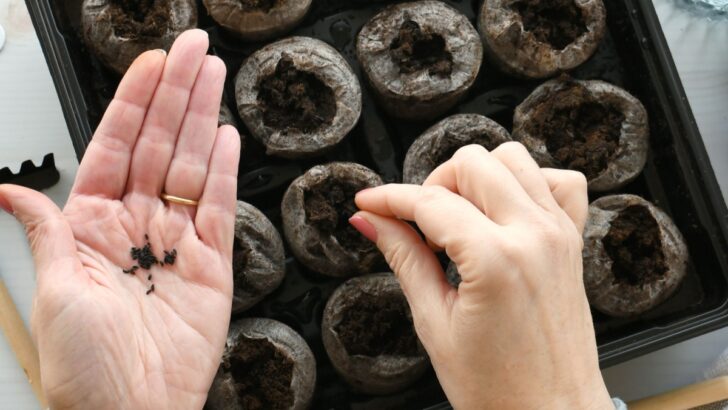
Just because the temperatures are frigid doesn’t mean you can’t get a jumpstart on your garden this year. Planting seeds early can give your vegetables and herbs a head start for the spring season.
We spoke with Jane Dobbs, expert gardener and gardening team lead at Allan’s Gardeners, to learn which seeds gardeners should start in February to have a thriving vegetable garden for a summer harvest. Here are her top recommendations.
Tomatoes
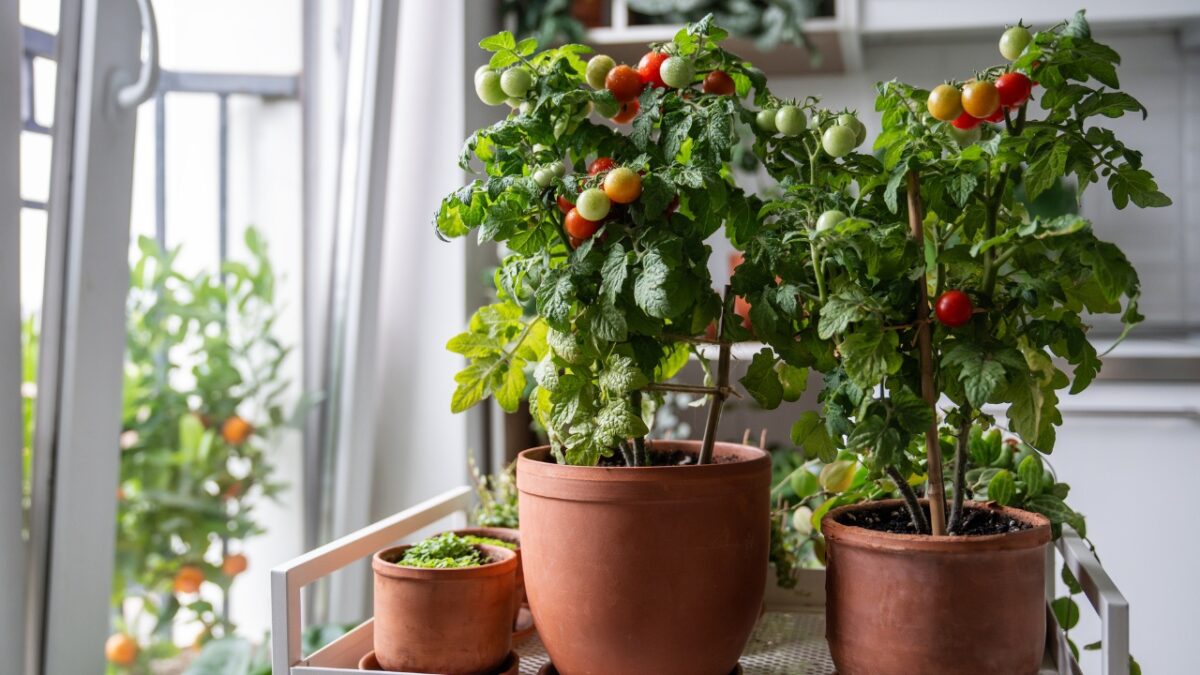
There is just something about fresh, tasty tomatoes right off the vine. Dobbs suggests planting varieties such as Cherry, Roma, and Beefsteak tomatoes. She says that seeds should be started indoors in seed trays with well-draining soil. You need to maintain a temperature of 65 to 75 degrees Fahrenheit for these seedlings.
Tomato plants require 12 to 16 hours of light each day, which can be provided by grow lights or by placing them on a sunny windowsill. Gently water to keep the soil moist but not waterlogged.
Peppers
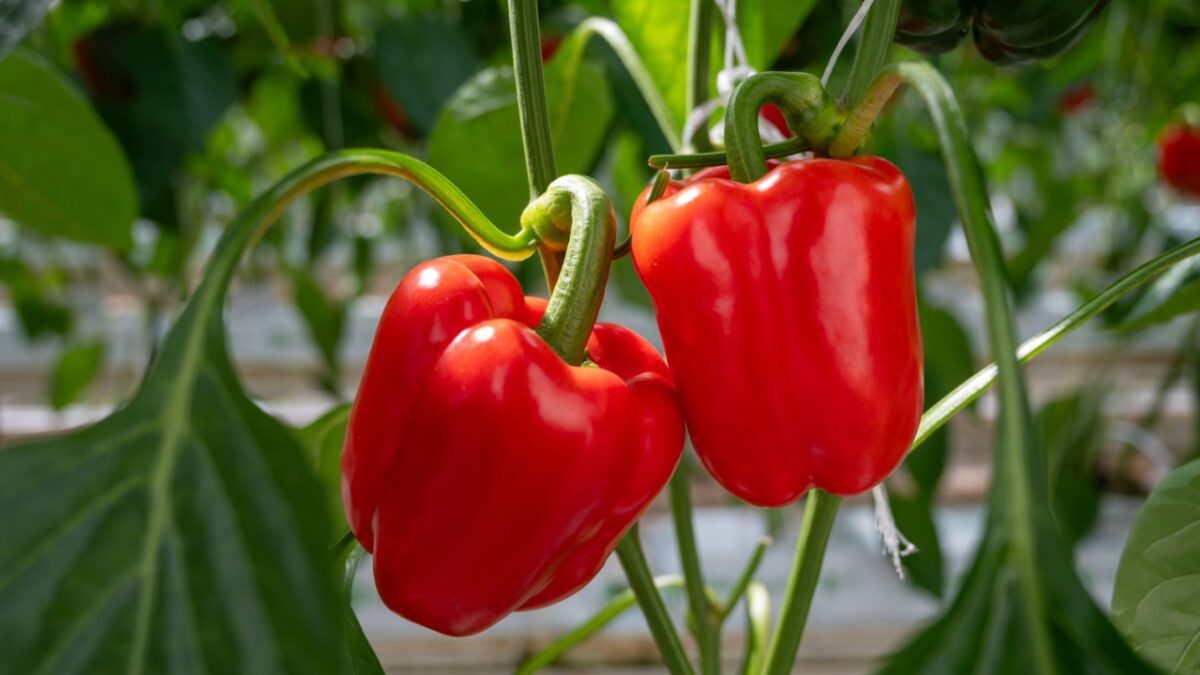
Whether you enjoy the mild flavor of bell peppers or prefer the spicy pop of jalapenos and cayenne, all of these can be started in small pots indoors.
Dobbs says temperatures between 68 and 77 degrees Fahrenheit are ideal for germination. Ensure they have enough light — at least six hours a day — and grow them in a humid area. You can transplant seedlings when they have two sets of true leaves.
Eggplants
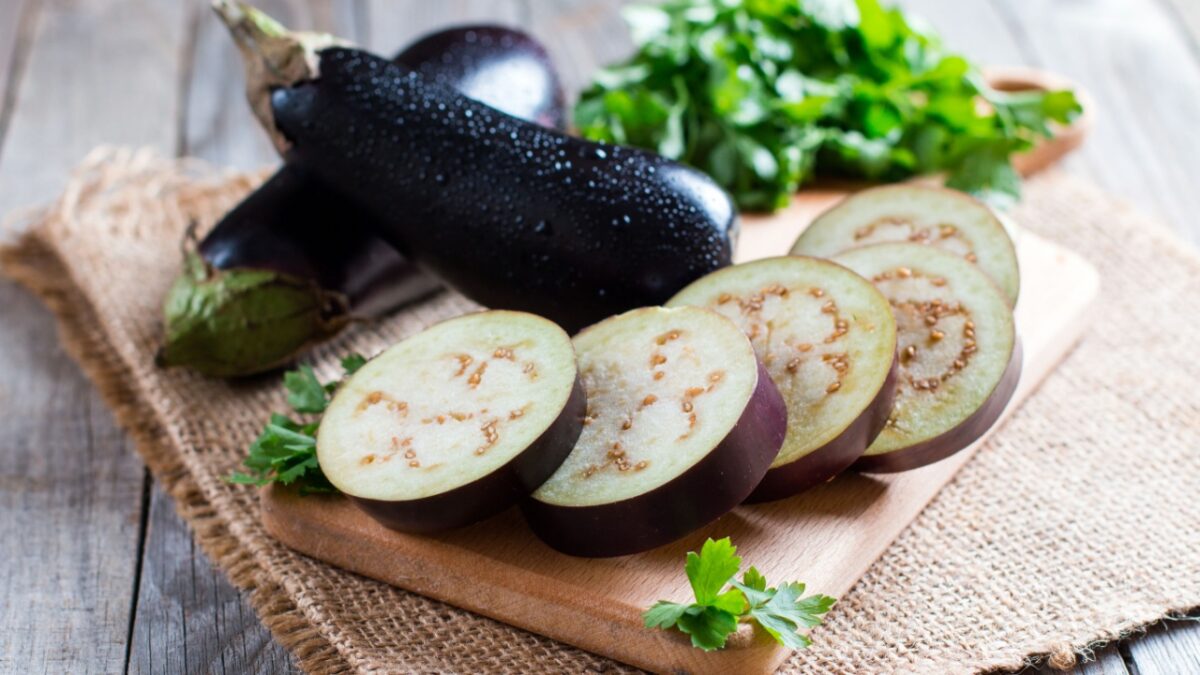
If you are looking for a versatile vegetable to grow that is also nutritious, then you should start eggplant seeds this February. Dobbs suggests varieties such as Black Beauty and White Egg.
It is best to start seeds indoors in a warm environment with temperatures between 70 and 79 degrees Fahrenheit. Dobbs suggests that to maintain humidity until germination, cover trays with plastic wrap. When seedlings emerge, provide full light for them and thin them out to prevent overcrowding.
Lettuce
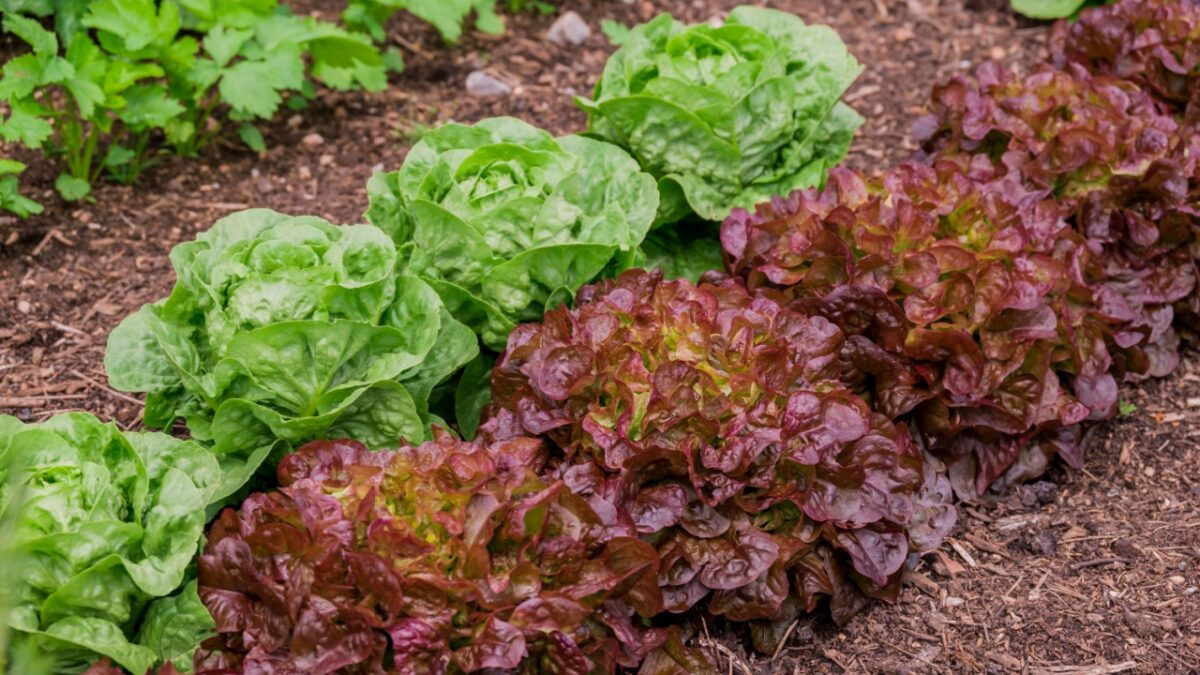
Who needs bag salad when you can grow your own crisp lettuce? It’s relatively easy to grow, which is perfect for beginner gardeners. Dobbs shares that you can sow seeds in shallow containers or trays, and place them in a cool spot that has indirect lighting. Lettuce prefers moist soil, but don’t overwater it.
The soil needs to be workable before transplanting outside, which means that temperatures should be between 55 and 70 degrees Fahrenheit. However, lettuce is a cold-hardy crop, so it can thrive in cooler weather.
Spinach
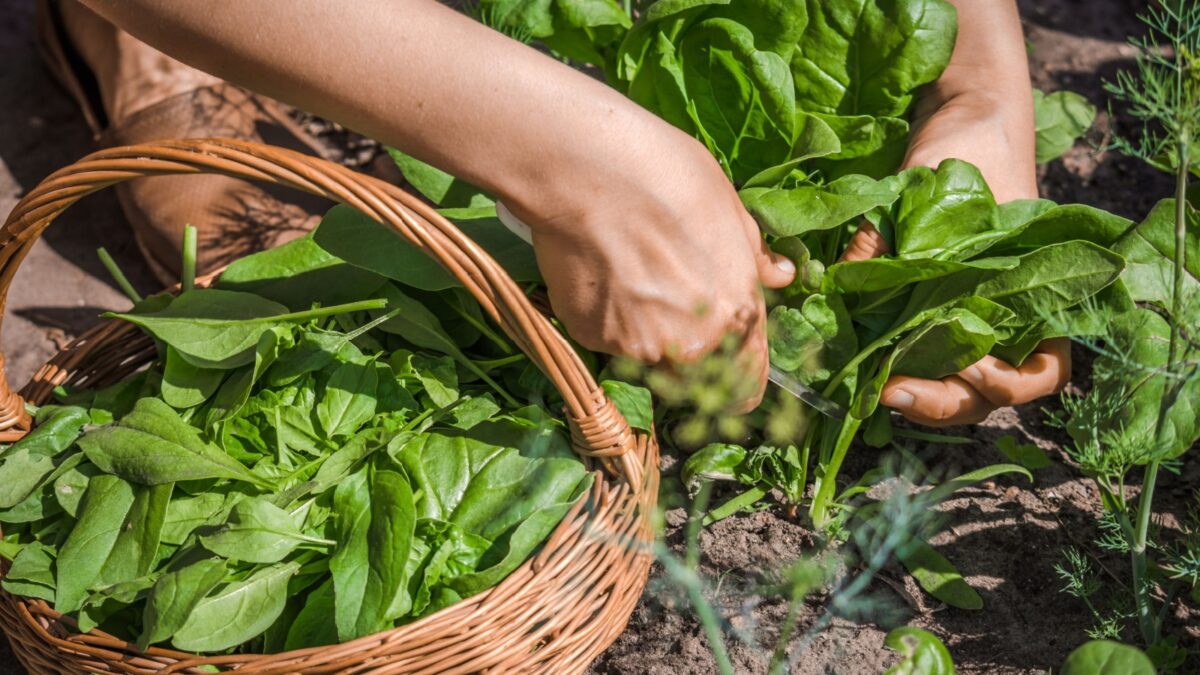
Spinach is another cold-hardy crop you can start in February. Dobbs advises planting the seeds into small pots containing rich, well-draining soil. Be sure to keep them cool by putting them in an area with a temperature range between 59 and 65 degrees Fahrenheit.
Seedlings should be thinned to allow them to grow and transplanted outside when the risk of frost is low. However, you can also grow it indoors, so you have easy access to savory spinach whenever you want it.
Herbs
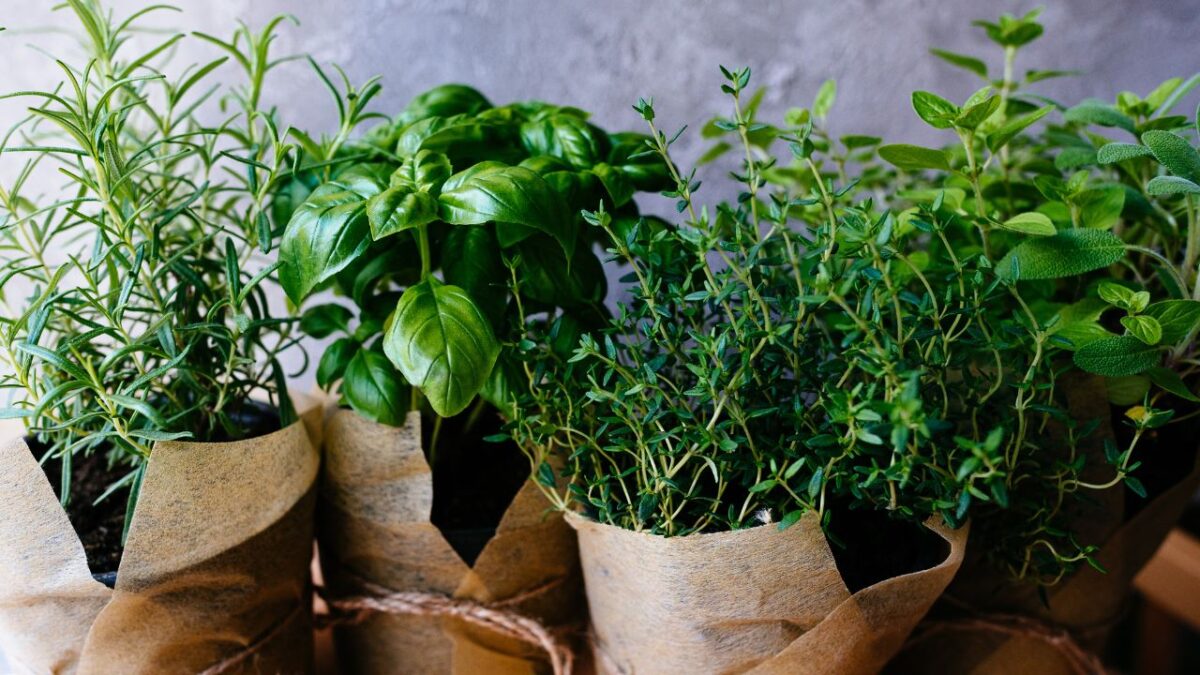
Fresh herbs such as basil and parsley are seeds you can start that are easy to grow indoors. Dobbs recommends putting these herbs in shallow trays and placing them in a warm sunny spot.
You want to keep the soil moist but not soggy. Germination can be sped up by using a humidity dome. Healthy growth requires consistent light, which is why a windowsill can be a prime spot for these herbs.
Cauliflower
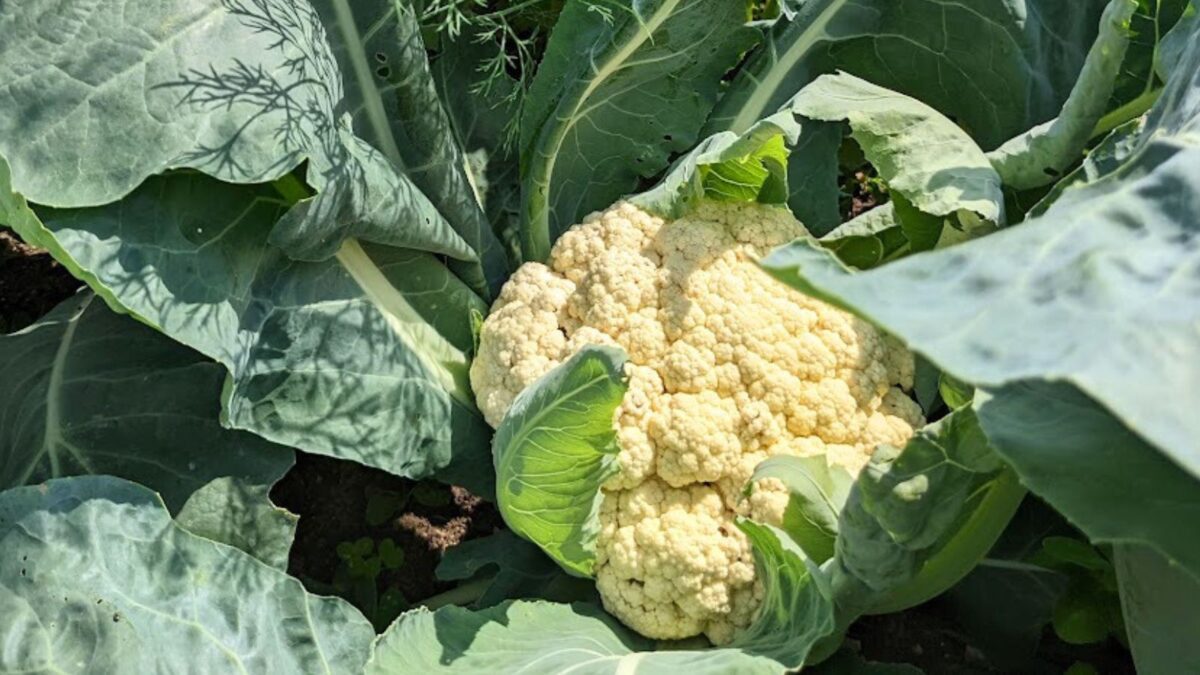
Cauliflower is another versatile vegetable that you can plant now for an early harvest. Dobbs’ top picks are the Snowball and Romanesco cauliflower types. Seeds should be started in seed trays with rich compost. Ensure that temperatures do not exceed 65 degrees Fahrenheit.
Provide sufficient light and keep the soil moist. Seedlings can be transplanted outdoors after they have hardened off, so gradually expose them to outdoor conditions.
Sweet peas
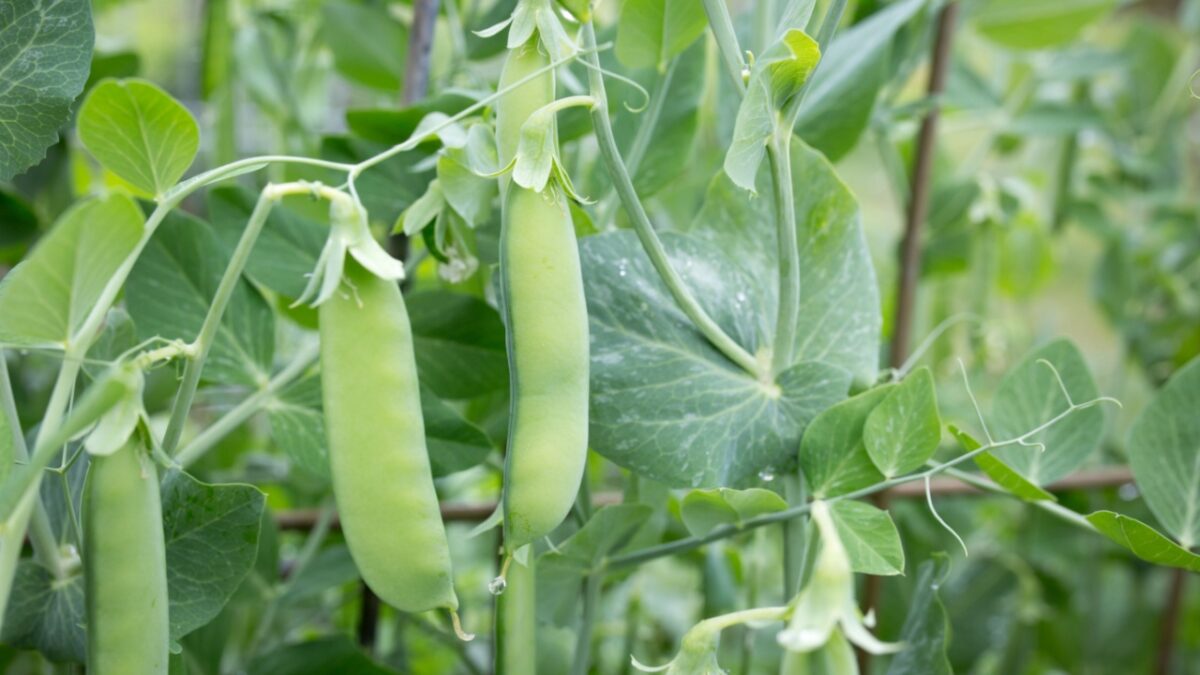
Sweet peas (aka sugar snap peas) are great to grow because you can eat them raw or cooked. This can be the perfect plant to start indoors, but certain climbing varieties can reach heights between 6 and 8 feet tall.
Sow each seed individually in biodegradable pots or cardboard tubes. To encourage bushier growth, place in a sunny location and pinch the top when it reaches about four inches tall.
Start these seeds in February to get your garden growing early this year
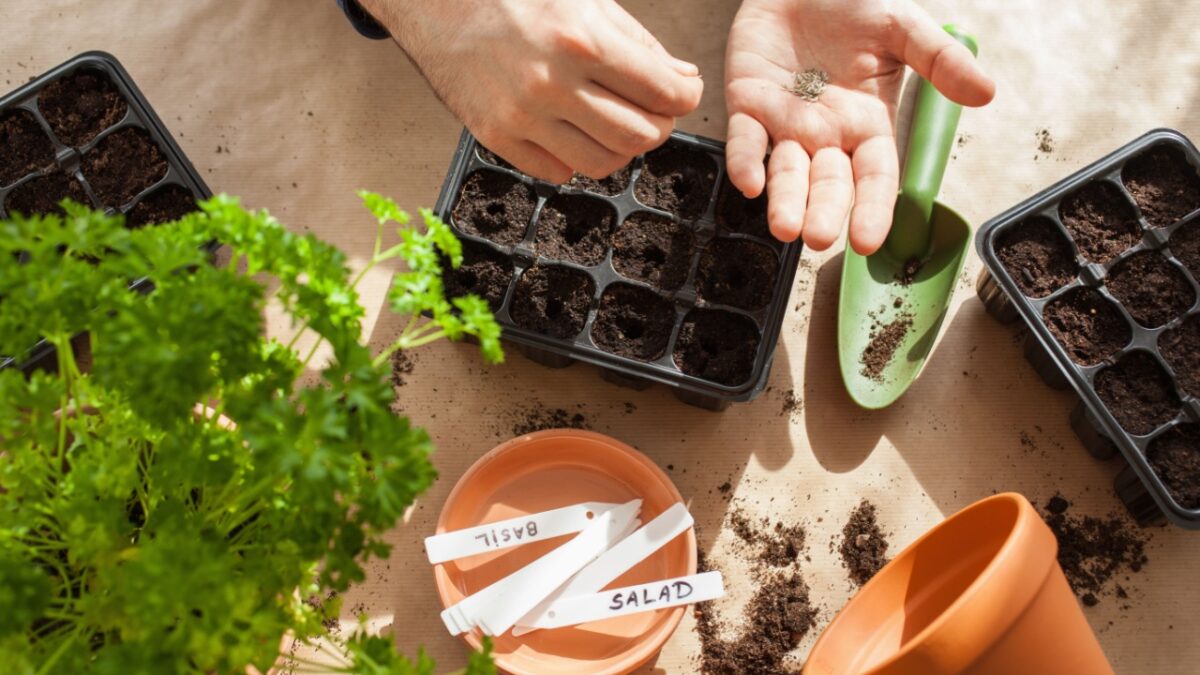
By planting these various vegetable and herb seeds sooner rather than later, you can give your garden a jumpstart before the growing season begins. Remember that you will need to provide the correct care to your seedlings, and if your home doesn’t have an area with sufficient lighting, you may want to invest in grow lights.
These varieties are fairly easy to grow, so with proper care and conditions, you will have seeds sprouting in no time!