

Chrysanthemums, or mums as they are lovingly called, are the undisputed stars of autumn gardens and porches. With their vibrant domes of color, they perfectly capture the warm, cozy feeling of the fall season. Yet, for all their beauty, many gardeners feel a sense of frustration when their gorgeous mums begin to fade almost as soon as they get them home. It often seems like they are on borrowed time, with blooms wilting long before the first frost arrives.
The good news is that you are not powerless in this fight. Most store-bought mums are greenhouse-grown, forced to bloom early, and packed into small pots, which sets them up for a short display life. But with a few simple secrets, you can dramatically extend their blooming period, keeping your containers and garden beds full of color all season long. Here are ten tips to help you get the most out of your beautiful fall mums.
1. Buy Buds, Not Blooms
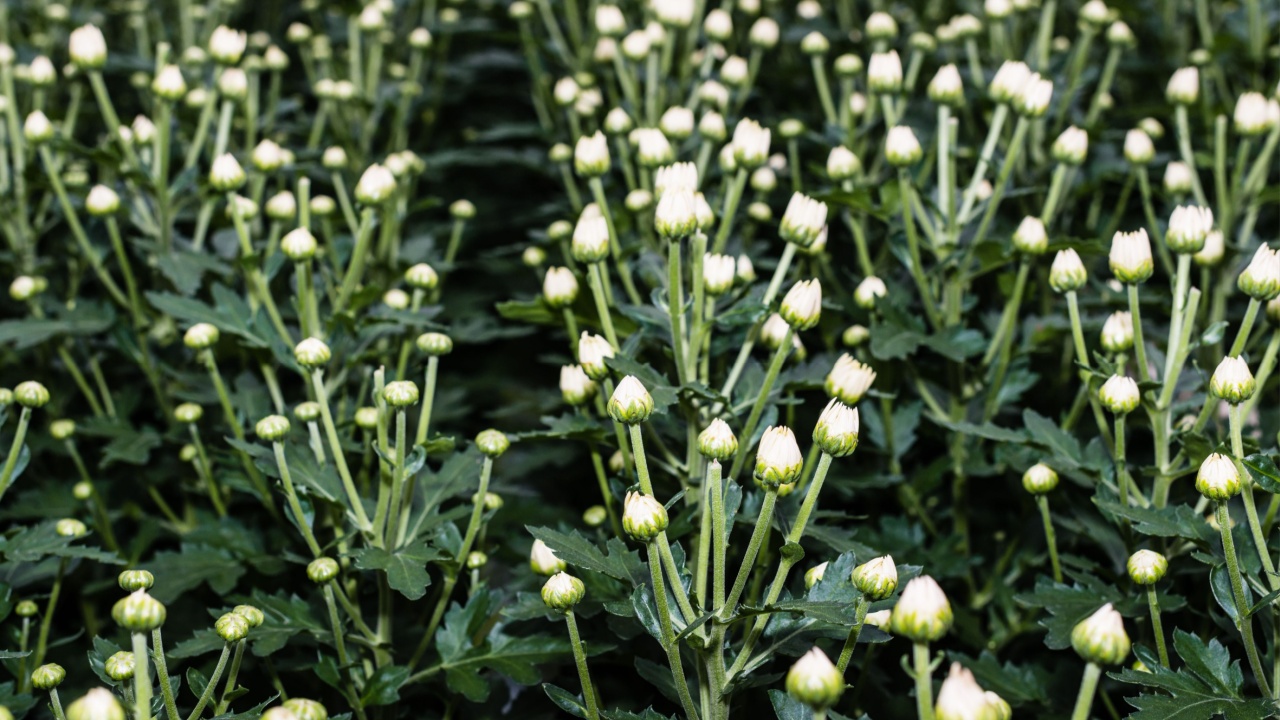
Image Credit: Shutterstock.com.
The most crucial step to ensure long-lasting color happens before you even bring the plant home. When you’re at the nursery or garden center, it’s tempting to grab the mum that is already a perfect ball of fully opened flowers. While these provide instant gratification, they are already well into their bloom cycle and likely have only a week or two of peak color left.
Instead, train your eye to look for plants that are covered in tight, unopened buds. These mums have their entire flowering season ahead of them. By purchasing a plant at this stage, you get to enjoy the entire show from the very beginning and can manage its care to maximize the bloom time. A plant with tight buds will give you weeks, not days, of beautiful flowers.
Quick Tips:
- Inspect Closely: Look for healthy, dark green foliage with no signs of yellowing or wilting.
- Choose Hardy Mums: Whenever possible, select hardy mums over florist mums. Hardy varieties are perennials that can be planted in your garden and will return year after year.
- Avoid Stress: Pass on any plants that look dry or stressed, even if they are covered in buds.
2. Repot Them Immediately

Image Credit: Shutterstock.
One of the biggest culprits behind a mum’s rapid decline is the pot it comes in. Most mums are sold in flimsy nursery pots that are far too small for their root systems. The plants are often severely root-bound, meaning the roots have filled the container and are circling in a tight mass. This restricts their ability to absorb water and nutrients, leading to stress and premature wilting.
Giving your mum a new home is a simple fix that makes a world of difference. Choose a container that is at least a few inches wider and deeper than the original pot. This extra space allows the roots to spread out and gives the plant access to more soil, which retains moisture more effectively.
Quick Tips:
- Loosen the Roots: Gently tease apart the bottom of the root ball with your fingers before placing it in the new pot. This encourages the roots to grow outward into the fresh soil.
- Use Fresh Potting Mix: Fill the new container with a high-quality, well-draining potting soil.
- Ensure Drainage: Make sure your new pot has drainage holes to prevent water from pooling at the bottom, which can cause root rot.
3. Perfect Your Watering Technique
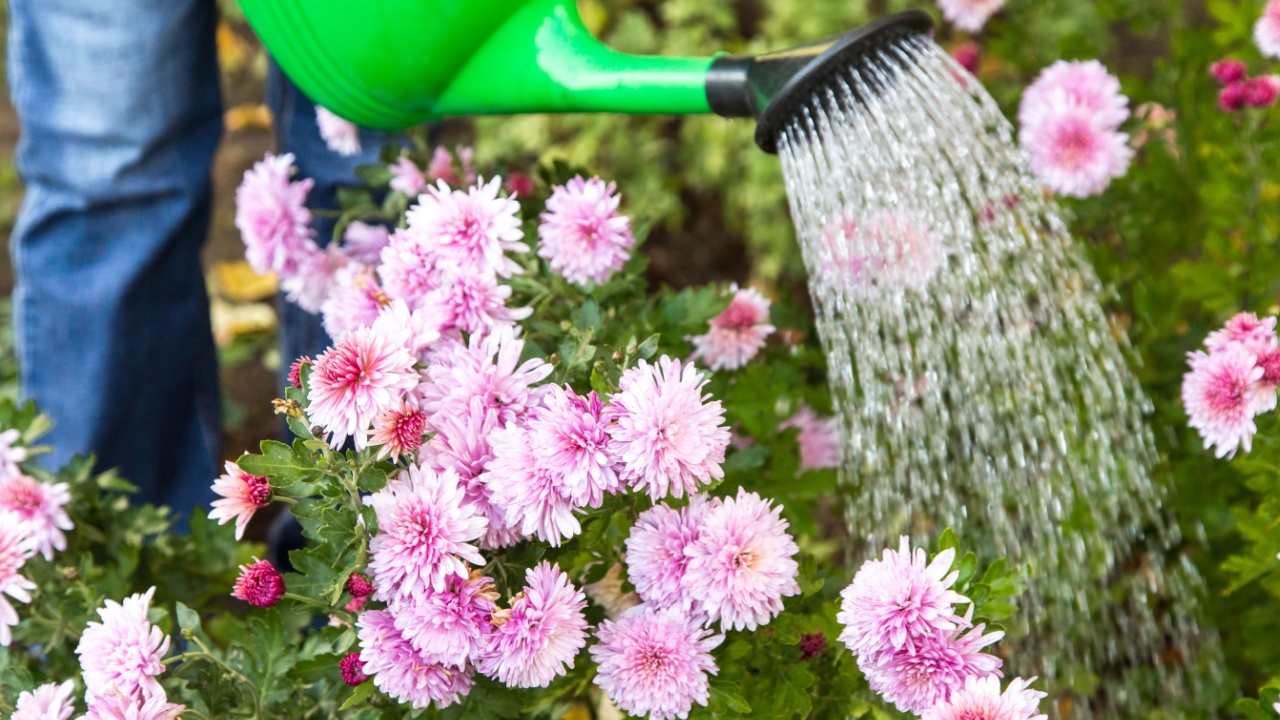
Image Credit: Shutterstock.
Consistent and correct watering is arguably the most important factor in keeping your mums vibrant. Their shallow root systems dry out quickly, especially in the breezy, low-humidity conditions of fall. If a mum is allowed to dry out completely, it will become stressed, causing its existing blooms to wilt and future buds to fail.
Check your potted mums daily by sticking your finger about an inch into the soil. If it feels dry, it’s time to water. The key is to water deeply, allowing the water to soak through the entire root ball until it runs out the drainage holes. Just as important is how you water. Avoid watering from overhead, as drenching the delicate blooms can cause them to fade, lose color, and decay prematurely.
Quick Tips:
- Water the Base: Aim the spout of your watering can or hose at the soil level, underneath the canopy of leaves and flowers.
- Daily Checks: Potted mums, especially those in sunny or windy spots, may need watering every day.
- Don’t Drown Them: While they need consistent moisture, ensure the soil is not perpetually soggy. Good drainage is essential.
4. Find the Right Location
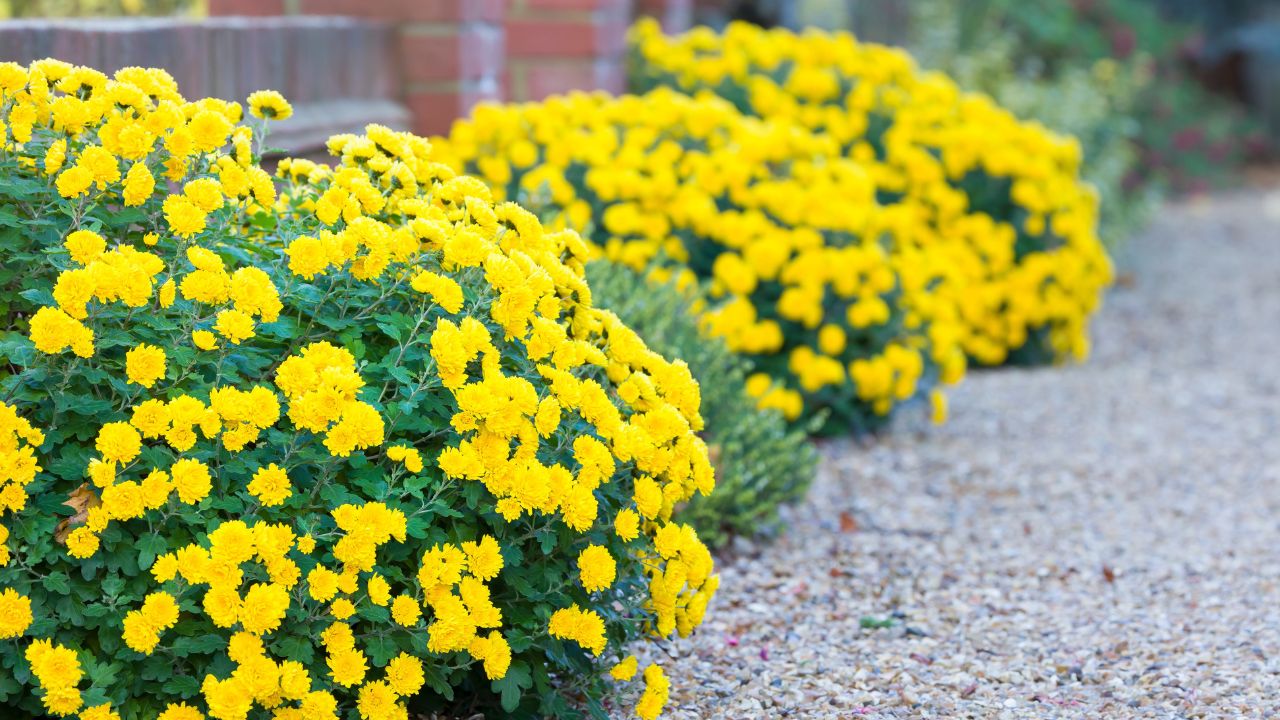
Image Credit: Shutterstock.
Where you place your mums has a significant impact on how long their flowers last. Mums need at least six hours of sun per day to set their buds, but once those buds have formed and started to open, intense, direct sunlight can actually shorten the life of the blooms. The heat from the sun can stress the plant and cause the flowers to fade more quickly.
For the longest-lasting display, place your blooming mums in a location that receives bright, indirect light or morning sun with afternoon shade. A covered front porch, a patio with an overhang, or a spot under the canopy of a large tree are all excellent choices (along with these companion plants). These locations not only protect the plant from the harsh afternoon sun but also shield it from heavy rains that can damage the flowers.
Quick Tips:
- Morning Sun is Best: A spot with a few hours of gentle morning sun will keep the plant happy without scorching the blooms.
- Protect from Wind: Shelter your mums from strong winds, which can dry them out rapidly and break stems.
- Consider Pet Safety: Mums are toxic to dogs, cats, and horses, so place them in an area your pets cannot easily access.
5. Deadhead Diligently

Image Credit: Shutterstock.
Deadheading, or the practice of removing spent flowers, is a simple chore that pays huge dividends. When a flower starts to fade, the plant begins to divert its energy into producing seeds. By snipping off these old blooms, you signal the plant to redirect that energy back into creating new buds and flowers.
This process not only encourages a second or even third wave of blooms but also keeps the plant looking tidy and fresh. Dead flowers can attract pests and become a site for fungal diseases. You can use a small pair of snips or simply pinch off the faded blossoms with your fingers.
Quick Tips:
- Be Precise: Snip the dead flower head all the way down to the next set of healthy leaves. New buds are often hiding just below the old ones.
- Make it a Habit: Check your plants for spent blooms every few days to stay on top of the task.
- Look Underneath: As you remove the old layer of flowers, you’ll often reveal a fresh set of buds ready to pop.
6. Protect from Frost
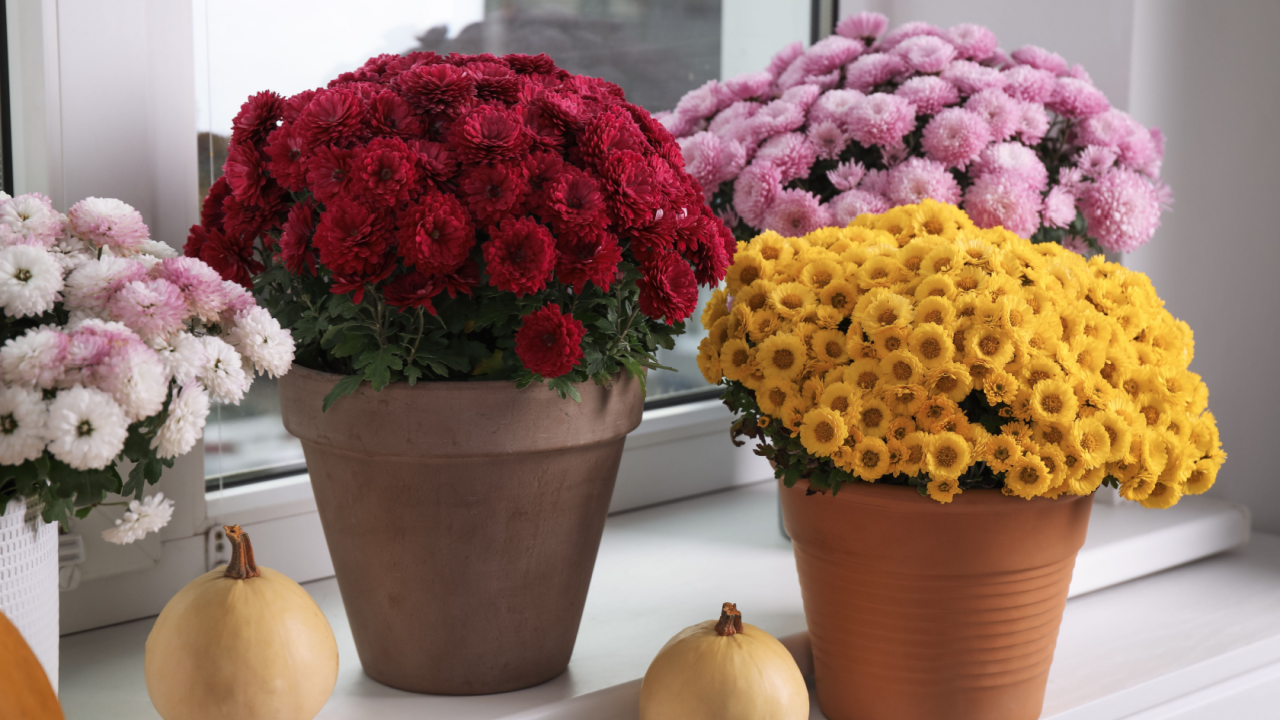
Image Credit: Shutterstock.
While mums are known as a hardy fall flower, a hard freeze can still damage or kill the plant, especially those in containers. A light, early-season frost usually won’t kill a hardy mum, but it can damage the open flowers. To protect your beautiful display, keep an eye on the weather forecast.
If a hard freeze is predicted, you have a couple of options. The easiest is to simply move your potted mums into a garage, shed, or unheated porch overnight. If your mums are planted in the ground or are too heavy to move, you can cover them with a blanket, sheet, or burlap. This will trap warmth from the ground and protect the plant from the freezing air.
Quick Tips:
- Cover Before Sunset: Drape the cover over your plants before the sun goes down to trap the day’s warmth.
- Remove in the Morning: Uncover your plants in the morning so they can get the sunlight they need.
- Move Potted Plants: Bringing containers indoors provides the best protection from a deep freeze.
7. Give Them Room to Breathe

Image Credit: Shutterstock.
Good air circulation is key to preventing common fungal diseases like powdery mildew, which can weaken the plant and ruin its appearance. When you buy mums, they are often packed tightly together, creating a humid environment that is perfect for disease.
When arranging your mums on a porch or planting them in the garden, give each plant enough space so that air can move freely around it. If you’re creating a large container arrangement, avoid cramming too many plants into one pot. Proper spacing allows the foliage to dry more quickly after watering or rain, making it harder for fungal spores to take hold.
Quick Tips:
- Space Accordingly: Leave several inches between potted mums in a display.
- Check for Disease: At the first sign of a white, powdery coating on leaves, remove the affected foliage to prevent it from spreading.
- Water at the Base: Watering the soil directly, not the leaves, also helps prevent fungal issues.
8. Don’t Fertilize in the Fall

Image Credit: Shutterstock.com.
While it may seem like a good idea to give your mums a boost of fertilizer to encourage more blooms, you should resist the urge. The mums you buy in the fall have already been given all the nutrients they need by the grower to produce their flowers.
Adding more fertilizer at this stage will not result in more blooms. Instead, it will encourage the plant to produce more leafy growth at the expense of its flowers. Save the fertilizer for the spring if you decide to overwinter your mums and plant them in the garden.
Quick Tips:
- Focus on Water: Consistent moisture is far more important for fall bloom longevity than feeding.
- Let the Plant Work: The plant has already stored the energy it needs to flower. Your job is to help it conserve that energy.
- Spring Feeding: If your hardy mums survive the winter, you can give them a balanced fertilizer in the spring to promote healthy growth.
9. Choose the Right Mum Type
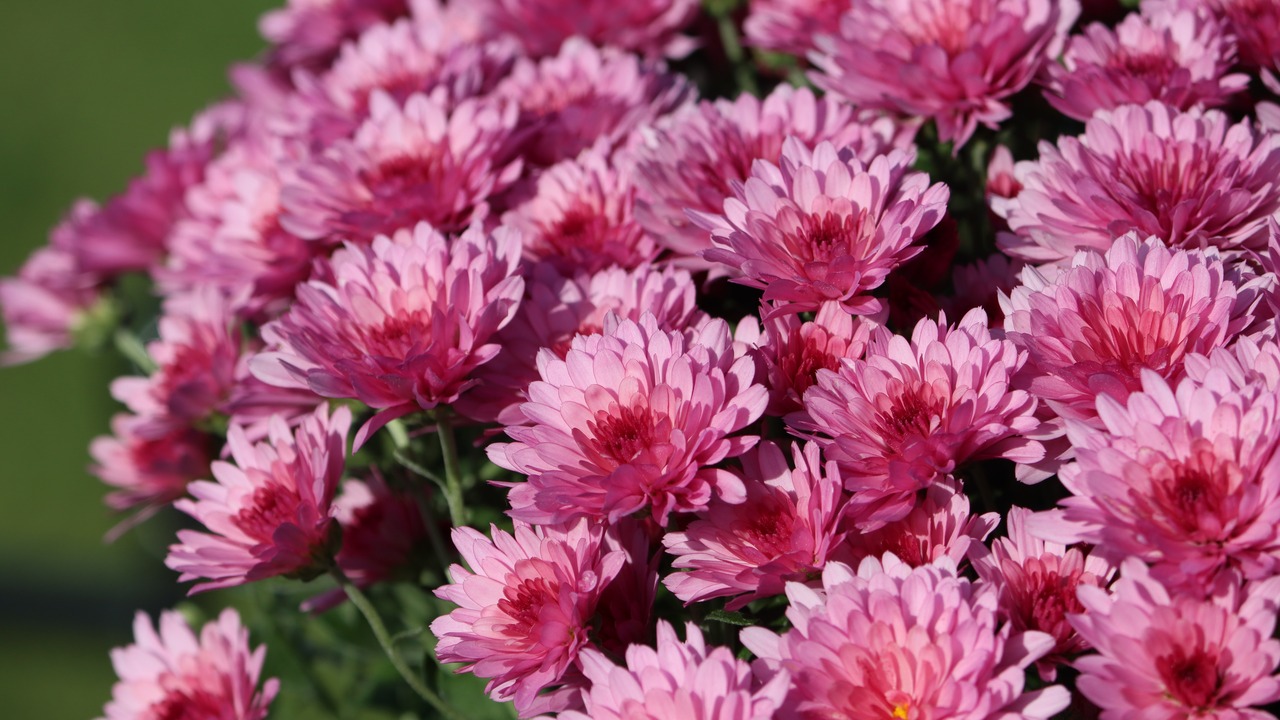
Image Credit: Shutterstock.
Not all mums are created equal. The two main categories you’ll encounter are florist mums and hardy (or garden) mums. Florist mums are bred for their large, showy, and often intricate flowers. However, they are typically treated as annuals because their root systems are not robust enough to survive cold winters.
Hardy mums, on the other hand, are perennials bred to withstand colder temperatures. They produce underground runners called stolons, which help them survive the winter and spread. If you want a plant that you can enjoy this fall and then add to your garden for years to come, make sure you are buying a hardy mum.
Quick Tips:
- Check the Label: Most nurseries will label their mums as either florist or hardy/garden varieties.
- Look for Sturdiness: Hardy mums often have a more robust, woody base compared to the softer stems of florist mums.
- Plan for the Future: If you hope to plant your mums in the garden, buying a hardy variety is a must.
10. Prepare Them for Winter
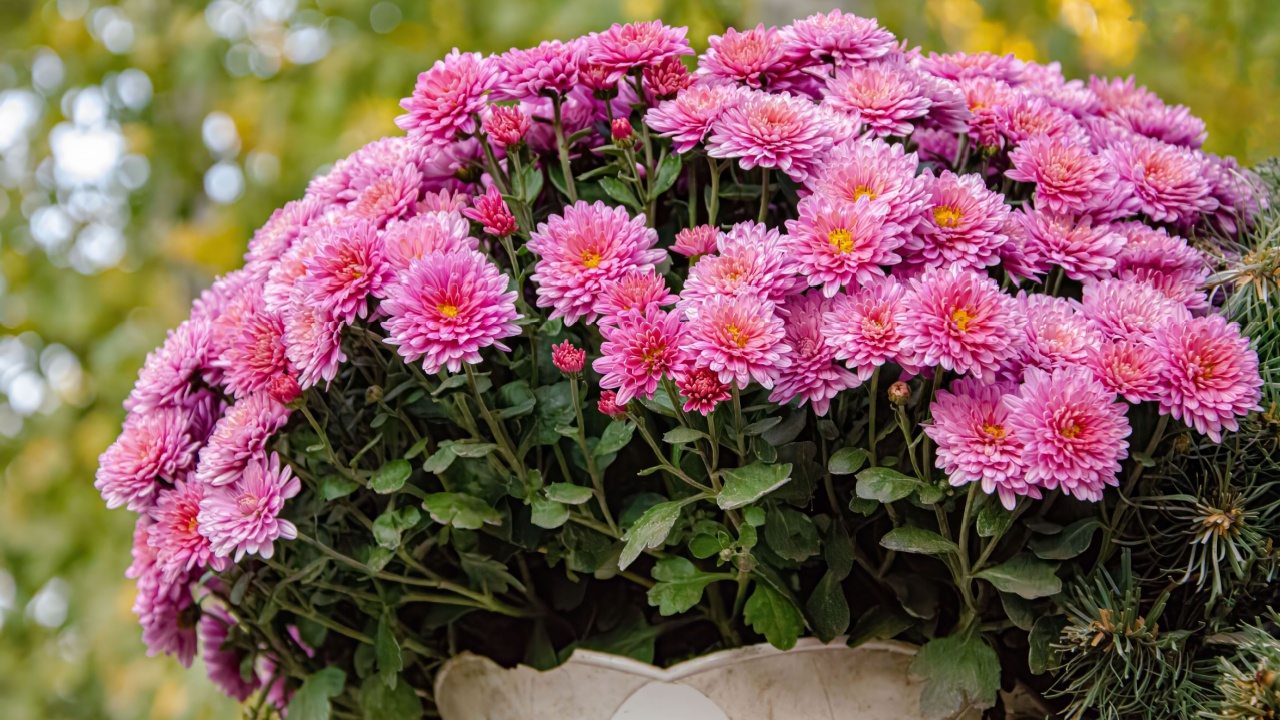
Image Credit: Shutterstock.com.
If you’ve chosen hardy mums, you can give them a chance to return next year with a little end-of-season care. Once the plant has finished blooming and the foliage has been killed back by a few hard frosts, it’s time to prepare it for winter dormancy.
For mums in the ground, resist the urge to cut back the dead stems. Leaving the brown foliage in place over the winter helps protect the plant’s crown from harsh weather. After the ground freezes, apply a thick layer of mulch (such as straw or shredded leaves) around the base of the plant for extra insulation. For potted mums, you can either plant them in the ground in a protected spot or move the pot to an unheated garage or shed for the winter.
Quick Tips:
- Don’t Prune in Fall: Wait until early spring to cut back the old stems to about 2-4 inches from the ground.
- Mulch After Freeze: Applying mulch too early can trap moisture and lead to rot.
- Water Potted Mums Sparingly: Potted mums in winter storage only need to be watered lightly about once a month to keep the roots from drying out completely.
Encouraging a Beautiful Fall Garden
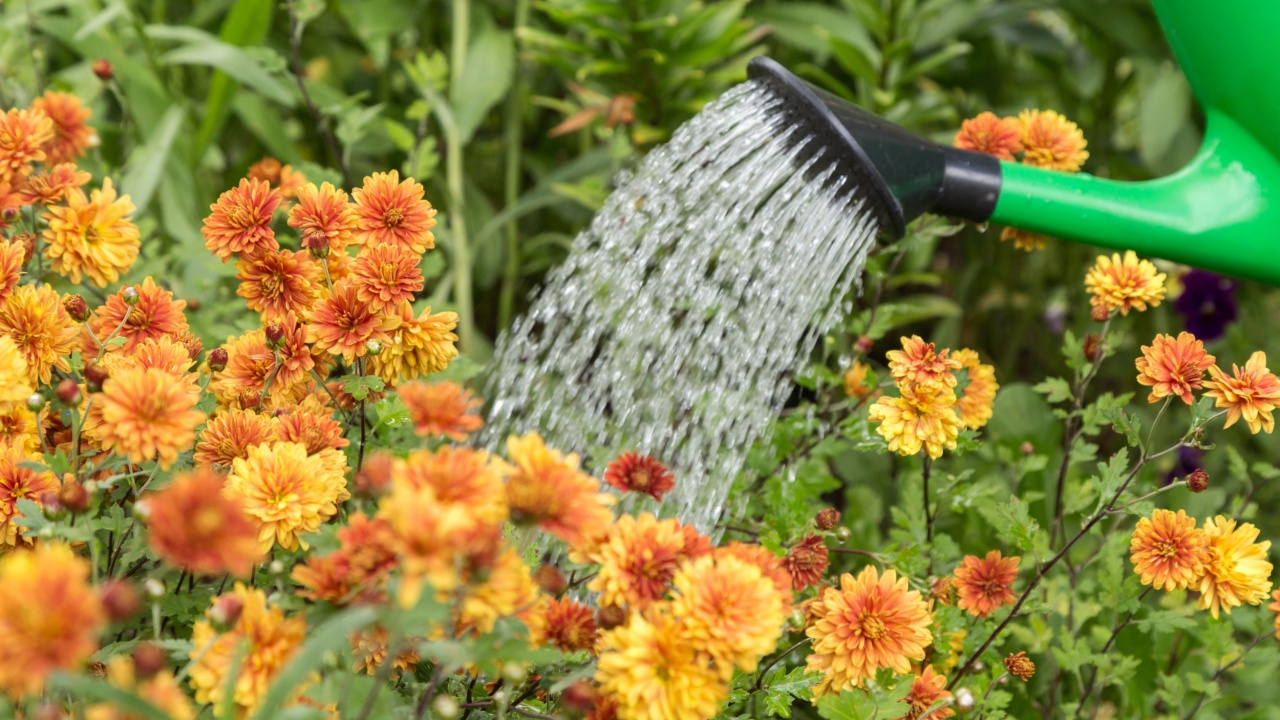
Image Credit: Shutterstock.
Now that you’re armed with these secrets, you’re ready to make your autumn display the most vibrant and long-lasting one yet. The next time you visit a garden center, you can confidently select the best plants and give them the care they need to thrive.
Start by repotting your new mums into larger containers and finding that perfect spot with morning sun. Make daily watering and weekly deadheading part of your routine. Watch how these small actions transform your experience with what is truly a spectacular fall flower. We’d love to see your beautiful mums, so feel free to share photos of your autumn porch or garden.