
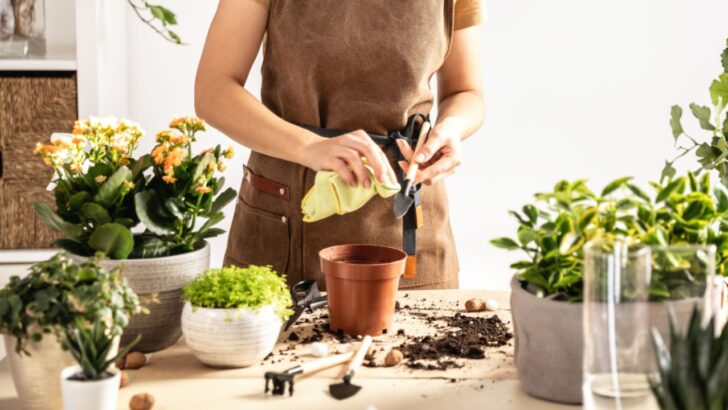
Opening the garden shed often reveals a collection of tools that have seen better days. That orange-brown coating of oxidation might look like the end of the line for a favorite trowel or pair of shears, but throwing them away is unnecessary. Restoring vintage or neglected equipment saves money and keeps quality metal out of the landfill. With a few household items and a bit of elbow grease, those trusty implements can return to their former glory.
Here are five effective methods to banish rust and extend the life of gardening equipment.
1. The White Vinegar Soak
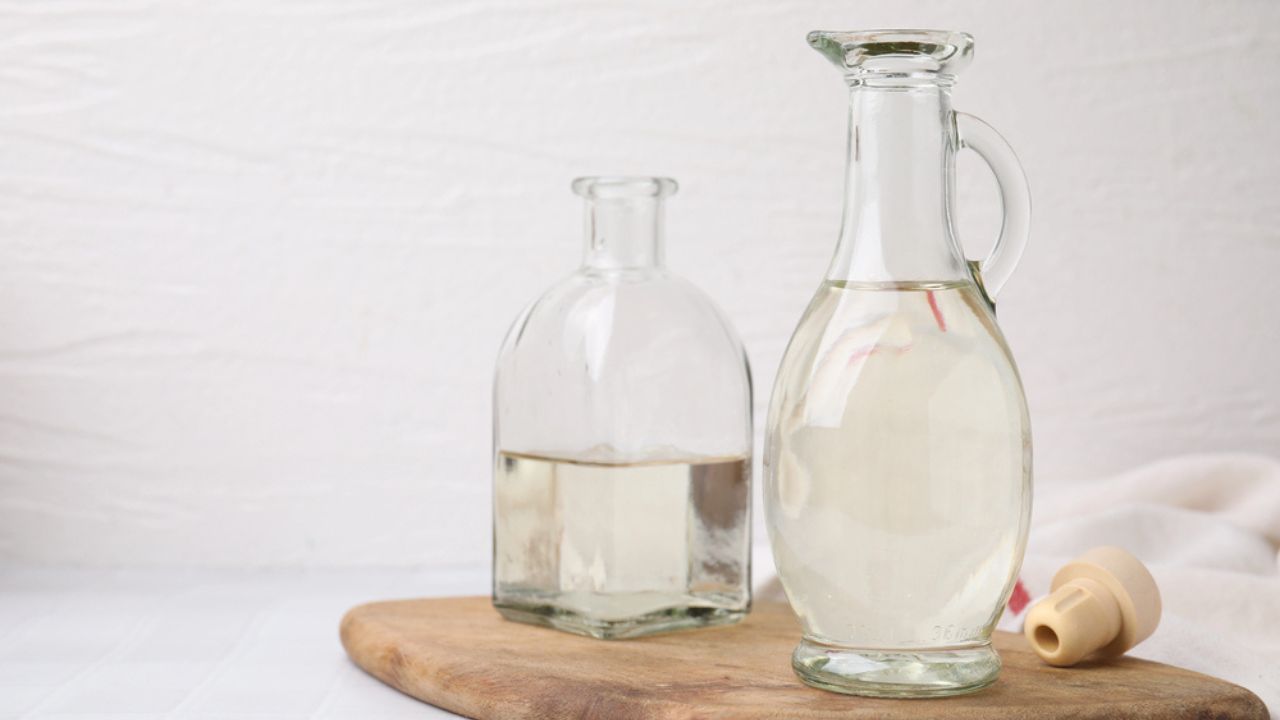
Image Credit: Deposit Photos.
Vinegar serves as a powerhouse in the world of DIY cleaning, and its acetic acid content makes it perfect for dissolving rust. This method requires minimal active effort, making it ideal for gardeners who prefer to let chemistry do the heavy lifting.
Why it works: The acid chemically reacts with the rust, loosening it from the metal surface so it can be wiped away easily.
How to do it: Soak rusty tools in white vinegar for 24 hours. For larger items, wrap them in a vinegar-soaked cloth and place them in a plastic bag. Afterward, scrub with a scouring pad to remove the loosened rust.
2. Baking Soda Paste
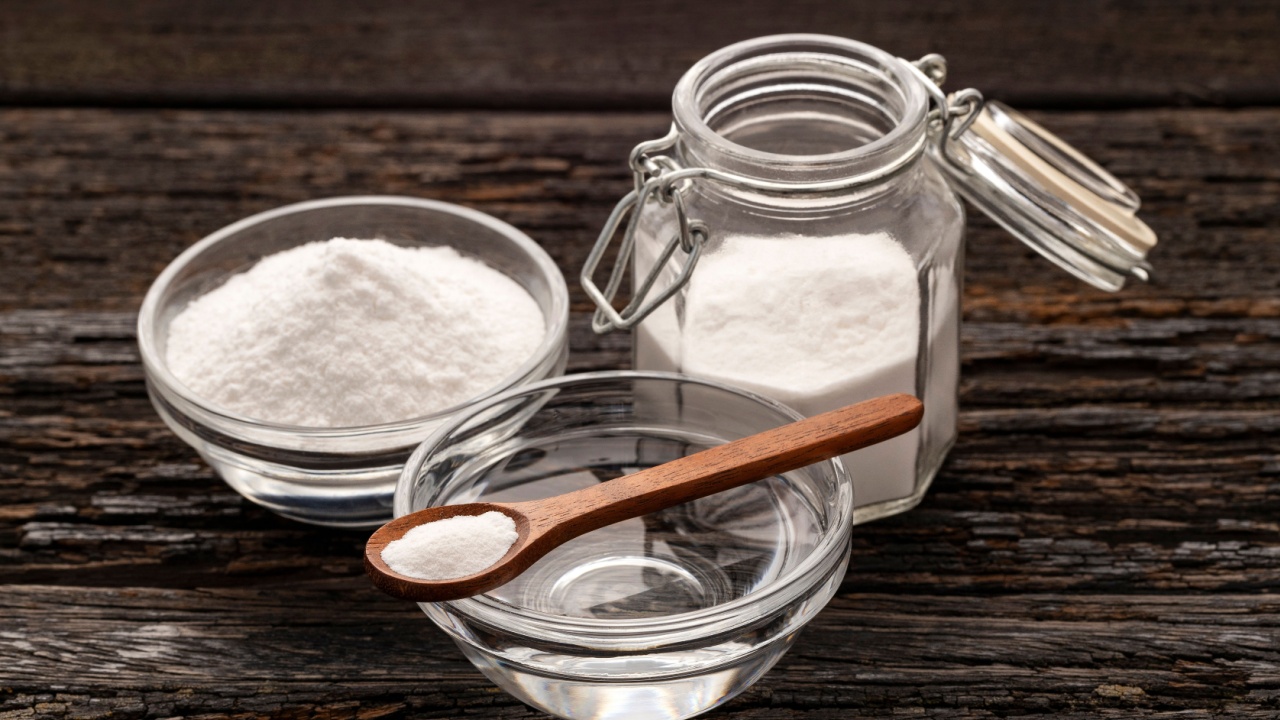
Image Credit: Shutterstock.
For tools that have only a light dusting of rust or for specific spots that need attention, baking soda offers a less aggressive solution than an acid bath. It functions as a mild abrasive that scrubs away oxidation without scratching the steel underneath.
Why it works: The alkaline nature of baking soda interacts with the rust, while the gritty texture provides mechanical friction to lift it off.
How to do it: Mix baking soda with water to make a paste, apply to rust, let sit for 1-2 hours, then scrub with a brush until the metal shines.
3. Strong Black Tea
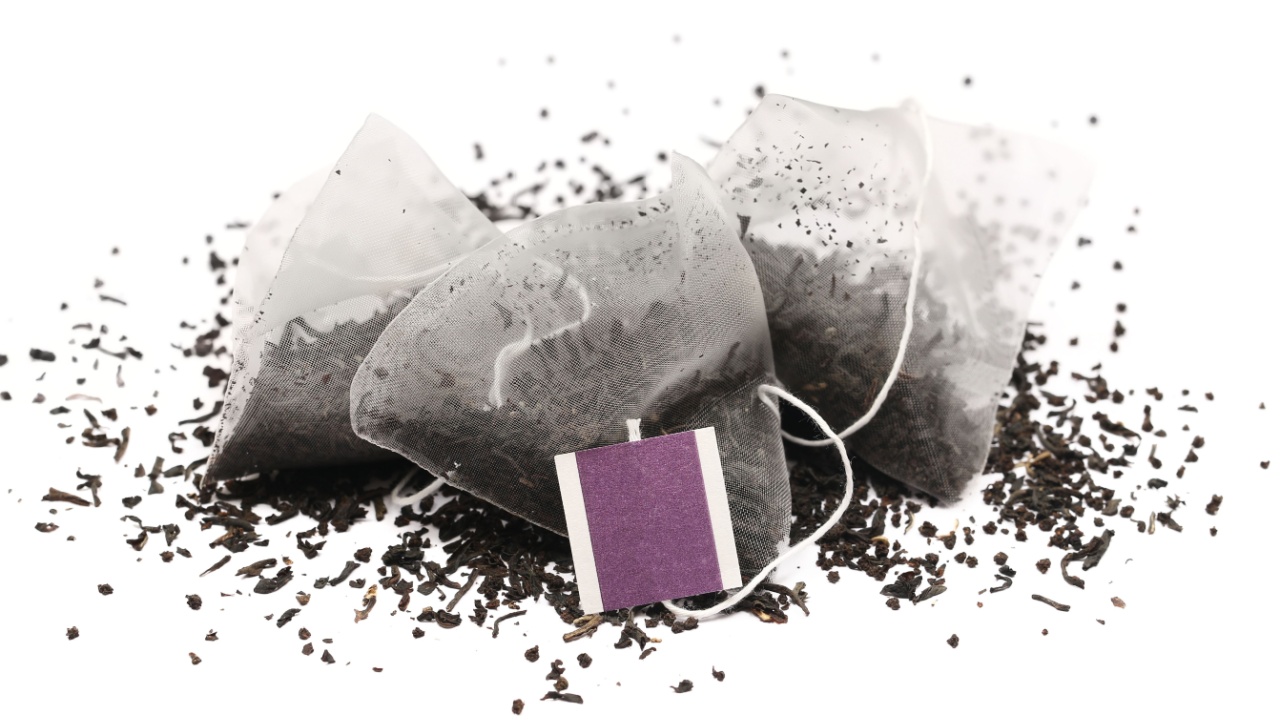
Image Credit: Shutterstock.
It might sound surprising, but the beverage cabinet holds a potent rust remover. Black tea contains tannins, which are natural organic substances that can bind to rust and convert it into a stable, dark coating that is easy to scrub off.
Why it works: The chemical reaction between tannins and iron oxide separates the rust from the tool.
How to do it: Brew strong black tea (no milk or sugar), cool it, and soak the tools for several hours. They’ll darken as the reaction occurs. Remove and scrub clean.
4. Lemon Juice and Salt
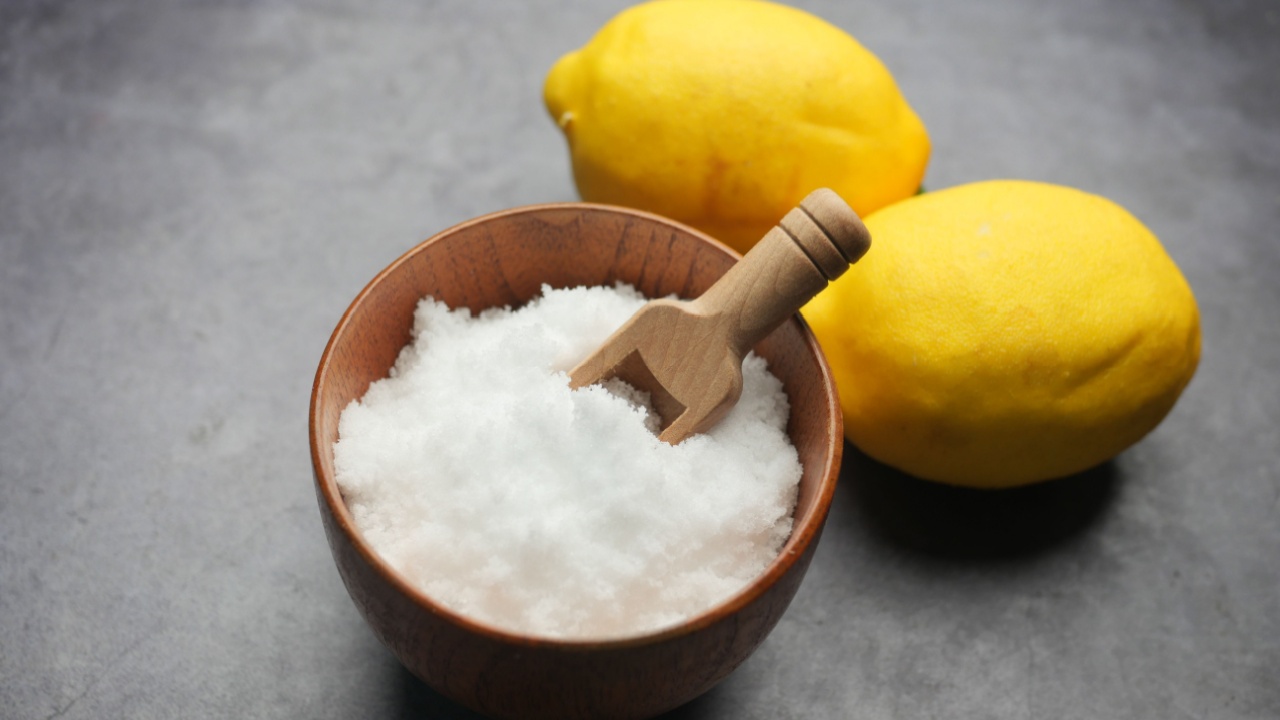
Image Credit: Shutterstock.
This combination creates a powerful chemical reaction that is slightly more aggressive than vinegar but acts faster. The salt acts as a buffer and an abrasive, while the citric acid attacks the corrosion.
Why it works: The acidity of the lemon breaks down the rust structure, while the salt provides the grit needed to scour it away.
How to do it: Squeeze fresh lemon juice over the rusty spots and sprinkle generously with coarse salt. Let the mixture sit for about two hours. Use the rind of the lemon to scrub the surface before rinsing with water.
5. The Potato and Dish Soap Hack

Image Credit: Shutterstock.
Using a potato to clean metal sounds like a myth, but it is actually based on sound science. Potatoes contain oxalic acid, a common ingredient in commercial cleaning products.
Why it works: The oxalic acid helps dissolve the rust, and the moisture in the potato keeps the reaction active while you scrub.
How to do it: Cut a potato in half. Dip the cut end into dish soap or baking soda. Rub the potato over the rusty surface like a sponge. As the surface of the potato gets slick or dirty, slice off a thin layer and continue scrubbing.
Rust Be Gone: Protecting and Preserving Your Tools
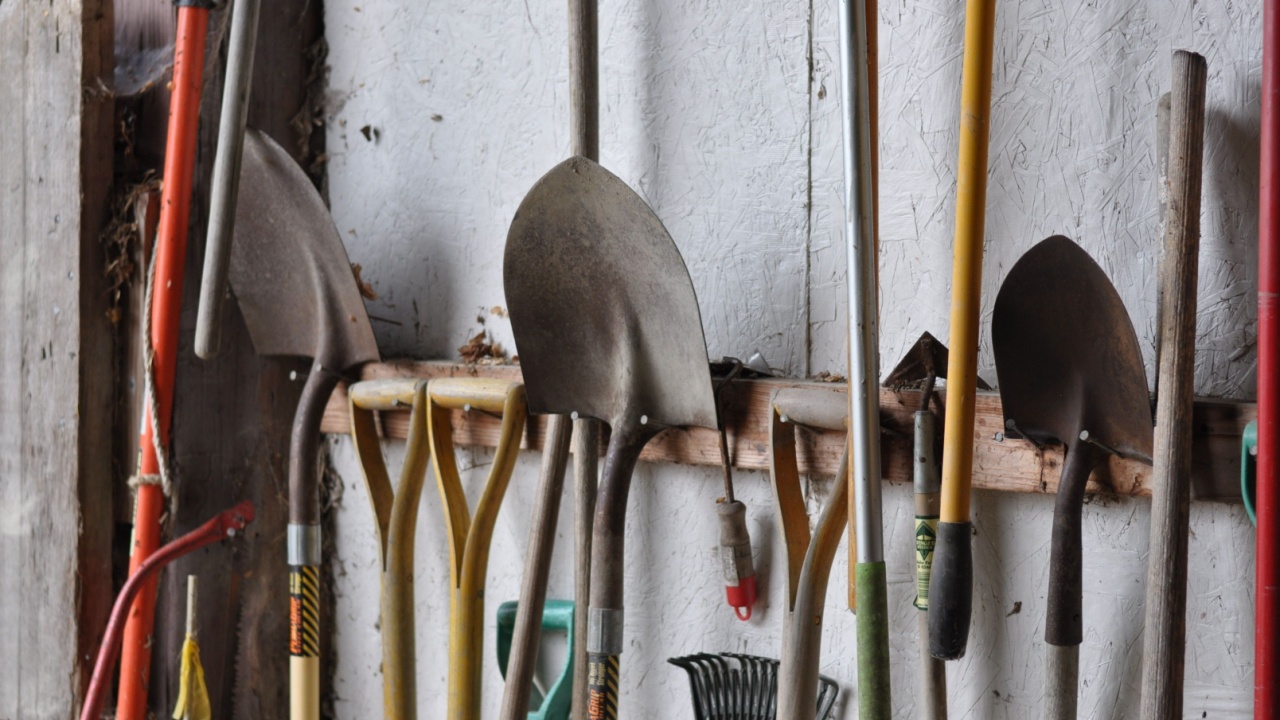
Image Credit: Shutterstock.
Once the rust is gone, the metal is exposed and vulnerable to the elements again. The final, critical step in any restoration project is protection. Rinse the tools thoroughly to remove any cleaning agents and dry them completely with a rag. Moisture is the enemy here.
After drying, apply a coat of lubricating oil, linseed oil, or even vegetable oil to the metal. This barrier prevents oxygen and moisture from reaching the steel, stopping rust before it starts. For tools with wooden handles, sand down any rough spots and rub in linseed oil to prevent cracking.