
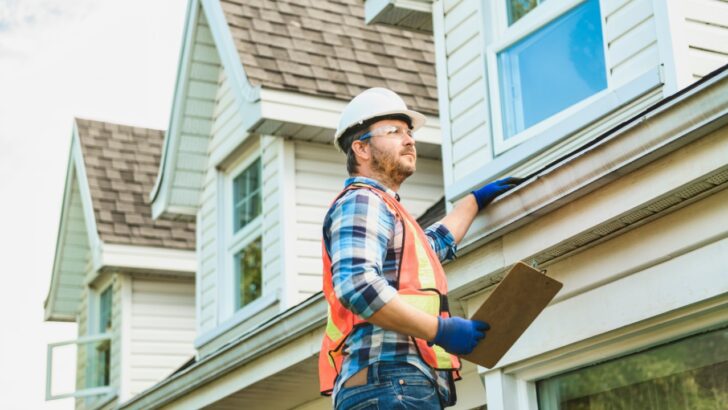
The excitement of finding your dream home can quickly turn into a nightmare when the home inspection reveals unexpected issues. These aren’t always major structural problems, but often overlooked details that can make or break a dream deal.
From faulty wiring hiding behind walls to a roof that’s seen better days, these issues can have a massive effect on the value and safety of a property. Whether you’re a buyer hoping to avoid a money drain or a seller aiming for a smooth transaction, understanding these potential issues and how to address them is vital.
We’ll consider 15 culprits that often lead to home inspection failures, shared by online home experts (such as realtors and home inspectors themselves). Educating yourself with this knowledge will not only help you navigate the inspection process with confidence but also make informed decisions about your real estate investment.
1. Faulty Wiring

Image Credit: Depositphotos.com.
Behind those pristine walls, faulty wiring can be a silent menace. Outdated electrical systems, improper grounding, or DIY wiring attempts are red flags for home inspectors. These issues not only increase the risk of electrical fires but can also disrupt the functionality of your appliances and electronics.
If the inspection reveals faulty wiring, don’t panic. A licensed electrician can assess the extent of the problem and recommend appropriate solutions, ensuring your home is both safe and up to code.
2. Plumbing Leaks
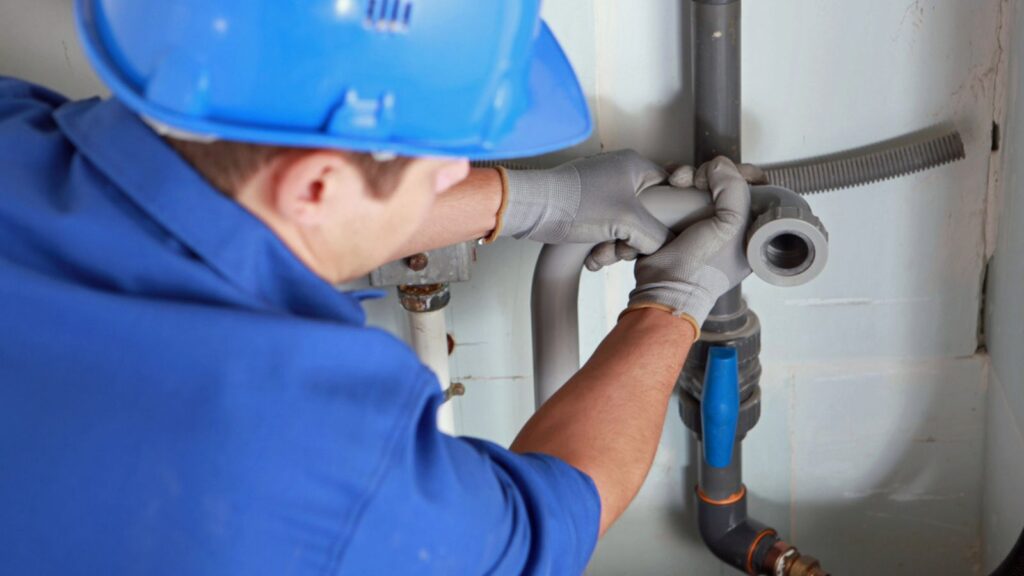
Image Credit: Depositphotos.com.
Water leaks, often dismissed as minor inconveniences, can wreak havoc on your home’s structure and your wallet. A leaky pipe hidden behind a wall or under the floor can lead to mold growth, wood rot, and even foundation damage.
Home inspectors are trained to spot the telltale signs of leaks, such as water stains, warped flooring, and musty odors. Addressing these leaks promptly can prevent costly repairs down the road.
3. Roof Damage

Image Credit: Depositphotos.com.
Your roof is your home’s first line of defense against the elements. Missing shingles, cracked tiles, or leaks can quickly escalate into major problems, including water damage, mold, and compromised insulation.
A thorough roof inspection can identify these issues early on. Depending on the extent of the damage, repairs may involve simple patching or a complete roof replacement.
4. Foundation Issues
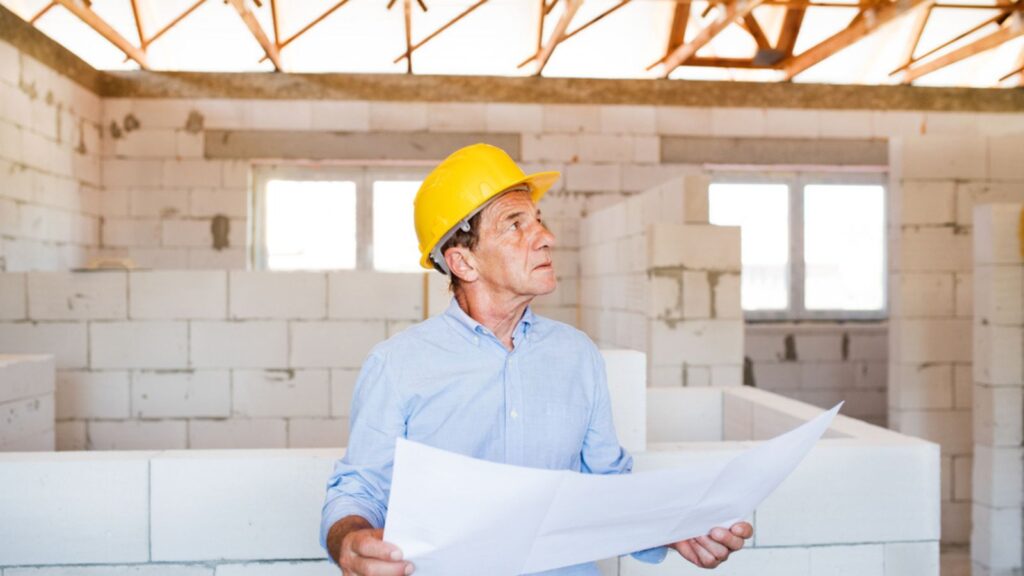
Image Credit: Depositphotos.com.
The foundation is the backbone of your home, providing stability and support. Cracks, settling, or other signs of foundation problems can indicate serious structural issues that require immediate attention.
A home inspector will carefully assess the foundation for any clues to underlying issues. If anything is detected, a structural engineer may be needed to evaluate the extent of the damage and recommend appropriate solutions.
5. Inadequate Ventilation

Image Credit: Depositphotos.com.
Proper ventilation is essential for maintaining a healthy and comfortable living environment. Poorly ventilated areas, such as attics, crawl spaces, and bathrooms, can become breeding grounds for mold and mildew, leading to respiratory problems and other health concerns.
During the inspection, the inspector will check for adequate airflow and ventilation. Simple solutions like adding vents or exhaust fans can significantly improve air quality and prevent moisture buildup.
6. Grading and Drainage Woes

Image Credit: paulmaguire at Depositphotos.com.
The way your property slopes and how water drains away from the foundation can have a major impact on your home’s health. Improper grading can lead to water pooling around the foundation, causing cracks, leaks, and potential structural damage.
Inspectors will assess the grading and drainage around the house, looking for any signs of water accumulation. Solutions may involve regrading the land, installing French drains, or extending downspouts.
7. Poor Insulation

Image Credit: Depositphotos.com.
Insulation acts as a barrier, keeping your home warm in winter and cool in summer. Insufficient insulation can lead to drafty rooms, uneven temperatures, and skyrocketing energy bills.
A home inspector will check the insulation in the attic, walls, and floors. If it’s inadequate, adding or upgrading insulation can significantly improve energy efficiency and comfort.
8. Pest Infestation
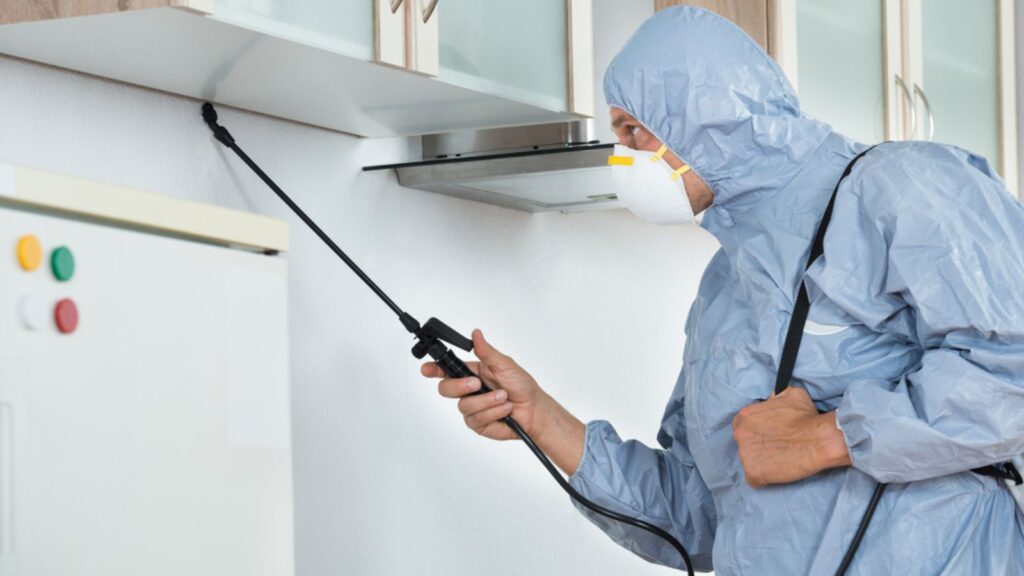
Image Credit: Depositphotos.com.
Termites, carpenter ants, rodents, and other pests can silently wreak havoc on your home’s structure and pose health risks to its occupants. They can chew through wood, wiring, and insulation, causing extensive damage.
Home inspectors are trained to detect signs of pest infestations, such as droppings, gnaw marks, and wood damage. If pests are found, professional extermination may be necessary to protect your home.
9. Water Heater Malfunctions
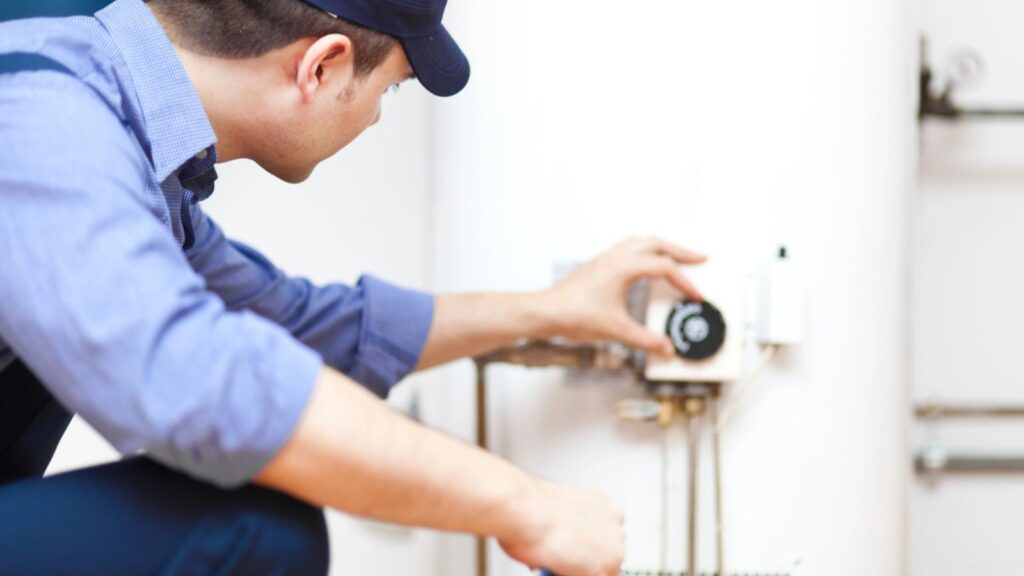
Image Credit: Depositphotos.com.
Your water heater is essential for daily tasks like showering, washing dishes, and doing laundry. But when it malfunctions, it can disrupt your routine and lead to costly repairs or replacements.
Inspectors will assess the water heater’s age, condition, and functionality. If it’s old, inefficient, or leaking, it may be time to consider upgrading to a newer, more energy-efficient model.
10. Improperly Installed Appliances
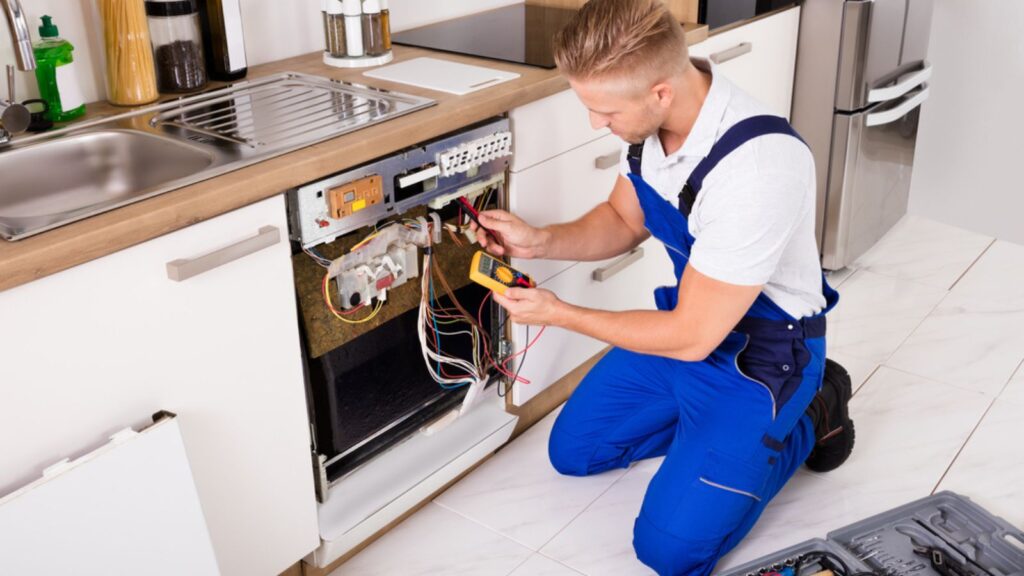
Image Credit: Depositphotos.com.
Appliances like ovens, stoves, and dishwashers need to be installed correctly to ensure safe and efficient operation. Improper installation can lead to leaks, electrical hazards, or even fires.
Inspectors will check for proper venting, electrical connections, and overall functionality of appliances. If issues are found, a qualified technician should be called in for repairs or adjustments.
11. Outdated Electrical Panels
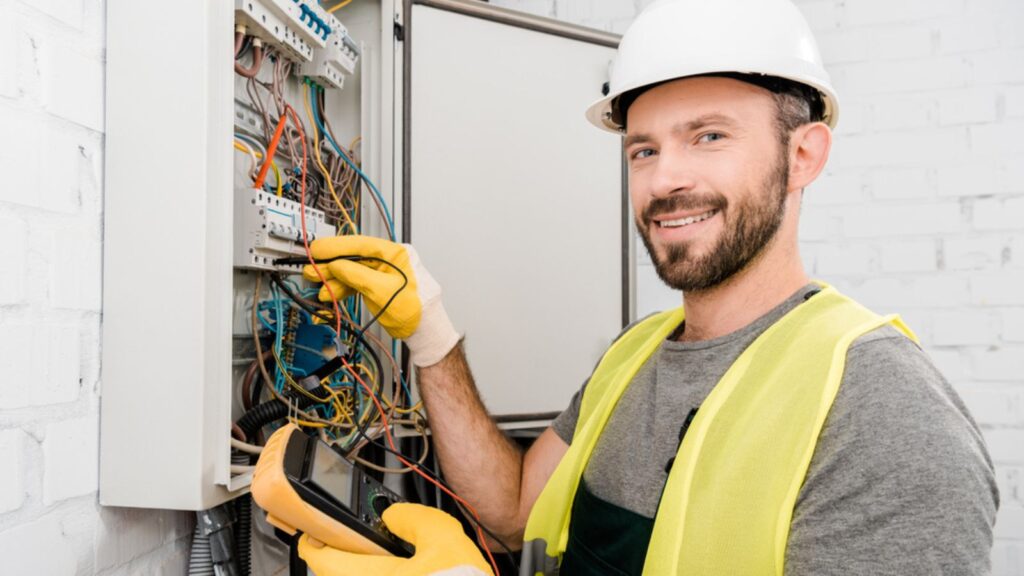
Image Credit: Depositphotos.com.
Outdated electrical panels are a common cause of home inspection failures. These panels may not be able to handle the electrical demands of modern appliances and electronics, increasing the risk of electrical fires.
An inspector will assess the age and condition of the electrical panel. If it’s outdated or shows signs of wear and tear, upgrading to a newer panel with modern safety features is essential.
12. Poorly Maintained HVAC Systems

Image Credit: Depositphotos.com.
Your heating, ventilation, and air conditioning (HVAC) system is responsible for keeping your home comfortable year-round. A neglected HVAC system can lead to poor air quality, uneven heating and cooling, and costly energy bills.
Inspectors will examine the HVAC system’s components, including the furnace, air conditioner, ductwork, and thermostat. Regular maintenance and timely repairs can ensure optimal performance and energy efficiency.
13. Drafty Windows and Doors
Image Credit: Depositphotos.com.
Drafty windows and doors can significantly impact your home’s energy efficiency. They allow warm air to escape in winter and cool air to escape in summer, forcing your HVAC system to work harder and driving up energy costs.
Inspectors will check for drafts around windows and doors. Sealing or replacing drafty components can make your home more comfortable and reduce energy bills.
14. Damaged or Clogged Gutters

Image Credit: Depositphotos.com.
Gutters play a crucial role in directing rainwater away from your home’s foundation. Damaged, clogged, or improperly installed gutters can lead to water damage, basement flooding, and even foundation problems.
During the inspection, the inspector will check for any signs of damage or blockages in the gutters. Regular gutter cleaning and maintenance can prevent costly repairs down the line.
15. Fireplace and Chimney Hazards

Image Credit: Depositphotos.com.
Fireplaces and chimneys, while cozy and inviting, can pose serious risks if not properly maintained. Cracks, creosote buildup, or obstructions can lead to chimney fires or carbon monoxide poisoning.
A home inspector will examine the fireplace and chimney for any signs of damage or hazards. Regular cleaning and inspection by a certified chimney sweep are essential for safe operation.