
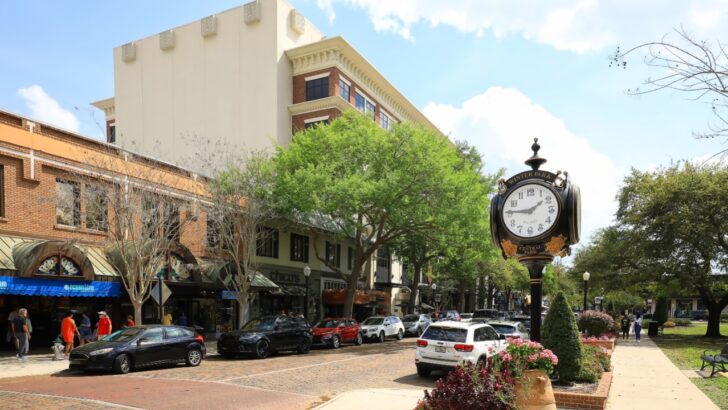
Florida’s reputation as a retirement oasis, with its sun-soaked beaches and temperate weather, has attracted a steady stream of retirees over the years, making it their new home. However, the Sunshine State may not be the haven it’s often made out to be for everyone. Beneath the surface of palm trees and golf courses lies a reality that many retirees may not be prepared for.
While Florida undoubtedly offers some appealing features, such as lower taxes and a more relaxed lifestyle, it also comes with its fair share of drawbacks. From extreme weather shifts and rising living costs to overpopulation and a lack of cultural diversity, the state presents challenges that can significantly impact the quality of life for some retirees.
Before you pack your bags and head south, consider these variables.
1. Extreme Weather
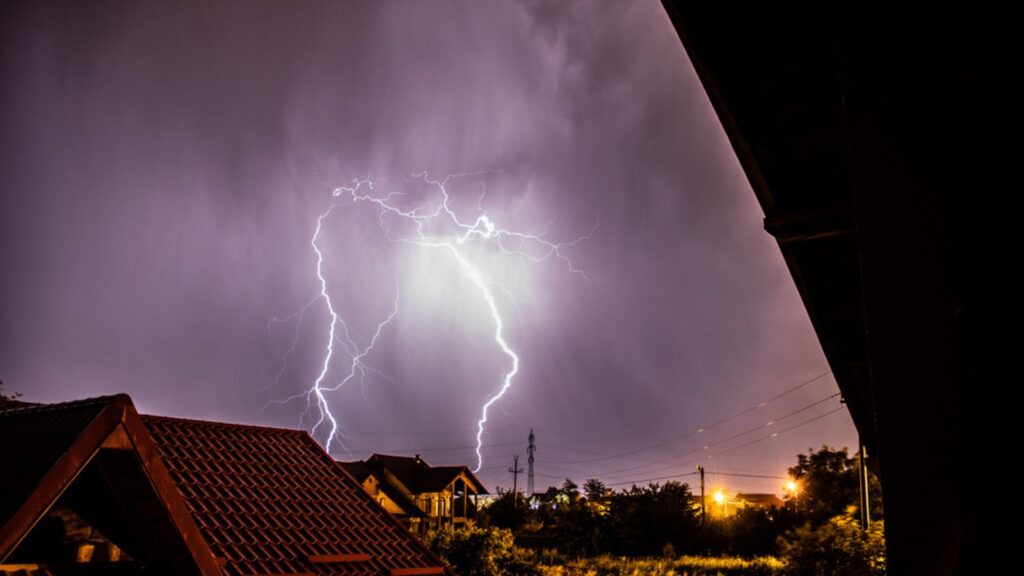
Image Credit: Deposit Photos.
Florida is known for its hurricanes, which can cause widespread damage and disruption to daily life. The hurricane season lasts from June to November, with peak activity occurring in August and September.
Retirees may find themselves dealing with the stress and financial burden of evacuations, property damage, and power outages. The risk of hurricanes can be a significant deterrent for those seeking a peaceful and secure retirement.
2. Insurance Costs

Image Credit: Deposit Photos.
Due to the frequent hurricanes and other natural disasters, property insurance rates in Florida are among the highest in the nation. This can strain retirees’ budgets, especially those on fixed incomes.
The average annual premium for homeowners’ insurance in Florida is nearly three times the national average. This additional expense can make it difficult for retirees to maintain their desired lifestyle.
3. Extreme Heat and Humidity

Image Credit: Deposit Photos.
Florida’s subtropical climate can be oppressive, especially during the summer months. The combination of high temperatures and humidity can make outdoor activities uncomfortable and even dangerous for the elderly.
Retirees with health conditions such as respiratory problems or heart disease may find the heat and humidity particularly challenging. This can limit their ability to enjoy outdoor activities and social events.
4. Sinkholes

Image Credit: Deposit Photos.
Florida’s unique geology makes it prone to sinkholes, which can cause significant property damage and pose a safety risk. Sinkholes can form suddenly and without warning, swallowing homes, cars, and even people.
Retirees who choose to live in Florida should be aware of the risk of sinkholes and take precautions to protect their property and themselves. This can include purchasing sinkhole insurance and being vigilant about any signs of ground instability.
5. Bugs and Other Pests

Image Credit: Deposit Photos.
Florida’s warm and humid climate provides an ideal breeding ground for a variety of insects and pests, including mosquitoes, cockroaches, termites, and even alligators. These pests can be a nuisance and even a health hazard for retirees.
Mosquitoes can carry diseases such as Zika and West Nile virus, while cockroaches and termites can cause damage to homes. Retirees may find themselves spending a significant amount of time and money on pest control measures.
6. Tourist Traffic

Image Credit: Deposit Photos.
Florida’s tourism industry, while a boon for the economy, can also be a major inconvenience for residents. According to Visit Florida’s tourism marketing agency, more than 100 million tourists visited Florida in 2023.
Retirees who value convenience and ease of travel may find Florida’s traffic frustrating and time-consuming. This can limit their ability to explore the state and enjoy its attractions.
7. Lack of Seasons

Image Credit: Deposit Photos.
While some may relish the year-round warmth, the absence of distinct seasons can be a downside for retirees who enjoy the changing foliage and cooler temperatures of fall and winter.
The lack of seasonal variation can make life feel monotonous and repetitive for some retirees. This can lead to a sense of boredom and a lack of novelty in their daily routines.
8. Lack of Public Transportation

Image Credit: Deposit Photos.
While some cities have public transportation options, much of Florida is car-dependent (like many places in the U.S.), which can be a challenge for retirees who no longer drive or prefer not to. This lack of accessible transportation can limit their independence and mobility.
Retirees who rely on public transportation may find it difficult to get around in Florida. This can make it challenging to access essential services like medical care, shopping, and social activities.
9. Higher Cost of Living Than Expected

Image Credit: Shutterstock.
While Florida doesn’t levy state income tax, other expenses can be surprisingly high. Groceries, healthcare, and housing costs in popular retirement areas can rival those of more expensive states.
Retirees on a fixed income may find it challenging to maintain their desired lifestyle in Florida without careful budgeting and financial planning. This could lead to downsizing or sacrificing certain comforts.
10. Low Rankings for Healthcare

Image Credit: Deposit Photos.
Despite having a large retiree population, Florida’s healthcare system often compares poorly with other states. This can be concerning for retirees with chronic conditions or those who anticipate needing extensive medical care.
Retirees may face challenges in finding quality specialists and accessing timely healthcare services. This can be a significant drawback for those prioritizing health and well-being in their retirement years.
11. Alligators and Other Wildlife Encounters
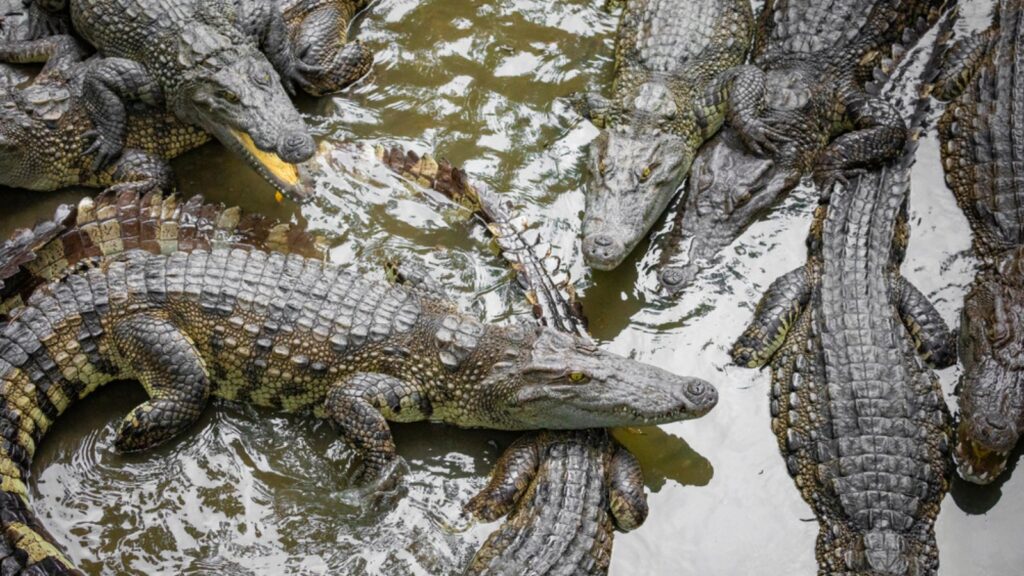
Image Credit: Deposit Photos.
Florida is home to a diverse range of wildlife, including alligators, snakes, and spiders, some of which can be dangerous. Encounters with these creatures can be a frightening experience for retirees, especially those unaccustomed to such wildlife.
Alligators are a common sight in Florida’s waterways, and while attacks are rare, they can be fatal. Retirees should exercise caution around bodies of water and be aware of their surroundings to avoid unexpected encounters.
12. Red Tide and Algae Blooms
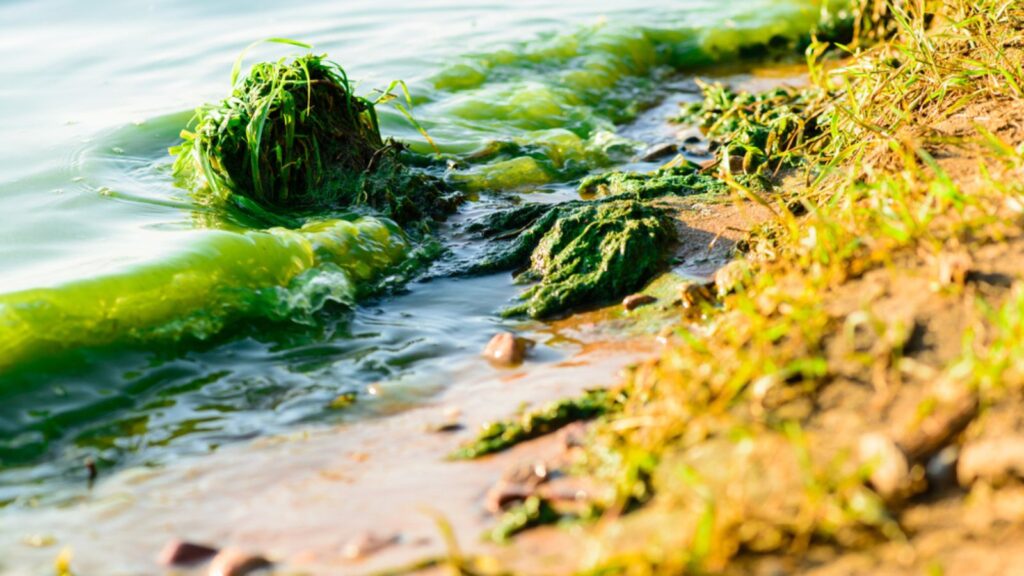
Image Credit: Deposit Photos.
Florida’s coastal waters are susceptible to harmful algal blooms, including red tide, which can cause respiratory irritation, mass fish die-offs, and beach closures. These blooms can significantly impact the quality of life for retirees who enjoy coastal activities.
Red tide blooms can release toxins into the air and water, causing coughing, wheezing, and other respiratory problems. This can be particularly problematic for retirees with pre-existing respiratory conditions.
13. Political Climate

Image Credit: Deposit Photos.
Florida’s political climate is often polarized and can be a source of tension and division. The state’s conservative leanings may not align with the views of all retirees, potentially leading to feelings of alienation or discomfort.
Retirees who hold progressive views may find themselves feeling out of place in Florida’s predominantly conservative political landscape. This can lead to difficulty finding like-minded individuals and engaging in meaningful political discourse.
14. Overdevelopment and Environmental Concerns
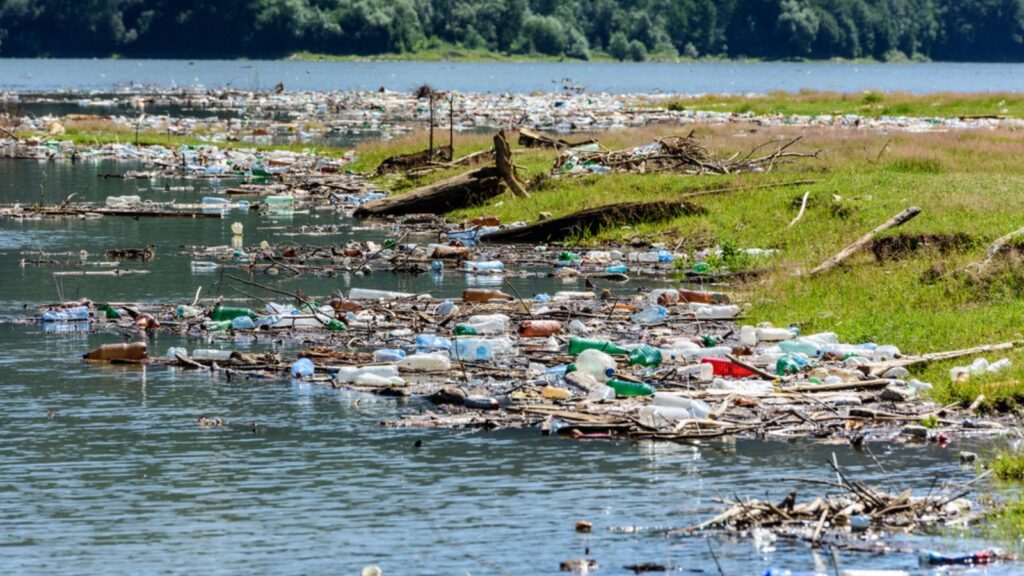
Image Credit: Deposit Photos.
Florida’s rapid development, especially in coastal areas, has led to environmental concerns such as water pollution, habitat destruction, and overfishing. This can detract from the state’s natural beauty and negatively impact the quality of life for retirees who value a healthy and sustainable environment.
The destruction of natural habitats can displace wildlife and disrupt ecosystems, leading to a loss of biodiversity. Water pollution can also affect the quality of beaches and recreational areas, limiting the enjoyment of outdoor activities for retirees.