
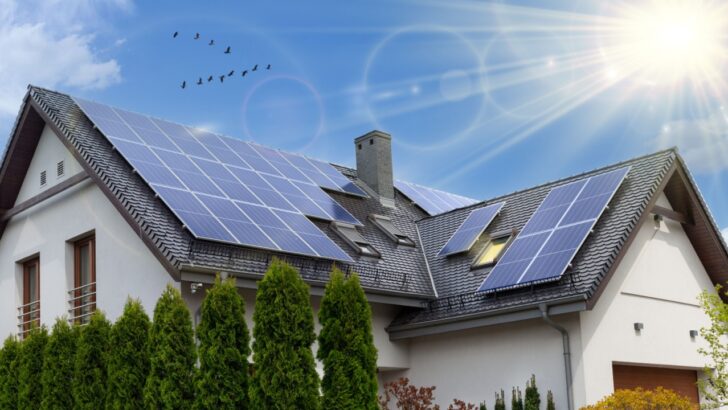
Switching to solar power is one of those ideas that sounds great in theory: cut down your energy bills, reduce your carbon footprint, and tap into the endless power of the sun. But the reality can feel a bit overwhelming. Between calculating your energy savings and understanding installation logistics, it’s easy to get lost in the weeds.
There’s a lot to consider. Will solar panels actually save you money? What about the upfront costs? And how do you find a reputable installer who isn’t just throwing buzzwords at you? Asking these questions early on can make the difference between a stress-free transition to solar and a frustrating experience that leaves you second-guessing your decision.
If you’re thinking about making the leap, you’re not alone. More homeowners are turning to solar energy every year, but it’s crucial to go in with your eyes wide open. To help you navigate the process, here are 14 essential questions you should ask before committing to installing solar panels. We collected these questions to ask based on our own in-depth research on solar panels from sites that actually sell and manage them.
1. How Much Will Solar Panels Cost Upfront?
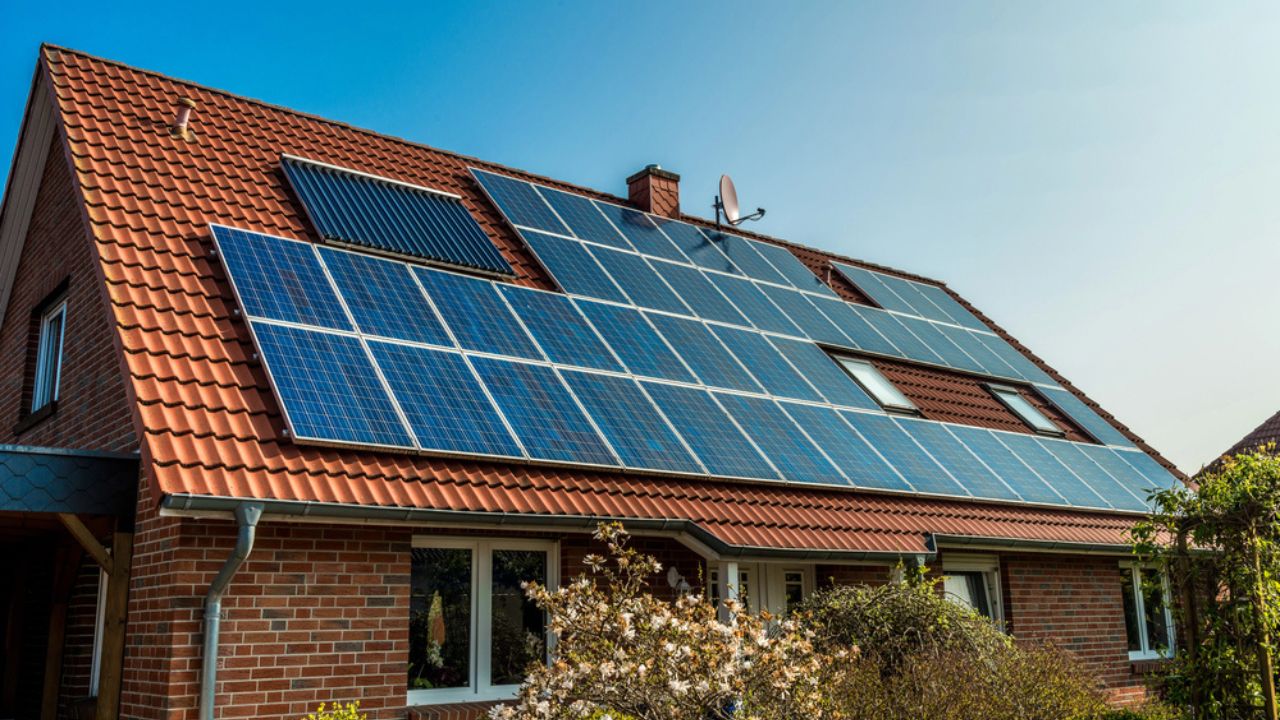
Image Credit: Depositphotos.com.
The initial cost of solar panels can be a big hurdle for many homeowners. Prices can range widely, depending on the size of the system, the type of panels you choose, and installation fees.
Ask for a detailed quote that breaks down equipment costs, labor, and any additional expenses. Many companies offer financing options or leases that can reduce the upfront cost, but make sure you understand the terms before signing anything.
2. What Are the Long-Term Savings?

Image Credit: Depositphotos.com.
Solar panels can significantly reduce your energy bills, but how much you save depends on factors like your electricity usage, local rates, and how much sunlight your area gets.
Request a personalized estimate of your potential savings over 5, 10, and 20 years. Be wary of overly optimistic projections—some companies may exaggerate to close the sale.
3. Are There Incentives or Tax Credits Available?

Image Credit: Depositphotos.com.
Federal, state, and local incentives can significantly lower the cost of going solar. For example, the federal solar tax credit currently allows you to deduct a percentage of your installation costs.
Research what’s available in your area and ask the installer if they assist with applying for these incentives. Taking advantage of credits and rebates can make a huge difference in affordability.
4. How Do Solar Panels Affect Home Value?

Image Credit: Shutterstock.
Solar panels often increase a home’s value, but this depends on where you live. In some areas, buyers are eager for energy-efficient homes, while in others, the added value might be minimal.
Check with a local real estate expert or look at comparable homes in your area to understand the impact on your property value. Keep in mind that leased panels may not carry the same appeal as owned systems.
5. How Long Will It Take to Break Even?

Image Credit: Shutterstock.
The “payback period” is the time it takes for your solar savings to equal the amount you spent on installation. This varies depending on your system’s cost, energy savings, and available incentives.
A typical payback period is between 6 and 12 years, but ask for a clear calculation based on your specific circumstances. The shorter the payback period, the quicker you’ll see a return on your investment.
6. What’s the Lifespan of the Panels?
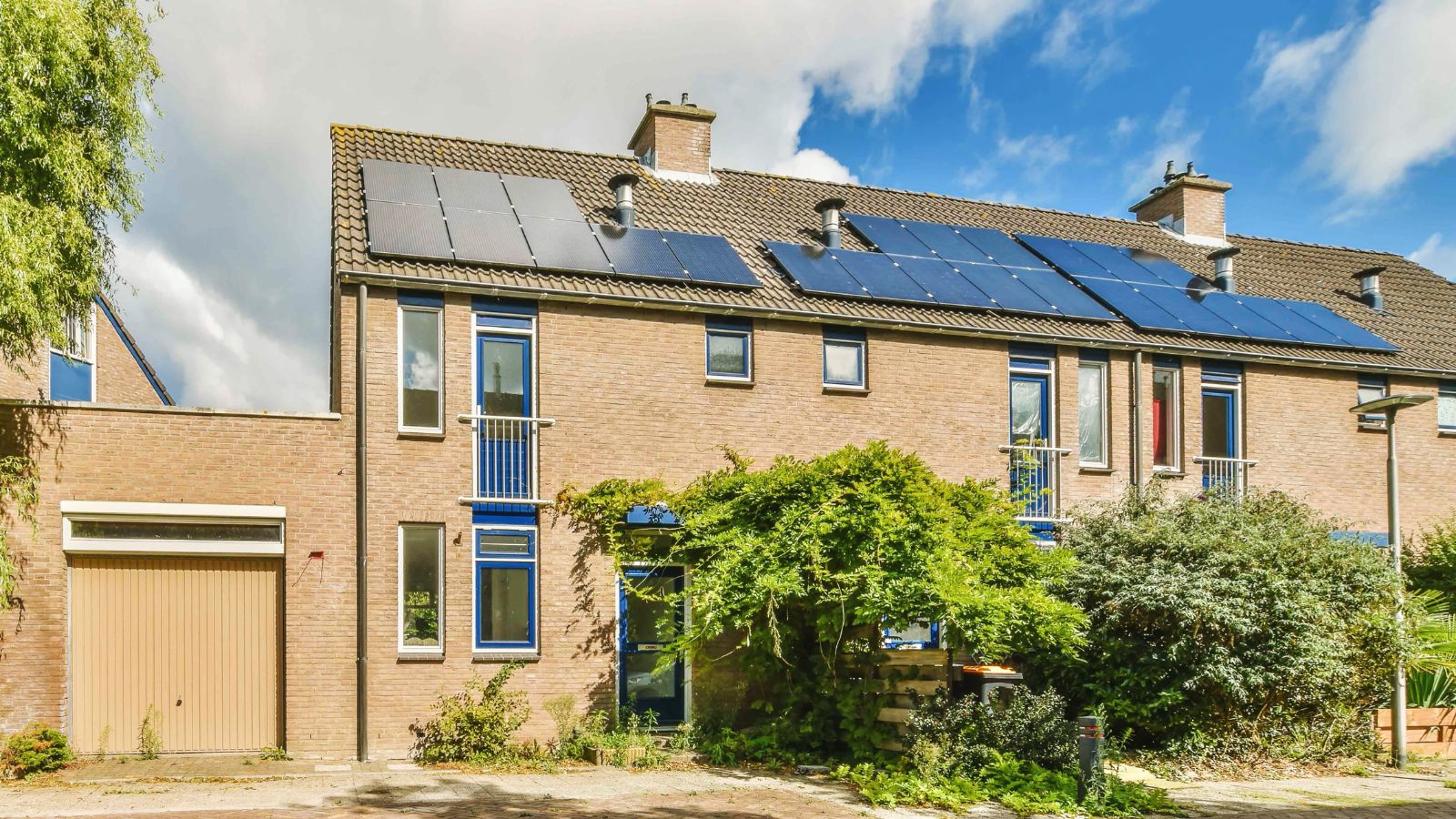
Image credit: YAY Images.
Solar panels generally last 25–30 years, but their efficiency may decrease slightly over time. This gradual reduction is known as the degradation rate.
Ask the installer for the expected lifespan and efficiency ratings of the panels they’re recommending. Reputable companies should also provide warranties to cover potential issues during this period.
7. What Maintenance Is Required?

Image Credit: Depositphotos.com.
Solar panels are relatively low-maintenance, but they’re not entirely hands-off. Dust, debris, and snow can impact performance, so occasional cleaning might be necessary.
Discuss maintenance needs with your installer and find out if they offer maintenance packages. Some warranties may include regular checkups to ensure optimal performance.
8. How Does My Roof’s Condition Affect Installation?
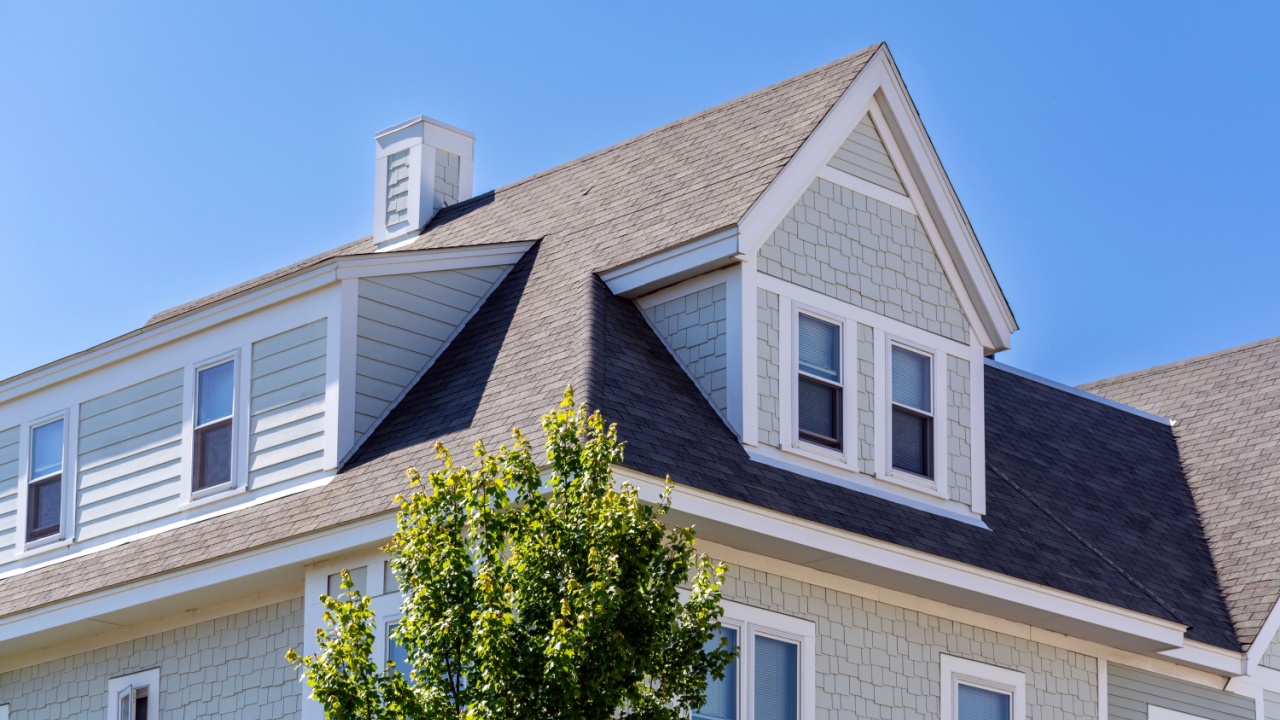
Image Credit: Shutterstock.
Your roof plays a crucial role in supporting solar panels, so its condition matters. An old or damaged roof may need repairs or replacement before installation.
Have your roof inspected before proceeding. Many companies will assess its suitability during the consultation, but it’s worth double-checking to avoid surprises later.
9. Do I Need a Battery Backup System?

Image Credit: Depositphotos.com.
Battery backups allow you to store excess energy for use during power outages or at night. While not essential, they can enhance your energy independence.
Discuss whether a battery system is right for your needs and budget. Keep in mind that adding one can increase your overall costs significantly.
10. What Happens During Cloudy Days or Winter?

Image Credit: Depositphotos.com.
Solar panels generate less electricity in low-light conditions, such as cloudy days or during winter months. However, they can still produce some energy.
Ask how your local weather patterns might affect energy production. Most systems are connected to the grid, so you’ll still have power even when production dips.
11. Is My Home in a Good Location for Solar?

Image Credit: Shutterstock.
Not every home is ideal for solar panels. Factors like roof orientation, shading from trees, and local climate can impact efficiency.
Have an expert evaluate your property to determine whether solar is a good fit. Companies that gloss over these details may not have your best interests at heart.
12. What Type of Panels Should I Choose?
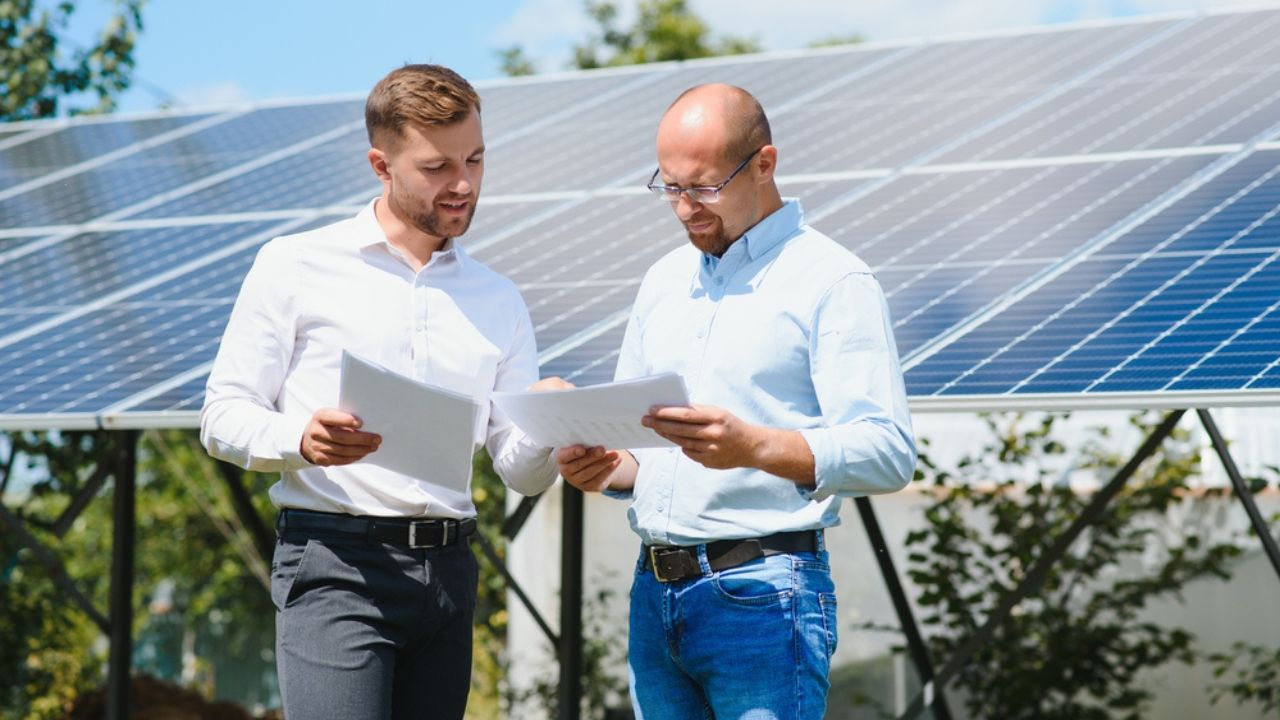
Image Credit: Depositphotos.com.
There are several types of solar panels, including monocrystalline, polycrystalline, and thin-film, each with its own pros and cons.
Ask your installer which type is best for your home and budget. Efficiency, durability, and appearance should all factor into your decision.
13. How Long Will Installation Take?

Image Credit: Depositphotos.com.
The installation timeline can vary depending on permits, inspections, and the size of your system. Most installations take 1–3 days once everything is ready.
Get a clear timeline from your installer and ask about potential delays. Knowing what to expect can help you plan accordingly.
14. What Permits Are Required?

Image Credit: Depositphotos.com.
Solar installations typically require permits to ensure they meet local building and electrical codes.
Ask if the company handles the permitting process on your behalf. Experienced installers should guide you through this step seamlessly.