
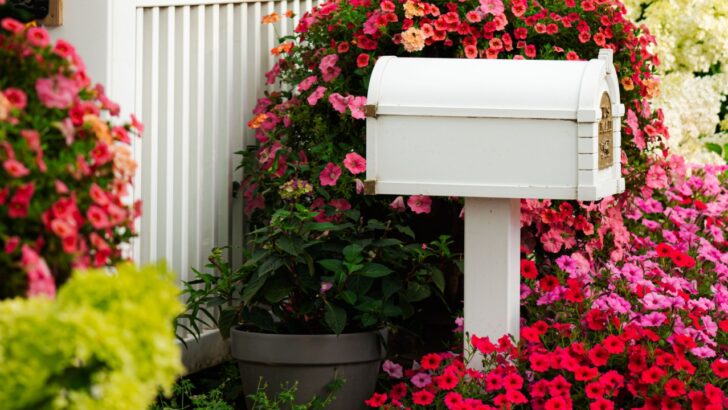
Your mailbox might be a functional necessity, but that doesn’t mean it has to be boring! With a splash of creativity and the right plants, you can turn this often-overlooked spot into a charming, vibrant feature of your front yard. Imagine colorful blooms or lush greenery welcoming visitors—and yes, even your mail carrier—with a cheerful pop of life.
The great thing about beautifying your mailbox area is that it doesn’t require a lot of effort. By choosing the right flowers, especially those known for being hardy and low-maintenance, you can enjoy a gorgeous display without needing a green thumb. Many of the best options thrive in full sun and require minimal upkeep, making them perfect for even the busiest gardeners.
From trailing vines to bursts of cheerful petals, these plants are sure to bring personality and charm to your yard. It’s a simple way to make your mailbox as attractive as the rest of your outdoor space.
Planning Your Mailbox Garden

Image Credit: Shutterstock.
Before you start planting, it’s important to do some planning for your mailbox garden. Consider the size and shape of your mailbox, as well as its surroundings. Is there enough space for a small flower bed around it? Will the plants have enough sun exposure? These are all factors to keep in mind when choosing which flowers to plant.
It’s also helpful to think about the overall aesthetic you want for your mailbox garden. Do you prefer bold colors or more subtle shades? Are you going for a wildflower look or something more structured and formal? These decisions will guide your plant choices and help create a cohesive look.
1. Salvia
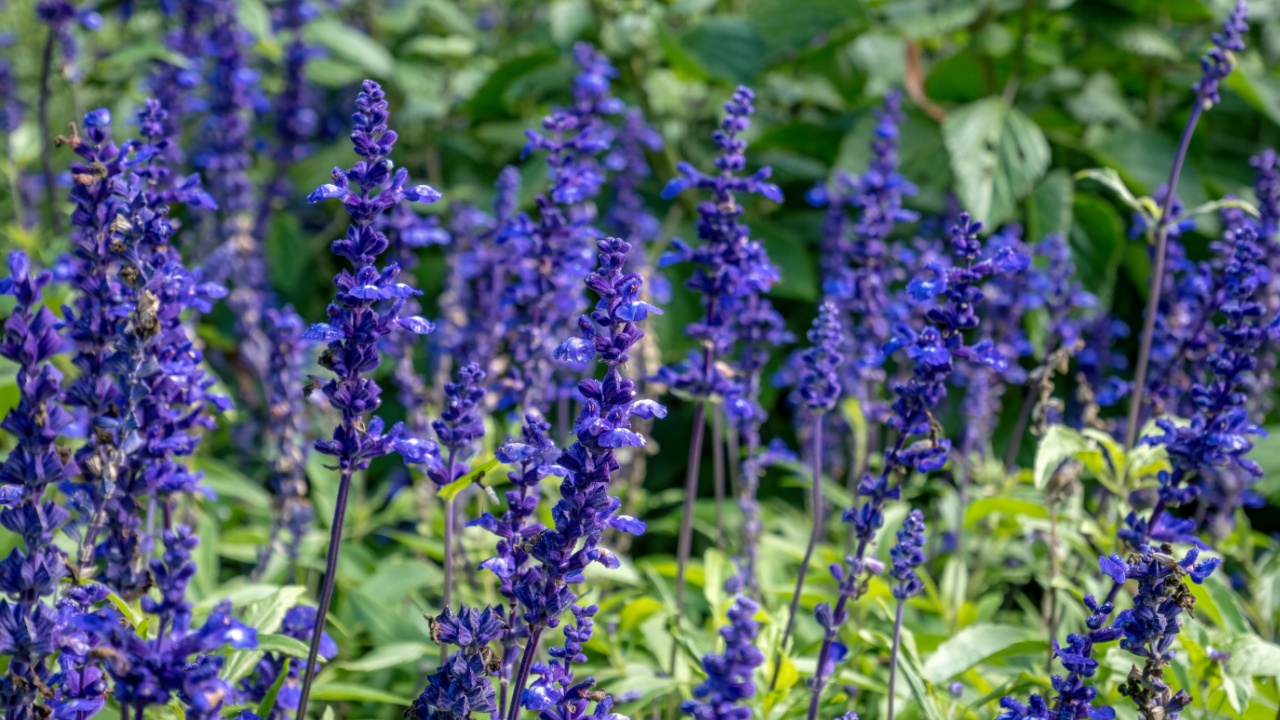
Image Credit: Shutterstock.
Salvia is a hardy perennial known for its vibrant purple or blue spikes of flowers. Its long blooming season and ability to attract pollinators like bees and butterflies make it a popular choice for gardens.
- Tips for Planting: Salvia thrives in full sun and well-drained soil. Plant it near your mailbox where it can receive ample sunlight, and be sure to space the plants about 12–18 inches apart to allow proper airflow.
2. Daffodils
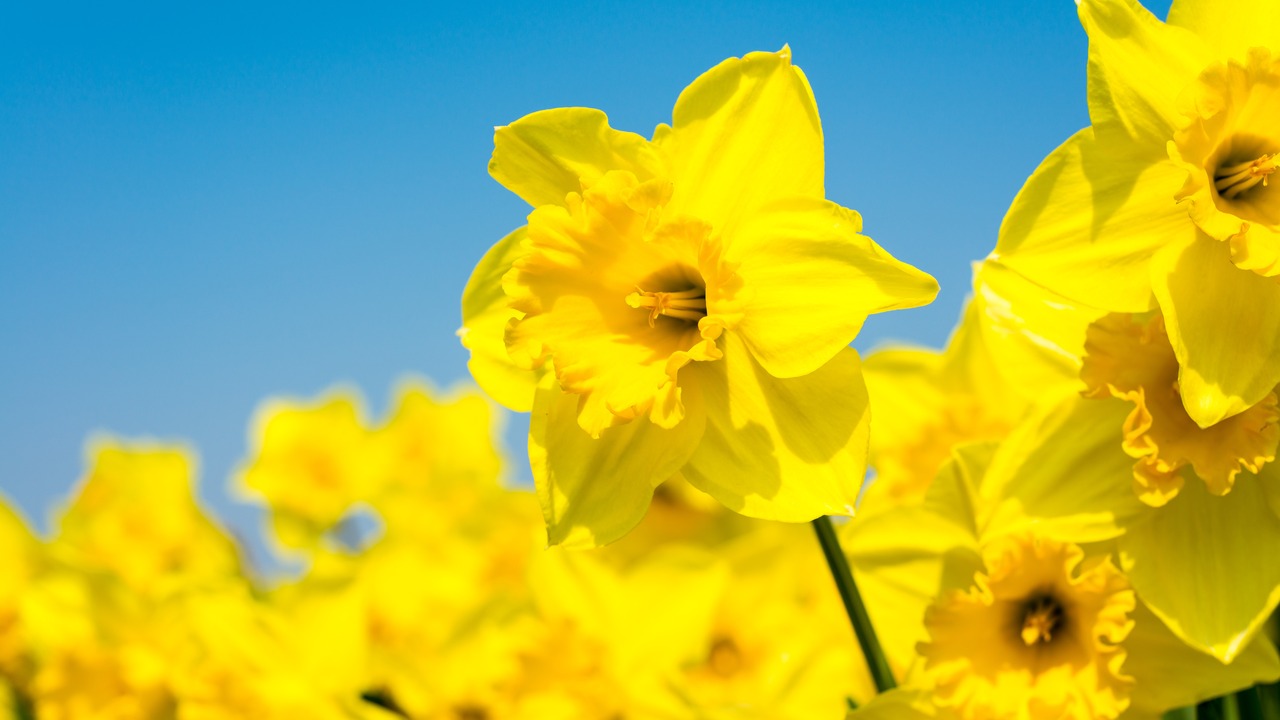
Image Credit: Shutterstock.
Daffodils are bright, cheerful flowers that signal the arrival of spring. Their yellow or white blooms bring a lively touch to any garden.
- Tips for Planting: Plant daffodil bulbs in the fall before the ground freezes. They prefer full sun to partial shade and well-drained soil. Plant bulbs at least 6 inches deep and in clusters for a natural-looking display.
3. Clematis
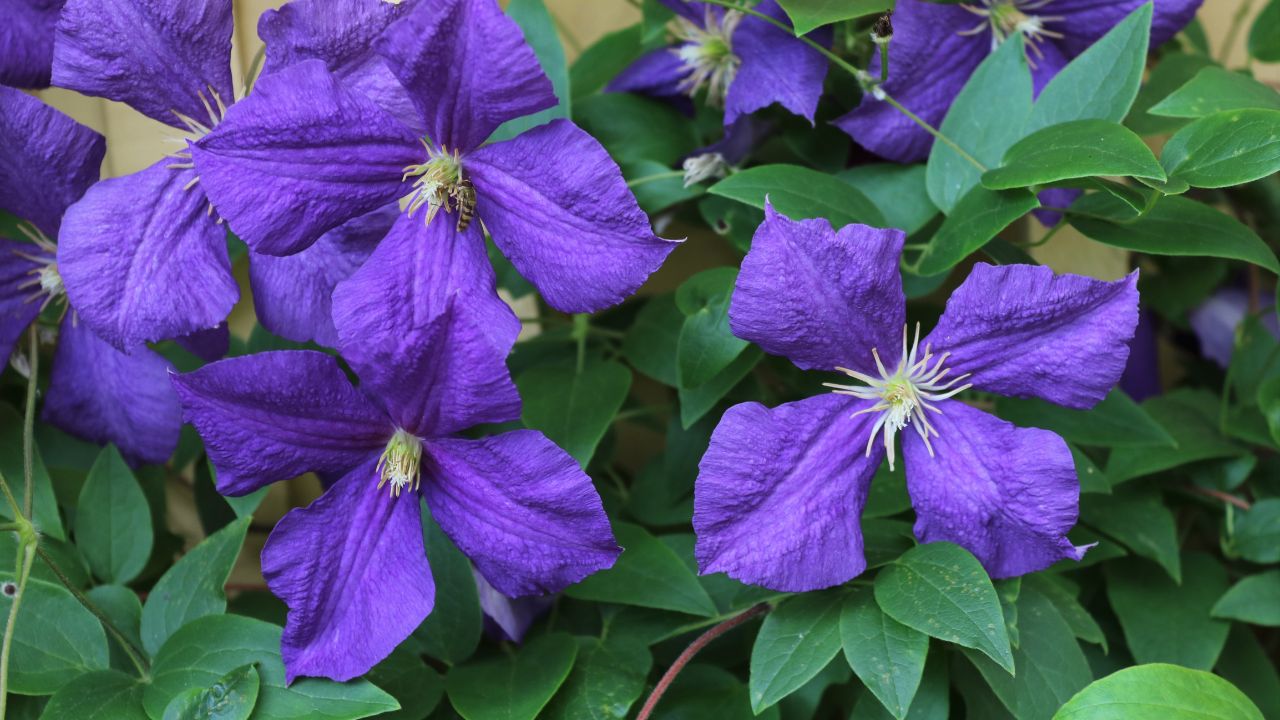
Image Credit: Bernt Fransson – Own work, CC BY-SA 4.0/Wiki Commons.
Clematis is a climbing vine with stunning, star-shaped flowers that bloom in various colors, from purple to pink. It adds vertical interest to a mailbox garden.
- Tips for Planting: Clematis prefers its roots shaded and its top in full sun. Mulch around the base to keep the soil cool, and provide a trellis or structure to support its climbing growth.
4. Daisies
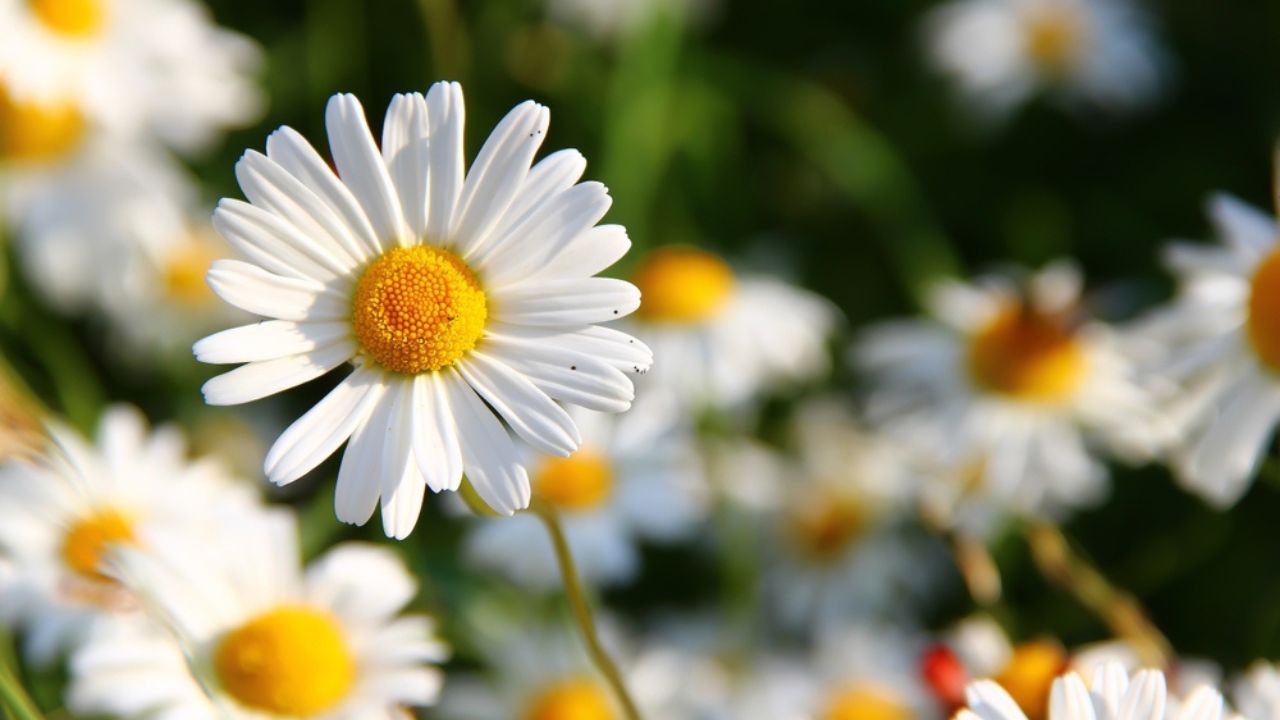
Image Credit: Shutterstock.
Daisies are classic flowers with white petals and sunny yellow centers, bringing a timeless charm to any garden.
- Tips for Planting: Plant daisies in full sun and moist, well-drained soil. They are relatively low-maintenance and can spread, so provide enough space for growth.
5. Snapdragons
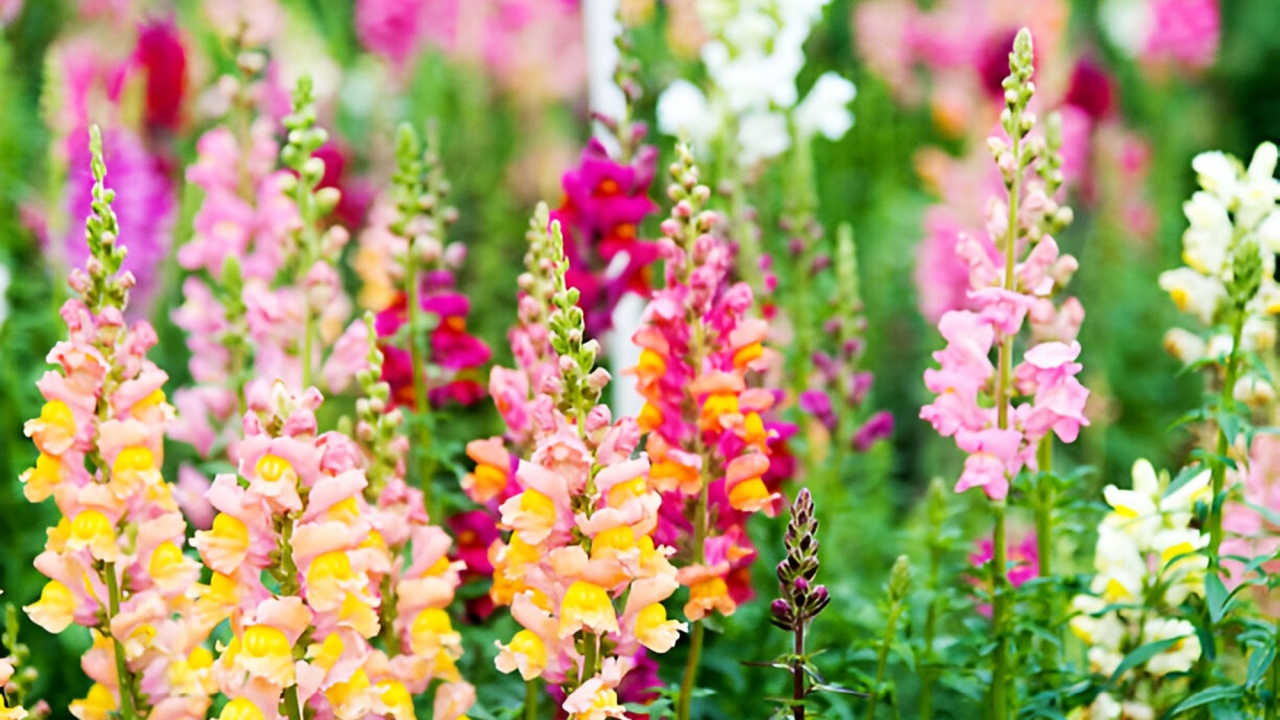
Image Credit: Shutterstock.
Snapdragons produce tall spikes of colorful blooms, available in a wide range of shades. They are excellent for adding height and texture to your garden.
- Tips for Planting: Snapdragons thrive in full sun to partial shade. Plant them in rich, well-drained soil, and deadhead spent blooms to encourage continuous flowering.
6. Black-Eyed Susans
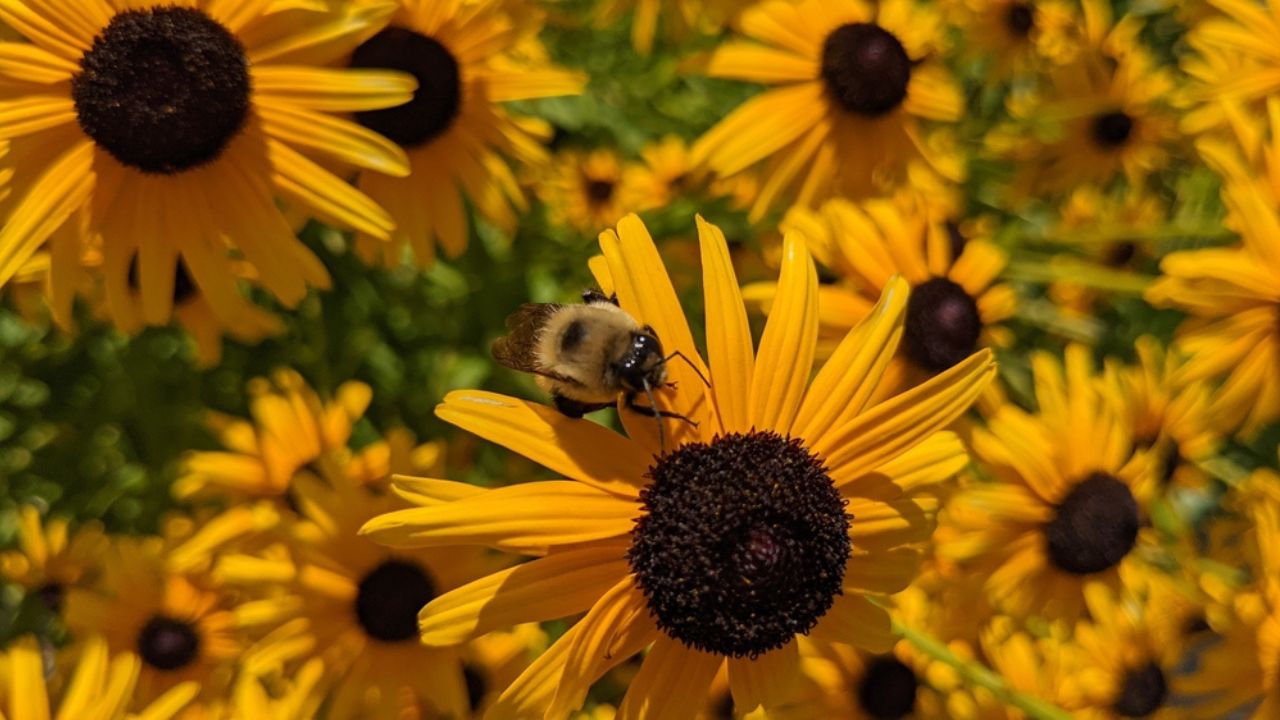
Image Credit: Shutterstock.
These bright yellow flowers with dark centers are a favorite for adding warmth to the garden. They also attract bees and butterflies, making them great for pollination.
- Tips for Planting: Black-eyed Susans prefer full sun and well-drained soil. They are drought-tolerant and low-maintenance, making them an easy choice for mailbox gardens.
7. Rock Trumpet
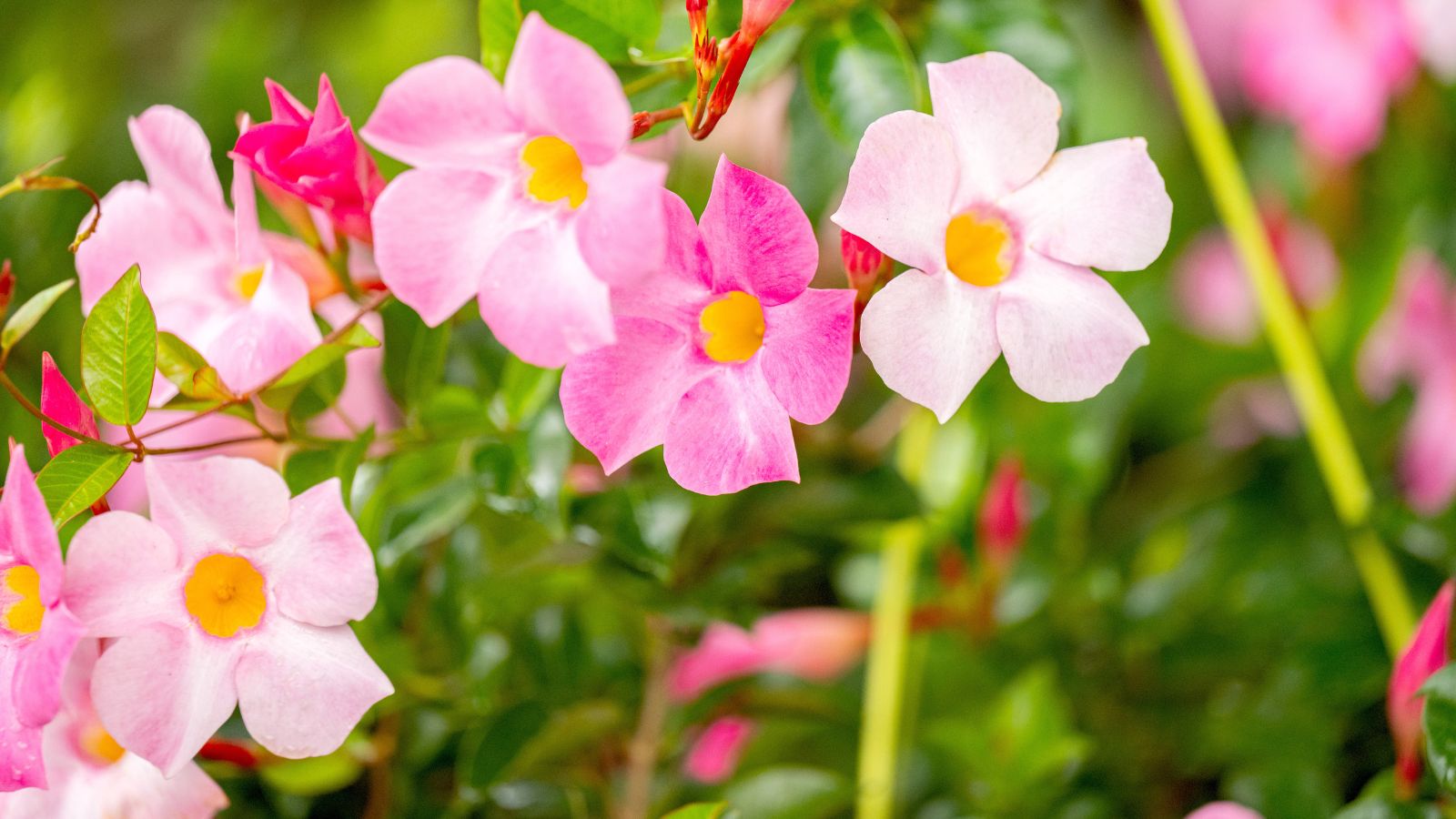
Image Credit: Depositphotos.com.
The Rock Trumpet, or Mandevilla, is a climbing vine with trumpet-shaped flowers that bloom in shades of red, pink, or white. It adds a tropical flair to your outdoor space.
- Tips for Planting: Plant Rock Trumpet in full sun and well-drained soil. Provide support for climbing, and keep it watered regularly to encourage vibrant blooms.
8. Echinacea
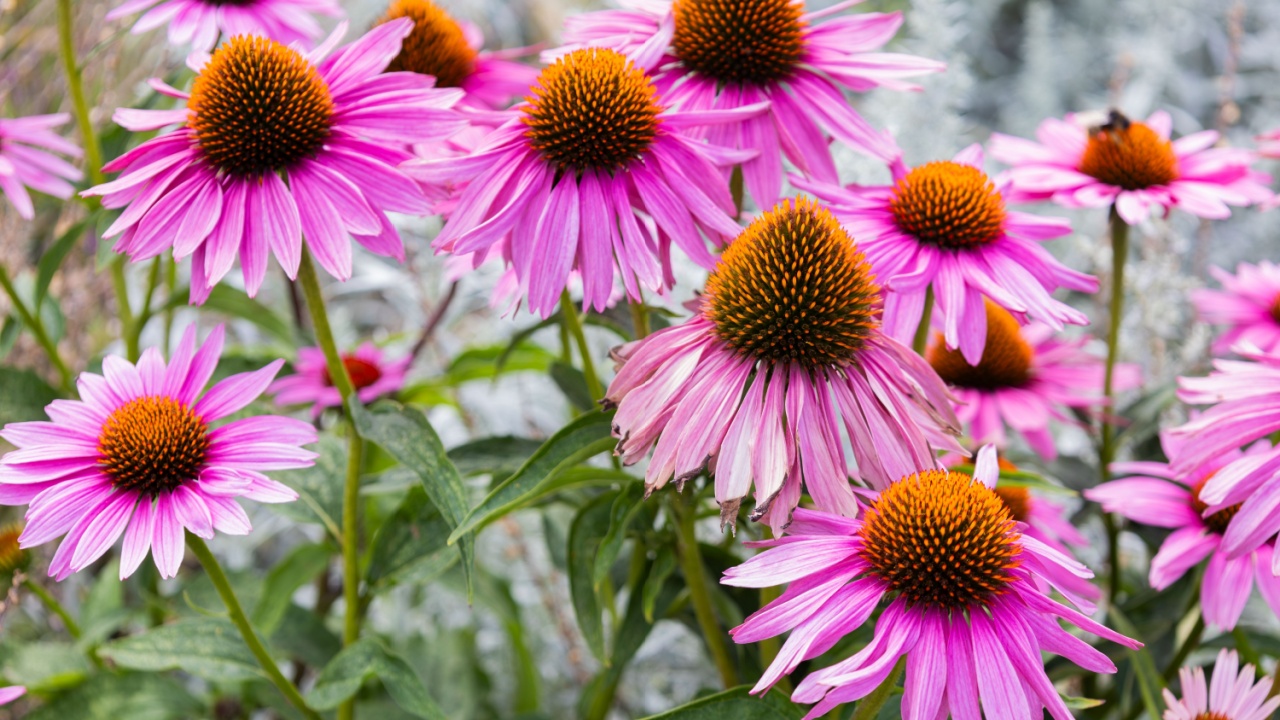
Image Credit: Shutterstock.
Known commonly as coneflowers, echinacea boasts daisy-like blooms in purples, pinks, and whites. It’s both beautiful and beneficial for pollinators.
- Tips for Planting: Plant echinacea in full sun and well-drained soil. They are drought-tolerant once established and look great when planted in clusters.
9. Cosmos
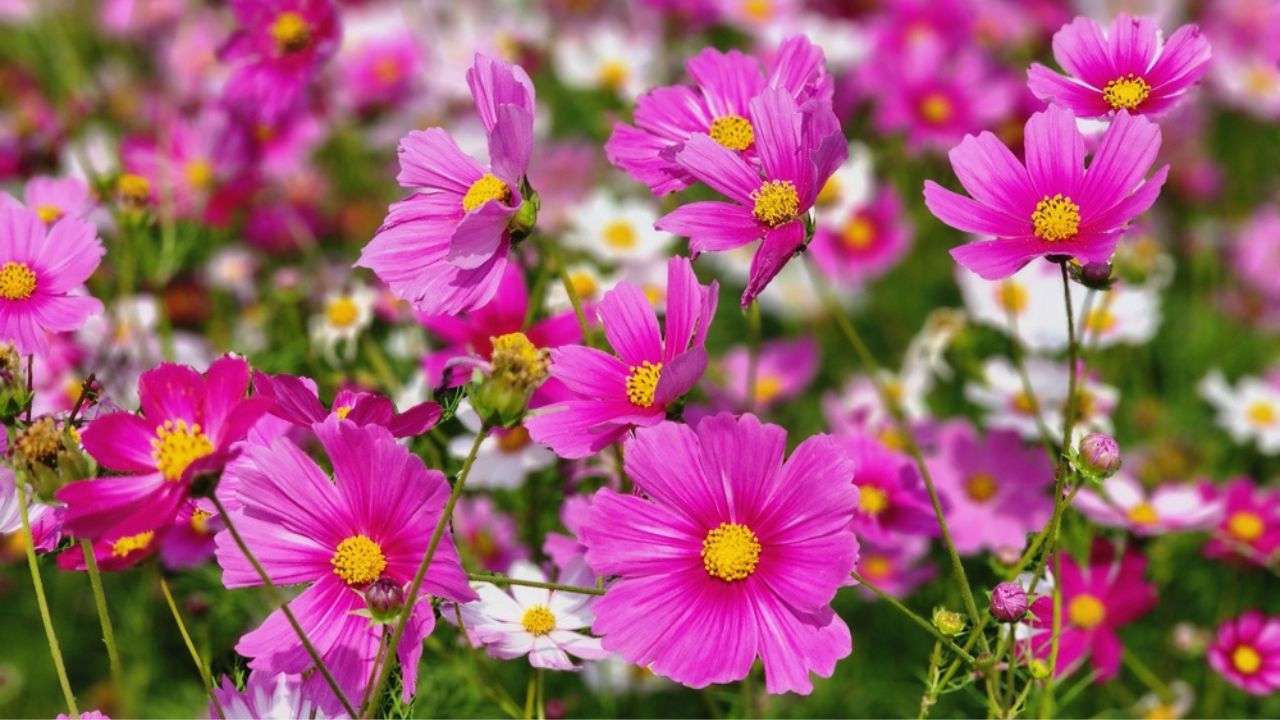
Image Credit: Shutterstock
Cosmos are delicate, daisy-like flowers that come in a rainbow of colors, perfect for adding whimsy to your garden.
- Tips for Planting: Cosmos thrive in full sun and any well-drained soil, even in poorer conditions. They are easy to grow from seeds, making them a budget-friendly option for your garden.
10. Zinnias
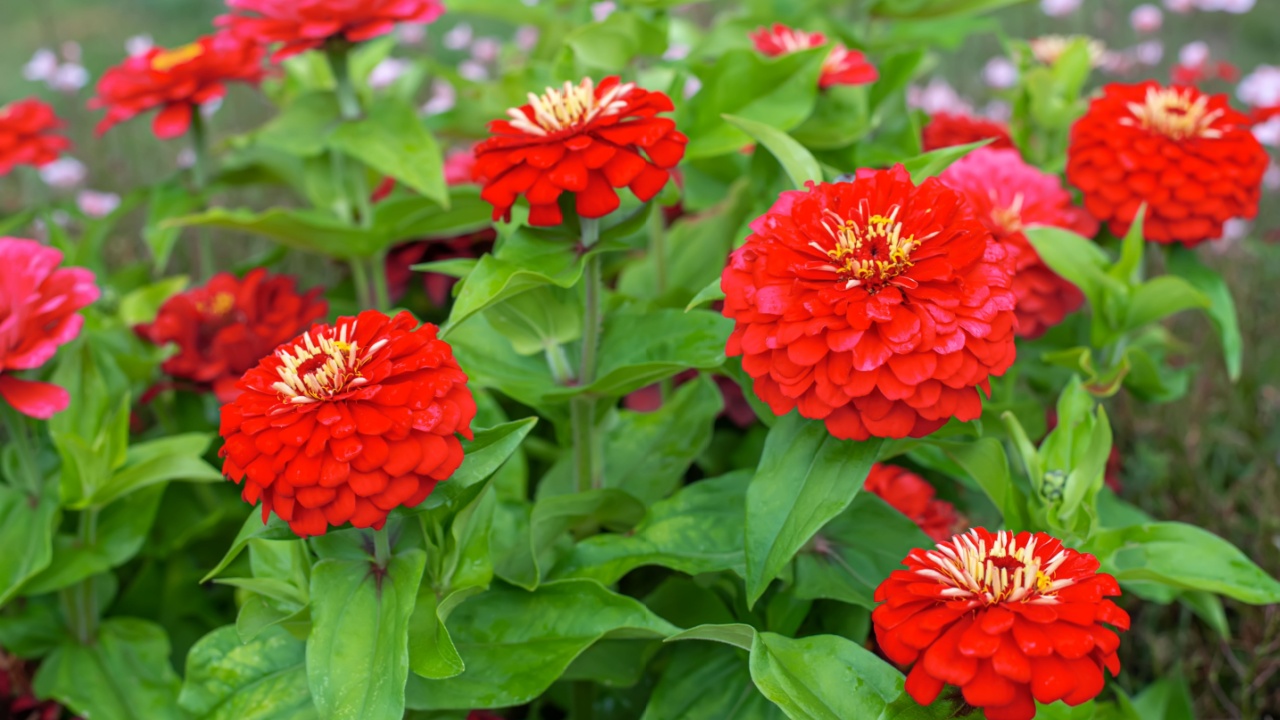
Image Credit: Shutterstock.
Zinnias are vibrant, hardy annuals that offer a rainbow of color. With their long-lasting blooms, they add cheerful energy to any mailbox planting.
- Tips for Planting: Plant zinnias in full sun and well-drained soil. Deadhead regularly to encourage new blooms, and water at the base to avoid mildew.
11. Marigolds
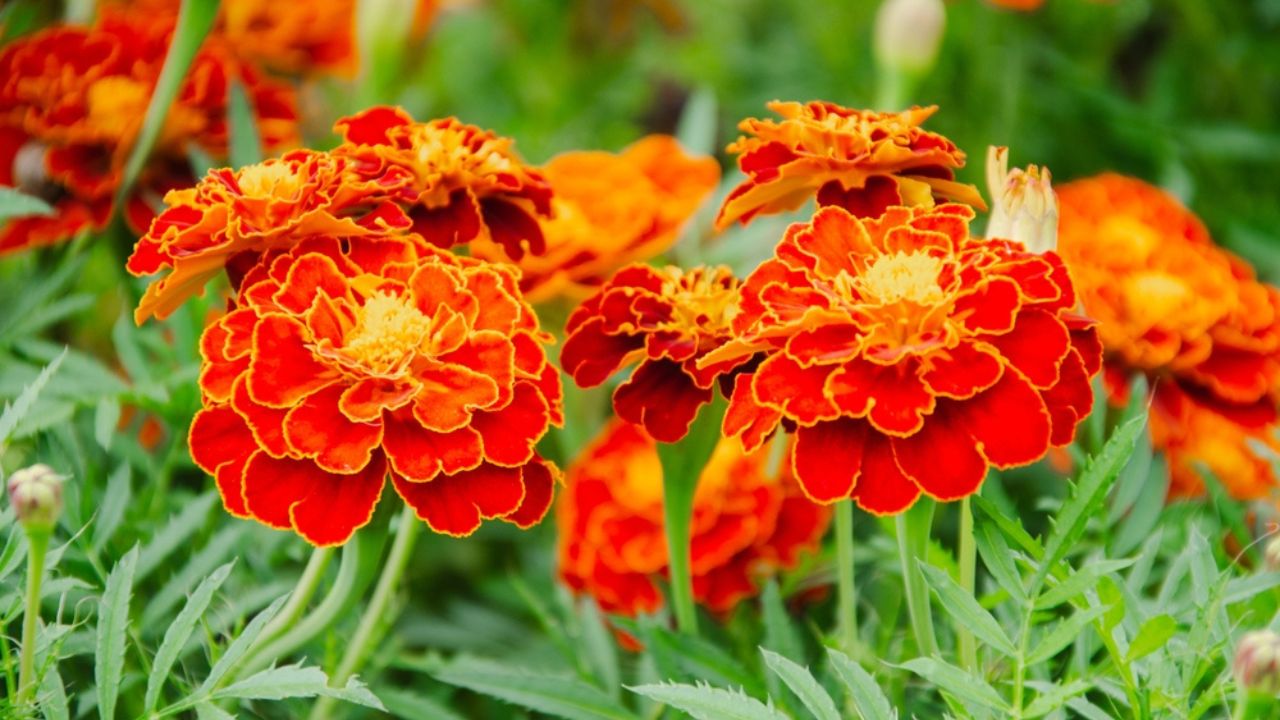
Image Credit: Shutterstock.
Marigolds are cheerful and sturdy, known for their bright orange and yellow blooms and their ability to repel pests. They add a cheerful border or splash of color to your mailbox area.
- Tips for Planting: Choose dwarf varieties for neatness. Plant in full sun with moderate watering, and pinch back young plants to encourage bushier growth.
12. Petunias

Image Credit: Shutterstock.
Petunias offer masses of vibrant blooms in many colors and look stunning trailing from planters or at the base of your mailbox.
- Tips for Planting: Plant in full sun and well-drained soil. Fertilize every couple of weeks for continuous flowers, and remove faded blooms to promote new growth.
13. Verbena
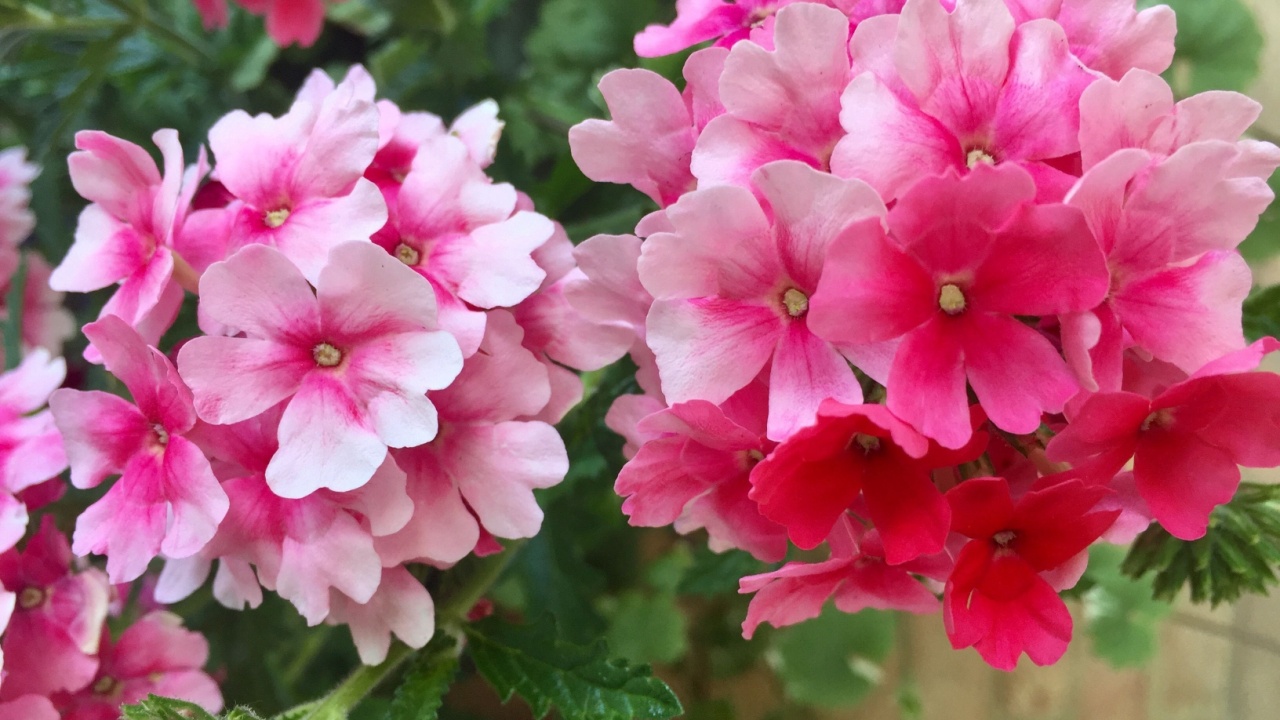
Image Credit: Shutterstock.
Verbena boasts clusters of small flowers in a variety of bright shades, great for adding a pop of consistent color.
- Tips for Planting: Give verbena full sun and well-drained soil. Trim back after flowering to prompt a fresh flush of blooms.
14. Lantana
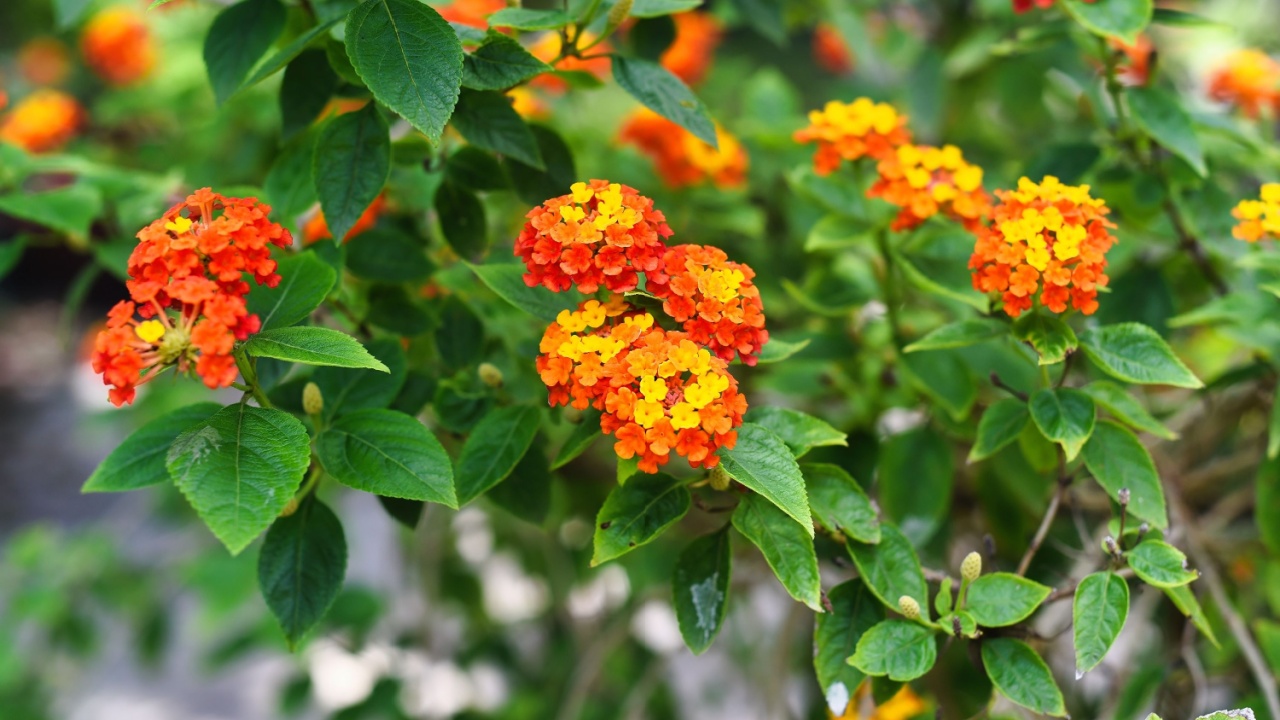
Image Credit: Shutterstock.
Lantana’s flowers come in bright, changing colors and attract butterflies and pollinators. Their trailing habit makes them ideal for spilling over mailbox beds.
- Tips for Planting: Plant in sandy, well-drained soil and full sun. Prune occasionally to control shape and encourage reblooming.
15. Coreopsis
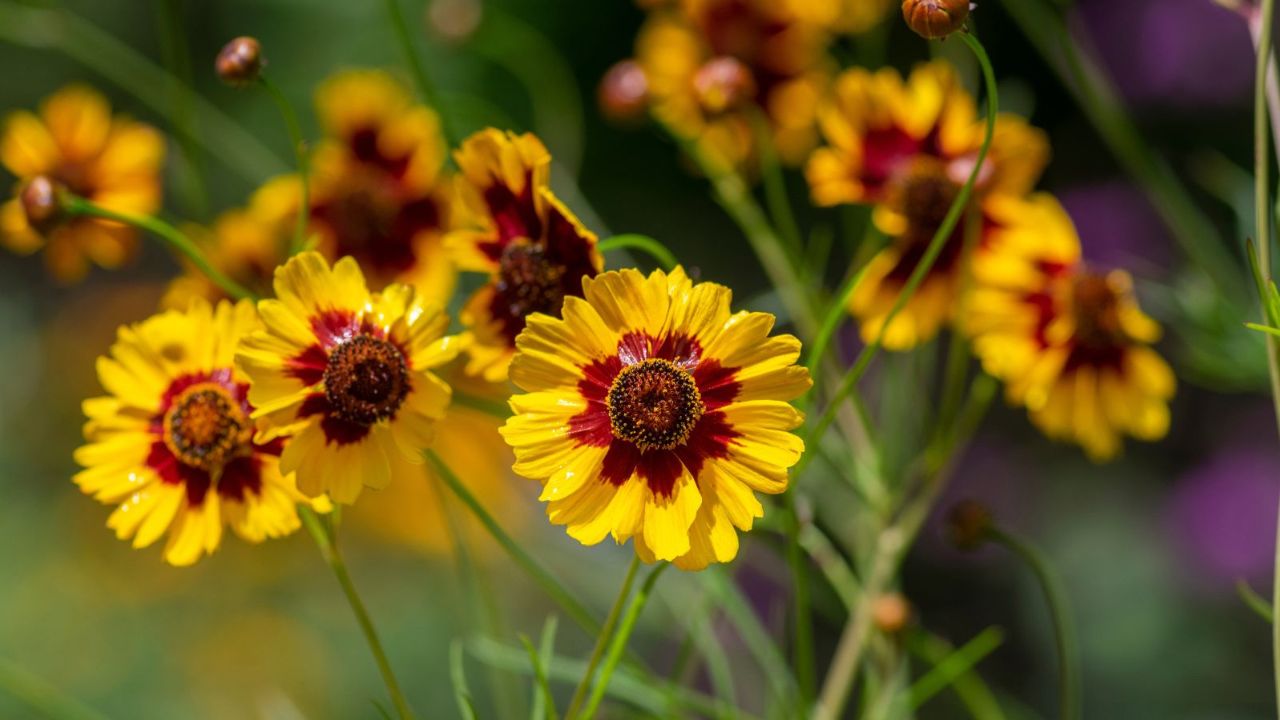
Image Credit: Depositphotos.com.
Coreopsis is a dependable perennial with golden, daisy-like flowers that bloom profusely.
- Tips for Planting: Grow in full sun and well-drained soil. Deadhead spent blooms for more flowers, and divide clumps every few years.
16. Morning Glories

Image Credit: Shutterstock.
Morning glories offer dramatic, trumpet-shaped flowers that bloom in shades of blue, pink, or purple. These vines can quickly cover a mailbox post.
- Tips for Planting: Soak the seeds overnight before planting in full sun. Provide a trellis and expect blooms in the early morning.
17. Sweet Alyssum
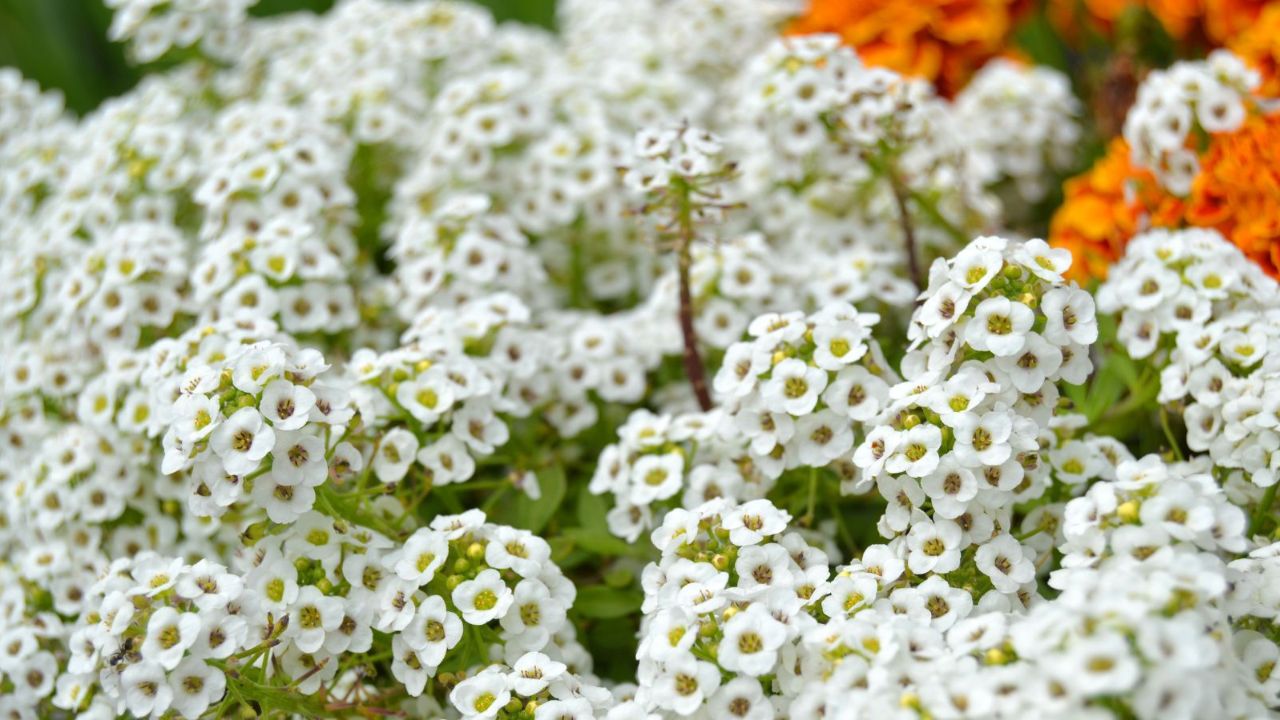
Image credit: Depositphotos.com.
Sweet alyssum is a low-growing flower with tiny white, pink, or purple clusters, perfect for edging the base of your mailbox garden.
- Tips for Planting: Plant in full sun to partial shade in well-drained soil. Water regularly to keep them lush and enjoy their sweet fragrance.
18. Gaillardia (Blanket Flower)
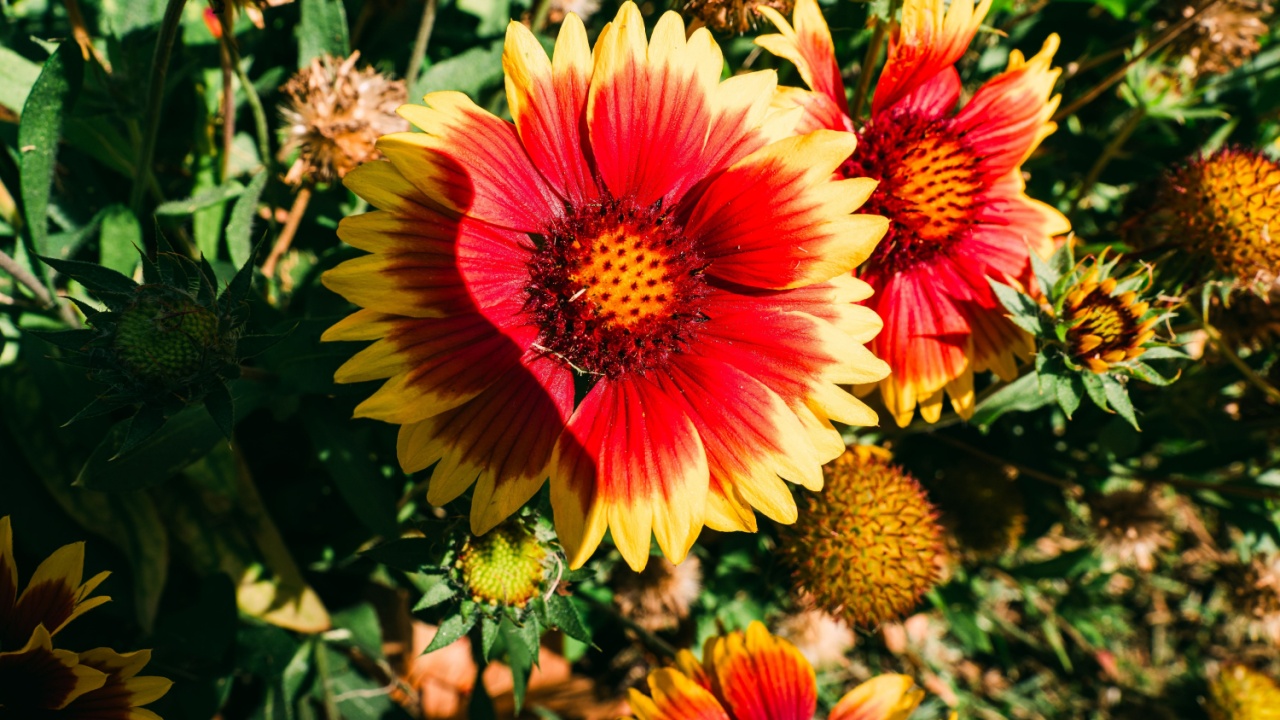
Image Credit: Shutterstock.
Gaillardia features bold, daisy-like blooms in shades of yellow, orange, and red, and is both heat and drought-tolerant.
- Tips for Planting: Choose a sunny spot and well-drained soil. Remove faded flowers to keep them blooming all season long.
19. Nasturtiums

Image Credit: Shutterstock.
Nasturtiums add a splash of orange, yellow, and red, with edible flowers and foliage that bring a playful touch.
- Tips for Planting: Plant in poor soil in full sun for best blooms. Let them spill over planters or edge the mailbox bed for a wild, cottage-garden look.
Other Non-Flower Plant Options
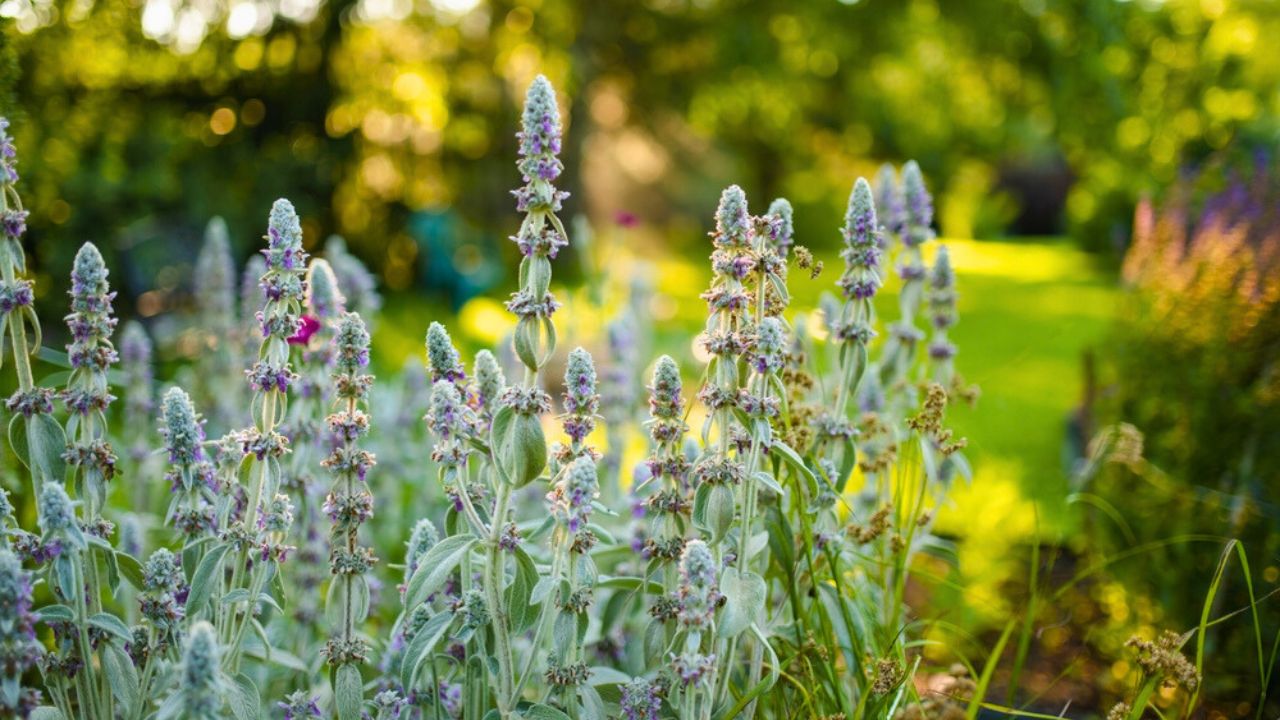
Image Credit: Shutterstock.
If you are looking for some non-flowering plants to add to your garden, here are a few great options:
- Heuchera: Also known as coral bells, these plants have colorful foliage in shades of purple, green, and red. They also produce delicate flowers on tall stems.
- Lamb’s ear: With soft, fuzzy leaves that resemble the ears of a lamb, this plant adds texture to any garden bed.
- Hosta: These leafy plants come in various shades of green and can add a tropical feel to your garden. They also produce beautiful white or purple bell-shaped flowers.
Have Fun with the Options
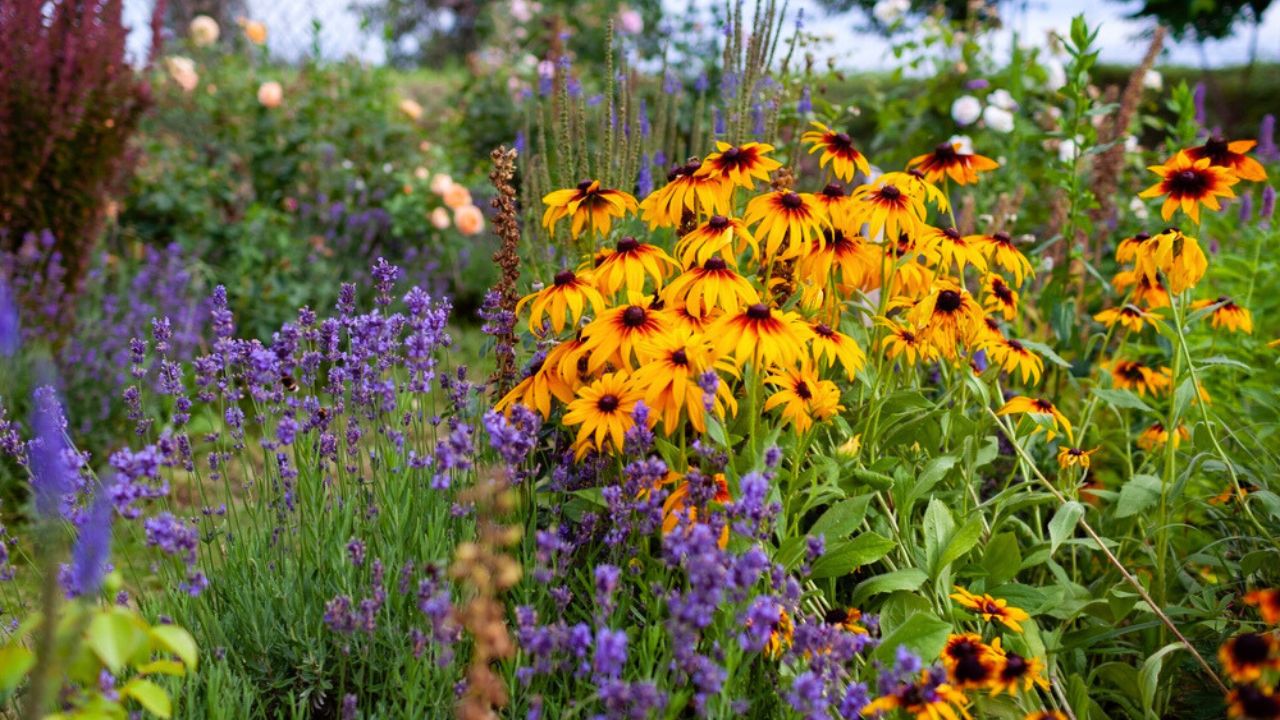
Image Credit: Shutterstock.
There are countless options for adding color and interest to your garden
With this expanded palette of easy-to-grow flowers, your mailbox can become a lively, welcoming showcase—and a bright spot in any neighborhood.