
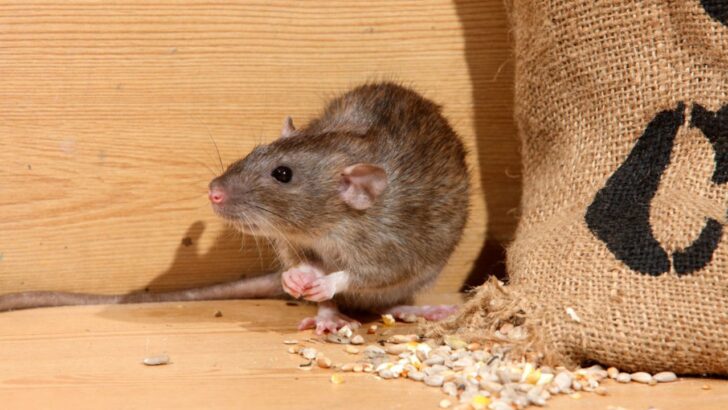
Hearing a faint scratching in the walls or discovering tiny droppings in your pantry can be unsettling. Mice might be small, but these uninvited guests can cause significant damage and pose health risks. They are experts at finding their way into our homes, seeking food, water, and shelter. The good news is that you don’t have to share your space with them.
Preventing a mouse problem is far easier than dealing with an infestation. This guide will walk you through 14 effective, practical steps to make your home an impenetrable fortress against these pesky rodents. From sealing entry points to making your yard less inviting, you’ll learn everything you need to keep your home mouse-free.
How We Got This Info

Image Credit: Shutterstock.
We pulled together advice from trusted experts, including university research programs, public health studies, and professional recommendations from pest control specialists and home maintenance pros. The steps here reflect common best practices for keeping mice out—focused on humane, practical, and sustainable methods.
1. Watch for Early Signs of Rodent Activity
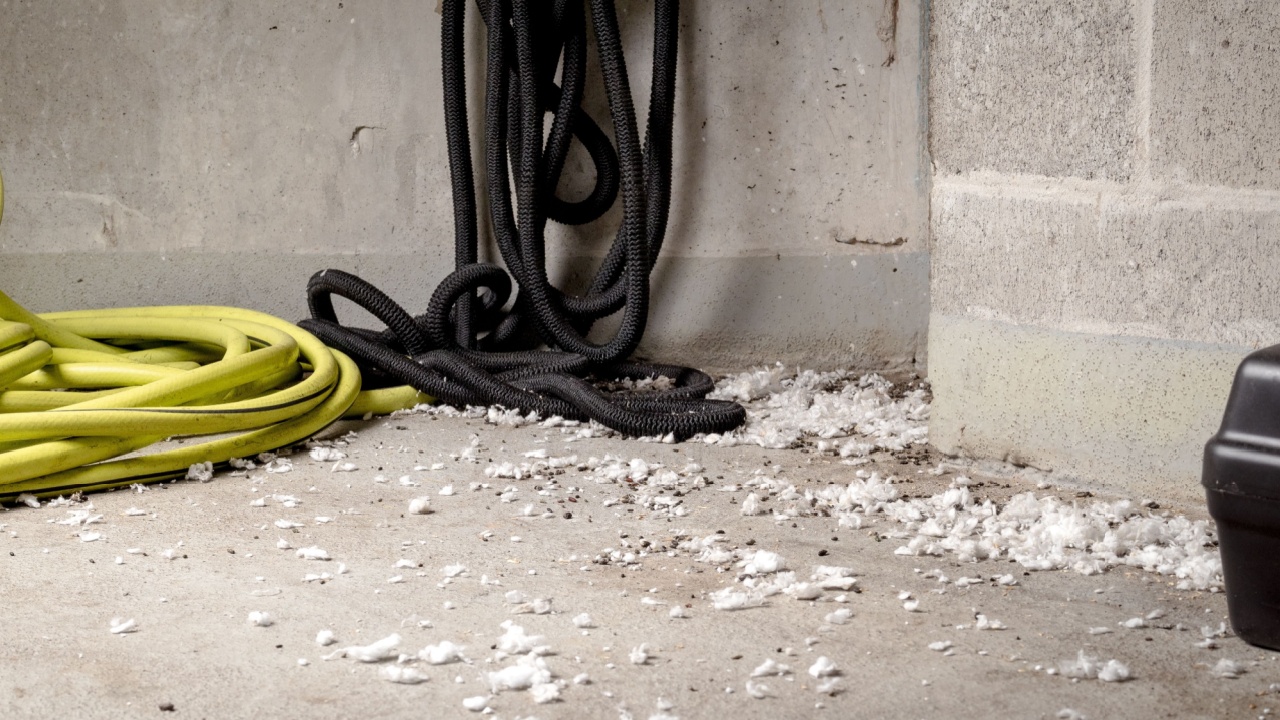
Image Credit: Shutterstock.
Before you can stop mice, you need to know if they’re already around. Being vigilant for the early warning signs allows you to act quickly. Common red flags include gnawed food packages in your pantry and small, dark droppings in kitchen drawers, along baseboards, or under sinks. You might also find nests made from shredded paper or fabric in hidden corners, or notice greasy rub marks along walls where they frequently travel.
- Why it works: Early detection allows you to address a small problem before it becomes a full-blown infestation, which can happen quickly since mice reproduce rapidly.
- What to look for:
- Small, dark pellets, about 1/8 to 1/4 inch long.
- Chewed holes in food boxes, furniture, or walls.
- Piles of shredded paper, cotton, or other soft materials.
- Scratching or scurrying noises in walls or ceilings, especially at night.
2. Block Off All Potential Entry Points
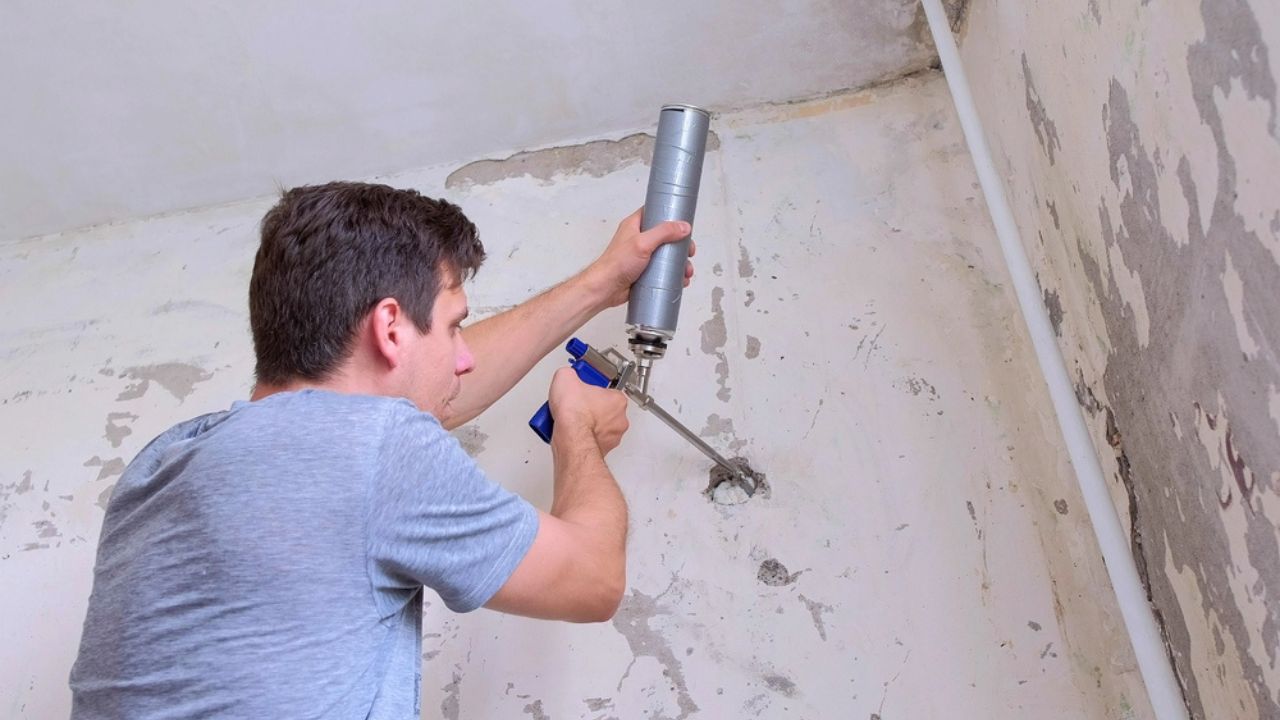
Image Credit: Deposit Photos.
One of the most effective long-term solutions is to physically block mice from entering your home. You’d be surprised at how small a space they can squeeze through (an opening the size of a dime is all they need). Conduct a thorough inspection of your home’s exterior and interior, looking for any cracks, gaps, or holes in the foundation, siding, and around utility pipes or vents.
- Why it works: By eliminating their entry routes, you create a physical barrier that mice cannot bypass. This is the cornerstone of effective rodent prevention.
- How to seal:
- Fill small cracks/holes with steel wool (which mice can’t chew through) and secure it with caulk.
- For larger gaps, use cement, lath screen, or metal sheeting to create a permanent seal.
- Seal gaps around pipes, gas lines, and vents with expanding foam or weather-resistant sealant.
3. Install Metal Door Sweeps

Image Credit: Shutterstock.
The gap under your exterior doors is like a wide-open invitation for mice. While weatherstripping is great for insulation, it can be chewed through. Installing metal door sweeps at the bottom of your doors creates a durable, gnaw-proof barrier that closes this common entry point. They are inexpensive and can be found at any home improvement store.
- Why it works: Metal is a material that mice cannot chew through, effectively sealing one of the most vulnerable spots in your home’s exterior.
- Next steps:
- Measure the width of your door before purchasing.
- Ensure the sweep is installed low enough to close the gap completely.
- Check garage doors as well, as these are often overlooked entry points.
4. Fix Leaky Pipes and Eliminate Water Sources
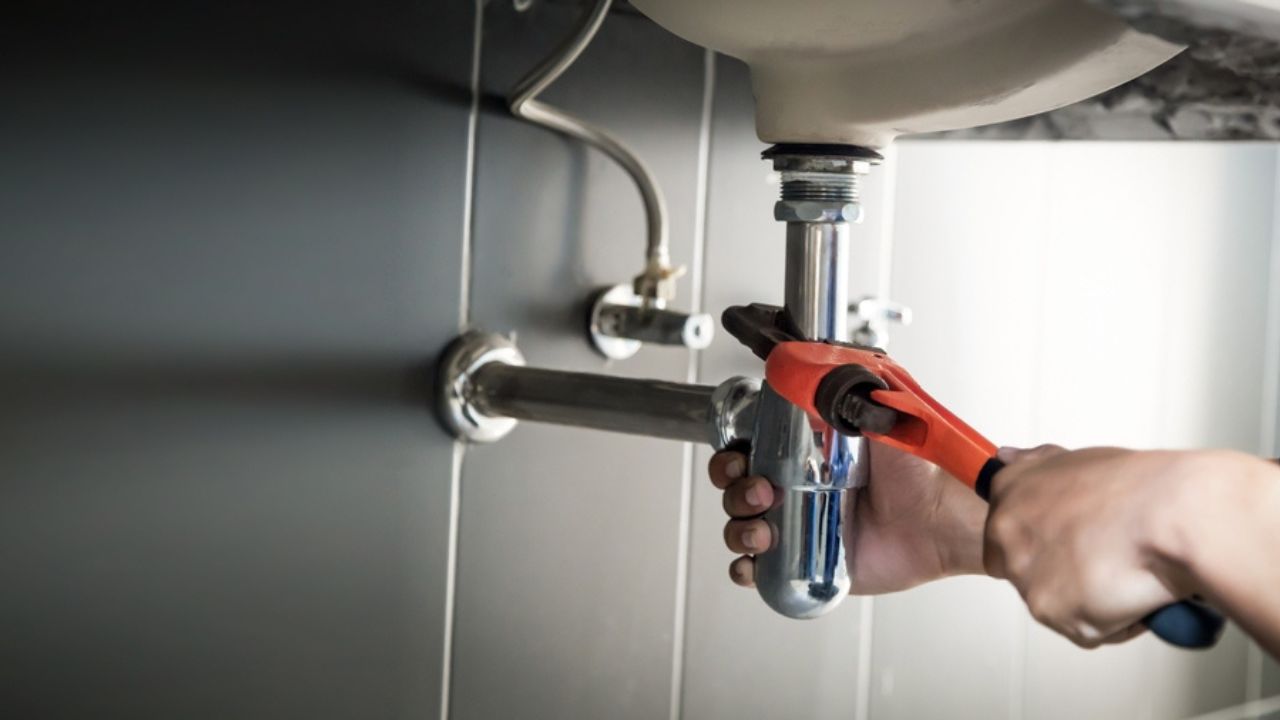
Image Credit: Shutterstock.
Mice need water just as much as they need food. A dripping faucet, a leaky pipe under the sink, or even a condensation-collecting AC unit can provide them with a reliable water source. Regularly check for and repair any plumbing leaks in your kitchen, bathrooms, basement, and laundry room.
- Why it works: By removing accessible water, you make your home a less hospitable environment, encouraging mice to look elsewhere for their needs.
- Quick check:
- Inspect under all sinks for signs of moisture or drips.
- Check appliance hoses for leaks.
- Don’t forget pet water bowls—clean them regularly and avoid leaving them full overnight if you suspect a problem.
5. Clean Up All Food-Related Messes

Photo Credit: Deposit Photos.
Crumbs on the counter, food spills on the floor, or forgotten leftovers are a feast for mice. Diligent cleaning is essential. Wipe down countertops daily, sweep or vacuum floors regularly, and clean up spills immediately. Don’t forget to clean under and behind appliances like your toaster and microwave, where crumbs often accumulate.
- Why it works: Removing easy-to-access food sources is a powerful deterrent. If there’s nothing to eat, mice have no reason to stay.
- Cleaning checklist:
- Wipe down kitchen surfaces after every meal.
- Sweep or vacuum kitchen floors daily.
- Clean out your pantry regularly, wiping up any spills.
6. Store Food in Airtight Containers

Image Credit: Shutterstock.
Mice have a keen sense of smell and can easily chew through cardboard boxes and plastic bags. Go through your pantry and transfer foods like cereal, pasta, flour, and grains into airtight containers made of glass, metal, or thick plastic. This not only protects your food from pests but also keeps it fresher for longer.
- Why it works: Airtight containers prevent mice from smelling and accessing food, effectively cutting off their primary supply.
- What to store:
- Grains, rice, and pasta.
- Cereals and crackers.
- Dry pet food.
- Baking ingredients like flour and sugar.
7. Manage Pet Food Properly

Image Credit: Shutterstock.
Your pet’s food bowl can be an all-you-can-eat buffet for mice. Avoid leaving pet food out overnight. If your pet is a grazer, try to feed them at scheduled times and pick up any uneaten food afterward. Store large bags of dry pet food in a sturdy, sealed container rather than in the original paper or plastic bag.
- Why it works: Pet food is often left in the open, making it one of the most common and reliable food sources for a household mouse. Securing it removes this temptation.
- Simple habits:
- Pick up food and water bowls before you go to bed.
- Clean the area around pet bowls to remove crumbs.
- Store pet food in a sealed metal or heavy-duty plastic bin.
8. Take Your Trash Out Frequently

Image Credit: Shutterstock.
Overflowing trash cans are another major attractant for mice, offering both food and nesting materials. Use trash cans with tight-fitting lids inside your home and take the garbage out regularly. Store outdoor trash cans away from your house, and make sure their lids are securely closed to prevent rodents from getting in.
- Why it works: A clean, well-managed trash system eliminates a key food source and reduces the odors that attract pests to your property in the first place.
- Trash tips:
- Use bins with lids that seal completely.
- Rinse out food containers before tossing them to reduce odors.
- Keep outdoor bins as far from your home’s foundation as possible.
9. Tidy Up Your Yard and Garden

Image Credit: Shutterstock.
Your yard can serve as a staging ground for mice looking to move indoors. Piles of firewood, overgrown shrubs, tall grass, and general clutter provide excellent hiding spots and nesting areas. Keep your yard tidy by mowing the lawn regularly, trimming bushes so they don’t touch your house, and storing firewood at least 20 feet away from your home and off the ground.
- Why it works: By eliminating shelter near your home, you expose mice to predators and make them less likely to venture close to your foundation to find an entry point.
- Yard maintenance:
- Keep the grass cut short.
- Remove piles of leaves, wood, and other debris.
- Trim vegetation so there is a clear space around your home’s foundation.
10. Use Humane or Fast-Acting Traps
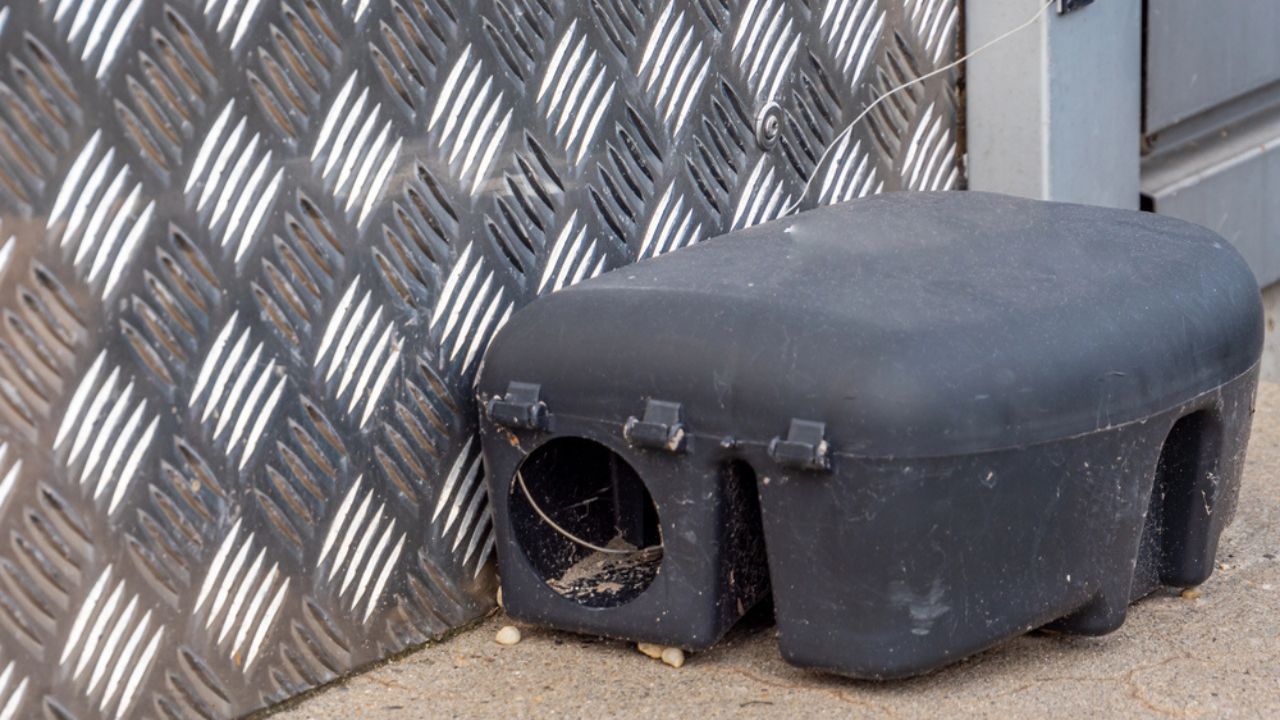
Image Credit: Deposit Photos.
If you suspect mice have already made it inside, traps are a necessary line of defense. For a humane option, catch-and-release traps allow you to capture mice and release them far from your home (at least a mile away). If you prefer a more permanent solution, modern electronic or snap traps are designed to be fast-acting. Avoid glue traps if you can, as they are widely considered inhumane.
- Why it works: Traps help you manage any mice that breach your other defenses, preventing a small number of intruders from establishing a colony.
- Placement strategy:
- Place traps along walls where you’ve seen signs of activity.
- Use baits like peanut butter, chocolate, or nesting materials like cotton balls.
- Check traps daily.
11. Plug in Ultrasonic Repellers
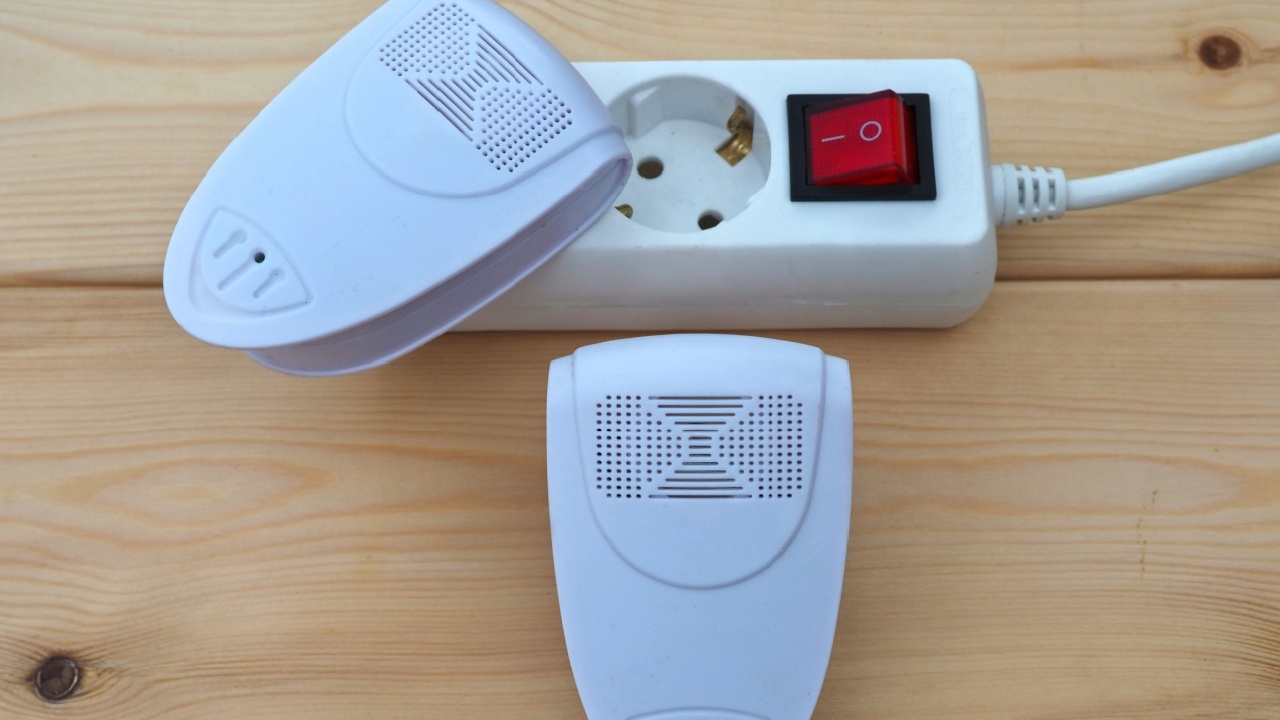
Image Credit: Shutterstock.
For a high-tech, hands-off approach, consider ultrasonic pest repellers. These devices plug into your electrical outlets and emit high-frequency sound waves that are irritating to rodents but inaudible to humans and most pets. Place them in areas where you suspect activity, like basements, attics, and garages.
- Why it works: The constant, irritating noise creates an unpleasant environment for mice, encouraging them to leave and find a quieter place to live.
- Good to know:
- Ultrasonic waves do not travel through walls, so you may need multiple units for different rooms.
- While many users find them effective, their success can vary, and they work best as part of a larger prevention strategy.
12. Set Up a Barn Owl Nesting Box

Image Credit: Shutterstock.
Invite a natural predator to take care of your mouse problem for you. A single barn owl family can consume thousands of mice in a year. By installing a barn owl nesting box in your yard, you can attract these efficient hunters to your property. It’s a fantastic, eco-friendly method of rodent control.
- Why it works: Introducing a natural predator creates a powerful deterrent. Mice will actively avoid an area where they are being hunted.
- Next steps:
- You can purchase pre-made nesting boxes online.
- Install the box on a pole or in a tree, away from heavy foot traffic.
- Be patient; it can take some time for an owl to move in.
13. Adopt a Cat

Image Credit: Shutterstock.
It’s a classic for a reason. While not every cat is a natural mouser, their mere presence can be a significant deterrent. The scent of a predator in the house can be enough to make mice think twice about settling in. If you’ve been considering getting a pet, a cat could be a furry, friendly addition to your pest control team.
- Why it works: The predator-prey instinct is strong. A cat’s scent and presence signal danger to mice, encouraging them to stay away.
- Keep in mind:
- This isn’t a guaranteed solution, as some cats are more interested in napping than hunting.
- Even if your cat doesn’t catch mice, its presence is a deterrent.
14. Use Natural Scent Deterrents

Image Credit: Deposit Photos.
Mice have a very sensitive sense of smell, and certain strong scents are overwhelming to them. Peppermint oil is a popular and effective choice. Soak cotton balls in pure peppermint oil and place them in areas where you’ve noticed activity or near potential entry points. Other scents like cayenne pepper, cloves, and ammonia can also work as repellents.
- Why it works: These powerful scents irritate the nasal passages of mice, making the area unappealing to them.
- How to use:
- Re-soak cotton balls with peppermint oil every few days as the scent fades.
- Be cautious with these deterrents if you have pets or small children, as they can be irritating to them as well.
Keeping Your Home Mouse-Free

Image Credit: Shutterstock.
Keeping your home free of mice is an ongoing process, but by integrating these steps into your regular home maintenance routine, you can create a clean, secure, and unwelcome environment for rodents. If you find that you have a persistent problem despite your best efforts, it may be time to call a professional pest control service to help you identify the root of the issue and ensure your home is protected.