
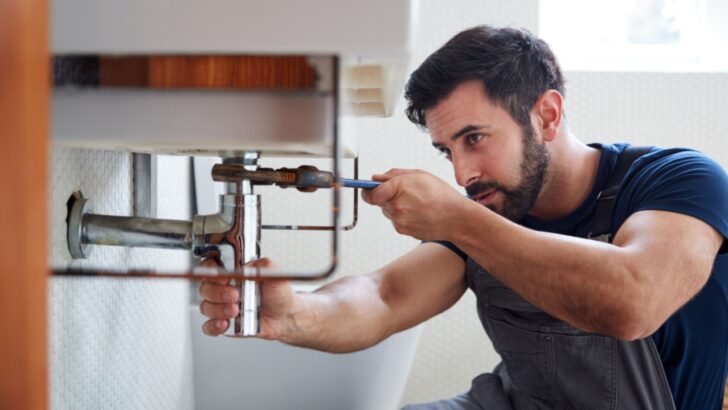
The pipes in a home are the silent partners of daily life. They work behind walls and under floors, asking for very little in return. Yet, certain common habits can turn these dependable systems into a source of serious financial strain. A small oversight can easily become a major headache, leading to water damage, costly repairs, and a lot of frustration.
Understanding what not to do is just as important as knowing how to handle a basic fix. These are the five frequent plumbing missteps that can drain your bank account.
1. Overusing Chemical Drain Cleaners
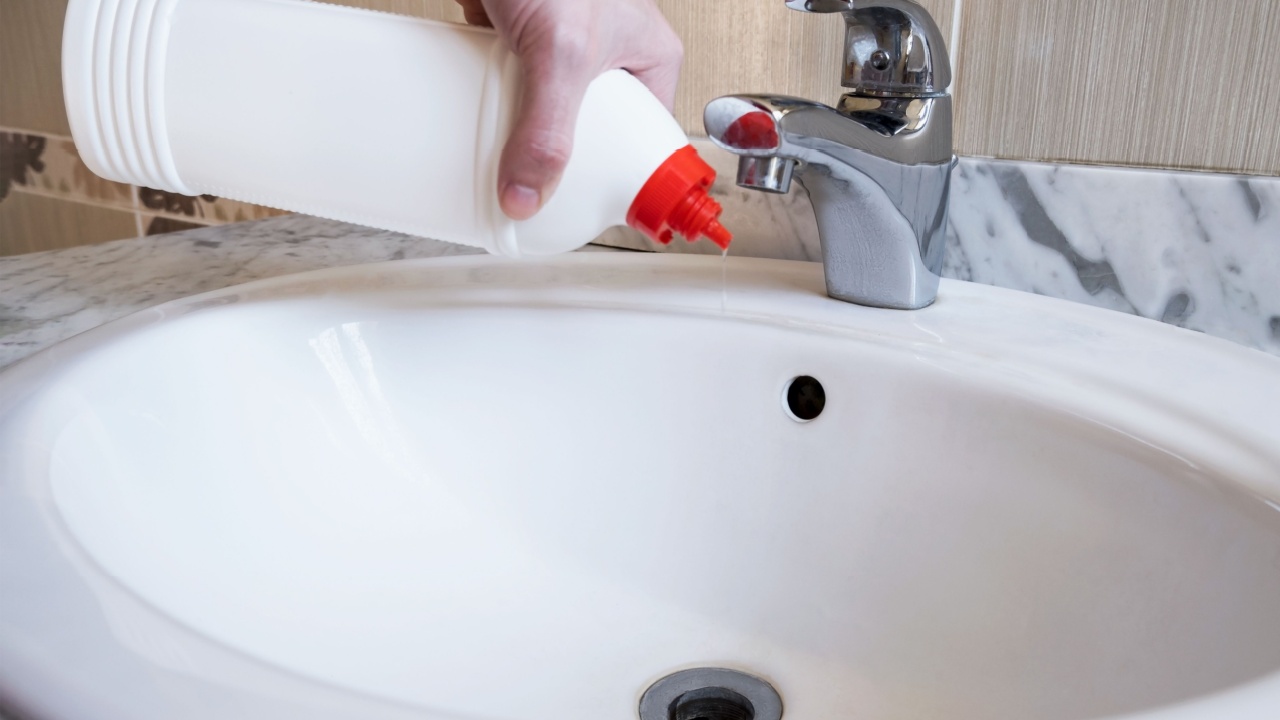
Image Credit: Shutterstock.
When a sink or shower drain slows to a crawl, reaching for a bottle of chemical drain cleaner feels like a quick and easy solution. Pour it in, wait a bit, and the problem vanishes. Except, it often doesn’t. These harsh chemicals are designed to dissolve whatever is causing the clog, which sounds great in theory.
Unfortunately, the corrosive ingredients that eat through hair and grease can also eat through the pipes themselves, particularly older metal or PVC plumbing. Frequent use can weaken the pipe structure, leading to cracks, leaks, and an eventual, much more expensive replacement job.
2. Flushing Non-Degradable Items
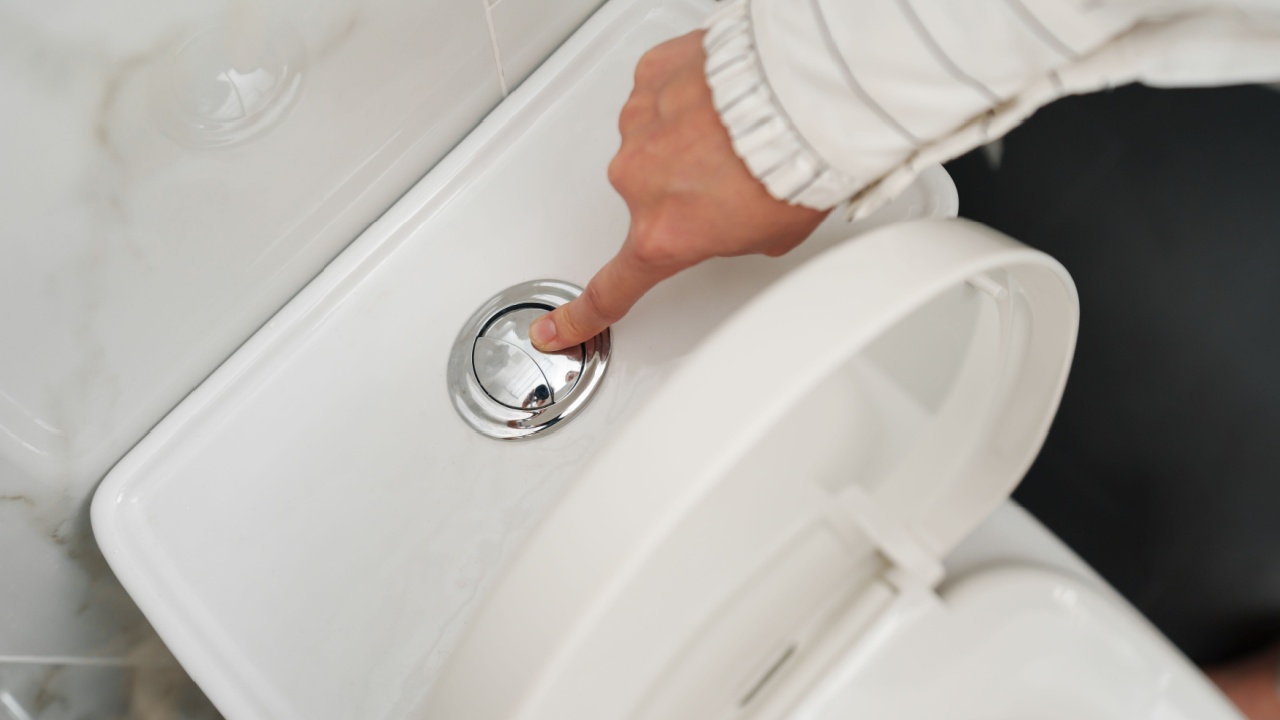
Image Credit: Shutterstock.
A toilet can seem like a convenient disposal unit for all sorts of things. The truth is, it is engineered for a very specific purpose: to handle human waste and toilet paper. That’s it. Flushing anything else invites trouble. Items like “flushable” wipes, paper towels, cotton balls, dental floss, and feminine hygiene products do not break down in water the way toilet paper does.
They can clump together, snag on the inside of pipes, and create stubborn blockages deep within your home’s plumbing system or even in the main sewer line. A clog caused by these items is often not a simple plunge-away fix. It can require a plumber to use heavy-duty equipment to clear the line. In worst-case scenarios, it might even necessitate digging up parts of your yard to access the sewer pipe.
3. Ignoring Small Plumbing Issues
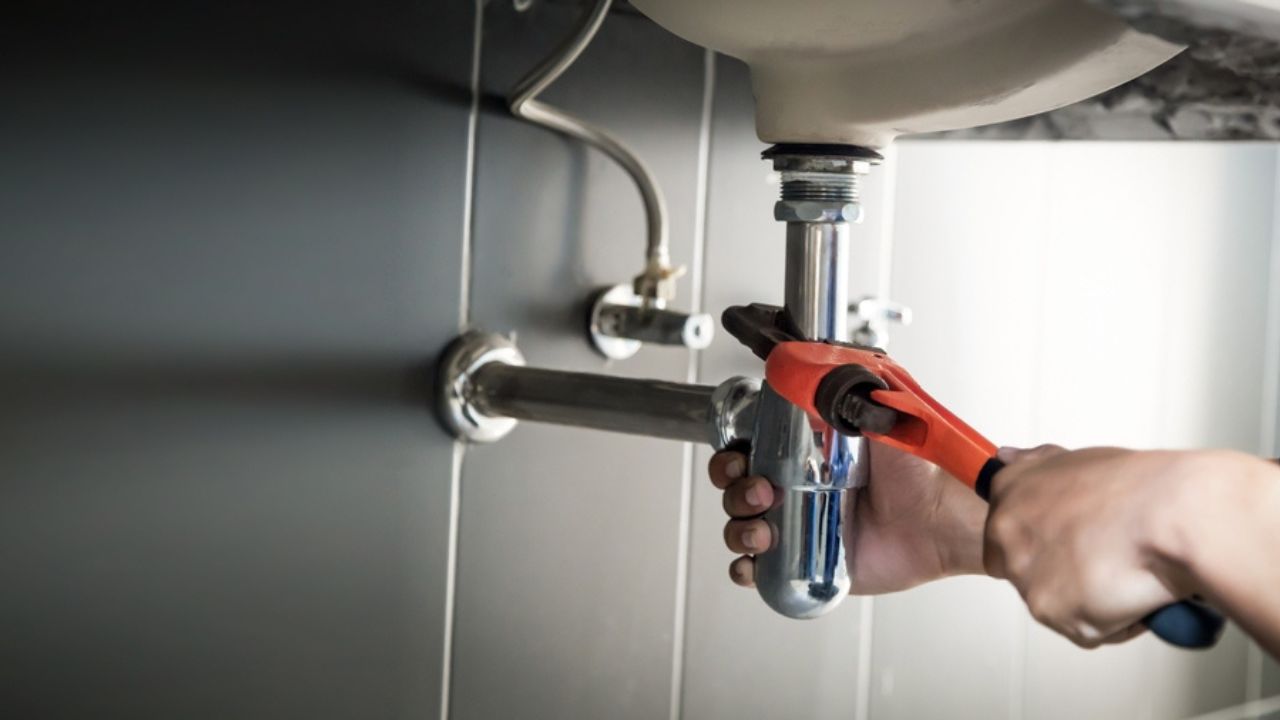
Image Credit: Shutterstock.
A slowly dripping faucet or a toilet that constantly runs might seem like minor annoyances. It is easy to put off fixing them, but these small issues are often symptoms of bigger problems, and they waste a surprising amount of water and money. A running toilet can waste hundreds of gallons per day. That is water you are paying for, for no reason at all.
Beyond the wasted resources, ignoring these small signs can lead to catastrophic failures. A small sink leak can quietly rot the cabinet floor, grow mold, and damage the subfloor. What begins as a simple washer replacement can turn into a major renovation. Fixing leaks promptly saves money on water bills and prevents minor issues from becoming emergencies.
4. Misusing the Garbage Disposal
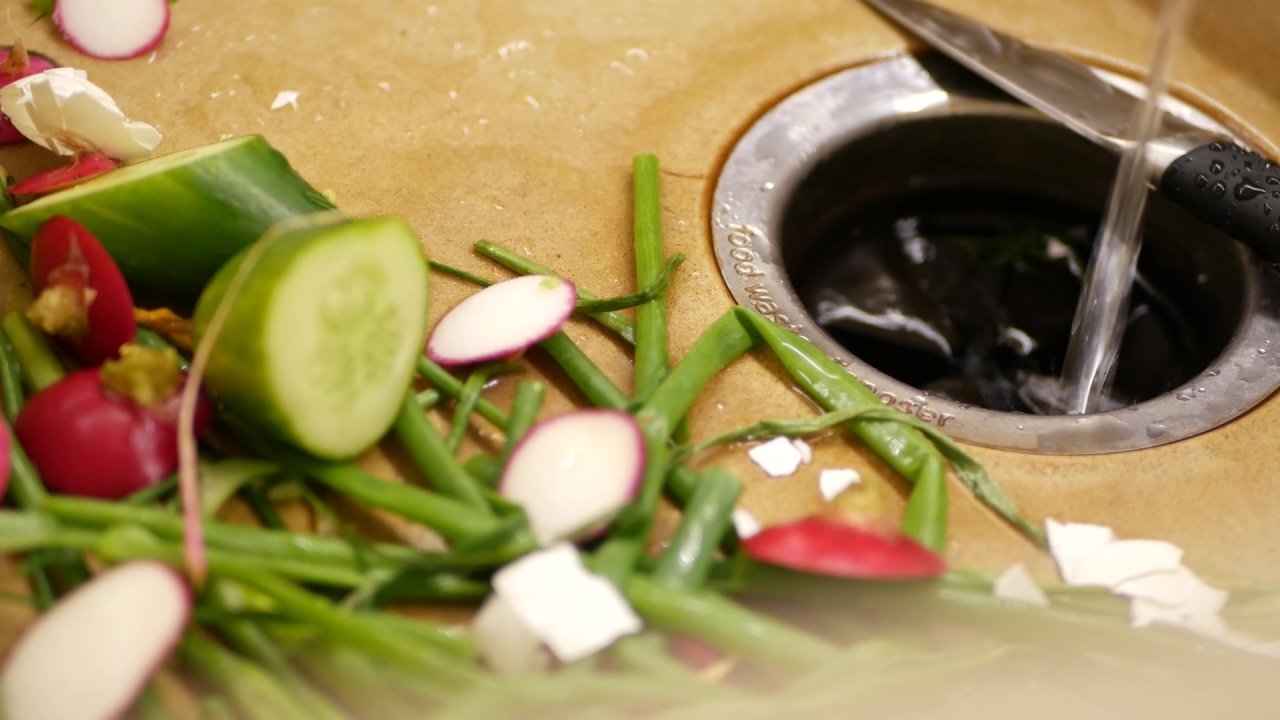
Image Credit: Shutterstock.
The garbage disposal is a powerful kitchen appliance, but it is not an invincible trash compactor. Many people treat their disposal like a trash can, leading to jammed blades, a burnt-out motor, and clogged pipes. Your disposal is only meant for small, soft food particles.
Avoid fibrous vegetables like celery, which wrap around the blades, and starchy foods like potato peels, which create a thick paste. Never pour grease, fats, or oils down the drain, as they solidify and cause blockages. Running the disposal without enough water is another common mistake. Water is essential to help flush the ground-up food particles through the pipes.
5. Taking on Complex DIY Plumbing Tasks
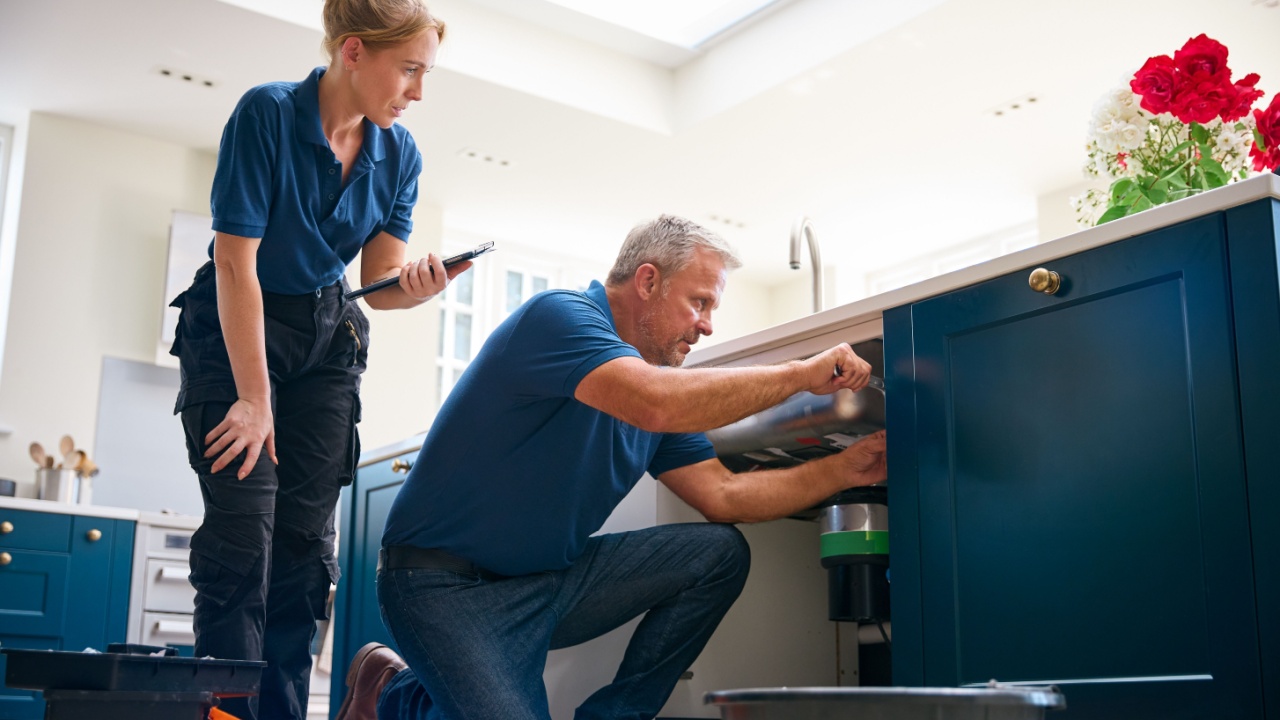
Image Credit: Shutterstock.
The do-it-yourself spirit is admirable. Fixing something with your own two hands can be rewarding. However, some plumbing projects are best left to professionals. Tasks like replacing a water heater, rerouting pipes, or making repairs to a main water or sewer line involve complex codes, specialized tools, and a deep understanding of how the system works.
A common DIY mistake is overtightening fittings. The instinct to tighten connections to prevent leaks can actually crack the fitting or strip the threads, creating a new leak. Professionals know the right amount of torque to apply. Attempting a complex job without the proper knowledge can quickly turn a manageable project into an expensive emergency, requiring a plumber to fix the original problem and the one you just created.
Forming Good Plumbing Habits
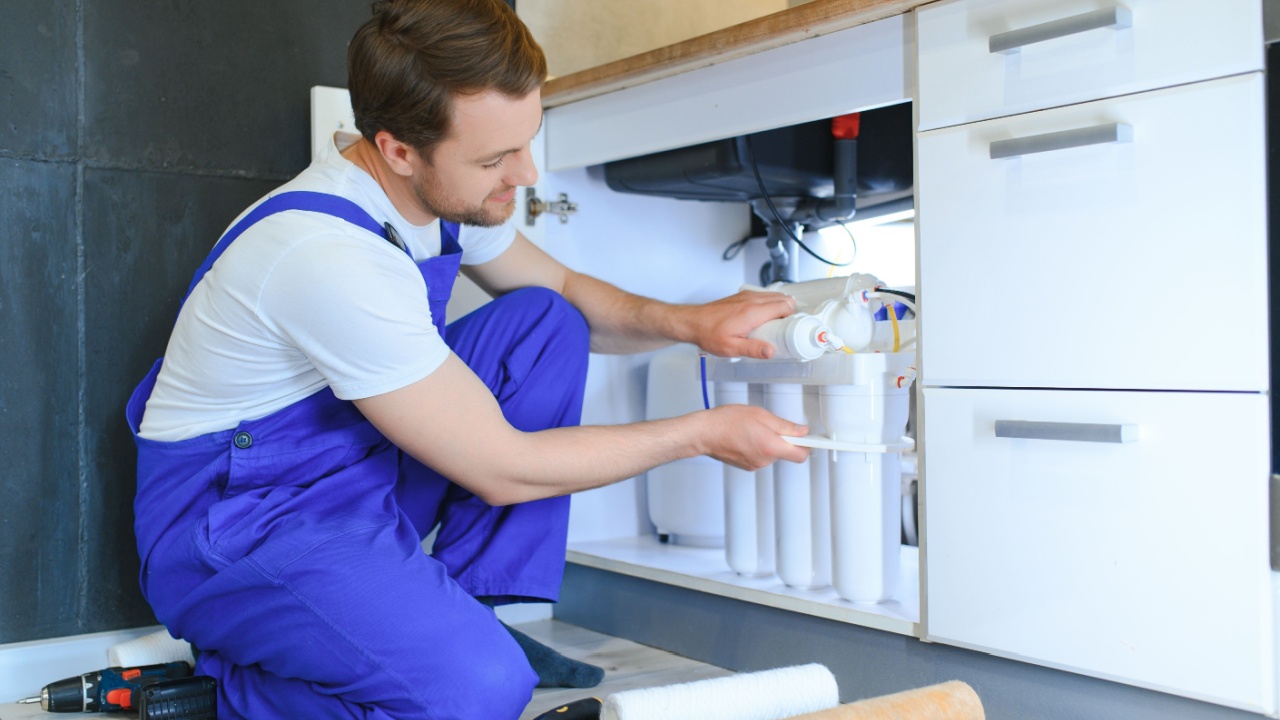
Image Credit: Shutterstock.
Maintaining your home’s plumbing doesn’t require you to become a master plumber overnight. It’s more about forming good habits and knowing your limits. The most effective approach is prevention. Start by being more mindful of what goes down your drains and toilets. Keep an eye out for small leaks and address them before they escalate.