Grow a Garden for Free: Easy Plants You Can Grow from Cuttings
Growing new plants from cuttings is the closest thing to garden magic. With just a snip of fresh growth and a bit of patience, you can turn one plant into many—no seeds required. Place a stem in water or tuck it into soil, and soon it sprouts roots of its own, ready to flourish. It’s simple, satisfying, and surprisingly addictive.
Personally, I love multiplying my scented geraniums for the porch or rooting pothos to cascade from bookshelves. But it doesn’t stop with houseplants—you can also grow shrubs, herbs, and even some trees from cuttings. The key is knowing which plants are eager to grow this way and which ones need a little extra coaxing (or might not cooperate at all).
If you’re ready to grow your garden for free, here are the easiest plants to propagate from cuttings—perfect for beginners or anyone looking to stretch their green thumb a little further.
Types Of Cuttings

Before you take a cutting, you need to know what type of cutting to take, which will vary depending on the plant. There are four main types of stem cuttings: herbaceous, softwood, semi-hardwood, and hardwood.
Herbaceous cuttings are taken from — you guessed it — herbaceous perennials and annuals. The other three come from woody shrubs and trees and refer to the age of the stem.
Softwood cuttings come from tender young growth under two months old. Semi-hardwood cuttings come from two- to six-month-old growth, which is more mature but still holds leaves. Hardwood cuttings come from dormant plants and are taken in late fall or winter.
Tips For Rooting Cuttings
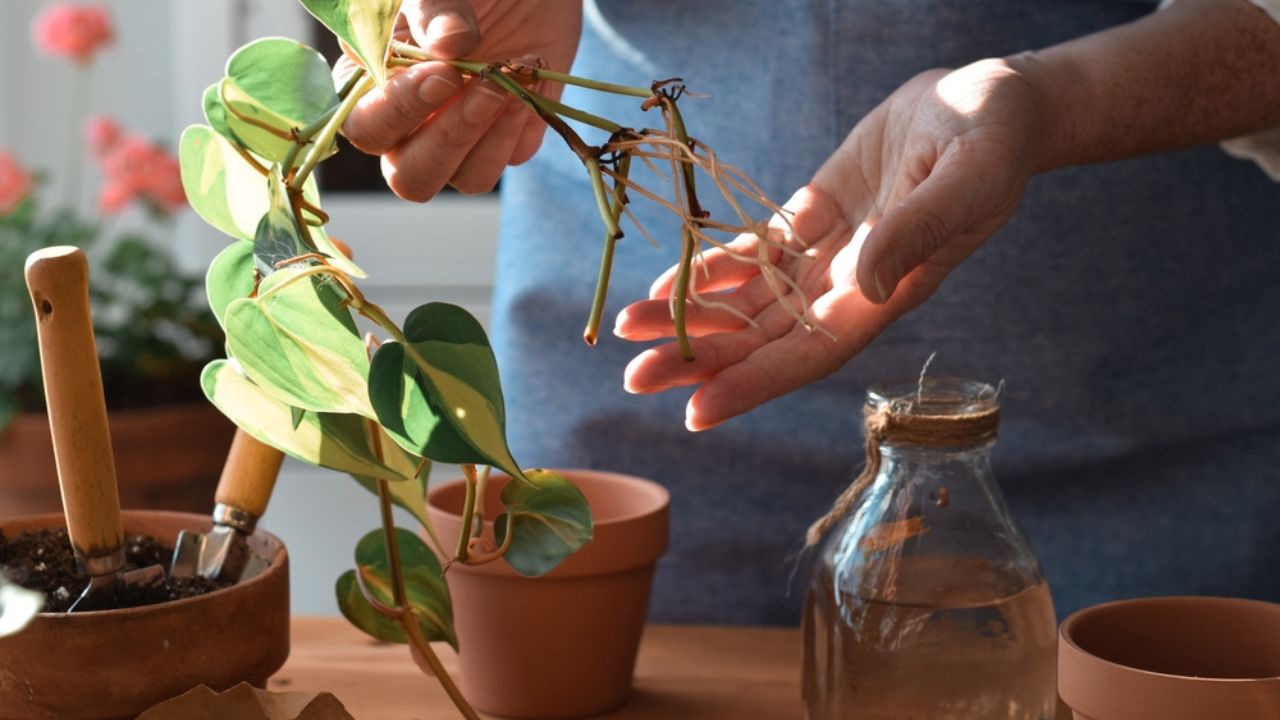
Cuttings should always come from this season’s or the previous season’s growth, depending on the type (see above). Select healthy stems from the upper part of the plant, without flowers or buds, if possible. If not, remove all flowers and buds so the plant’s energy goes into roots and new growth.
With many plants, like pothos, a long cutting can be divided into multiple shorter cuttings. However, a terminal cutting (end piece) often works best. Most cuttings should be four to six inches long.
Remove all leaves from the lower third to half of each cutting. I usually aim to have at least two to three leaves remaining at the top. For plants that tend to be a bit more difficult to propagate from cuttings, dip the bottom end in rooting hormone, tapping to remove excess powder.
Then, insert the bottom third to half of the cutting into a small container of moistened growing medium. For the medium, a mixture of equal parts perlite and peat or sand and peat works well, though I have used both seed starting mix and potting soil successfully. Many herbaceous plants will even root in water, which is fun to see!
Place your cuttings on a windowsill with bright, indirect light and keep the medium moist. To ensure high humidity, you can place a plastic bag or a jug or bottle with the bottom cut out over the plants. The plant has rooted when new growth forms or it stays in place when you gently tug on it.
Plants You Can Grow from Cuttings
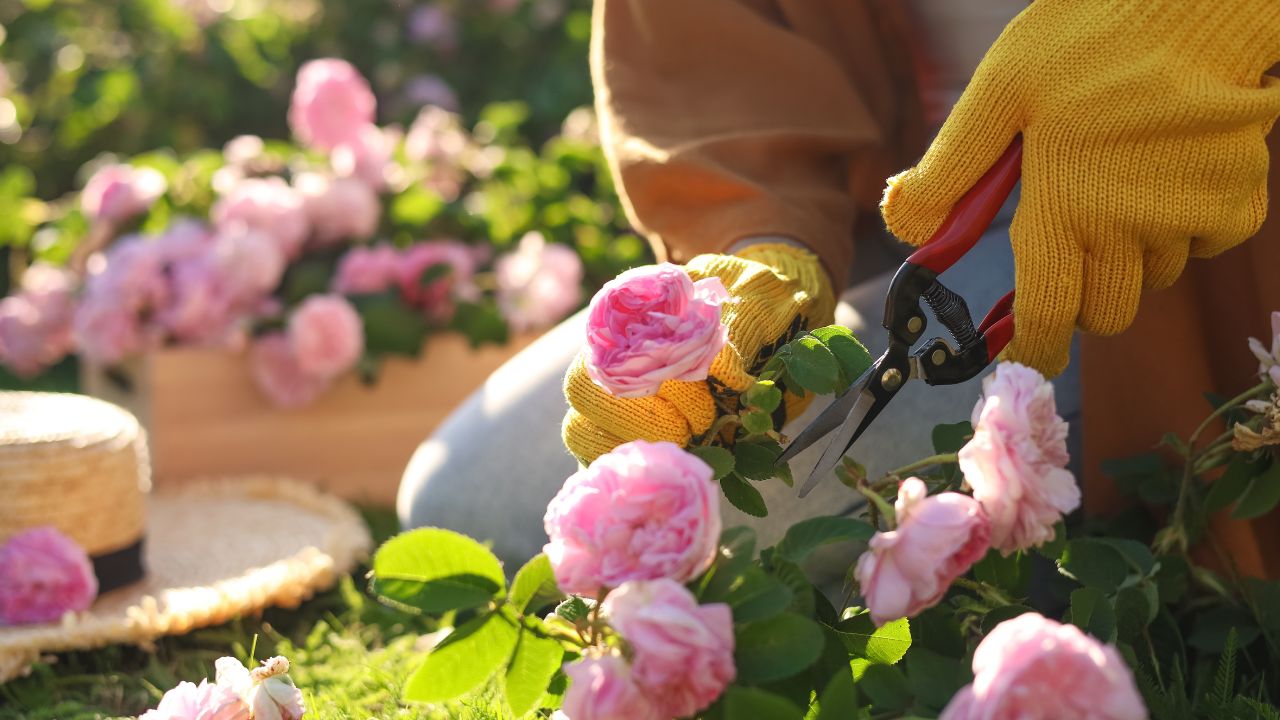
Each of the plants below, categorized as houseplants (indoor), garden plants (outdoor), or trees, include the type of cutting (herbaceous, softwood, semi-hardwood, hardwood) and recommended rooting medium (water or “soil”/growing medium). See the above sections for more details.
Houseplants- 1. Arrowhead Vine (Syngonium podophyllum)
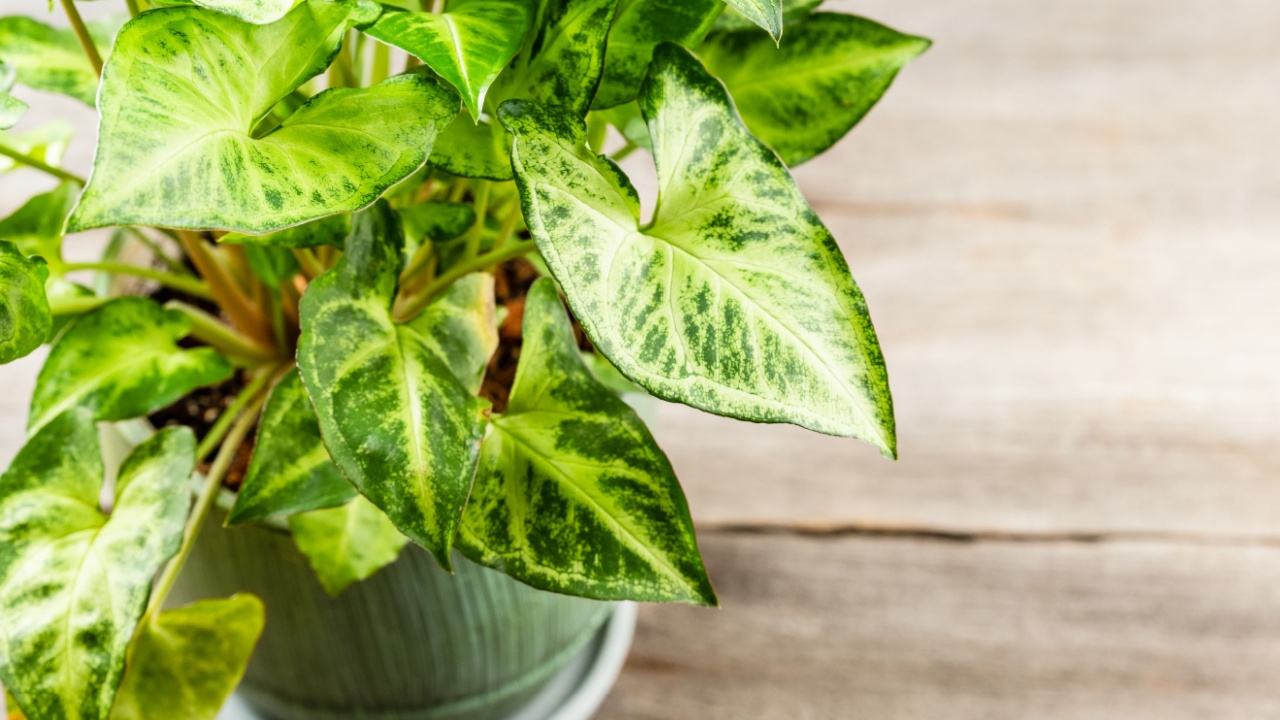
Type of cutting: herbaceous
Rooting medium: water
2. Begonia (Begonia spp.)
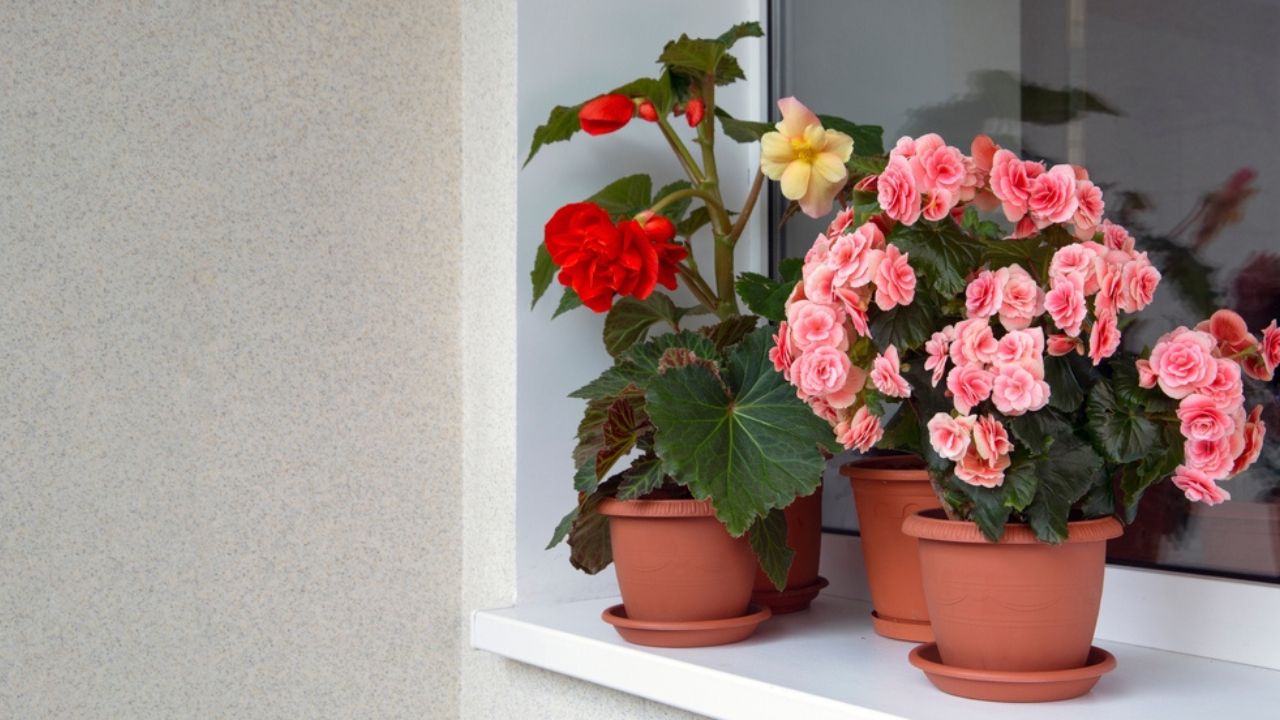
With their striking foliage and otherworldly appearance, begonias are among my favorite houseplants. Some cultivars produce lovely flowers too!
Type of cutting: herbaceous
Rooting medium: water or soil
3. Corn Plant (Dracaena fragrans)

The narrow, often striped, leaves of corn plants resemble the foliage of corn or palms, and these popular houseplants are wonderfully easy to grow even in low light.
Type of cutting: herbaceous
Rooting medium: water
4. Monstera (Monstera spp.)
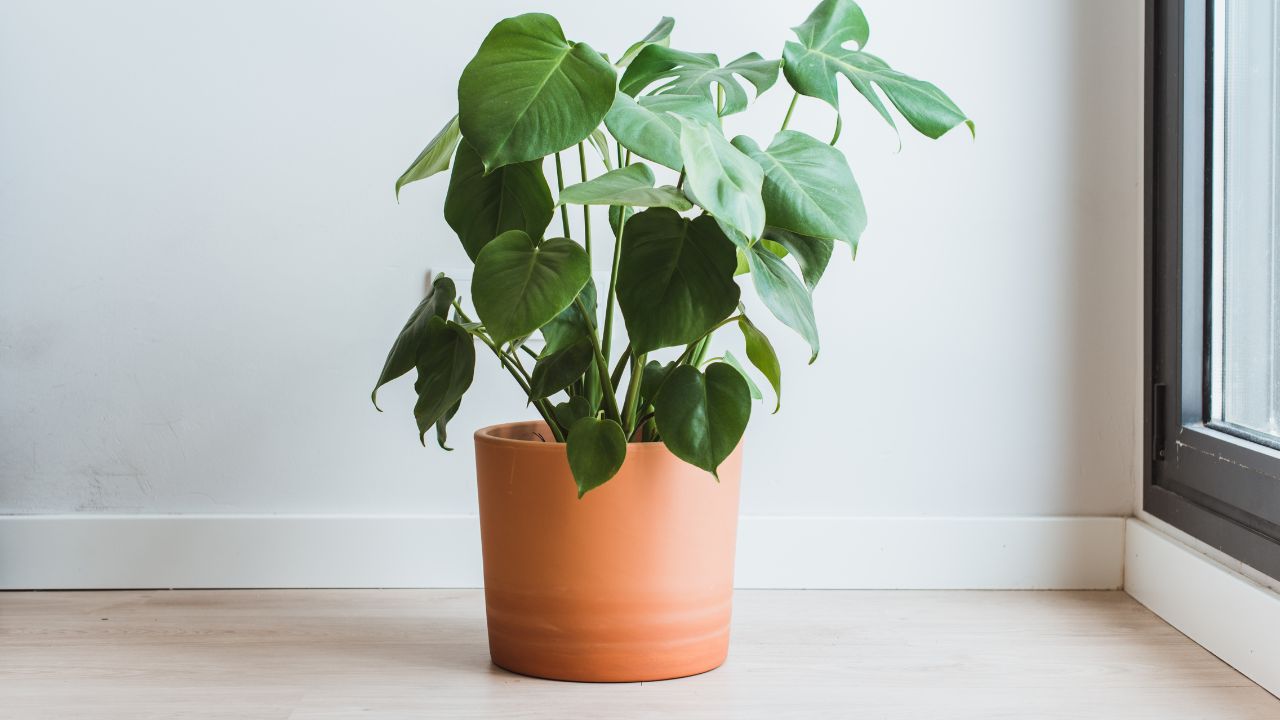
The tropical plants in this genus typically have large, heart-shaped leaves, often with deep lobes or even holes (such as the aptly named Swiss cheese plant).
Type of cutting: herbaceous
Rooting medium: water or soil
5. Philodendron (Philodendron spp.)

This large genus contains a multitude of climbing, creeping, and trailing tropical plants, from the vining heart-leaf philodendron to the more compact philodendron erubescens with its huge leaves.
Type of cutting: herbaceous
Rooting medium: water
6. Poinsettia (Euphorbia pulcherrima)
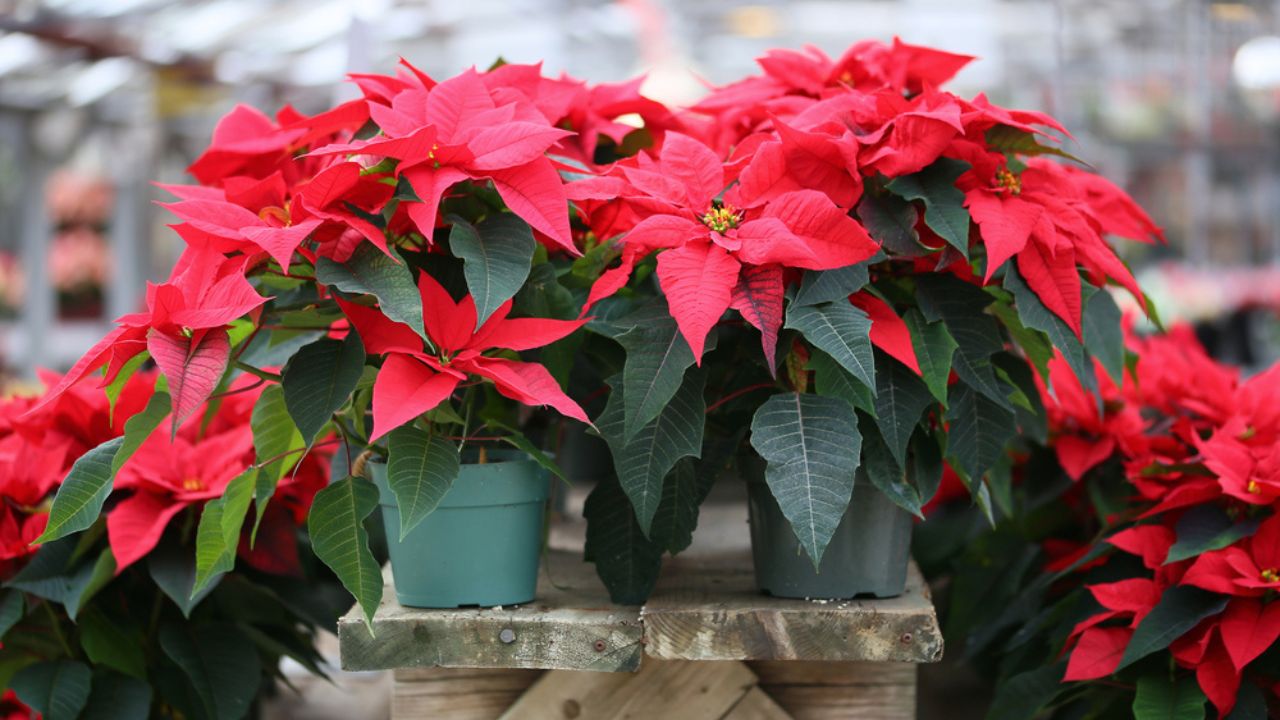
A popular Christmas decoration, poinsettias can actually be grown as houseplants year round.
Type of cutting: herbaceous
Rooting medium: soil
7. Pothos (Epipremnum aureum)

This vining houseplant is one of the easiest to grow and one of my favorites to propagate by cuttings.
Type of cutting: herbaceous
Rooting medium: water
8. String of Pearls (Curio rowleyanus)
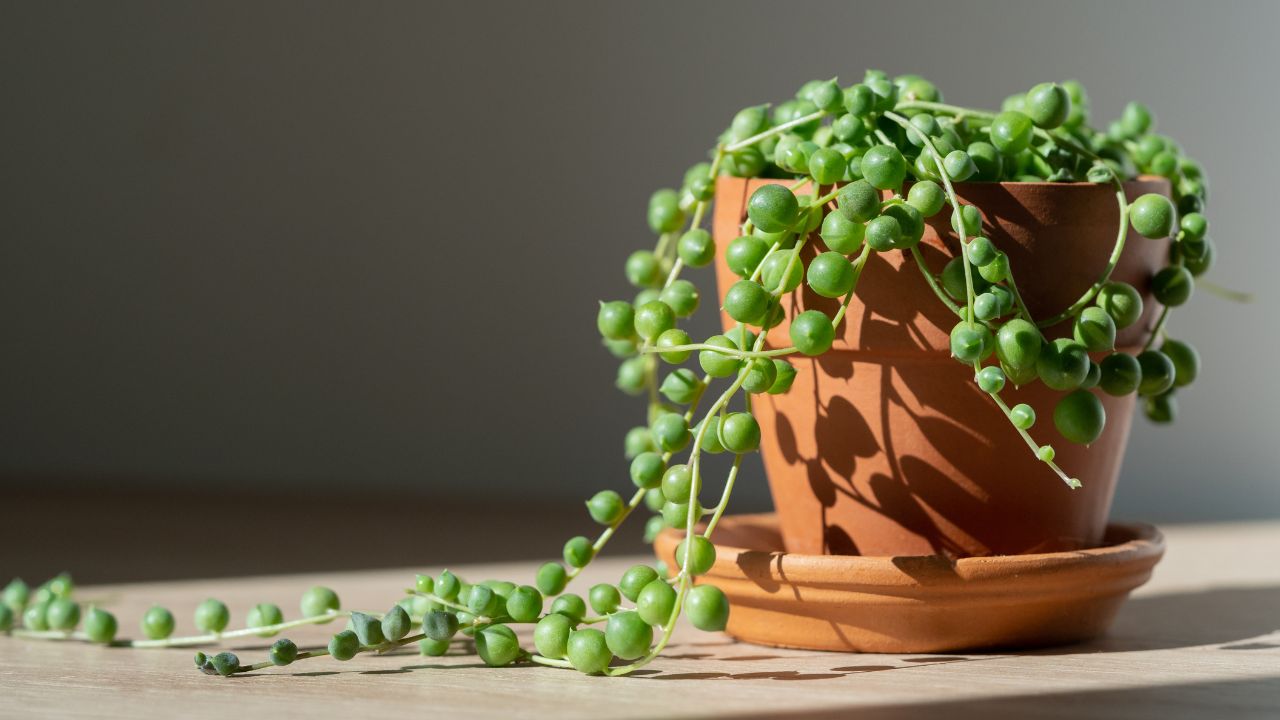
A unique vining succulent, string of pearls has spherical leaves that resemble peas or, well, pearls!
Type of cutting: herbaceous
Rooting medium: soil
9. Swedish Ivy (Plectranthus australis)
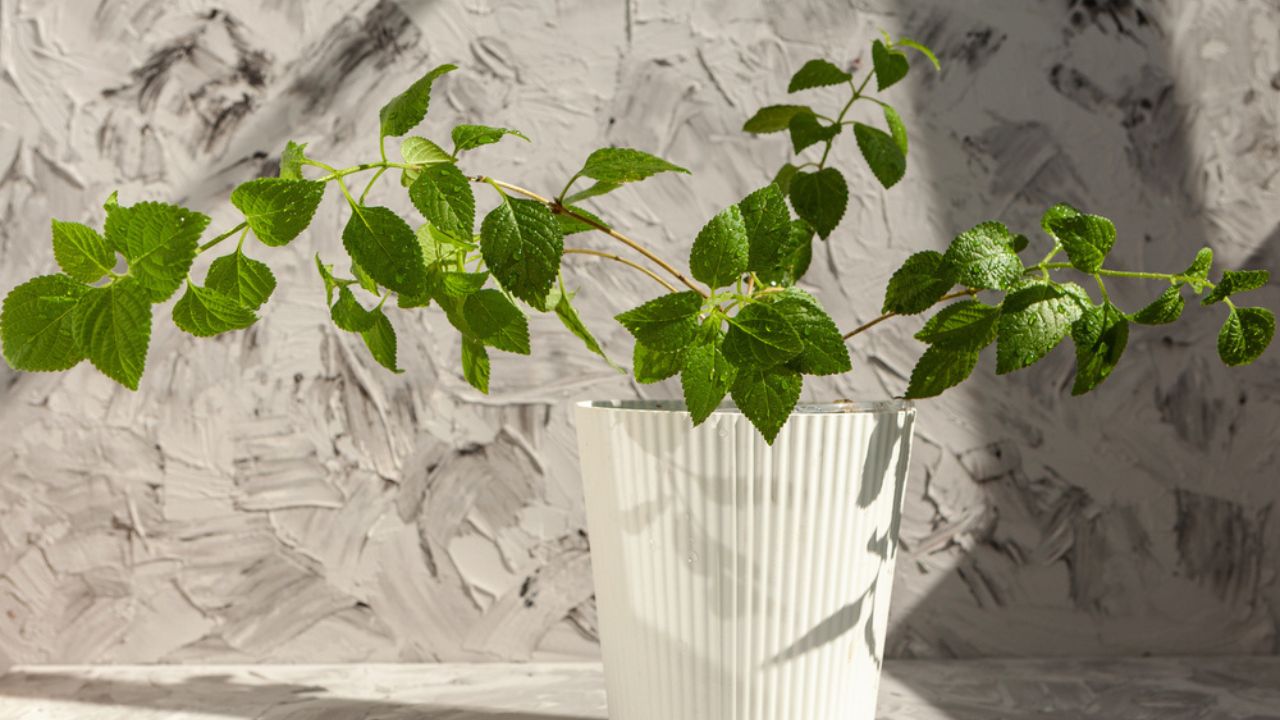
This lovely vining houseplant has round, scalloped leaves often with variegation. It also produces white or lavender flowers!
Type of cutting: herbaceous
Rooting medium: soil
Garden Plants- 10. Azalea (Rhododendron spp.)
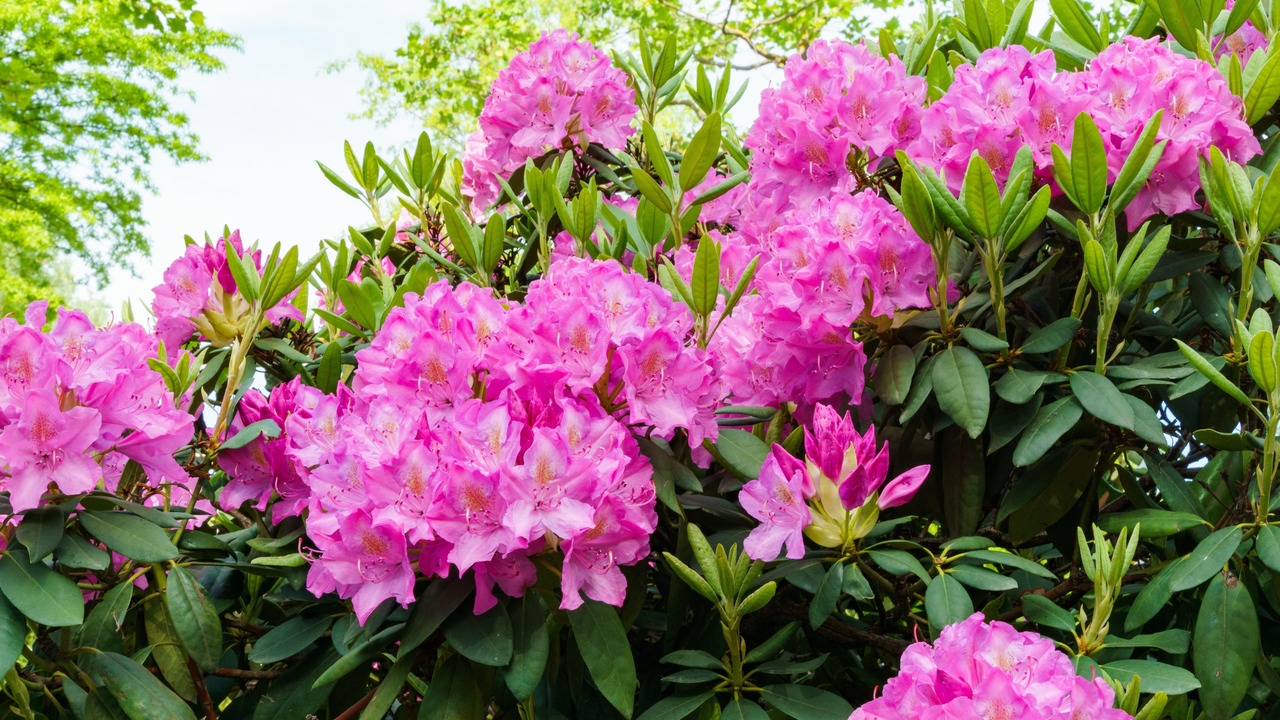
These lovely shrubs bloom in the spring with showy flower clusters in shades of white, pink, or red.
Type of cutting: semi-hardwood
Rooting medium: soil
11. Blueberry (Vaccinium spp.)
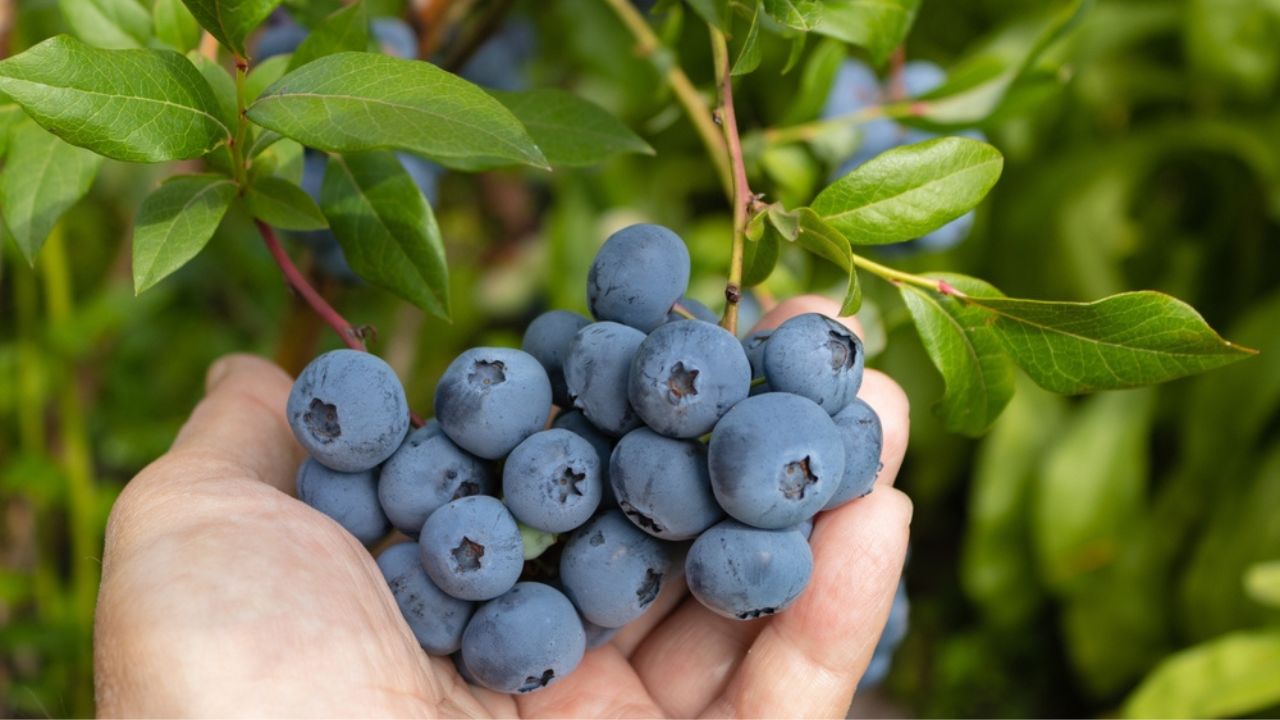
Blueberries are a wonderful fruit to grow in the home garden, and you can multiply your bushes through stem cuttings!
Type of cutting: softwood or hardwood
Rooting medium: soil
12. Buttonbush (Cephalanthus occidentalis)
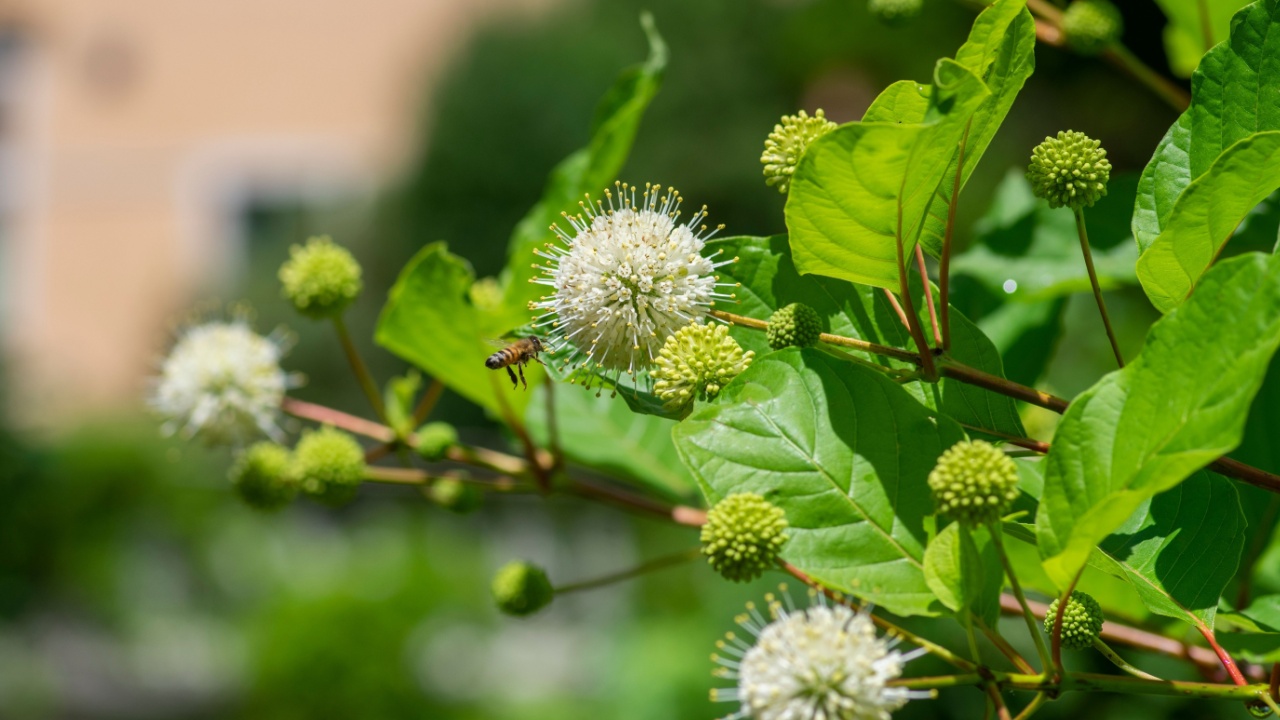
Native to the US, buttonbush produces unique spherical flowers that look something like buttons decorating the shrub.
Type of cutting: hardwood
Rooting medium: soil
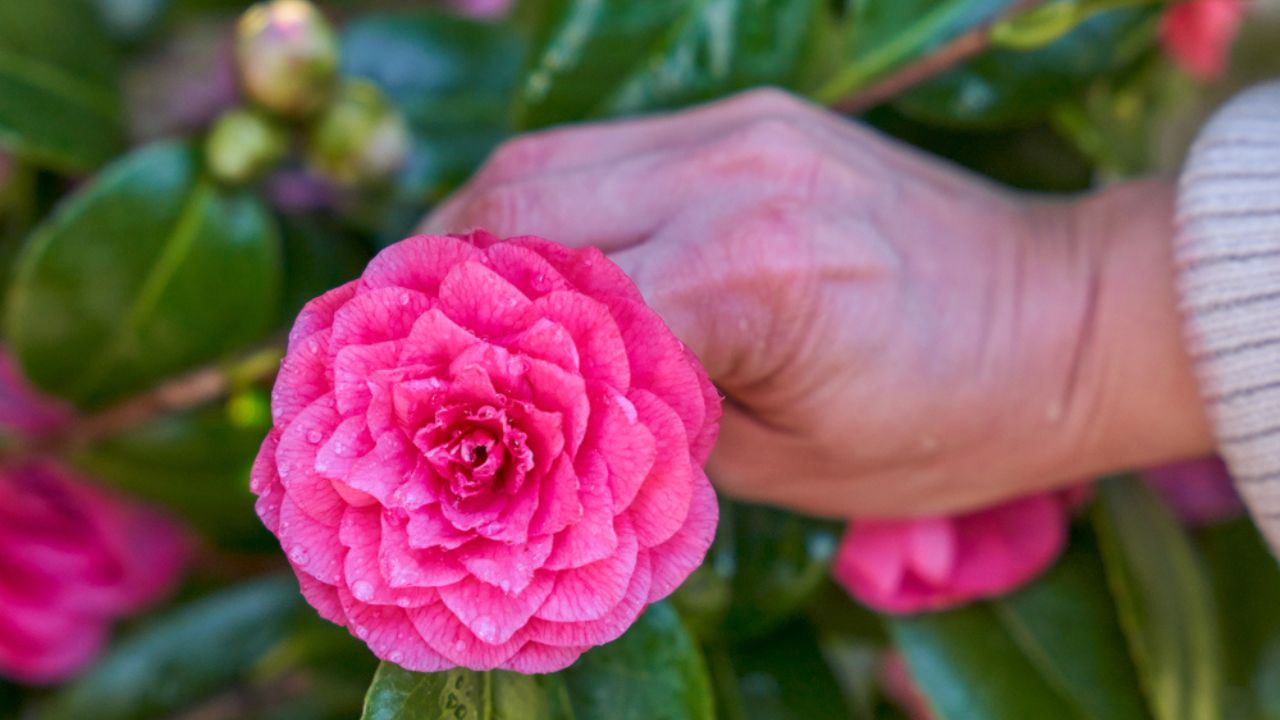
13. Camellia (Camellia spp.)
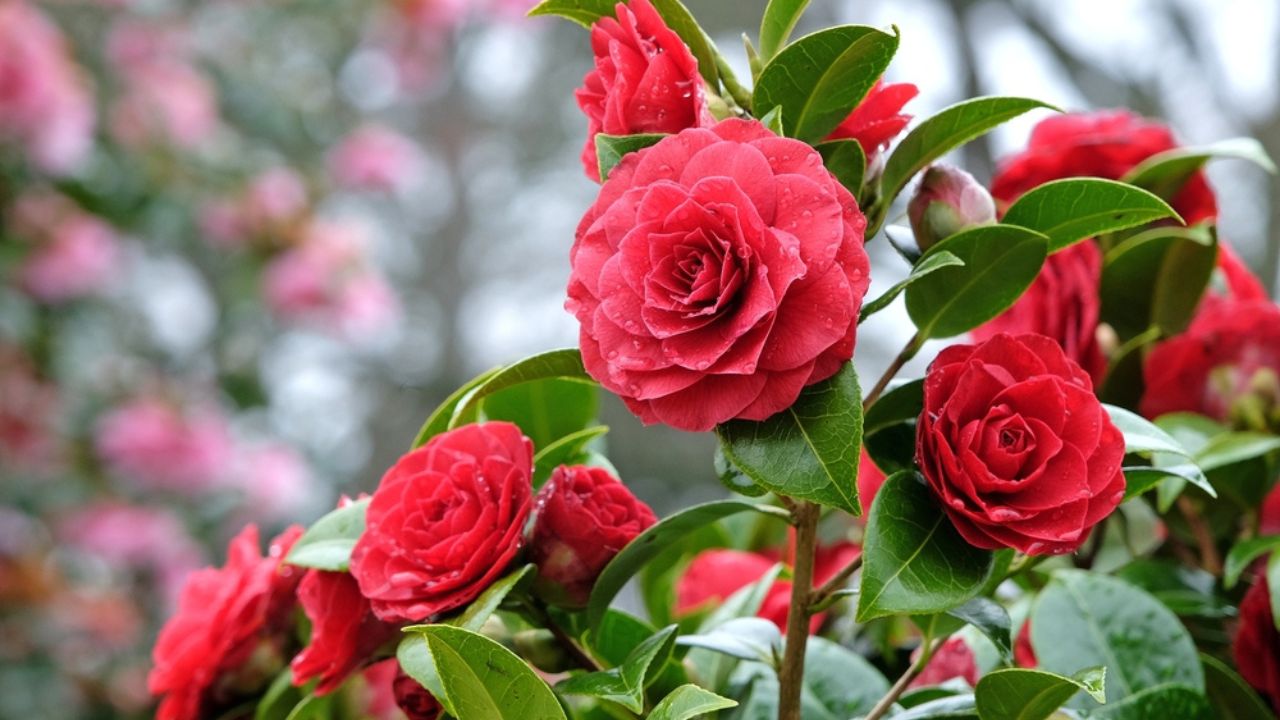
This flowering shrub blooms in vibrant shades of pink, red, lavender, yellow, and white.
Type of cutting: semi-hardwood
Rooting medium: soil
14. Clematis (Clematis spp.)
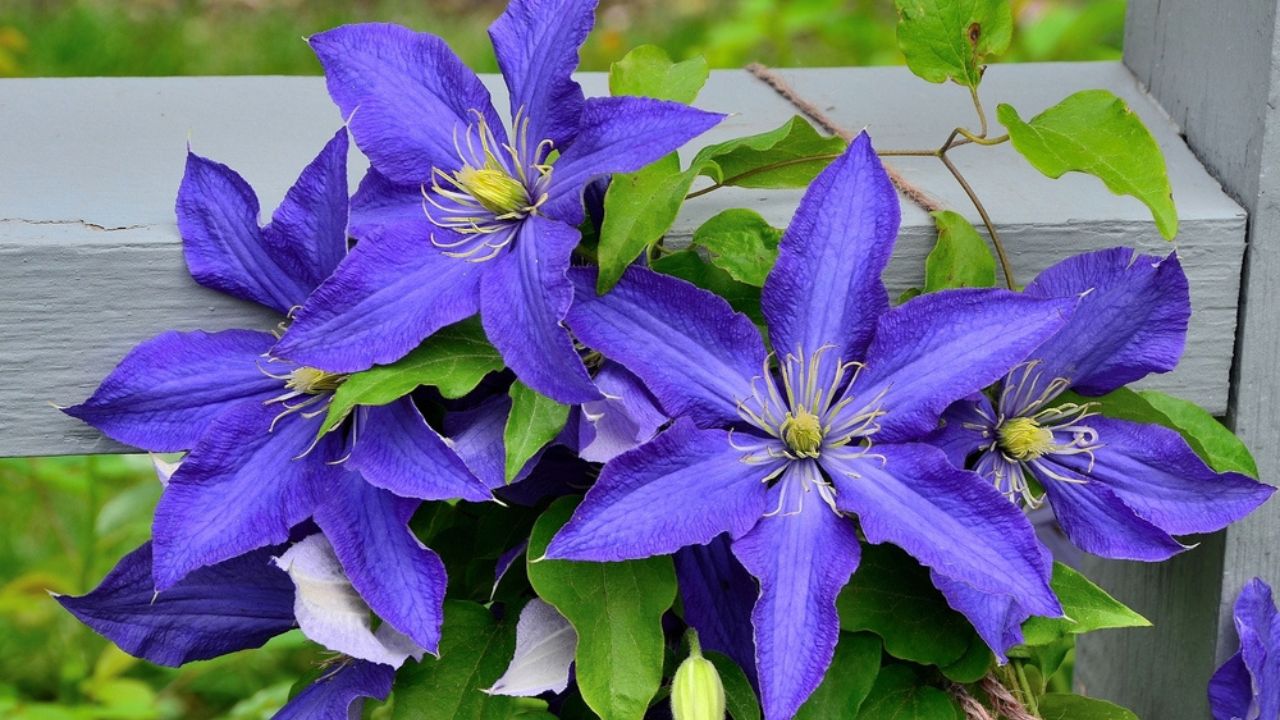
A popular flowering vine, clematis species vary widely in bloom time, flower form, and color.
Type of cutting: softwood or semi-hardwood
Rooting medium: soil
15. Coleus (Plectranthus scutellarioides, Zones 10–11)
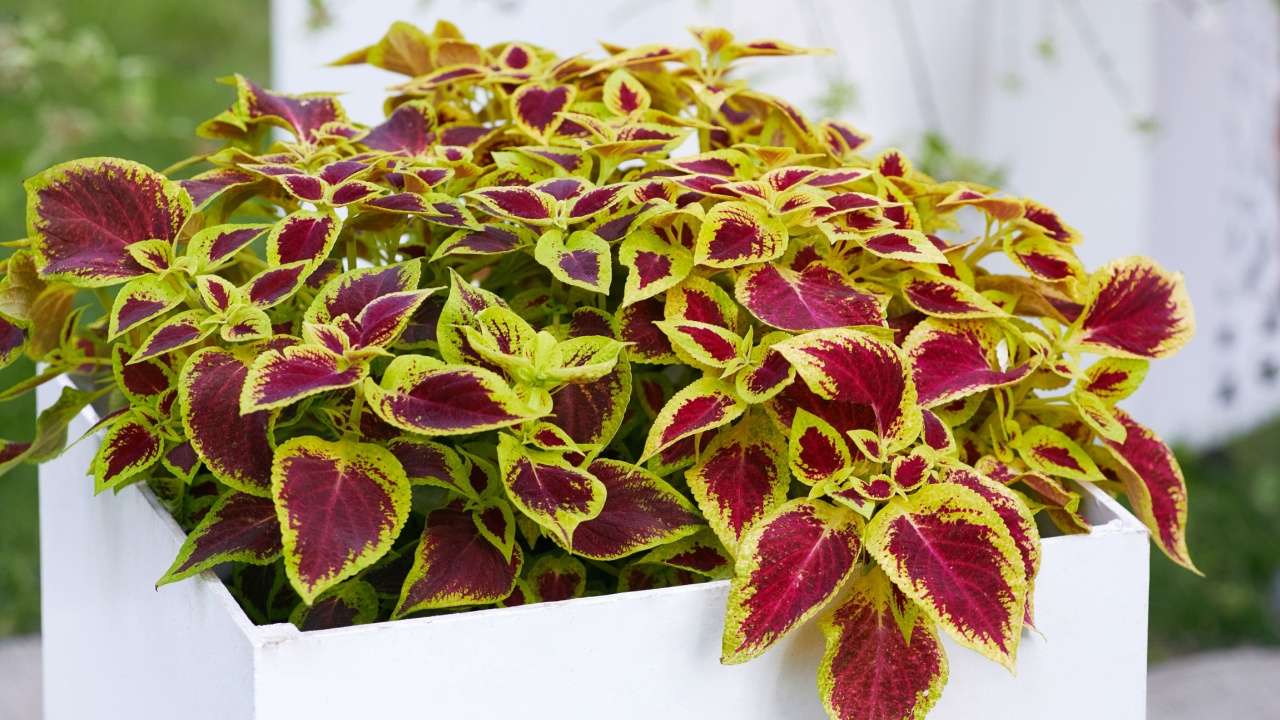
The vibrant foliage of coleus provides a pop of color in shade gardens and patio containers.
Type of cutting: herbaceous
Rooting medium: water
16. Forsythia (Forsythia spp.)
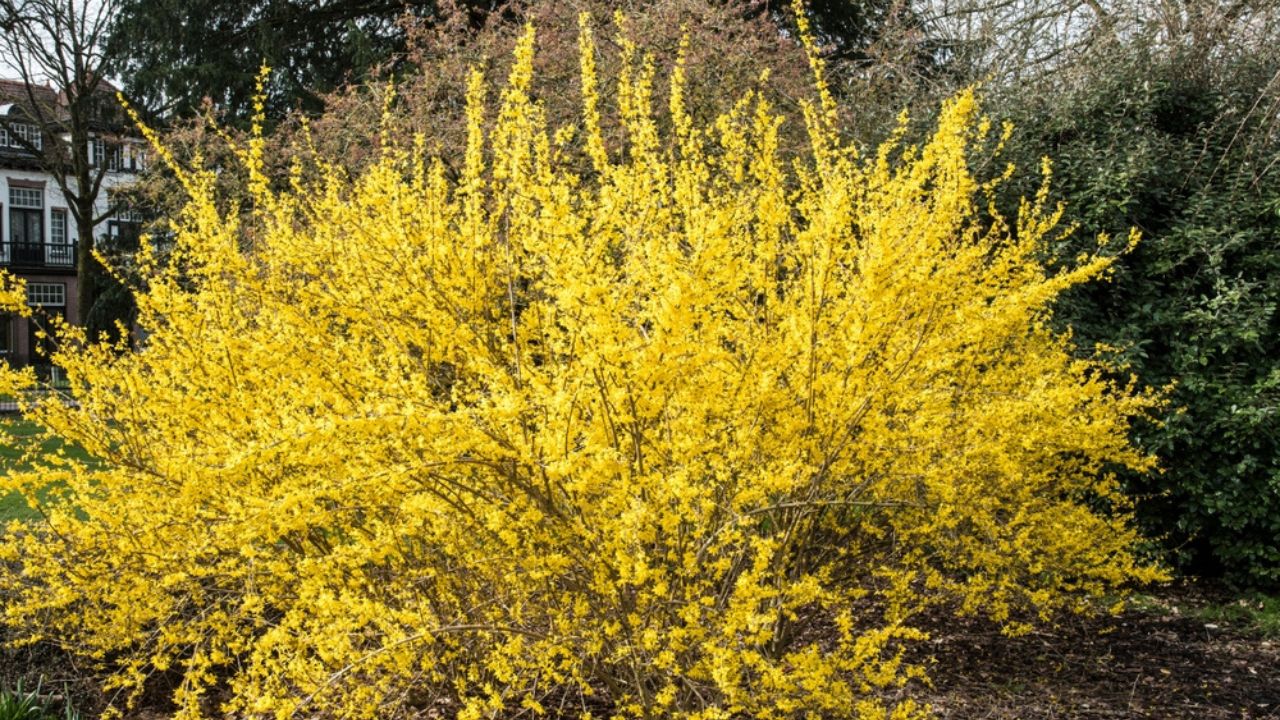
Forsythia shrubs produce masses of cheery yellow flowers in late winter, long before most other plants begin blooming.
Type of cutting: softwood, semi-hardwood, or hardwood
Rooting medium: soil
17. Garden Mums (Chrysanthemum spp.)
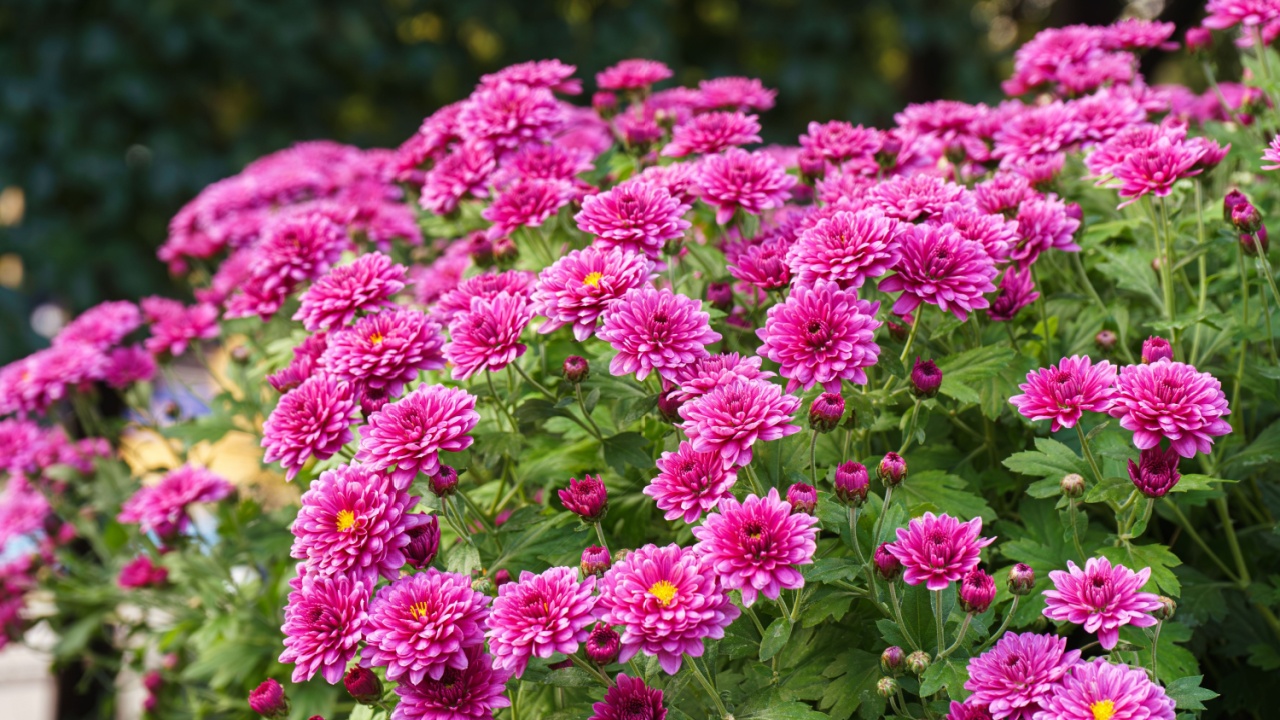
Especially popular during the fall, garden mums produce ruffled blossoms in a variety of lovely colors.
Type of cutting: herbaceous
Rooting medium: soil
18. Geranium (Pelargonium spp.)
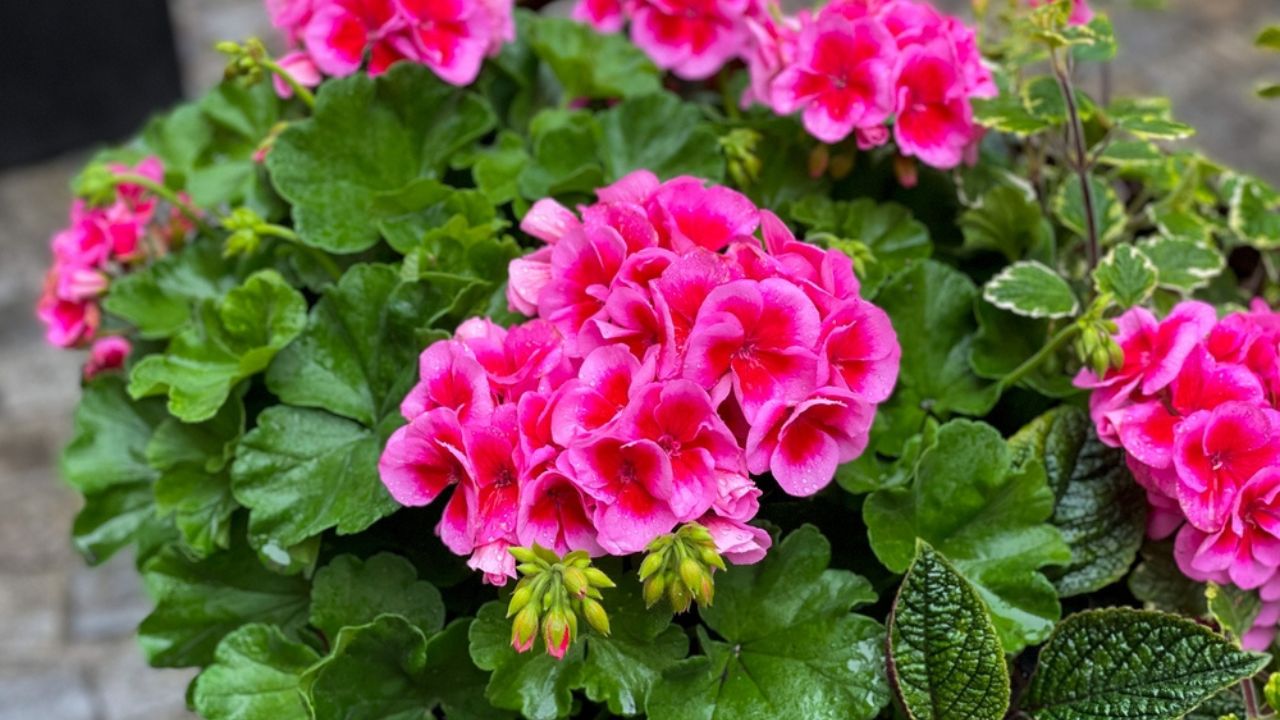
From scented geraniums to hardy geraniums, this genus contains a wide range of species for the garden, patio, and home.
Type of cutting: herbaceous
Rooting medium: soil
19. Grape (Vitis spp.)
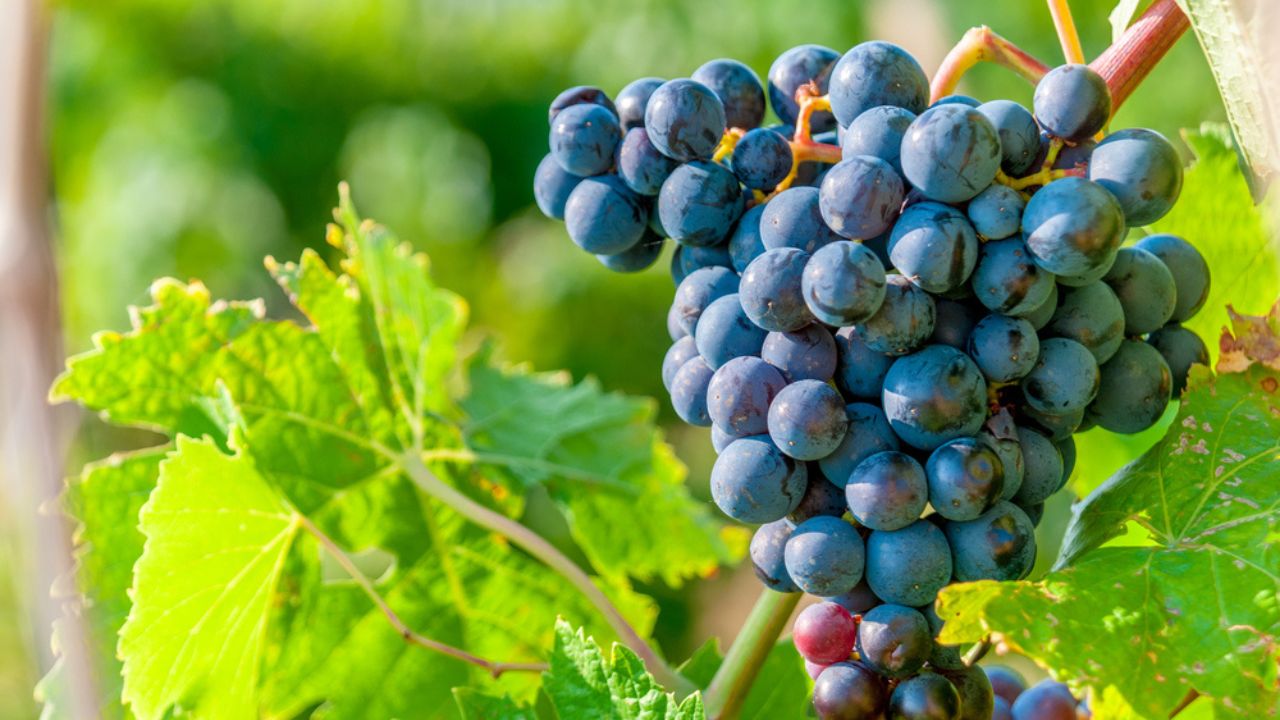
Save healthy cuttings when pruning your grapevines to propagate new plants for even more juicy grapes.
Type of cutting: hardwood
Rooting medium: soil
20. Hydrangea (Hydrangea spp.)
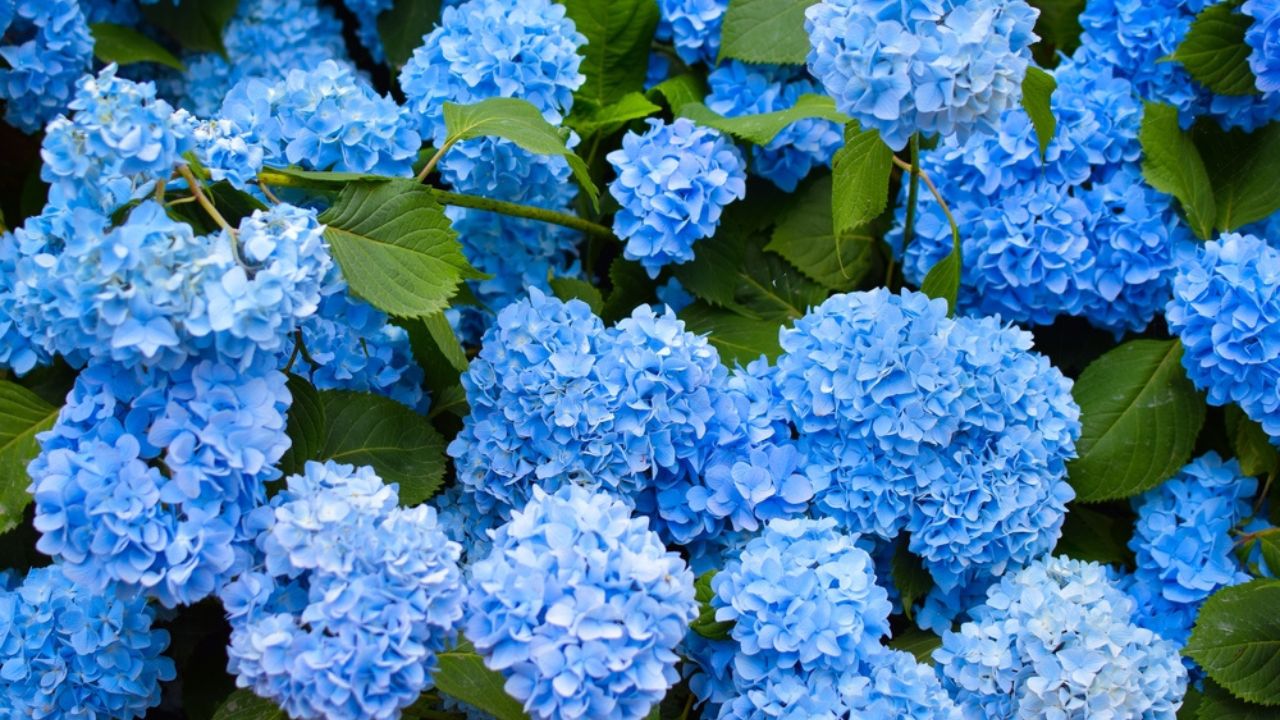
This popular flowering shrub produces lacey caps or showy globes of white, pink, blue, or even lavender blossoms.
Type of cutting: softwood or hardwood
Rooting medium: soil
21. Lavender (Lavendula spp.)
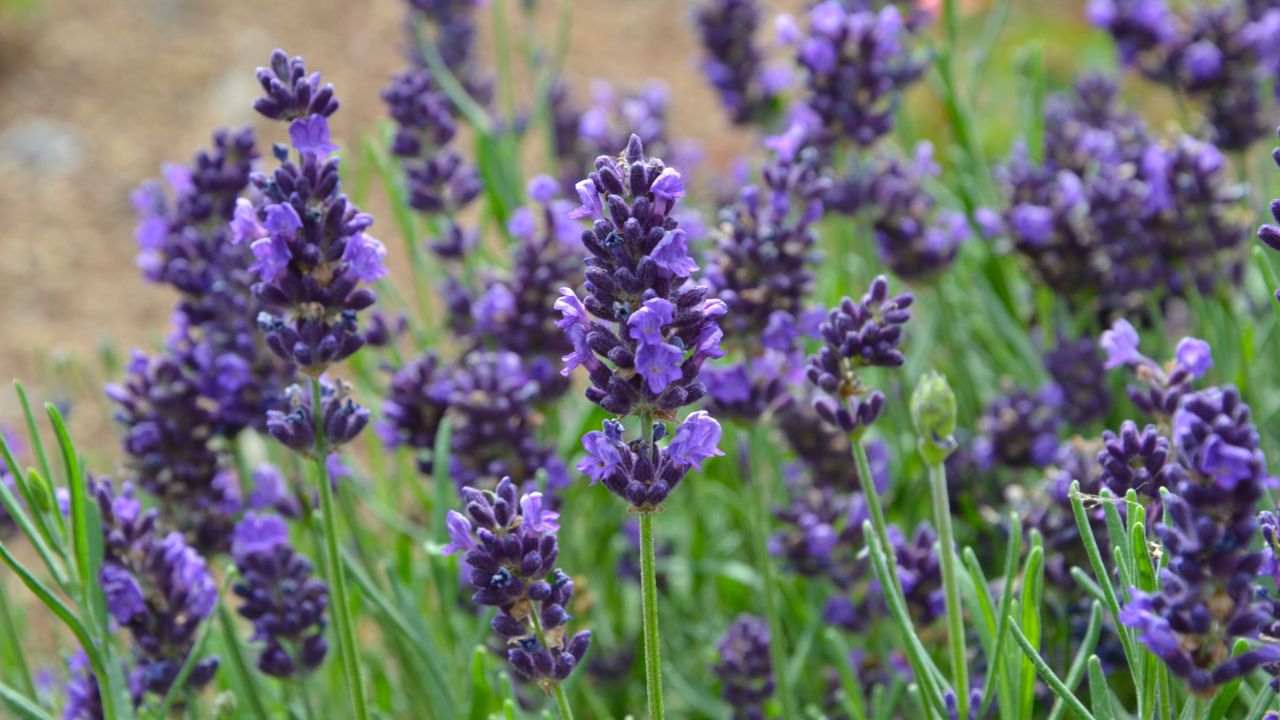
A fragrant herb with lovely purple flowers and both medicinal and culinary qualities, lavender is one plant you can never have too much of.
Type of cutting: softwood or hardwood
Rooting medium: soil
22. Rose (Rosa spp.)

This classic flower has inspired gardeners and poets for centuries with its ruffled petals, sweet scent, and thorny stems.
Type of cutting: softwood or hardwood
Rooting medium: soil
23. Rosemary (Salvia rosmarinus)
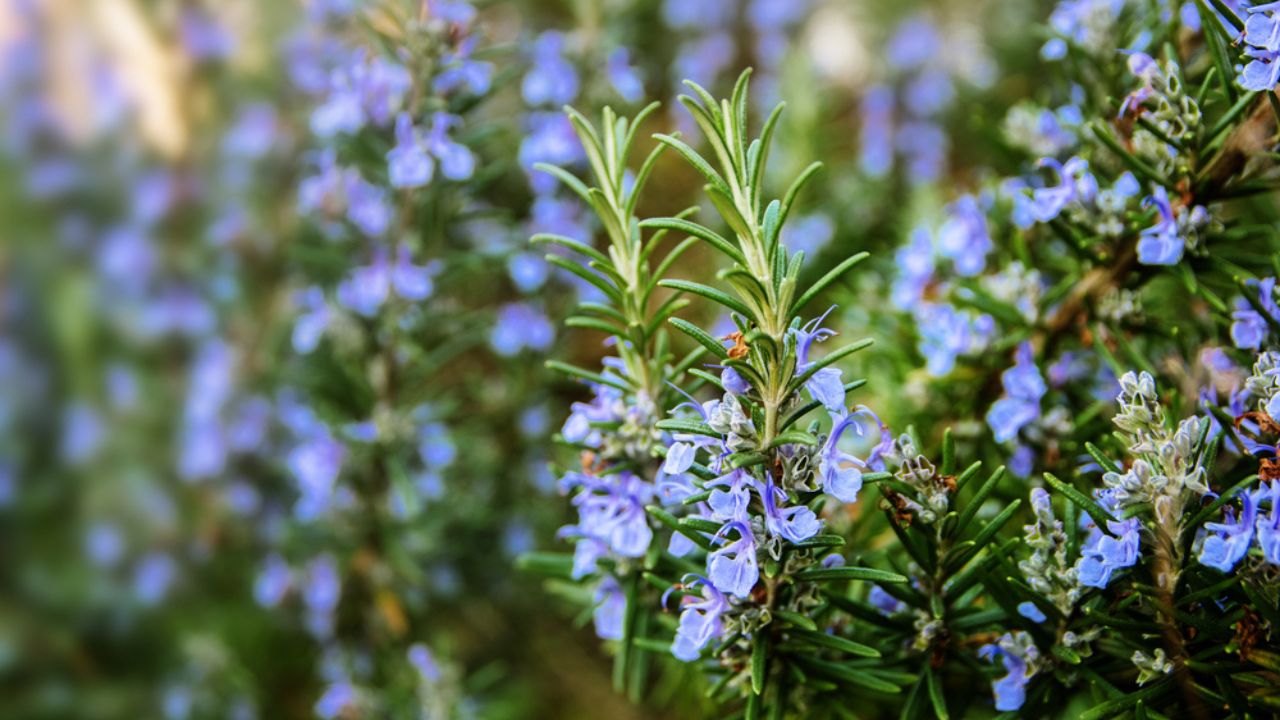
Rosemary is a unique evergreen herb with fragrant, needle-like leaves in a soft, gray-green shade.
Type of cutting: herbaceous
Rooting medium: soil
24. Sweet Potato (Ipomoea spp.)
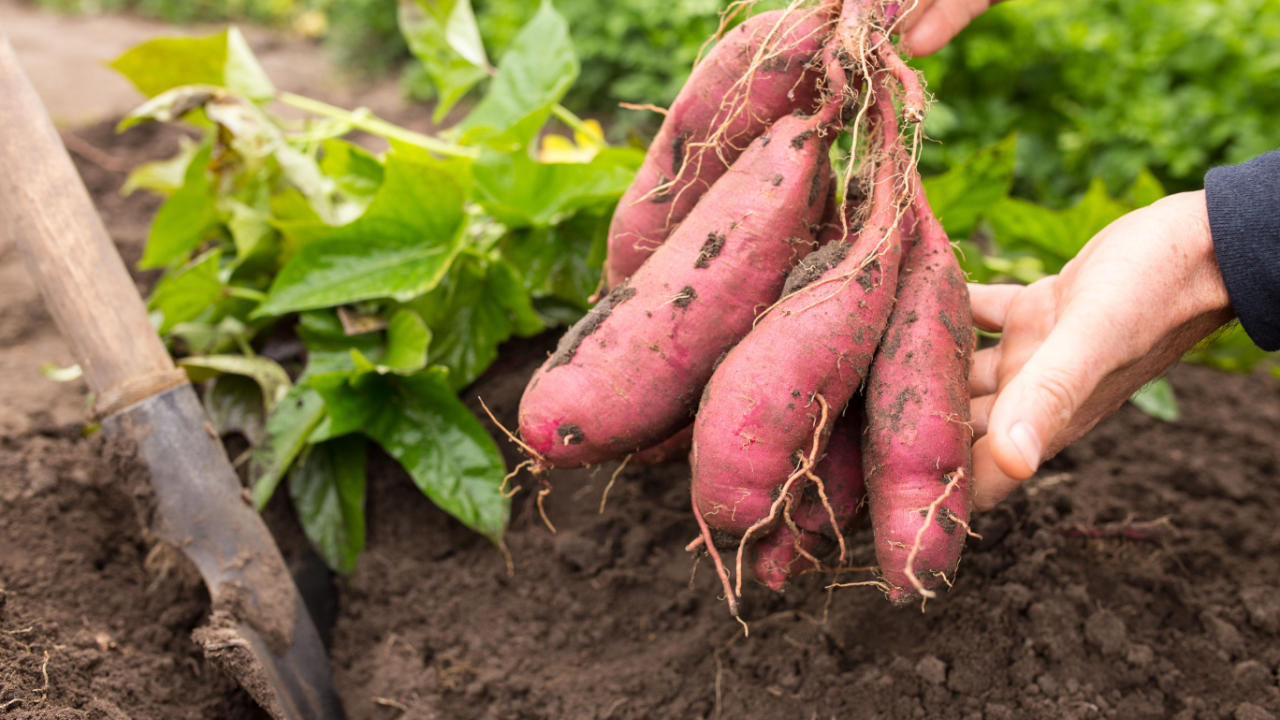
Grow a large crop of this delicious tuber by turning cuttings into new plants.
Type of cutting: herbaceous
Rooting medium: water
Trees- 25. Catalpa (Catalpa bignonioides or speciosa)
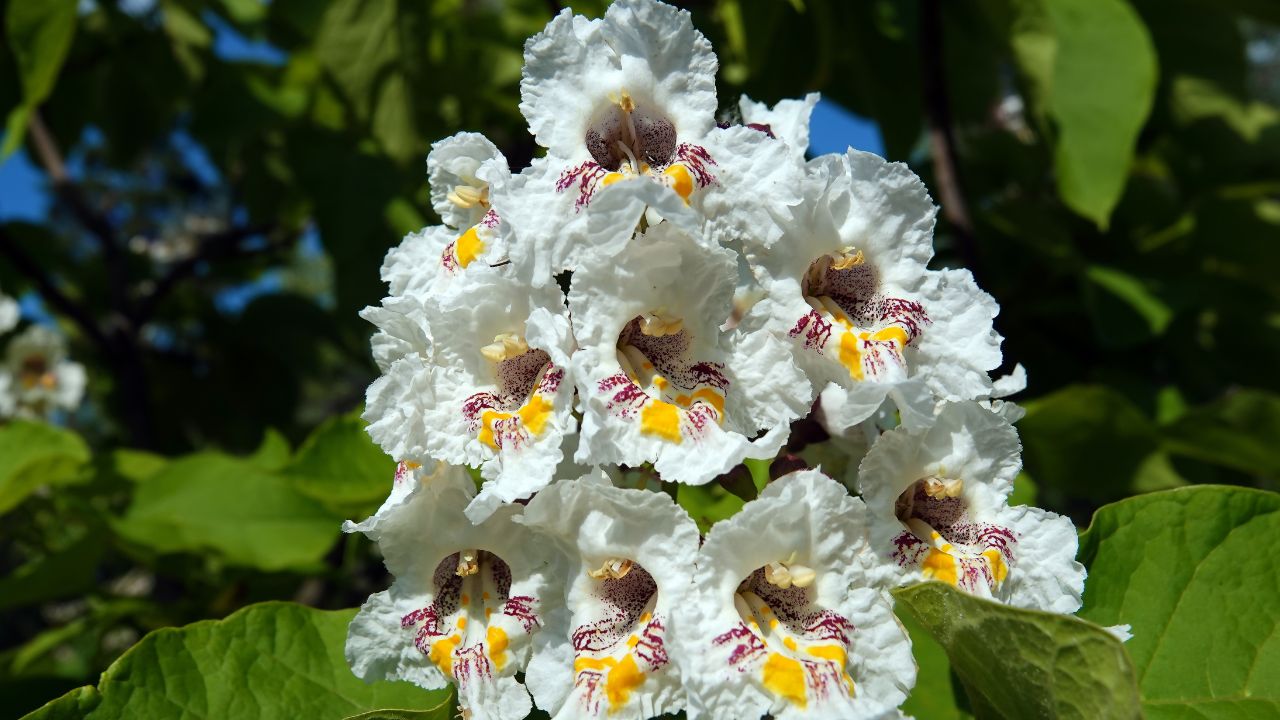
Native to the US, catalpa trees have large, heart-shaped leaves and long, beanlike seed pods.
Type of cutting: softwood
Rooting medium: soil
26. Crape Myrtle (Lagerstroemia spp.)
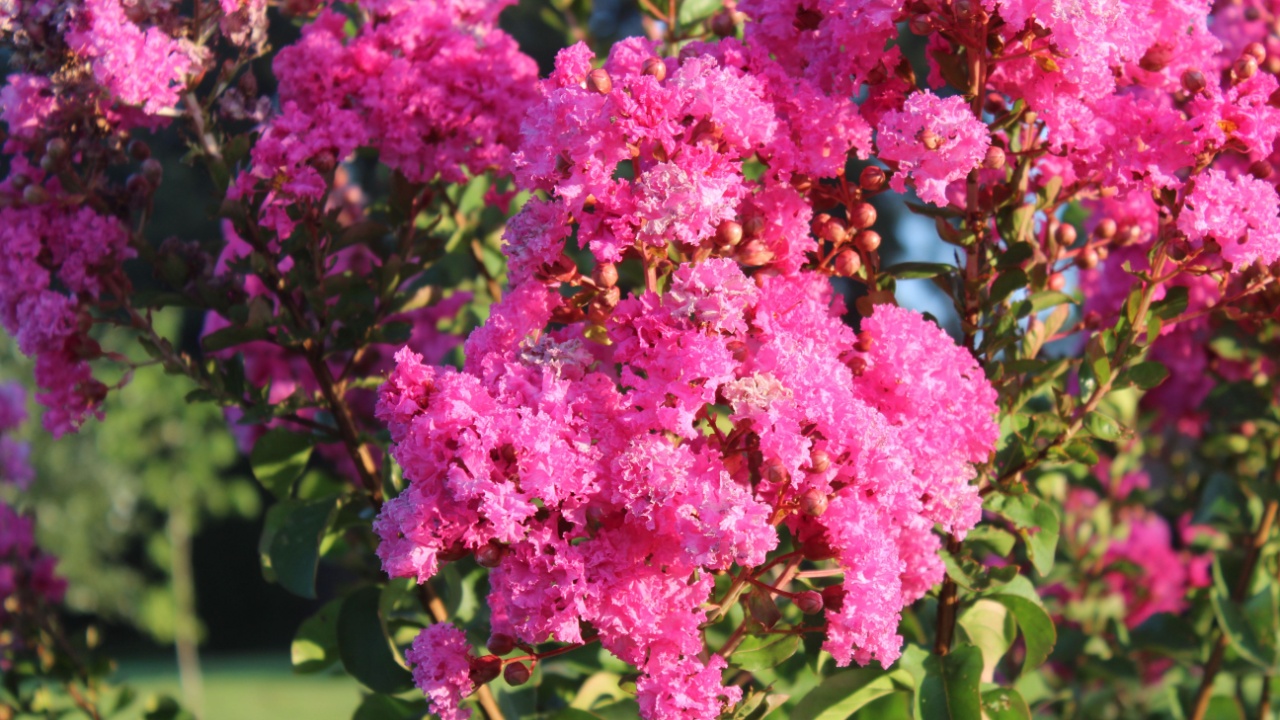
This ornamental tree features beautiful peeling bark and large, showy clusters of white, pink, red, or purple flowers.
Type of cutting: softwood or semi-hardwood
Rooting medium: soil
27. Fig (Ficus spp.)

Fig trees produce delicious fruits for fresh eating, drying, making jam, and more.
Type of cutting: hardwood
Rooting medium: soil
28. Mulberry (Morus rubra)

While most mulberry trees are invasive, the red mulberry is native to the US and produces large, juicy berries.
Type of cutting: softwood
Rooting medium: soil
29. Willow (Salix spp.)
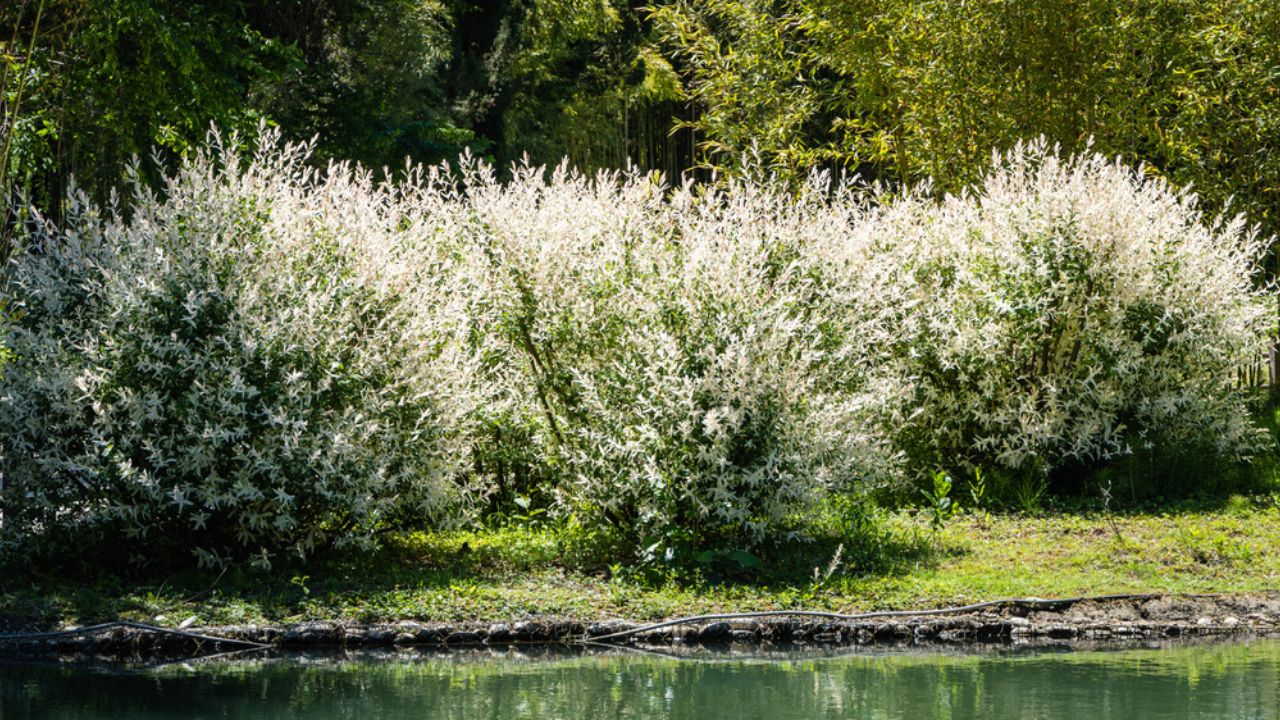
Although the weeping willow is perhaps the most classic, many lovely willow tree and shrub species exist.
Type of cutting: hardwood
Rooting medium: soil
This long list of plants you can grow from cuttings just scrapes the tip of the iceberg! Once you discover the fun of propagating cuttings, you might not be able to stop.