
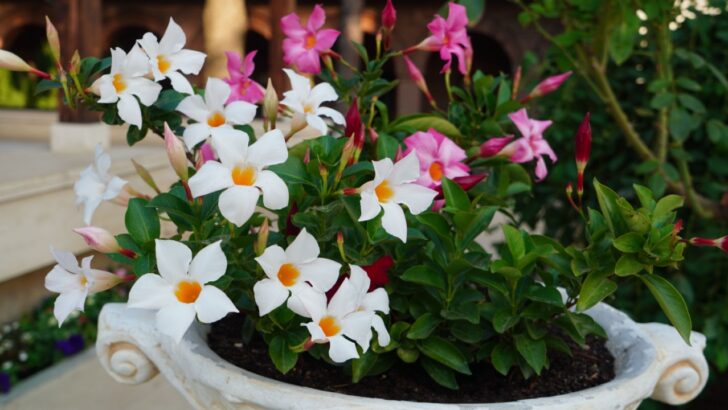
As autumn approaches and nighttime temperatures begin their inevitable descent, gardeners face a crucial decision: which beloved container plants deserve a cozy indoor sanctuary for the winter months? The difference between a thriving plant collection and a pile of frost-damaged regrets often comes down to timing and preparation.
Many gardeners make the mistake of waiting until the first frost warning to act, but by then, it might be too late. Plants that have been shocked by sudden temperature drops struggle to adapt to indoor conditions, often dropping leaves or going into decline despite your best efforts. The secret lies in making the transition while plants are still healthy and temperatures are mild—typically when nighttime lows consistently dip into the 50s.
Moving plants indoors isn’t just about survival; it’s about maintaining their vigor so they can bounce back stronger when spring returns. This guide will walk you through 15 plants that should move inside before fall (according to experts like Kansas State Extension), along with the specific care each one needs to thrive through the darker months ahead.
Note: These obviously only be moved indoors if they are in moveable pots.
1. Hibiscus (Hibiscus rosa-sinensis)
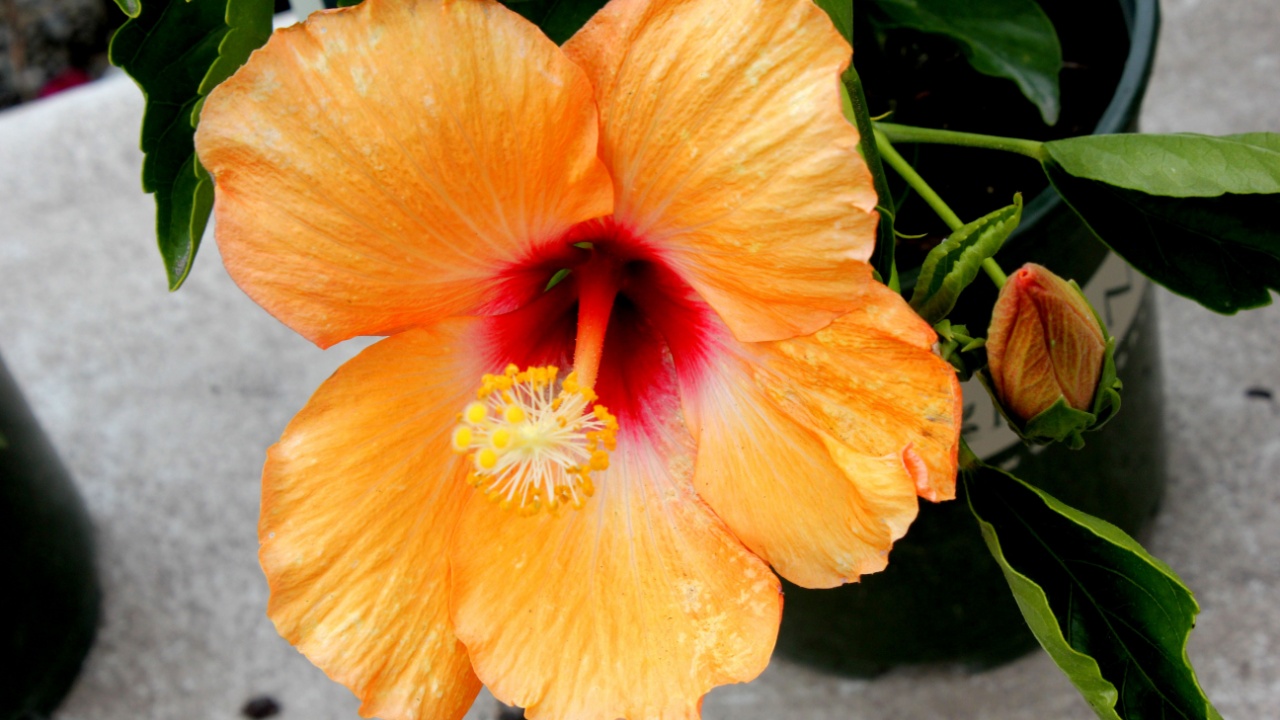
Image Credit: Shutterstock.
Tropical hibiscus represents the quintessential fair-weather friend of the plant world. Native to warm Asian and Pacific regions, these stunning bloomers simply cannot tolerate temperatures below 50°F without suffering significant damage. The plant’s cellular structure lacks the antifreeze compounds that help cold-hardy plants survive, making even a brief cold snap potentially fatal.
The beauty of bringing hibiscus indoors lies in its ability to continue flowering throughout winter when given adequate light. Unlike many plants that go dormant, hibiscus treats your sunny window like an extended growing season, rewarding your care with those magnificent 4-6 inch blooms in shades of red, pink, yellow, and orange.
Indoor Care Essentials
Place your hibiscus in the brightest available window—ideally south-facing—or supplement with a grow light for 12-14 hours daily. Maintain temperatures between 65-75°F and humidity levels around 50%. Water when the top inch of soil feels dry, and fertilize monthly with a balanced liquid fertilizer diluted to half strength.
First Steps to Success
Before bringing your hibiscus inside, inspect it thoroughly for pests like aphids or spider mites. Treat any issues outdoors first. Gradually reduce watering frequency over a week to help the plant adjust, then move it to your chosen indoor location during a stretch of mild weather.
2. Bougainvillea
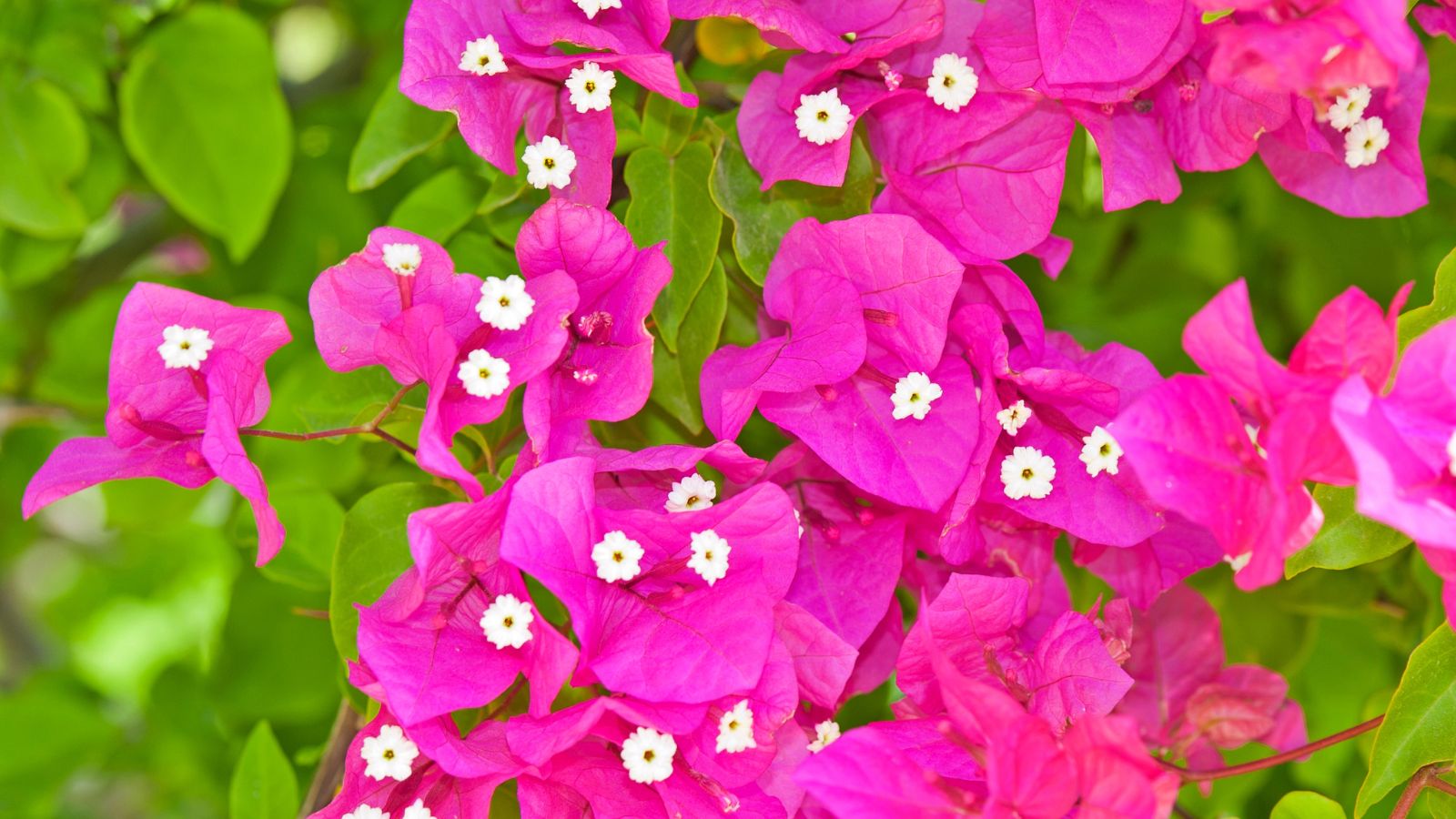
Image credit: YAY Images.
This South American native creates one of nature’s most spectacular displays with its vibrant, papery bracts surrounding tiny white flowers. However, bougainvillea’s tropical heritage means it begins suffering once temperatures drop below 40°F. The plant responds to cold stress by dropping leaves and potentially dying back to the roots—a shock from which it may not recover.
What makes bougainvillea particularly valuable as a houseplant is its drought tolerance and ability to bloom in containers. With proper care, it can provide bursts of color throughout the winter months, bringing a taste of Mediterranean sunshine to your home.
Indoor Care Essentials
Bougainvillea demands bright, direct sunlight for at least 6 hours daily. Water deeply but infrequently, allowing soil to dry between waterings. Prune regularly to maintain shape and encourage branching. Keep temperatures above 60°F and provide good air circulation to prevent fungal issues.
First Steps to Success
Two weeks before moving indoors, begin hardening off your bougainvillea by gradually reducing water and stopping fertilizer. This triggers the plant to slow its growth and prepare for dormancy. Prune back long, straggly growth by one-third to make the transition easier.
3. Mandevilla
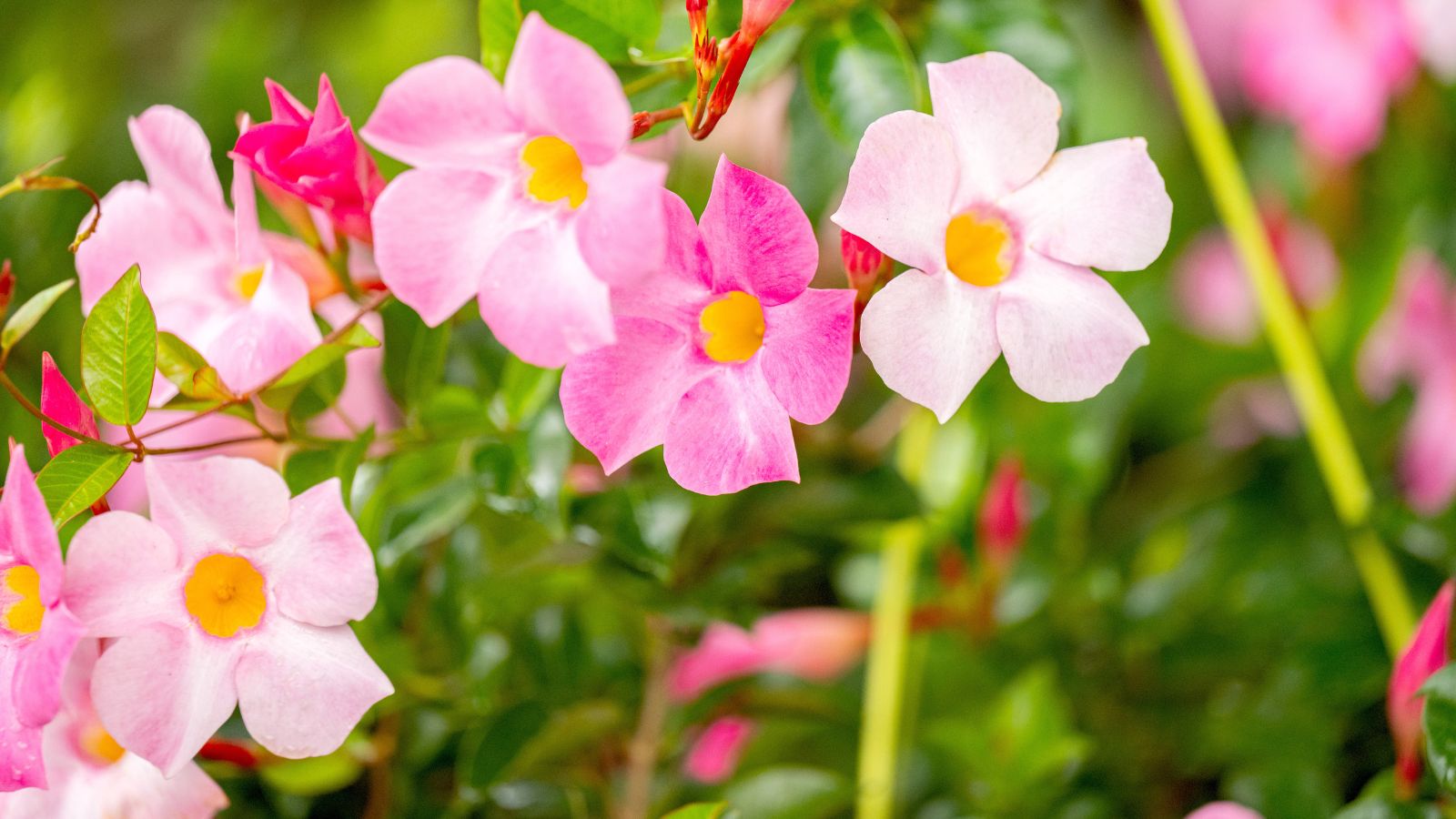
Image Credit: Depositphotos.com.
The trumpet-shaped flowers of mandevilla create a tropical paradise wherever they grow, but this Central and South American vine cannot survive even the mildest frost. At temperatures below 50°F, the plant begins shutting down, often dropping its glossy green leaves and ceasing flower production entirely.
Mandevilla’s climbing nature makes it an excellent candidate for indoor growing, where it can be trained on a trellis or allowed to cascade from a hanging basket. With adequate light, it often continues blooming well into winter, providing months of pink, red, or white flowers.
Indoor Care Essentials
Provide bright, indirect light or supplement with grow lights. Maintain consistent moisture but ensure excellent drainage to prevent root rot. Reduce fertilizing to once monthly and provide a trellis or support structure for climbing. Keep humidity levels above 40% using a humidifier or pebble tray.
First Steps to Success
Begin transitioning your mandevilla by moving it to a partially shaded location for one week before bringing it fully indoors. This gradual reduction in light intensity helps prevent leaf drop. Check all support structures and refresh them as needed before the move.
4. Caladium
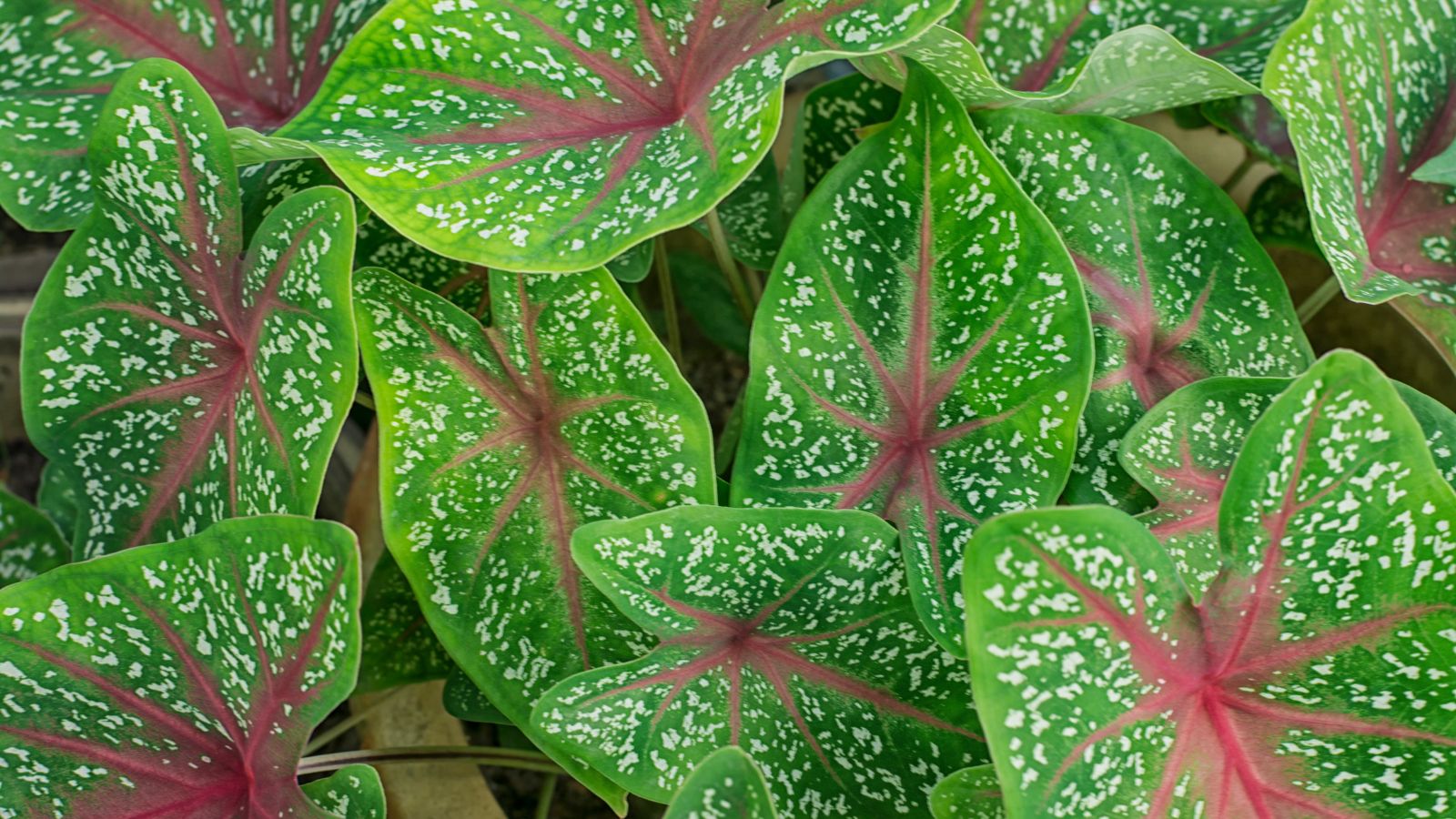
Image Credit: Depositphotos.com.
These heart-shaped beauties from tropical South America are grown primarily for their spectacular foliage in combinations of pink, red, white, and green. Caladiums are incredibly temperature-sensitive, with leaves beginning to decline when nighttime temperatures drop below 60°F—well before most other plants show distress.
The challenge with caladiums is that they naturally enter dormancy as daylight hours decrease, regardless of temperature. However, bringing them indoors extends their active growing period and protects the valuable tubers from cold damage that could prevent their return next spring.
Indoor Care Essentials
Place in bright, indirect light and maintain temperatures above 65°F. As growth slows, reduce watering gradually until the plant goes completely dormant. Store dormant tubers in slightly moist peat moss in a dark, cool (but not cold) location around 60°F.
First Steps to Success
Mark your caladium containers clearly before bringing them inside, as you’ll need to identify the tubers when foliage dies back. Begin reducing water frequency two weeks before the move to help trigger the natural dormancy process.
5. Geranium (Pelargonium spp.)
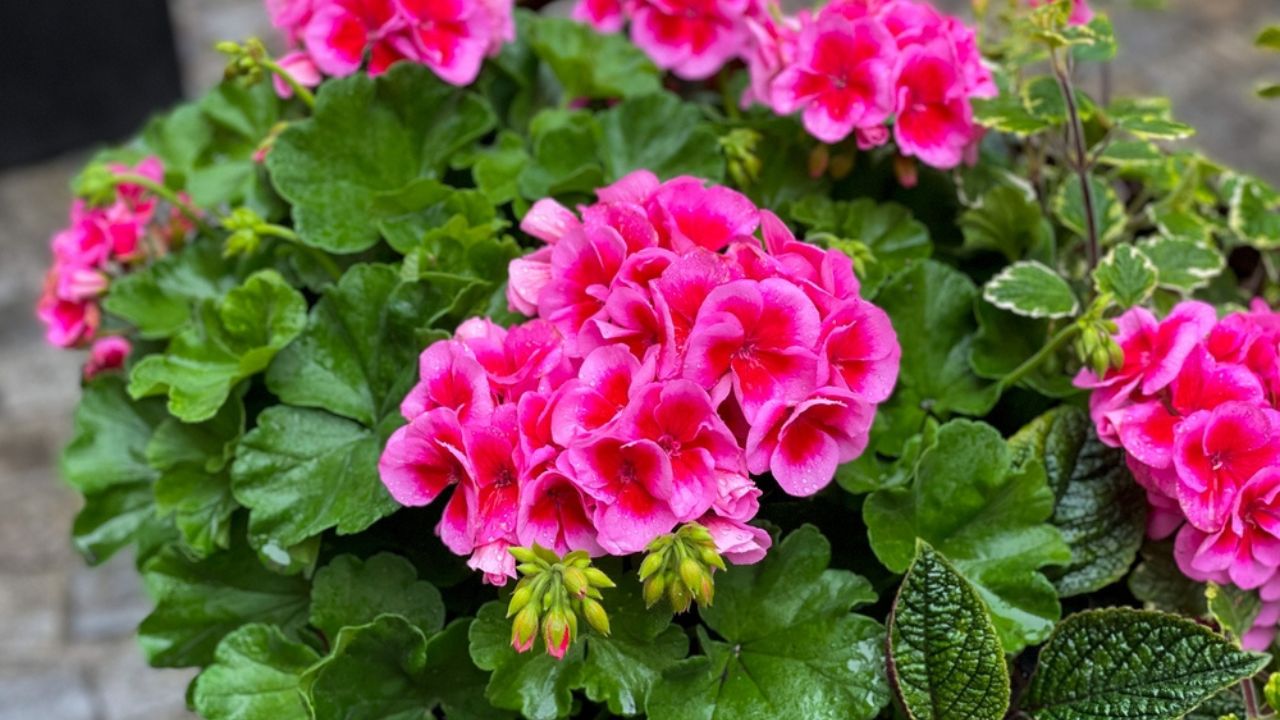
Image Credit: Shutterstock.
These South African natives are often treated as annuals in cooler climates, but geraniums can live for decades when properly overwintered indoors. The key is understanding that geraniums prefer cooler indoor temperatures than most houseplants—they actually struggle in overly warm rooms.
Geraniums continue flowering indoors when given sufficient light, making them excellent winter companions. Their somewhat succulent stems store water and nutrients, helping them adapt to the lower humidity levels found in most homes.
Indoor Care Essentials
Provide bright, direct sunlight and cool temperatures between 55-65°F. Water when soil surface feels dry, and pinch back growing tips to encourage bushy growth. Remove spent flowers regularly and watch for common indoor pests like whiteflies.
First Steps to Success
Take cuttings from your healthiest geranium plants 4-6 weeks before bringing them inside. This ensures you’ll have vigorous, young plants for indoor growing even if the parent plant struggles with the transition.
6. Coleus
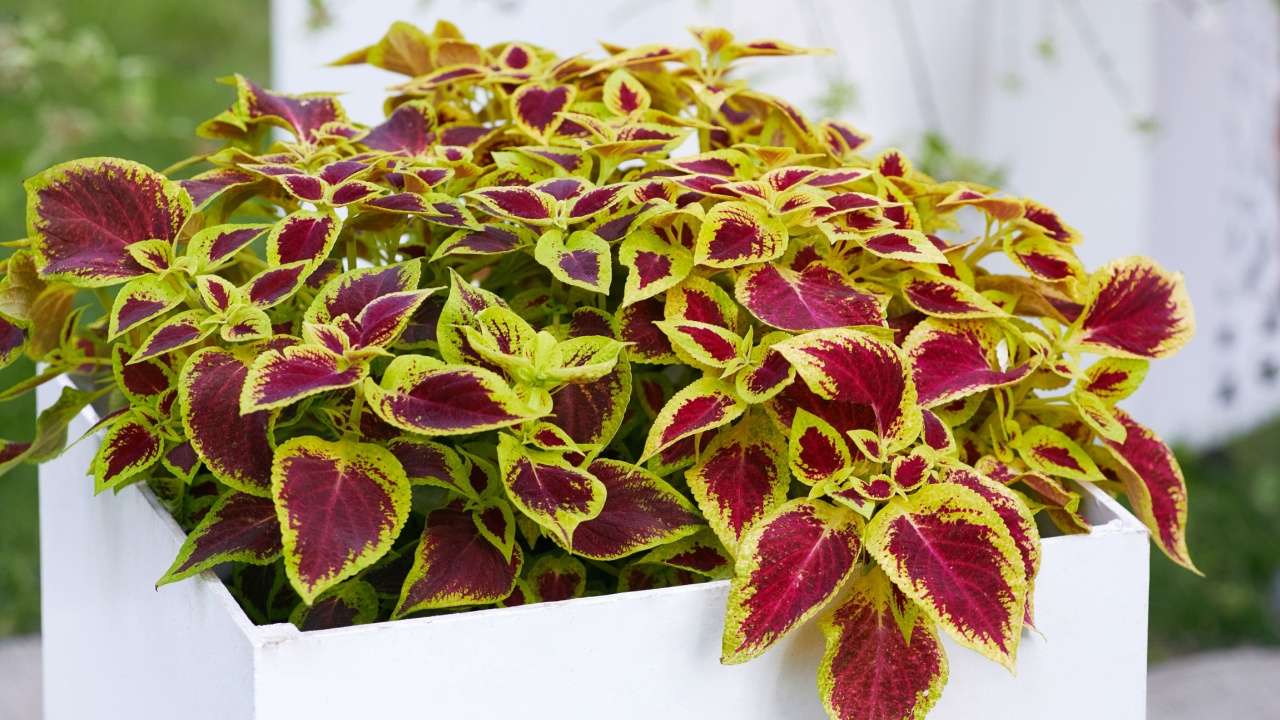
Image Credit: Shutterstock.
Native to Southeast Asia and Malaysia, coleus has become a favorite for its incredible foliage diversity. These tender perennials cannot survive frost, and their thin leaves make them particularly susceptible to cold damage. Even temperatures in the mid-40s can cause significant leaf drop and stem damage.
What makes coleus excellent houseplants is their adaptability to lower light conditions compared to many other colorful foliage plants. While colors may fade slightly indoors, the plants remain attractive and can be easily propagated for next year’s garden.
Indoor Care Essentials
Provide bright, indirect light and consistent moisture. Pinch flower spikes regularly to keep energy focused on foliage production. Maintain temperatures between 60-75°F and provide moderate humidity. Fertilize lightly every 4-6 weeks.
First Steps to Success
Take numerous cuttings from your favorite coleus varieties before bringing plants inside. Coleus roots easily in water, giving you backup plants and gifts for fellow gardeners. This also allows you to select the most vigorous plants for overwintering.
7. Begonia
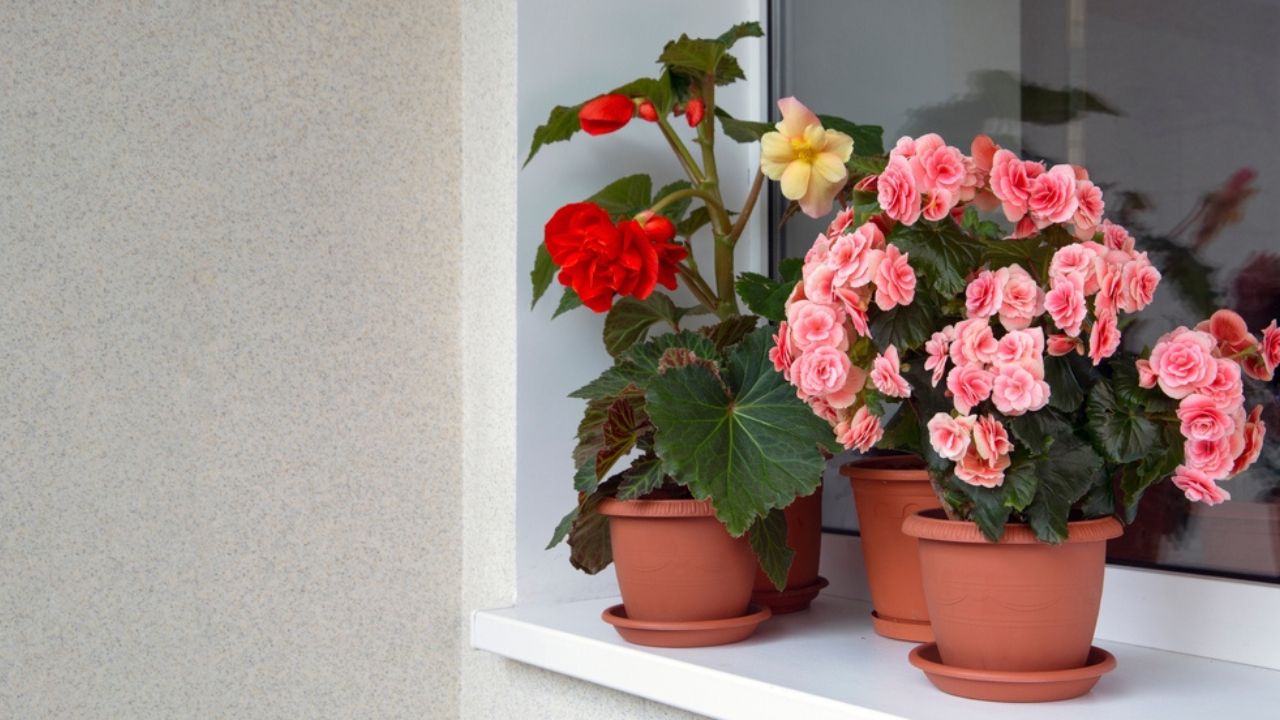
Image Credit: Shutterstock.
Tropical begonias, particularly rex and tuberous types, originate from the humid forests of Asia and the Americas. These plants are adapted to stable temperatures and cannot tolerate frost. Different begonia types have varying cold tolerance, but most suffer damage below 45°F.
Begonias make exceptional houseplants because they’re naturally adapted to filtered light conditions similar to what they’ll receive indoors. Their diverse forms—from upright cane types to trailing varieties—provide options for any indoor space.
Indoor Care Essentials
Provide bright, indirect light and consistent moisture without waterlogging. Maintain temperatures between 65-75°F with good air circulation. Many begonias prefer slightly acidic soil and benefit from monthly feeding with diluted fertilizer.
First Steps to Success
Inspect begonias carefully for signs of powdery mildew or other fungal issues before bringing them inside. Treat any problems outdoors first, as indoor conditions can exacerbate fungal diseases. Consider taking cuttings of cane begonias as insurance.
8. Gardenia
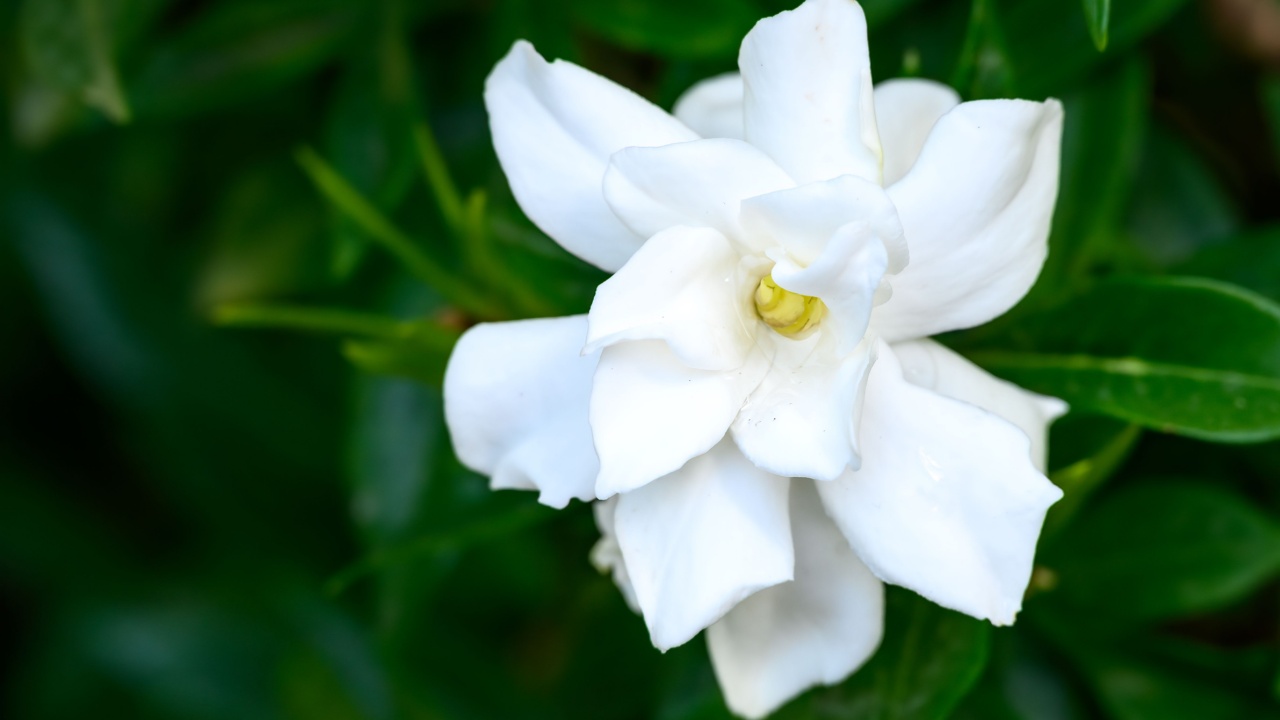
Image Credit: Shutterstock.
These Asian natives are beloved for their intensely fragrant white flowers and glossy evergreen foliage. Gardenias are notoriously finicky about temperature, suffering stress when temperatures drop below 50°F. They’re also sensitive to temperature fluctuations, making a gradual transition crucial.
The reward for successfully overwintering gardenias is continued flowering and that incredible fragrance filling your home. Few houseplants can match the olfactory pleasure of a blooming gardenia on a cold winter day.
Indoor Care Essentials
Provide bright, indirect light and consistent moisture using distilled or rainwater when possible. Maintain high humidity (50%+) and temperatures between 65-70°F. Avoid moving the plant once positioned, as gardenias dislike disturbance.
First Steps to Success
Test your water’s pH before bringing gardenias inside—they prefer slightly acidic conditions. If your tap water is alkaline, switch to distilled water or collect rainwater. Position the plant away from heating vents and drafty areas.
9. Elephant Ear (Colocasia/Alocasia)
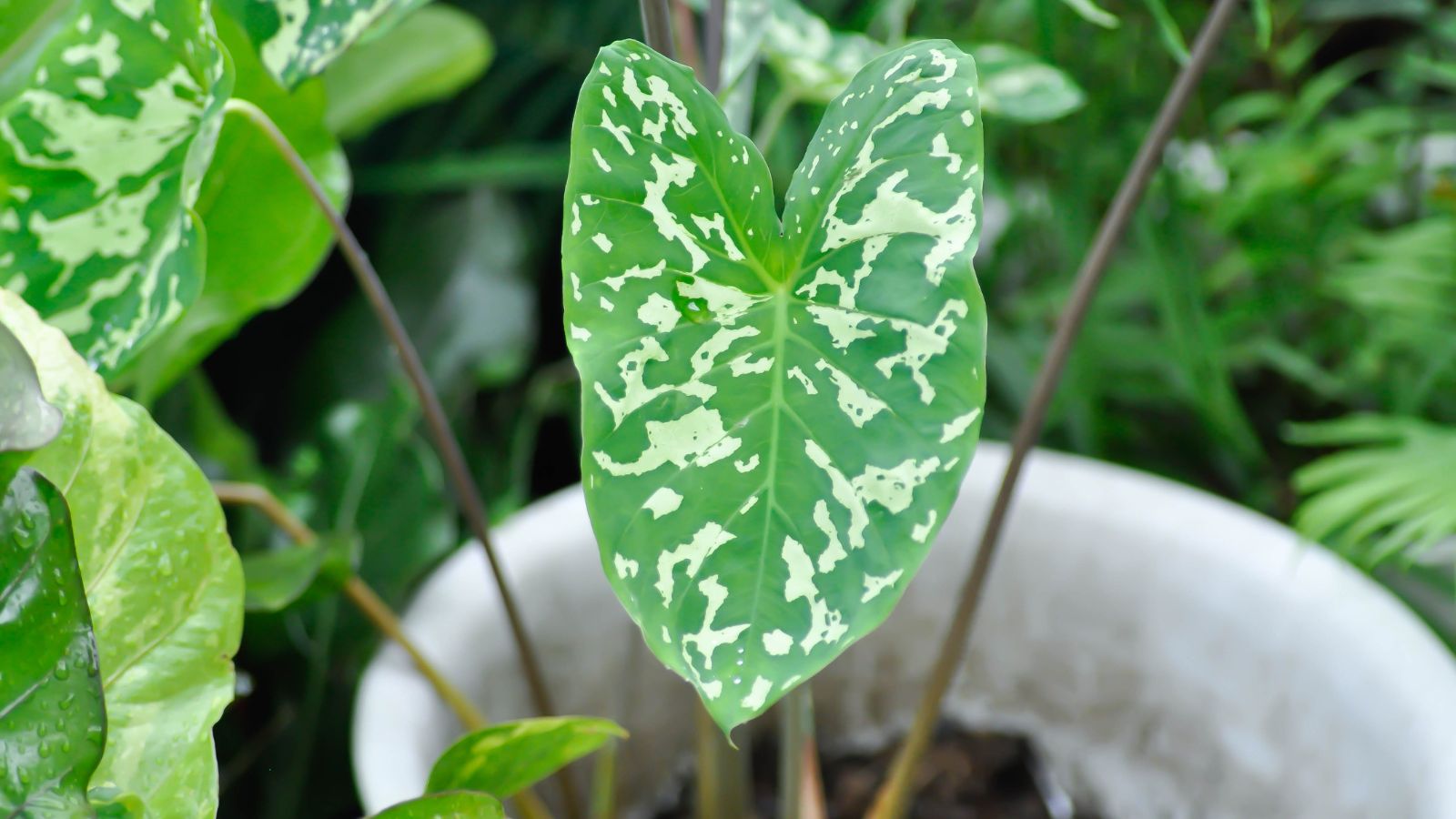
Image Credit: Depositphotos.com.
These dramatic foliage plants from tropical Asia and the Pacific create instant jungle vibes with their enormous leaves. Elephant ears are extremely cold-sensitive, with foliage collapsing at the first touch of frost. Even temperatures in the upper 40s can cause significant damage.
The challenge with elephant ears indoors is their size and humidity requirements, but dwarf varieties and proper care can keep them thriving. Some gardeners prefer to store the tubers dormant and restart them in spring.
Indoor Care Essentials
Provide bright, indirect light and high humidity using humidifiers or pebble trays. Keep soil consistently moist but not waterlogged. Maintain temperatures above 65°F and watch for spider mites, which thrive in dry indoor conditions.
First Steps to Success
Consider dividing large clumps before bringing them inside, keeping the largest, healthiest tubers for indoor growing. Smaller divisions are easier to manage indoors and can be stored dormant if space is limited.
10. Jasmine (Jasminum sambac)
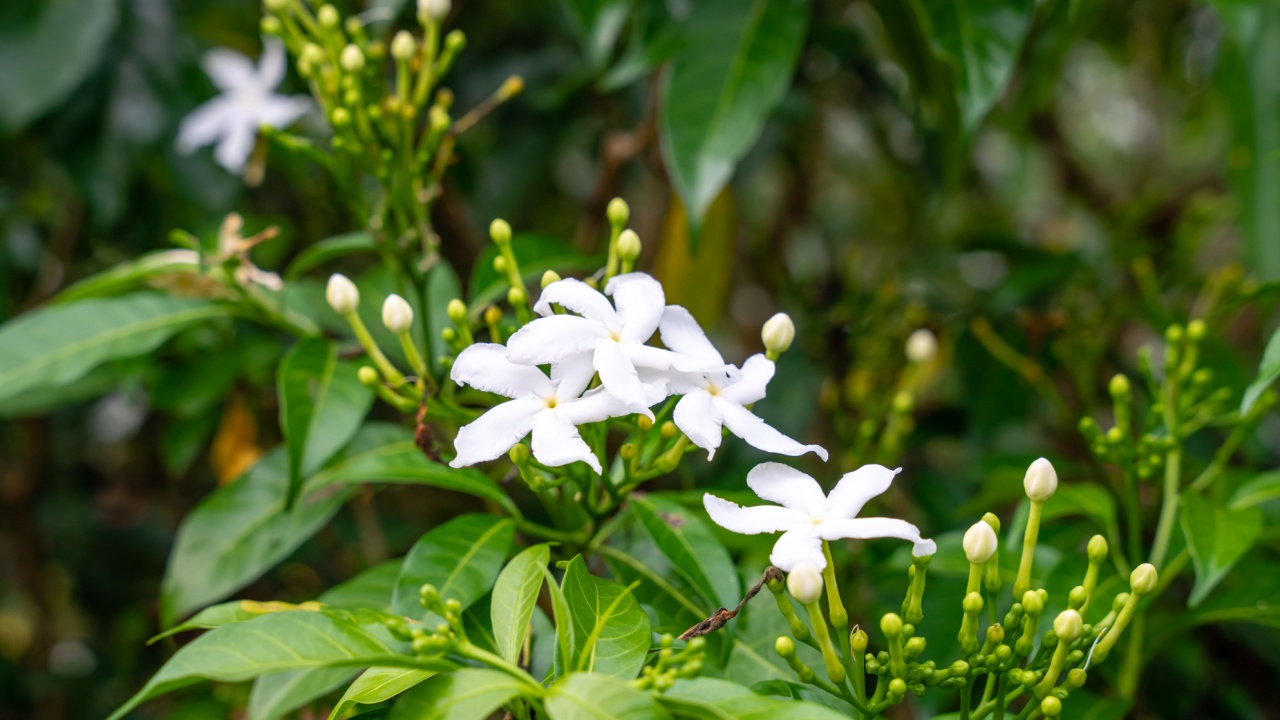
Image Credit: Shutterstock.
Tropical jasmine varieties from Asia cannot tolerate frost and begin suffering when temperatures drop below 45°F. The reward for protecting these plants is their incredible fragrance and continued blooming potential indoors with adequate light.
Jasmine’s vining nature makes it perfect for indoor trellises or hanging baskets. The fragrance alone makes the effort worthwhile, as few houseplants can match the perfume of blooming jasmine.
Indoor Care Essentials
Provide bright, direct sunlight for at least 4-6 hours daily. Maintain consistent moisture and good drainage. Prune regularly to control growth and provide support structures for climbing varieties. Keep temperatures between 60-70°F.
First Steps to Success
Prune jasmine plants by one-third before bringing them inside to reduce shock and make them more manageable. Install a small trellis or support system in the container before the move to minimize root disturbance later.
11. Fuchsia
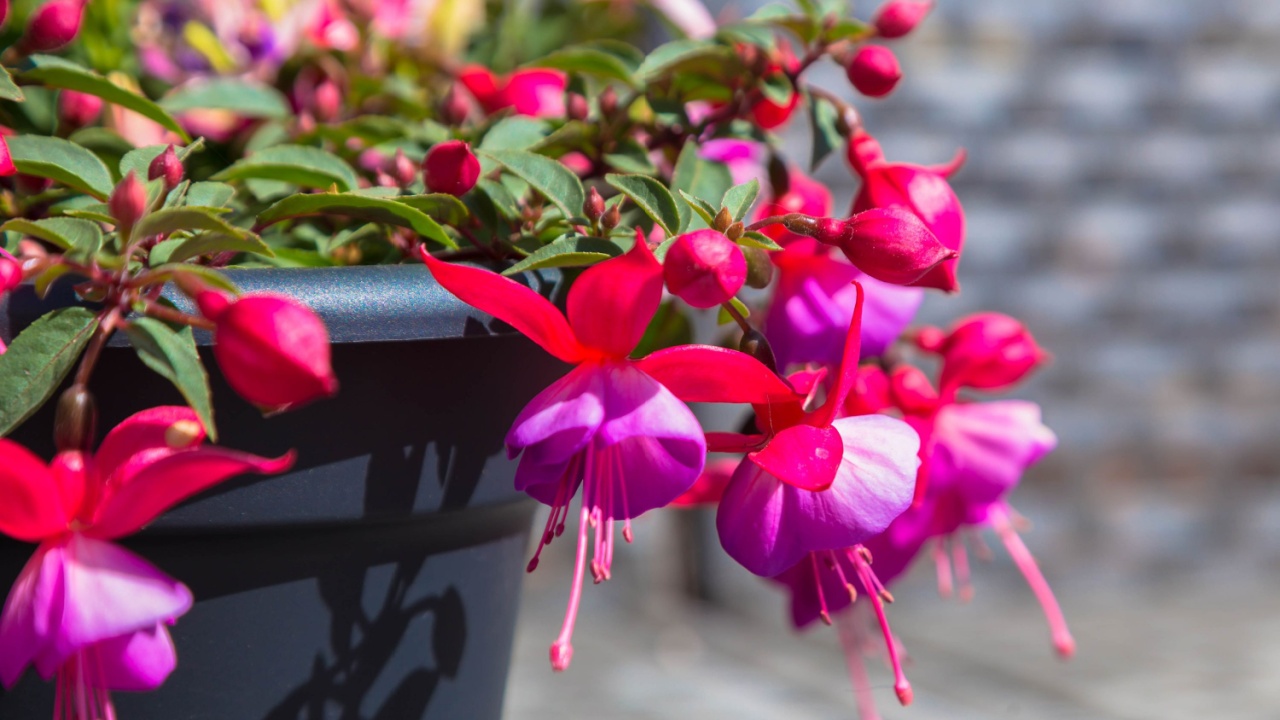
Image Credit: Shutterstock.
These Central and South American natives produce uniquely beautiful pendant flowers that attract hummingbirds outdoors. Fuchsias cannot tolerate frost and begin suffering when nighttime temperatures drop below 50°F consistently.
Fuchsias make excellent hanging houseplants, with their trailing habit and continued flowering providing winter interest. They prefer cooler indoor temperatures than most houseplants, making them perfect for sun porches or cool rooms.
Indoor Care Essentials
Provide bright, indirect light and cool temperatures between 55-65°F. Keep soil consistently moist but not waterlogged. Pinch growing tips to encourage bushy growth and remove spent flowers regularly. Watch for aphids and whiteflies.
First Steps to Success
Take cuttings from your best fuchsia plants in late summer as insurance. Fuchsias root readily in water or moist potting mix, giving you vigorous young plants for indoor growing even if the parent plant struggles.
12. Aloe Vera
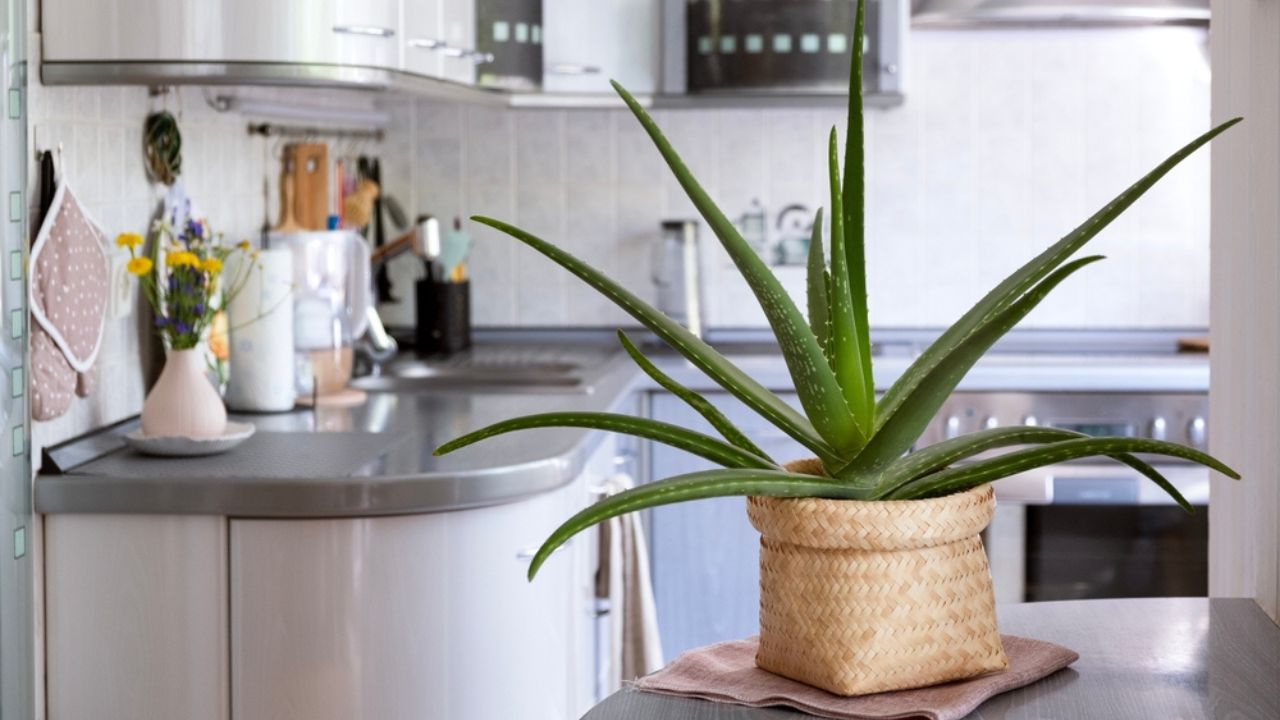
Image Credit: Shutterstock.
While many people assume aloe vera is cold-hardy, this Arabian Peninsula native actually suffers damage when temperatures drop below 50°F for extended periods. The succulent leaves can develop brown spots or become mushy from cold damage.
Aloe vera makes an excellent houseplant because it tolerates the dry conditions found in most homes. Its medicinal properties provide an added bonus—fresh aloe gel for minor burns and skin irritations.
Indoor Care Essentials
Provide bright, direct sunlight and allow soil to dry completely between waterings. Maintain temperatures above 55°F and ensure excellent drainage to prevent root rot. Fertilize sparingly, only 2-3 times per year.
First Steps to Success
Check your aloe for root bound conditions before bringing it inside. Repot if necessary using a cactus/succulent potting mix. Remove any damaged or dead leaves to prevent pest issues indoors.
13. Impatiens
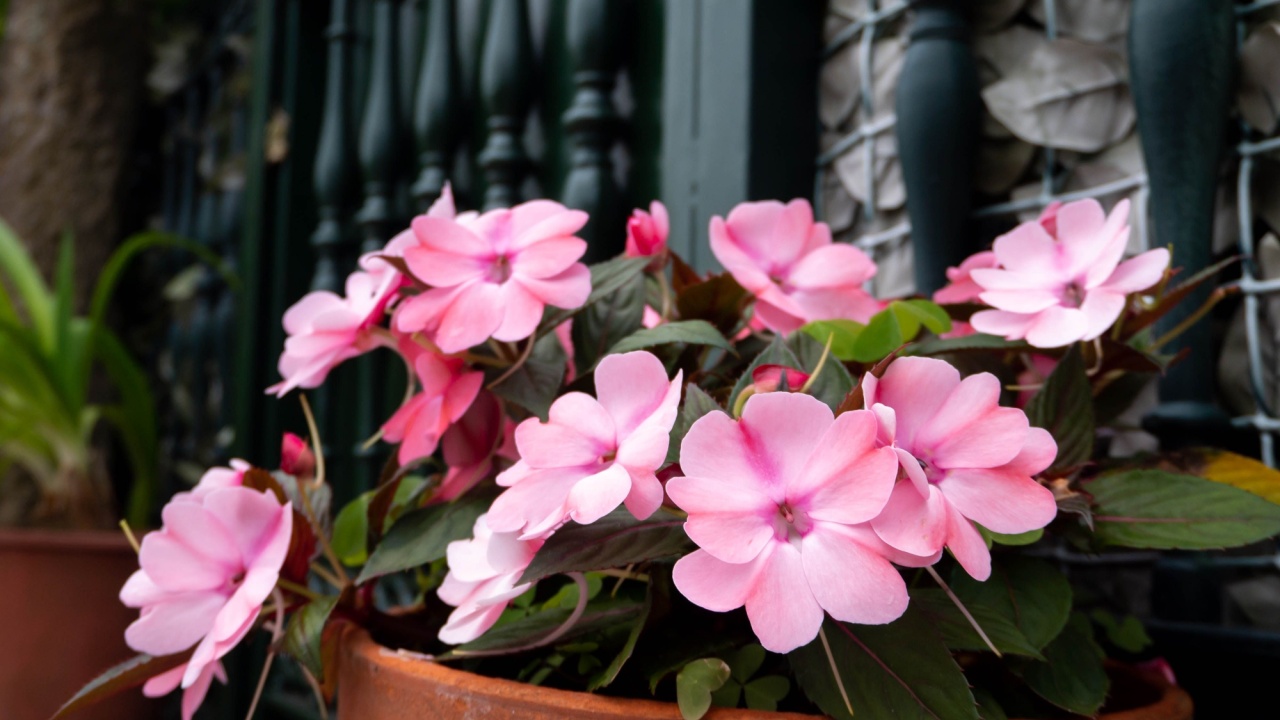
Image Credit: Shutterstock.
These shade-loving annuals from East Africa have become garden staples, but most varieties cannot survive even light frost. New Guinea impatiens are particularly valuable for overwintering because they continue blooming indoors with adequate light.
Impatiens adapt well to indoor conditions because they naturally prefer filtered light and consistent moisture. Their continued flowering capability makes them excellent houseplants for brightening dark winter months.
Indoor Care Essentials
Provide bright, indirect light and consistent moisture without waterlogging. Maintain temperatures between 65-75°F with good air circulation. Pinch growing tips regularly to encourage bushy growth and remove spent flowers.
First Steps to Success
Take cuttings from your healthiest impatiens plants in late summer. These root easily in water, giving you fresh, vigorous plants for indoor growing. Select the most compact, bushy specimens for best indoor performance.
14. Rosemary
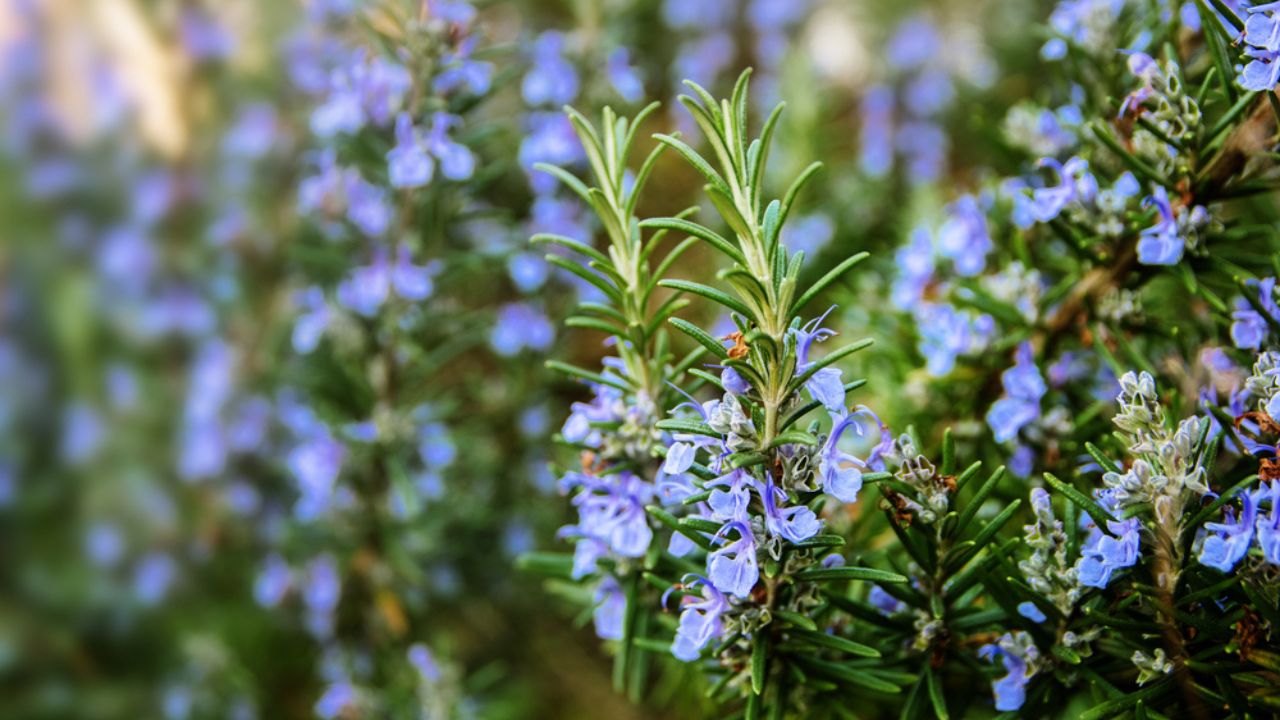
Image Credit: Shutterstock.
While some rosemary varieties can tolerate light frost, most cultivars prefer protection from freezing temperatures. This Mediterranean herb not only survives indoors but continues producing aromatic leaves for cooking throughout winter.
Rosemary’s drought tolerance and preference for bright light make it an ideal candidate for sunny windowsills. Having fresh herbs available for cooking provides practical benefits beyond mere plant survival.
Indoor Care Essentials
Provide maximum sunlight—ideally 6+ hours of direct sun. Allow soil to dry between waterings and ensure excellent drainage. Maintain cool temperatures between 55-65°F and provide good air circulation to prevent fungal issues.
First Steps to Success
Trim your rosemary plants by one-third before bringing them inside to reduce water loss and transplant shock. Use the trimmings for cooking or drying, as they’ll be at peak flavor before the move.
15. Citrus Trees
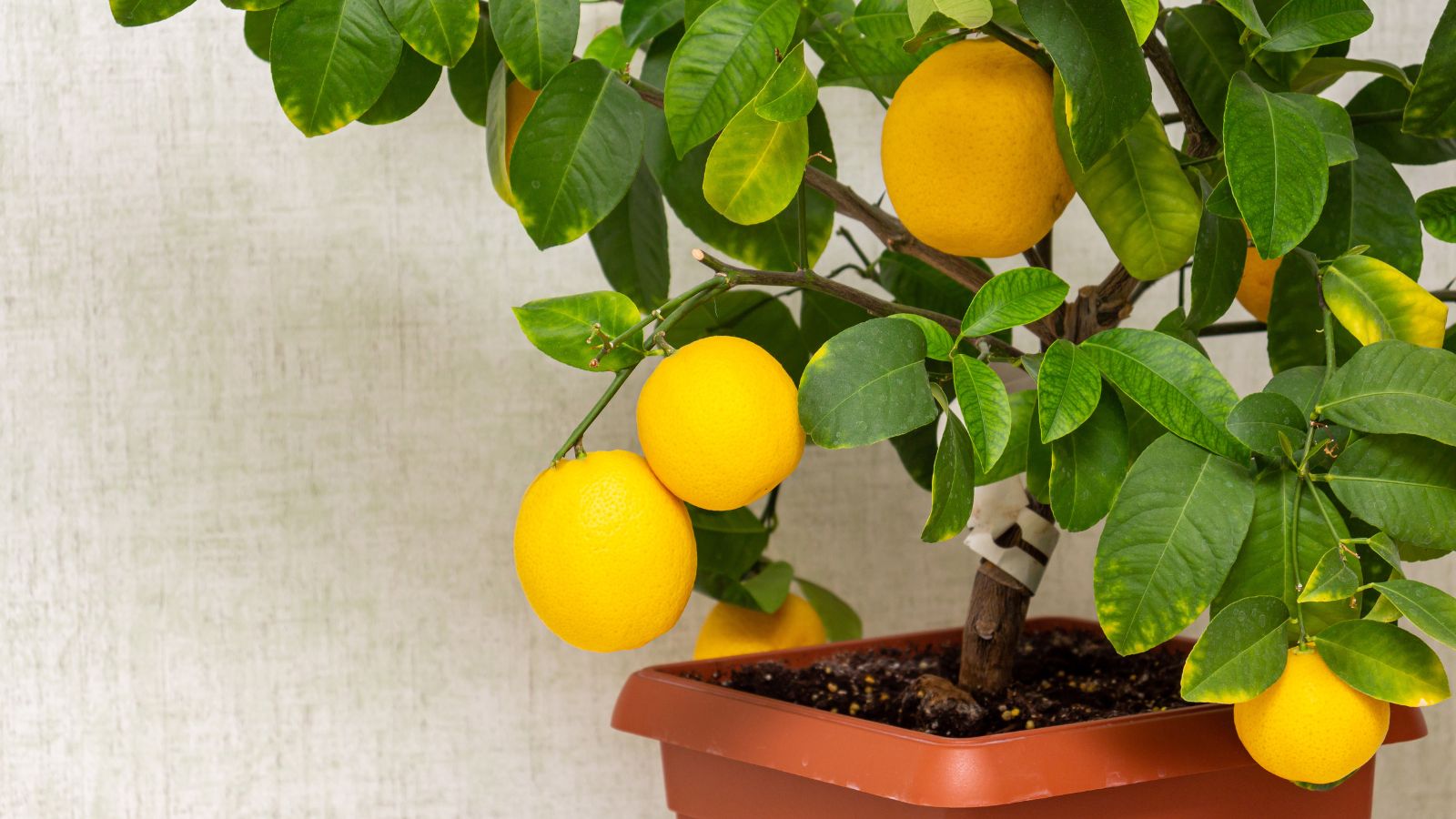
Image Credit: Depositphotos.com.
Dwarf citrus varieties have become popular container plants, but these subtropical trees cannot tolerate freezing temperatures. Even brief exposure to temperatures below 32°F can cause severe damage or death.
The joy of overwintering citrus indoors is the possibility of continued fruit production and the pleasure of harvesting fresh lemons or limes in the middle of winter. The fragrant flowers are an added bonus when trees bloom indoors.
Indoor Care Essentials
Provide maximum sunlight or supplement with grow lights for 12+ hours daily. Maintain consistent moisture but ensure excellent drainage. Keep temperatures between 55-70°F and provide humidity through pebble trays or humidifiers.
First Steps to Success
Inspect citrus trees carefully for scale insects, which are common pests that can explode in population indoors. Treat any pest issues before bringing plants inside. Consider pruning to improve shape and air circulation.
Planning Your Indoor Garden Transition
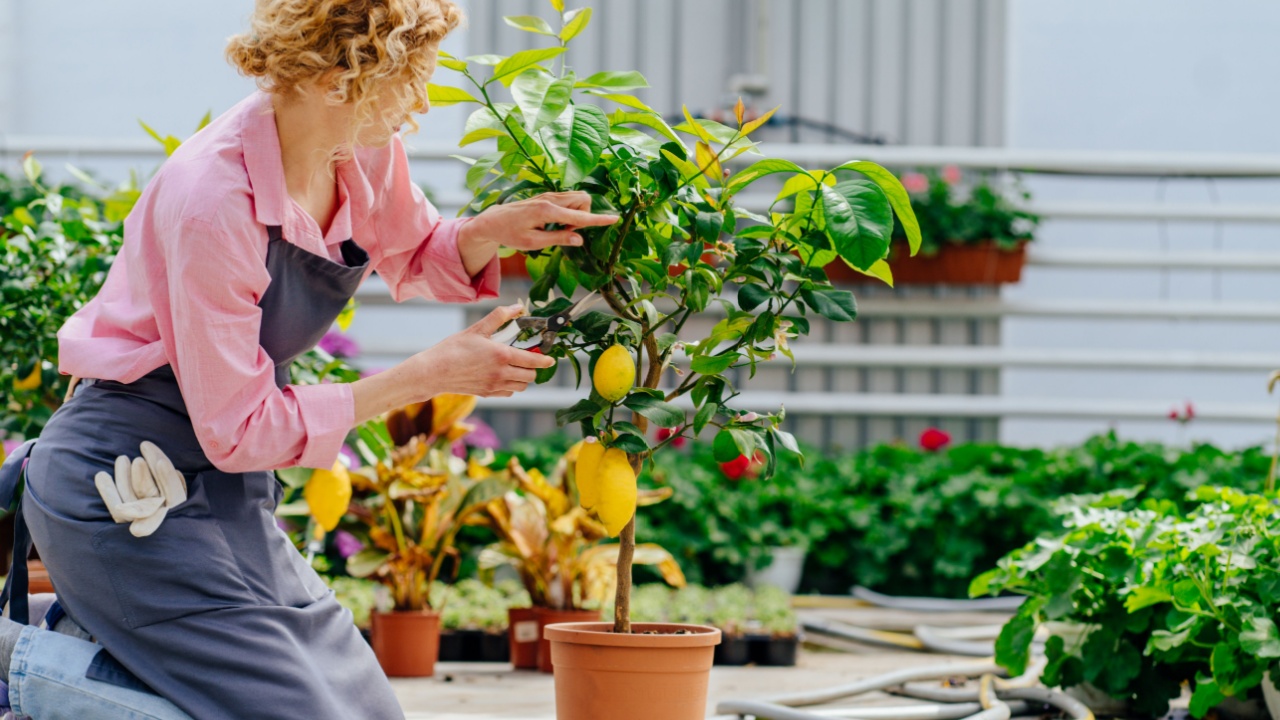
Image Credit: Shutterstock.
Successfully moving plants indoors requires more than just hauling pots inside when frost threatens. The most successful transitions happen gradually, over a period of 2-3 weeks. This gives plants time to adjust to lower light levels, different humidity, and changed air circulation patterns.
Start by moving plants to shadier outdoor locations, then to covered porches or garages, before bringing them fully indoors. This gradual acclimatization prevents the shock that causes massive leaf drop and plant stress.
Consider your indoor space carefully before making commitments. A plant that’s gorgeous in your garden might be overwhelming in your living room. Don’t hesitate to take cuttings or divide plants to create more manageable indoor specimens while preserving the genetics for next year.