
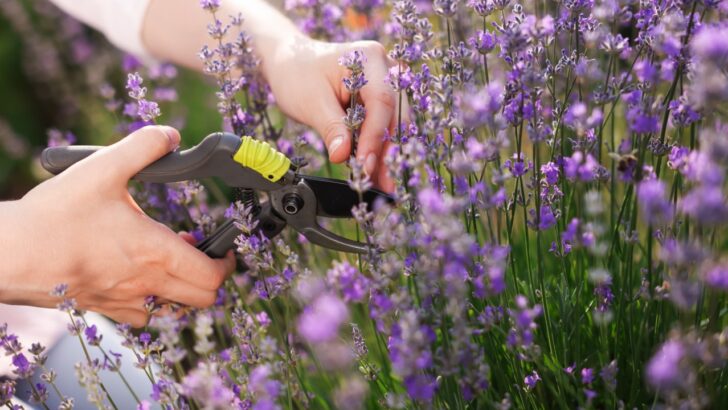
August marks a turning point in the garden where summer’s peak begins its gentle fade toward autumn. While many gardeners start thinking about fall cleanup, there’s still time to coax more blooms from your flowering plants through strategic deadheading. This simple technique involves removing spent flowers to redirect the plant’s energy from seed production back into creating new blooms.
Deadheading in August can extend your garden’s display well into September and even October in many regions. Not every plant responds well to late-season deadheading (and some flowers don’t like it at all!), but the eleven plants below will reward your efforts with a fresh flush of flowers when other gardens are winding down. You’ll discover why each plant benefits from this practice and learn the specific techniques that work best for maximum results.
Sourced from the Experts
The advice in this article is supported by trusted horticultural research and expert guidance from university extensions, botanical gardens, and respected gardening organizations. These sources ensure that the recommendations provided are reliable, evidence-based, and reflect current best practices for healthy and thriving plants.
1. Geraniums (Pelargoniums)
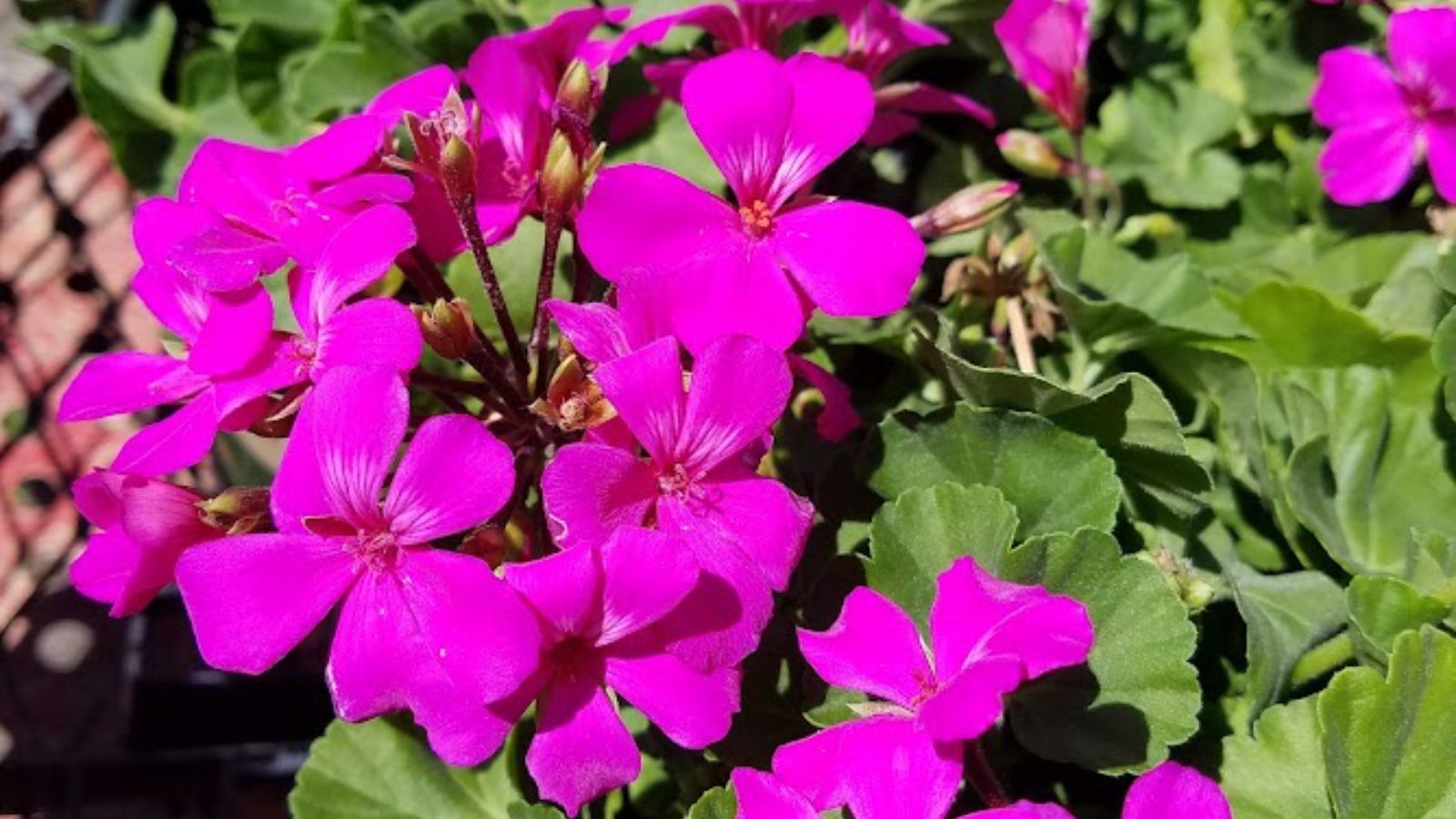
Image credit: Backyard Garden Lover.
Geraniums are summer stalwarts that bloom continuously from spring until frost, making them perfect candidates for August deadheading. These colorful annuals produce clusters of bright flowers in shades of red, pink, white, and coral above rounded, sometimes scented foliage. Their sturdy stems and weather-resistant blooms make them ideal for containers, window boxes, and border edges.
Why Deadheading Benefits Geraniums
Geraniums naturally want to set seed once their flowers fade, which signals the plant to slow down flower production. By removing spent blooms, you prevent this seed-setting process and encourage the plant to produce more flower buds. August deadheading is particularly effective because geraniums still have 6-8 weeks of growing season left to produce abundant new blooms.
Steps for Deadheading Geraniums
Look for flower clusters where individual blooms have begun to fade, wilt, or drop petals. Follow the flower stem down to where it meets the main plant stem—this junction is often marked by a slight swelling or node. Using clean pruning shears or your fingers, remove the entire flower stalk, not just the faded flowers. Make your cut just above a leaf node or emerging side shoot. This encourages branching and more flower production from multiple points on the plant.
2. Veronica (Speedwell)
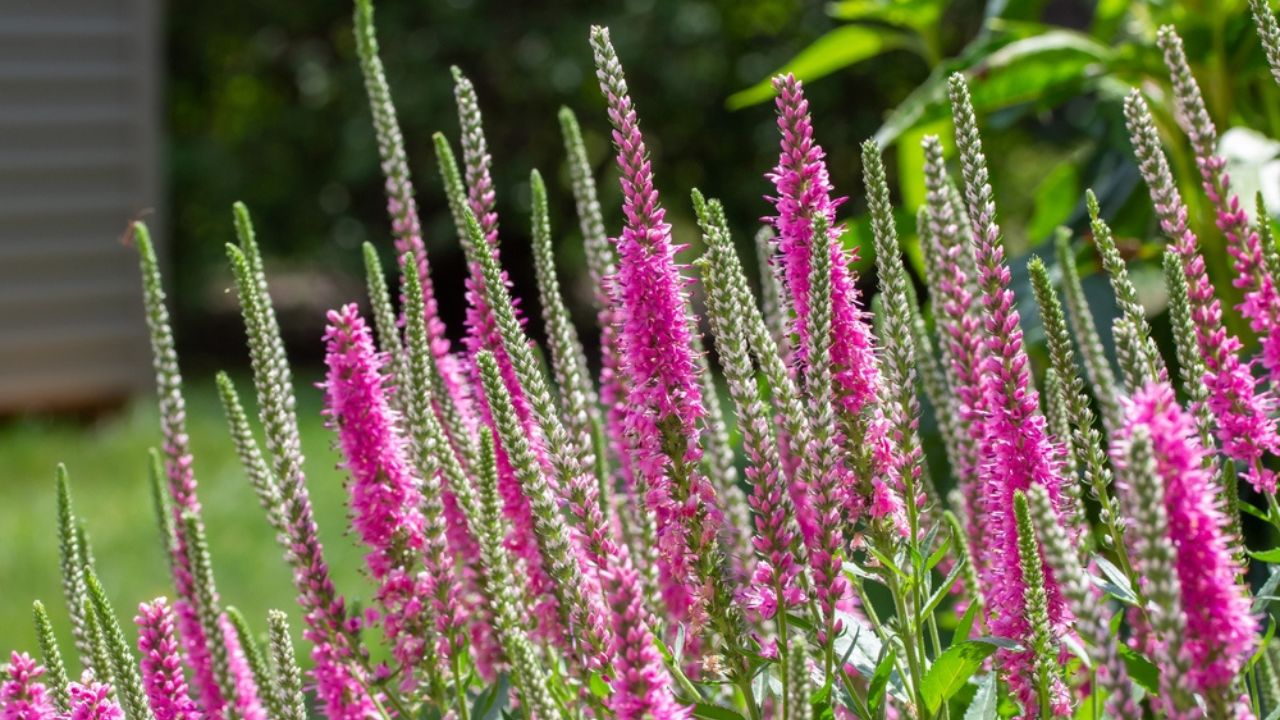
Image Credit: Shutterstock.
Veronica creates stunning vertical accents in the garden with its tall spikes of densely packed small flowers in purple, blue, pink, or white. These hardy perennials typically begin their show in early summer and can bloom for months with proper care. The architectural flower spikes make excellent cut flowers and attract beneficial pollinators throughout their blooming period.
Why Deadheading Benefits Veronica
The tall flower spikes of veronica bloom from bottom to top, meaning the lower flowers fade while the upper portion may still be fresh. Deadheading removes the spent lower flowers and encourages the development of secondary spikes from lower leaf nodes. This creates a bushier plant with more flowering stems, extending the display into fall when many other perennials have finished blooming.
Steps for Deadheading Veronica
Wait until approximately two-thirds of the flower spike shows signs of fading—browning tips, loss of color vibrancy, or dropping individual flowers. Cut the spike back to just above a strong pair of leaves or visible side shoots. Look for small flower buds emerging from leaf joints, as these will become your next flowering stems. For established clumps, you can stagger your deadheading over several weeks, removing some spikes while leaving others to mature, ensuring continuous blooms.
3. Nepeta (Catmint)
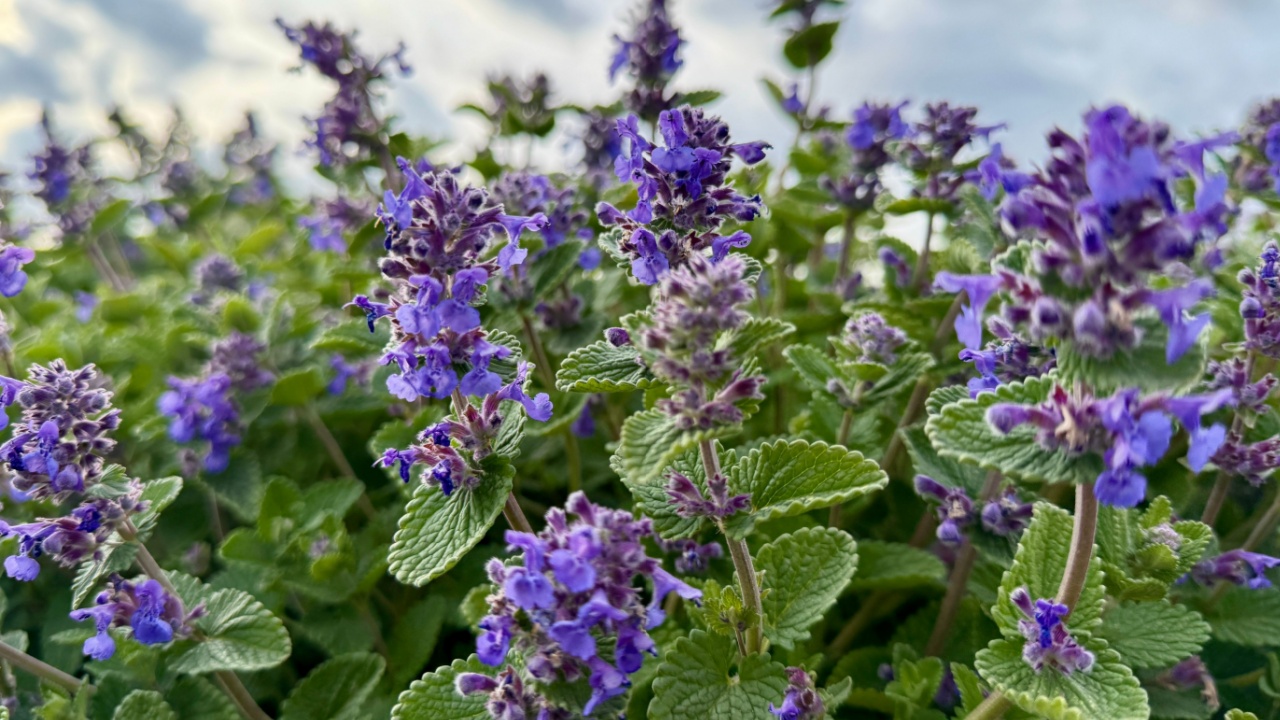
Image Credit: Shutterstock.
Nepeta forms billowing mounds of aromatic gray-green foliage topped with clouds of small blue, purple, or white flowers. This drought-tolerant perennial blooms heavily in early summer, often becoming somewhat sprawling and messy by midsummer. The plant’s mint-like fragrance repels many pests while attracting bees, butterflies, and other beneficial insects throughout its extended blooming season.
Why Deadheading Benefits Nepeta
After the initial heavy bloom, nepeta tends to look tired with many spent flower stems and elongated growth. Deadheading—or more accurately, shearing back—rejuvenates the entire plant, promoting compact new growth and a second flush of flowers. This technique prevents the plant from becoming woody and maintains its neat, mounded shape while encouraging fresh, fragrant foliage.
Steps for Deadheading Nepeta
Rather than deadheading individual flowers, give nepeta the “haircut” treatment. Using hedge shears or pruning shears, cut the entire plant back by one-third to one-half its height. Focus on removing all the spent flower stems and some of the older, woody growth. Water the plant well after cutting, and apply a balanced fertilizer to fuel new growth. Within 2-3 weeks, you’ll see fresh shoots emerging, and new flower buds should appear within a month.
4. Zinnias
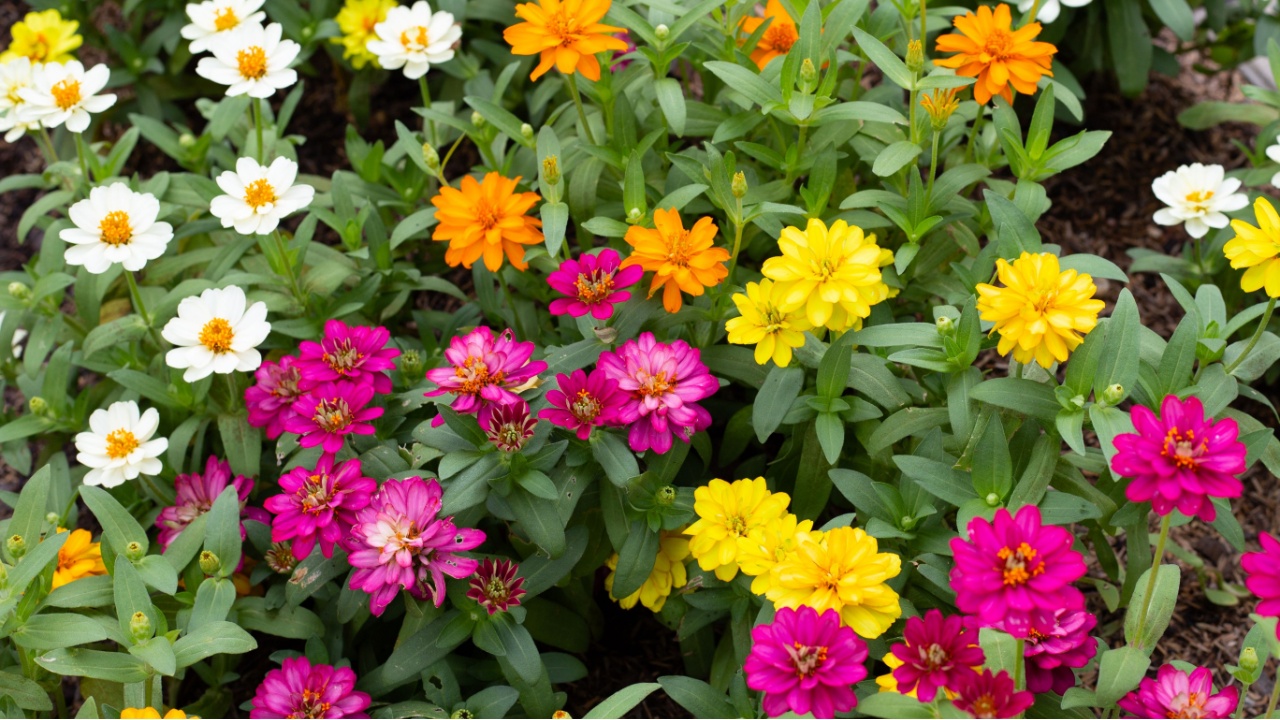
Image Credit: Shutterstock.
Zinnias are among the most reliable cut-and-come-again flowers, producing cheerful daisy-like blooms in virtually every color except blue. These heat-loving annuals thrive in hot summer weather and continue blooming until frost if properly maintained. Their long stems and vibrant colors make them favorites for both garden display and cutting gardens.
Why Deadheading Benefits Zinnias
Zinnias are prolific bloomers that quickly set seed if left to their own devices. Each flower head contains numerous seeds, and the plant puts significant energy into seed production once blooms fade. Regular deadheading redirects this energy into producing more flowers, often resulting in larger, more vibrant blooms on stronger stems.
Steps for Deadheading Zinnias
Check your zinnias every few days for spent blooms—those that have faded in color, begun to brown at the edges, or developed a papery texture. Follow the flower stem down to the first set of strong leaves or to where you see new buds emerging from leaf joints. Cut just above this point with clean, sharp pruning shears. The stems can be tough, so avoid pulling or twisting, which can damage the plant. New buds often appear within days of deadheading.
5. Lantana
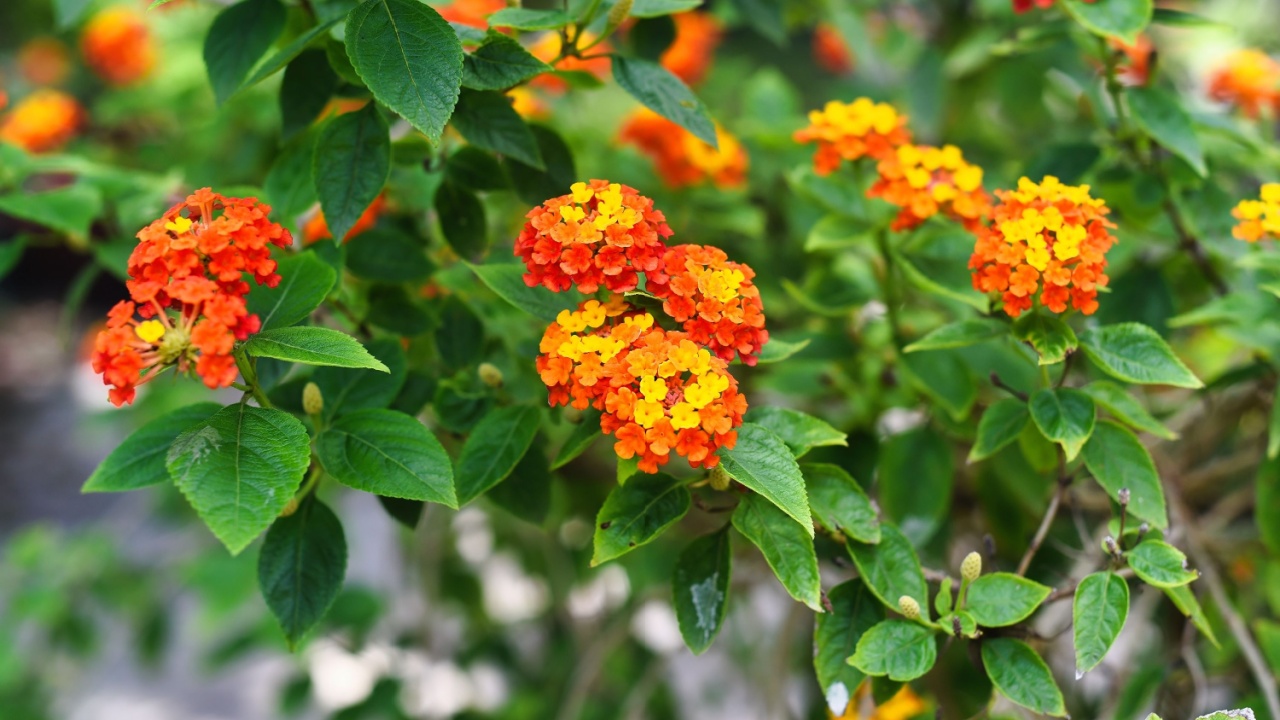
Image Credit: Shutterstock.
Lantana produces clusters of small flowers in striking color combinations—yellow and orange, pink and purple, or solid colors in bright hues. This tender perennial (often grown as an annual in cooler climates) blooms continuously in warm weather and attracts butterflies with its nectar-rich flowers. The plant’s somewhat sprawling habit makes it perfect for containers, hanging baskets, or as a ground cover.
Why Deadheading Benefits Lantana
Lantana naturally forms small berries after flowering (which are mildly toxic to pets and kids), which can weigh down the stems and slow flower production. In some regions, these berries can also lead to unwanted self-seeding. Deadheading prevents berry formation and encourages the plant to keep producing new flower clusters, maintaining its compact shape and continuous blooming habit.
Steps for Deadheading Lantana
Look for flower clusters where individual blooms have faded and small green berries are beginning to form. Cut the entire cluster back to just above a pair of leaves or emerging side shoots. This will encourage branching and more flower clusters. When deadheading, take the opportunity to pinch back any extremely long or weak stems to maintain the plant’s shape. Regular deadheading every 7-10 days keeps lantana in peak blooming condition.
6. Coneflower (Echinacea)
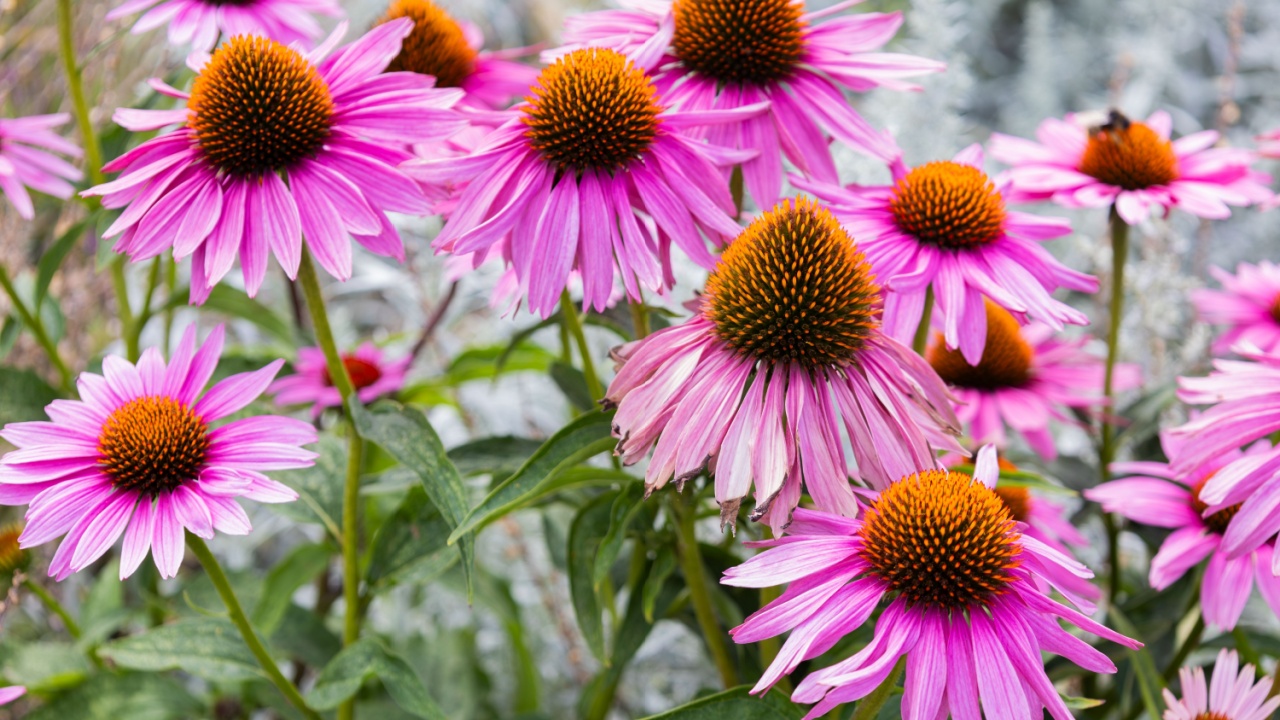
Image Credit: Shutterstock.
Coneflowers are beloved native perennials with distinctive daisy-like blooms featuring prominent central cones. The flowers come in traditional purple as well as newer varieties in pink, white, yellow, and orange. These drought-tolerant plants are magnets for butterflies and other pollinators, and their seed heads provide winter interest and bird food if left standing.
Why Deadheading Benefits Coneflowers
Coneflowers bloom in waves throughout the summer, with the heaviest flowering typically occurring in early to mid-summer. Deadheading spent blooms encourages the development of secondary flowering stems and can extend the blooming period into fall. However, timing is important—deadhead too late, and you’ll miss the window for new flower development.
Steps for Deadheading Coneflowers
Remove flowers once the petals have dropped and the central cone has begun to darken and dry out. Cut the stem back to just above a strong set of leaves or to where you see new growth emerging. Look for small side shoots or basal growth that will become the next flowering stems.
Leave some of the later flowers to develop seed heads for winter interest and wildlife value, but removing the early spent blooms extends the overall flowering season significantly.
7. Lavender
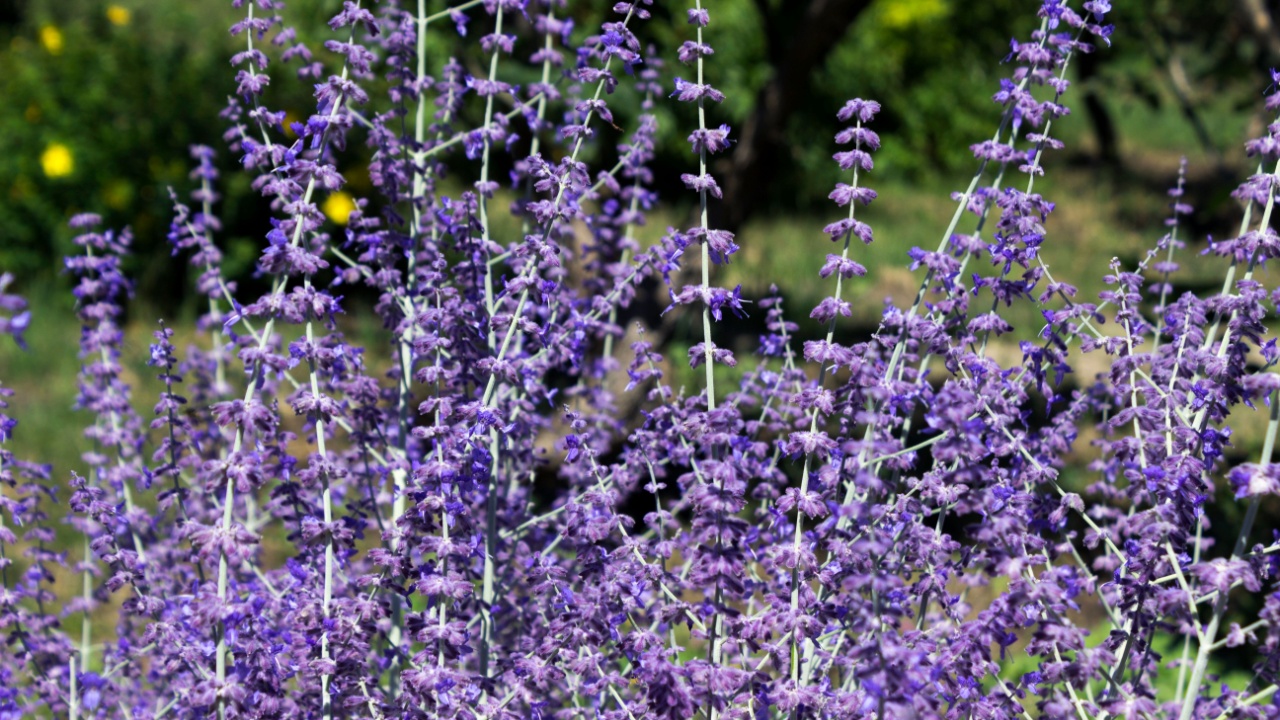
Image Credit: Shutterstock.
Lavender produces fragrant spikes of purple, blue, pink, or white flowers above aromatic gray-green foliage. This Mediterranean herb thrives in hot, dry conditions and blooms heavily in early to mid-summer. The flowers are prized for their fragrance and can be harvested for culinary uses, crafts, or dried arrangements.
Why Deadheading Benefits Lavender
After the main flush of bloom, lavender often produces a second, lighter flush of flowers if deadheaded properly. Leaving spent flower spikes on the plant can lead to seed production and woody growth, reducing the plant’s vigor and bloom potential. Proper deadheading keeps the plant compact and encourages the production of new flowering shoots.
Steps for Deadheading Lavender
Once most of the flowers on a spike have faded, cut the entire spike back to just above the gray-green foliage mound. Avoid cutting into the woody stems, as lavender doesn’t readily produce new growth from old wood. Make clean cuts with sharp shears to prevent damage. For English lavender varieties, this often results in a second, smaller flush of blooms in late summer or early fall.
8. Cosmos
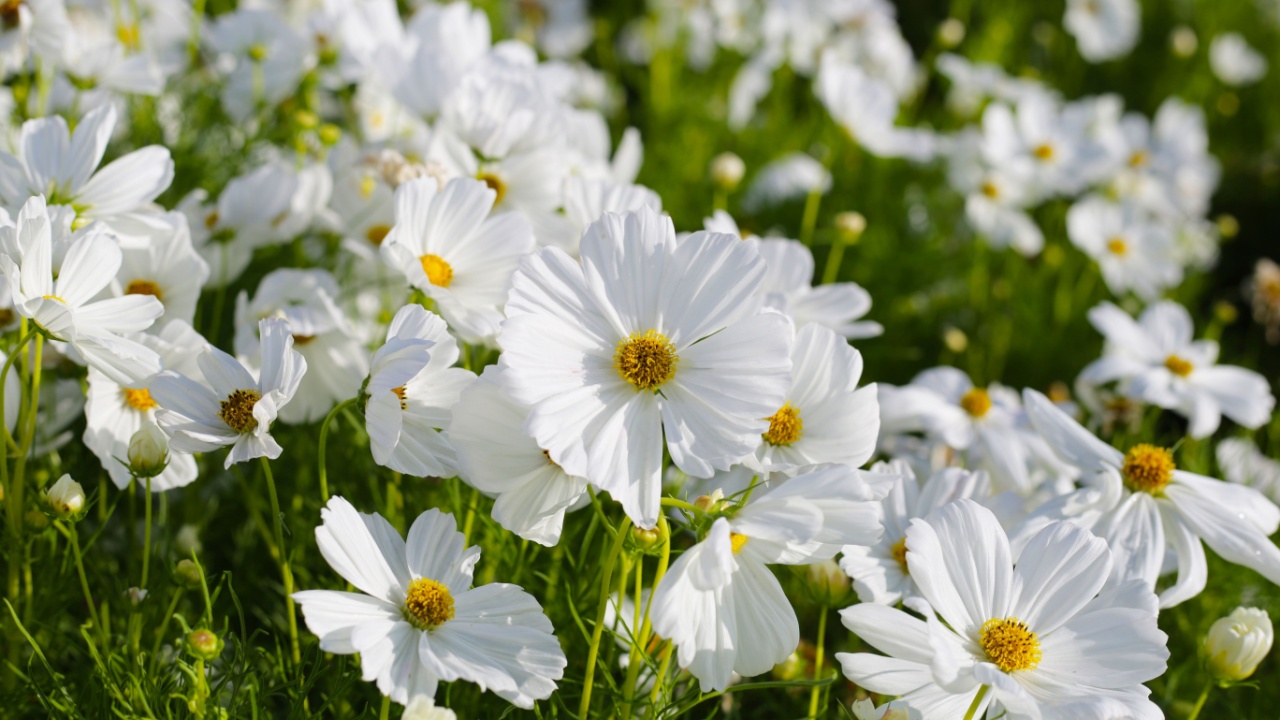
Image Credit: Shutterstock.
Cosmos are delicate-looking annuals that belie their tough, drought-tolerant nature. These feathery-foliaged plants produce cheerful flowers in shades of pink, white, orange, and yellow, often with contrasting centers. They’re excellent for cottage gardens, wildflower meadows, or anywhere you want an informal, naturalistic look.
Why Deadheading Benefits Cosmos
Cosmos are prolific self-seeders, quickly forming seed heads after flowering. While some gardeners appreciate their self-seeding nature, removing spent blooms keeps the plant focused on flower production rather than seed formation. This results in more abundant blooms over a longer period and prevents unwanted seedlings from appearing throughout the garden.
Steps for Deadheading Cosmos
Remove individual spent flowers as they fade, cutting back to the next set of buds or leaves. Cosmos have branching flower stems, so you’ll often find multiple buds at different stages of development. Cut just above the next opening bud to encourage continued flowering. The delicate stems are easy to pinch off by hand, but use scissors for clean cuts if preferred.
9. Salvia
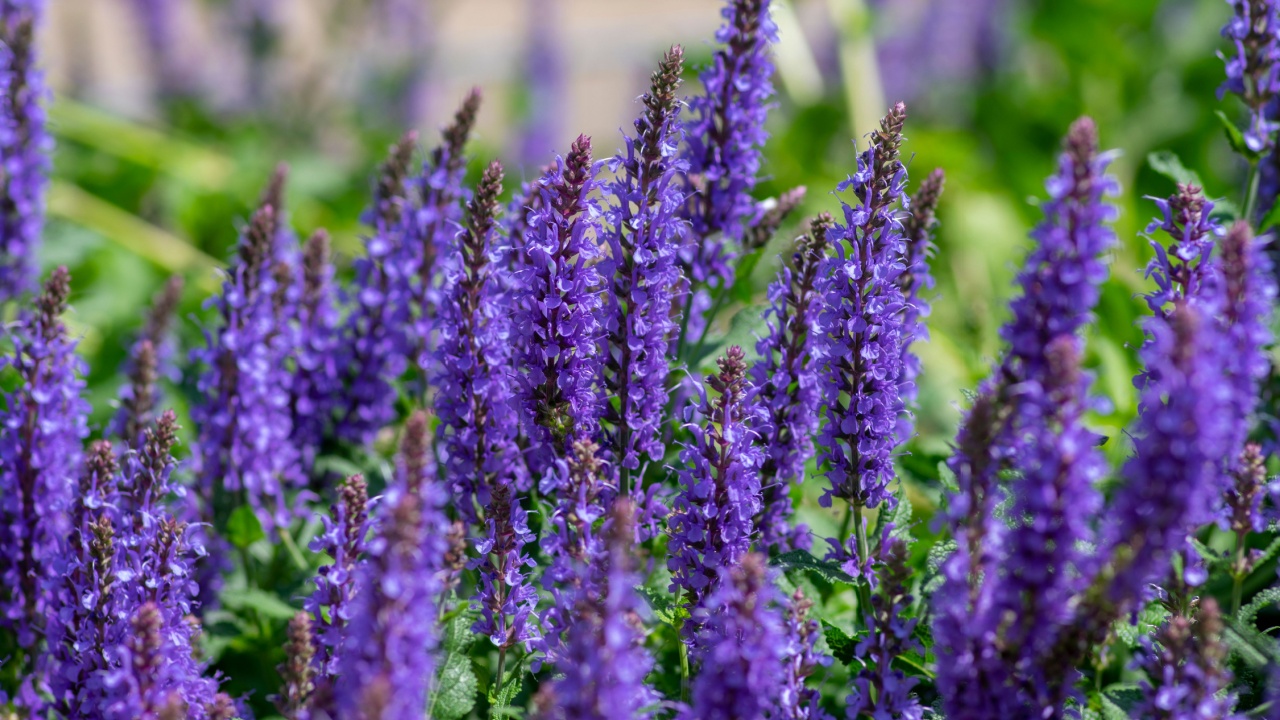
Image Credit: Shutterstock.
Annual salvias produce vibrant spikes of flowers in red, purple, pink, or white above attractive foliage. These heat-loving plants bloom continuously in warm weather and are favorites for adding vertical elements to container plantings and flower borders. Their nectar-rich flowers attract hummingbirds, butterflies, and other beneficial pollinators.
Why Deadheading Benefits Salvia
Like most spike-flowering plants, salvias bloom from bottom to top on each flower stem. Once the lower flowers fade, the plant may stop producing new spikes if allowed to go to seed. Regular deadheading prevents seed formation and encourages the development of new flowering shoots from lower on the plant, creating a bushier appearance with more bloom power.
Steps for Deadheading Salvia
Remove spent flower spikes once they’ve faded by cutting back to a strong set of leaves or emerging side shoots. Look for small flower buds developing in the leaf joints—these will become your next flowering stems. For the most compact growth and abundant blooms, pinch back the growing tips when plants are 6-8 inches tall to encourage branching before the main blooming season.
10. Marigolds
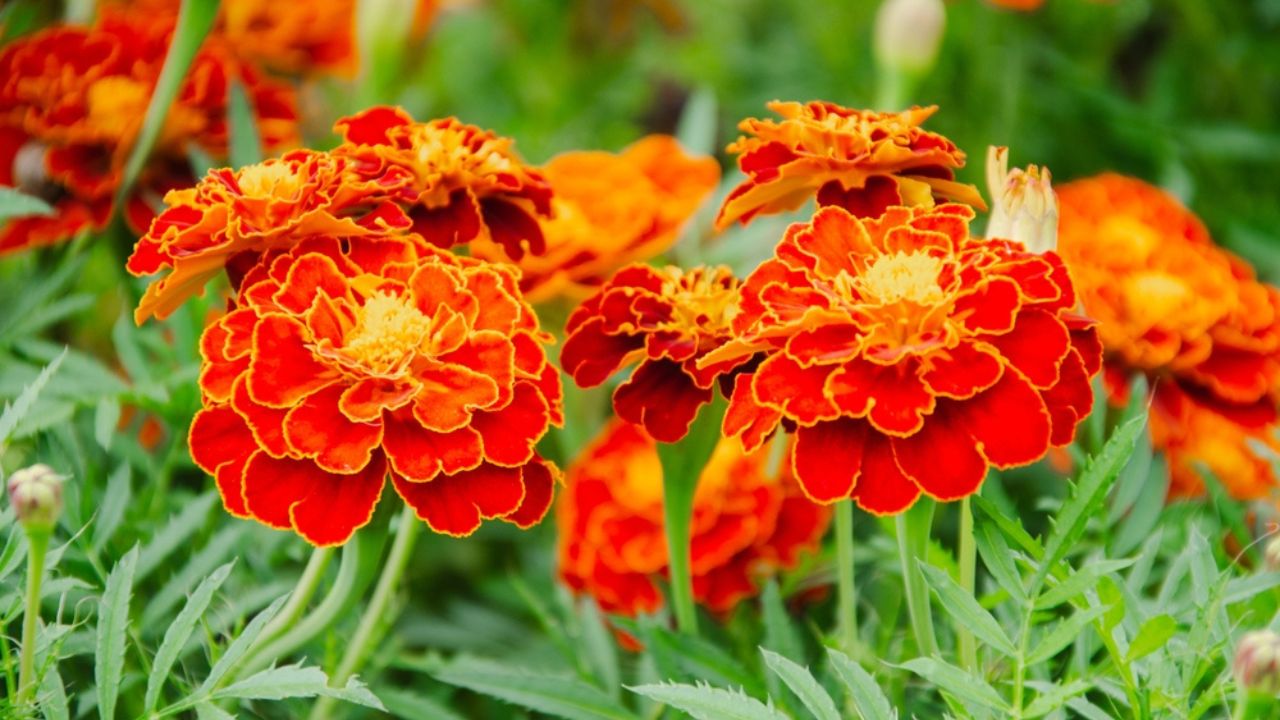
Image Credit: Shutterstock.
Marigolds are perhaps the most foolproof annual flowers, producing bright blooms in shades of yellow, orange, red, and burgundy from summer until frost. These compact, bushy plants come in sizes ranging from tiny French types to large African varieties. Their pungent foliage is believed to deter some garden pests, making them popular companion plants.
Why Deadheading Benefits Marigolds
Marigolds are naturally heavy bloomers, but they’re also quick to go to seed. Each flower head produces numerous seeds, and once the plant begins setting seed in earnest, flower production slows dramatically. Regular deadheading keeps the plant in active blooming mode and prevents the somewhat unsightly spent flowers from detracting from the overall display.
Steps for Deadheading Marigolds
Check marigolds every few days for spent blooms—those that have begun to fade, brown at the edges, or develop a papery texture. Pinch or cut the flower stem back to just above a set of leaves or emerging buds. The hollow stems are easy to break off by hand, but using scissors ensures clean cuts and prevents damage to surrounding buds and foliage.
11. Rudbeckia (Black-Eyed Susan)- An Optional Consideration
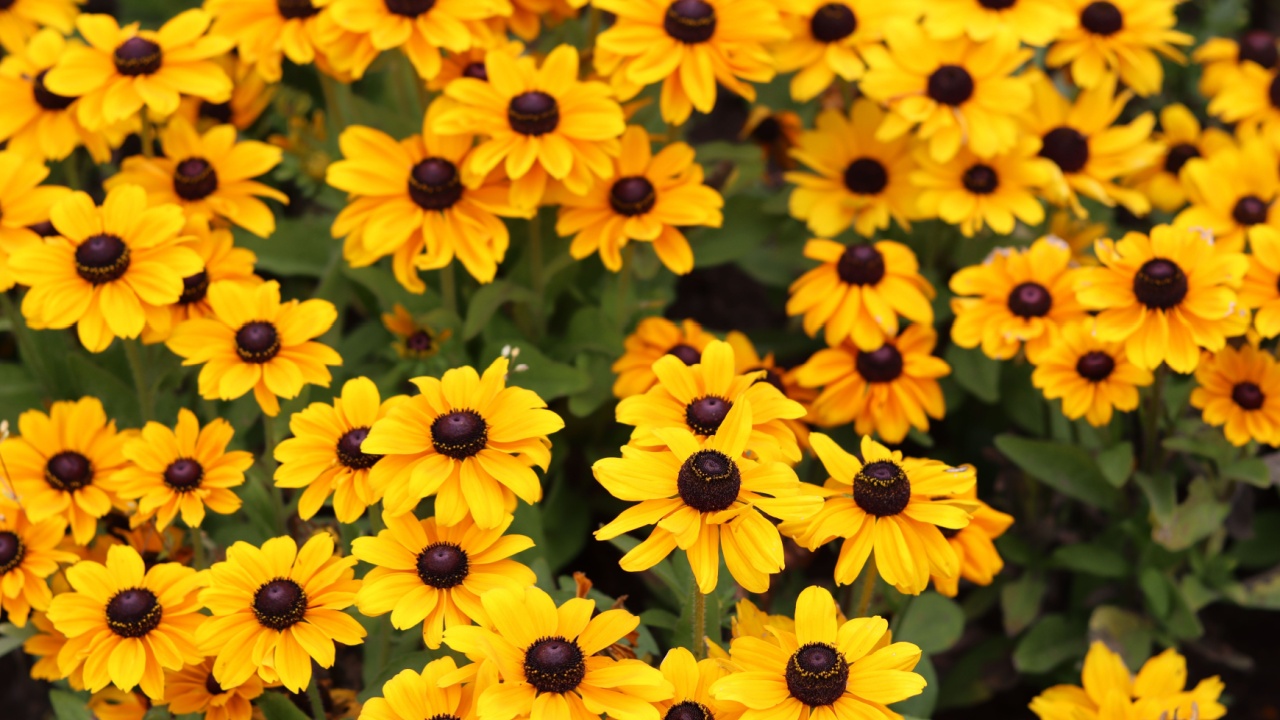
Image Credit: Shutterstock.
Rudbeckia produces cheerful yellow daisy-like flowers with dark centers, blooming from midsummer into fall. These hardy perennials naturalize readily and are excellent for prairie-style gardens, naturalistic plantings, or anywhere you want long-lasting color with minimal maintenance. The flowers attract butterflies and other pollinators, while the seed heads provide winter food for birds.
Why Deadheading Benefits Rudbeckia
While rudbeckia will continue blooming without deadheading, removing spent flowers can extend the blooming period and encourage more prolific flowering. The plant naturally has a long bloom season, but deadheading the earliest flowers encourages the development of secondary flowering stems and can result in blooms lasting well into October in many regions.
Steps for Deadheading Rudbeckia
Remove spent flowers by cutting the stem back to just above a strong set of leaves or emerging side shoots. Look for small buds developing in the leaf joints, as these will become new flowering stems. Consider leaving some of the later flowers to develop seed heads for winter interest and wildlife value, but removing the early spent blooms significantly extends the overall display.
Timing Your August Deadheading for Maximum Results
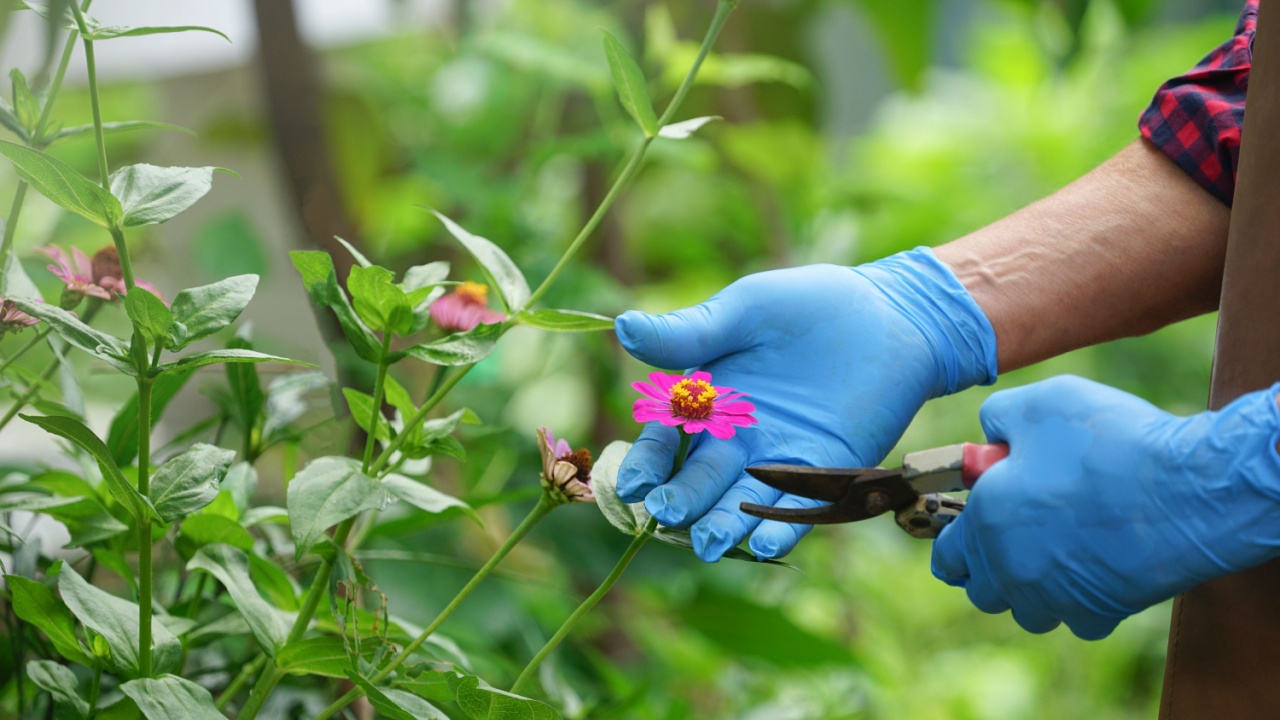
Image Credit: Shutterstock.
The key to successful August deadheading lies in understanding your local climate and first frost date. In most regions, plants deadheaded in early to mid-August have sufficient time to produce new growth and flowers before cold weather arrives. However, in areas with early frosts, focus your deadheading efforts on the first week of August to ensure adequate time for flower development.
Monitor weather forecasts and be prepared to protect newly encouraged growth if unexpected early cold snaps threaten. With proper timing and technique, August deadheading can extend your garden’s blooming season by 4-6 weeks, creating a spectacular display that bridges the gap between summer’s peak and autumn’s arrival.