
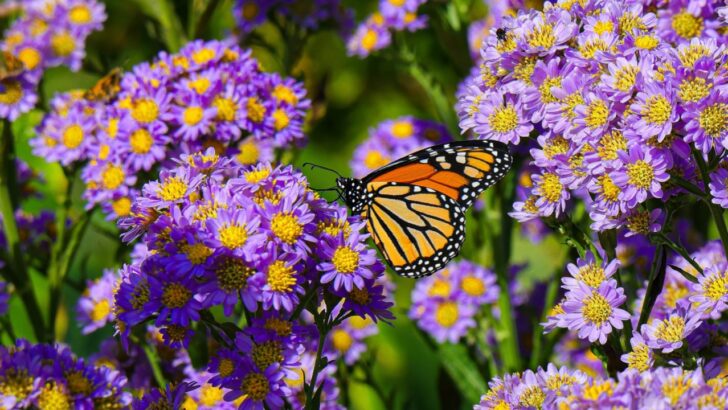
Butterflies bring life and color to any garden, acting as pollinators while also enhancing the visual appeal of your outdoor space. By carefully selecting plants suited to their needs, you can create a sanctuary for these graceful creatures. Not only does this brighten your garden, but it also helps support butterfly populations, many of which are declining.
Below are 14 excellent plants to attract butterflies to your garden. From nectar-rich blooms to essential host plants for larvae, these options offer something for every butterfly species. Plus, we’ve included tips for growing and maintaining each plant, along with essential caveats to consider.
1. Joe Pye Weed
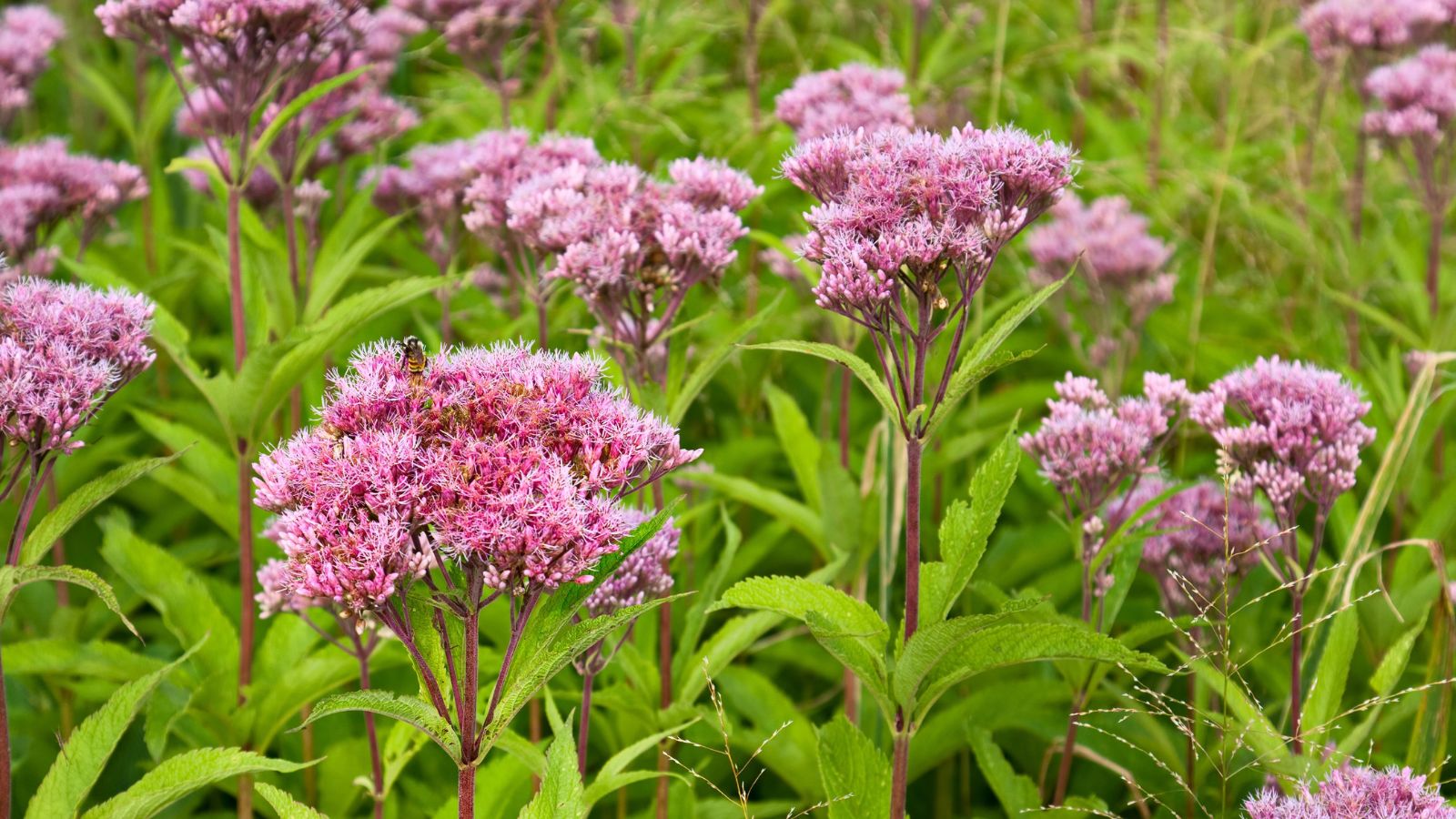
Image Credit: Depositphotos.com.
Why Butterflies Love It: Joe Pye weed offers rich nectar that draws monarch and swallowtail butterflies. Its tall, dusky pink blooms provide a reliable food source late in the season, from mid-summer to early fall.
Care Tips
- Zones: 4–9
- Conditions: Full sun or part shade; moist, fertile soil
- Maintenance: Water deeply once or twice a week and mulch the base to retain moisture. Prune in late winter to promote healthy growth.
Caveat: Joe Pye weed grows tall (up to 7 feet), so plant it at the back of flower beds to avoid shading smaller plants.
2. Phlox
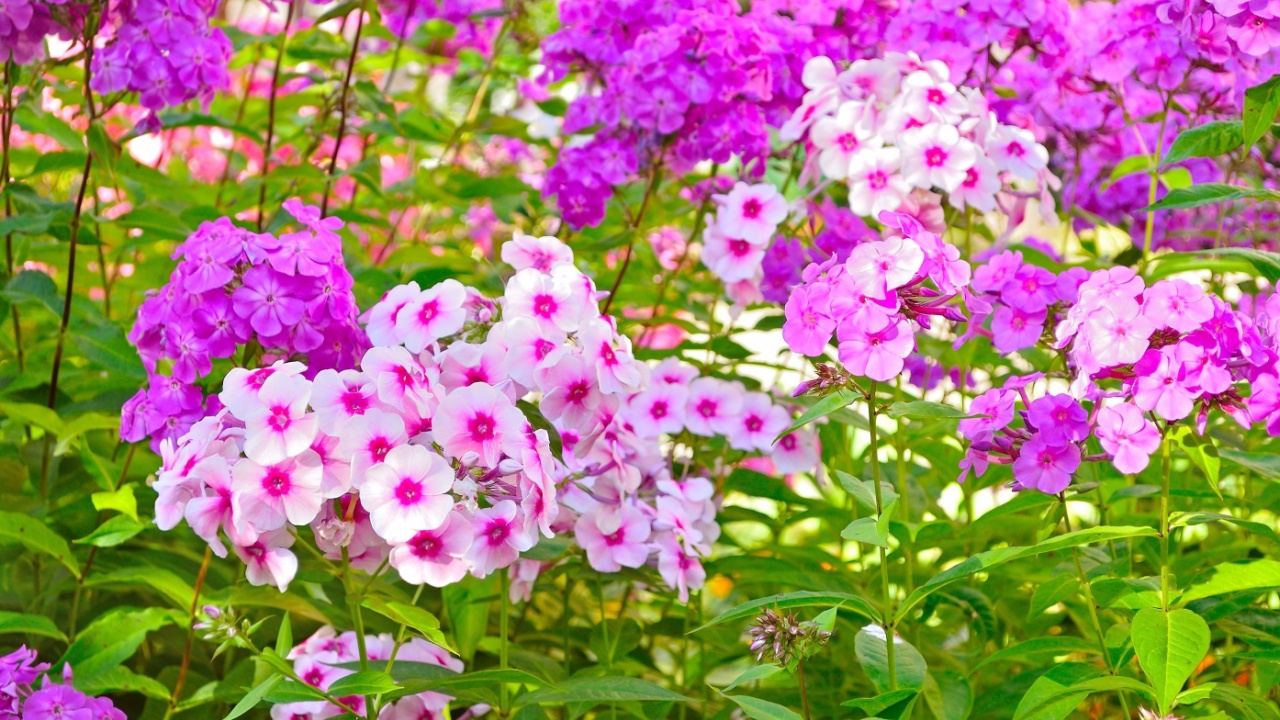
Image Credit: Shutterstock.
Why Butterflies Love It: Phlox produces brightly colored star-shaped flowers that attract skippers and other small butterflies. The extended blooming season supports multiple butterfly generations.
Care Tips
- Zones: 3–9
- Conditions: Full sun or partial shade; well-drained, compost-enriched soil
- Maintenance: Water regularly and deadhead flowers to encourage new blooms.
Caveat: Space plants properly to avoid fungal diseases caused by poor air circulation.
3. Milkweed
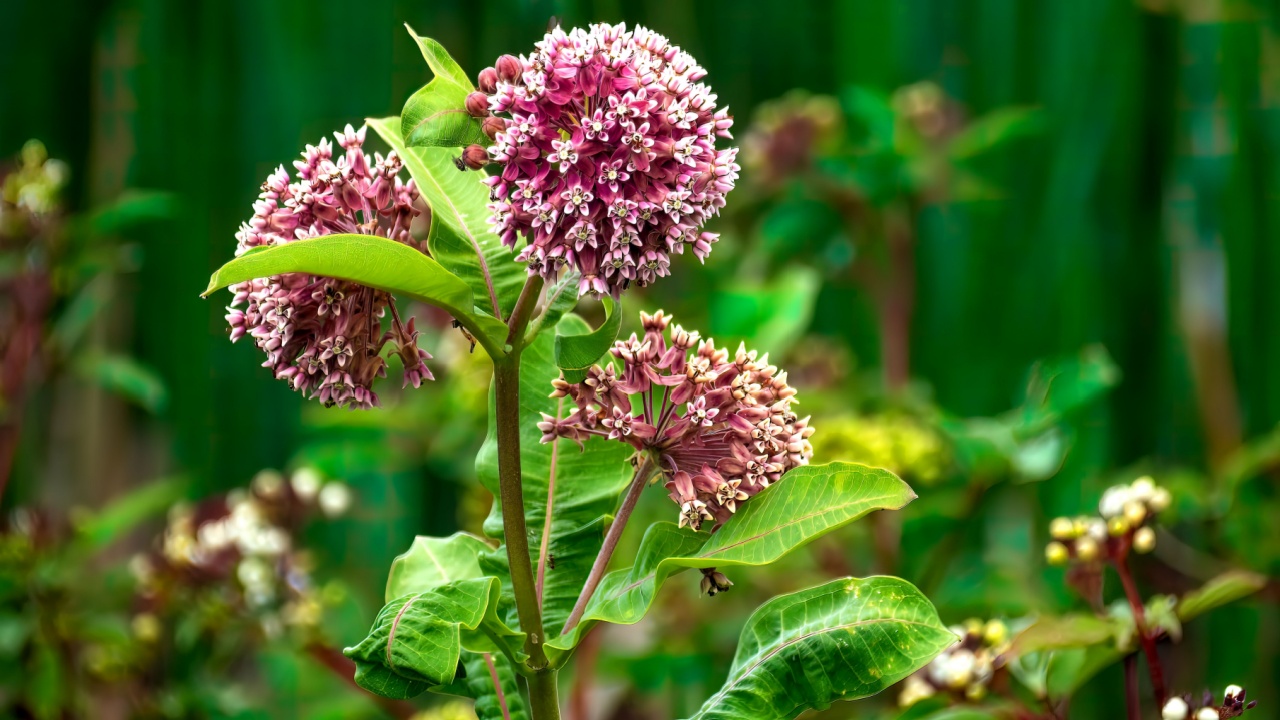
Image Credit: Shutterstock.
Why Butterflies Love It: Milkweed is a critical host plant for monarch butterflies. Their caterpillars feed exclusively on their leaves, while the flowers provide nectar for adult butterflies.
Care Tips
- Zones: 3–10
- Conditions: Full sun; well-drained soil
- Maintenance: Sow seeds in the fall to cold stratify over winter. Water regularly until plants establish. Choose native species adapted to your region for optimal support and reduced care needs.
Caveat: Monarch caterpillars may chew it down to bare stems, making it less visually appealing but vital for their survival.
4. Coneflowers
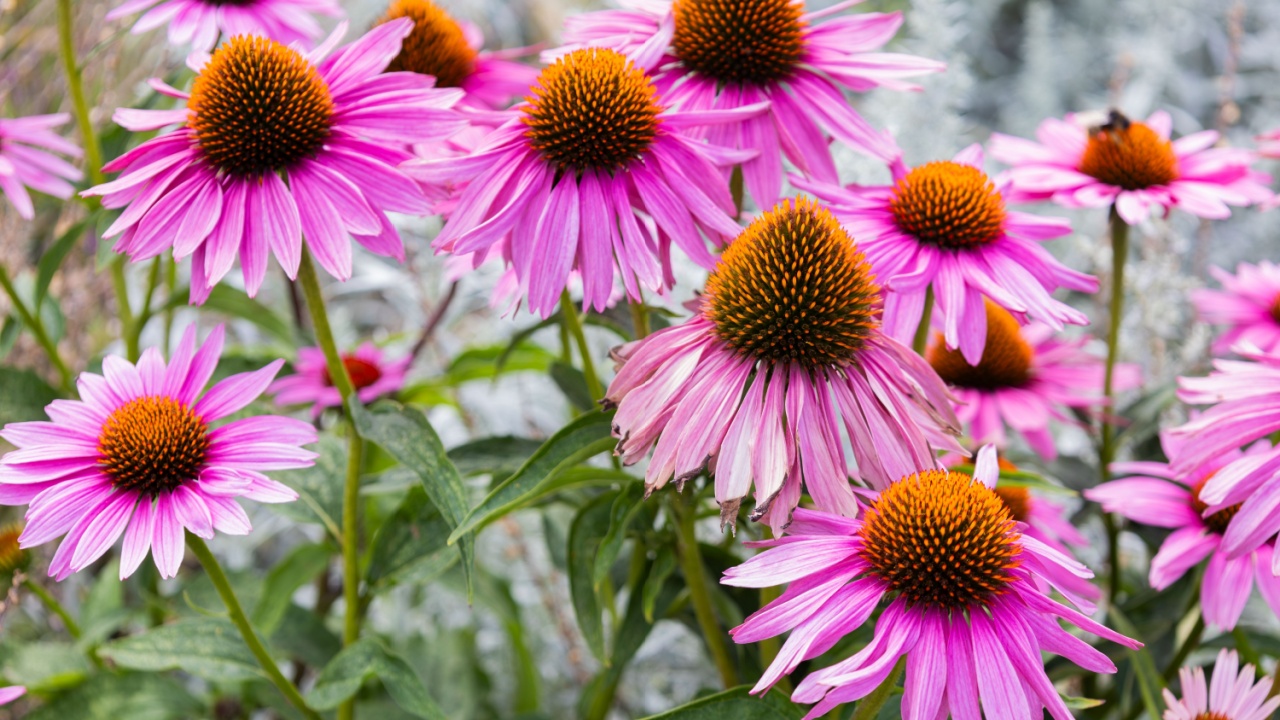
Image Credit: Shutterstock.
Why Butterflies Love It: Eastern tiger swallowtails frequently visit coneflowers for their high nectar content. The flat blooms provide excellent landing spots for feeding.
Care Tips
- Zones: 3–9
- Conditions: Full sun; drought-tolerant
- Maintenance: Water during dry spells and deadhead fading blooms to extend flowering.
5. Pawpaw Tree
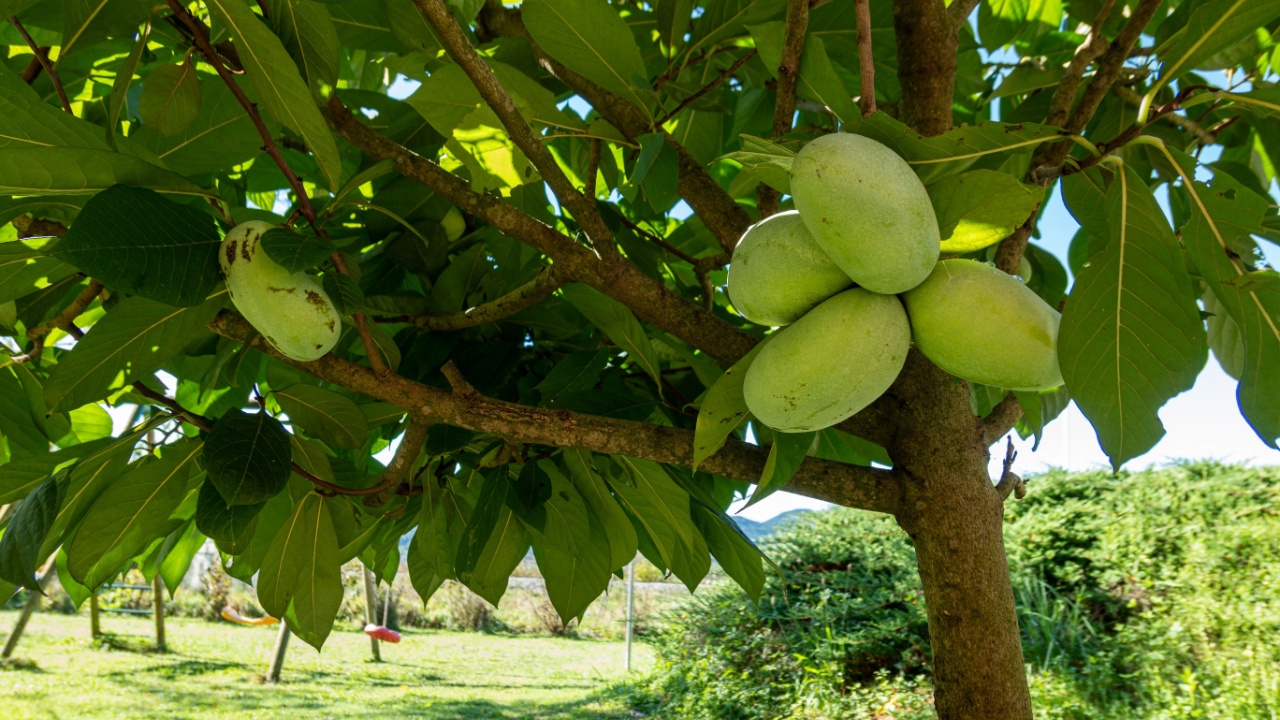
Image Credit: Shutterstock.
Why Butterflies Love It: Zebra swallowtails depend on pawpaw trees. Females lay eggs on the leaves, which provide the sole food source for larvae.
Care Tips
- Zones: 5–9
- Conditions: Sunny, wind-protected areas; well-drained, rich soil
- Maintenance: Water regularly in the first two years. Plant at least two trees for cross-pollination.
Caveat: Caterpillars may be visible on the leaves, so consider placement if aesthetics are crucial.
6. Asters
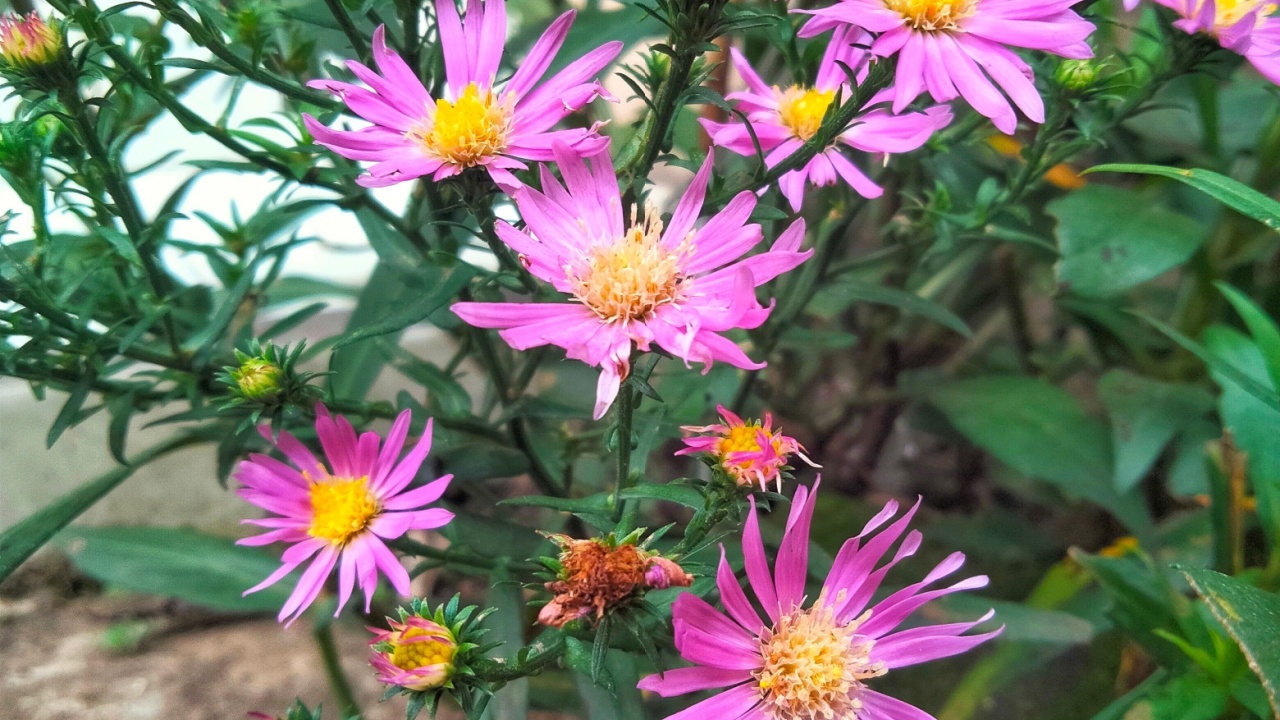
Image Credit: Shutterstock.
Why Butterflies Love It: Asters bloom late in summer, attracting sulphurs and providing critical nectar as other flowers fade.
Care Tips
- Zones: 3–8
- Conditions: Full sun or partial shade; loamy, compost-enriched soil
- Maintenance: Water once a week and mulch to retain moisture; split plants every few years.
Caveat: Keep an eye on deadheading to prevent spreading.
7. Bee Balm
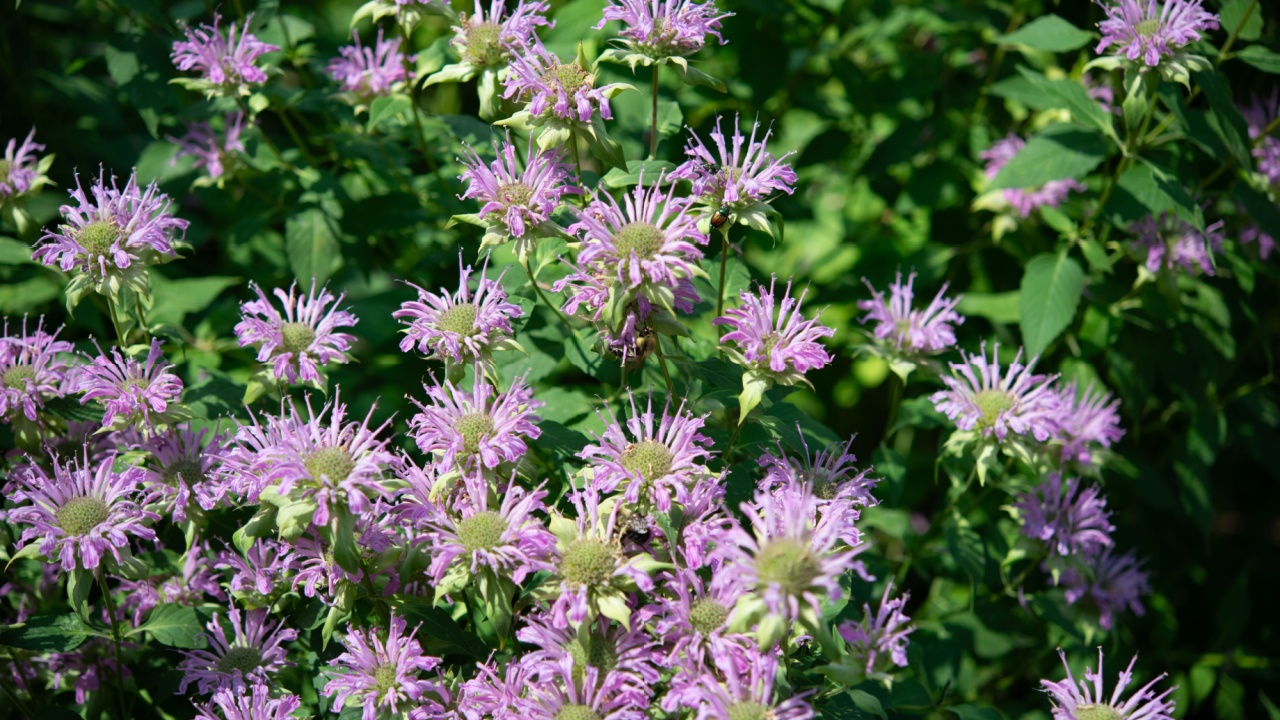
Image Credit: Shutterstock.
Why Butterflies Love It: Great spangled fritillary butterflies are drawn to bee balm’s vibrant red and pink flowers, which bloom from mid-summer into fall.
Care Tips
- Zones: 3–9
- Conditions: Full sun or partial shade; moist, well-drained soil
- Maintenance: Space plants 18–24 inches apart to avoid mildew and deadhead blooms for new growth.
8. Parsnip-Flower Buckwheat
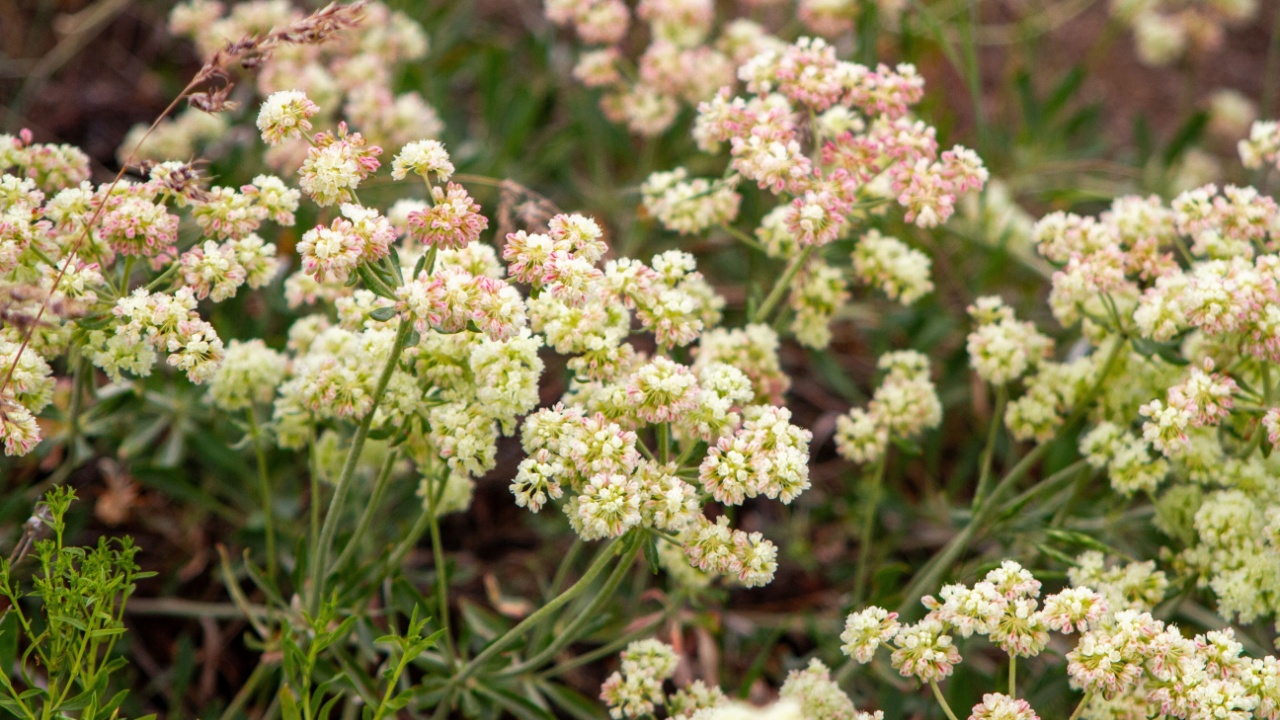
Image Credit: Shutterstock.
Why Butterflies Love It: Acmon blue butterflies thrive on the tiny flowers of this drought-tolerant plant, which blooms from early summer into late fall.
Care Tips
- Zones: 6–10
- Conditions: Full sun; sandy or rocky soil
- Maintenance: Sow seeds in spring and water until established, then taper off irrigation.
9. Sweetbay Magnolia
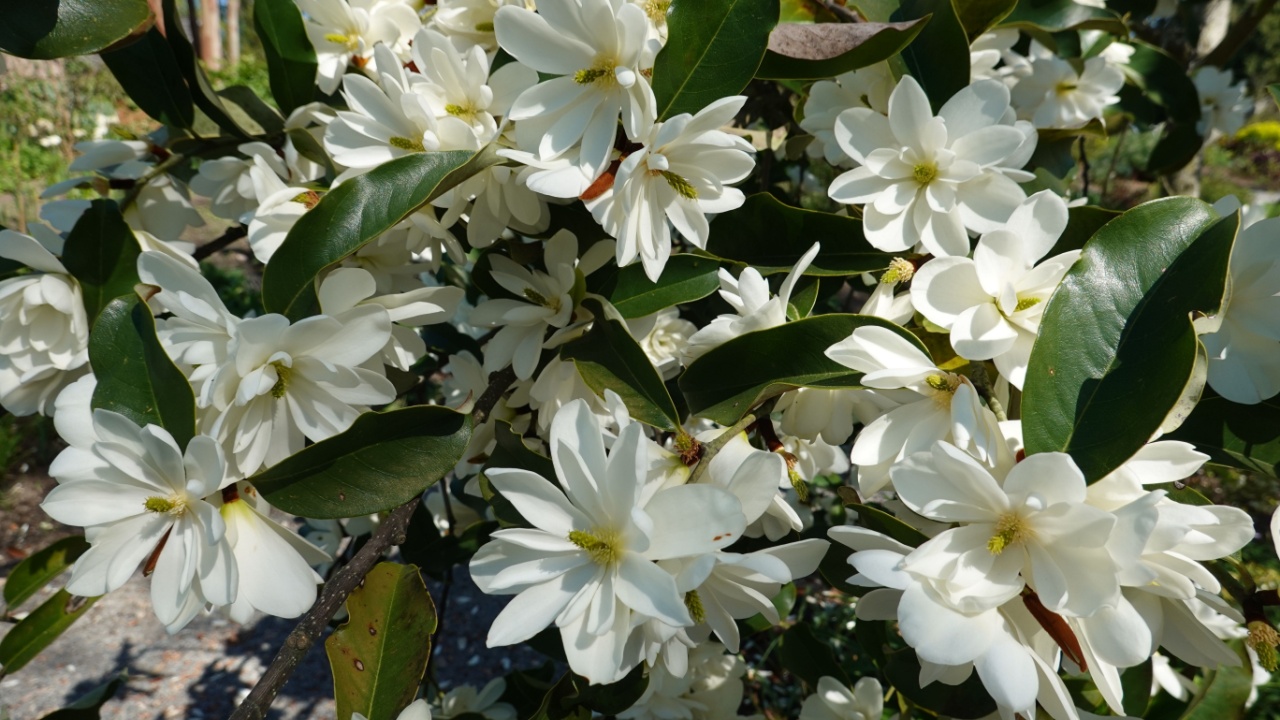
Image Credit: Shutterstock.
Why Butterflies Love It: Eastern tiger swallowtails are attracted to the fragrant blooms of sweetbay magnolia, which double as a host and nectar plant.
Care Tips
- Zones: 5–10
- Conditions: Full sun to part shade; moist, acidic soil
- Maintenance: Water well after planting and mulch to retain soil moisture.
10. Mistletoe
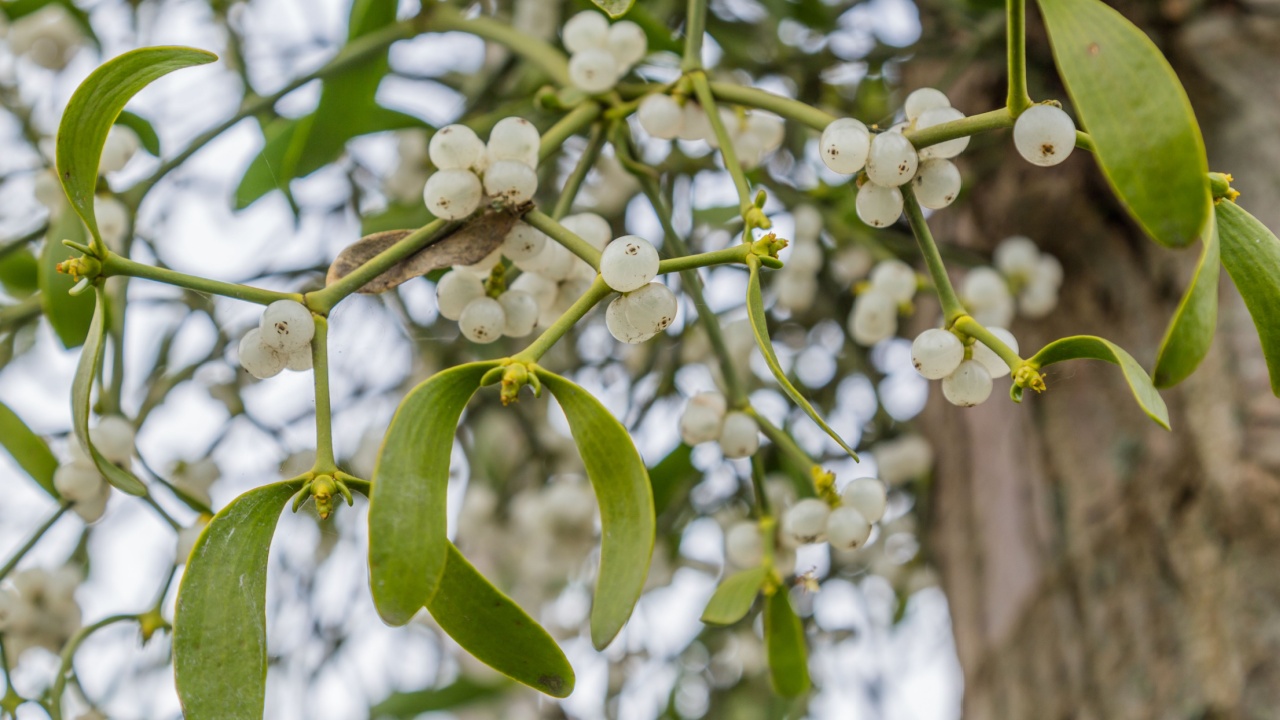
Image Credit: Shutterstock.
Why Butterflies Love It: Great purple hairstreaks use mistletoe foliage exclusively for laying eggs and as a food source for their larvae.
Care Tips
- Zones: 6–9
- Conditions: Requires a host tree like hawthorn or apple
- Maintenance: Harvest and press berries into the bark of the tree to propagate.
Caveat: It’s a semi-parasitic plant, so ensure the host tree can sustain it.
11. Lavender
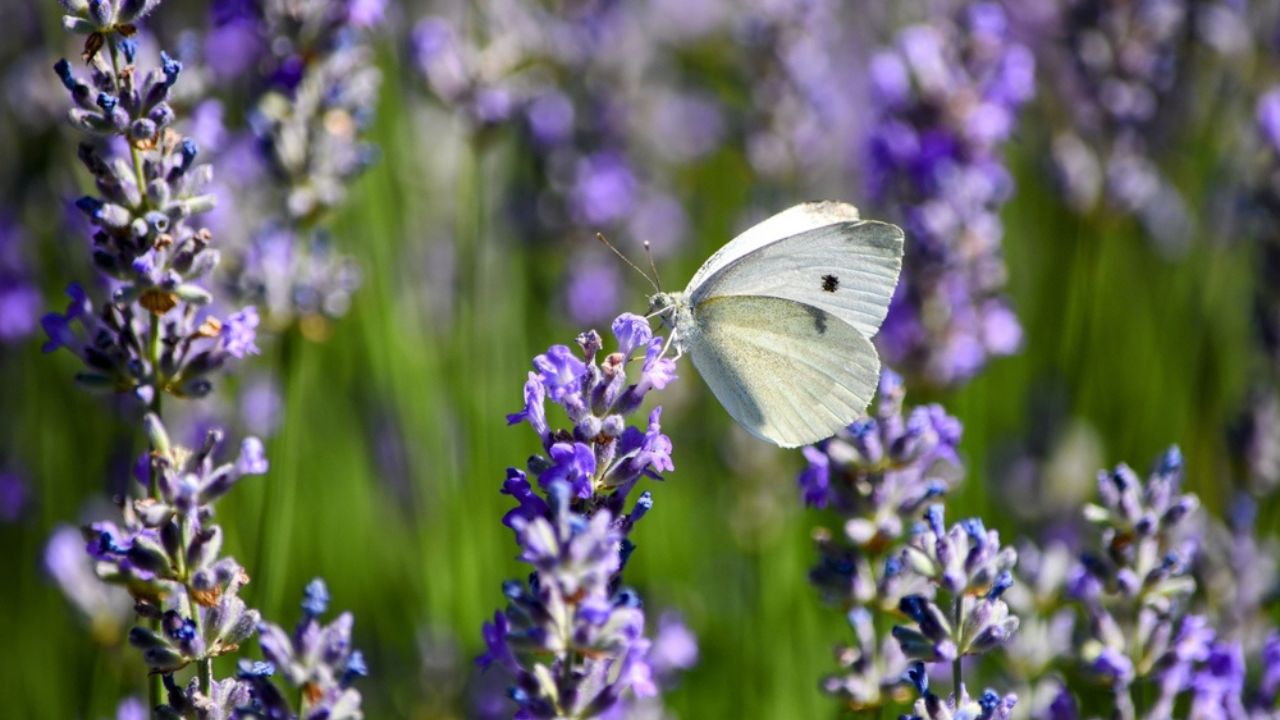
Image Credit: Shutterstock.
Why Butterflies Love It: Cabbage white butterflies flock to lavender due to its sweet scent and ample nectar.
Care Tips
- Zones: 5–9
- Conditions: Full sun; sandy, well-drained soil
- Maintenance: Prune in spring and avoid overwatering to prevent root rot.
12. Sassafras
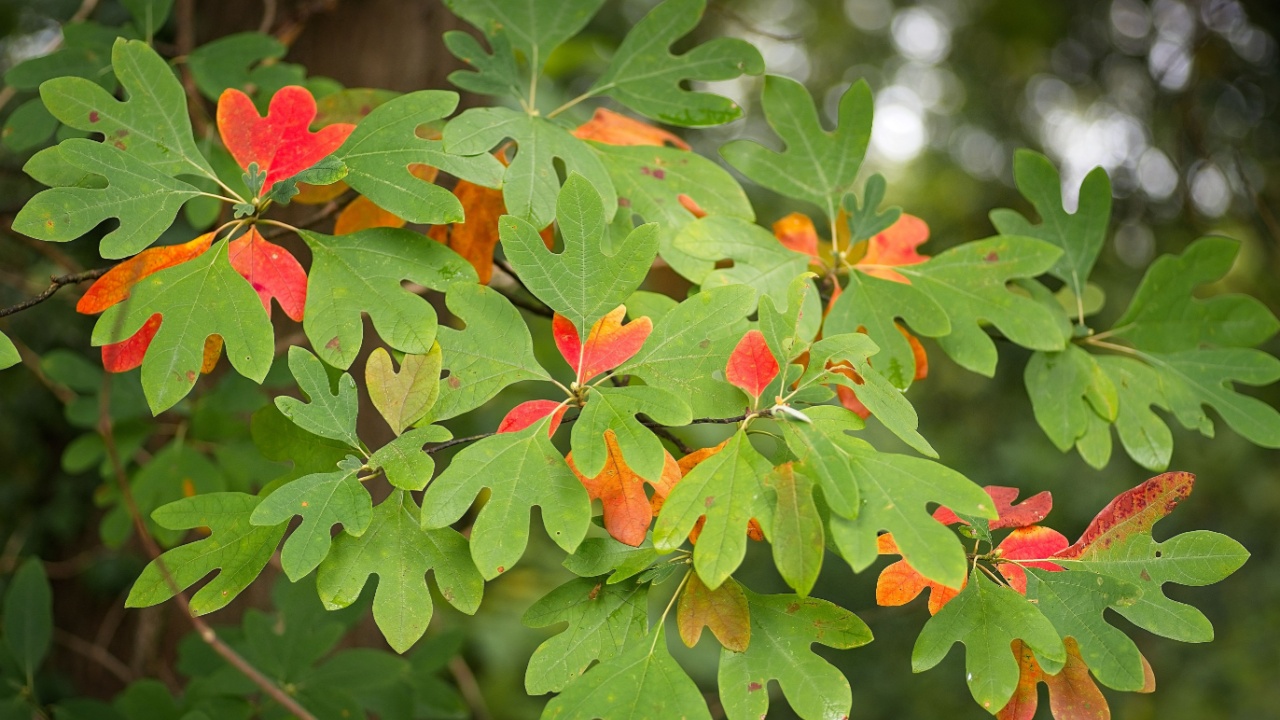
Image Credit: Shutterstock.
Why Butterflies Love It: The spicebush swallowtail lays eggs on sassafras leaves, which also serve as a food source for larvae.
Care Tips
- Zones: 4–9
- Conditions: Full sun or partial shade; sandy, acidic soil
- Maintenance: Water young trees frequently and prune for structural integrity.
13. Zinnias
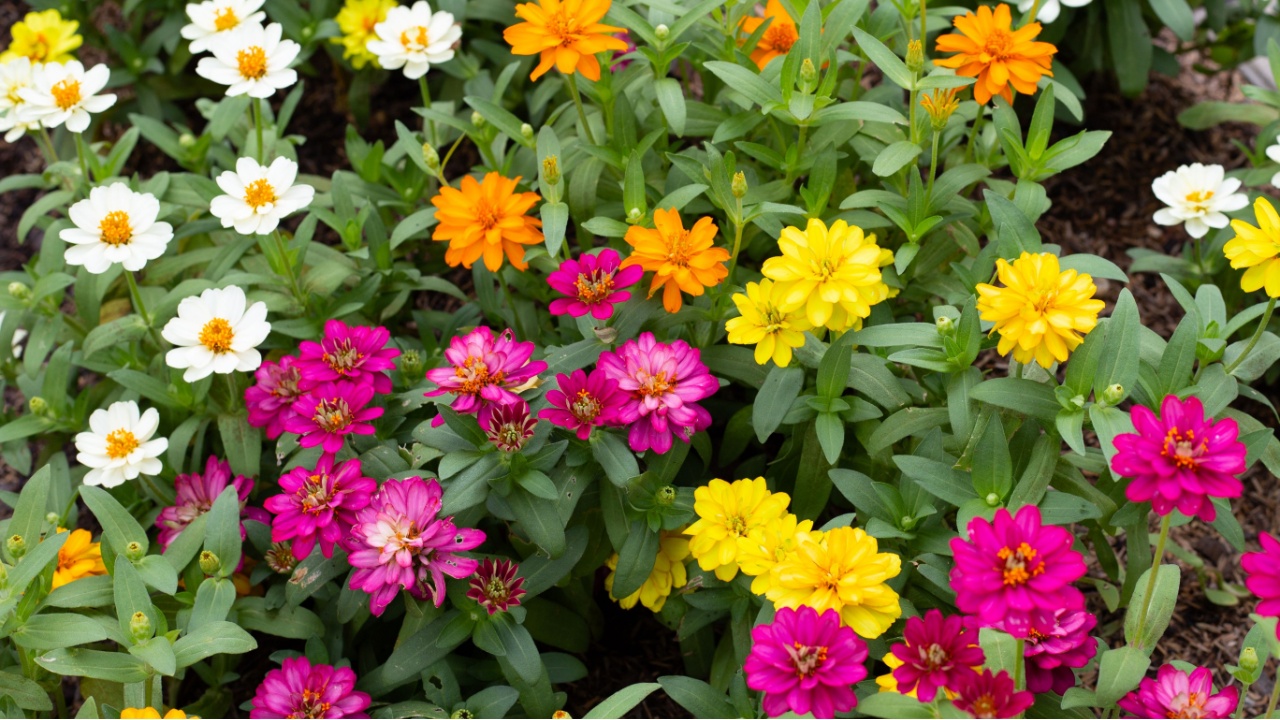
Image Credit: Shutterstock.
Why Butterflies Love It: Zinnias are a broad-spectrum favorite for butterflies, offering a generous nectar supply and easy landing.
Care Tips
- Zones: Annual
- Conditions: Full sun; well-drained soil
- Maintenance: Sow seeds after the last frost and water consistently, but avoid oversaturation.
14. Goldenrod
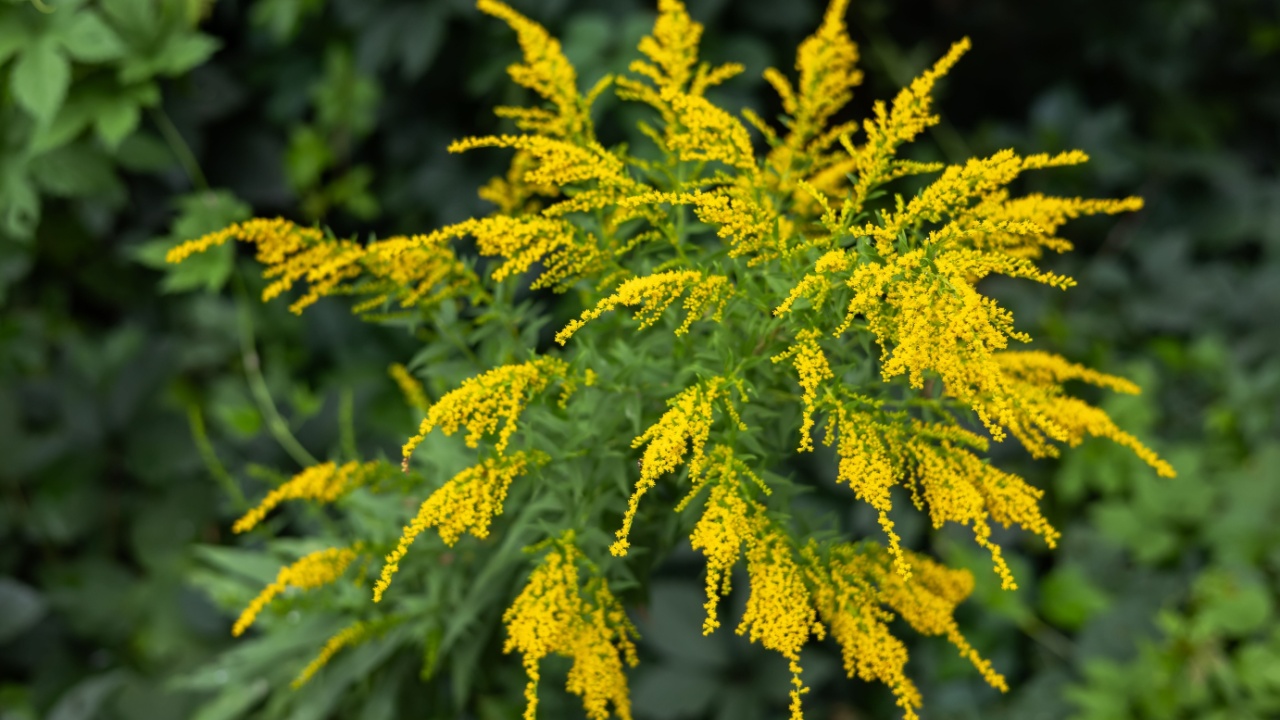
Image Credit: Shutterstock.
Why Butterflies Love It: Goldenrod supports migratory monarchs by providing late-season nectar in autumn, aiding in their transcontinental journeys.
Care Tips
- Zones: 3–9
- Conditions: Full sun; dry soil
- Maintenance: Prune to encourage bushy growth and deadhead fading blooms.
Caveat: This plant is believed to trigger allergies in some individuals, but it isn’t supported by literature.
Which Butterflies Like Which Flowers the Best?
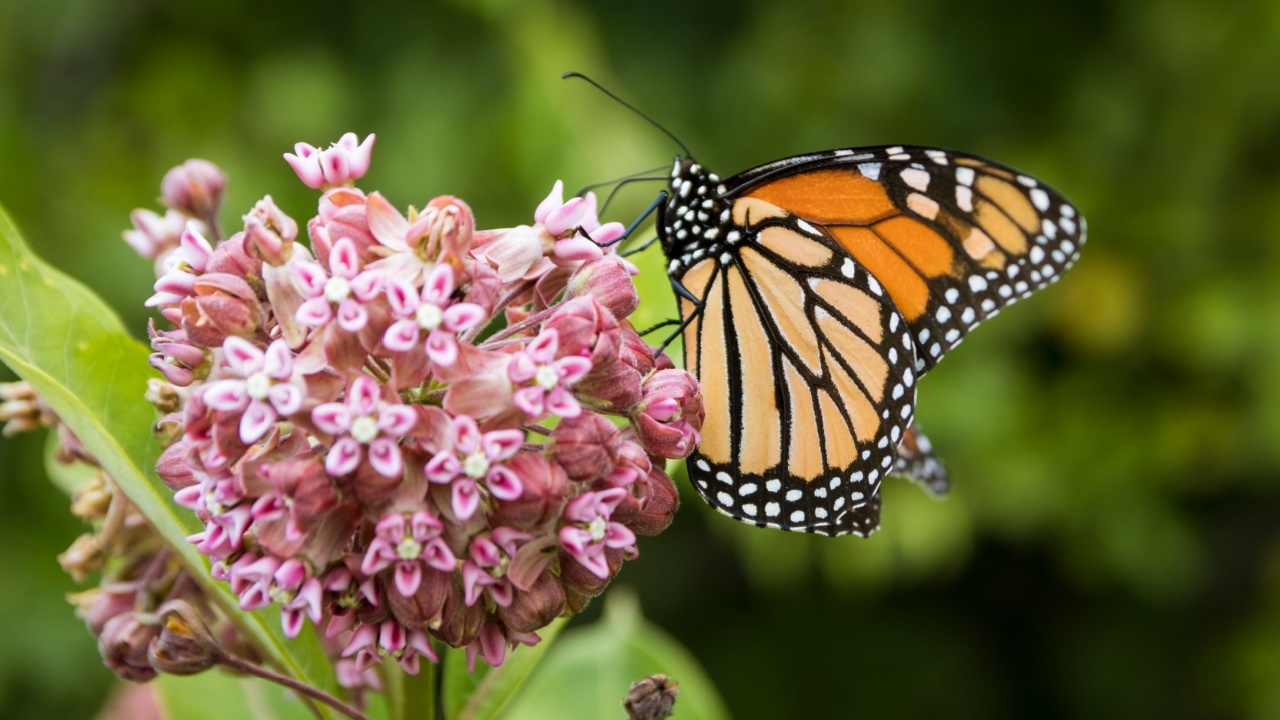
Image Credit: Shutterstock.
As a review, here is a list of some common butterfly species and the types of flowers they are most attracted to:
- Monarchs: Milkweed, goldenrod, asters
- Swallowtails: Zinnias, coneflowers, purple coneflower
- Painted Ladies: Thistle, verbena, daisies
- Red Admirals: Honeysuckle, clover, milkweed
- Cabbage Whites: Mustard, thistle, clover
- Black Swallowtails: Dill, fennel, parsley
How to Attract Butterflies to Your Garden

Image Credit: Shutterstock.
If you want to attract butterflies to your garden, there are a few things you can do:
- Plant a variety of flowers with different colors and shapes. This will provide food for butterflies at different stages of their life cycle.
- Avoid using pesticides or herbicides in your garden as they can harm butterflies and their larvae. Instead, try natural pest control methods like companion planting or hand-picking pests off plants.
- Provide shelter and resting spots for butterflies by placing rocks or logs.
It’s important to note that different butterflies may have different preferences for nectar sources. Some may be more drawn to native plants while others may prefer exotic varieties. By planting a diverse array of flowers in your garden or lawn, you can attract a wide range of butterfly species.
Invite More Beauty

Image Credit: Shutterstock.
By carefully selecting nectar plants, host plants, and blooming varieties, you’ll support butterflies at all life stages. Remember to consider local growing conditions and the plants’ unique requirements to keep the butterflies coming back year after year!