
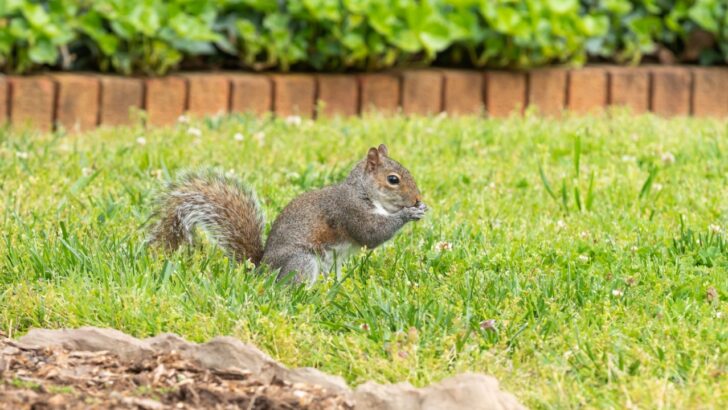
There’s nothing quite like the satisfaction of seeing your garden burst into color and life. But that satisfaction can quickly turn to frustration when you discover dug-up bulbs, nibbled flower heads, and scattered seeds. The culprit? While there are plenty of options (depending on your area), it might be the seemingly innocent squirrels whose foraging habits can create chaos in a well-tended yard. While these bushy-tailed critters can be charming, their destructive tendencies are not.
Fortunately, you don’t have to surrender your garden. Nature offers its own elegant solution. By strategically incorporating plants and flowers that squirrels naturally dislike, you can create a beautiful, thriving space that is far less tempting to them. These plants often feature strong scents, unpleasant tastes, or unique textures that send squirrels scurrying elsewhere.
Let’s explore 14 fantastic options that will add beauty to your yard while protecting your hard work.
Warning: Flowers that are toxic to squirrels can also be toxic to pets and humans, especially children. Always plan your garden safely for potential visitors.
1. Daffodils (Narcissus)
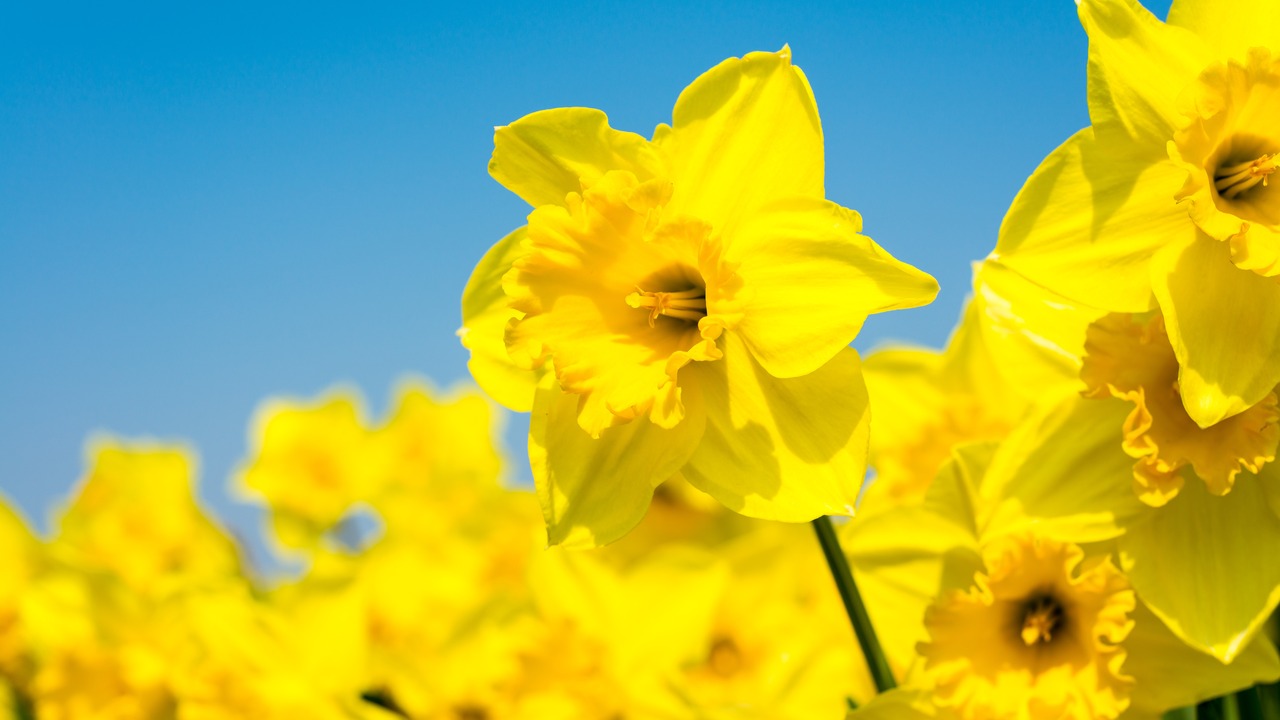
Image Credit: Shutterstock.
Daffodils are the cheerful heralds of spring, but squirrels see them as a big stop sign. These bulbs contain a toxic crystalline alkaloid called lycorine, which is poisonous to squirrels, deer, and other rodents. They instinctively know to avoid digging up these bulbs or munching on their flowers, making daffodils a reliable defense for your garden.
By planting daffodils around more vulnerable bulbs like tulips and crocuses, you can create a protective border. They come in a wide variety of sizes and colors, from classic yellow to white, pink, and orange.
- Why it works: Contains lycorine, which is toxic to squirrels.
- Care Tips: Plant bulbs in the fall in a sunny spot with well-draining soil. They are hardy in zones 3-8 and will naturalize over the years, giving you more blooms each spring.
- Bonus: Daffodils are incredibly low-maintenance and resistant to most pests and diseases.
2. Alliums (Ornamental Onions)
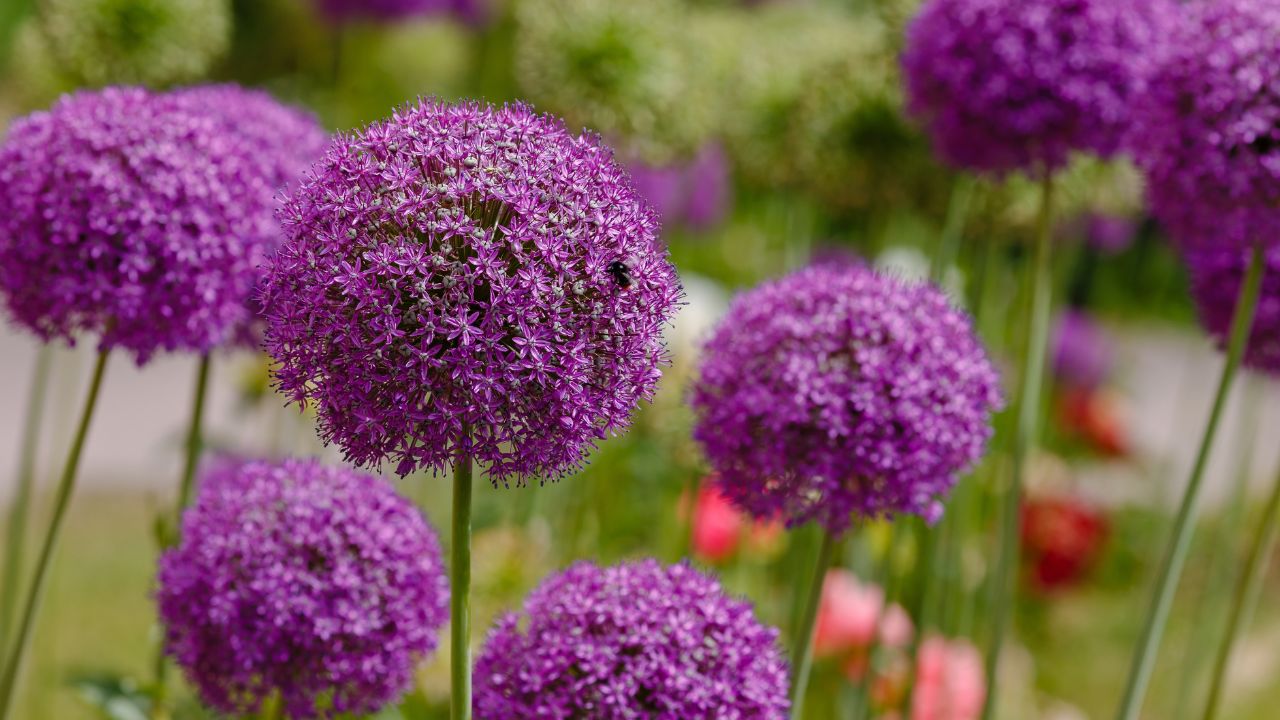
Image Credit: Shutterstock.
Alliums, the ornamental members of the onion and garlic family, are showstoppers with their globe-shaped purple, pink, or white flowers. They owe their squirrel-repelling power to sulfur compounds, which produce the pungent smell and taste that we associate with their culinary relatives. Squirrels find this scent and flavor offensive and will steer clear.
Planting alliums among other perennials and bulbs can confuse and deter squirrels from digging in your beds. They bloom from late spring into early summer, adding height and drama to your garden.
- Why it works: Pungent scent and taste from sulfur compounds are unpleasant for squirrels.
- Care Tips: Plant bulbs in the fall in full sun and well-draining soil. They are hardy in zones 4-9 and are drought-tolerant once established.
- Bonus: Alliums are bee magnets, attracting beneficial pollinators to your garden while keeping pests away.
3. Snowdrops (Galanthus nivalis)
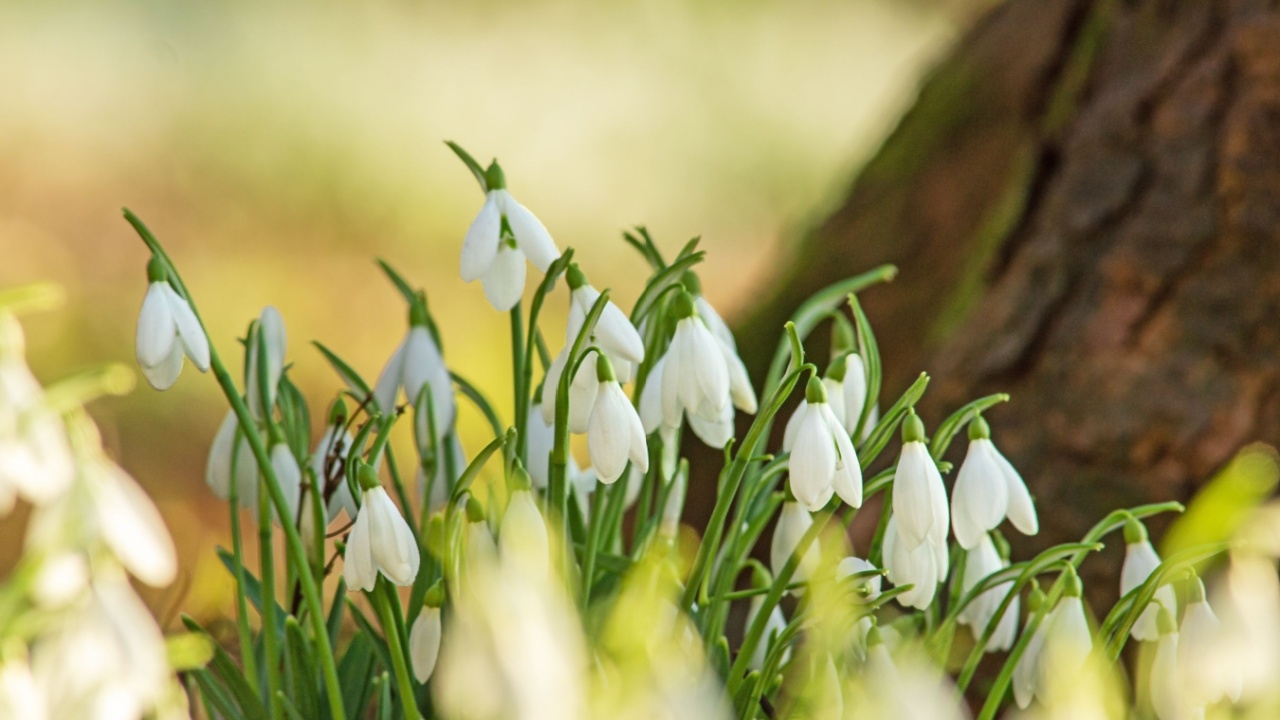
Image Credit: Shutterstock.
As one of the first flowers to emerge in late winter, sometimes even pushing through snow, snowdrops offer a delicate beauty when little else is blooming. Squirrels tend to leave these tiny treasures alone. The bulbs contain small amounts of alkaloids that can cause an upset stomach, a fact that squirrels seem to instinctively know.
Plant them in drifts under deciduous trees or in rock gardens for an early-season display. Their presence signals to hungry, newly active squirrels that your garden isn’t a free buffet.
- Why it works: Mildly toxic bulbs deter squirrels from digging them up.
- Care Tips: Plant in the fall in partial shade and moist, well-draining soil. Hardy in zones 3-9, they will spread over time to form a lovely carpet of white.
- Bonus: Snowdrops provide a crucial early food source for bees venturing out on warmer winter days.
4. Geraniums (Pelargonium and Geranium)
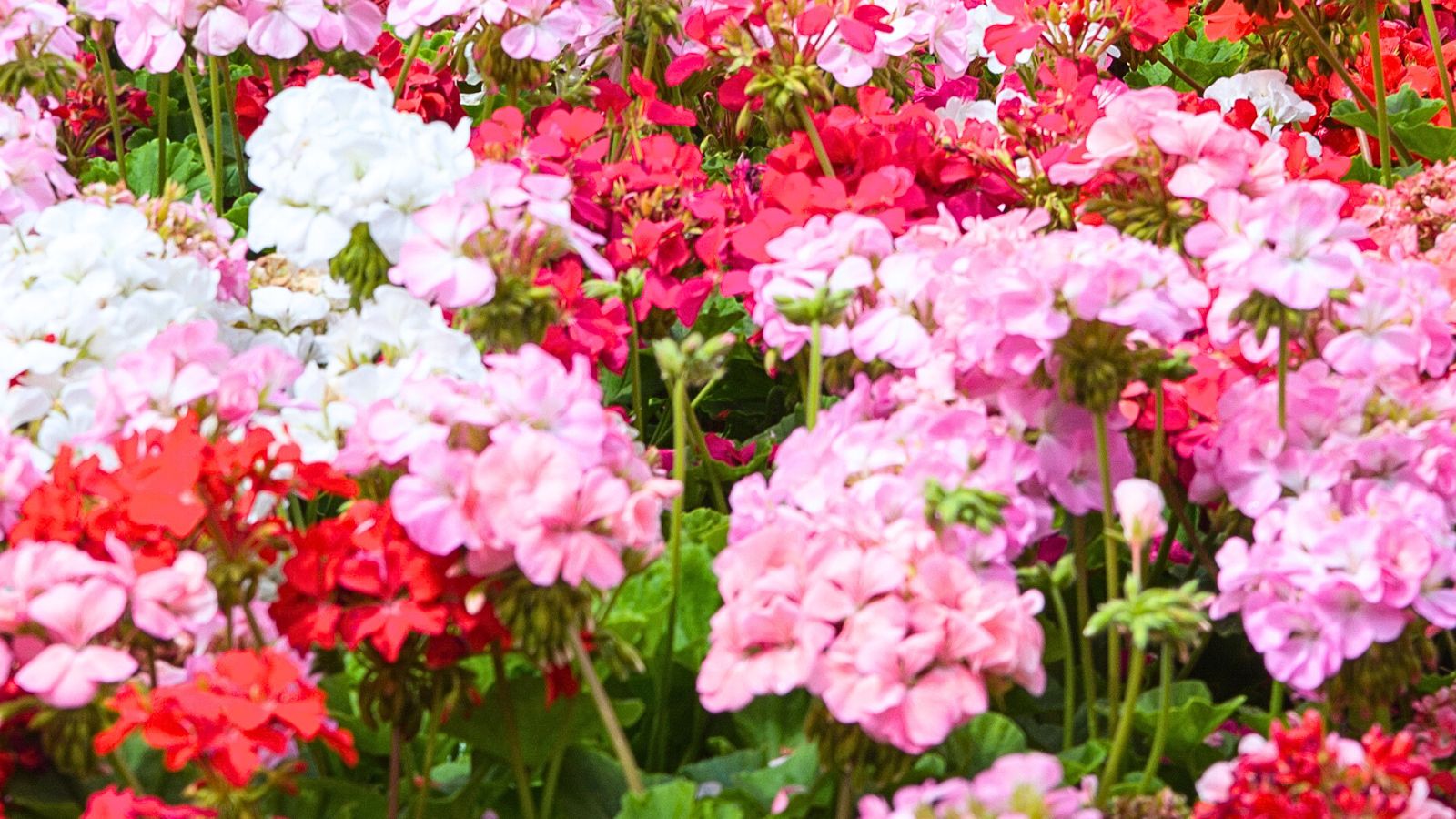
Image credit: YAY Images.
The term “geranium” can be a bit confusing, but luckily, squirrels dislike both common types. Scented geraniums (Pelargonium) have fragrant leaves with aromas like lemon, mint, or rose, which are lovely to us but overwhelming for squirrels. True geraniums, or cranesbill, have a more subtle scent but a texture that squirrels find unappealing.
Scented geraniums are perfect for pots and window boxes, where their fragrance can be enjoyed up close. Cranesbill works wonderfully as a flowering groundcover or border plant.
- Why it works: Strong scent from scented geraniums and unappealing texture of true geraniums.
- Care Tips: Plant in full to partial sun in well-draining soil. Scented geraniums are tender perennials (zones 10-11), while cranesbill is hardy in zones 4-8.
- Bonus: Some varieties of scented geraniums, like citronella, can also help repel mosquitoes.
5. Fritillaria
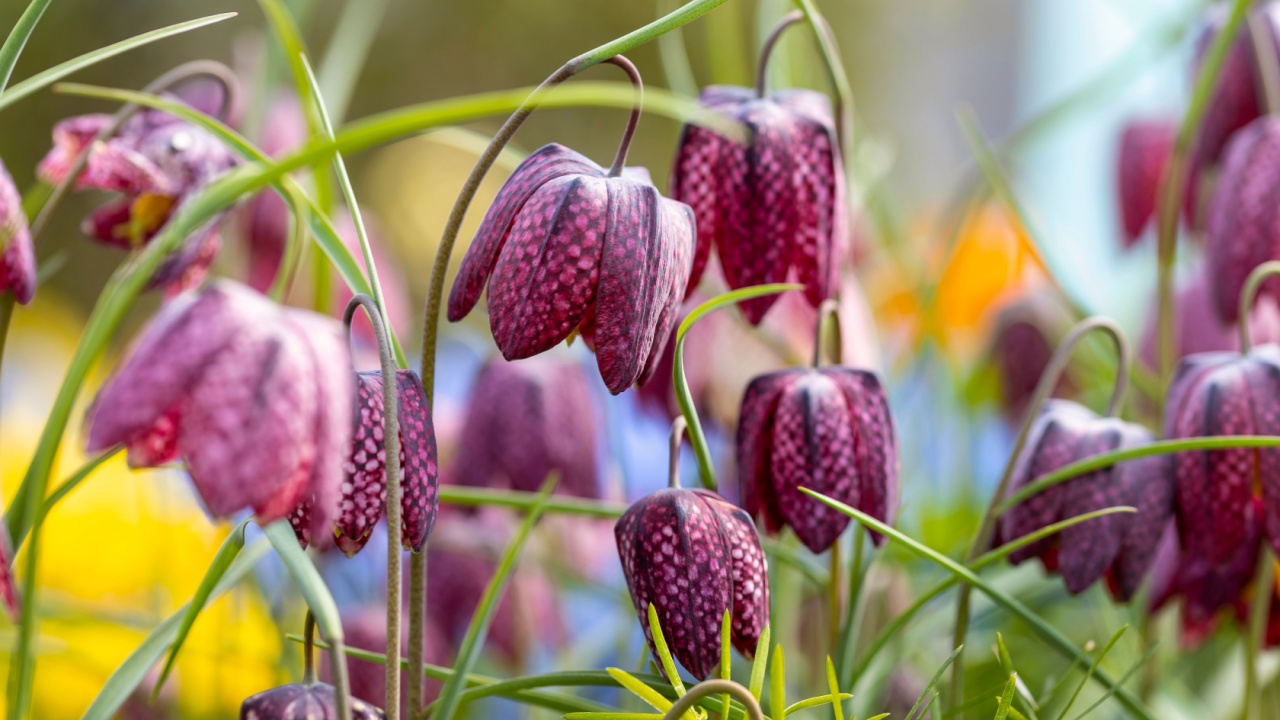
Image Credit: Shutterstock.
Fritillaria is a unique and striking plant family that includes the dramatic Crown Imperial and the charming Checkered Lily. What they all have in common is a distinct, musky odor often described as “skunky” or “foxy.” This scent, emanating from the bulbs, is a powerful and natural squirrel repellent.
Planting a few Crown Imperials can protect a large area of your garden. Their tall, dramatic stalks topped with a ring of bell-shaped flowers make a bold statement.
- Why it works: The bulbs emit a strong, skunky odor that squirrels and other rodents can’t stand.
- Care Tips: Plant bulbs in the fall in a sunny or partly shaded spot with excellent drainage. Crown Imperial bulbs should be planted on their side to prevent water from collecting in their hollow tops and causing rot. They are hardy in zones 5-9.
- Bonus: Their unusual appearance adds an exotic touch to spring gardens.
6. Hyacinths (Hyacinthus orientalis)
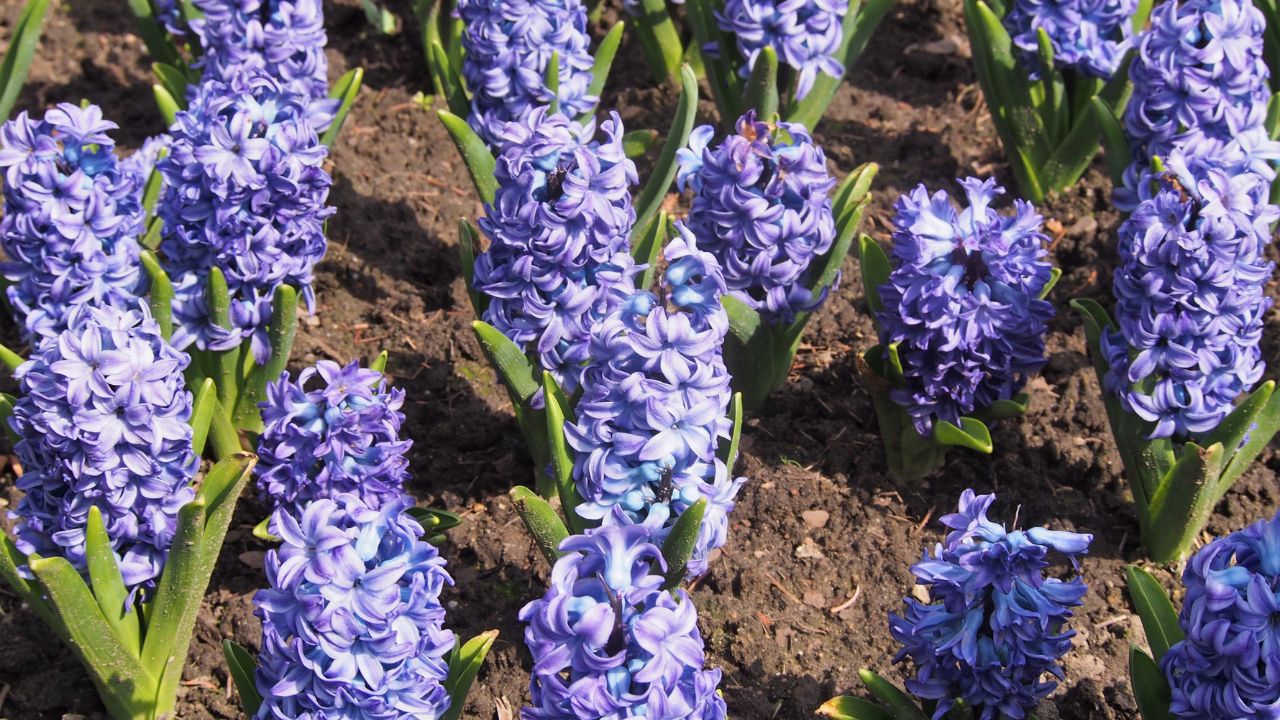
Image Credit: Agnieszka Kwiecień, Nova – Own work, CC BY-SA 4.0/Wiki Commons.
The powerful, sweet fragrance of hyacinths is a beloved sign of spring for many gardeners. For squirrels, however, that intense perfume is overwhelming and unpleasant. The bulbs also contain alkaloids that make them distasteful and mildly toxic if ingested.
Their dense, colorful flower spikes are perfect for borders, walkways, or containers where their fragrance can be appreciated. Plant them near squirrel-prone areas as a fragrant barrier.
- Why it works: An overpowering fragrance and mildly toxic bulbs keep squirrels away.
- Care Tips: Plant bulbs in the fall in full sun and rich, well-draining soil. They are hardy in zones 4-8. Handle bulbs with gloves, as they can cause minor skin irritation.
- Bonus: Hyacinths attract early-season pollinators like bees and butterflies.
7. Lily of the Valley (Convallaria majalis)
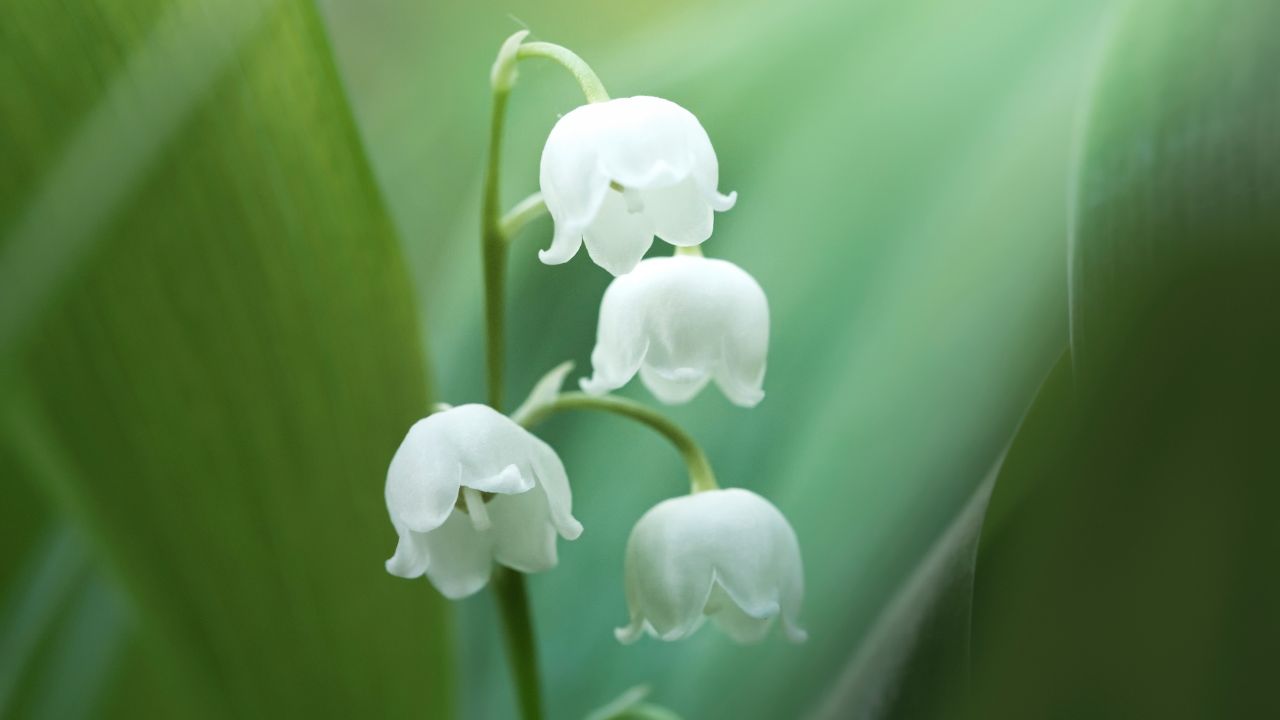
Image Credit: Shutterstock.
With its dainty, bell-shaped flowers and sweet perfume, Lily of the Valley is a classic shade garden plant. That lovely scent is precisely what keeps squirrels at bay. Furthermore, all parts of the plant are toxic if eaten, which provides another layer of protection.
This plant is an excellent groundcover for shady spots where other plants might struggle. Be mindful that it spreads vigorously via underground rhizomes and can become invasive if not contained.
- Why it works: Strong scent and high toxicity deter all kinds of critters.
- Care Tips: Plant in part to full shade in moist, fertile soil. Hardy in zones 3-8. It’s best to plant it in an area where its spread is naturally limited by paths or walls.
- Bonus: It’s extremely low-maintenance and thrives in difficult, shady areas.
8. Bleeding Heart (Lamprocapnos spectabilis)
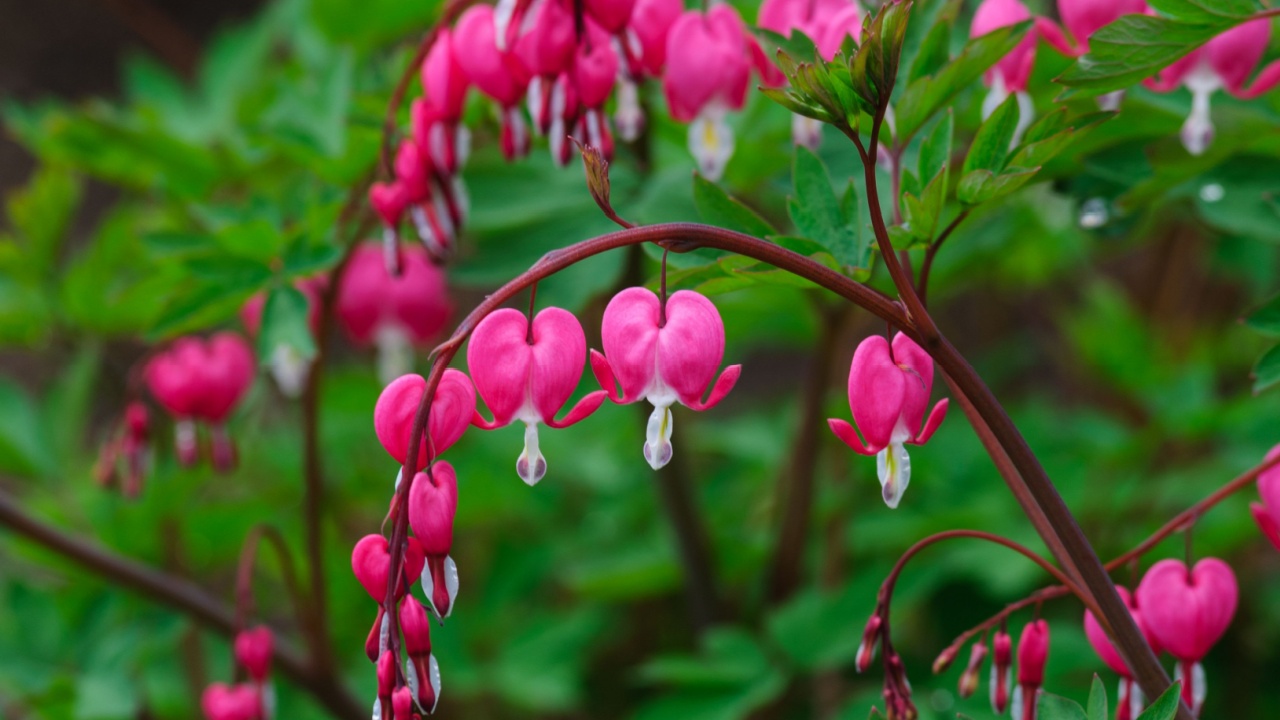
Image Credit: Shutterstock.
The whimsical, heart-shaped flowers of the Bleeding Heart are a shade garden favorite. Squirrels, however, are not fans. The plant contains isoquinoline alkaloids, making its foliage bitter and slightly toxic. Squirrels will take one nibble and learn to leave it alone for good.
Bleeding Heart is perfect for adding a touch of romance and color to woodland gardens or shady borders. It pairs beautifully with ferns, hostas, and astilbes.
- Why it works: Bitter-tasting foliage is mildly toxic, making it unpalatable.
- Care Tips: Plant in partial to full shade in rich, moist, and well-draining soil. It is hardy in zones 3-9. The foliage typically dies back in mid-summer after blooming.
- Bonus: This perennial is deer-resistant and provides beautiful, arching sprays of flowers in the spring.
9. Pot Marigolds (Calendula officinalis)
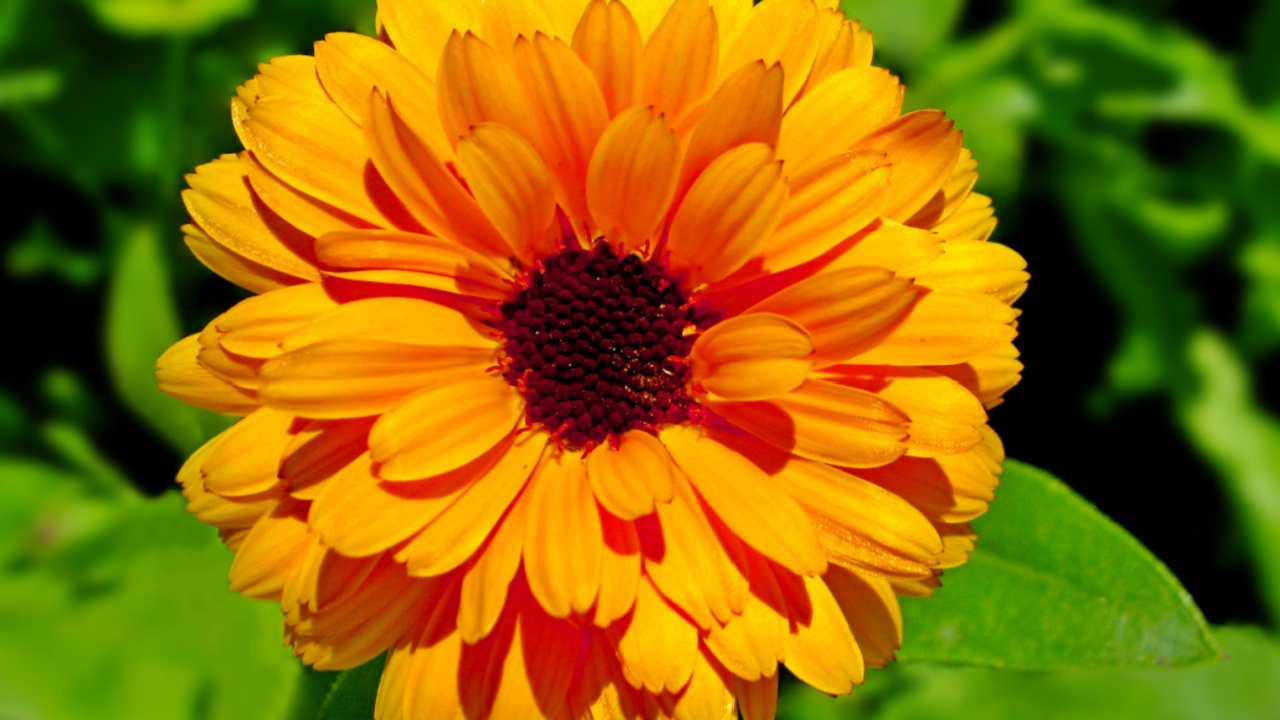
Image Credit: Shutterstock.
Not to be confused with French Marigolds, Pot Marigolds (Calendula) are valued for their cheerful, daisy-like flowers and medicinal properties. Squirrels are repelled by their strong, resinous scent and slightly bitter flavor.
Calendula is easy to grow from seed and will often self-sow, providing blooms from spring until the first frost. They are a great choice for vegetable gardens, as they also attract pollinators and can trap pest insects like aphids.
- Why it works: A strong, resinous scent and bitter taste make them undesirable to squirrels.
- Care Tips: Plant in full sun in average, well-draining soil. They perform best in cooler weather and are grown as annuals in most zones (2-11).
- Bonus: The flower petals are edible and can be used to add color to salads and other dishes.
10. Nasturtiums (Tropaeolum majus)
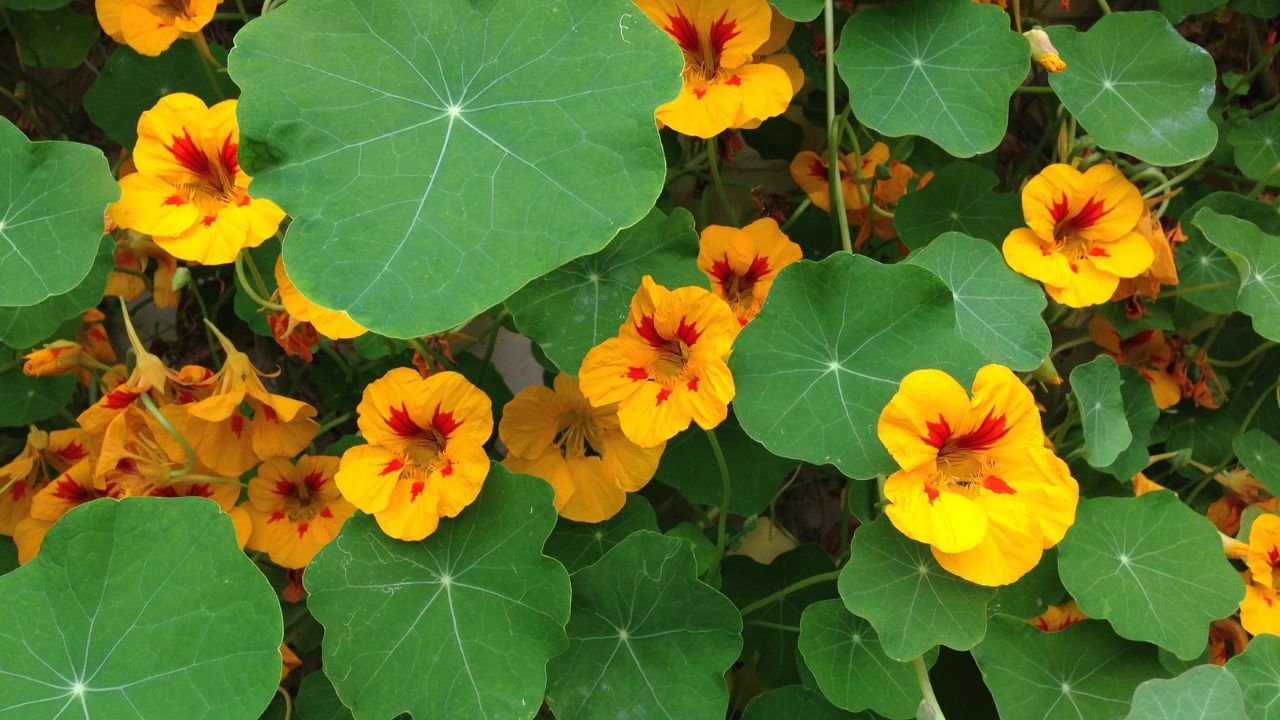
Image Credit: Mary Hutchison – Own work, CC0/Wiki Commons.
Nasturtiums are a fantastic, multi-purpose plant. They are known for their peppery flavor, which is a key reason squirrels dislike them. The strong scent of the leaves and flowers adds to their repellent qualities.
These easy-to-grow annuals come in both vining and bush varieties, making them versatile for groundcover, hanging baskets, or climbing trellises. They are a classic companion plant in vegetable gardens.
- Why it works: The peppery taste and mustard oil scent are a major turn-off for squirrels.
- Care Tips: Plant in full sun in poor to average, well-draining soil. Overly rich soil will result in more leaves than flowers. They are grown as annuals in most climates (hardy in zones 9-11).
- Bonus: The entire plant is edible flowers, leaves, and seed pods, and adds a zesty kick to salads.
11. Autumn Crocus (Colchicum)
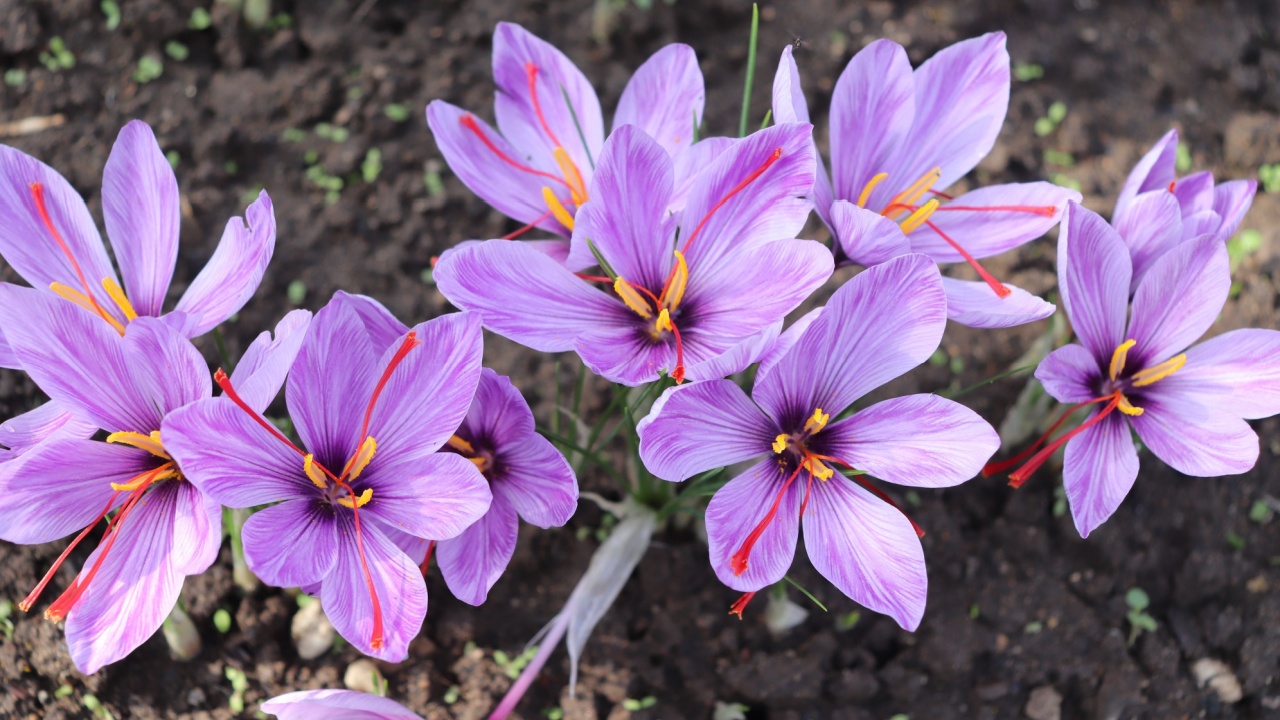
Image Credit: Shutterstock.
While squirrels famously love to eat spring-blooming crocuses, the autumn crocus is a different story. These fall-blooming bulbs contain colchicine, a substance that is highly toxic to mammals, including squirrels. They know to give these flowers a wide berth.
Autumn crocuses provide a surprising and welcome splash of color in the fall when most other flowers are fading. They pop up seemingly overnight, with goblet-shaped flowers in shades of pink, lilac, and white.
- Why it works: The plant is highly toxic, and squirrels will not touch it.
- Care Tips: Plant bulbs in late summer for blooms in a few weeks. They thrive in full sun to part shade in rich, well-drained soil. Hardy in zones 4-9.
- Bonus: They provide a late-season nectar source for bees.
12. Glory of the Snow (Chionodoxa forbesii)
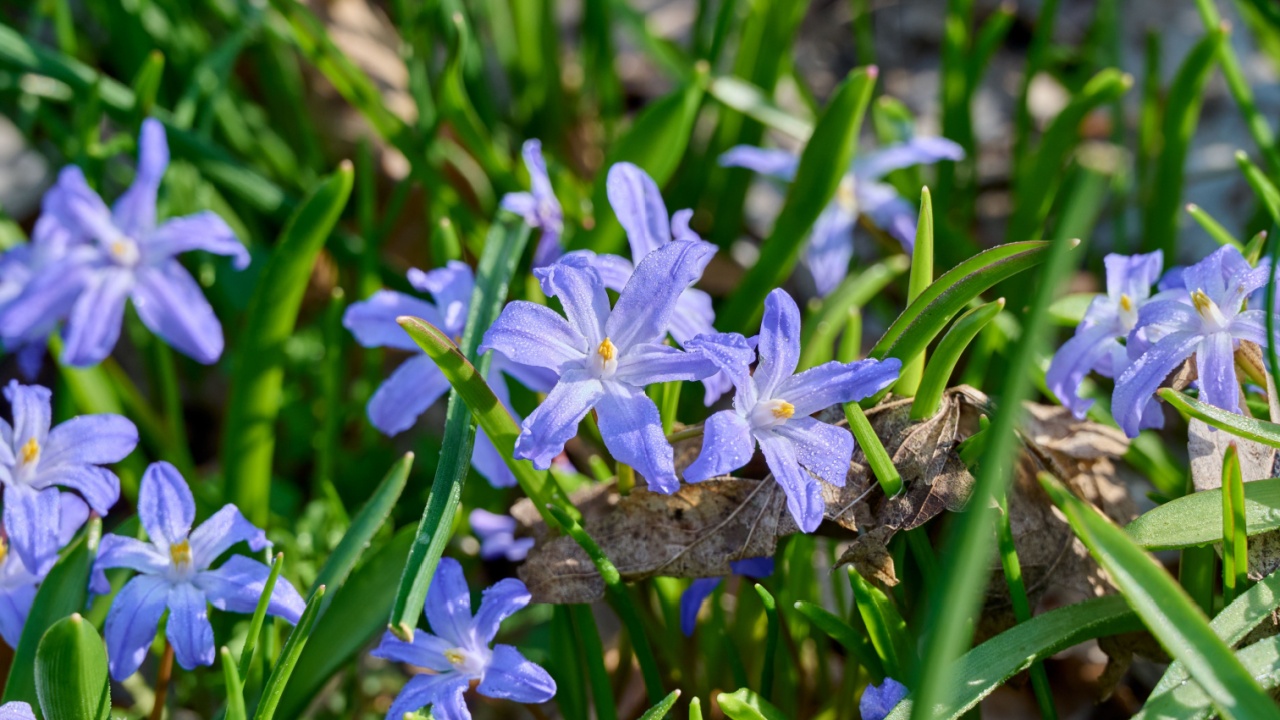
Image Credit: Shutterstock.
Another early spring bloomer, Glory of the Snow creates a carpet of star-shaped blue, pink, or white flowers. Much like snowdrops, their bulbs have a taste that squirrels find unpleasant, likely due to small amounts of alkaloids.
These small bulbs are perfect for naturalizing in lawns, rock gardens, or under trees. They bloom and fade before you even need to mow your lawn for the first time. Planting them in large drifts creates a stunning visual effect.
- Why it works: The bulbs have an unpleasant taste that squirrels avoid.
- Care Tips: Plant in the fall in full sun to partial shade. They are not fussy about soil and are hardy in zones 3-8.
- Bonus: They are one of the earliest food sources for emerging pollinators.
13. Chili Peppers (Capsicum annuum)

Image Credit: Shutterstock.
It’s no surprise that a plant that makes our mouths burn is also avoided by squirrels. Chili peppers contain capsaicin, the compound responsible for their heat. While birds are immune to its effects, mammals, including squirrels, feel the burn and learn to stay away.
Growing a few pepper plants can help protect your entire vegetable patch. The strong scent alone is often enough to deter a curious squirrel from taking a bite.
- Why it works: Capsaicin creates an intensely unpleasant burning sensation for mammals.
- Care Tips: Grow in full sun in rich, well-draining soil. Peppers love heat and are typically grown as annuals, though they are perennial in zones 9-11.
- Bonus: You get a delicious, spicy harvest for your kitchen!
14. Mint (Mentha)
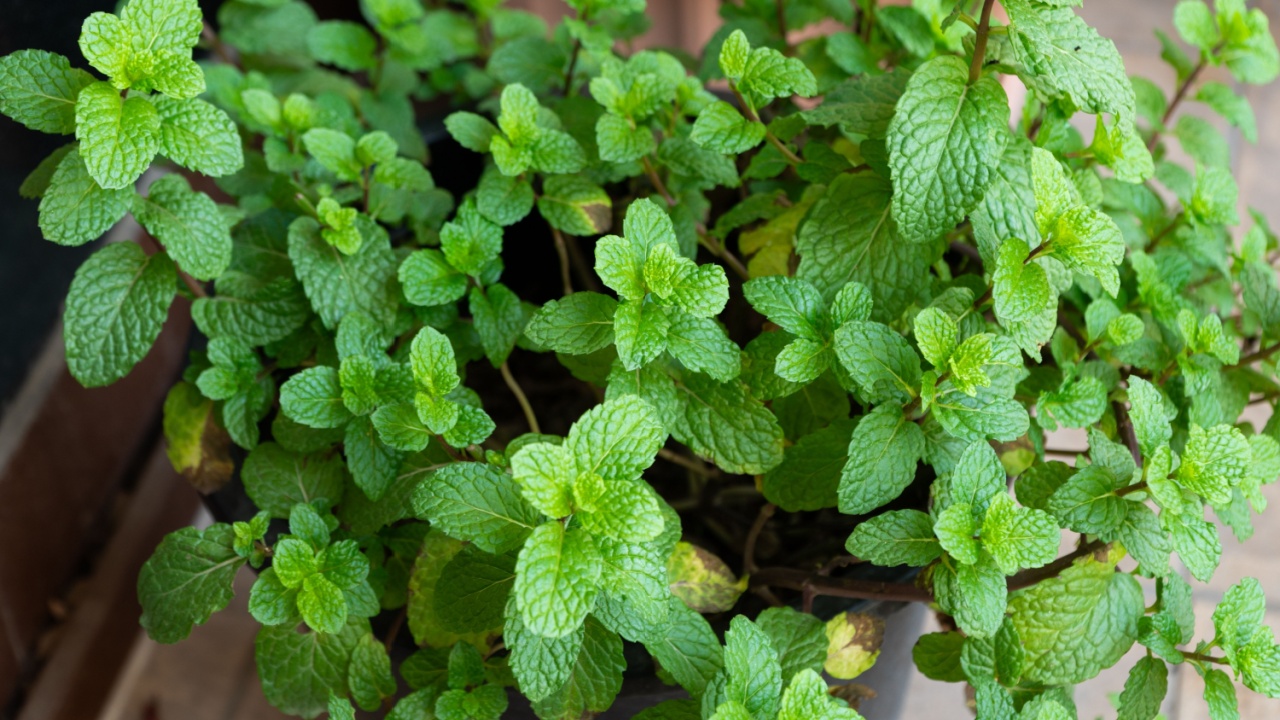
Image Credit: Shutterstock.
The invigorating smell of mint is wonderful for humans but repellent to squirrels and other rodents. The strong menthol concentration in varieties like peppermint and spearmint is particularly effective.
Mint is famously easy to grow, perhaps too easy. It spreads aggressively through runners and can quickly take over a garden bed. To prevent this, always plant mint in containers. You can then place the pots strategically around your patio or garden beds.
- Why it works: The powerful menthol scent is overwhelming and offensive to a squirrel’s sensitive nose.
- Care Tips: Grow in full sun to part shade in moist, rich soil. To control its spread, confine it to pots. Hardy in zones 4-9.
- Bonus: You’ll have a fresh supply of mint for teas, cocktails, and culinary dishes.
Planning a Squirrel-Free Garden
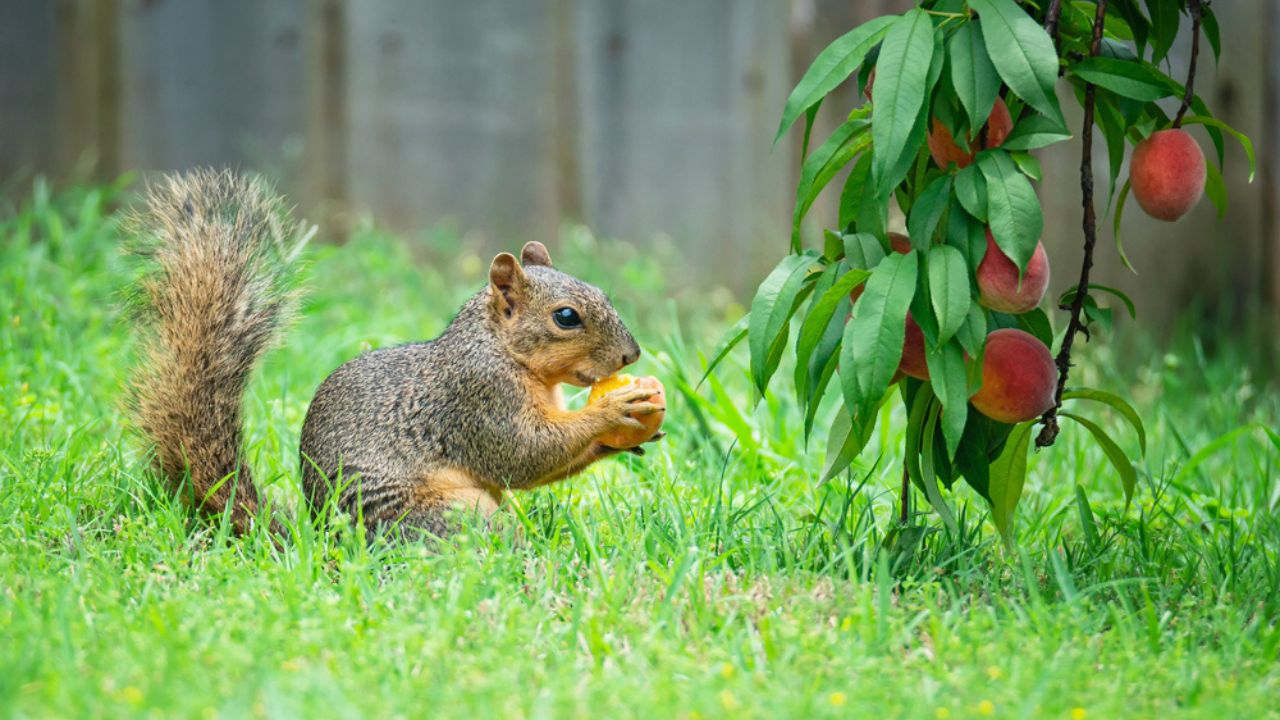
Image Credit: Shutterstock.
Creating a garden that resists squirrels is all about smart planting. You don’t have to replace every plant you own. Instead, start by identifying the areas squirrels target most, like your tulip beds or vegetable patch.
Begin by interplanting some of the plants from this list. Tuck allium and daffodil bulbs among your tulips. Place pots of mint or scented geraniums near your patio containers. Edge your vegetable garden with a border of marigolds or hot peppers. By layering these repellent plants throughout your landscape, you create a beautiful, multi-sensory barrier that encourages squirrels to dine elsewhere.