

Having a well-stocked pantry feels like a superpower. It’s the quiet confidence of knowing a delicious meal is always within reach, regardless of surprise guests, a sudden craving for cookies, or that Tuesday night when going to the store feels like a monumental undertaking. Preparing for the year ahead isn’t about doomsday prepping; it’s about smart, practical living. It’s about giving your future self the gift of convenience and great food.
We’ll walk through the main categories of a truly useful pantry, helping you build a food reserve that works for you and your household.
1. Canned Food Items
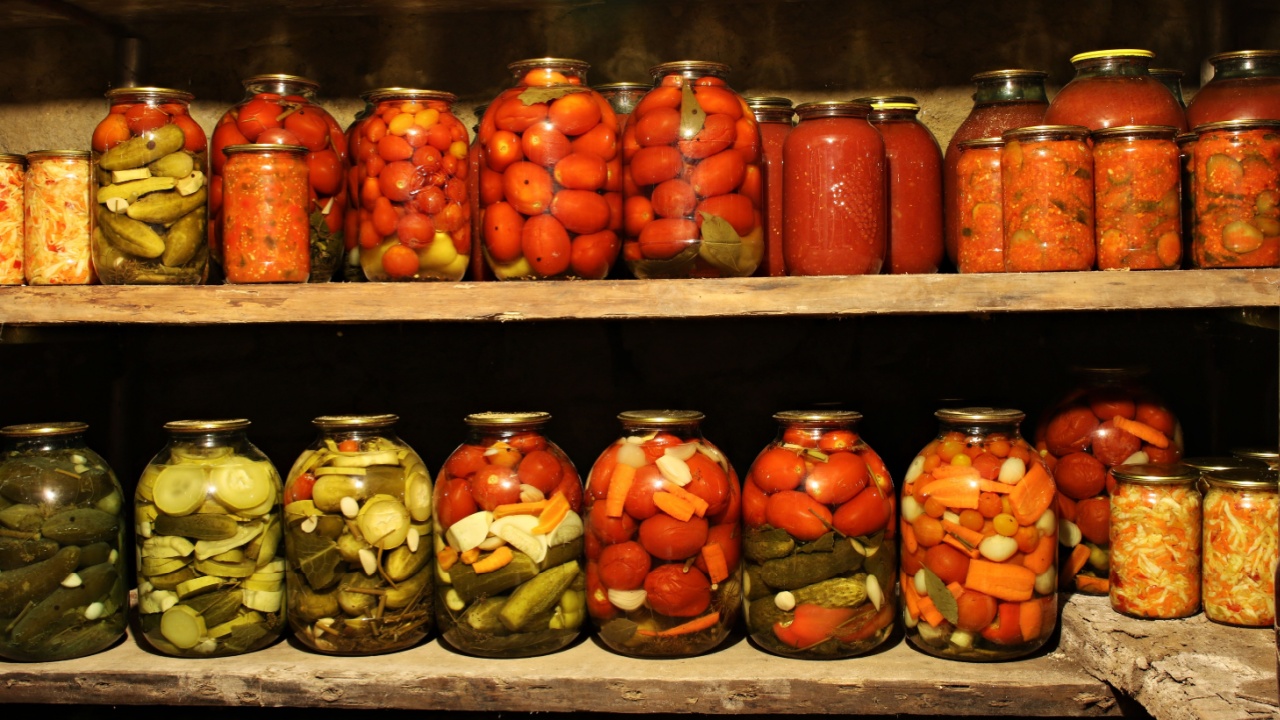
Image Credit: Shutterstock.
Canned goods are the foundation of any long-term pantry. Thanks to modern canning processes, they lock in nutrients right after harvest, offering a long shelf life without needing refrigeration. This makes them reliable, affordable, and incredibly handy for bulking up meals or serving as the main event when fresh options are low.
Think beyond simple beans. Canned fish like tuna, salmon, and sardines are packed with protein and omega-3s, perfect for quick salads or sandwiches. Canned tomatoes, be it diced, crushed, or as a sauce, are a non-negotiable for pasta, soups, and stews. Don’t forget canned vegetables like corn and green beans, or fruits like peaches and pears, for a simple dessert. When selecting items, check expiration dates and opt for low-sodium or packed-in-water versions where possible to control salt and sugar intake. A solid collection of canned goods means you are always just a can opener away from a decent meal.
2. Baking and Cooking Essentials
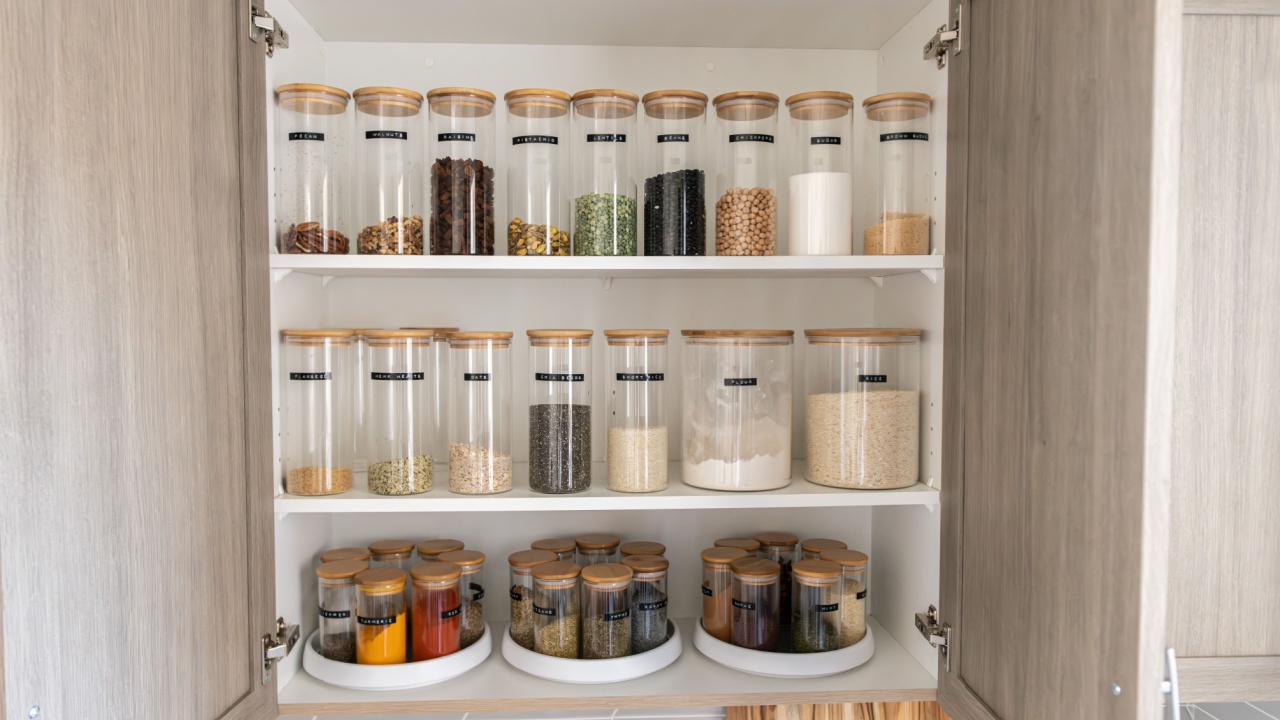
Image Credit: Shutterstock.
This category is where kitchen creativity comes to life. These are the staples that transform basic ingredients into finished dishes. Without them, you have a collection of items, not potential meals. Stocking up on baking and cooking essentials means you can whip up bread, pancakes, or a flavorful sauce on a whim. Start with the basics: all-purpose flour, granulated sugar, and brown sugar.
Add leavening agents like baking powder and baking soda. A large container of salt and whole peppercorns are must-haves. Cooking oils, such as olive oil for finishing and a neutral oil like canola or vegetable oil for high-heat cooking, are crucial. Vinegars, apple cider, white, and balsamic add brightness and depth to dressings and marinades. Don’t overlook sweeteners like honey and maple syrup or flavor powerhouses like vanilla extract and cocoa powder.
3. Dried Food Items
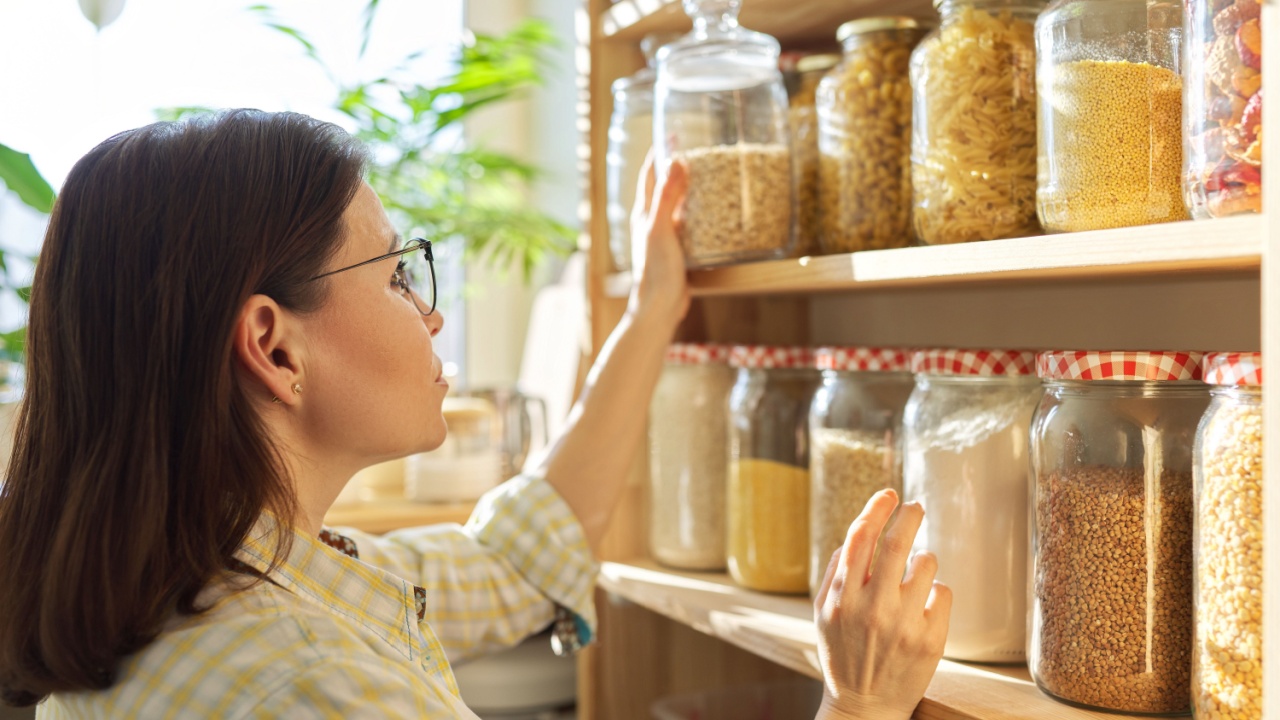
Image Credit: Shutterstock.
Dried goods are concentrated sources of nutrition and flavor. Removing water makes them lightweight and incredibly shelf-stable, making them a pantry champion. They are the backbone of many hearty, budget-friendly meals. Pastas of various shapes, from spaghetti to penne, provide a fast and filling meal base. Grains like white rice, brown rice, and quinoa are equally important for side dishes or main courses.
Dried beans and lentils are inexpensive protein sources that can be used in everything from soups to salads. For breakfast, rolled oats are a go-to. Don’t forget about dried fruits like raisins and apricots for snacking or adding to baked goods. And a good stash of herbs and spices is what elevates your cooking from bland to brilliant. Consider buying spices in bulk and refilling smaller jars to save money and reduce packaging waste.
4. Household and Personal Items

Image Credit: Shutterstock.
A well-stocked home goes beyond the kitchen. Having a supply of household and personal items reduces urgent trips to the store and provides peace of mind. Running out of toilet paper or dish soap is an annoyance that can be easily avoided with a little foresight. Think about your daily routines. Stock up on toiletries like soap, toothpaste, shampoo, and deodorant.
Cleaning supplies are also important; all-purpose cleaner, dish soap, laundry detergent, and sponges should be on the list. Paper products such as toilet paper, paper towels, and tissues are items you will always use. It’s also wise to have a basic first-aid kit with bandages, antiseptic wipes, and pain relievers. Buying these items in bulk when they are on sale is a smart financial move that also builds your household reserves.
5. Frozen Foods
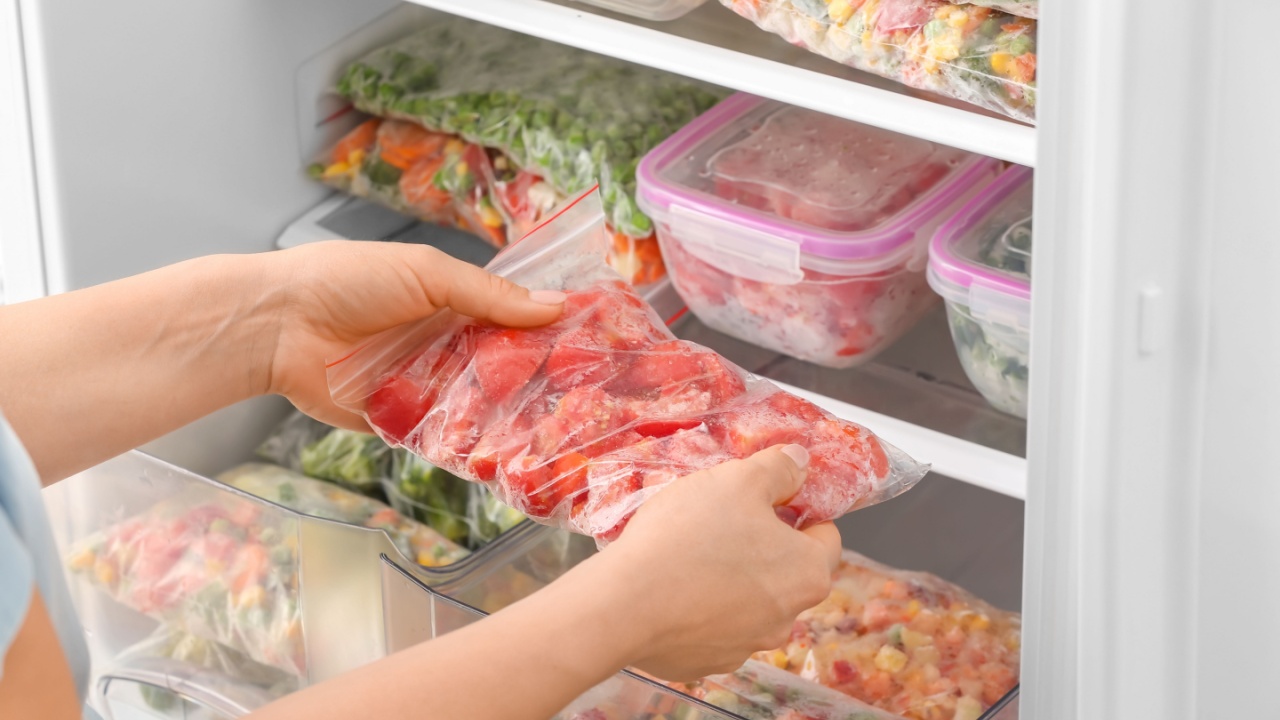
Image Credit: Shutterstock.
The freezer is essentially a time capsule for food, preserving it at its peak freshness. It allows you to store items for months that would otherwise last only days. It’s an indispensable tool for reducing food waste and making meal prep easier. Frozen vegetables are just as nutritious as fresh ones and are often more convenient since the washing and chopping are already done. Peas, spinach, and broccoli are great to have on hand.
Frozen fruits like berries and mangoes are perfect for smoothies or desserts. You can also freeze proteins; buy meat, poultry, or fish in larger packages and portion it out before freezing. Don’t forget you can freeze leftovers, bread, and even butter. To keep your freezer organized, use labels with the item and date, and practice the “first in, first out” rule to rotate your stock effectively.
Your Path to a Prepared Pantry

Image Credit: Shutterstock.
Give your pantry a little walk-through, peek inside jars, eye up the shelf space, and snap a photo so you know what’s lurking in the back. Grab a notebook and list what gets used most at your house, no shame if it’s peanut butter and coffee. Each grocery run, toss in one or two shelf-stable extras you know you’ll use but always run out of at the worst time. Rotate canned and dried foods to keep things fresh and avoid the dreaded expiration date roulette.