
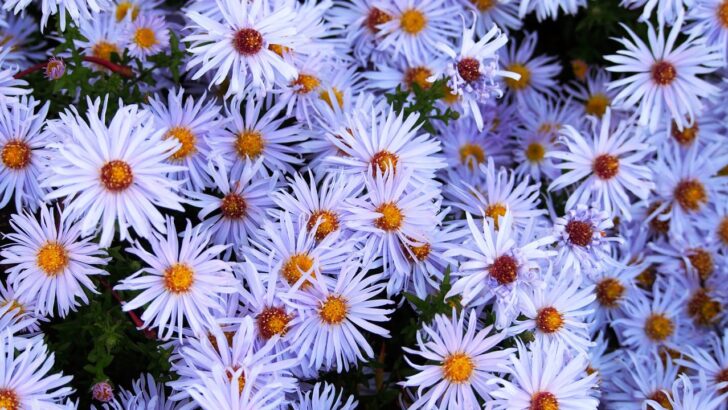
Late summer is an excellent time to rejuvenate your garden by dividing perennials. Dividing plants not only prevents overcrowding but also promotes healthier growth and increases bloom production. Plus, it allows you to propagate your favorite plants for free, expanding your garden or sharing with friends and neighbors.
Here are 12 perennial plants to split during late summer, with detailed tips on how to do it, why now is the perfect time, and how to care for them post-division.
How We Chose Our List
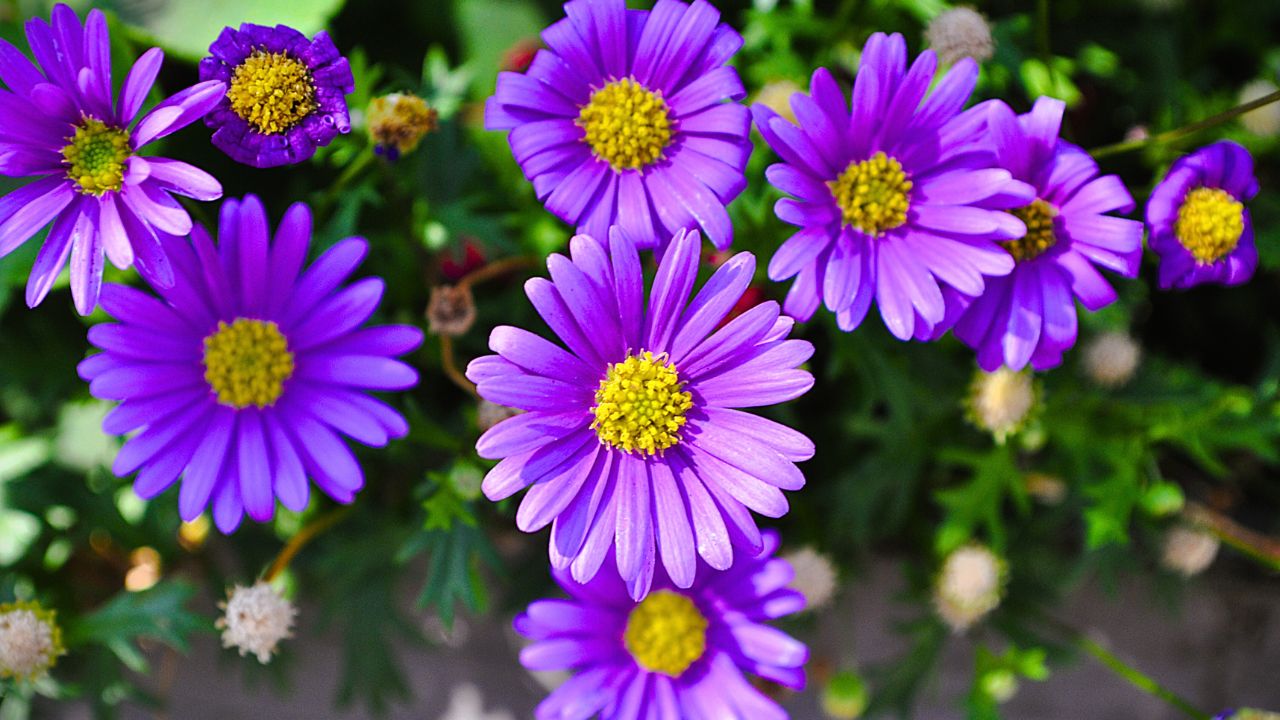
Image Credit: Shutterstock.
Extension sources like Purdue University and Clemson confirm that dividing perennials that bloom in early spring and summer benefits from being split in the late summer or early fall. This timing allows for the plants to establish their root systems and settle into their new spots before facing a winter freeze.
As a result, we’ve chosen 12 hardy perennials that fit this criteria, with added consideration for plant popularity and ease of division.
1. Daylilies (Hemerocallis)

Image Credit: Shutterstock.
Daylilies are a garden favorite, known for their vibrant, trumpet-shaped blooms and ability to tolerate various conditions. However, they can become overcrowded every three to six years, leading to reduced flowering.
How to Divide: Use a garden fork or spade to dig up the entire clump. Shake off the excess soil and gently separate the roots into smaller clusters, ensuring each division has healthy roots and foliage. Replant the divisions promptly, spacing them about 18 to 24 inches apart.
Why Late Summer Works: Dividing in late summer gives the plants enough time to establish their roots before winter dormancy.
Care Tips: Water the newly planted divisions thoroughly and mulch to retain moisture and suppress weeds.
2. Hostas (Hosta spp.)
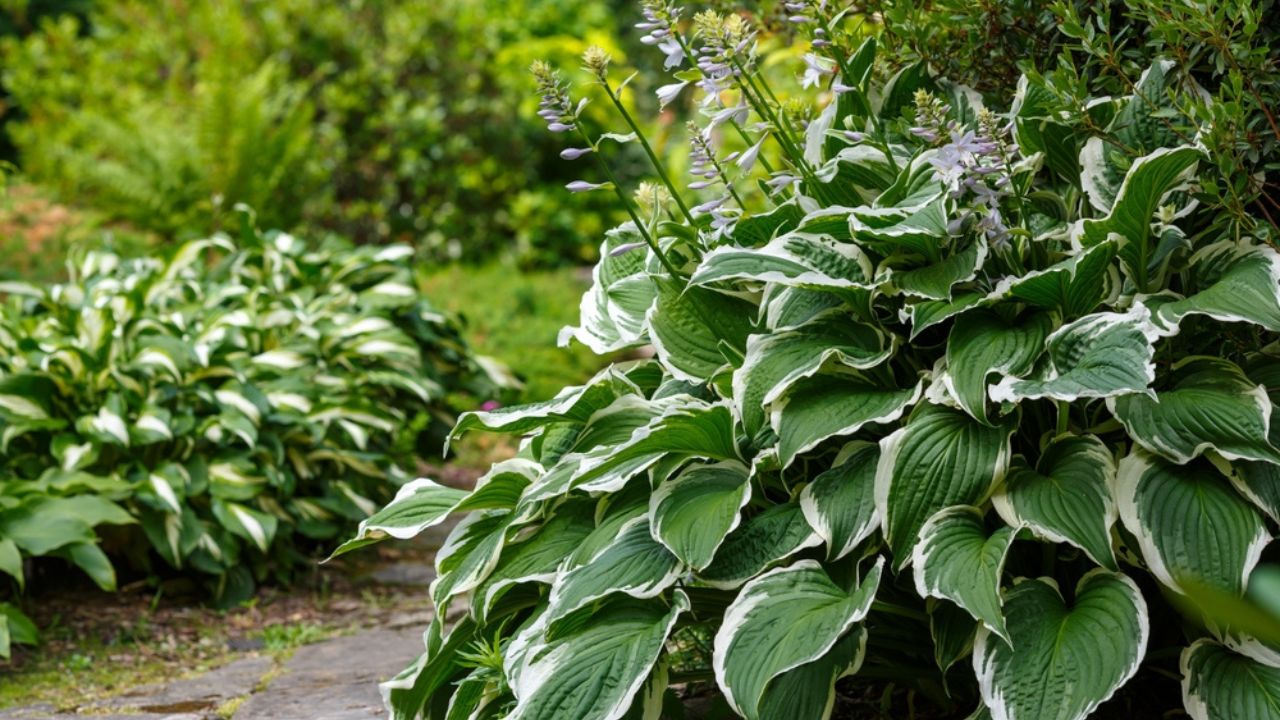
Image Credit: Shutterstock.
Hostas are celebrated for their lush foliage and ability to thrive in shady spots. They benefit from division every three to five years to prevent crowding and ensure vigorous growth.
How to Divide: Lift the clump with a spade and use a sharp knife or spade to slice it into sections. Each division should have 3–5 leaves and a good root mass. Replant immediately.
Why Late Summer Works: Cooler temperatures and warm soil in late summer help hostas recover quickly from division stress.
Care Tips: Amend the soil with compost before replanting and water regularly to help the roots establish.
3. Irises (Iris spp.)
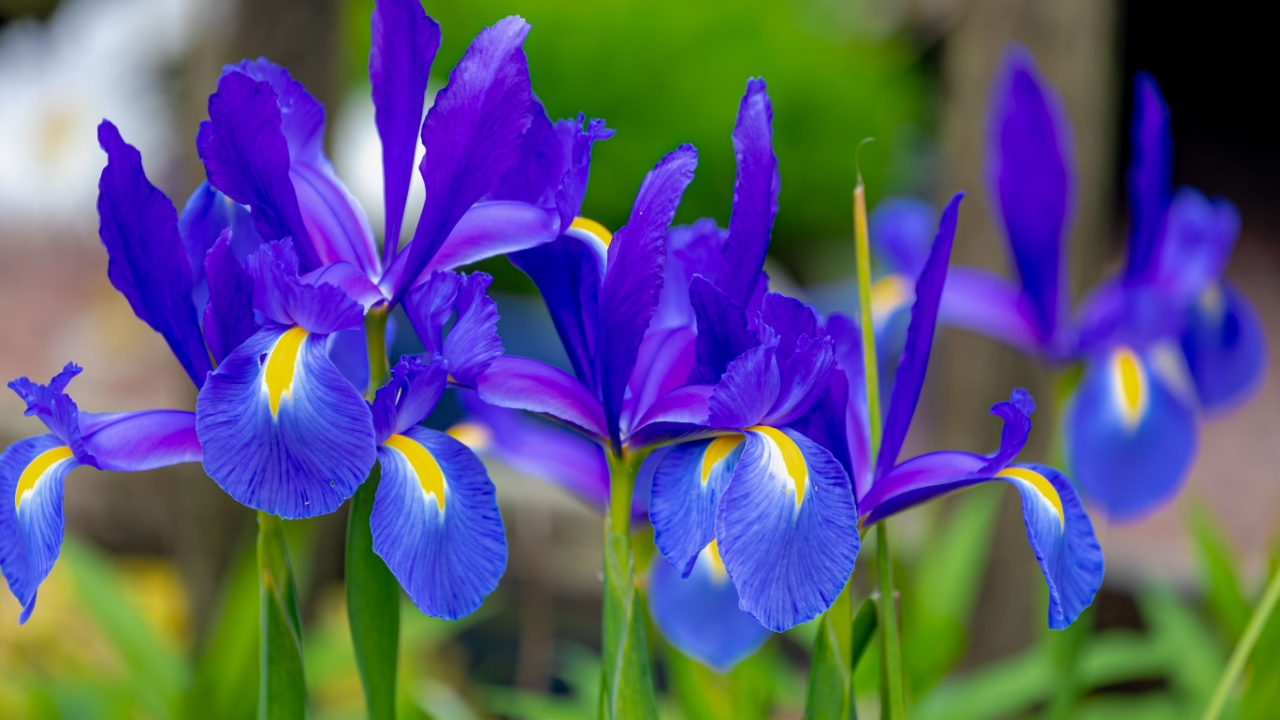
Image Credit: Shutterstock.
Irises, especially bearded and Siberian types, often develop dead centers if left undivided for more than three years. Dividing them rejuvenates the plant and ensures more consistent blooming.
How to Divide: Carefully lift the rhizomes from the soil, clean them, and cut them into sections with a sharp knife. Discard any diseased or shriveled rhizomes. Replant healthy sections with the top of the rhizome slightly exposed.
Why Late Summer Works: It aligns with the iris’s natural dormancy period, enabling them to focus on root development before next season.
Care Tips: Choose a sunny location with well-draining soil and water the divisions deeply after planting.
4. Peonies (Paeonia spp.)
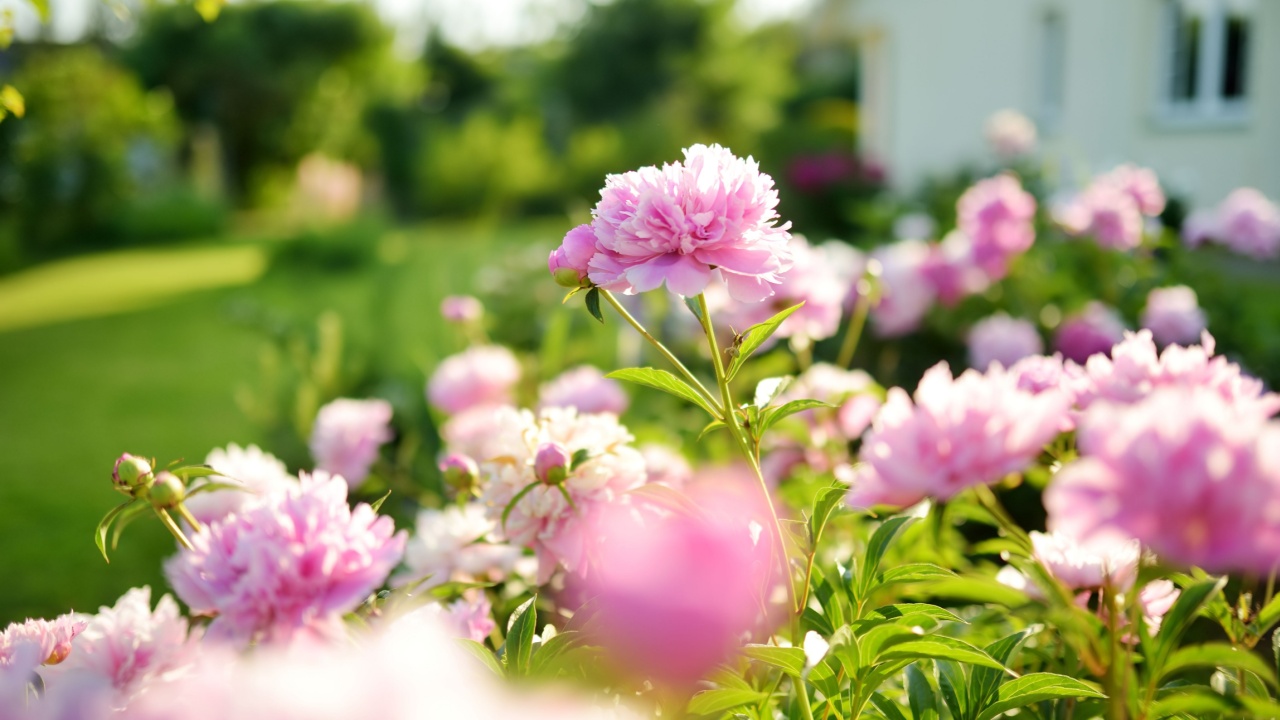
Image Credit: Shutterstock.
Peonies are long-lived perennials that rarely require dividing, but occasionally splitting older clumps can rejuvenate growth and improve flowering.
How to Divide: Dig up the entire root ball, being careful not to damage the roots. Use a sharp knife to separate sections, ensuring each has 3–5 “eyes” (growth buds). Replant at the same depth as the original plant.
Why Late Summer Works: Dividing in late summer allows peonies to settle in before the cold season without disturbing their spring bloom cycle.
Care Tips: Avoid overwatering and choose a spot with good drainage and full sun exposure for the new divisions.
5. Black-Eyed Susans (Rudbeckia spp.)
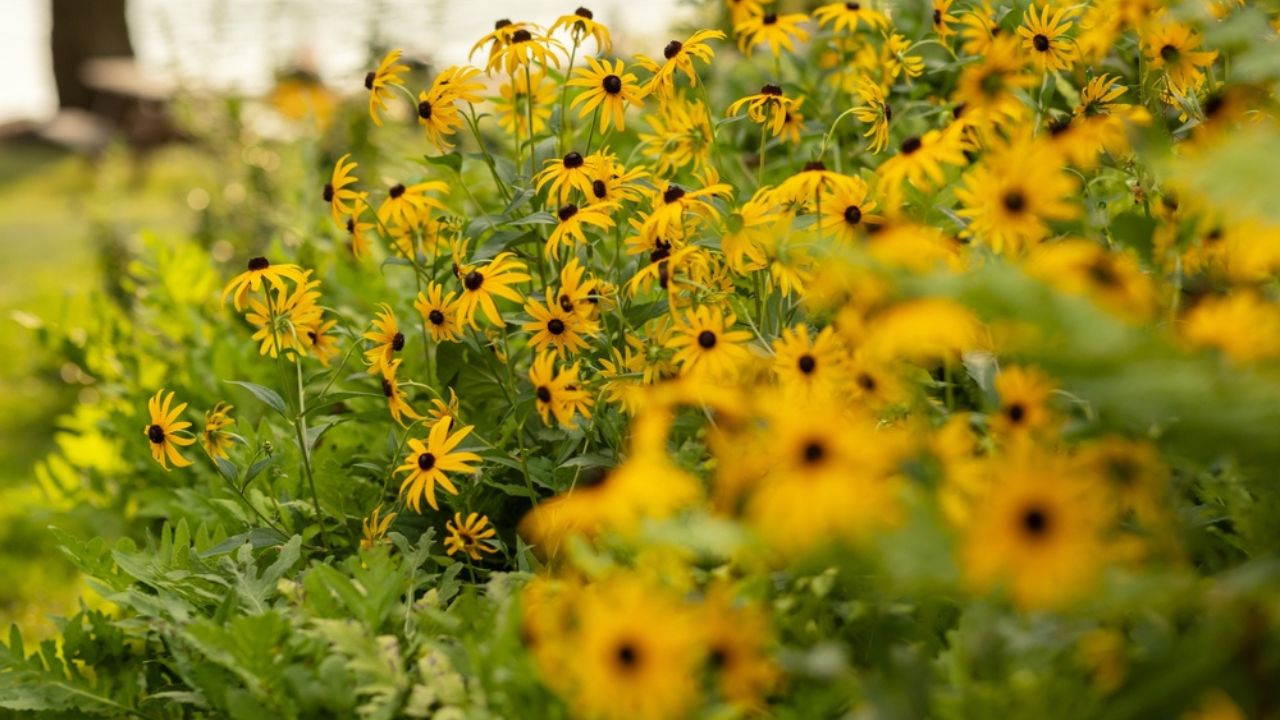
Image Credit: Shutterstock.
These cheerful, daisy-like perennials can spread aggressively, making periodic division essential for controlling their size and promoting healthier blooms.
How to Divide: Dig up the clump and break it into smaller sections using your hands or a spade. Ensure each division has both roots and stems. Replant promptly, spacing apart to prevent future crowding.
Why Late Summer Works: Warm soil and cooler air reduce transplant shock and encourage root establishment. They might prefer a slightly later fall divide rather than summer, depending on your growing zone. (See local extension guides on how to divide perennials.)
Care Tips: Water well after planting and cut back faded blooms to direct energy into root growth.
6. Lilies (Lilium spp.)

Image Credit: Shutterstock.
Lilies, such as Asiatic and Oriental types, need division every three to four years to prevent bulb crowding and maintain their impressive blooms.
How to Divide: Dig carefully around the bulbs, lifting them from the soil. Detach the smaller offset bulbs, ensuring each has roots. Replant quickly, spacing them according to their mature size.
Why Late Summer Works: Dividing after flowering allows lilies to store energy in their bulbs for next year’s growth.
Care Tips: Add some bulb fertilizer to the soil when replanting and water thoroughly to encourage quick root growth.
7. Asters (Aster spp.)
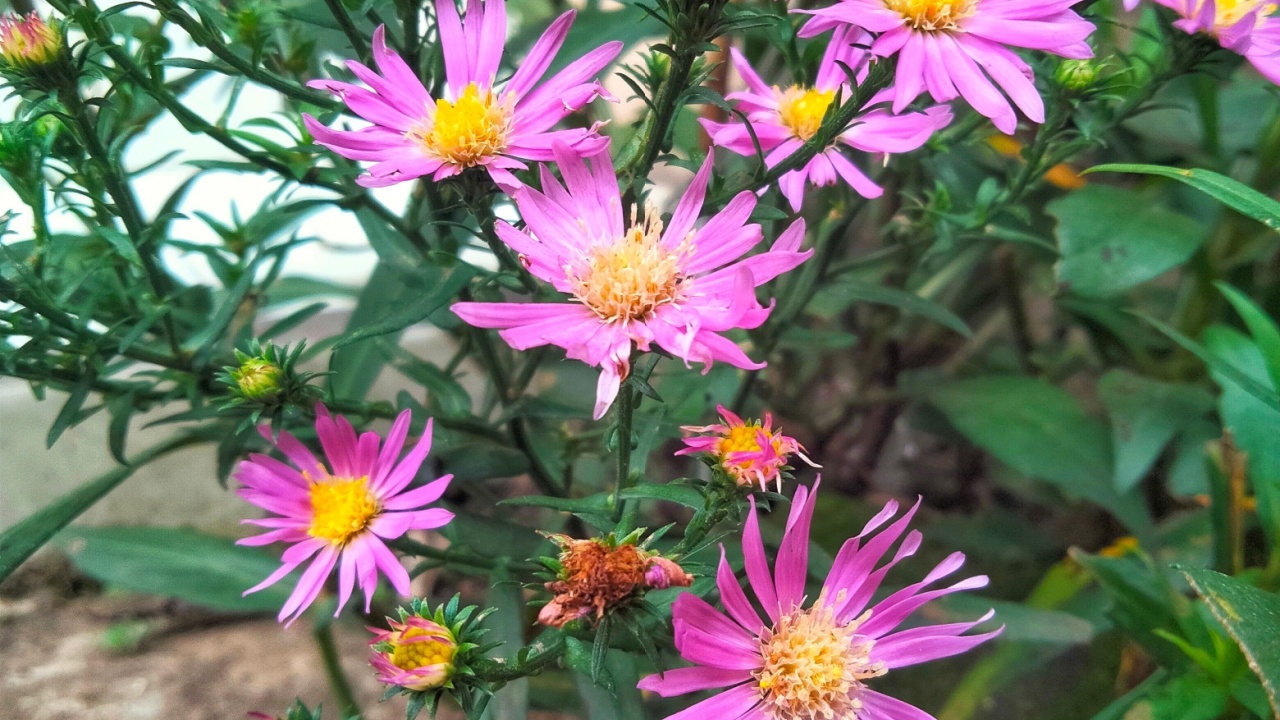
Image Credit: Shutterstock.
Asters add a burst of color to late summer gardens but can spread quickly, leading to overcrowding and reduced flowering. Dividing them every three years keeps them in check.
How to Divide: Remove the clump and use a sharp knife or spade to split the root ball into smaller sections. Discard the woody center of older plants and replant healthy sections.
Why Late Summer Works: Dividing before their peak bloom period helps maintain their vigor and improves overall performance.
Care Tips: Plant the divisions in full sun with well-draining soil and water frequently until established.
8. Oriental Poppies (Papaver orientale)
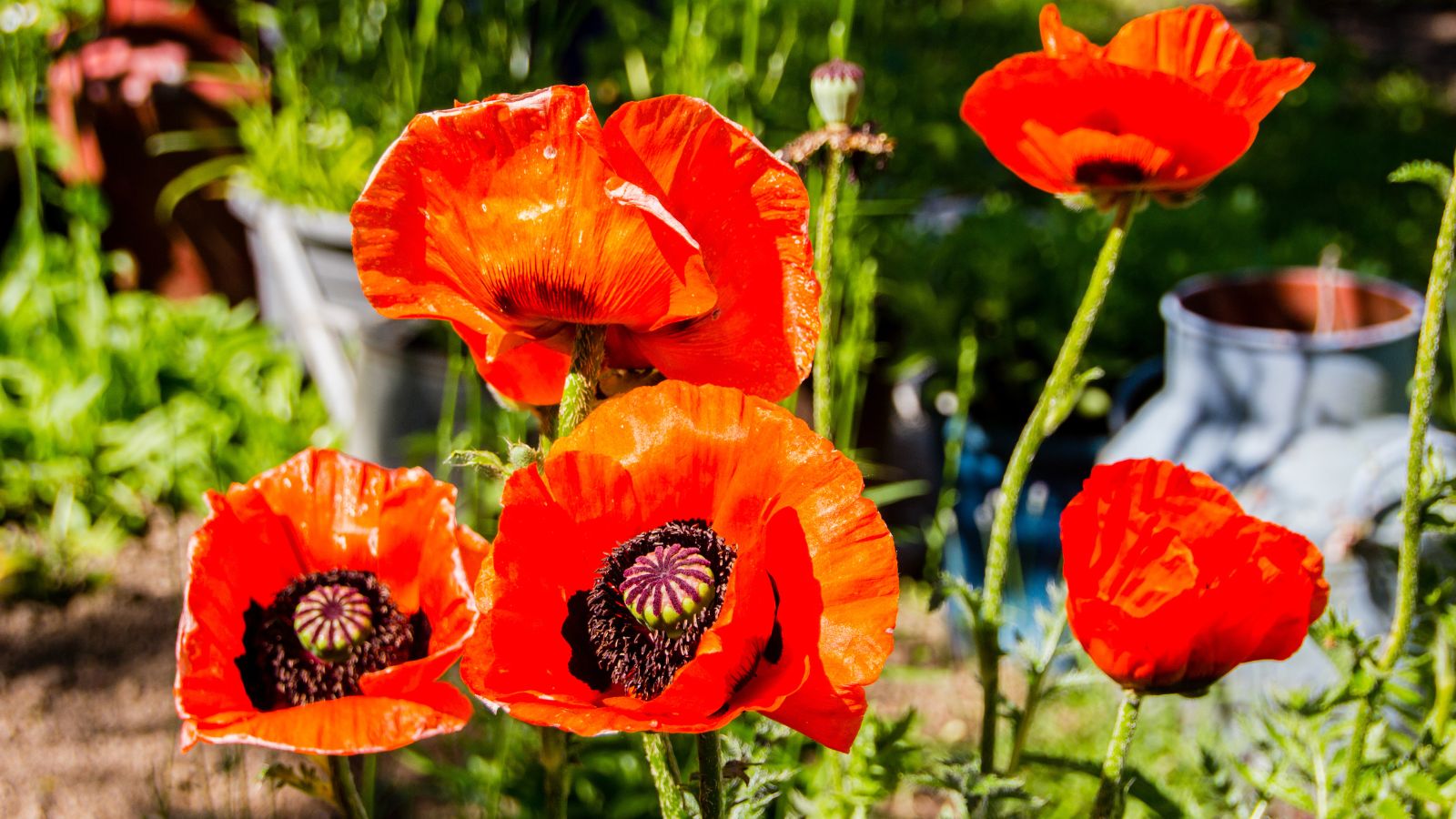
Image Credit: Depositphotos.com
Oriental poppies boast eye-catching blooms in early summer, but their crowns can die out over time. Dividing them in late summer maintains their vitality.
How to Divide: Carefully dig up the plant, preserving its long taproots. Cut the crown into sections, each with a portion of the taproot and foliage. Replant immediately.
Why Late Summer Works: By late summer, the plant has likely entered dormancy, making it less sensitive to disturbance.
Care Tips: Place them in full sun with well-drained soil and water lightly to prevent over-saturating the taproots.
9. Alliums (Allium spp.)
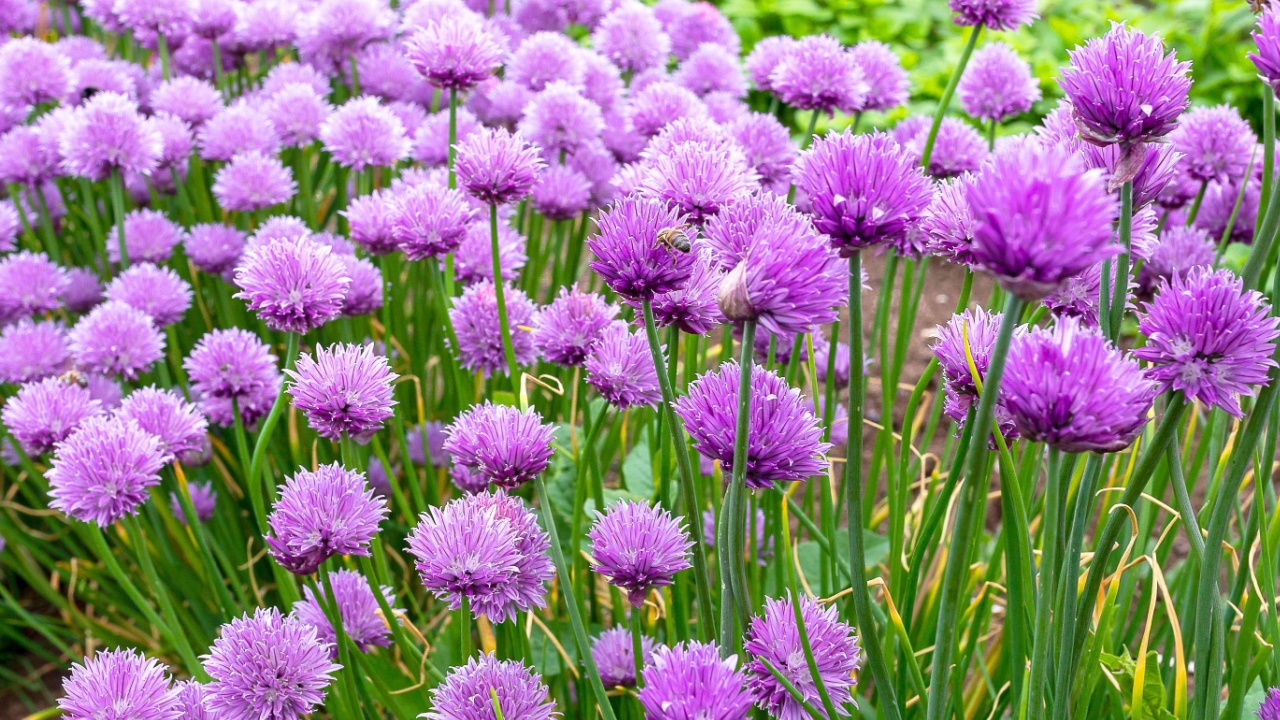
Image Credit: Shutterstock.
These ornamental onions require minimal division but benefit from occasional separation to enhance blooms and control their spread.
How to Divide: Dig up the bulb clusters after the foliage dies back. Gently separate the bulbs by hand and replant at the same depth.
Why Late Summer Works: Warm soil helps the bulbs settle in and grow roots ahead of their spring bloom.
Care Tips: Ensure well-drained soil to prevent bulb rot, and plant in full sun for best results.
10. Sweet Woodruff (Galium odoratum)
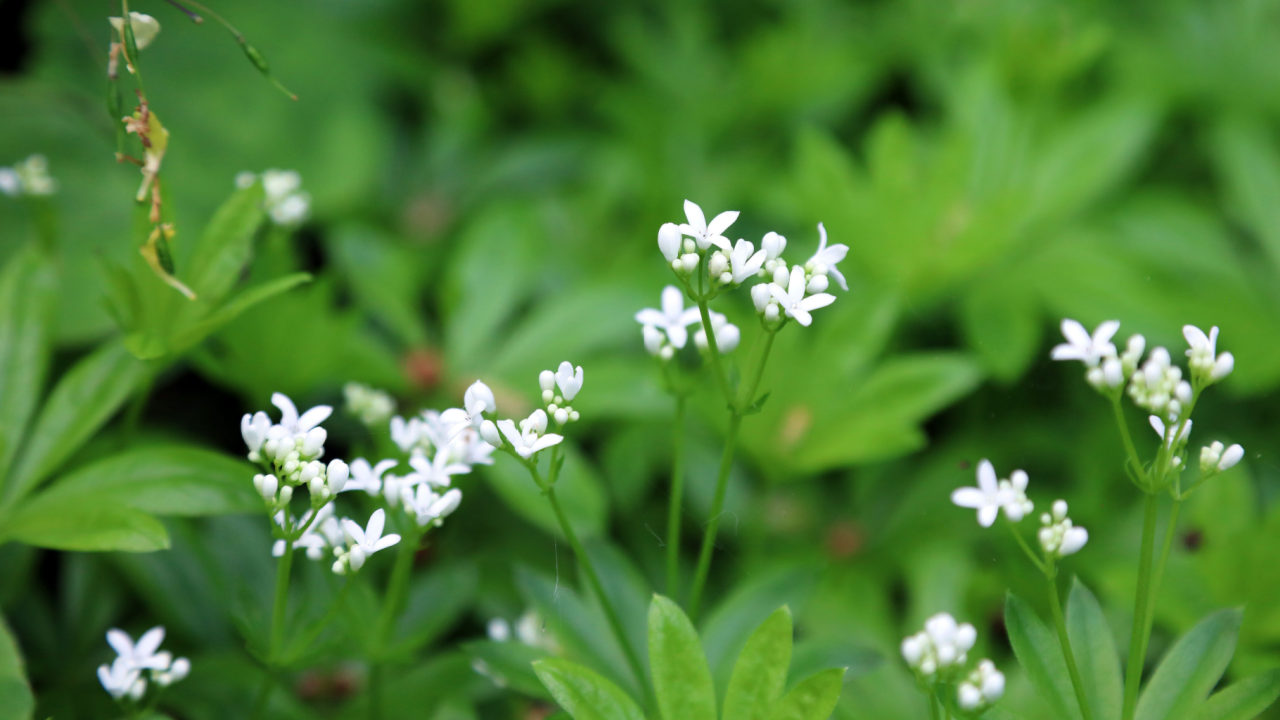
Image Credit: Shutterstock.
This fragrant ground cover can spread aggressively, making division an important task to keep it in check.
How to Divide: Lift a section of the plant and gently tease apart the roots by hand. Replant the sections where desired.
Why Late Summer Works: Dividing in late summer ensures sweet woodruff can re-establish before fall, when it resumes active root growth.
Care Tips: Choose a shady spot with moist, well-draining soil to keep this plant happy.
11. Crocosmia
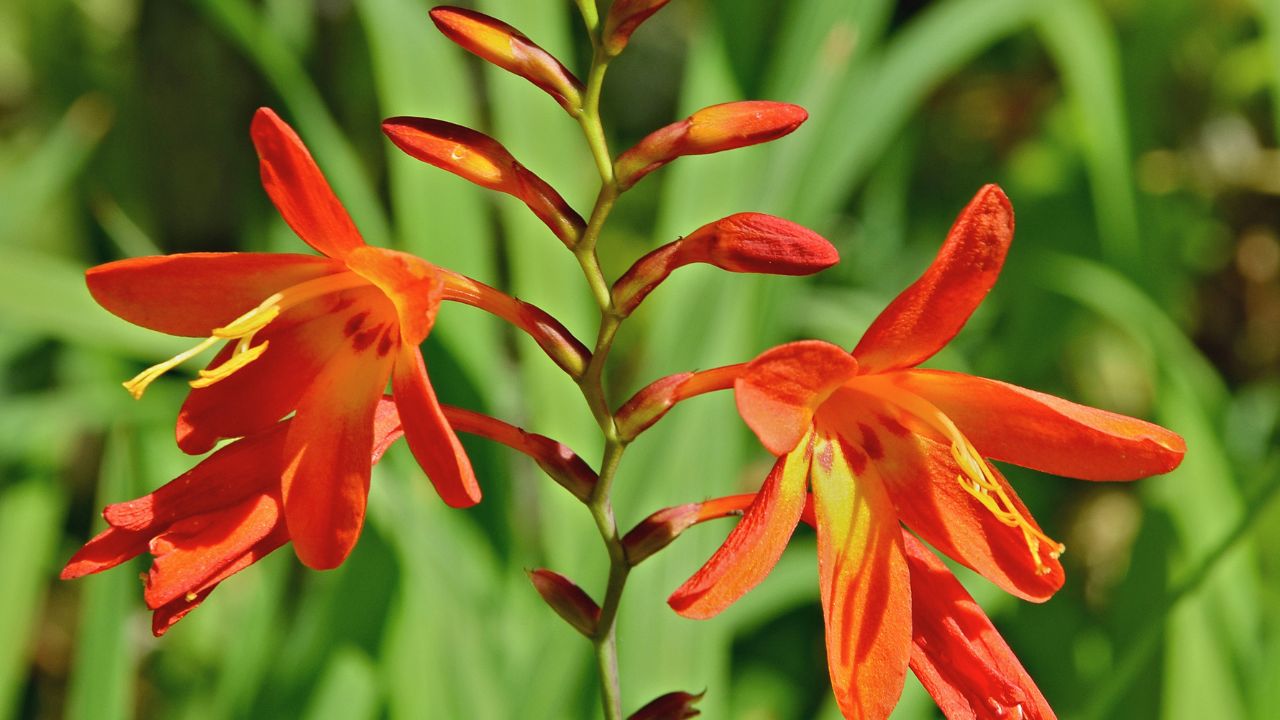
Image Credit: JLPC / Wikimedia Commons, CC BY-SA 3.0/Wiki Commons.
Crocosmia, with its bold, fiery blooms, forms dense clumps over time. Dividing every three to four years prevents overcrowding and improves flowering.
How to Divide: Dig up the entire clump and separate the corms, ensuring each has healthy roots. Replant the corms about three inches deep.
Why Late Summer Works: Although spring is the more common recommendation, dividing after blooming allows the corms to focus on root growth without the energy demands of flowers.
Care Tips: Plant in well-draining soil under full sunlight and water thoroughly after replanting.
12. Canna Lilies
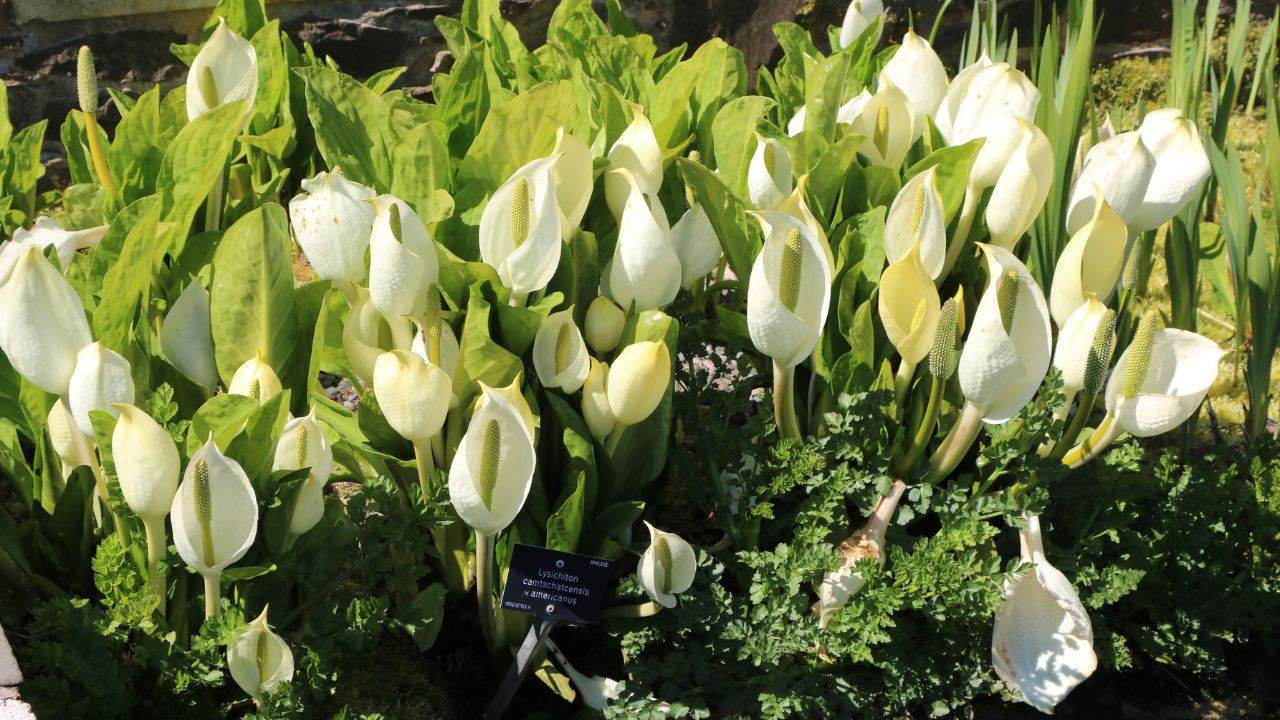
Image Credit: Billy McCrorie – CC BY-SA 2.0/Wiki Commons.
Canna lilies are loved for their tropical foliage and vibrant blooms. Dividing them regularly keeps the rhizomes healthy and maximizes their bold garden presence.
How to Divide: Dig up the rhizomes and cut them into sections with a sharp knife. Each section should have at least one “eye” (a growth bud). Replant with the eyes facing upward.
Why Late Summer Works: Dividing in late summer ensures the plants have time to grow roots before winter dormancy.
Care Tips: Place in a sunny spot with rich soil and keep the divisions consistently moist.
Fall is Almost Here!
Image Credit: Shutterstock.
Late summer is the ideal time to divide perennials because the warm soil and cooler weather provide perfect conditions for root establishment. Dividing these 12 bulbs and rhizome-based perennials revitalizes and expands your garden, ensuring vibrant growth and lush blooms for the seasons to come. Grab your spade, and start multiplying your garden’s beauty today!