
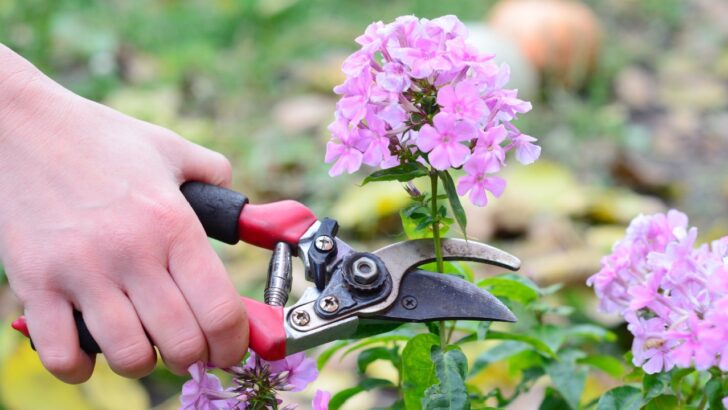
August is a pivotal month in the gardening calendar. While some plants thrive with minimal intervention, others benefit from a timely cutback to rejuvenate their growth, extend their blooming season, or prepare for overwintering. Trimming these perennials now promotes healthier growth, reduces pest and disease risks, and keeps your garden looking fresh and vibrant as summer starts its slow transition into fall.
Here are 10 perennials that will benefit from a cutback in August, along with care tips to help you maintain a healthy, beautiful garden now and in the seasons to come.
Why We Chose These 10 Plants
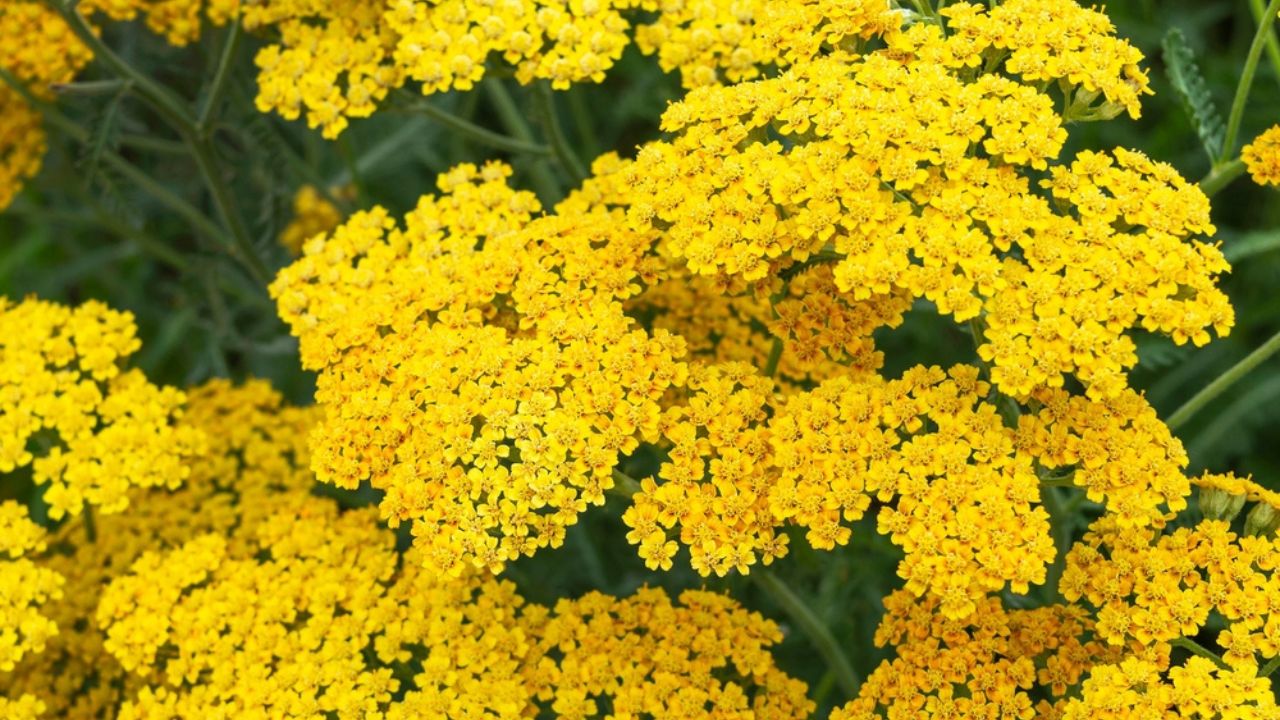
Image Credit: Shutterstock.
August is an effective time to cut back many summer-flowering perennials to rejuvenate their appearance, reduce disease pressure, and encourage additional blooms or healthier overwintering. Extension and horticultural guidance supports light pruning or deadheading of catmint, salvia, coreopsis, bee balm, yarrow, daylilies, hardy geranium, tall garden phlox, santolina, and echinacea to refresh growth and manage form.
Two plants that often fall on these lists are lavenders and irises. However, lavender benefits from a light trimming on the green growth only (no woody stems), and iris bulbs need to be divided and planted, making them a less-than-ideal candidate for an article about “cutting back.”
1. Catmint (Nepeta spp.)
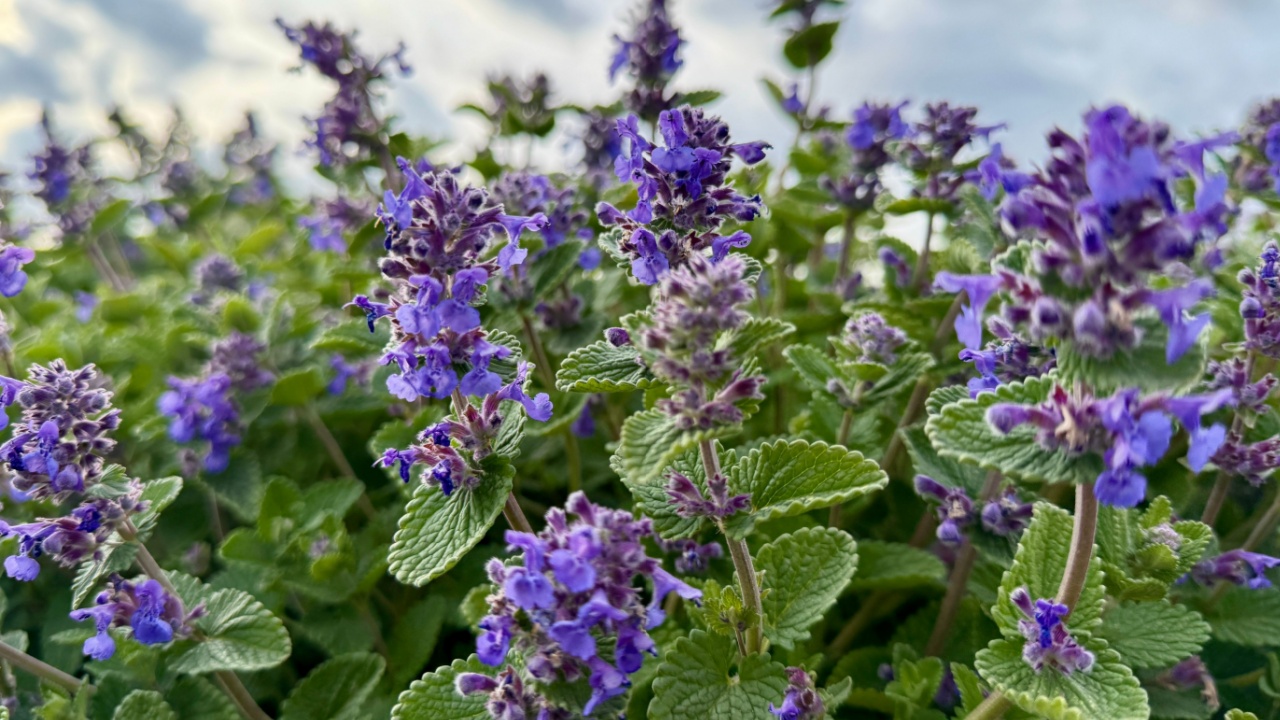
Image Credit: Shutterstock.
Catmint, with its aromatic gray-green foliage and lavender-blue flowers, puts on quite the show in early summer. By August, however, it can start to look leggy and worn out. A light cutback this month encourages dense new growth and may even spark another wave of blooms before fall.
Care Tips: Use clean, sharp shears to trim back the stems by about one-third, targeting spent flower stalks and lanky growth. Water deeply after trimming to reduce stress and ensure the plant is situated in full sun with well-drained soil.
2. Salvia (Salvia spp.)
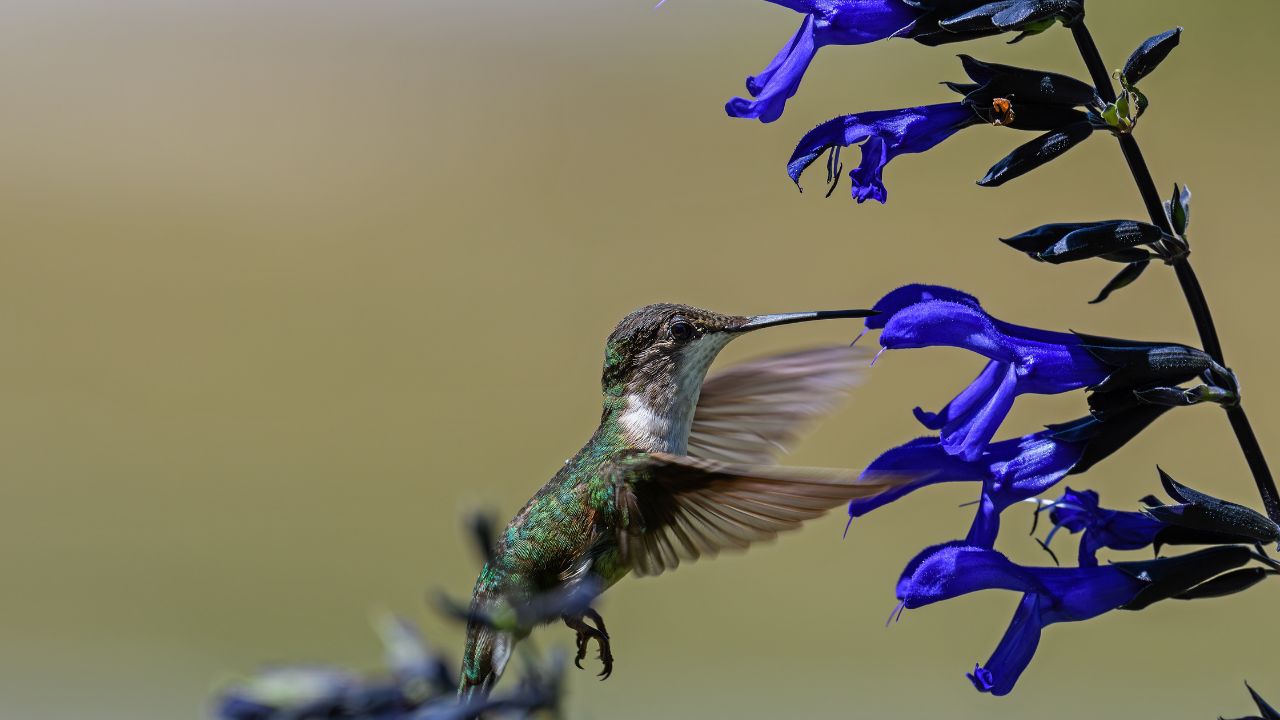
Image Credit: Shutterstock.
Salvias are garden favorites for their long-blooming, vibrant flower spikes that attract pollinators. By August, many species, like Salvia nemorosa, can benefit from a cutback to promote another flush of blooms and maintain their compact shape.
Care Tips: After the main flowering period, remove spent flower stalks down to a healthy leaf node. For bushier varieties, prune up to one-third of the plant’s height. Provide even moisture during dry spells to support regrowth.
3. Coreopsis (Coreopsis spp.)
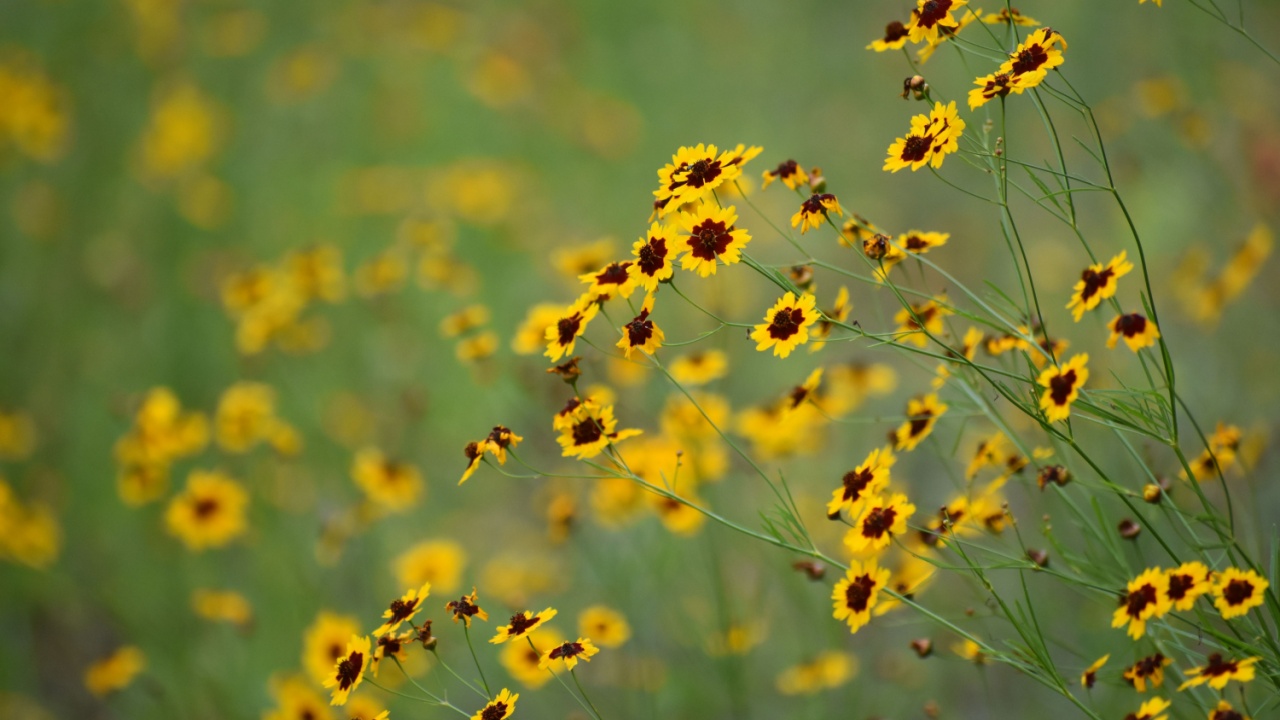
Image Credit: Shutterstock.
Coreopsis produces abundant daisy-like flowers through summer, but it can become scraggly and overgrown by August. Cutting back and deadheading the blooms at this time tidies the plant and encourages prolonged blooming into early fall.
Care Tips: Use pruning shears to cut stems down by about one-third, targeting faded blooms and overgrown growth. Water the plant immediately after pruning to reduce stress and ensure it receives plenty of sunlight to thrive.
4. Bee Balm (Monarda didyma)

Image Credit: Shutterstock.
Bee Balm is a striking perennial with vibrant, tufted blooms loved by pollinators. However, by late summer, it can become prone to powdery mildew and root rot if overcrowded. Thinning and cutting back in August improves air circulation and reduces disease risks.
Care Tips: Remove about one-third of the stems, focusing on older or diseased growth. Thin out dense clumps to prevent crowding. Water consistently, but avoid wetting the foliage to keep disease at bay.
5. Yarrow (Achillea millefolium)
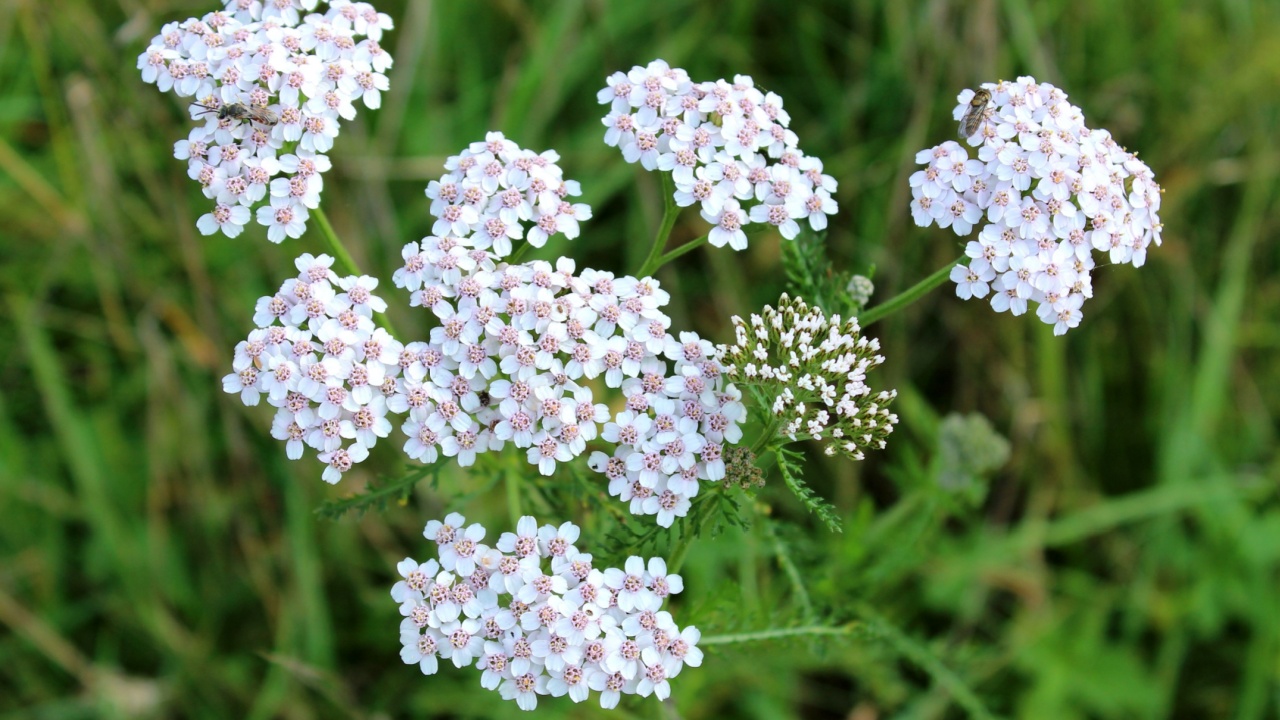
Image Credit: Shutterstock.
Yarrow is a drought-tolerant perennial with feathery, textured foliage and flat-topped flower clusters. By late summer, the blooms can fade and turn brown, making the plant look untidy. Cutting back promotes a second round of flowers and keeps the plant looking fresh.
Care Tips: Cut faded flower stalks down to the base to allow room for new growth. Avoid overwatering, as yarrow prefers dry conditions. Apply a layer of mulch around the base to help retain moisture while keeping weeds at bay.
6. Daylilies (Hemerocallis spp.)
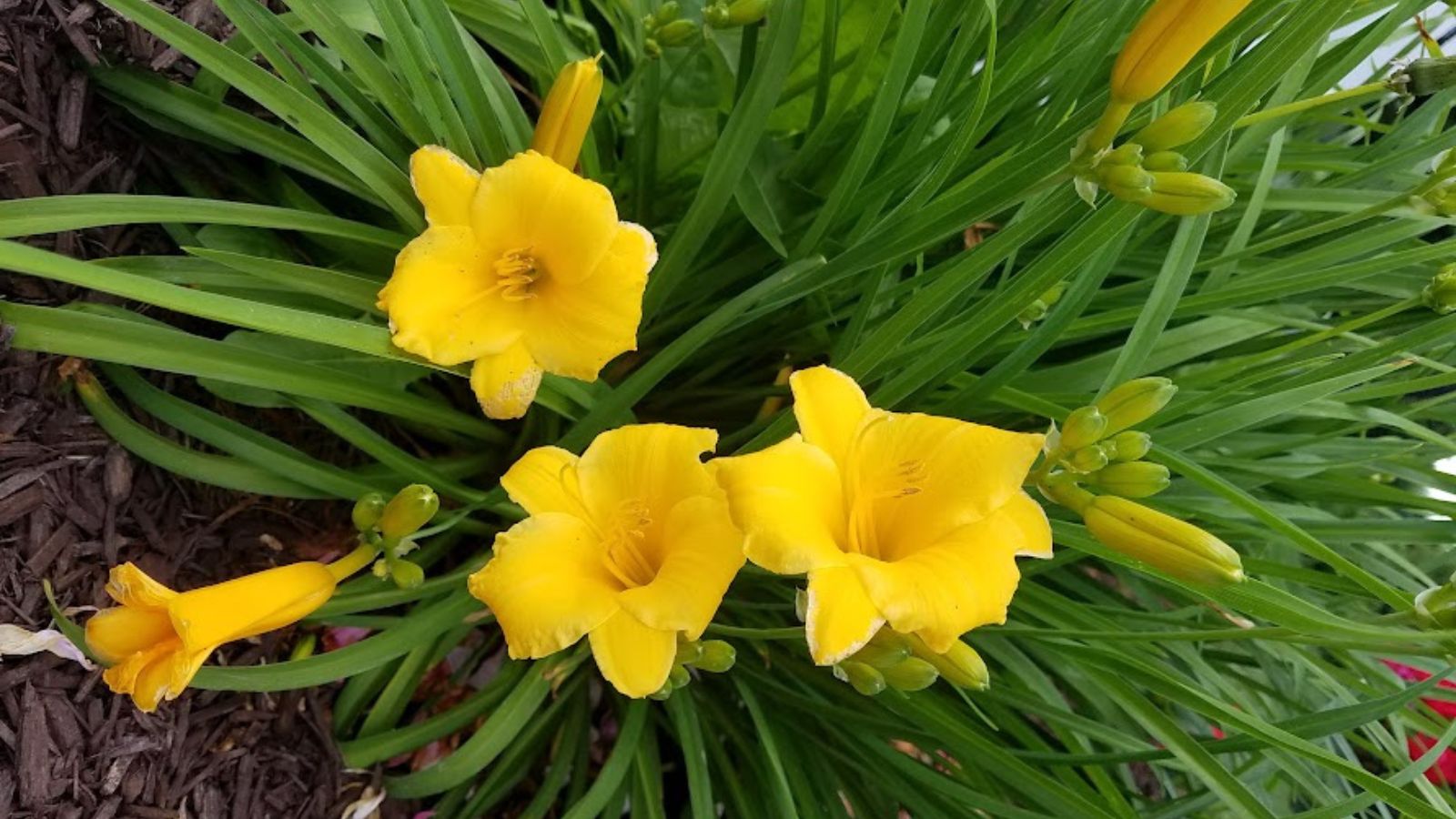
Image credit: Backyard Garden Lover.
Daylilies are resilient perennials that deliver bold, trumpet-shaped blooms. By August, the flowers have typically faded, leaving behind yellowing leaves and spent stalks that need to be removed to tidy up the plant.
Care Tips: Use sharp shears to remove spent flower stalks and trim browned foliage down to the base. Keep an eye out for crowded clumps and divide if necessary. Water deeply once a week to encourage strong regrowth.
7. Hardy Geranium (Geranium spp.)
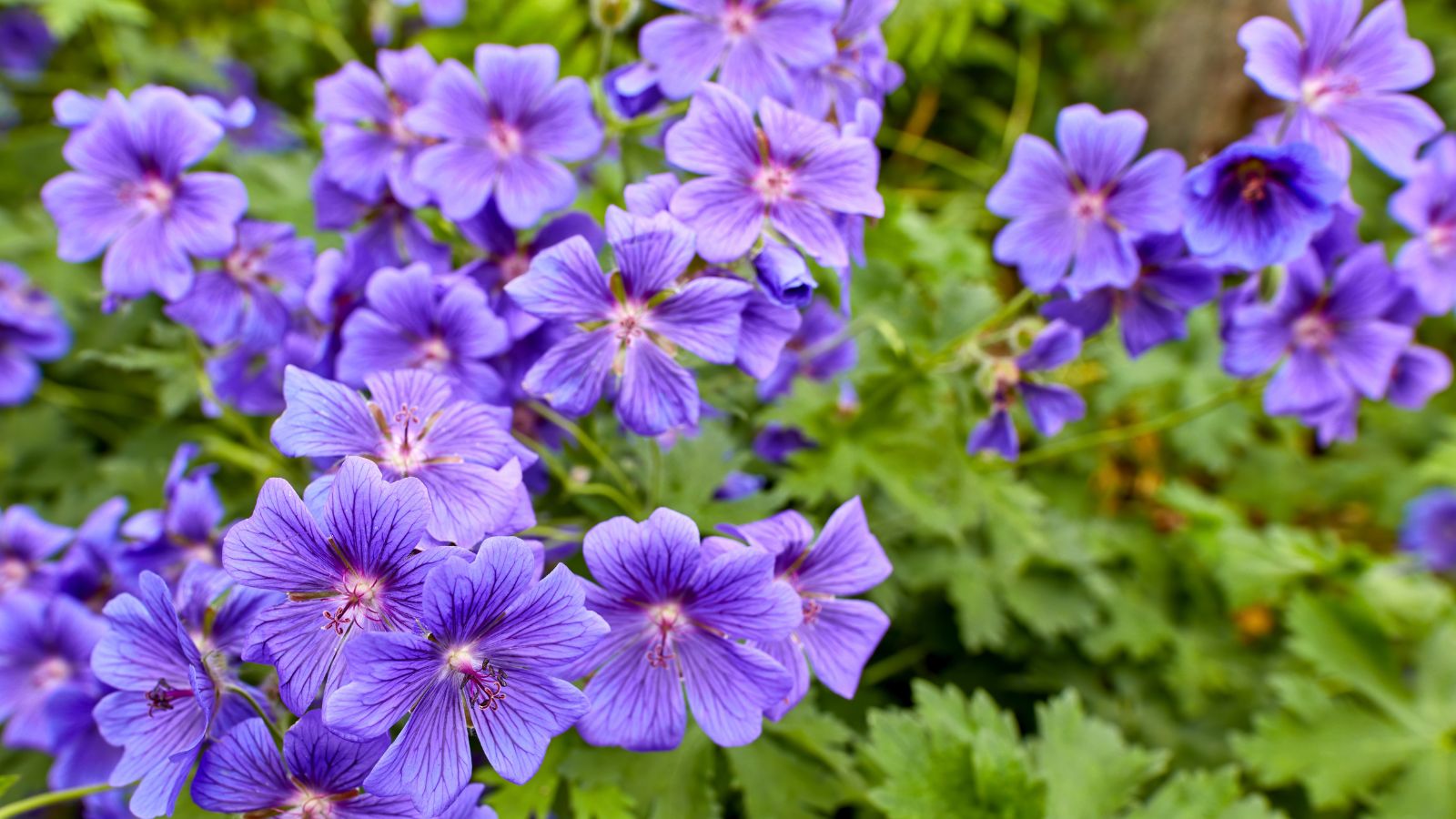
Image credit: YAY Images.
Hardy geraniums, or cranesbills, bloom prolifically in spring and early summer. However, by August, foliage and flowers may start to decline. A light cutback tidies the plant and often sparks additional blooming through fall.
Care Tips: Shear back sprawling stems and faded flowers to just above a leaf node or mound of foliage. Water right after trimming to encourage regrowth. Place them in well-drained soil with partial to full sun for best results.
8. Tall Garden Phlox (Phlox paniculata)
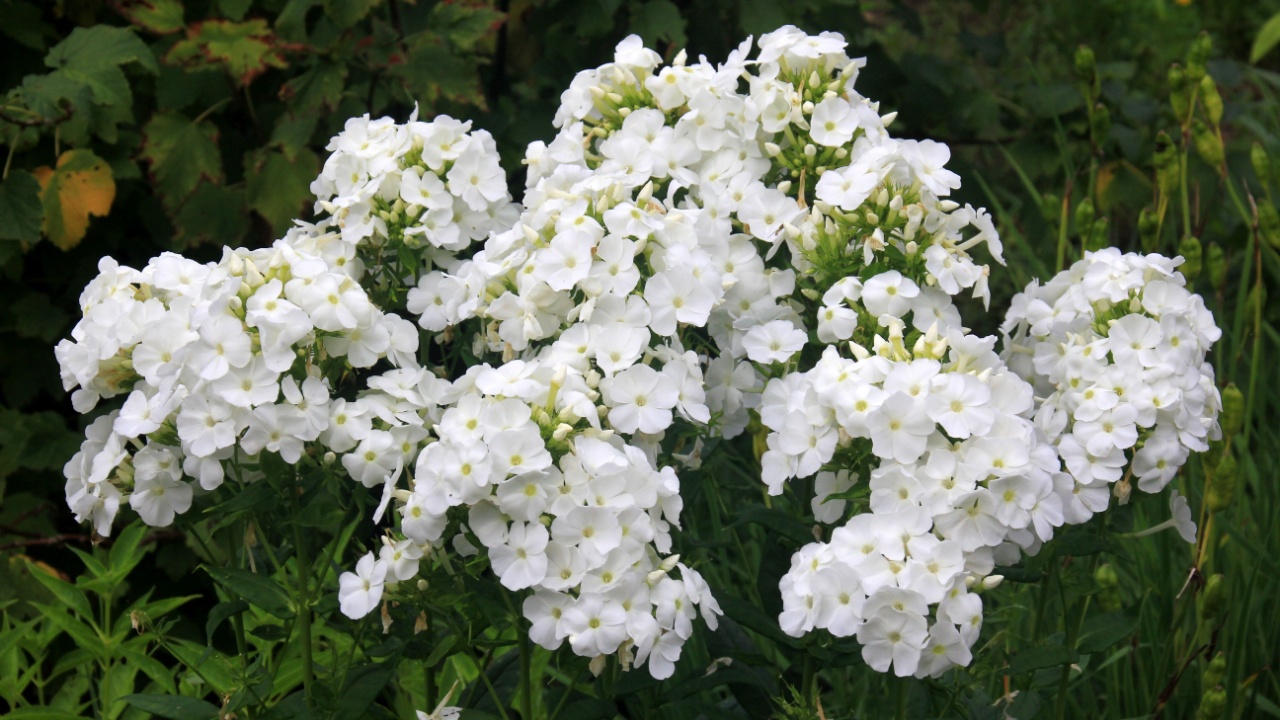
Image Credit: Shutterstock.
Tall Garden Phlox is a butterfly magnet with its fragrant clusters of vibrant flowers. However, as summer progresses, it can become prone to powdery mildew. Cutting back and thinning out the plant in August improves airflow and encourages healthy growth.
Care Tips: Trim spent blooms and remove any crowded or diseased stems. Water at the base instead of on the foliage to reduce mildew issues. Mulch around the base to help retain soil moisture and suppress weeds.
9. Santolina (Santolina chamaecyparissus)
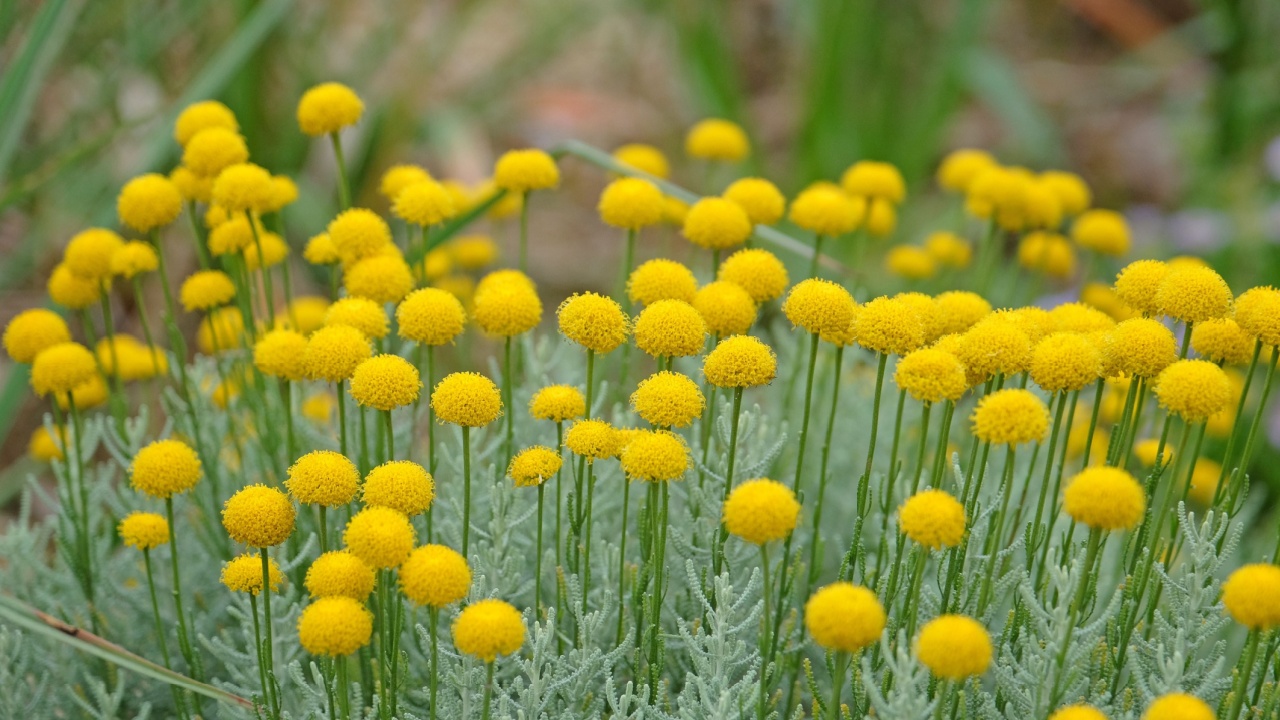
Image Credit: Shutterstock.
Santolina, also known as lavender cotton, boasts fluffy gray foliage and cheerful yellow flowers. By late summer, a light trim keeps its compact mound tidy while encouraging fresh growth.
Care Tips: Remove faded blooms and lightly shape the plant as needed, avoiding woody stems. Place in full sun with well-drained soil, and water sparingly, as it thrives in dry conditions.
10. Echinacea (Echinacea purpurea)
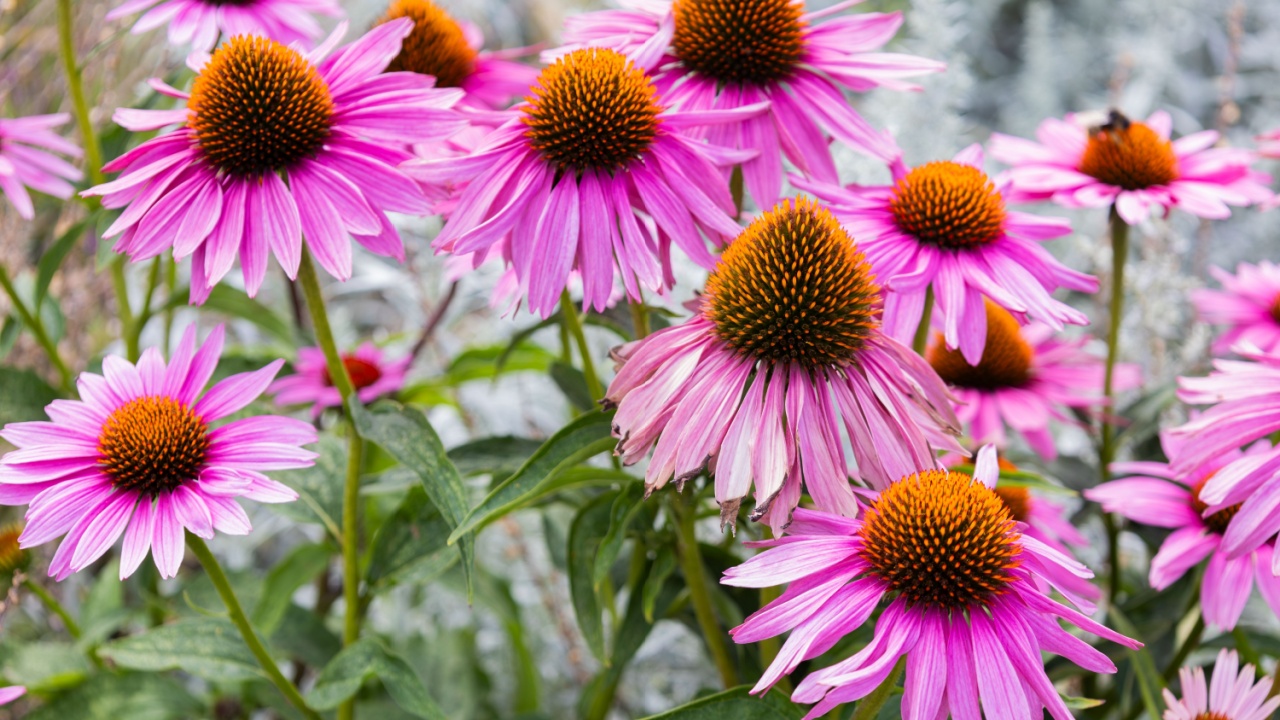
Image Credit: Shutterstock.
Echinacea, or coneflower, is a low-maintenance perennial known for vibrant pink or purple blooms and spiky seed heads. Cutting back in August refreshes the plant and encourages continued blooming into early fall.
Care Tips: Deadhead spent blooms to keep the plant looking neat and prolong flowering. Allow some seed heads to remain for wildlife, as they’re a favorite for birds like goldfinches. Plant in full sun with well-drained soil and water moderately.
A Late Summer Reset
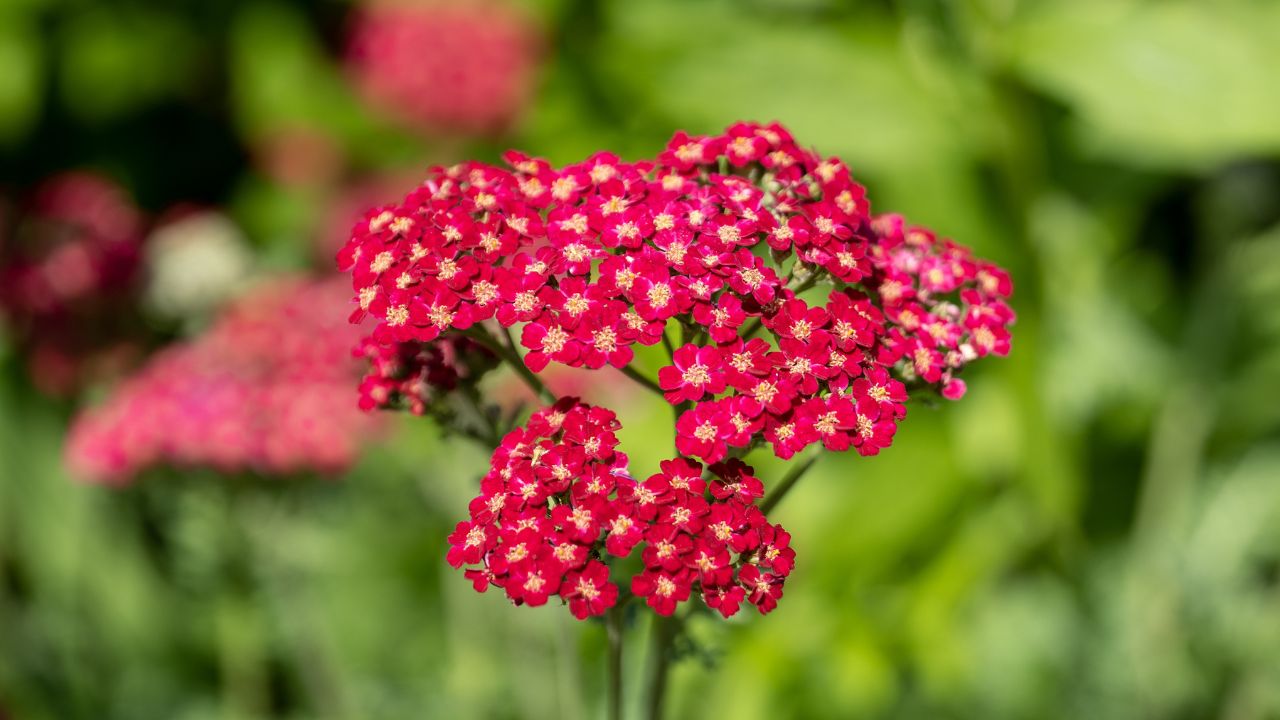
Image Credit: Shutterstock.
Cutting back perennials in August isn’t just about keeping your garden looking fresh—it’s also about setting the plants up for success in the coming season.
With trimmed stems and improved airflow, these resilient plants will bounce back healthier, attract pollinators, and deliver vibrant blooms well into fall and beyond. Grab your pruning shears and give your perennials the late-summer refresh they deserve!